
Factors Influencing Drone Pricing for Real Estate
Understanding the various elements that impact drone service costs is essential for real estate professionals aiming to incorporate aerial footage into their marketing strategies. Several key factors come into play when determining the pricing for drone services, each contributing to the overall cost based on the specific requirements of a project.
Drone Type and Equipment
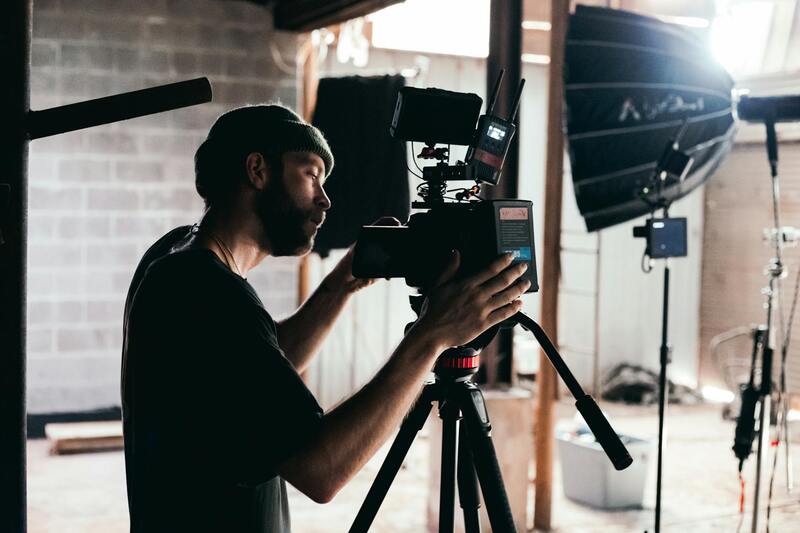
The type of drone used significantly influences pricing. Professional-grade drones equipped with high-resolution cameras, thermal imaging, or special stabilization features tend to have higher rental or service fees. The advanced technology ensures superior image quality and stability, which are crucial for capturing attractive real estate footage.
Flight Duration
The length of time the drone is in operation affects the service cost. Longer shoots require more battery replacements and additional flight time, which can increase expenses. Typically, drone rentals are billed by the hour, and complex projects may need multiple flights to cover different vantage points or property areas.
Complexity of Shooting Locations
Properties situated in challenging environments—such as those with restricted airspace, high-rise buildings, or intricate landscapes—demand more meticulous planning and specialized flying skills. These complexities translate into higher service fees due to the increased effort and technical expertise required to ensure safe and effective operation.
Preparation and Post-Processing
In addition to the flight itself, the preparation phase—including obtaining permits if necessary—and post-production editing are factors that can influence overall costs. High-quality editing, color correction, and 3D mapping add value but also increase the final price.
Weather Conditions
Weather significantly impacts drone operations. Unfavorable conditions, such as high winds or rain, may require rescheduling or additional equipment, leading to potential cost adjustments. Skilled pilots assess weather patterns carefully to optimize flight safety and video quality.
Pricing for drone services in real estate hinges on these core considerations, which together determine the effort, time, and equipment needed to deliver striking aerial visuals. Accurate cost expectations require a clear understanding of project scope, location specifics, and technical requirements, making detailed communication with service providers crucial for precise estimates.
Factors Influencing Drone Pricing for Real Estate
When considering drone services for real estate, several key factors contribute to the final cost. These elements are essential for clients to understand, as they influence the scope, quality, and timeliness of the footage produced. Accurate pricing relies on transparent communication with service providers about these factors, ensuring expectations align with budget and project goals.
Level of Aerial Coverage and Flight Time
The extent of aerial footage required directly impacts pricing. Basic packages may include a few high-quality shots of the property from strategic angles, while comprehensive packages offer extended flight times covering multiple vantage points, detailed property landscapes, and surrounding amenities. Longer flight durations demand more pilot time and battery resources, which can raise costs. Additionally, complex shoots that involve multiple flights to capture various angles or property features demand additional planning and effort, further influencing the price point.
Location and Environment Complexity
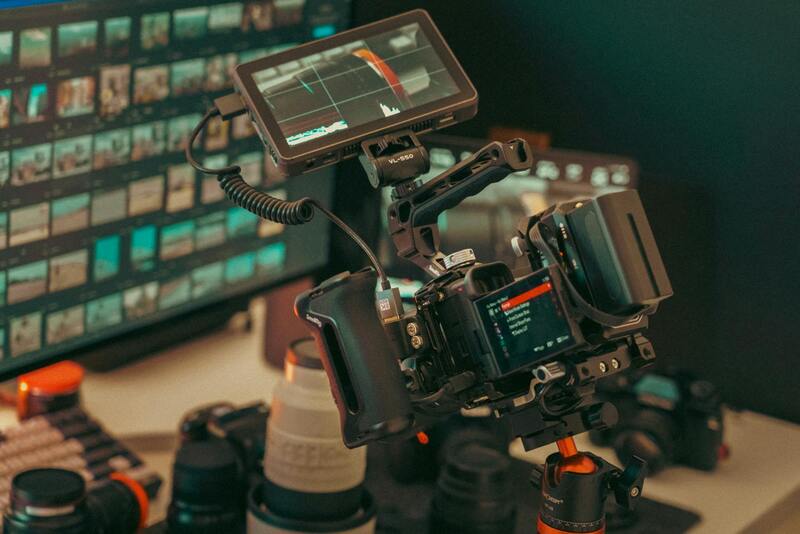
The environmental context of a property plays a significant role in determining costs. Properties located near restricted airspace zones, high-rise developments, or areas with dense urban infrastructure require advanced planning, specialized flight skills, and potential permissions. Similarly, properties in rugged terrains such as coastal cliffs or dense wooded areas may necessitate customized flight strategies, which translate into higher service expenses. Technical complexities like these demand experienced pilots with specialized equipment, influencing overall drone pricing for real estate services.
Preparation and Post-Production Efforts
The process begins well before the drone takes flight, involving task preparation such as securing necessary permits, assessing site-specific risks, and planning flight paths. After the capture, editing tasks—including color correction, stabilization, and the creation of marketing-ready videos—add significant value. High-resolution footage, 3D mapping, or virtual tours require advanced post-processing, which increases the total service fee. Skilled editors or specialized software licenses contribute further to these costs, underscoring the importance of clear communication regarding deliverables.
Weather and Timing Conditions
Weather conditions are critical for drone operations. Wind speeds, precipitation, and lighting affect both safety and footage quality. Unfavorable weather may necessitate rescheduling, incurring additional costs for the client. Experienced pilots evaluate weather patterns meticulously to optimize flight windows, maintaining safety standards while delivering high-quality imagery. In scenarios where weather unpredictability extends project timelines, adjustments to pricing or scheduling may be required, ensuring clients understand the potential for additional expenses beyond initial estimates.
Technical Requirements and Equipment Usage
The type of drone equipment used also influences pricing. High-end drones equipped with 4K or higher resolution cameras, thermal imaging, or specialized stabilization technology typically command premium rates. For projects requiring unique features—such as 3D mapping or nighttime shooting—additional equipment rentals or dedicated technical support are needed, adding to service costs. The choice of equipment directly affects overall quality and the complexity of the operation, both of which factor into the final pricing structure.
Factors Influencing Drone Pricing for Real Estate
Several key elements shape the cost structure associated with drone services in the real estate sector. Understanding these factors helps clients make informed decisions and align their expectations with the actual investment required for quality aerial footage.
Technical Specifications of Equipment
The quality and capabilities of the drone hardware significantly impact pricing. Drones equipped with 4K cameras deliver crisp, detailed images that enhance property visuals, but this advanced technology often entails higher rental or usage fees. Additional features such as thermal imaging or LiDAR sensors cater to specialized project requirements and further increase costs. The inclusion of stabilization systems, GPS tracking, and obstacle avoidance technology also influences the service fee, as these ensure safety and smooth footage capture.
Operational Complexity and Environmental Conditions
Operational complexity encompasses factors such as flight duration, accessibility of the property, and the intricacy of the shoot. Properties situated in challenging terrains or requiring multiple takeoff and landing points demand more planning and manpower, which reflect in higher costs. Weather plays a crucial role as well; operational delays due to unfavorable conditions can lead to rescheduling, influencing the overall billing. Skilled pilots assess weather patterns and adjust plans accordingly, often adjusting pricing based on the anticipated effort and risk.
Post-Processing and Delivery Specifications
The level of editing and customization needed for footage impacts pricing considerably. Basic video editing, including trimming and color correction, is typically included in standard packages. However, more elaborate services such as 3D modeling, virtual tours, or high-resolution uploads involve additional hours of work, specialized software, and expertise. Clear specifications regarding the final product, delivery formats, and revisions should be discussed upfront to avoid unexpected costs.
Project Duration and Scheduling
Single-shot projects may be more cost-effective, while ongoing campaigns or multiple property shoots incur cumulative expenses. Timing also affects cost; peak seasons or tight deadlines might require expedited services, which often carry a premium. Agencies or pilots with high demand may charge higher rates during busy periods, reflecting the competitive market for skilled operators and equipment availability.
Average Cost Range for Real Estate Drone Services
Understanding the typical pricing landscape provides a benchmark for budgeting. Standard drone services for residential properties usually start around $150 to $300 per flight, covering basic footage and minimal editing. For larger or commercial properties requiring advanced imaging, rates tend to range from $300 to $600 per session. Multi-property packages or ongoing marketing campaigns often benefit from volume discounts or bundled pricing, making them more cost-effective for real estate professionals seeking comprehensive visual coverage.
Additional factors like project scope, turnaround time, and specific deliverables can influence these base rates. Clients should consider these ranges as a starting point and solicit customized quotes based on their unique needs, ensuring they receive accurate estimates aligned with their marketing goals.
Additional Costs and Fee Considerations
While standard drone service rates provide a foundational understanding of pricing, several supplementary expenses can influence the overall cost structure. These additional charges often vary depending on the project's complexity, location, and specific client requirements. An awareness of these potential fees allows real estate professionals to establish more accurate budgets and prevent unexpected overruns.
One common supplementary expense pertains to editing services. Basic footage may include minimal post-production, but more polished videos with advanced editing, color grading, and special effects typically incur higher charges. Clients seeking high-quality promotional content should budget for comprehensive editing, which can add several hundred dollars to the initial service cost.
Licensing fees are another consideration, especially when utilizing copyrighted music, branding, or proprietary visual elements within the video content. Proper licensing ensures compliance and protects against copyright infringement, sometimes requiring clients to purchase additional permissions or rights clearance.
Travel expenses can significantly impact pricing, particularly for projects located outside the drone operator’s usual service area. These costs encompass transportation, accommodations, and per diem payments for crew members. For properties situated in remote or less accessible locations, travel fees may be proportionally higher, adding to the overall project budget.
Permits and regulatory compliance costs are crucial for certain regions or property types. Some areas require official permissions for drone flights, especially near restricted zones such as airports, government buildings, or protected lands. Permit acquisition typically involves application fees and additional administrative steps, which may be included in the final billing or charged separately.
Expedited or rush services represent another cost factor. Clients with tight deadlines may opt for priority scheduling, resulting in higher rates. This includes fast turnaround times for editing, delivery, or permit processing. When timing is critical, these premium charges are standard and help ensure delivery aligns with marketing campaigns or open house events.
Ultimately, understanding and accounting for these extra costs during the planning phase allows for a more accurate total budget. Open communication with the service provider about potential add-ons and fees is essential for transparency and achieving the desired visual outcomes within the set financial parameters.
How Location and Property Size Affect Pricing
In the realm of real estate drone services, geographic location plays a significant role in determining overall costs. Properties situated in densely populated urban areas like Downtown Miami or Miami Beach often require additional planning for airspace management, permit acquisition, and regulatory compliance, which can influence pricing. Conversely, properties located in more secluded or less accessible regions might incur higher travel and logistical expenses, especially if the drone operator needs to allocate additional time and resources to reach these sites.
The size and complexity of the property also directly impact drone service costs. Larger estates, commercial developments, or properties with extensive grounds often necessitate longer flight times and multiple shots from various angles. This, in turn, increases the amount of post-production editing and the overall time required for capturing comprehensive visual content. For example, a sprawling waterfront estate might include aerial shots of the property, surrounding landscape, and water access points, which demands careful planning and potentially higher fees.
Furthermore, the nature of architectural features or landscaping details can influence filming techniques and equipment used. High-end properties with intricate designs or extensive outdoor amenities might require specialized drone equipment or additional crew members, adding to the overall investment. Smaller residential homes, on the other hand, typically involve shorter flight durations and simpler editing processes, often resulting in more affordable pricing structures.
Understanding these factors allows clients to better allocate their budgets and select appropriate service packages tailored to the specific demands of each property. Advanced planning with the drone service provider ensures that the challenges associated with location and size are addressed effectively, optimizing both quality and cost-efficiency.
Factors Influencing Drone Pricing for Real Estate
Drone pricing for real estate is affected by multiple key factors that influence the overall cost structure of the service. The complexity of the property itself plays a significant role. Larger and more intricate properties—such as multi-acre estates, commercial developments, or properties with extensive landscaping—require longer flight times, multiple angles, and detailed shots. These elements naturally increase both operational time and editing needs, resulting in higher charges.
Another critical element is the level of detail and quality demanded. High-resolution footage, advanced camera stabilization, and specialized equipment can elevate costs. For high-end properties with ornate architectural features or features like pools, waterfalls, or outdoor amenities, drone operators might need to use high-end gear or additional technicians to capture the property's details effectively. The precision needed for such shots, especially for luxury listings, often results in premium pricing.
The type of drone used also impacts pricing. Standard quadcopters are usually more affordable, suitable for basic visuals of residential homes. Conversely, professional-grade drones with 4K or higher resolution cameras, thermal imaging, and obstacle avoidance technology tend to cost more but are necessary for detailed, high-quality real estate marketing. Advanced models may also require specialized pilot training, which adds to operational costs.
Average Cost Range for Real Estate Drone Services
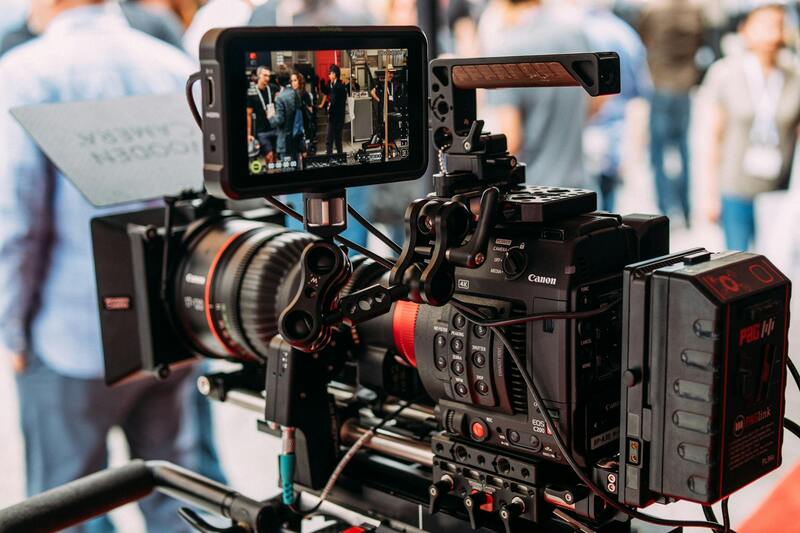
For standard residential properties, drone service prices typically fall within a range of $150 to $300 per session. This fee generally includes the flight, basic footage, and minimal editing. Larger and more detailed properties tend to start at $300 and can go up to $800 or more, particularly when multiple flights or specialized equipment are involved.
In some cases, packages are offered based on the scope of work, such as a complete property showcase, which might include aerial views, interior shots, and post-production editing. These packages can range from $200 to $1,000 depending on the property's complexity, desired footage quality, and turnaround times. For high-volume real estate developers or agencies, discounted rates or long-term contracts may be negotiated to reduce costs per project.
Types of Drone Packages and Pricing Structures
- Basic Package: Includes standard aerial footage of the property, suitable for small homes or simple listings. Costs generally range from $150 to $300.
- Standard Package: Adds multiple angles, interior shots, and basic editing, typically costing between $300 and $600.
- Premium Package: Comprehensive coverage with high-end equipment, detailed editing, and additional shots of surroundings or amenities. Prices can extend from $600 to $1,000 or higher.
- Custom Packages: Tailored services including 3D mapping, thermal imaging, or extended flight times, which are priced based on specific client requirements.
Additional Costs and Fee Considerations
Beyond standard package fees, several additional costs may apply. Flight permits or regulatory fees might be necessary for certain locations or heights—though this is often incorporated into the service fee when provided by established companies. Delivery or expedited editing services usually incur additional charges if clients require quick turnaround times.
Post-production editing costs are sometimes itemized separately, especially for projects demanding cinematic quality or multiple revisions. If drone operators need to access hazardous or hard-to-reach areas, additional safety equipment or specialized training could also influence the overall price.
Furthermore, travel expenses are an important consideration, especially if the property is located outside the company's usual service area. These costs can add several hundred dollars to the project budget depending on distance and logistical requirements.
How Location and Property Size Affect Pricing
Location plays a pivotal role in determining drone pricing. Urban or restricted airspace areas may require special permissions, leading to increased administrative and operational costs. Conversely, rural or open areas often entail fewer restrictions but may incur higher travel expenses for the crew.
Property size also directly impacts costs. Smaller residential homes typically demand shorter, less complex drone flights and minimal editing, making them more budget-friendly. Larger estates or commercial properties require extended flight times to capture comprehensive visuals from various angles, which translates to higher fees. For expansive projects, multiple flights might be necessary to cover all angles and features, considerably increasing the total cost.
Additionally, the topography and natural features of the property influence filming logistics. Properties situated on hilly terrain or near bodies of water may require specialized equipment or repeated attempts to ensure high-quality footage. These factors are essential for clients to understand, as they allow for more accurate budgeting and planning of their real estate marketing campaigns.
Factors Influencing Drone Pricing for Real Estate
Drone pricing for real estate is contingent upon a variety of critical factors that ensure clients receive tailored, high-quality visual content. The complexity of the property, the scope of the coverage needed, and specific operational requirements all play integral roles in shaping the cost structure. For example, properties with intricate architectural details or extensive outdoor features may necessitate additional flight paths and more sophisticated editing, thereby increasing overall expenditure.
Another key element is the technical specifications of the drone equipment utilized. High-end drones equipped with advanced stabilization, high-resolution cameras, and specialized lenses typically command higher service rates due to their enhanced capabilities. This investment in technology ensures ultra-sharp images and smooth footage, which are essential for compelling real estate presentations.
Operating conditions, including weather variability, airspace restrictions, and the complexity of achieving desired shots, further influence pricing. Flights in adverse weather or in areas with congested or regulated airspaces often require additional planning, permits, and time, which translate into higher costs. To maintain safety and compliance standards, professional operators may also need to onboard additional personnel or employ specialized permits, contributing to the overall expense.
Additionally, the delivery timeline and post-production requirements can impact the pricing structure. Urgent delivery requests or extensive editing and videography work involve more resources, thereby increasing costs. Property owners seeking comprehensive marketing solutions, including on-site drone operation and post-shoot video editing, should anticipate a correspondingly detailed pricing estimate.
Average Cost Range for Real Estate Drone Services
In general, drone services tailored specifically for real estate marketing in Miami and similar markets tend to fall within certain financial brackets. Basic drone photography packages for small residential properties typically range from approximately $150 to $300 per session. These packages often include a handful of aerial images with minimal editing, suitable for straightforward property listings.
For more detailed aerial videography or multi-video packages that showcase larger properties or multiple angles, rates can extend from $400 to $900 per session. These packages involve longer flight times, comprehensive footage capture, and professional editing to produce high-quality visual content.
Luxury or expansive properties requiring extensive coverage, multiple camera angles, and detailed editing can approach costs upwards of $1,200 to $2,500. These high-end services often include drone packages with supplemental photography, 360-degree virtual tours, and customized footage tailored for high-value estates or commercial properties.
Types of Drone Packages and Pricing Structures
Drone service providers often offer a range of packages tailored to different property types and marketing needs. Common structures include:
- Basic Aerial Photography: This entry-level package includes a set number of high-resolution aerial photos, typically with minimal editing. Prices generally range from $150 to $300 per property.
- Video Tours: These packages offer short, professionally edited videos highlighting key features of the property. Costs usually span from $300 to $700, depending on duration and editing complexity.
- Full Property Footage: Extensive coverage combining photos, videos, and 3D tour integration. Pricing can be between $700 and $2,000, especially for larger estates or commercial listings.
- Custom Packages: For high-end or unique properties, bespoke offerings may include multiple flights, specialized shots, and advanced editing, with costs customized according to specific client needs.
Additional Costs and Fee Considerations
Beyond base package pricing, several supplementary costs might influence the total expenditure. Permitting fees or special permissions for flight operations in certain zones can add to the final bill. Similarly, expedited editing or delivery services, especially for time-sensitive listings, often incur additional charges.
Travel expenses feature prominently for properties located outside typical service areas. These fees compensate drone operators for transportation, accommodation, and extended operational hours. For properties situated in remote or difficult-to-access locations, expect higher logistical costs, which can significantly impact overall pricing.
Natural features such as water bodies, hills, or imposing terrain may necessitate specialized equipment or techniques, increasing both flight time and editing requirements. Such factors should be carefully considered during the planning phase to ensure accurate budgeting.
How Location and Property Size Affect Pricing
Geography plays a significant role in drone service costs. Urban or densely populated regions may require additional permissions and adherence to stricter airspace regulations, which can elevate operational costs. These region-specific considerations include scheduling restrictions, safety protocols, and permission processing times.
Property size directly correlates with the scope and duration of drone flights. Smaller residential homes usually require fewer flight paths, less post-production, and shorter shoot times, maintaining lower costs. Conversely, sprawling estates or commercial complexes demand more extensive coverage, multiple flight angles, and longer editing processes, all of which contribute to increased expenses.
The topographic nature of the site further impacts costs. Elevated or uneven terrain necessitates specialized equipment or repeated flights to obtain clear footage. Similarly, properties near bodies of water or on hilly slopes may require unique flight plans and equipment modifications, influencing overall expenditure.
Understanding these factors enables real estate professionals to formulate precise budgets and select appropriate service levels that align with their marketing strategy and property type.
Factors Influencing Drone Pricing for Real Estate
Multiple elements impact the overall cost structure of drone services tailored for real estate marketing. These variables extend beyond the mere rental or purchase of equipment, encompassing operational considerations, technical requirements, and client-specific needs. Real estate professionals seeking to leverage drone footage must understand these influences to make informed decisions that align with their marketing objectives and budget constraints.
One primary factor is the complexity of the property being documented. Large-scale commercial properties or sprawling estates typically necessitate prolonged flight sessions covering multiple angles and elevations. This increased flight duration translates into higher labor costs and extended post-production work, impacting the overall price. Similarly, properties situated in challenging environments—such as those with rugged topography, near water bodies, or on uneven terrain—may require specialized flight plans and equipment, further elevating expenses.
Technical Requirements and Equipment
The sophistication of the drone technology employed is another critical determinant. Standard drones equipped with basic cameras are typically more affordable, suitable for straightforward property shots. However, high-end drones with 4K or higher resolution cameras, stabilized gimbals, and advanced flight capabilities come at increased rental or purchase costs. These devices allow for more dynamic shots and higher-quality footage, which can justify higher service fees.
Post-production and Editing
Post-flight editing is an often-overlooked aspect influencing drone service pricing. Properties that require cinematic footage, pano shots, or virtual tours demand additional editing time and expertise. Agencies with skilled editors or software tools may charge extra for this service, impacting the final cost. The more intricate the footage, the more comprehensive the editing process, and consequently, the higher the price.
Operational Costs and Permitting
Operational expenses also depend on the location's airspace regulations and permitting requirements. Urban areas with dense air traffic or restricted zones might involve additional steps, such as obtaining permits, scheduling flights during off-peak hours, or employing specialized personnel trained in navigating airspace restrictions. These considerations inherently increase overhead costs, which are reflected in service pricing.
Overall, understanding these variables enables real estate professionals to appreciate the nuances behind drone service fees. Tailoring service requests according to property specifics and operational needs can lead to more accurate budgeting and optimal utilization of drone footage assets.