
Importance of Creative Real Estate Photography
In the highly competitive real estate market, the visual presentation of a property can significantly influence its appeal to potential buyers. Creative real estate photography transcends traditional listing photos by showcasing a property in a captivating and memorable manner. Engaging images can boost online visibility, enticing viewers to visit in person and increasing the likelihood of a quicker sale. Well-crafted visuals not only highlight the unique features and aesthetic appeal of a property but also help it stand out amidst numerous listings. When prospective buyers scroll through listings, high-quality, creative photos immediately draw attention, generate interest, and evoke an emotional response that motivates action.
Beyond attracting initial attention, creative photography fosters a perception of professionalism and care, conveying that the property is a desirable investment. This strategic approach to showcasing properties can lead to higher engagement rates, more inquiries, and ultimately, faster transactions. The importance of innovative visual storytelling in real estate cannot be overstated, as it helps agents and sellers present properties in their best light, emphasizing both functionality and style. Effectively, creative photos act as a powerful marketing tool that amplifies a property's appeal and accelerates its journey to sale.
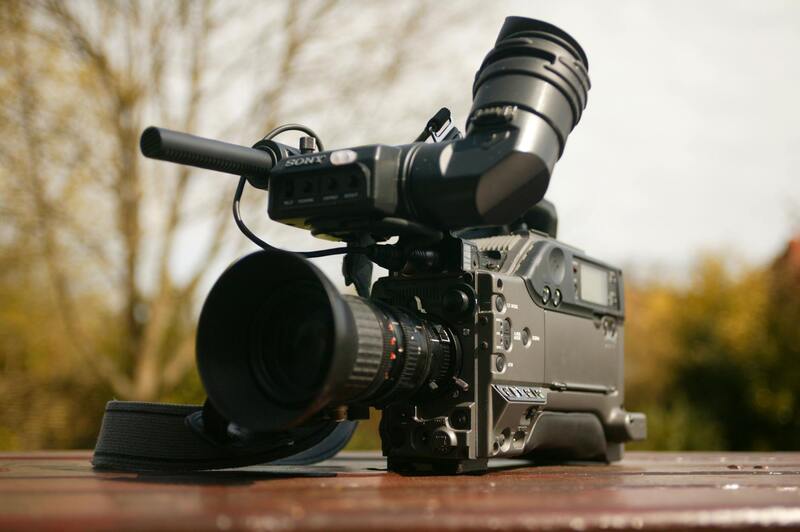
To maximize the impact of a listing, incorporating creative photography techniques is essential. These images serve as the first impression for potential buyers and can shape their perceptions long before they schedule a viewing. An eye-catching photo can stand out in online searches, social media shares, and marketing materials, creating a compelling narrative that invites further exploration. From emphasizing spatial flow to highlighting unique architectural features, creative photography transforms standard images into persuasive visuals that resonate emotionally with viewers. Properly executed, these images shape perceptions, build trust, and generate a sense of urgency among prospective buyers. As technology continues to evolve, utilizing innovative and artistic visual methods becomes not just an option but a necessity for real estate professionals aiming to maximize listing exposure and attract serious buyers.
Techniques for Creative Photography in Real Estate
Harnessing innovative photography methods requires a strategic approach to capturing properties in a way that highlights their best features and creates visual interest. One effective technique is the use of drone photography, which provides breathtaking aerial perspectives, showcasing expansive properties, landscapes, and neighborhood amenities that ground-level shots cannot capture. Drone imagery enhances storytelling by offering a bird's-eye view that emphasizes the scale and context of the property within its environment.
Another vital approach involves utilizing wide-angle lenses to create a sense of space and grandeur. Wide-angle shots can make rooms appear larger and more inviting, which is especially beneficial for smaller or segmented spaces. Strategically shooting during the golden hour—the period shortly after sunrise or before sunset—also enhances the visual appeal, as the soft, warm light reduces harsh shadows and highlights architectural details efficiently.
Creative use of interior lighting, such as incorporating natural light with open curtains or adding styled lighting fixtures, elevates the ambiance. Properly lit spaces appear warmer and more inviting, encouraging potential buyers to envision themselves living in the home. Balancing natural and artificial light, along with thoughtful placement of light sources, can transform ordinary photos into compelling visual stories that resonate emotionally and stimulate interest.
Editing and Post-Processing Tips
Post-production plays a crucial role in elevating visual quality while maintaining authenticity. Adjusting brightness, contrast, and color saturation ensures images are vibrant and true to life without appearing overly processed. Clarity enhancement techniques sharpen details to draw attention to key features, like intricate moldings or scenic views. Correcting distortions caused by wide-angle lenses, along with removing distracting elements such as clutter or reflections, helps craft clean and appealing visuals.
Using selective editing tools allows for emphasis on focal points. For instance, brightening up the living room while subtly darkening the background can guide viewers’ eyes directly to the main attractions. Proper color correction ensures that the overall tone matches the property's lighting conditions, producing natural-looking images that appeal to discerning buyers and agents alike.
Choosing the Right Equipment and Software
The foundation of quality creative real estate photos lies in selecting appropriate tools. Professional-grade DSLR or mirrorless cameras equipped with wide-angle lenses are preferred for capturing detailed and distortion-free images. A sturdy tripod ensures stability for sharp shots in varying lighting conditions and when using long exposure techniques in low-light scenarios.
For post-processing, industry-standard software such as Adobe Lightroom and Photoshop provide extensive capabilities for fine-tuning images. These platforms allow precise adjustments and creative edits, giving real estate professionals the flexibility to produce polished visuals that stand out in competitive listings.
Hiring Professional Photography Services
Engaging experienced photographers who specialize in real estate imagery ensures that properties are presented in their most compelling light. Professionals bring an understanding of the latest techniques, equipment, and editing workflows that maximize a property's visual appeal. Their expertise in staging, lighting, and composition can transform standard photographs into artistic representations that resonate emotionally with viewers.
Investing in professional services often yields a higher return in terms of engagement and inquiry rates, as expertly captured images drastically improve a listing's visual presence across platforms. These images effectively communicate the home's value proposition, making them a vital component of a successful marketing strategy.
Techniques for Creative Photography in Real Estate
To elevate property visuals beyond traditional shots, real estate photographers employ innovative techniques that highlight a property's best features and create captivating visual narratives. These methods include the strategic use of drone photography, twilight shooting, and wide-angle lens applications, each adding a unique perspective that appeals to prospective buyers and renters.
Drone Photography for Aerial Perspectives
Utilizing unmanned aerial vehicles (UAVs), or drones, allows for striking aerial views that showcase a property's vastness, surrounding landscape, and neighborhood context. Aerial imagery provides an expansive perspective often unattainable through ground photography, helping potential clients visualize the property's scale and its relationship to nearby amenities. Incorporating drone shots into your listing not only enhances visual appeal but also demonstrates a commitment to comprehensive and modern marketing strategies.

Twilight and Sunset Shots for Dramatic Effect
Photographing properties during twilight — the period just after sunset or before sunrise — imparts a warm, inviting glow and emphasizes exterior lighting features. Twilight images evoke a sense of tranquility and desirability, often making properties appear more alluring. Properly executed twilight photography requires precise timing and external lighting considerations to balance natural light and interior illumination, resulting in images that captivate and attract interest.
Wide-Angle Lens Utilization
Wide-angle lenses are fundamental in real estate photography, allowing for expansive views of interior spaces within limited shot dimensions. This technique makes rooms appear larger, more open, and inviting. Composing images to minimize distortion and ensure a true representation of space enhances a buyer's perception of the property’s size and flow. Proper use of wide-angle lenses involves careful framing to avoid excessive distortion while maximizing spatial awareness.
Additional Creative Techniques
- Vertical and Horizontal Composition: Balanced framing that guides viewers' eyes through key features of the property.
- Reflection Shots: Using mirrors or reflective surfaces creatively to add depth.
- 360-Degree Virtual Tours: Interactive experiences enable virtual walk-throughs, expanding reach and engagement.
Mastering these techniques requires practice and attention to detail, but when executed correctly, they significantly enhance the appeal of real estate visuals, helping properties stand out in a competitive market.

Techniques for Creative Photography in Real Estate
Implementing innovative photography techniques is essential for capturing the unique features and ambiance of a property. More than just showcasing spaces, creative methods aim to evoke emotion and highlight the property's best qualities, making listings more compelling to prospective buyers and renters.
One effective approach is the use of intentional lighting manipulation. This includes leveraging natural light during specific times of the day, such as early morning or late afternoon, to produce warm, inviting tones. The interplay of light and shadow can accentuate architectural details and textures, adding depth to the images. External lighting—such as strategically placed landscape lights or accent lights—can be used to enhance the property's exterior features after sunset, creating a captivating twilight scene that emphasizes curb appeal.

Another technique involves the creative use of angle and perspective. Instead of standard frontal shots, experiment with high or low angles to reveal spatial relationships and establish a sense of grandeur or intimacy. For example, shooting a room from a corner can showcase multiple features simultaneously, while a low-angle shot of a ceiling detail emphasizes architectural craftsmanship.
Reflections and mirror shots can add a sophisticated layer of visual interest. Utilizing reflective surfaces such as polished floors, glass partitions, or decorative mirrors introduces depth and can visually double the perceived space. This technique, when executed thoughtfully, guides the viewer’s eye throughout the scene and highlights specific design elements.

Furthermore, integrating virtual reality or 360-degree virtual tours enhances interaction with online audiences. These immersive experiences allow potential buyers to virtually navigate through a property, providing a comprehensive view that static images cannot convey alone. The seamless combination of creative photography and interactive tools builds a stronger connection with viewers and broadens market reach.
Mastering these techniques depends on precision, patience, and a clear understanding of the property’s core attributes. When combined effectively, they transform standard listings into captivating visual narratives that resonate’s with prospective buyers, setting the property apart in a crowded marketplace.
Enhancing Visual Appeal with Creative Shooting Techniques
Implementing advanced photography methods plays a crucial role in elevating the visual impact of real estate images. Techniques such as utilizing specific angles, strategic lighting, and dynamic compositions can substantially differentiate a property listing. For instance, shooting from an elevated perspective, such as a drone or high vantage point, can showcase the property's expanse and surrounding landscape more effectively. Conversely, low-angle shots of architectural details add a sense of stature and grandeur.
Another impactful approach involves controlling natural light and supplementing it with professional lighting to highlight interior features. Carefully timed captures during the golden hour create warm, inviting tones that enhance the mood of a space. Additionally, incorporating shadows thoughtfully can add depth and dimension, making rooms appear more three-dimensional and lively.
Creative framing techniques like leading lines, symmetry, and framing elements within the scene subtly guide the viewer's eye towards focal points, emphasizing key features of the property. For example, doorways, windows, or architectural details can serve as natural frames within the composition, drawing attention to particular areas of interest.
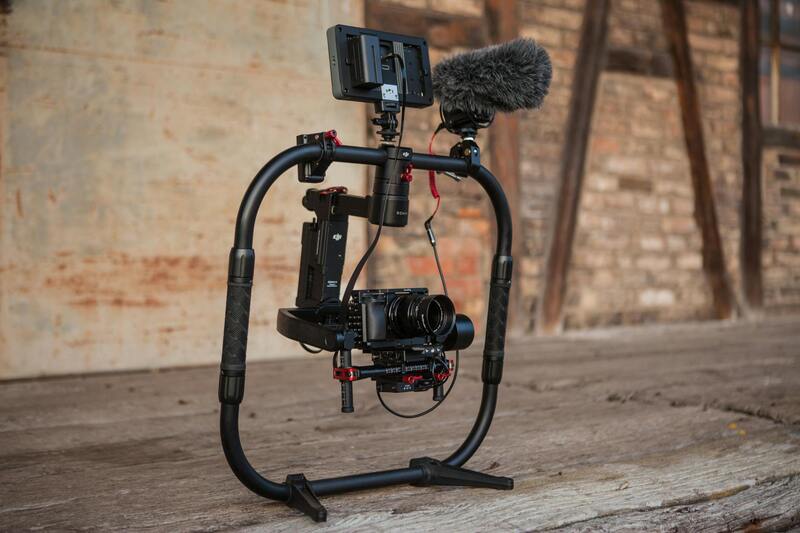
Reflections and mirror shots are particularly powerful tools for adding sophistication and visual interest. By capturing reflective surfaces such as polished floors, glass walls, or decorative mirrors, photographers can create layered images that convey a sense of spaciousness while highlighting design elements. These reflections also introduce depth, making the space appear larger and more engaging.
Incorporating virtual reality (VR) or 360-degree virtual tours can complement creative photography by offering an immersive experience. These interactive features allow potential buyers to explore properties remotely, experiencing spatial relationships and details more comprehensively than static images alone. When combined with creatively shot images, virtual tours provide a compelling narrative that can attract and retain viewer interest, expanding outreach to a broader audience.
Mastery of these techniques relies on a combination of technical skill and artistic intuition. Patience, practice, and a thorough understanding of each property's unique attributes are essential for creating captivating visual stories that resonate with prospective buyers. When executed thoughtfully, these strategies turn ordinary listings into attention-grabbing showcases that stand out in a competitive market.
Choosing the Right Equipment and Software
To produce high-quality and creatively distinctive real estate images, selecting appropriate equipment and editing tools is fundamental. Professional-grade cameras with full-frame sensors and high-resolution capabilities capture intricate details and vibrant colors, ensuring that every aspect of the property is represented accurately. A versatile selection of lenses, including wide-angle and tilt-shift options, allows for capturing expansive spaces and correcting perspective distortions.
Utilizing tripods and stabilizers is critical for maintaining sharp and consistent shots, especially in low-light conditions or when employing longer exposures. Advanced drone cameras can provide aerial perspectives that showcase property size, layout, and surrounding amenities from a unique vantage point.
Post-processing software such as Adobe Lightroom and Photoshop enables photographers to enhance images through adjustments in exposure, contrast, and color balance. These tools are also useful for retouching minor imperfections and ensuring that lighting looks natural and appealing. Additionally, specialized real estate editing plugins and HDR (High Dynamic Range) processing techniques can balance varied lighting conditions within a room, producing images that accurately reflect the real space.

The combination of the right tools and skilled editing elevates the visual storytelling, making listings more attractive and engaging for prospective buyers.
Techniques for Creative Photography in Real Estate
Implementing innovative techniques is essential to producing truly captivating real estate images that stand out in a competitive market. Creative approaches include utilizing natural lighting to enhance the ambiance and mood of a property, which involves scheduling photoshoots during optimal times such as early mornings or late afternoons when sunlight casts warm, inviting glows. Employing lighting modifiers like reflectors and diffusers helps control shadows and highlights, ensuring every room appears well-balanced and inviting.
In addition, the strategic use of composition techniques such as the rule of thirds, leading lines, and framing draws viewers' attention to the property's most appealing features. Photographers often incorporate these principles to create balanced images that guide the eye naturally across the scene. For instance, framing a spectacular view through a doorway or window emphasizes the property's spaciousness and connection to its surroundings.
Another effective method is the integration of depth in images, achieved through techniques such as stacking multiple focus points to maintain sharpness from foreground to background, or using wide-angle lenses to capture expansive interiors and exteriors comprehensively. Combining these visual strategies results in images that evoke a sense of scale and proportion, making spaces look more appealing and livable.
Creative composition is complemented by unique angles and perspectives. Low-angle shots of a property can accentuate height and grandeur, while aerial drone photography offers a comprehensive view of the property layout and neighborhood context. Incorporating these varied vantage points conveys a complete picture that appeals to prospective buyers’ sense of curiosity and imagination.
Employing advanced techniques such as HDR imaging ensures that interior and exterior shots maintain consistent exposure levels, accurately portraying the property's lighting conditions. This process involves capturing multiple images at different exposure settings and merging them into a single balanced photo, which is especially beneficial in rooms with high contrast lighting. By doing so, photos reveal both shadowed and brightly lit areas without loss of detail, fostering an authentic representation of the space.
Using Aerial and Virtual Elements
Drones are invaluable for capturing stunning aerial views that highlight property size, landscaping, and neighborhood characteristics. These images provide a unique context, making it easier for prospective buyers to visualize their potential lifestyle. Virtual staging, on the other hand, allows for the digital addition of furniture and decor to empty spaces, helping buyers imagine the full potential of the property without the costs and logistics of physical staging.
Incorporating motion through short videos or 360-degree virtual tours adds another layer of engagement, allowing viewers to explore a property in a way that static images cannot replicate. These dynamic elements foster a comprehensive understanding of the space, increasing the chances of attracting serious inquiries and offers.
Enhancing Marketability with Creative Real Estate Photos
In a competitive real estate market, the strategic use of creative imagery significantly elevates a property's appeal. High-quality visuals serve not just as a window into the property, but as a compelling invitation that draws potential buyers in. Employing innovative photography techniques, such as dynamic compositions and capturing various perspectives, helps in highlighting a property's unique features and character. These visual strategies motivate viewers to imagine living in the space, thereby fostering emotional connections that facilitate quicker decisions. Additionally, integrating visually engaging elements like virtual tours or drone shots provides comprehensive insights into the property’s scale and environment, broadening the spectrum of engagement and interest. The goal is to produce images that evoke a sense of possibility, making listings stand out in digital platforms where first impressions are everything.

Impact on Listing Engagement and Buyer Perception
Creative real estate photos deeply influence the viewer’s perception of a property, impacting their overall impression and willingness to engage further. Well-executed images that showcase the property's best angles, lighting, and details can increase online views, save time during showings, and foster higher conversion rates. When photos are compelling, they evoke confidence and trust in the listing, signaling professionalism and attention to detail. This is particularly true when images incorporate elements like natural light, vibrant color schemes, and well-balanced composition, making spaces appear more inviting. Furthermore, incorporating creative techniques such as panoramic shots or aerial views enhances contextual understanding, helping potential buyers envisage the full scope of the property within its neighborhood. The result is a more expressive and impactful online presence that attracts qualified prospects and accelerates the sales process.
Maximizing Visual Appeal through Authenticity and Creativity
Authenticity remains at the core of effective real estate imagery, even when employing creative methods. It's essential that photos accurately represent the property’s features and condition while emphasizing its best qualities. Creativity should complement authenticity, not overshadow it. For instance, strategic use of wide-angle lenses can create a sense of spaciousness, but it should not distort proportions. Proper lighting techniques ensure the true ambiance is captured, and post-processing should enhance, rather than manipulate, the real visuals. To maintain integrity, real estate professionals and photographers should focus on emphasizing selling points through creative framing, thoughtful staging, and lighting. Combining these elements results in imagery that captivates viewers while maintaining credibility, encouraging prospective buyers to explore further and consider the property a serious opportunity.

Maintaining Ethical Standards and Authenticity in Creative Real Estate Photography
In the realm of real estate marketing, striking a balance between creativity and authenticity is paramount. While the primary goal is to present properties in the most compelling light, ensuring the images accurately reflect the true state of the property fosters trust and transparency with prospective buyers. Creative techniques, when employed responsibly, serve to highlight genuine features rather than exaggerate or distort reality.
One of the foundational practices involves meticulous staging before capturing images. Staged properties that are thoughtfully prepared can provide a clear, inviting representation of the space. When photographing, angles and perspectives should be chosen to accentuate the property’s strengths, such as spaciousness or natural lighting, without manipulating proportions. This approach ensures that the imagery remains true to life, fostering confidence among viewers.
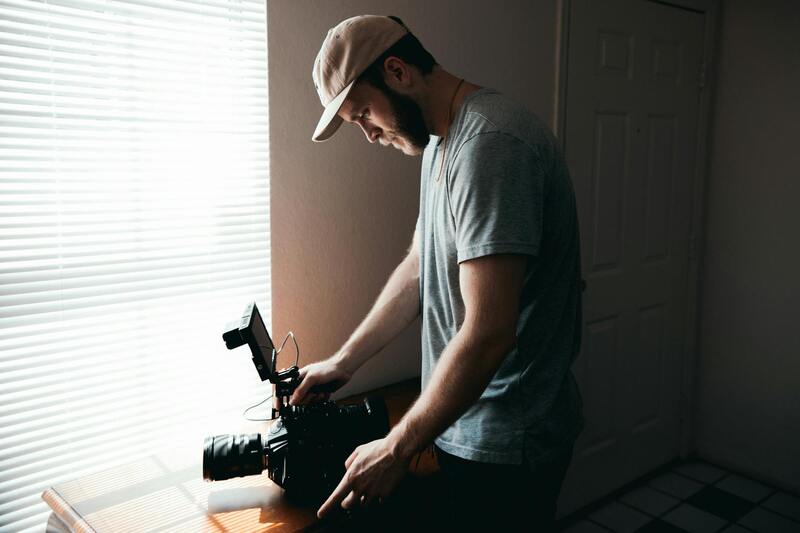
Lighting plays a crucial role in creating genuine images. Using natural light effectively can emphasize the property’s true ambiance, avoiding heavy post-production adjustments that might misrepresent the space. When artificial lighting is necessary, such as in low-light conditions, it should complement the original scene without creating unrealistic effects.
Implementing Responsible Editing Techniques
- Color Correction: Adjust and enhance colors to reflect actual hues, avoiding overly saturated or unnatural tones.
- Sky Replacement: When the sky is undesirable in exterior shots, replacing it with a natural-looking sky can improve aesthetic without misrepresenting the scene.
- Object Removal: Eliminating distracting elements like clutter or minor imperfections enhances visual appeal but should not omit key property features.
Post-processing should enhance clarity and lighting, giving viewers a realistic preview of what to expect. Over-editing can undermine trust and lead to disappointment during property visits, so maintaining a commitment to authenticity is essential.
Transparency and Ethical Advertising Practices
Real estate professionals can reinforce their credibility by being transparent about the use of creative techniques in their marketing materials. This includes clear communication in property descriptions or virtual tours about any enhancements made to images. Such honesty cultivates long-term relationships based on trust and professionalism.
Ultimately, creative real estate photography should serve as a tool to authentically showcase a property's best features, striking an effective balance that attracts interest without compromising integrity. When images accurately depict the property, buyers can make informed decisions, leading to a smoother transaction process and sustained reputation for real estate agents and photographers alike.