
Importance of Video Marketing in Commercial Real Estate
In today’s dynamic real estate marketplace, especially within Miami’s thriving commercial sector, the role of video marketing has become increasingly vital. High-quality video content offers an immersive experience, allowing potential investors and tenants to explore properties remotely while gaining a comprehensive understanding of space layout, design elements, and overall ambiance. This visual storytelling technique not only enhances visibility but also serves as a strategic tool to differentiate properties in a saturated market.
Video marketing enables real estate professionals to showcase properties more effectively than static images alone. It captures textures, lighting, and spatial relationships that static photos often cannot convey. As businesses and investors seek efficient decision-making processes, videos provide an immediate, engaging preview that accelerates interest and fosters confidence in property investments.
In Miami’s competitive commercial real estate environment, the strategic deployment of video content attracts a broader audience. Prospective tenants located across the country or internationally can virtually tour spaces, which broadens the reach beyond traditional marketing methods. Moreover, videos support targeted marketing efforts, allowing firms to tailor content to specific industries or tenant profiles. This approach streamlines the leasing process by pre-qualifying interested parties and reducing the need for numerous in-person visits.
Enhanced digital presence through professional videos increases search engine visibility, especially when integrated with website content and social media platforms. This is crucial, considering the high volume of competition in Miami's commercial property scene. Well-crafted videos also bolster credibility and demonstrate professionalism, making properties more appealing to investors and tenants who prioritize transparency and quality.
By leveraging market insights and prevailing consumer behaviors, commercial real estate stakeholders can see tangible benefits in engagement rates, lead generation, and overall brand positioning, all of which are vital for sustained success in Miami’s vibrant economic landscape.

Key Elements of Effective Commercial Real Estate Videos
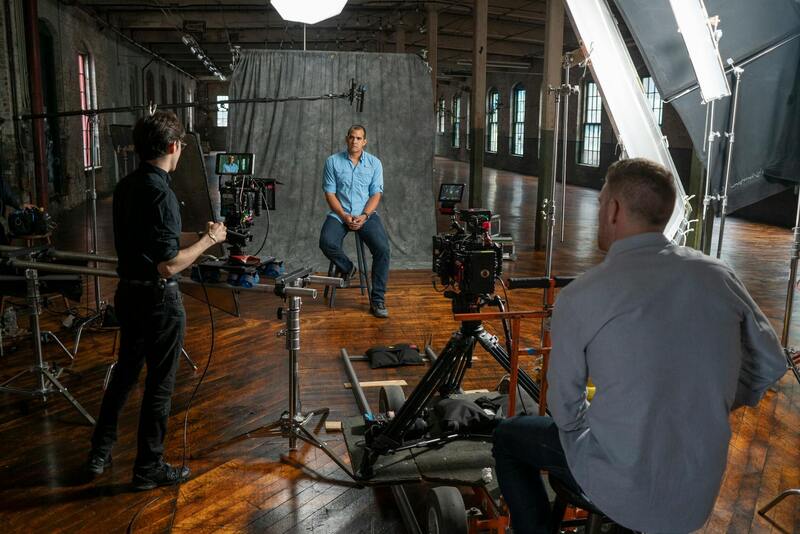
Creating impactful commercial real estate videos requires careful attention to several critical elements that influence viewer engagement and convey professionalism. High-quality visuals form the backbone of any successful property presentation, emphasizing clarity, sharpness, and accurate color representation to highlight the property's features effectively. Proper lighting is crucial; it not only enhances visual appeal but also ensures that all areas of the property are clearly visible, removing shadows that may obscure important details.
Narrative and pacing also play vital roles. A well-structured video guides viewers seamlessly through the space, emphasizing its unique qualities and potential uses. Incorporating a compelling storyline or thematic focus can make the video more memorable and persuasive.
Audio clarity is often overlooked but is equally important. Clean narration or background music should complement the visuals without overpowering them, helping to set the tone and mood. Additionally, incorporating branding elements—such as logos, contact information, and consistent color schemes—reinforces brand recognition and professional presentation.
Motion techniques, such as smooth camera movements or drone shots, add dynamism and attract viewer interest. These elements can illustrate the height, scale, and context of a property within its surroundings, providing a comprehensive understanding that static images cannot convey.
Lastly, calls-to-action integrated within the video encourage viewers to take further steps, whether scheduling a visit, contacting for more information, or viewing additional content. This strategic inclusion guides potential tenants or investors down the marketing funnel effectively, increasing the likelihood of conversion.
Key Elements of Effective Commercial Real Estate Videos
Creating impactful commercial real estate videos requires meticulous attention to specific components that elevate the overall quality and effectiveness of the presentation. These elements serve as the foundation for capturing audience interest, conveying key property features, and driving engagement.
High-Quality Visuals
Visual clarity and professionalism are paramount. Using high-resolution cameras and proper lighting techniques ensures that every detail of the property is showcased convincingly. Wide-angle lenses help capture expansive spaces, making rooms feel more open and inviting. Equally important is the stabilization of shots; smooth camera movements, whether handheld or gimbal-assisted, prevent distracting jitters, providing a polished look that resonates with prospective clients.
Professional Narration
Voiceovers deliver critical context and narrative flow to the visual tour. A well-articulated voice adds authority and trustworthiness, guiding viewers through the property’s features and benefits in a compelling manner. The tone should match the property type—more corporate and authoritative for office spaces or energetic and welcoming for retail locations. Clear diction and consistent pacing prevent information overload and maintain viewer interest.
Strategic Messaging
The messaging embedded within the video should target specific audience segments, emphasizing the property's unique selling points. Highlighting aspects such as location advantages, amenities, growth opportunities, and recent upgrades can decisively influence viewer perception. Integrating key phrases naturally into the narration boosts search engine optimization and helps the video appear prominently in relevant searches.
Cinematic Techniques
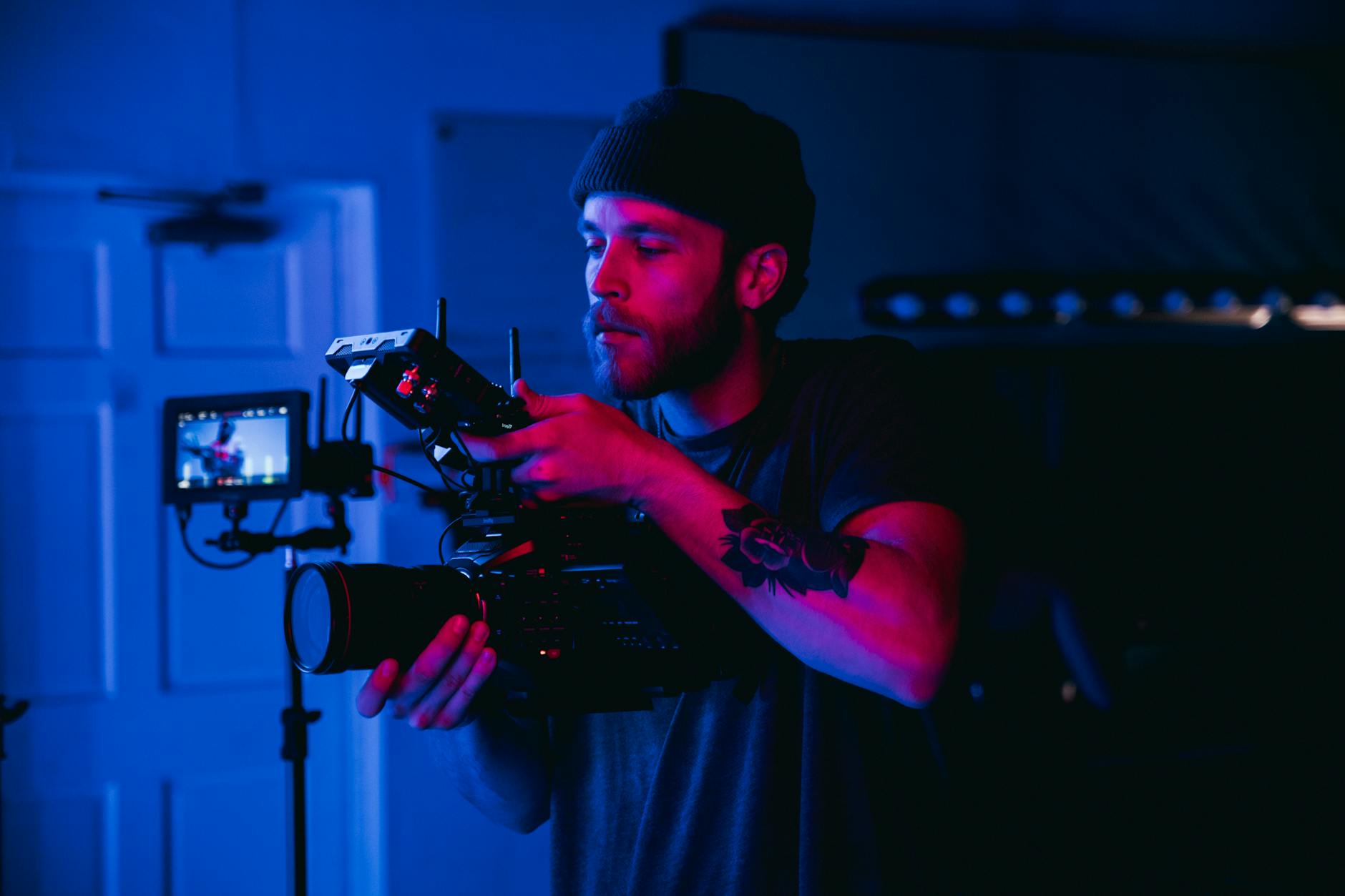
Motion techniques, including drone footage and smooth transitions, add a cinematic quality that draws interest and presents the property in an engaging manner. Drone shots are particularly effective for capturing a property's surrounding context and scale, offering a bird’s-eye view that static images often cannot replicate. Transition effects, color grading, and depth of field adjustments further refine the visual storytelling, creating a seamless and visually appealing experience.
Incorporating Branding and Calls to Action
Effective videos integrate consistent branding elements such as logos and contact information, reinforcing brand recognition. Clear calls to action, such as encouraging viewers to schedule a visit, contact agents, or explore additional listings, are strategically placed to direct audience behavior, ultimately enhancing lead generation.
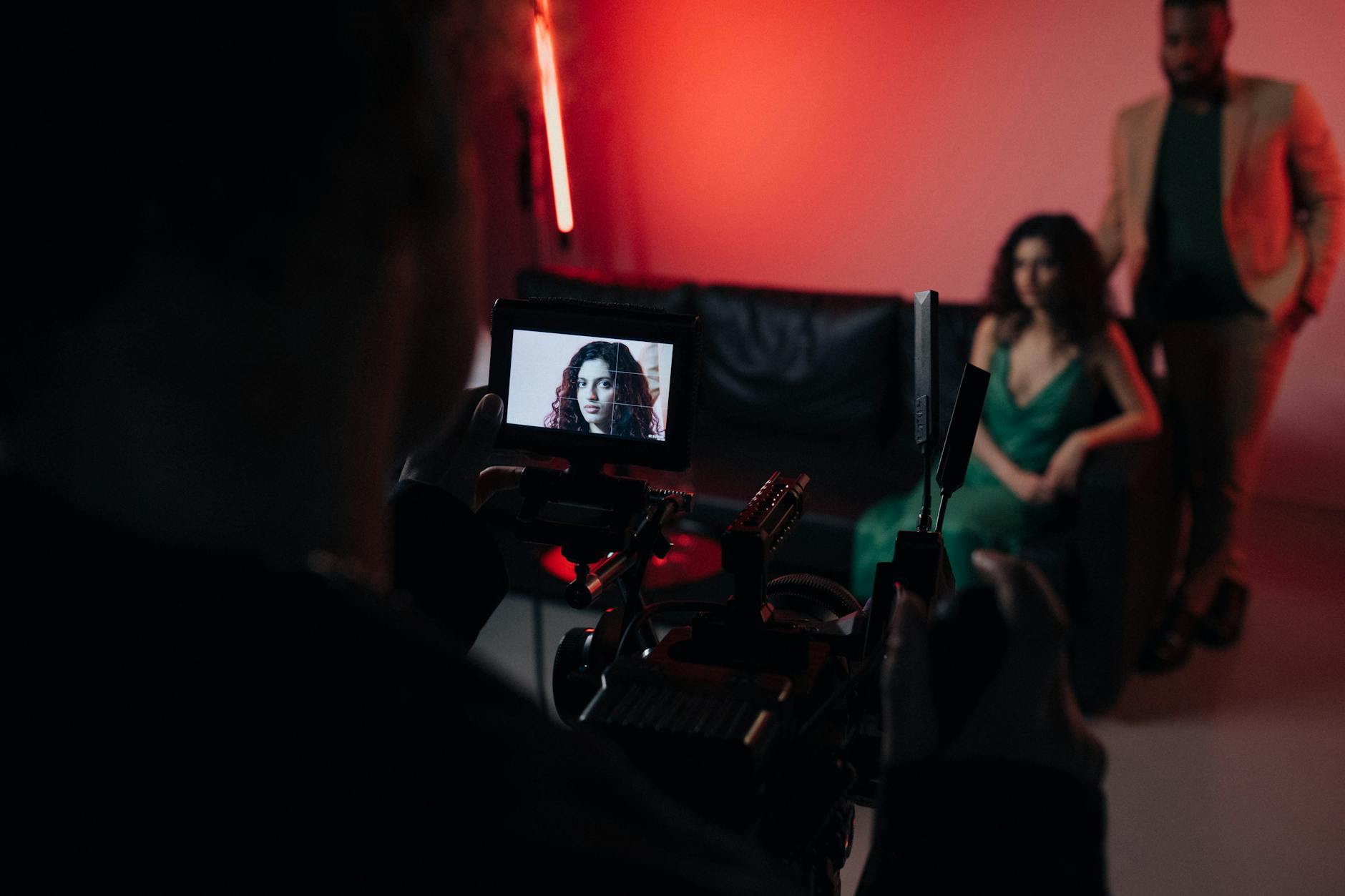
Ensuring these components work harmoniously involves careful planning during scripting, filming, and editing phases. When executed properly, they combine to produce a polished, persuasive marketing tool that can significantly influence property promotion efforts in highly competitive markets.
Best Practices for Filming Commercial Properties in Miami
To maximize the impact of a commercial real estate video, meticulous attention to filming techniques is essential. Miami’s distinctive architectural landscape offers both opportunities and challenges that professional-grade filming can address effectively. Capturing the unique attributes of local properties requires a strategic approach from planning through execution.
One fundamental aspect is lighting. Natural light plays a pivotal role in highlighting architectural details and creating an inviting ambiance. Filming during the golden hour—early morning or late afternoon—ensures warm, flattering light that accentuates textures and colors, making spaces appear more appealing. For interiors, supplementary lighting equipment can be used to eliminate shadows and enhance clarity, especially in spaces with limited natural light.
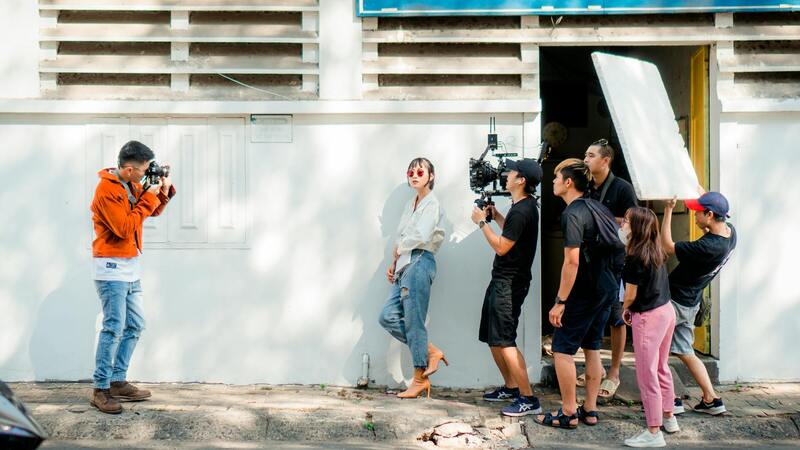
Staging the property appropriately is equally crucial. Interior styling that aligns with the target market’s preferences and highlights the property's best features can significantly impact viewer perception. Clean, clutter-free settings with strategic furniture placement help prospective clients visualize the potential of the space. When shooting exteriors, focus on landscaping, signage, and accessibility, which are often key decision factors for commercial tenants or investors.
Utilizing Miami's architectural diversity can further elevate production quality. From modern glass facades to Art Deco influences, each feature offers an opportunity for creative framing. Incorporate techniques such as wide-angle shots to convey scale, and vertical shots to emphasize height. Drone footage can showcase the property’s proximity to key amenities or urban features, providing context that static images can't match.
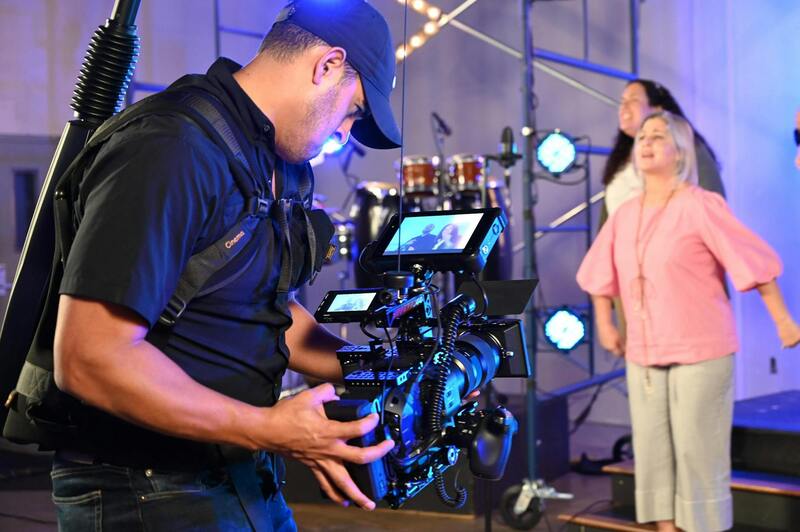
Weather considerations are vital. Scheduling shoots during clear days ensures optimal lighting and minimizes disruptions. Flexibility in filming dates allows capturing outdoor scenes in favorable conditions, minimizing the need for extensive post-production corrections. Additionally, working with experienced local crews familiar with Miami’s unique climate and urban environment leads to smoother production processes.
Finally, safety protocols tailored to commercial properties must be observed, especially when operating drones or handling extensive equipment. Ensuring the safety of crew and property not only maintains professional standards but also protects the integrity of the shoot and the safety of future viewers of the footage.
Editing and Post-Production for Commercial Real Estate Videos
Effective editing and post-production processes are essential in transforming raw footage into compelling commercial real estate videos that resonate with target audiences. The editing phase begins with selecting the best takes that showcase the property's most attractive features, ensuring the narrative flows smoothly and maintains viewer engagement. Precision in color correction enhances visual appeal by balancing brightness, contrast, and saturation, which brings out the property’s true ambiance and architectural details.
Incorporating motion graphics and overlays can emphasize key points, such as square footage, location advantages, and unique amenities. Toolbar overlays, floor plan animations, and callouts can help clarify complex property layouts or highlight special features, making the video more informative and engaging.
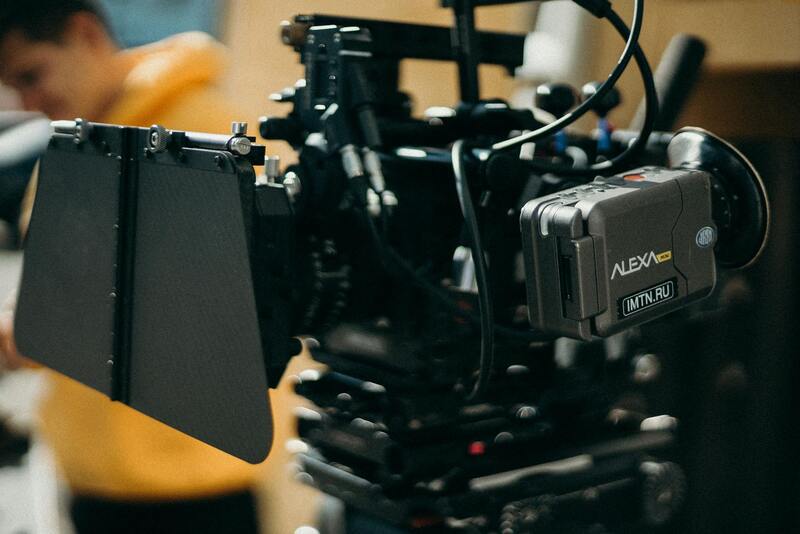
Branding elements, including logos, color schemes, and taglines, should be seamlessly integrated to reinforce brand identity. This consistency builds trust and recognition among prospective clients and investors. Audio editing is equally critical; background music should complement the tone of the video without overpowering narration or key visuals. Clear, professional voiceovers can add context and guide viewers through the property’s unique selling points.
Optimizing videos for various platforms involves tailoring the aspect ratio, resolution, and file format to suit specific channels, whether it’s social media, websites, or virtual presentations. Shorter clips work well for social media ads, while detailed walkthroughs may be better suited for platforms like YouTube or client portals. Proper compression techniques ensure high quality without long load times, reducing bounce rates and increasing viewer retention.
Furthermore, adding closed captions or subtitles broadens accessibility and improves viewer comprehension, especially for international or hearing-impaired audiences. A cohesive, polished final product reflects professionalism and helps to attract high-value tenants, investors, or partners in Miami’s competitive commercial real estate landscape.
Refined Editing Techniques for Commercial Real Estate Videos in Miami
Once the initial filming process in Miami is complete, the focus shifts to the post-production phase, which significantly influences the final quality and effectiveness of the commercial real estate video. Precision in editing ensures that the property’s features are highlighted optimally while maintaining a seamless narrative flow. This stage involves various technical and creative processes designed to produce a polished, captivating presentation that appeals to prospective clients, investors, and tenants.
Color Correction and Grading
Color correction is fundamental in achieving consistent and appealing visuals. It involves adjusting the brightness, contrast, saturation, and white balance to rectify any footage inconsistencies captured under different lighting conditions. Following correction, color grading enhances the mood and atmosphere to reflect the property's character—be it modern, professional, or inviting. Proper grading can make exterior shots appear more vibrant or interior spaces look warmer, ultimately making the property more attractive.
Sound Design and Audio Enhancements
Clear audio is crucial for conveying professionalism and trustworthiness. During editing, background noise is minimized or eliminated, and voiceovers are synchronized precisely with visuals. The addition of subtle background music should complement the video's tone without overshadowing narration. Sound effects or ambient sounds may also be incorporated to accentuate specific features, such as the bustling ambiance of a commercial plaza or the calming environment of a corporate lobby.
Incorporation of Motion Graphics and Text Overlays
Motion graphics serve as effective tools to emphasize key information, such as property metrics, leasing rates, or availability status. Animated titles, arrows, and icons can direct viewer focus towards areas of interest within the property. Text overlays should be clear, concise, and strategically placed to avoid cluttering the visual plane, ensuring that the viewer's attention remains directed towards the property's most compelling aspects.
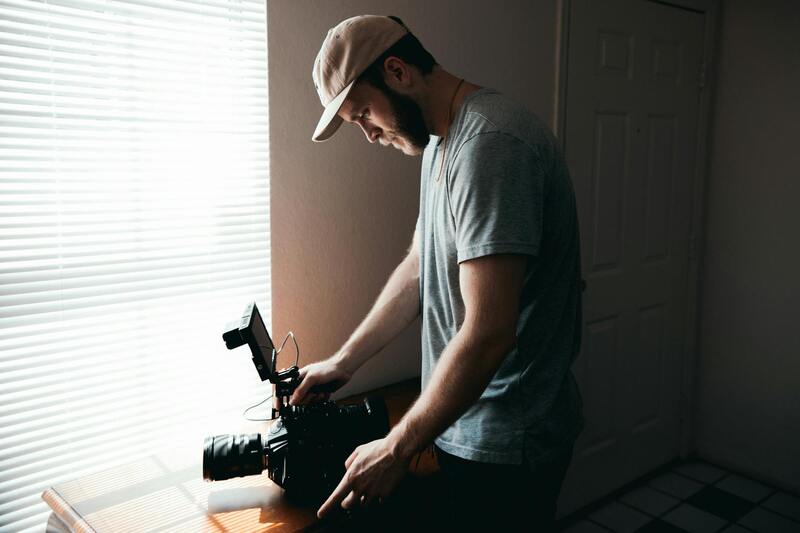
Inclusion of Virtual Tours and Interactive Elements
Advanced editing techniques now often include virtual tour transitions, 3D floor plan overlays, and interactive hotspots. These features enable viewers to explore the property more deeply, providing an engaging experience that goes beyond static images. Implementing such elements requires skillful editing but significantly enhances viewer engagement and provides a comprehensive understanding of the property.
Ensuring Platform Compatibility and Optimization
Editing also involves tailoring the final product for various dissemination channels. This includes optimizing aspect ratios for social media, ensuring resolution standards for high-definition displays, and compressing files for faster loading times. Creating multiple versions—short teasers for social media and detailed walkthroughs for dedicated listing websites—expands the reach and usability of the video content. Properly formatted and optimized videos prevent frustration caused by slow load times and technical glitches, thereby increasing viewer engagement and interest.
Quality Control and Final Review
Prior to deployment, comprehensive quality checks should be conducted. This involves reviewing audio-visual synchronization, verifying that all graphics and text overlays appear correctly, and ensuring that the overall narrative is coherent and compelling. Feedback from stakeholders can be integrated at this stage to fine-tune the presentation, aligning it with marketing goals and branding standards.
Best Practices for Filming Commercial Properties in Miami
Capturing high-quality footage of commercial real estate in Miami requires meticulous planning and execution. The unique architectural styles, vibrant neighborhoods, and diverse property types call for tailored filming techniques that highlight each property's distinctive features. To ensure professional results, it is essential to adhere to specific best practices that optimize visual appeal, accuracy, and viewer engagement.
Pre-Production Planning
- Site Scouting: Conduct thorough inspections of the property to identify the best angles, lighting conditions, and times of day to shoot. Consider Miami's sunny climate and how natural light can enhance the property's aesthetics.
- Storyboard and Shot List: Develop a comprehensive plan outlining the shots needed, including exterior and interior views, amenities, and surrounding environment. This preparation streamlines the filming process and ensures all critical features are showcased.
- Scheduling: Coordinate filming during optimal weather conditions and at times that minimize crowds or disturbances, especially for commercial properties in busy Miami districts.
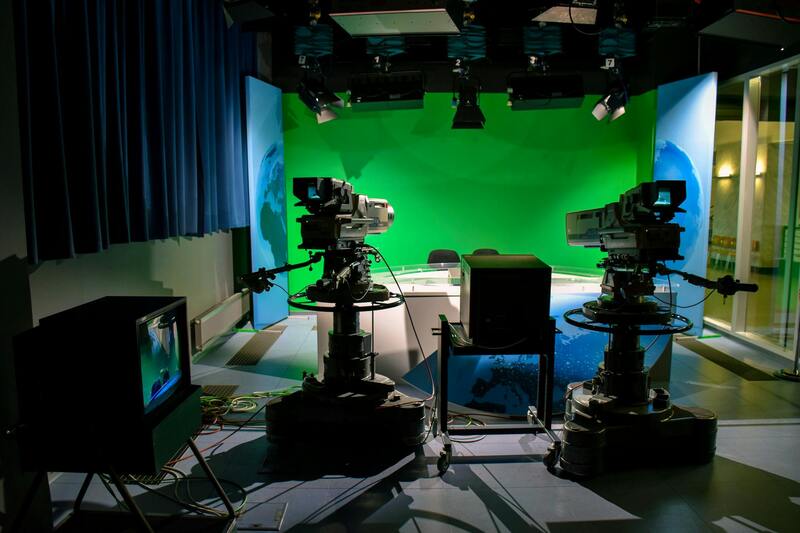
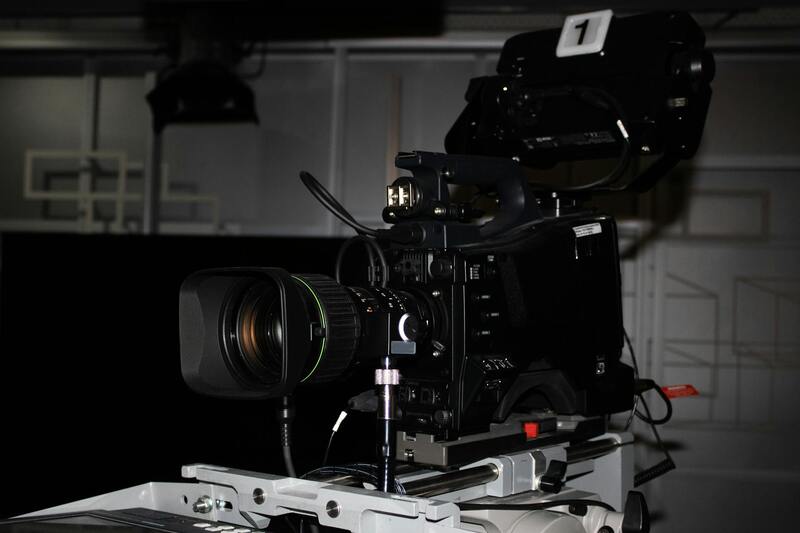
- Equipment Preparation: Use professional-grade cameras, stabilizers, drones, and lighting equipment to capture crisp, stable footage that emphasizes the property's grandeur and details.
Filming Techniques
- Stable Shots: Employ professional stabilization tools to maintain steady visuals, especially when filming expansive exteriors or large interior spaces.
- Dusk and Dawn Shooting: Utilize golden hour lighting to add warmth and contrast, highlighting Miami's vibrant atmosphere and enhancing the property's visual appeal.
- Drone Filming: Integrate aerial shots for a comprehensive view of the property and its surroundings. Miami’s skyline and coastal views can be showcased effectively through aerial perspectives.
- Interior Lighting: Supplement natural light with additional lighting to brighten indoor spaces, ensuring details are visible and colors are accurate.
- Camera Angles: Use wide-angle lenses to depict spacious interiors and exteriors, and employ cinematic techniques like panning, tilting, and tracking to add dynamic movement.
Post-Filming Considerations
After filming, reviewing footage on high-resolution monitors ensures clarity, color accuracy, and completeness. Additional shots may be necessary if some footage does not meet quality standards. Properly backing up all raw footage safeguards the investment and provides flexibility during editing. Collaborating with a skilled editing team familiar with Miami’s vibrant real estate market enhances the final product, adding branding elements, virtual tour features, and engaging transitions to elevate the property's presentation.
Maximizing the Impact of Commercial Real Estate Videos Through Strategic Distribution
Effective distribution of commercial real estate videos is a key component in reaching targeted audiences and achieving desired engagement levels. Once high-quality video content has been produced, the next step involves deploying a comprehensive distribution strategy that leverages multiple channels for maximum visibility. Ensuring that the video reaches the right viewers increases the likelihood of attracting potential investors, tenants, or buyers, and ultimately accelerates the sales or leasing process.
Structured Multi-Channel Approach
A well-rounded distribution plan employs a combination of online platforms, direct outreach, and industry-specific channels. These include:
- Company Website and Landing Pages: Embedding videos on dedicated property pages on your website enhances user engagement, provides a richer browsing experience, and encourages visitors to take further action.
- Social Media Campaigns: Sharing videos on professional networks like LinkedIn, as well as on Facebook, Instagram, or Twitter, broadens the reach and attracts diverse audience segments. Short teaser clips or highlights can be used to generate interest and direct viewers to the full content.
- Real Estate Listing Portals: Integrate videos into listings on prominent commercial real estate platforms to improve property visibility and provide an immersive viewing experience.
- Email Marketing: Incorporate videos into targeted email campaigns directed at existing contacts, prospective clients, or industry partners. Personalized messages paired with visual content can significantly enhance response rates.
- Virtual Tours and Webinars: Host live or recorded walkthroughs and virtual open houses, allowing interested parties to explore the property remotely and in detail.
Leveraging Local Miami Networks and Industry Events
In the Miami market, establishing connections within local real estate associations, investment groups, and commercial leasing companies can amplify the reach of your videos. Presenting videos at industry events or including them in presentations ensures targeted exposure among key decision-makers who actively seek investment opportunities or leasing options.
Paid Promotions and SEO Optimization
Investing in targeted advertising campaigns enhances visibility among specific demographics or geographic regions. Using geo-targeted ads on social media and search engines ensures your videos appear in front of relevant audiences. Additionally, implementing SEO best practices—such as descriptive titles, relevant tags, and optimized video descriptions—improves organic search rankings, drawing additional organic traffic to your content.
Measuring and Refining Distribution Performance
Regularly analyzing key performance indicators (KPIs) such as view counts, engagement metrics, click-through rates, and lead conversions helps gauge the effectiveness of your distribution tactics. Using this data, marketing efforts can be refined to focus more on high-performing channels, adjust messaging, and allocate resources efficiently. Maintaining flexibility in your distribution approach ensures your commercial real estate videos continually generate optimal exposure and lead to tangible results.