
Importance of High-Quality Commercial Real Estate Photography
In Miami's dynamic and highly competitive real estate market, the visual presentation of commercial properties plays a pivotal role in attracting interest from potential tenants and investors. High-quality commercial real estate pictures serve as a vital marketing tool that can significantly influence how properties are perceived online, in print, and across digital advertising platforms. Well-crafted images not only showcase the property's features but also communicate its value, ambiance, and potential for success, which are crucial elements in closing deals efficiently.
Effective photography enhances the visibility of commercial listings, drawing attention amid a dense array of similar offerings. For property managers and real estate professionals, investing in professional photography can lead to increased foot traffic during viewings and generate higher levels of online engagement. These images help create a compelling story about the property, emphasizing its best attributes and fostering immediate emotional connections with prospective tenants or buyers.
Moreover, in the digital age where virtual tours and online property listings dominate, the importance of high-resolution, professionally captured images cannot be overstated. They serve as the first impression, often determining whether a viewer proceeds to schedule an in-person visit. In fast-paced markets like Miami, where time is critical, professionally curated photographs can accelerate the decision-making process, leading to quicker lease agreements or sales.
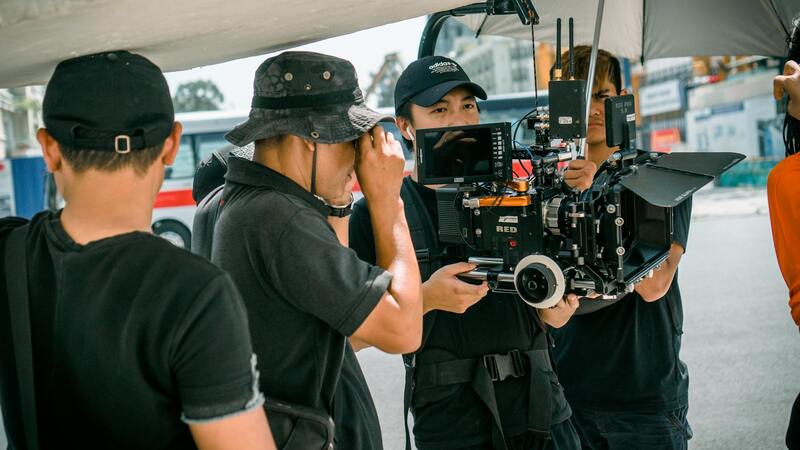
Beyond attracting individual prospects, impactful imagery also enhances overall marketing strategies. It elevates the brand image of property owners and real estate agencies, positioning them as providers of premium offerings. As a result, investment in high-quality commercial real estate photography translates into tangible benefits such as higher property valuation, streamlined transactions, and a competitive edge that distinguishes listings in a crowded marketplace.
Key Takeaways
- High-quality images boost property visibility and appeal in a saturated market.
- Professional photography influences the speed and success of property transactions.
- Effective visual presentation helps communicate the property's value and potential effectively.
- Visual marketing impacts the perception of brand quality for property owners and agencies.
Preparing Commercial Properties for Photography
Effective preparation of commercial real estate properties is crucial to capturing images that truly represent the property's potential. The process begins with thorough cleaning to ensure spaces appear pristine and inviting. Clutter, dirt, and personal items should be removed to allow prospective tenants or buyers to envision themselves within the space. Attention should be given to staging, which involves arranging furniture and decor to highlight the property’s best features, create a welcoming atmosphere, and emphasize functional layouts. Ensuring all lights are operational and turned on before the shoot maximizes natural illumination, reducing shadows and dark corners. Additionally, scheduling photography sessions during daylight hours takes advantage of natural light, which can significantly enhance image quality.
Decreasing distractions within the property, such as unnecessary signage or obsolete equipment, helps maintain a professional appearance. Refreshing or repainting walls in neutral tones can also make spaces look more appealing and versatile. Outside, landscaping should be tidy, and external features like signage, entryways, and parking areas should be unobstructed and well-maintained to create compelling curb appeal. These preparatory steps contribute to consistent, high-quality commercial real estate pictures that effectively communicate the property's value.
Choosing the Right Equipment and Techniques
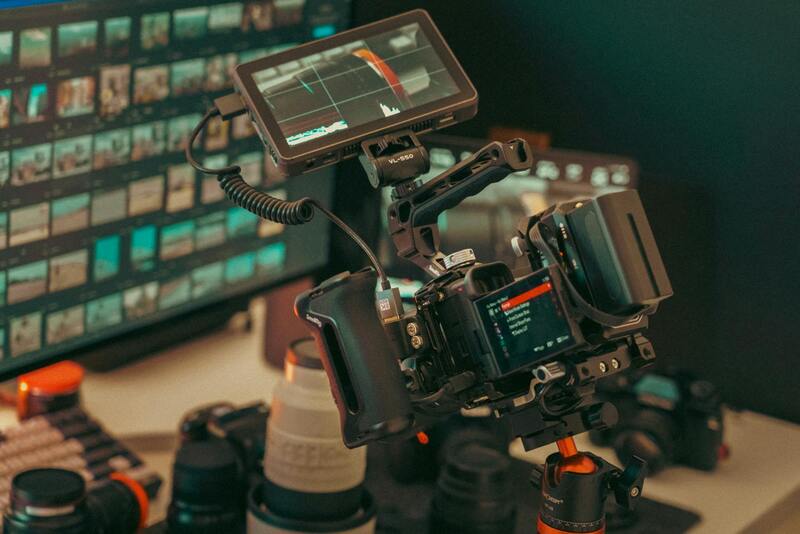
Capturing standout commercial real estate images requires selecting appropriate equipment tailored to the property’s specifics. A high-resolution digital camera with a wide-angle lens is essential for showcasing interior spaces without distortion and capturing expansive views. Tripods stabilize the camera, enabling sharp images, especially in lower-light conditions. For exterior shots, drone photography can provide captivating aerial perspectives, highlighting the property's size, layout, and proximity to key amenities or transportation links, which are significant selling points in the Miami market.
Advanced techniques such as HDR (High Dynamic Range) photography balance contrasting light conditions, preventing bright windows from washing out interiors or dark corners from losing detail. Bracketing multiple exposures and merging them digitally produce well-exposed images that retain detail throughout the scene. Using proper lighting techniques, including supplementary lighting if necessary, ensures even illumination and reduces shadows, bringing out textures and architectural features. Mastery of these equipment choices and techniques results in images that are visually compelling and accurately represent the property's attributes.
Legal and Ethical Considerations
In commercial real estate photography, respecting privacy and property rights safeguards professional credibility. Obtaining permission before photographing sensitive areas or proprietary features prevents misunderstandings and ensures compliance with property owners' preferences. When capturing images of adjacent properties or neighboring structures, it is essential to avoid infringing on privacy, such as photographing windows or private outdoor spaces without consent. Additionally, where applicable, securing releases from individuals or entities identifiable in the images further affirms ethical standards.
Authenticity in representation is critical. Altering images beyond basic corrections, such as digital manipulations that misrepresent the property, can lead to mismatched expectations and hinder trust. Maintaining transparency about the scope of edits and ensuring images accurately reflect the space support honest marketing practices, fostering stronger relationships with clients and prospects. Overall, adhering to these guidelines enhances reputation and upholds the integrity of commercial real estate marketing efforts.
Choosing the Right Equipment and Techniques
To capture compelling commercial real estate pictures that showcase the property's best features, selecting appropriate equipment and employing advanced photographic techniques are essential. High-resolution digital cameras with a wide dynamic range allow for detailed images that accurately reflect the lighting and spatial relationships within the property. The use of wide-angle lenses is particularly beneficial in commercial settings, enabling photographers to capture expansive interior spaces in a single shot, thus minimizing distortion and ensuring viewers gain a comprehensive perspective.
Tripods and stabilization tools are vital for achieving sharp, distortion-free images, especially when shooting in low light or using slower shutter speeds. Employing HDR (High Dynamic Range) techniques can enhance the visual richness of images by blending multiple exposures, which balances the brightness between windows and interior lighting, offering a true-to-life depiction of spaces. Drone photography is increasingly popular for providing aerial views of larger properties or complexes, creating an engaging visual narrative that highlights the scale and context of the property within its surroundings.
Lighting equipment also plays a critical role in professional commercial photography. Utilizing external flashes, softboxes, or continuous lighting allows photographers to eliminate harsh shadows and highlight architectural details effectively. Proper lighting ensures that textures, color schemes, and material finishes are accurately portrayed, helping prospective tenants or investors visualize the space as it truly appears.
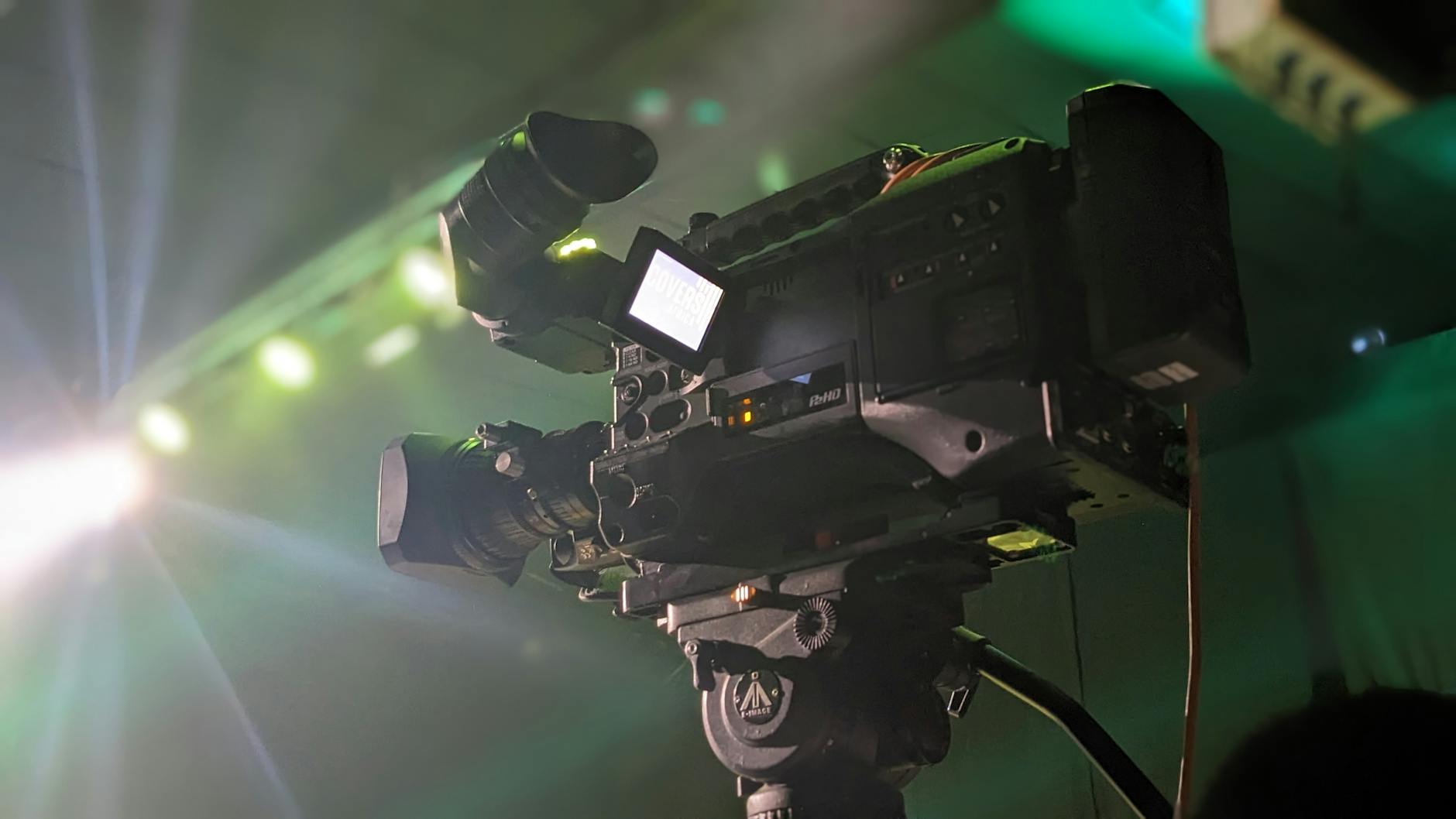
In addition to hardware, mastering specific techniques enhances the quality of visual content. Techniques such as vertical and horizontal alignment, strategic framing, and careful composition ensure the images are both aesthetically pleasing and layout-friendly for marketing materials. Post-processing, which involves color correction, perspective adjustments, and minor retouching, should enhance the image without misrepresenting the property’s true appearance, maintaining authenticity and crispness in final deliverables.
Adopting these technological tools and methodologies guarantees that each photograph not only attracts attention but also provides an honest and engaging depiction of the commercial property, thus supporting effective marketing campaigns.
Legal and Ethical Considerations
In the realm of commercial real estate photography, adherence to established practices ensures that images accurately represent the property while respecting the rights of all parties involved. Professionals rely on legal and ethical standards to guide their work, emphasizing transparency and integrity throughout the photography process.
Securing proper permissions before capturing images of commercial properties is essential. This includes obtaining written consent from property owners or authorized personnel to avoid misunderstanding or disputes regarding image use. Clear agreements specify the scope of photography, distribution rights, and any limitations, helping to safeguard the interests of all parties and ensure that the marketing material aligns with contractual agreements.
Respecting privacy, especially when photographing within or around properties, involves recognizing sensitive areas and avoiding the inclusion of identifiable individuals without consent. For example, capturing images that inadvertently reveal proprietary operations or confidential information can compromise the integrity of the marketing campaign. Professional photographers should be aware of property-specific restrictions and adhere to industry standards relating to privacy.
Transparency in image editing is another crucial aspect. While post-processing can enhance visual appeal, it should never distort the true appearance of the property. Overly manipulated images risk misleading potential tenants or investors, which can damage credibility and affect overall promotional efforts. Instead, professional editing aims to clarify existing features, correct lighting, and ensure the image accurately reflects the property's current state.
Moreover, compliance with local regulations and industry guidelines related to advertising and marketing practices demonstrates a commitment to professionalism. This includes respecting intellectual property rights, such as trademarks or copyrighted materials present on or near the property, and ensuring that promotional content does not infringe on any proprietary interests.
By integrating these principles into their workflow, marketing professionals and photographers contribute to a transparent, respectful, and credible environment. This approach not only safeguards their reputation but also strengthens the quality and reliability of the visual content they produce. Ensuring that images are both compelling and ethically sourced is fundamental to supporting successful marketing strategies that resonate with prospective clients and uphold the integrity of the real estate industry in Miami.
Legal and Ethical Considerations
When conducting commercial real estate photography in Miami, understanding the boundaries of property access and respecting privacy concerns are essential steps in maintaining professionalism. Securing explicit permissions before entering or photographing private areas ensures that all activities are transparent and aligned with property ownership rights. This process not only fosters goodwill with property owners but also reduces the risk of misunderstandings or disputes.
In addition, photographers should be mindful of the presence of proprietary features or branded elements within or around the property. Capturing images that include copyrighted signage, trademarks, or intellectual property requires careful consideration to avoid infringing on protected content. Adhering to local regulations related to advertising and marketing practices further underscores a commitment to ethical standards, ensuring that promotional efforts remain compliant with regional guidelines.
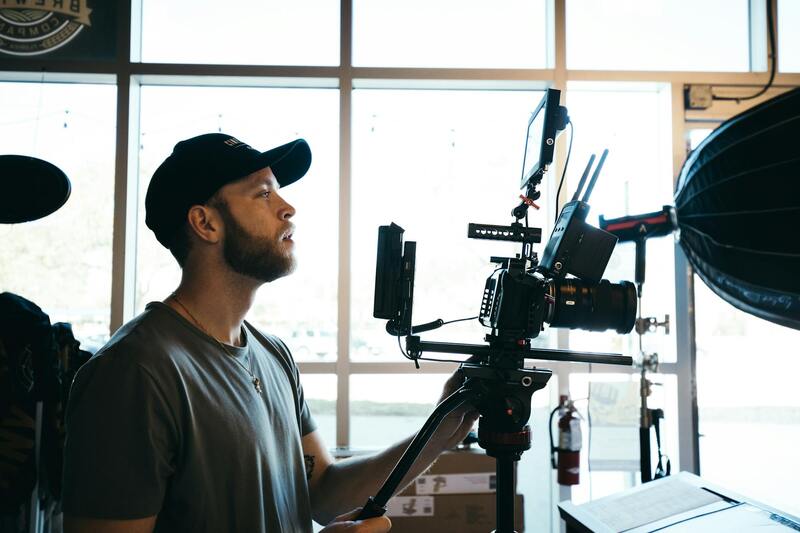
Fulfilling these considerations bolsters the reputation of photography professionals as trustworthy and responsible entities within the real estate market. Building trust with clients and property owners not only safeguards ongoing collaborations but also enhances the quality of visual content produced. Ethical practices in commercial property photography support a transparent marketplace and contribute to the long-term success of marketing campaigns.
Furthermore, staying informed about evolving local regulations demonstrates a proactive approach to compliance. Regularly reviewing Miami’s municipal guidelines related to advertising permits, drone usage, or permissions for aerial shots ensures that all photographic activities meet official standards. This diligence minimizes the potential for legal complications and reflects a high level of professionalism.
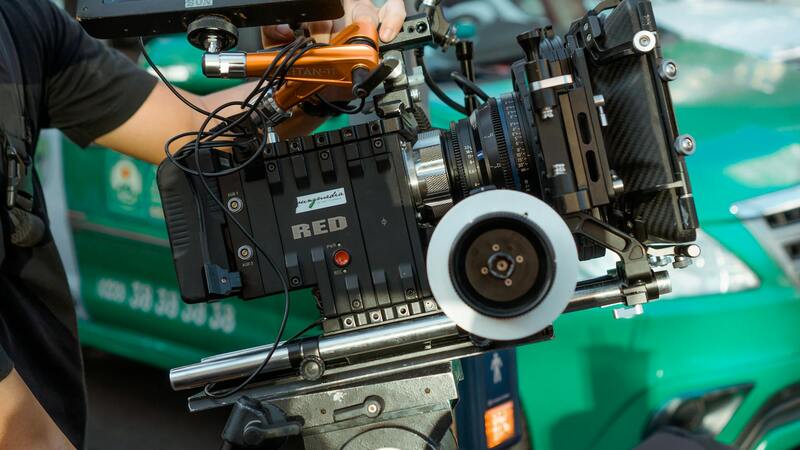
Legal and Ethical Considerations in Commercial Real Estate Photography
Maintaining high standards of professionalism and adherence to best practices is essential in the realm of commercial real estate photography, especially in a dynamic market like Miami. Photographers and marketers must prioritize respect for property rights, privacy, and regional regulations when capturing and utilizing images. This involves obtaining appropriate permissions before accessing or photographing private or restricted property areas, and ensuring that the images do not infringe on intellectual property rights such as trademarks or copyrighted signage visible within the frames.
When producing commercial property images, professionals should meticulously review local advertising and marketing regulations. These regulations may specify the scope for aerial photography, the necessity for permits, or restrictions on certain types of signage or private property features. For instance, drone photography — increasingly popular for capturing wide vistas or hard-to-reach angles — requires adherence to specific flight rules established by local authorities. Being well-versed in these guidelines ensures that all photographic activities are compliant with regional standards, safeguarding against potential disruptions or penalties.
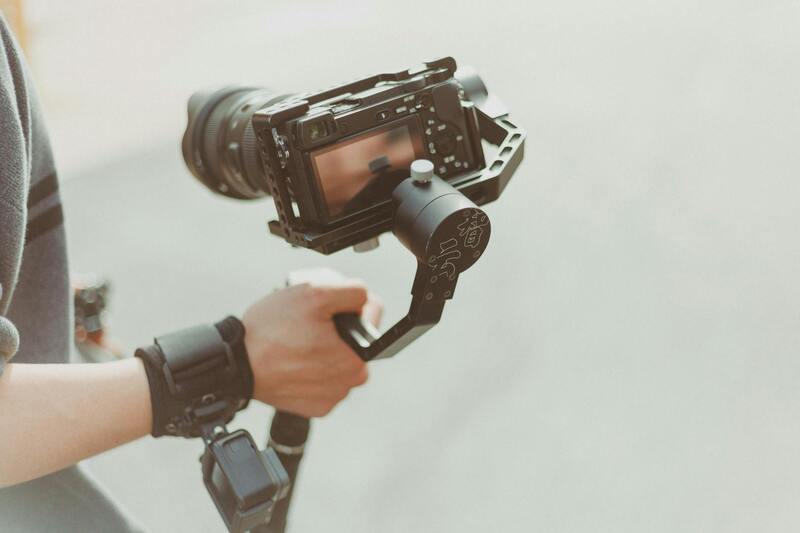
Privacy considerations are equally crucial. When photographing in areas where there might be bystanders or neighboring properties, ensuring no personal or sensitive information is inadvertently captured helps uphold ethical standards. Using techniques such as selective focusing or adjusting camera angles can prevent unwanted details from appearing in the final images. Additionally, verifying the purpose of the imagery aligns with regional advertising policies demonstrates a commitment to transparency and responsible marketing.
Building trust with property owners and clients hinges on consistent ethical practices. Clear communication about the scope of photography, use of images, and any necessary permissions not only fosters good relationships but also helps maintain a reputable standing in the Miami real estate scene. Professionals who prioritize compliance and ethics reinforce their credibility and assure clients of their commitment to responsible marketing.
Staying informed about emerging laws and updates in local policies is paramount. This might include new drone regulations, changes in signage permissions, or updates to property access rules. Regular training and consultation with legal or regional authorities help ensure that practices remain aligned with any evolving standards, reducing the risk of complications and underscoring a professional approach to commercial real estate imagery.
Partnering with Professional Miami Photography Agencies
Collaborating with established Miami-based commercial real estate photography agencies provides access to expertise and specialized equipment that can significantly enhance the quality of property visuals. These agencies possess a deep understanding of Miami’s unique market dynamics, architectural styles, and lighting conditions, enabling them to tailor their approach for maximum visual impact. Their familiarity with regional regulations and compliance standards ensures that all images are produced within the boundaries of local guidelines, streamlining the process from shoot to final delivery.
When selecting a photography partner, it's essential to assess their portfolio for diversity and quality, particularly focusing on commercial properties similar to your own. The agency’s experience with high-resolution imaging, drone photography, and interior staging can be invaluable in capturing the full potential of a property. Additionally, a professional agency should demonstrate proficiency in post-production editing, ensuring images are sharp, color-corrected, and visually compelling without over-processing that might misrepresent the property.
Communication is also a key factor when partnering with a photography firm. Clear discussions about your objectives, target audience, and specific property features help ensure the final images align with your marketing goals. Requesting a detailed project plan, including timelines and deliverables, can streamline the process and mitigate potential misunderstandings. Moreover, working with an agency that offers comprehensive services—from pre-shoot planning to final editing—can save time and ensure consistency across your marketing collateral.
Choosing a local agency also facilitates quicker response times and easier coordination, especially when scheduling multiple properties or urgent marketing campaigns. The familiarity with Miami’s climatic conditions, lighting challenges, and permitting procedures allows local agencies to adapt their strategies effectively, capturing the best possible images regardless of weather or logistical constraints.
Ultimately, the investment in a reputable photography partner amplifies the property's appeal, attracts qualified tenants or buyers, and enhances your reputation as a professional in the Miami real estate market. Thorough vetting, clear communication, and ongoing collaboration are fundamental to achieving impactful results that resonate with your target audience and stand the test of time in digital and print marketing efforts.
Legal and Ethical Considerations in Commercial Real Estate Photography
When capturing images of commercial properties, adherence to official procedures is essential to uphold standards of professionalism and integrity. This involves obtaining appropriate permissions before photographing private or restricted areas within the property, ensuring that all necessary authorizations are secured in accordance with property management policies. Respect for privacy and confidentiality is paramount, especially when images reveal sensitive information or proprietary operations.
Furthermore, it is important to accurately represent the property's features without distortion or manipulation that could mislead viewers. This includes avoiding false enhancements or deceptive angles that might exaggerate the property's size, condition, or amenities. By maintaining transparency and honesty in visual portrayal, real estate professionals and photographers foster trust with clients and prospective buyers.
In addition, compliance with local regulations regarding drone usage, photography permits, and copyright laws must be strictly observed. Using drones for aerial shots requires permit acquisition and adherence to altitude restrictions to prevent privacy infringements or safety issues. Licensing agreements must be respected when utilizing copyrighted images or branding elements within property visuals.
Ethical practices extend to editing and post-production processes. While enhancing images for clarity and appeal is standard, it should not involve misrepresentation of the property's true condition. Transparency about any alterations in the photographs helps maintain credibility and supports informed decision-making among viewers.
Respecting Property and Privacy
- Always seek prior approval for access to restricted areas or interiors beyond publicly accessible zones.
- Inform property owners or managers about the scope and nature of the photoshoot beforehand.
- Avoid capturing or sharing images that include confidential information or proprietary setups unless authorized.
Documentation and Record-Keeping
- Maintain detailed records of permissions, approvals, and permits obtained for the shoot.
- Keep notes of any special conditions or restrictions provided by property representatives.
- Ensure that all edited images are archived systematically, with clear indications of their modifications, to uphold transparency and accountability.
Adhering to these official and ethical standards not only solidifies your reputation as a trustworthy real estate professional but also elevates the overall quality and reliability of the marketing materials you produce. This disciplined approach to commercial real estate photography ultimately benefits all stakeholders by facilitating smooth transactions and fostering long-term relationships built on integrity.