
Understanding the Importance of Commercial Real Estate Photos
In the competitive Miami real estate market, the visual presentation of commercial properties plays a crucial role in attracting potential tenants and buyers. High-quality commercial real estate photos are more than just images; they are a strategic tool that enhances property visibility and amplifies marketing efforts.
Effective photography captures the essence of a commercial space, highlighting key features such as layout, natural light, and unique architectural elements. In a city like Miami, where properties often boast modern designs and prime locations, compelling images can significantly influence decision-making processes and accelerate leasing or sales timelines.
The impact of professional photos extends beyond initial impressions. They serve as a foundation for digital marketing campaigns, including online listings, social media advertising, and email marketing, ensuring that the property stands out amid numerous listings. By investing in high-quality images, property owners and brokers can effectively communicate the property's value proposition, reach a broader audience, and achieve better engagement rates.
Moreover, high-resolution commercial photos provide a consistent and polished visual identity, reinforcing the professionalism of the property and its representatives. In Miami’s vibrant market, where competition is fierce, establishing a reputation for quality and attention to detail can be a decisive advantage.
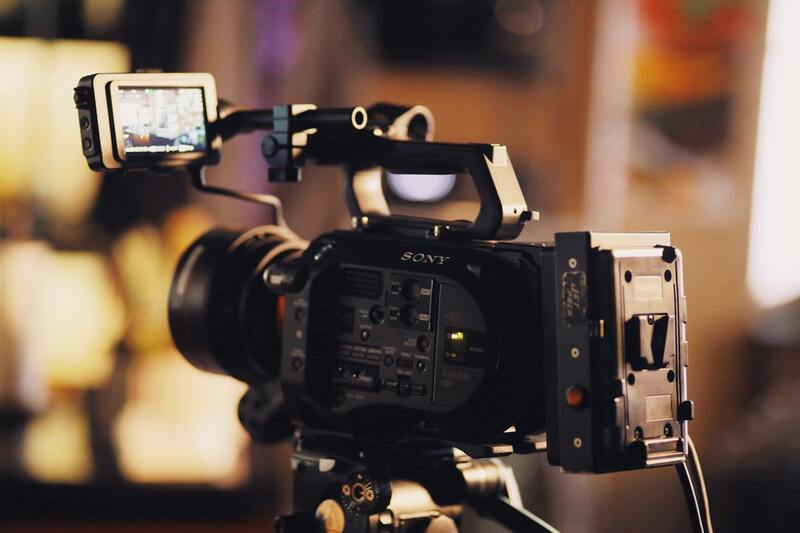
In summary, the strategic use of high-quality commercial real estate photos directly influences the property's marketability, impacts the perception of value, and ultimately contributes to faster transactions and higher returns on investment. Properly executed imagery acts as a bridge between physical space and marketing success, making it an essential element for any commercial property in Miami.
Choosing the Right Equipment for Commercial Property Photography
High-quality commercial real estate photos depend heavily on the selection of appropriate equipment. Professional-grade cameras capable of capturing detailed, high-resolution images are fundamental. DSLRs and mirrorless cameras with wide-angle lenses are standard choices, as they allow photographers to encompass expansive property spaces within a single frame, showcasing the full scope of the property’s interior and exterior.
Tripods are essential to ensure stability during shooting, particularly in low-light conditions or when capturing images for HDR (High Dynamic Range) processing. HDR techniques are vital for balancing bright windows and interior lighting, helping to produce images that accurately depict the property's aesthetic and functional qualities.
Advanced lighting equipment, such as portable flashes or continuous lighting setups, can drastically enhance image quality by eliminating shadows and evenly illuminating key features. Additionally, drone cameras equipped with high-definition capabilities are increasingly prevalent in commercial real estate photography, offering aerial perspectives that highlight a property’s scale, layout, and surrounding environment.
When selecting equipment, it is crucial to consider the property’s specific features and lighting conditions. The proper lens choices, such as tilt-shift lenses for architectural shots, enable precise control over perspective distortion, maintaining true-to-life representations of the property’s structure.
Investing in quality accessories, including wide-angle and prime lenses, remote triggers, and electronic viewfinders, further facilitates capturing professional-grade images. The right equipment ensures clarity, detail, and an engaging visual presentation that resonate with prospective tenants or buyers.
Technical Aspects of Commercial Real Estate Photography
Achieving high-caliber commercial real estate photos hinges on understanding and expertly handling various technical elements. Proper aperture settings are crucial to ensure the entire property, from foreground to background, remains sharp and well-exposed. Typically, a smaller aperture (higher f-stop) is preferred to maximize depth of field, especially when photographing interior spaces or exteriors with multiple layers.
Shutter speed adjustments are equally important, particularly when capturing images in varying lighting conditions. Using a tripod allows for slower shutter speeds without introducing motion blur, enabling the capture of detailed, vibrant images. When photographing interiors with dynamic lighting, techniques such as exposure bracketing, where multiple shots at different exposures are combined, are invaluable for preserving the integrity of both shadows and highlights.
White balance settings should be calibrated according to the lighting environment to ensure accurate color reproduction. Custom white balance settings or preset modes like daylight or tungsten are often used to match the scene's light source, thereby maintaining true-to-life hues. For exterior shots, balancing ambient light with additional lighting setups or reflectors can significantly enhance image clarity and color richness.
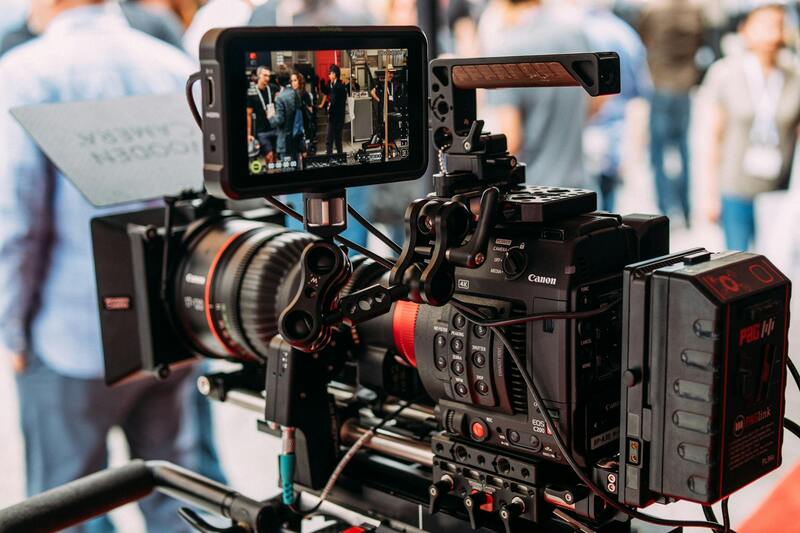
Given the importance of perspective, lens choice plays a vital role in how space is perceived. Ultra-wide-angle lenses are preferred for capturing entire rooms and exteriors without distortion, though they require careful handling to avoid exaggerated perspectives. Tilt-shift lenses can be particularly beneficial for maintaining straight lines and architectural integrity in images.
Further refinement is achieved through post-processing. Adjustments in exposure, contrast, sharpness, and color grading help bring out the property's best features, ensuring the final images are visually compelling while remaining authentic. Precision in editing underscores the professional quality and attention to detail expected in commercial real estate photography.
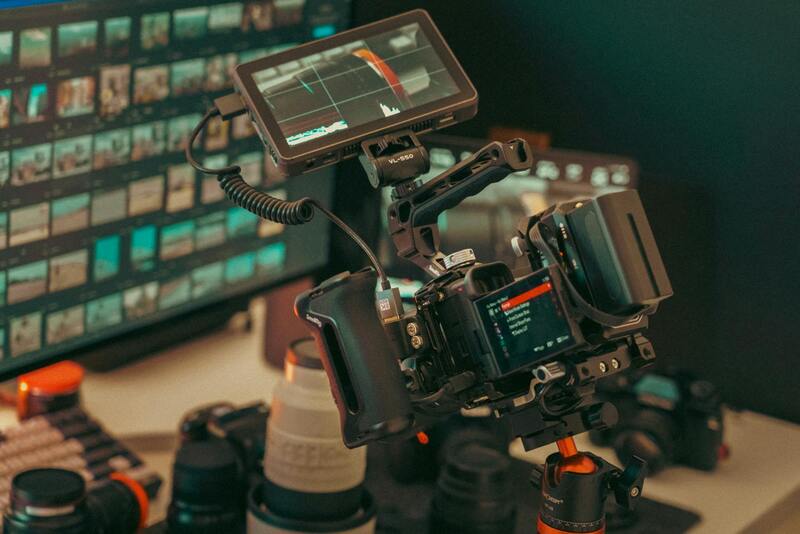
Utilizing advanced camera settings and meticulous editing techniques produces images that vividly showcase commercial properties, positioning them strongly in the competitive Miami real estate market. Mastery of these technical aspects ensures imagery aligns with the overall branding and marketing strategies, resulting in a powerful visual narrative that captures the attention of prospective clients.
Understanding the Importance of Commercial Real Estate Photos
High-quality commercial real estate photos serve as a vital tool in attracting investors, tenants, and buyers by effectively illustrating the property's value and potential. Visual presentation acts as a digital handshake, offering viewers an immediate sense of space, layout, and architectural features. In competitive Miami markets, where property differentiation is crucial, compelling imagery can significantly influence decision-making processes. Well-produced images not only communicate professionalism but also enhance the perceived worth of a property, making it stand out amidst numerous listings.
The Impact of Visual Storytelling
Effective commercial property photography tells a story that aligns with marketing objectives, allowing stakeholders to envision the space's potential for various uses. Whether highlighting spacious interiors for office buildings, modern retail layouts, or pristine industrial warehouses, images should convey purpose, comfort, and investment value. Such visual narratives foster trust and credibility among prospective clients by demonstrating attention to detail and commitment to quality.
Enhancing Market Reach and Engagement
In the digital age, high-quality photography increases online engagement, improving visibility across listing portals and social media channels. Visually appealing and professional images encourage more clicks, inquiries, and visits, translating into faster sales or leasing agreements. For commercial properties in Miami—where vibrant urban landscapes and diverse architecture are prevalent—the right photography captures the essence of each property, resonating with targeted audiences and driving measurable marketing success.
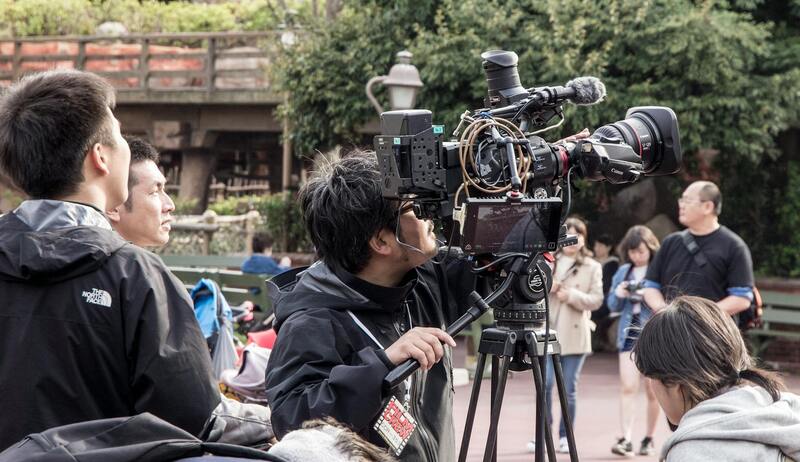
The Role of Consistency and Branding
Consistent visual branding through commercial real estate photos reinforces a company's reputation and professionalism. Using standardized angles, lighting, and editing styles across property portfolios helps create a cohesive visual identity. This consistency assures prospects of quality, reliability, and expertise, while also facilitating seamless integration with broader marketing campaigns, including printed brochures, websites, and multimedia presentations.
Adapting to Market Trends and Client Expectations
Staying updated with emerging trends in real estate photography—such as aerial drone shots, 3D tours, and twilight imagery—can elevate property presentation to meet evolving client preferences. High-resolution imaging complemented by innovative visual techniques ensures properties are portrayed in the best possible light, making them more compelling in a dynamic Miami real estate environment.
Key Elements of Producing High-Quality Commercial Real Estate Photos
Creating impactful commercial real estate images involves meticulous attention to several core components that collectively craft a compelling visual story.
Proper Lighting and Timing
Optimal lighting conditions are essential for capturing true colors and textures. Morning and late afternoon provide soft, natural light that reduces harsh shadows and highlights interior spaces delicately. Overcast days can also be advantageous, offering diffused lighting that enhances detail without overpowering shadows. Technical equipment, such as external flashes and reflectors, can be employed to fill shadows and highlight key features when natural light is insufficient.
Strategic Composition and Framing
Effective composition guides the viewer’s eye through the property’s unique selling points. Using vertical and horizontal lines, leading lines, and balanced framing ensures clarity and focus. Wide-angle lenses help encompass entire rooms or exteriors, but care must be taken to avoid distortion. Elevation shots from drones or elevated positions can provide comprehensive perspectives that showcase the property's scale and surroundings in Miami’s diverse cityscape.
Attention to Detail
Clutter-free, well-staged spaces are crucial for a professional presentation. Properly arranging furniture, removing unnecessary items, and ensuring cleanliness contribute to a polished look. Highlighting architectural details, finishes, and unique design elements requires careful positioning and controlled lighting to emphasize texture and depth.
Post-Processing and Color Accuracy
Post-production editing enhances the image’s clarity, corrects minor distortions, and adjusts exposure for balanced lighting. Color grading should reflect the property's true appearance while maintaining a vibrant, appealing look that aligns with brand standards. Subtle enhancements in contrast and sharpness amplify visual impact without compromising authenticity.
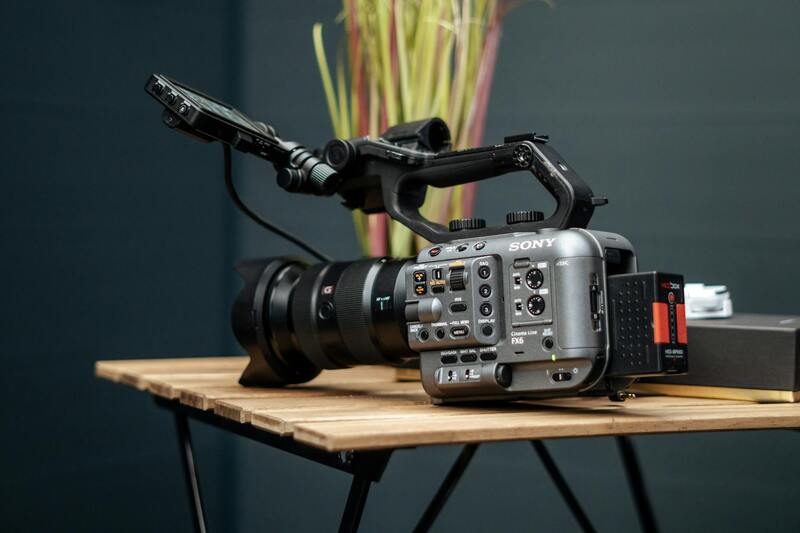
Choosing the Right Equipment for Commercial Property Photography
Selecting appropriate equipment is fundamental to achieving high-quality results in commercial real estate photography. The right tools enable photographers to capture accurate representations that reflect the property's true character.
Camera and Lenses
- High-resolution DSLR or mirrorless cameras provide the detail necessary for professional-grade images.
- Ultra-wide-angle lenses (14mm to 24mm) are preferred for interior spaces, exteriors, and capturing expansive views.
- Tilt-shift lenses help correct perspective distortions, especially in architectural shots, maintaining straight lines and structural integrity.
Lighting Equipment
- External flashes and strobes enhance interior lighting, especially in poorly lit spaces or during low-light conditions.
- Reflectors and diffusers help control natural light, reducing shadows and glare.
- Stative supports stability during long exposures, crucial for low-light environments or when using HDR techniques.
Additional Tools for Enhanced Results
- Drone cameras and accessories allow for aerial shots, providing comprehensive views of property layouts and surrounding neighborhoods in Miami.
- Gimbals and stabilization equipment ensure sharp, steady shots during dynamic shooting scenarios.
- Post-processing software such as Adobe Photoshop and Lightroom enables detailed image editing, color correction, and enhancement.
Advanced Techniques for Post-Processing of Commercial Real Estate Photos
After capturing high-quality images of commercial properties, post-processing plays a vital role in refining visuals to meet professional standards. Effective editing elevates the visual appeal, ensures consistency across marketing materials, and accurately represents the property's features. To achieve these objectives, specific techniques should be employed meticulously, adhering to best practices that preserve the integrity of the original shots without over-embellishing.
Firstly, color correction is essential to ensure the images accurately reflect the property's true appearance. Adjustments to white balance help neutralize color casts caused by varying lighting conditions, providing a natural look. Brightness and contrast enhancements can improve overall visibility, especially in areas where lighting was suboptimal during the shoot. Highlight and shadow adjustments further define textures and architectural details, adding depth to the images.
Clarity and sharpness adjustments are crucial for emphasizing details in both interior and exterior shots. Fine-tuning these parameters ensures crispness without introducing noise or artifacts. Noise reduction may be necessary when images are taken in low-light settings or with higher ISO settings, helping to produce a clean, professional finish.
Ensuring consistency across a series of images benefits marketing campaigns by creating a cohesive visual narrative. Uniform adjustments to exposure, color grading, and perspective corrections help maintain this consistency. When displaying multiple property shots, a unified look reinforces the integrity of the branding and marketing message.
Advanced editing techniques such as perspective correction are invaluable in architectural photography, where straightening converging lines created by lens distortion or camera tilt is necessary. Many photo editing software tools offer dedicated perspective correction features that allow for precise adjustments, maintaining the structural accuracy of buildings and interiors.
Selective editing – where specific areas of an image are adjusted independently from others – can highlight key features like entrances, signage, or architectural details. Utilizing masks and layers in editing software enables this targeted approach without compromising the overall image quality.
For optimizing images intended for digital and print marketing, resolution and file size are important considerations. Exporting images in appropriate formats (such as TIFF for print and JPEG for web) ensures clarity and quick load times without sacrificing quality. Metadata embedding can also assist in cataloging images for easy retrieval and consistent branding.
Properly processed images not only attract potential tenants or buyers but also demonstrate professionalism and attention to detail. Balancing enhancements with authenticity ensures that prospective clients receive a truthful view of the property, fostering trust and confidence in marketing efforts.
Implementing Appropriate Image Metadata and Documentation
To uphold the integrity of commercial real estate photography, meticulous documentation and the use of detailed image metadata are essential. Proper tagging of images with relevant keywords, location data, and property identifiers ensures that photographs are easily retrievable within digital asset management systems. This practice not only streamlines the marketing workflow but also aids in maintaining consistency across various platforms and campaigns.
Including comprehensive metadata also helps preserve the context of each image. Information such as date of capture, camera settings, and descriptive tags enhances transparency and provides a clear record of the visual content. For example, tagging images with details about specific features or improvements in the property allows marketing teams and clients to quickly locate appropriate visuals for different marketing channels.
Beyond metadata, maintaining detailed records of the photography process—including shot lists, lighting setups, and equipment used—supports quality control and replicability for future shoots. This practice is particularly valuable when managing multiple properties or when updates and renovations are involved. Clear documentation establishes a professional standard that enhances credibility and optimizes workflow efficiency.
Developing a Consistent Style and Visual Language
Consistency in visual presentation plays a crucial role in establishing the brand identity of a commercial real estate portfolio. Developing a distinctive style—through color grading, composition standards, and overall aesthetic—helps potential clients recognize and trust the property marketing materials.
This consistency also simplifies the editing process. When photographers and editors adhere to predefined guidelines, it reduces the time spent on adjustments and ensures uniformity across all images. For instance, using a standard color profile or a fixed angle set for exterior shots can create a harmonious visual narrative that reinforces the property’s appeal.
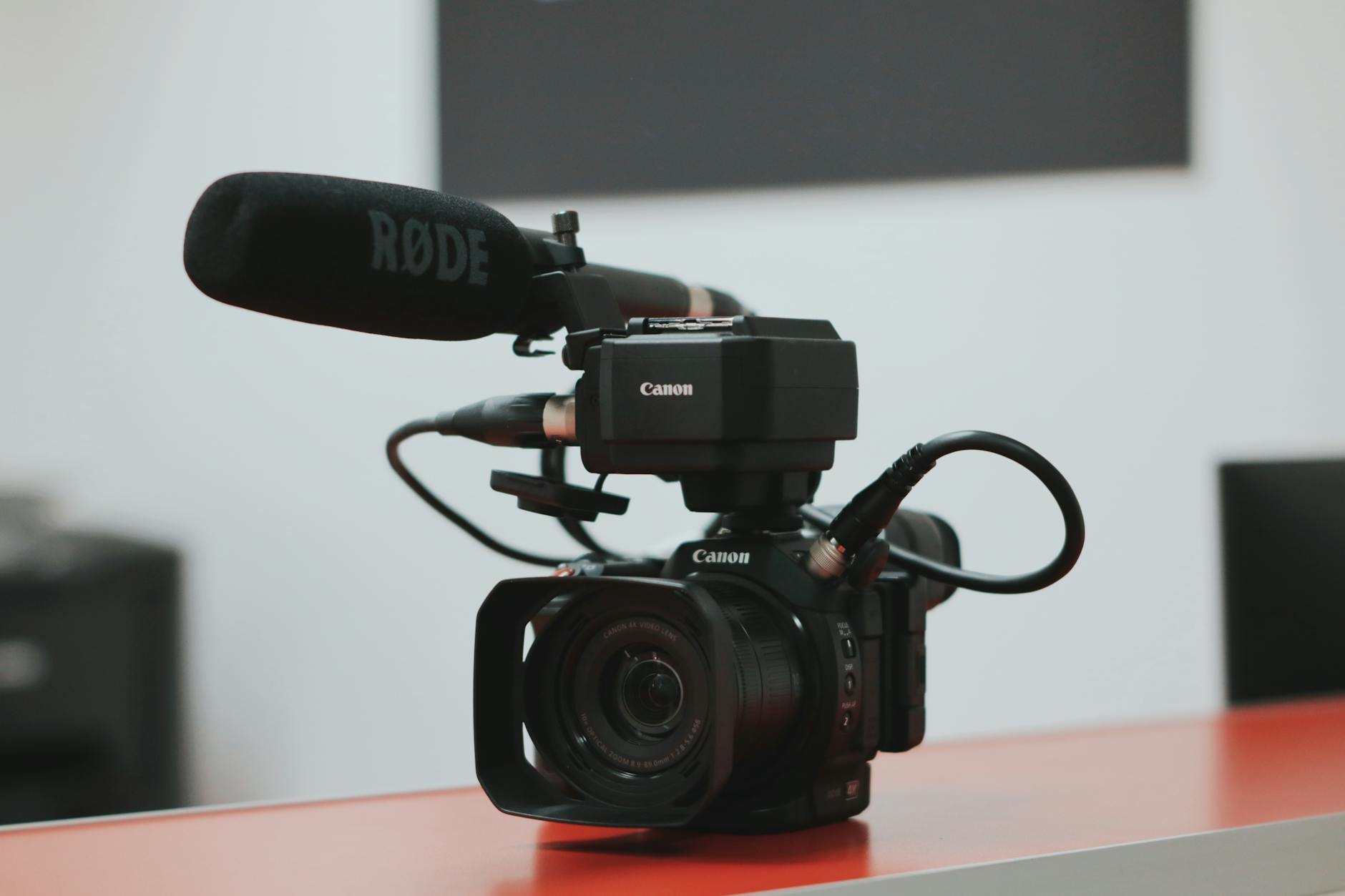
Furthermore, adopting a coherent approach to lighting and perspective enhances the visual impact of photographs. Consistently capturing images in similar lighting conditions minimizes visual discrepancies and strengthens the overall aesthetic. Through deliberate planning and adherence to defined stylistic elements, real estate professionals can craft a compelling visual story that resonates with prospective tenants or buyers.
Leveraging Professional Editing Techniques for Authentic Representation
While editing enhances visual appeal, it is vital to maintain an authentic representation of the property. Advanced editing techniques such as perspective correction ensure that architectural features are accurately portrayed without distortion. Using software tools to straighten converging lines or adjust perspective helps in creating realistic images that correctly reflect the property’s dimensions.
Selective enhancements, like brightening interior spaces or subtly adjusting color tones, can make images more inviting without misrepresenting the actual appearance. Employing masking and layer adjustments allows targeted improvements, highlighting key features such as entrance pathways, signage, or scenic views.
Optimizing image resolution, format, and compression settings is equally important for multi-platform use. High-resolution images ensure clear detail in print, while appropriately compressed files enable fast loading on websites and digital listings. Embedding relevant metadata further enhances searchability and cataloging, supporting marketing efforts across various digital channels.

Through a combination of precise technical adjustments and artistic judgment, commercial real estate photos can effectively attract attention and generate interest, all while faithfully representing the property’s features. Professional editing, guided by industry standards and ethical considerations, plays a vital role in crafting compelling visuals that facilitate impactful marketing strategies.
Ensuring Accuracy and Consistency in Commercial Real Estate Photography
Achieving precise and consistent images across a property portfolio is fundamental in commercial real estate marketing. Accurate representation begins with diligent planning, including verifying that all photos align with the actual property features and specifications. This involves cross-checking shot details, ensuring that angles and perspectives are uniformly captured to provide a cohesive visual narrative.
Developing a standardized approach to photography sessions—such as consistent camera angles, lighting setups, and time of day—helps maintain uniformity across multiple images and properties. Such consistency reassures prospective clients or tenants of transparency and professionalism. When planning a shoot, create detailed shot lists to cover all critical areas, including façades, interiors, amenities, and surrounding landscapes, thereby avoiding omissions and ensuring comprehensive coverage.
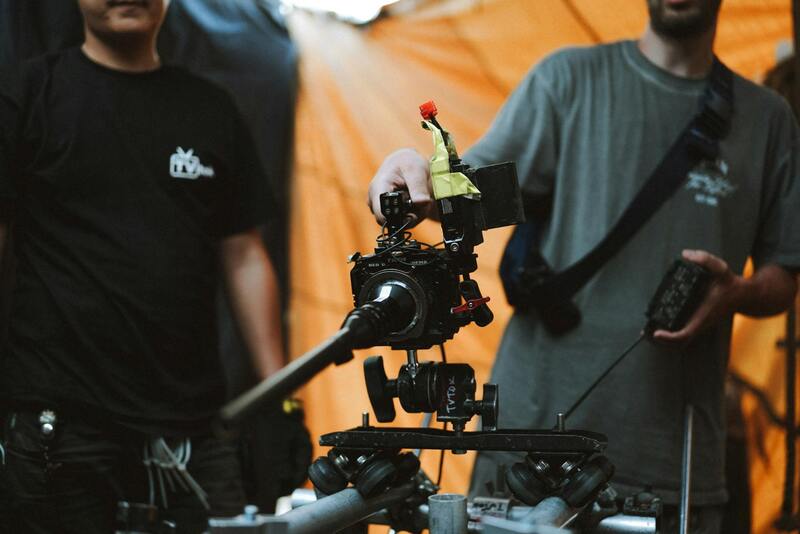
In addition, employing calibration tools for cameras and lighting equipment ensures color accuracy and exposure consistency, which are vital for conveying the true ambiance and condition of the property. Careful attention to shots’ framing with the use of tripods and level gauges prevents distortions and aligns images precisely, fostering continuity and a professional aesthetic.
Post-production, maintaining editing standards is equally key. Uniform adjustments in color grading, contrast, and brightness help preserve the authentic look of each image while ensuring they integrate seamlessly into a cohesive marketing suite. Documenting these editing protocols supports team members or external partners in delivering consistent outputs, particularly when managing large property portfolios.
High-Resolution Output and File Management
Delivering images in high resolution ensures that potential clients can scrutinize details, which is essential for commercial properties where the quality of construction and finishes often influence decision-making. When preparing files for various platforms, such as print or online listings, optimizing resolution and compression settings ensures that images retain their clarity without excessive file sizes that could hinder loading speeds.
Using proper metadata tagging also plays a role in systematic cataloging and enhances search engine visibility. Clear naming conventions, along with geographic and descriptive keywords, make it easier to retrieve images and integrate them into broader marketing campaigns.
Implementing Ethical and Transparent Representation Practices
While enhancing images is important, it must be balanced with honest representation. Subtle adjustments, such as brightening interiors or correcting lens distortions, should aim to accentuate the property’s appeal without misleading viewers about its true appearance. Transparent editing practices build credibility with prospective clients and support long-term relationships built on trust.

Partnering with a Miami Production Agency for Commercial Real Estate Photos
Opting to collaborate with a professional Miami-based production agency specializing in commercial real estate photography offers numerous strategic advantages. Local agencies possess an intrinsic understanding of the Miami market's unique characteristics, including prominent architectural styles, popular neighborhoods, and regional lighting conditions. This insight ensures that images accurately capture the essence and appeal of each property, resonating more effectively with prospective clients and investors.
Engaging with an experienced agency also guarantees access to state-of-the-art equipment and advanced techniques tailored for commercial property shoots. These professionals are adept at handling diverse property types, from sprawling office complexes and retail centers to industrial facilities, ensuring each project is executed with precision and high visual standards.
Furthermore, local agencies are often more agile, providing flexible scheduling to accommodate client timelines and site availability. Their familiarity with Miami's bustling real estate landscape often results in quicker turnaround times, enabling property listings to be launched and promoted promptly. Additionally, working with a Miami agency fosters ongoing relationships that can facilitate future marketing efforts, from drone photography and 3D virtual tours to aerial perspectives that enhance the overall presentation of commercial properties.

Beyond technical proficiency, partnering with a local agency supports compliance with regional regulations and industry standards. It ensures that all content adheres to local zoning laws, property access rights, and marketing guidelines, minimizing the risk of delays or legal complications. This adherence helps build confidence among investors and stakeholders, knowing that the visuals are produced in accordance with established protocols.
Collaborating with a specialized agency also brings creative benefits. These professionals can suggest innovative shot compositions, strategic lighting conditions, and post-processing techniques that highlight a property’s most attractive features. Their expertise translates into compelling visuals that stand out across multiple marketing channels, including online platforms, print brochures, and investor presentations.
In summary, working with a Miami-based commercial real estate photography agency combines local market knowledge, technical excellence, efficient workflows, and creative expertise. This holistic approach ensures that your property is presented in the most impactful way, reaching a wider audience and accelerating the sales or leasing process.