
Factors Influencing Commercial Real Estate Photography Pricing
Determining the appropriate pricing for commercial real estate photography involves careful consideration of multiple factors that influence the overall cost. These elements are crucial in establishing fair, accurate, and competitive rates tailored to each project’s unique requirements.
Property Size and Scope
The physical dimensions of the property play a significant role in pricing calculations. Larger properties demand more extensive photographic coverage, including additional time for shooting, equipment setup, and post-processing. A sprawling commercial complex with multiple buildings will require a different pricing approach compared to a single storefront or office suite.
Location and Accessibility
The geographical location of the property impacts costs due to travel time, transportation expenses, and logistical considerations. Properties situated in high-traffic or difficult-to-access areas may incur extra charges to compensate for the additional effort involved in reaching and preparing the site.
Project Complexity and Style
The complexity of the project encompasses the number of images needed, the desired style of photography, and any specialized techniques such as drone photography, 360-degree virtual tours, or twilight shots. More intricate projects with a focus on detail, branding, or high-end presentation naturally command higher prices.
Client Requirements and Expectations
Specific client requests, such as expedited delivery, extensive editing, or multiple revisions, contribute to the overall cost. Clear communication regarding these expectations helps in establishing a baseline price while accommodating special needs.
Additional Services and Equipment
Incorporating supplementary services like videography, virtual staging, or 3D walkthroughs increases the scope and pricing of a project. Advanced equipment, such as drones or specialized lighting, also influences costs, reflecting the investment and expertise required.
Market Demand and Competition
Local market conditions, including demand for professional real estate photography and competitive rates, affect pricing strategies. Staying aware of regional rates ensures that pricing remains attractive to clients yet sustainable for providers.

Understanding these key factors enables professionals to develop comprehensive, transparent quotes that align with industry standards and client expectations, ultimately fostering trust and consistent growth in the competitive Miami market.
Analysis of Property Features and Project Scope
Effective pricing in commercial real estate photography hinges significantly on a detailed assessment of the property's features and the overall project scope. High-value or unique properties, such as luxury office spaces or retail outlets with distinctive architectural elements, often require specialized equipment and techniques, which can elevate project costs. Conversely, standard commercial properties may entail a more streamlined approach, enabling more predictable pricing.
Key property features influencing pricing include size, layout complexity, interior and exterior conditions, and the presence of branding elements or signage that require targeted attention. A larger property naturally demands more time for thorough coverage, extensive editing, and possibly multiple flights for aerial shots, including drone photography. Areas with intricate layouts or those needing interior staging or high dynamic range imaging add layers of complexity that translate into higher charges.
Moreover, projects with expanded scope—such as the incorporation of videos, 360-degree virtual tours, or immersive walkthroughs—significantly impact the overall cost. Each additional service introduces equipment needs, specialized skills, and increased editing requirements, all of which should be transparently reflected in the pricing model.
Understanding the specific demands of a property and aligning them with the client's objectives allows photographers to craft accurate and fair quotes. A comprehensive project analysis ensures that the pricing reflects the effort and expertise involved, providing a clear scope for both parties and reducing the risk of misunderstandings or scope creep.
Factors Influencing Commercial Real Estate Photography Pricing
Pricing for commercial real estate photography is shaped by a multitude of factors that go beyond simple image capturing. One of the primary considerations is the scope and complexity of the property itself. Larger properties demand more extensive coverage, involving multiple images from various angles, potentially including aerial shots through drone photography. Features such as intricate layouts, high ceilings, or multiple building facades increase the planning and shooting time, which directly influences the overall cost.
Another significant aspect is the condition and presentation of the property. Modern properties that require minimal staging or post-production adjustments generally cost less to shoot than those needing interior staging or special setups to highlight architectural features. For properties with signage, branding elements, or unique architectural details, additional attention is necessary, translating into more shooting hours and advanced editing techniques.
Equipment choices also play a role. High-quality cameras, wide-angle lenses, drones, and stabilization gear incur higher operational costs, particularly when specialized shots like aerial perspectives or high dynamic range (HDR) imaging are involved. These technical requirements ensure the imagery meets professional standards but add to the expense.
Furthermore, the scope of supplementary services—including videography, 360-degree virtual tours, and immersive walkthroughs—can significantly influence pricing. Each added element necessitates additional equipment, skills, and plotting, directly impacting the overall project budget. For example, producing a comprehensive virtual tour involves multiple filming sessions, advanced editing, and potentially interactive elements that require specialized software and expertise.
Understanding the specific demands of each project allows professional photographers to provide transparent, accurate quotes. Analyzing aspects such as property size, the complexity of shots needed, and the client's expectations helps align the pricing with the effort involved. This detailed evaluation helps avoid scope creep and ensures that both parties have clarity on the deliverables and costs involved.
Common Pricing Models in Commercial Real Estate Photography
Several pricing structures are prevalent within the industry, each catering to different client needs and project scopes. Here is an overview of the most common models:
- Flat Rate Pricing: A fixed fee set for specific property types or standard shooting packages. This model simplifies budgeting and is often preferred for straightforward projects such as interior shots of small to medium-sized properties.
- Hourly Rate: Charging based on the photographer’s time spent on-site and editing. This model offers flexibility, especially when the scope is uncertain or when additional work may be required.
- Per-Image Pricing: Setting a rate per photograph allows for clear cost expectations, particularly when the number of images is predetermined. Higher-resolution images and specialized shots may command premium prices within this structure.
- Package Deals: Bundled services that combine photography, videography, virtual tours, and editing into one comprehensive package. Pricing varies based on the range and complexity of services included.
Understanding these models provides clarity when negotiating with clients and helps establish transparent pricing strategies that reflect the project’s specifics.
Clients generally favor models that offer predictability and value, making flat-rate and package deals popular choices. For photographers, aligning the pricing model with the scope of work and operational costs ensures sustainable business practices and customer satisfaction.
Additional Costs and Fees to Consider
When establishing a pricing structure for commercial real estate photography in Miami, it’s essential to account for various additional costs that can impact the final quote. These expenses, although sometimes overlooked, are integral to ensuring that pricing remains sustainable while providing high-quality services to clients.
Firstly, travel expenses play a significant role, especially for properties located in different parts of Miami or its surrounding areas. Factors such as fuel, tolls, and transportation allowances should be incorporated into the pricing, particularly for projects requiring multiple site visits or tours that are spread across the region.
Next are equipment costs, which include not only the initial investment in cameras, lenses, drones, and lighting but also maintenance and periodic upgrades. High-quality equipment is crucial for delivering sharp, professional images, and their depreciation can be factored into project pricing over time.
Post-processing is another critical component, often involving substantial editing work to enhance property images, correct lighting, and ensure visual consistency. The complexity of edits required may vary depending on the property's condition and the client’s specifications, influencing the time spent and, consequently, the fee charged.
Permits and special permissions may also be necessary, particularly when shooting with drones or other specialized equipment. Navigating the regulatory landscape of Miami’s airspace and property access rules might incur additional administrative fees or time delays that should be reflected in the pricing.
Lastly, consider the scope of client-specific requests, such as rush deliveries or editing revisions beyond agreed terms. These services often warrant extra charges to compensate for the expedited workload or additional effort involved.
Properly assessing these costs beforehand ensures a comprehensive pricing model that covers all project expenses, avoids underpricing, and maintains profitability. Clear communication about these potential additional charges from the outset also helps foster transparency and trust with clients, reducing misunderstandings and fostering long-term professional relationships.
Pricing Tips for Photography Agencies in Miami
To succeed in Miami’s competitive market, agencies should adopt strategic pricing practices that balance profitability with client satisfaction. First, conducting detailed market research is vital. Analyzing competitors’ rates and service offerings helps position your pricing competitively without undervaluing expertise.
Next, establishing transparent tiered packages can streamline negotiations and provide clients with clear options aligned with their needs and budgets. Offering customizable add-ons, such as virtual tours, twilight shots, or drone footage, can further enhance revenue streams while giving clients flexibility.
Leveraging volume discounts for repeat clients or large-scale projects can incentivize loyalty and encourage ongoing collaborations. Additionally, packages that bundle services—combining photography, videography, and editing—are particularly appealing to commercial clients seeking comprehensive media solutions.
Maintaining a detailed rate card and regularly updating it based on market trends, equipment upgrades, and operational costs ensures your pricing remains relevant. Building a solid understanding of project-specific factors, like property size, complexity, and shooting conditions, allows for tailored quotes that reflect the value delivered.

To maximize profitability, consider investing in professional development and marketing efforts that highlight your expertise and unique qualities. Enhancing your reputation as an industry expert justifies premium pricing and attracts higher-value clients.
Factors Influencing Commercial Real Estate Photography Pricing
Understanding the various elements that impact pricing in commercial real estate photography is essential for establishing fair and competitive rates. These factors can be broadly categorized into project scope, property specifics, technical requirements, and client expectations.
- Property Size and Complexity: Larger properties or those with intricate architectural features demand more extensive shooting and post-production work. High-rise buildings, commercial complexes, and properties with complex lighting setups often necessitate additional equipment and time, which influences the overall cost.
- Type of Media Requested: The scope of deliverables significantly affects pricing. Basic still images are generally less costly than comprehensive media packages that include drone footage, 360-degree virtual tours, or twilight shots.
- Access and Scheduling Challenges: Limited access hours, tight timelines, or properties requiring special permissions can extend shoot durations, impacting pricing. Coordinating around client schedules and property availability should also be factored in.
- Technical and Creative Requirements: High dynamic range (HDR) imaging, advanced editing, or customization demands increase post-production time, thus influencing price points. Additionally, particular client specifications for image resolution and formatting contribute to variances in cost.
- Location and Travel Logistics: The distance from the photographer’s base to the property influences travel costs, especially when multiple locations or remote sites are involved. For clients in Miami, local familiarity can reduce travel expenses, but distant or hard-to-access sites may warrant additional fees.
The skill level and reputation of the photographer also play roles in determining pricing. Experienced professionals with specialized equipment or a strong portfolio can command higher rates, reflecting their expertise and the quality of deliverables.
Common Pricing Models in Commercial Real Estate Photography
Commercial real estate photography pricing typically adheres to several recognized structures that help streamline negotiations and ensure clarity for both parties.
1. Flat Rate Pricing
This model establishes a fixed fee per project, offering simplicity and predictability. It works well for standardized shoots with predictable scope, such as a certain number of images of a specific property type.
2. Hourly or Day Rate
Charging by the hour or day provides flexibility, especially for projects with variable or undefined scopes. This method accommodates additional requests or unforeseen complexities without needing predefined packages.
3. Package Pricing
Predefined packages offer a combination of services at set prices. For instance, a basic package might include a specific number of high-resolution images, while premium packages add video, drone footage, or virtual tours.
4. Custom Quotes
For especially bespoke projects, photographers often prepare personalized estimates considering all project-specific factors. This approach ensures comprehensive coverage of client needs and accurate pricing reflecting the work involved.
Average Price Ranges for Miami Commercial Real Estate Photography
In Miami, the competitive landscape and thriving real estate market influence standard rates. Typically, clients can expect to pay between $150 and $500 for standard image packages of modest properties. Larger or more complex projects, especially those requiring additional services like drone footage or night shoots, tend to fall within the $500 to $2,000 range.
For comprehensive media solutions, including virtual tours or cinematic videos, prices often extend upward of $2,000. These packages cater to high-end properties and commercial clients seeking polished, marketing-ready content. It's crucial to consider local market conditions and the photographer's experience when deriving rates, as these factors can cause variation outside these averages.
Factors Influencing Commercial Real Estate Photography Pricing
When establishing commercial real estate photography prices, several key elements should be meticulously considered to accurately reflect the scope and intricacies of each project. The size and complexity of the property are primary determinants; larger properties with multiple sections or specialized features require more time, equipment, and post-processing effort, thereby influencing the overall cost. The type of imagery requested also plays a vital role; high-resolution stills, virtual tours, drone footage, and cinematic videos each entail different levels of investment in gear and editing. Additionally, the project’s purpose impacts pricing—marketing campaigns, virtual tours for online listings, or high-standard promotional content all have varying quality expectations and technical requirements.
Other significant factors include the level of access available to the property, the lighting conditions, and the desired turnaround time. Properties that are occupied or require special scheduling may incur additional fees due to logistical complexities. Speedy delivery of images or videos often necessitates extra resources, which are reflected in higher prices. Equipment needs, such as drone licenses or specialized stabilization gear for aerial footage, add to the cost structure. Moreover, the experience and reputation of the photographer or agency can influence pricing, with seasoned professionals often commanding premium rates due to proven expertise and consistent quality.
Common Pricing Models in Commercial Real Estate Photography
There are several established approaches photographers use to determine their charges, each suited to different project scopes and client needs. Hourly rates are common for small, straightforward shoots where the client requires flexibility. Flat fees or project-based pricing are prevalent for larger assignments, providing clarity on total costs upfront. Value-based pricing has gained traction among professionals who consider the project's overall marketing impact and potential ROI for clients.
Package options are also widely used, offering pre-defined sets of deliverables at fixed prices. These packages often include a baseline number of images, with optional add-ons such as aerial footage, virtual tours, or cinematic videos available for supplemental fees. Custom quotes are particularly important for bespoke or complex projects, allowing tailored pricing that accounts for unique property features, required services, and turnaround time.
Average Price Ranges for Miami Commercial Real Estate Photography
In Miami's dynamic real estate sector, pricing tends to reflect site complexity, service scope, and market demand. For modest properties, clients typically spend between $150 and $500 for standard photographic packages, which generally include a selection of high-resolution images optimized for online listings. Properties requiring additional features—such as drone imagery, twilight shoots, or detailed interior views—usually fall within the $500 to $2,000 range. Larger commercial spaces, including office buildings and retail centers, often necessitate comprehensive packages that can reach $3,000 or higher, especially if virtual tours or cinematic videos are involved.
High-end properties or those targeting luxury markets may have budgets exceeding $5,000 for full-media campaigns. These encompass detailed aerial footage, 3D virtual walk-throughs, and premium editing work suited to sophisticated marketing strategies. It is essential for clients to evaluate both the quality and experience of the photography provider to ensure value aligns with expenditures. Factors such as service guarantees, rush delivery options, and inclusion of multiple content formats further influence the final price.

How to Determine a Fair Price for Commercial Property Shoots
To arrive at a fair pricing structure, agencies and photographers should conduct market research, assessing local competitive rates while factoring in their own skill level and portfolio strength. Clients and service providers can collaborate by clearly defining project requirements, setting expectations for deliverables, and establishing realistic timelines. It's prudent to consider details such as property size, scope of work, desired content types, and any logistical challenges early in negotiations.
Offering a detailed estimate that itemizes costs fosters transparency and helps manage client expectations. Including variables such as travel expenses, special equipment, or extended post-production ensures comprehensive pricing. Regularly reviewing regional market trends and adjusting rates accordingly helps maintain competitiveness. Establishing flexible yet transparent pricing strategies enables photographers and agencies to build trust while ensuring profitability across different project scales.
Additional Costs and Fees to Consider
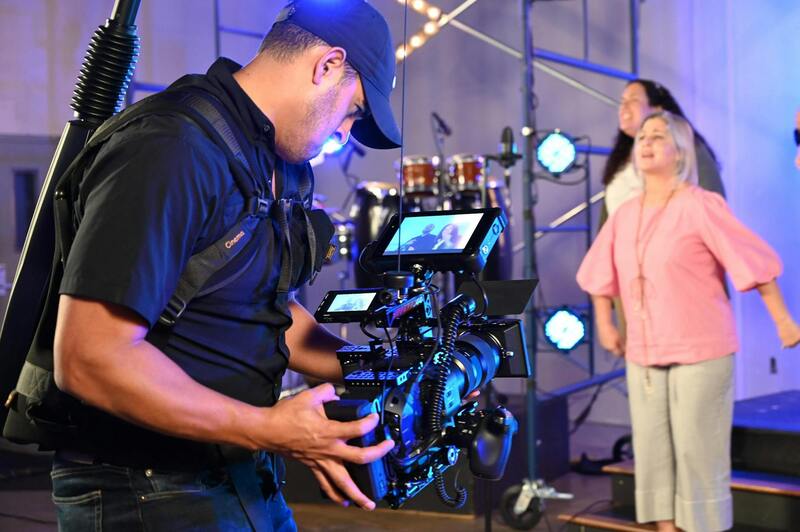
Beyond the base rate for commercial real estate photography, several additional costs may influence the overall pricing structure. Understanding these components helps both clients and providers establish transparent and accurate estimates, ensuring all expenses are accounted for before the shoot begins.
- Travel Expenses: For properties located outside the photographer’s immediate service area, travel costs such as mileage fees, tolls, or transportation rentals may be added. These charges compensate for the time and resources spent reaching remote or hard-to-access locations.
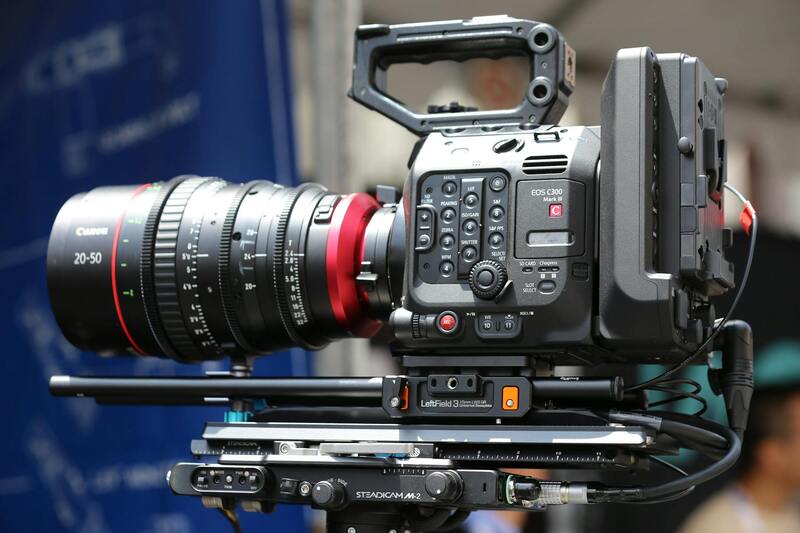
- Special Equipment and Techniques: Certain property features might require advanced or specialized equipment. This includes drone cameras for aerial shots, tripod-mounted panoramic gear, lighting setups for interiors, or high-resolution cameras for detailed images. Incorporating such tools can add to the overall cost.
- Post-Production and Editing: The scope of editing services significantly impacts pricing. Basic color correction and cropping are usually included, but detailed retouching, virtual staging, or 3D walkthroughs may necessitate additional fees. Clear communication about expected post-processing work helps balance quality and budget expectations.
- Extended Shooting Time: Larger properties requiring more extensive staging, multiple angles, or varied times of day might increase shoot duration. Longer hours incur higher labor costs, which should be factored into the initial quote.
- Permits and Access Fees: Some properties, especially commercial or government sites, require special permits or access fees. These costs can vary based on location and can be incorporated into the overall rate or billed separately.
- Rush Orders and Expedited Delivery: When clients need quick turnaround times, photographers may charge a premium to prioritize the project’s editing and delivery process. This ensures prompt service without compromising quality.
Clear breakdowns of these potential expenses enable clients to see precisely what they are paying for, fostering trust and reducing misunderstandings. Meanwhile, photographers can better manage expectations and prepare for potential additional charges early in the project planning phase.
Legal and Contract Considerations in Pricing Agreements
When establishing pricing for commercial real estate photography services, it is essential to formalize the agreement through a comprehensive contract. This ensures clarity and mutual understanding between the photographer and client, covering all aspects of the project scope, deliverables, and compensation.
Contracts should specify the scope of work, including the number of images, post-production expectations, and any additional services such as virtual staging or aerial shots. Clearly outlining these details helps prevent misunderstandings and ensures the client is aware of what is included in the quoted price.
Payment terms are a crucial element within the contract, specifying deposits, payment schedules, and final payment deadlines. Including terms for late payments or cancellations is equally important, providing a framework for resolving potential disputes. These provisions help protect the interests of the photographer and ensure timely compensation for services rendered.
Furthermore, clauses related to image rights and licensing rights should be explicitly stated. This includes whether the client has exclusive usage rights, geographic limitations, or restrictions on third-party sharing. Clarifying ownership rights prevents future conflicts and aligns expectations regarding the use of licensed images.
It is advisable to include provisions for potential additional charges, such as extra shots, extended shoot durations, or urgent editing requests. This transparency allows clients to understand possible costs upfront, fostering trust and encouraging informed decision-making.
Finally, securing a signed agreement before commencing work minimizes risks and provides legal clarity. Both parties should review and confirm all terms in writing, ensuring that the pricing structure accurately represents the scope of services and expectations set forth during negotiations.