
Overview of Commercial Real Estate Photography
Commercial real estate photography is a specialized discipline within the broader field of real estate marketing that focuses on capturing high-quality images of commercial properties such as office buildings, retail spaces, warehouses, and industrial facilities. In a bustling market like Miami, where competition is fierce and visual appeal can significantly impact property transactions, expert photography plays a pivotal role in attracting prospective buyers and tenants. High-quality images serve as the first impression of a property, often influencing decisions even before potential clients visit the site. They highlight key features, showcase the property's spatial layout, and convey an overall sense of the property's value and potential.
Effective commercial real estate photography involves more than just snapping pictures; it encompasses strategic visual storytelling, proper lighting, and an understanding of how to present a property in the best possible light. In Miami, where dynamic urban landscapes and diverse architectural styles prevail, the importance of professional imagery cannot be overstated. It directly impacts marketing campaigns, listing visibility, and ultimately, the speed and success of property transactions.
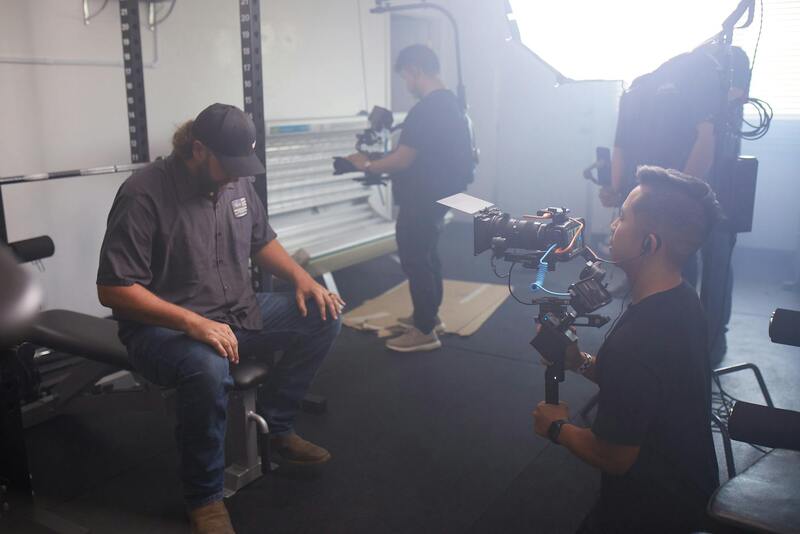
As the commercial real estate sector in Miami continues to grow and evolve, property owners and brokers are increasingly relying on expert photography services to differentiate their listings in a competitive market. High-resolution images, taken with professional cameras and optimized through skilled editing, ensure that properties stand out on digital platforms, print brochures, and marketing campaigns. In this context, investing in quality commercial real estate photography is a crucial step toward achieving faster sales, higher offers, and more effective advertising strategies.
Photographic Techniques for Commercial Properties
When capturing commercial real estate in Miami, employing advanced photographic techniques ensures the images accurately reflect the property's features and size. Wide-angle lenses are essential for showcasing expansive interiors and creating a sense of space, especially in properties with open layouts or large common areas. These lenses help potential buyers or tenants visualize the scale of the space without distortion, providing a realistic perspective.
Aerial photography, often achieved through drone technology, offers a comprehensive view of the property and its surroundings. This approach is particularly effective in Miami, where waterfront views, large plots, and unique architectural compositions add value to listings. Aerial shots help highlight location advantages, accessibility, and the property's integration into the Miami landscape.
Lighting plays a critical role in commercial real estate photography. Properly managed natural or artificial lighting enhances interior spaces, emphasizing architectural details and creating inviting atmospheres. Techniques such as HDR (High Dynamic Range) imaging can balance lighting variations within a scene, preventing overexposed windows or dark corners that obscure vital features.
Using strategic lighting setups in interior photography can also boost the visual appeal of commercial spaces, making them appear more attractive and ready for occupancy. When combined with meticulous framing and composition, these techniques ensure the images deliver a compelling narrative of the property's potential.
Choosing the Right Equipment and Software
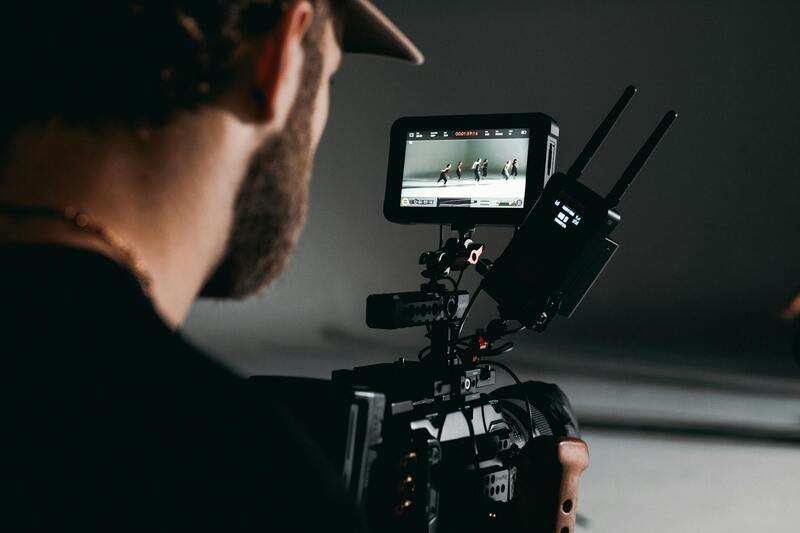
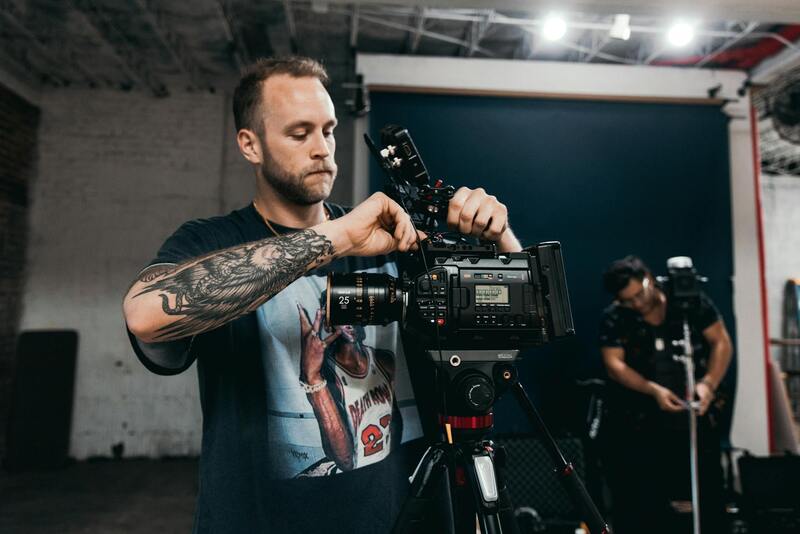
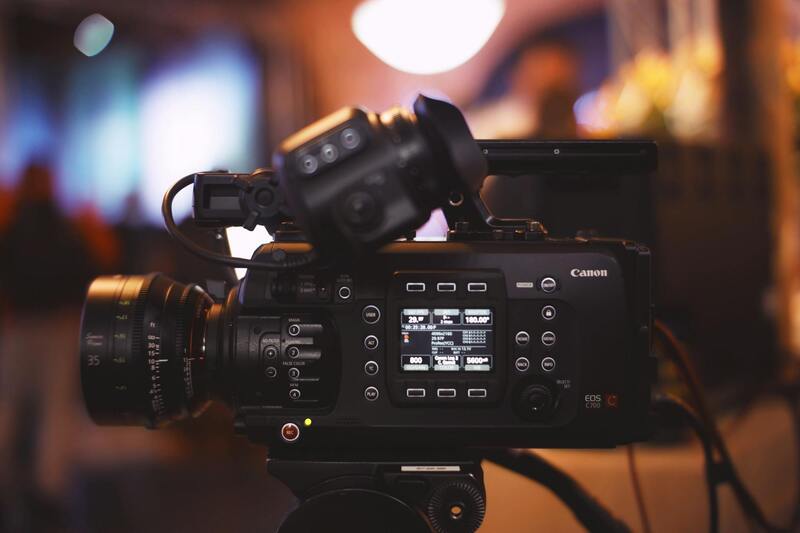
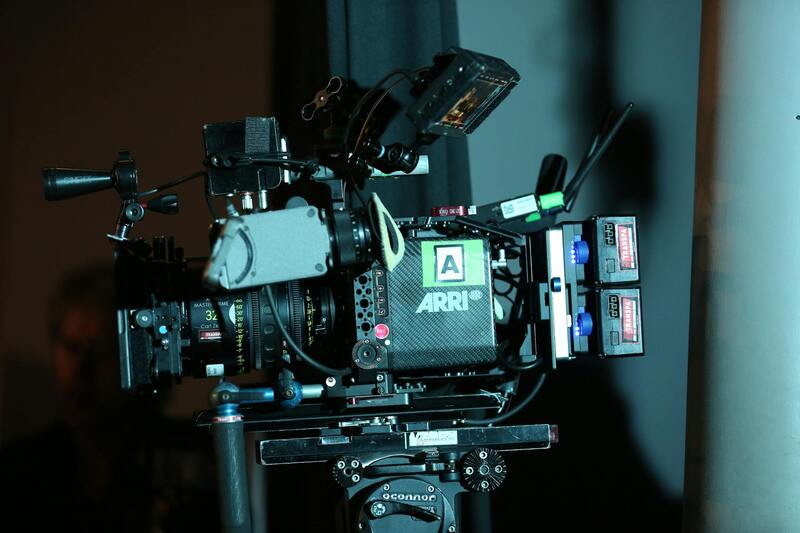
Securing the appropriate equipment is fundamental to producing high-caliber commercial real estate images that meet industry standards. Modern professional photographers typically rely on a combination of specialized cameras, lenses, stabilizers, and lighting equipment to capture the space accurately and attractively. Full-frame digital single-lens reflex (DSLR) or mirrorless cameras serve as the backbone, offering superior resolution and dynamic range necessary for detailed commercial images.
Wide-angle lenses, usually ranging from 14mm to 24mm, are essential in commercial real estate photography. They allow for expansive shots that encompass entire rooms or exterior facades, illustrating scale and spatial relationships convincingly. Exterior shots often benefit from telephoto lenses to highlight architectural details or distant views, especially when emphasizing landscaping or neighboring structures.
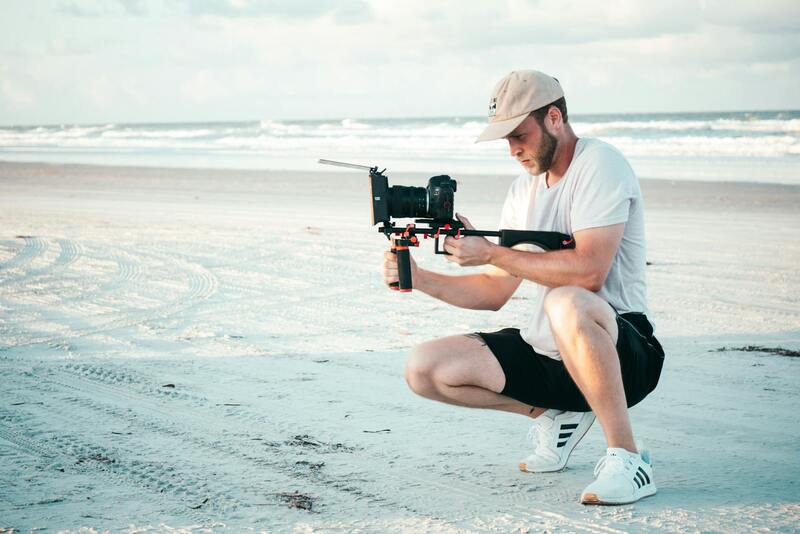
Stabilization tools, such as gimbals or tripods, play a crucial role in mitigating camera shake, ensuring images are sharp, especially when capturing low-light interior scenes or employing long exposure techniques. Lighting fixtures, including portable LEDs and diffusers, assist in manipulating illumination to create balanced lighting environments, highlighting architectural features without glare or shadows.
Post-production software is equally vital, with applications like Adobe Photoshop and Lightroom standing out as industry standards. These tools facilitate precise color correction, exposure adjustments, perspective correction, and image retouching. They allow photographers to deliver polished visuals that faithfully represent the property’s features, ambiance, and potential utility, which is paramount in real estate marketing.
Integration of 3D modeling or virtual tour software is increasingly common in commercial real estate marketing. These platforms enable immersive experiences, allowing prospective clients to explore spaces remotely and gaining a genuine sense of scale and layout. When combined with high-quality photography, such digital enhancements significantly elevate property listings in Miami’s dynamic market.
Legal and Ethical Considerations in Commercial Photography
In the realm of commercial real estate photography, adherence to established standards and respectful practices is paramount to maintaining a reputable portfolio and fostering trust with clients. Professional photographers must prioritize obtaining comprehensive permissions for all visuals captured on a property, including any aerial shots taken via drone. Securing clear agreements from property owners or authorized representatives ensures transparency and compliance with regulations concerning privacy, security, and intellectual property rights.
Respecting the privacy of individuals and tenants within or around the property is essential. Photographers should be diligent in avoiding intrusive captures of private spaces or sensitive areas unless explicit consent has been granted. When capturing images that include identifiable individuals, appropriately securing model releases is a responsible step to prevent future disputes and uphold ethical standards.
Furthermore, the representation of properties should be accurate and honest. High-quality images must faithfully depict the current condition and features of the property without misleading enhancements or digital alterations. While professional editing is a part of post-production workflows, it is essential that any adjustments do not distort the true appearance of the space.
Photographers should also stay updated on local and national regulations related to drone usage, airspace restrictions, and safety guidelines. Using drones responsibly not only aligns with legal frameworks but also promotes ethical standards by ensuring public safety and respecting property boundaries.
Engaging with professional associations or industry groups can provide valuable guidance on best practices and ongoing updates in regulations. These resources help establish a responsible approach to commercial real estate photography, ultimately safeguarding the reputation of both the photographer and the client.

By maintaining transparency, respecting privacy, and ensuring authenticity, photographers contribute positively to the industry. Their commitment to ethical standards supports effective marketing strategies that resonate with prospective clients and underpin long-term success in Miami’s competitive property market.
Post-Production and Image Optimization
After capturing high-quality images of commercial properties, the next crucial step involves meticulous post-production work to enhance visual appeal while maintaining authenticity. Skilled editing ensures that images are sharp, well-lit, and free of distractions, which is essential in attracting potential clients and tenants. Post-processing techniques include color correction, brightness adjustment, contrast enhancement, and minor retouching to highlight architectural features and spatial dimensions.
It is vital that post-production efforts do not distort the true appearance of the property. Over-editing can mislead viewers, which compromises trust and can detract from the professionalism of the listing. Ensuring consistency in color balance and lighting across all images helps maintain a cohesive visual narrative, establishing the property's most compelling attributes effectively.
Image optimization for online platforms is another critical aspect. Properly formatted and sized images load quickly, improve user experience, and are favored by search engines. Utilizing techniques such as compression without significant quality loss, and implementing appropriate aspect ratios ensures that visuals are presented at their best, whether viewed on desktops, tablets, or mobile devices.
Legal and Ethical Considerations in Commercial Photography
Operating within the boundaries of legal and ethical standards is fundamental in commercial real estate photography. This involves obtaining necessary permissions prior to shooting, especially when photographing private or sensitive areas of a property. Clear communication with property owners and managers about the scope of the shoot, image use, and timing helps establish mutual understanding and avoids potential disputes.
Respect for privacy is another vital aspect. When capturing images in and around commercial properties, photographers should avoid intrusive shots that could infringe on the privacy of tenants or neighboring businesses. This includes being cautious about aerial imagery to ensure drone operations are conducted at appropriate altitudes and angles, respecting airspace regulations and property boundaries.
Maintaining transparency with clients about photo editing practices and avoiding digital manipulation that could misrepresent the property helps foster trust. Using honest imagery aligns with professional standards and ensures the long-term reputation of both the photographer and client. Additionally, being aware of local regulations concerning drone usage, safety procedures, and airspace restrictions ensures all aerial photography practices comply with established guidelines.
Best Practices for Shooting Commercial Properties
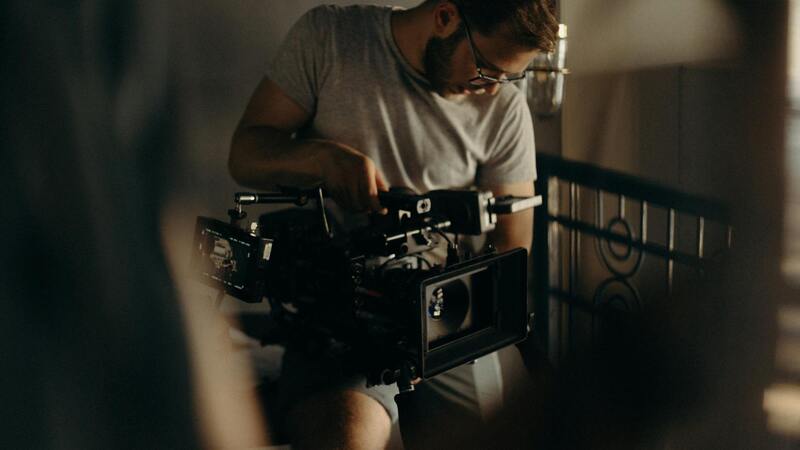
Shooting commercial real estate properties requires a strategic approach to ensure that each image captures the property's unique features while adhering to industry standards. Achieving high-quality visuals involves careful planning, appropriate equipment selection, and in-depth understanding of the property’s architectural and functional highlights. Preparation begins with a thorough site visit to identify the best angles and natural lighting conditions, which can significantly influence the final images.
Timing is crucial in commercial real estate photography. Shooting during the golden hours—shortly after sunrise or before sunset—can provide soft, warm lighting that enhances the property's appeal. For interiors, coordinating with property managers to control lighting conditions or to schedule shots during optimal times of natural light helps produce balanced and inviting images.
In terms of shot composition, several techniques are employed to create compelling visuals:
- Wide-Angle Lenses: Utilize for capturing expansive interior spaces and exteriors, providing viewers with a sense of scale.
- Vertical and Horizontal Lines: Keep lines straight to avoid distortion, especially in architectural shots, using tripod-mounted equipment and leveling tools.
- Focus on Key Features: Highlight distinctive architectural elements, amenities, and any recently renovated areas that set your property apart.
- Perspectives and Angles: Experiment with different viewpoints to showcase flow, spatial relationships, and the property's overall layout.
Employing post-processing techniques, such as perspective correction, color balancing, and brightness adjustments, enhances the natural appeal of the images without over-editing. Proper image optimization ensures that files are web-friendly, loading quickly without sacrificing visual quality—critical factors for online listings and marketing materials.
Legal and Ethical Considerations in Commercial Photography
When executing commercial real estate photography in Miami, professionals must adhere to established protocols that respect property rights, privacy concerns, and licensing requirements. Securing proper permissions before conducting a shoot ensures that all parties are aligned and that the imagery can be used freely for marketing, advertising, and publication purposes. This often involves obtaining written consent from property owners or managers, especially when photographing private or restricted areas within a building.
Additionally, photographers should be mindful of interior privacy issues—such as photographs of occupied spaces with sensitive information or personal items—and obtain approval from affected parties. It is essential to respect tenant confidentiality and ensure that no proprietary or confidential information is unintentionally captured in photos.
Copyright considerations also play a significant role. Using licensed or original equipment, ensuring that images are correctly attributed when necessary, and understanding the rights associated with the photographs help prevent legal complications. Licensing agreements often specify the scope of use, duration, and distribution channels—parameters that must be adhered to diligently.
Photographers working in Miami should stay informed about city ordinances and local regulations that could influence their operations. This includes permits for drone photography or the use of specialized equipment in certain areas, which may require prior approval from local authorities. Failure to comply with these regulations can result in fines or restrictions that hamper ongoing and future projects.
By maintaining transparency with stakeholders, respecting privacy, and securing the necessary permissions, commercial photographers uphold their reputation and foster trust with clients. This integrity not only safeguards their professional standing but also contributes to the overall credibility of the commercial real estate market in Miami.
Legal and Ethical Considerations in Commercial Photography
Adhering to appropriate legal and ethical standards is fundamental to maintaining professionalism in commercial real estate photography. This encompasses respecting privacy rights, unauthorized access restrictions, and the use of proprietary images. It is essential to obtain explicit permission from property owners or authorized representatives before conducting photography sessions. This ensures that all parties are aware of the scope of the shoot, safeguarding against potential misunderstandings or disputes.
When capturing images of commercial properties, photographers should also be vigilant to avoid including sensitive or confidential information inadvertently. Proper framing and strategic angles help focus on the architectural and spatial aspects that serve marketing purposes, while avoiding areas that could compromise privacy or reveal proprietary layouts.
Intellectual property rights play a significant role in this domain, especially concerning the use and distribution of images. Licensed use of equipment, like drones or specialized lenses, must be secured, and all images should be appropriately attributed when required. Adhering to licensing agreements, which specify use cases, distribution rights, and duration, protects photographers from potential disputes and ensures compliance with contractual obligations.
Photographers should also stay informed about local regulations affecting commercial filming, such as drone flight restrictions or special permits required for filming in certain zones. In Miami, for instance, drone operations often need prior approval from authorities, especially in busy urban areas or near airports.
By practicing transparency with clients and stakeholders, maintaining clear communication about permissions, and respecting legal boundaries, professionals uphold the integrity of their brand. Such practices foster trust and demonstrate a commitment to delivering high-quality imagery responsibly and ethically, ultimately strengthening the reputation of commercial real estate marketing efforts across Miami.