
Importance of Professional Commercial Property Photography
In the highly competitive landscape of commercial real estate, the visual presentation of a property can significantly influence its market performance. High-quality commercial property pictures serve as a powerful marketing tool that not only captures the attention of potential tenants or buyers but also shapes their perception of the property's value and potential. Clear, well-composed images can highlight a property's unique features, spaciousness, and condition, providing viewers with an authentic sense of space and ambiance.
Effective commercial property photography enhances visibility across various marketing channels, including online listings, social media campaigns, and industry publications. In a digital-driven marketplace, the first impression made by images often determines whether a prospect will engage further. Slight imperfections or poor-quality photos can detract from a property's appeal and reduce the likelihood of inquiries or showings. Conversely, professional photographs convey credibility, attention to detail, and a commitment to quality, which can accelerate leasing agreements or sale transactions.
Moreover, investing in professional images can translate into higher perceived value, allowing property owners or brokers to set more competitive pricing or lease terms. The superior presentation provided by high-caliber photos increases interest and can lead to faster deal closures, ultimately offering a substantial return on investment.
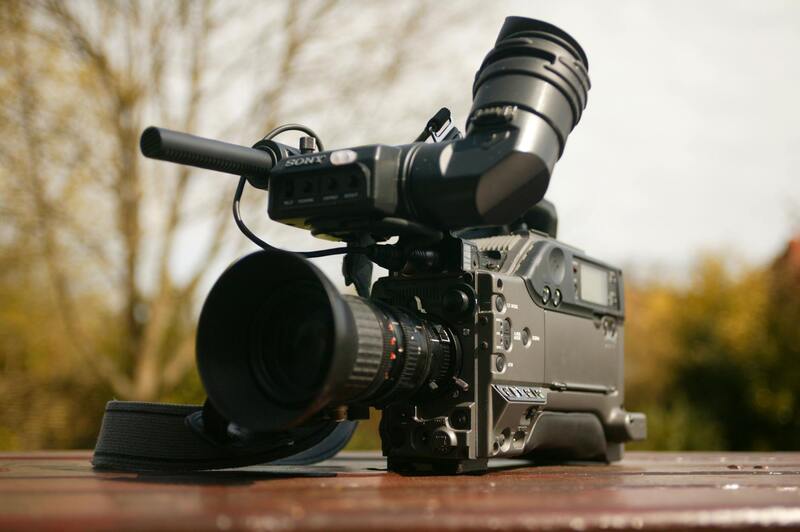
In summary, professional commercial property photography is a vital component of effective marketing strategies, fostering better engagement, enhancing perception, and expanding reach within an increasingly digital marketplace.
Key Features of Successful Commercial Property Photos
Effective commercial property images share several distinctive qualities that set them apart. First, they emphasize clarity and sharpness, requiring meticulous focus and appropriate lighting. Well-lit photographs ensure that all areas of the property are visible, eliminating shadows or dark spots that can obscure details.
Wide-angle lenses are frequently employed to capture entire spaces, offering viewers an encompassing view that emphasizes the property's scale and layout. Highlighting unique architectural elements, modern finishes, or expansive interiors can further accentuate the property’s appeal.
Consistency in style and quality across all images maintains professionalism and creates a cohesive visual narrative. Additionally, images should be taken at optimal times—preferably during daylight hours when natural light enhances the space without casts or glares.
Lastly, post-processing plays a crucial role in refining images, adjusting brightness, contrast, and color balance to produce vibrant and inviting photographs.
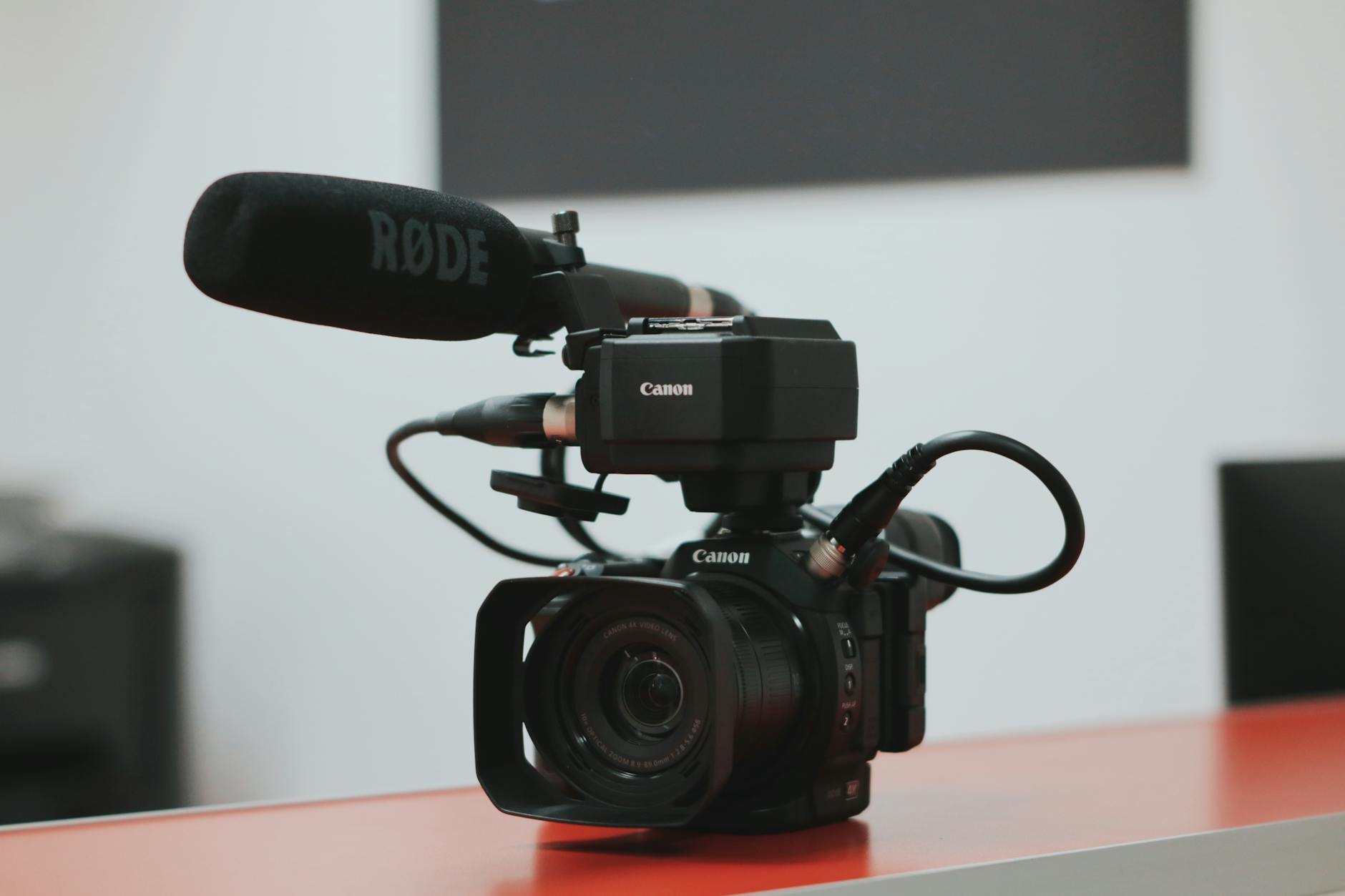
Therefore, successful commercial property photography combines technical expertise with artistic sensibility, ensuring the images accurately represent the property’s true potential and attract qualified prospects.
Preparation and Staging for Commercial Property Photography
Effective commercial property images rely heavily on meticulous preparation and strategic staging. Professionals begin by thoroughly inspecting the property to identify the key features that should be highlighted. Cleaning and decluttering are essential steps, as a tidy space ensures that the photographs focus solely on the property's strengths, avoiding visual distractions that could detract from its appeal.
Light fixtures are checked to ensure optimal illumination; replacing burnt-out bulbs and adjusting window coverings can dramatically improve natural light flow. Shrubs, landscaping features, and interior decor should be arranged to create a welcoming atmosphere, emphasizing the property's potential as a functional and comfortable space.
Staging might involve adding furniture, art, or accents that align with the property's intended use or target market. For example, an open office layout benefits from modern furnishings that demonstrate versatility, while retail spaces can be dressed with appealing merchandise or displays.

Timing is also critical; capturing images during the day, when natural light fills the space, allows for more vibrant and inviting photographs. Additionally, permissions should be secured if any proprietary or sensitive areas are to be included, ensuring smooth access and shooting without interruptions.
Choosing the Right Equipment and Techniques
To produce professional-grade images, selecting the appropriate camera and accessories is fundamental. A high-resolution digital camera paired with wide-angle lenses allows for capturing expansive interior views, making spaces appear larger and more inviting. A tripod stabilizes the camera, enabling sharp images even in lower light conditions and allowing for consistent framing across multiple shots.
Lighting techniques involve balancing natural and artificial sources to eliminate shadows and highlight architectural details. HDR (High Dynamic Range) photography can be employed to accurately portray both bright and shadowed areas within a space, ensuring detail retention throughout the image.
Angles and perspectives should be carefully considered to maximize the property's architectural features. Eye-level shots from strategic vantage points showcase the flow and scale of the interior, while exterior images focus on curb appeal and surrounding landscapes.
Editing and Post-Processing for Impactful Images
Post-processing is a vital step in polishing commercial property photographs. Professional editing involves adjusting brightness, contrast, and color balance to represent the property authentically while enhancing visual appeal. Corrections for lens distortions are also applied to maintain geometric accuracy, especially in wide-angle shots.
Retouching may include removing minor imperfections, such as clutter or shadows, to present a clean and appealing environment. When done carefully, editing helps to create images that are vibrant, crisp, and consistent across all marketing materials, reinforcing the property's value and attractiveness.
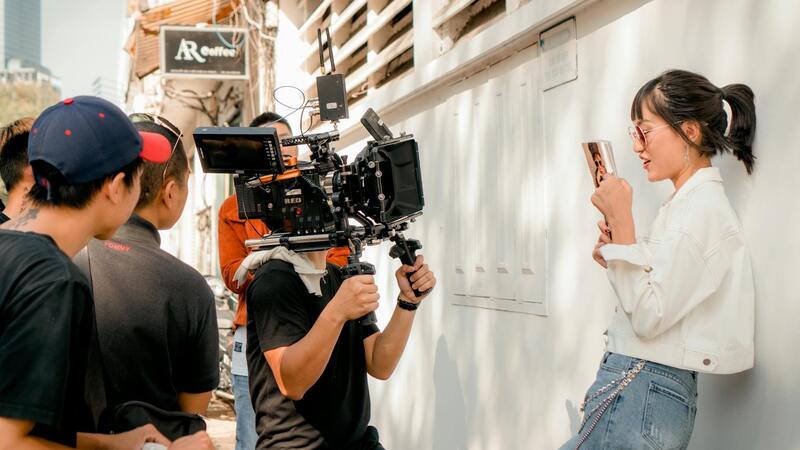
Professional commercial property photography is an investment that directly enhances listing engagement and attracts serious prospects. Carefully curated preparation, adept equipment use, and expert post-production ensure each image contributes to a compelling visual narrative that accurately portrays the property’s potential and captivates target audiences.
Preparation and Staging for Commercial Property Photography
Effective preparation and staging are fundamental for capturing high-quality commercial property images that resonate with prospective clients and tenants. Prior to the shoot, conduct a thorough walkthrough of the property to identify areas that require cleaning, decluttering, or rearrangement. Ensuring that all surfaces are spotless and that the property appears well-maintained enhances visual appeal and minimizes distractions.
In staging, strategic placement of furniture, decorations, and accessories can highlight the property's most attractive features. For office spaces, this might include arranging desks, chairs, and communal areas to showcase functionality and flow. For retail or hospitality properties, attention to decor, lighting, and key visual focal points helps create inviting scenes that tell a compelling story about the space’s potential.
Lighting plays a crucial role; scheduling the shoot during optimal times of day ensures natural light enhances interior and exterior features. In cases where natural lighting is limited, professional lighting equipment should be used to eliminate shadows and highlight key architectural details. Properly staged properties reduce the need for extensive digital editing and provide a realistic glimpse into what prospective tenants or buyers can expect.
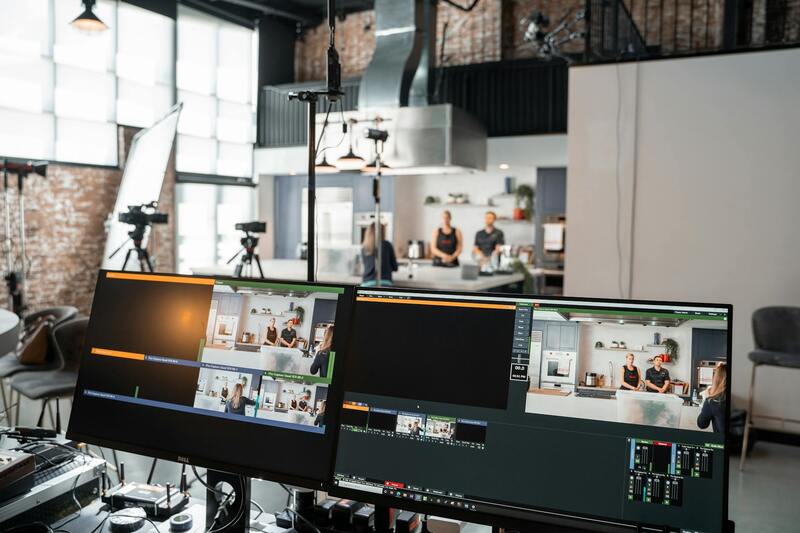
Communicating effectively with the property owner or manager prior to the shoot helps align expectations and ensures access to all necessary areas. Providing specific instructions about how to prepare each space, including removing personal items or temporary obstacles, increases the efficiency and quality of the photos taken. Ultimately, meticulous preparation and staging create a strong foundation for a visually appealing presentation that accurately reflects the property’s true potential.
Utilizing Official Methods to Capture Commercial Property Photos
Maximizing the visual appeal of commercial property images relies heavily on adhering to officially recognized methods that ensure authenticity and clarity. One fundamental approach involves using high-resolution digital cameras equipped with wide-angle lenses, which can capture expansive interior spaces and exterior facades without distortion, providing an accurate representation of the property. These specialized lenses are designed to summarize the full scope of the space, helping prospective tenants or buyers visualize the layout effectively.
Employing proper lighting techniques is critical; natural light should be harnessed whenever possible, especially during daylight hours, to produce vibrant, true-to-life images that highlight the property's best features. When natural light is insufficient, professional lighting equipment such as softboxes, diffusers, and strobes should be used to eliminate shadows and evenly illuminate interiors. This consistent lighting setup ensures that images are free from misleading shadows or overexposed highlights, preserving the integrity of the visual content.
In addition, adhering to precise composition standards, such as the rule of thirds and strategic framing, enhances the aesthetic quality without resorting to digital manipulation. Utilizing tripod stands improves stability during shooting, reducing potential blurriness and maintaining sharpness across images. This attention to technical detail not only complies with industry standards but also assures clients of the professionalism behind each photograph.
In official real estate photography, capturing multiple angles of key spaces—including entrances, common areas, office rooms, and exterior views—provides a comprehensive overview that can significantly influence viewer perception. These images should be taken from authorized vantage points that accurately reflect the property's actual dimensions and features, ensuring potential tenants and buyers experience an honest, transparent portrayal of the space.
Furthermore, a focus on officially sanctioned methods extends to the management and presentation of images during marketing. File formats like JPEG and PNG should be used to ensure compatibility across various platforms, with image sizes optimized for fast loading without sacrificing quality. When sharing or publishing, maintaining consistency in style and perspective across all images reinforces a professional brand image rooted in trustworthy visuals.
Employing these legitimate, industry-approved techniques guarantees that commercial property images serve their purpose effectively—offering prospective clients an accurate, compelling view of the property and fostering confidence in the listing. Consequently, leveraging official photographic standards in concert with expert equipment and techniques enhances the overall appeal and credibility of commercial property marketing efforts.
Legal and Ethical Considerations
When capturing commercial property images, adhering to established practices and standards is essential to maintain the integrity of the marketing materials. Consistent with best practices, photographers should obtain necessary permissions from property owners or authorized representatives prior to shooting. This ensures that the process proceeds smoothly and aligns with professional standards.
It is important to accurately portray the property without misrepresentation. This involves avoiding any digital alterations that could distort the true appearance of the space, unless such edits are part of standard post-production processes like color correction or brightness adjustment, which should be done judiciously to preserve realism.
Respecting privacy and security considerations is also critical. For instance, images should exclude confidential or sensitive information, such as private offices with proprietary documents or restricted areas that are not meant for public viewing. Additionally, photographing areas that are under construction or undergoing renovations requires appropriate permissions, and any signage related to construction zones must be respected.
Furthermore, professional photographers should be aware of trademarks or branding elements visible within the images. Properly capturing these details enhances the authenticity of the visuals and avoids potential issues related to intellectual property.
Benefits of Working with a Miami Production Agency
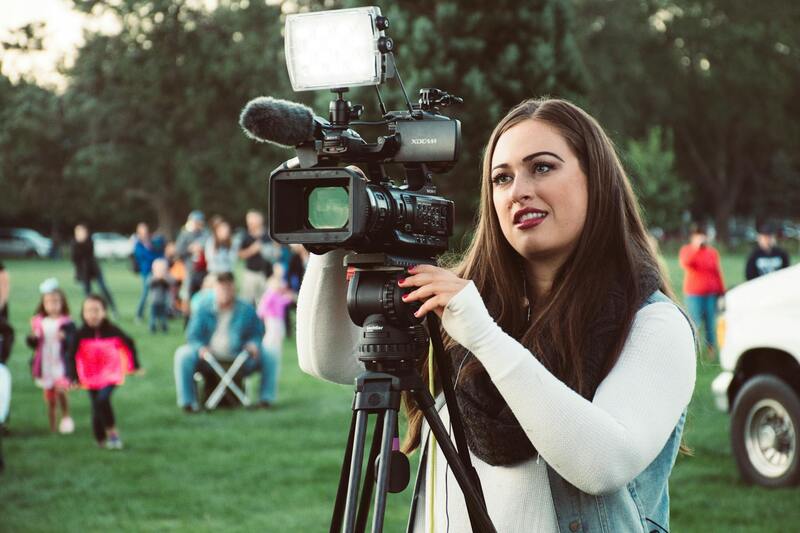
Partnering with a specialized Miami-based production agency ensures access to industry-leading expertise, cutting-edge equipment, and local knowledge that can significantly elevate the quality of commercial property images. These agencies understand the nuances of the local market and operate within established professional frameworks, guaranteeing that every shot aligns with best practices.
Such collaborations streamline the production process, offering tailored solutions that meet specific property needs while adhering to industry standards. Additionally, working with professionals minimizes the risk of inconsistent results and ensures that images are captured under optimal conditions, with proper lighting, angles, and staging.
The advantage extends to post-production as well, where experienced editors ensure images are refined for maximum visual impact without compromising authenticity. This integration of expertise creates a cohesive visual narrative that appeals to prospective clients and enhances the overall marketing strategy.
Tips for Maximizing the Impact of Commercial Property Photos
- Highlight Key Features: Focus on elements that set the property apart, such as modern finishes, ample lighting, or strategic layouts.
- Emphasize Natural Light: Capture images during optimal lighting conditions to showcase the space's openness and vibrancy.
- Use Multiple Angles: Provide various perspectives to give a comprehensive view, helping viewers understand the layout and scale.
- Maintain Consistency: Use a uniform style and perspective across all images to reinforce professionalism and reliability.
- Include Contextual Shots: Show exterior and surrounding areas to give potential tenants or buyers a sense of environment and accessibility.
- Optimize Image Quality: Ensure high-resolution images load quickly across platforms while retaining clarity and detail.
Legal and Ethical Considerations
Capturing commercial property images entails adhering to essential norms that uphold trust and integrity in property marketing. Securing necessary permissions before photographing private areas prevents misunderstandings and respects the rights of property owners and tenants. It is vital to confirm that all individuals present in the images have authorized the inclusion of their likeness, especially in shared or public spaces.
Maintaining transparency about the purpose of the photographs fosters good relationships with stakeholders and ensures that images are used responsibly in marketing campaigns. When shooting in controlled environments or restricted zones, obtaining explicit consent and documenting these permissions helps avoid potential issues that could compromise the property's reputation.
Respect for privacy extends beyond individuals to safeguarding sensitive property details. Avoiding the inclusion of confidential information, such as security systems, private entrances, or proprietary layouts, preserves the property's integrity while still showcasing its key features. Employing discreet, respectful techniques during photography sessions minimizes disruption and reinforces a professional image.
Best practices also involve publicizing the use of images through appropriate channels, reaffirming compliance with local standards and industry guidelines. This not only demonstrates professionalism but also reassures clients and prospective buyers of the ethical standards maintained throughout the marketing process.
Legal and Ethical Considerations in Commercial Property Photography
Capturing compelling images of commercial properties requires adherence to a set of established practices that ensure respect for privacy and ownership rights. Securing explicit permissions from property owners and relevant stakeholders before conducting photoshoots is an essential step in establishing trust and maintaining professional standards. This process involves clear communication about the intended use of the images, the scope of the shoot, and the areas to be photographed.
It is equally important to respect the privacy of individuals occupying or visiting the property during the shoot. Verifying that all persons depicted have consented to their likeness being included in promotional materials prevents misunderstandings and fosters goodwill. When photographing shared spaces or public areas within commercial properties, obtaining signage permissions or informing tenants about the shoot can prevent disruptions or inadvertent violations of privacy expectations.
Careful attention should be given to avoid capturing sensitive or proprietary information unintentionally. Elements such as security systems, login panels, private entrances, or confidential layouts should be excluded or obscured during photography. This approach helps preserve the integrity and confidentiality of the property while highlighting its most attractive features.
Employing discreet techniques and respectful behavior during shoots minimizes disruption to tenants and visitors, demonstrating professionalism and fostering positive relationships. Documentation of permissions and adherence to local guidelines further ensures that all images are used ethically and responsibly. Ultimately, transparent communication and careful planning are central to producing high-quality commercial property images that align with ethical standards and accurately represent the property's value.
Legal and Ethical Considerations in Commercial Property Photography
Adhering to proper practices in commercial property photography ensures that visual representations are both ethical and respectful of all parties involved. Professionals working in this space must understand the importance of obtaining necessary permissions when capturing images of commercial spaces. This includes securing consent from property owners and tenants, especially when shooting interiors or private areas, to prevent misunderstandings and foster trust.
Careful scrutiny of the property prior to shooting helps identify sensitive areas that should be avoided or carefully managed during the session. These might include security installations, private office areas, or proprietary signage. Obscuring or avoiding these elements during photo sessions prevents the unintentional disclosure of confidential information or proprietary layouts that could compromise operational security or client privacy.
Respectful handling of the environment during shoots extends beyond permissions and sensitive areas. Photographers should employ discreet techniques to minimize disruption to occupants and visitors. This includes working during designated hours, maintaining a professional demeanor, and ensuring that equipment setup and movement are unobtrusive. Such practices demonstrate professionalism and help maintain positive relationships with clients and tenants.
Documentation of all permissions and adherence to local regulations further solidifies the ethical foundation of commercial photography. Clear communication with property stakeholders ensures that all parties are aware of the planned visuals and how they will be used. This transparency helps in avoiding potential disputes or misunderstandings.
Ensuring Accuracy and Responsibility in Visual Content
- Honest Representation: All images should accurately reflect the property's features without exaggeration or misleading enhancements. This preserves trust with prospective tenants or buyers.
- Image Integrity: Post-processing techniques should enhance the visual appeal without altering the true character of the space. Over-editing can lead to misrepresentation and reduce credibility.
- Compliance: Understanding and following local guidelines and industry standards for commercial photography fosters responsible practice and professional integrity.
Working with a knowledgeable Miami-based production agency that understands these principles can significantly streamline the process. Professionals in this sector maintain high standards for safety, ethical conduct, and image quality, which ultimately results in compelling visuals that faithfully represent the property and respect all legal and ethical boundaries.