
Understanding the Importance of Commercial Property Photography
In the competitive landscape of commercial real estate, the visual presentation of a property plays a pivotal role in capturing the interest of potential tenants, buyers, and investors. High-quality commercial property photography serves as a powerful marketing tool that can significantly influence decision-making processes and accelerate the leasing or sales cycle. Professionally shot images offer an accurate representation of the property's layout, condition, and unique features, creating an impactful first impression that can attract a broader audience.
Effective photography enhances online listings, brochures, and digital campaigns, ensuring that the property stands out amidst a sea of competitors. In today's digital-first environment, where most property searches begin online, aesthetically compelling imagery increases visibility and engagement. Well-executed photos convey professionalism and credibility, reassuring prospective clients of the property's value and potential. Furthermore, they enable real estate professionals and property managers to highlight specific amenities, architectural details, and environmental advantages, making the property more attractive and memorable.
Investing in commercial property photography can lead to tangible benefits such as reduced vacancy rates, quicker leasing agreements, and higher sale prices. Quality visuals serve as an essential foundation for strategic marketing efforts, fostering trust with prospective tenants and buyers by providing transparency and clarity about what the property offers. As a result, the significance of professional photography in commercial real estate cannot be overstated, underpinning the overall success of property marketing initiatives.
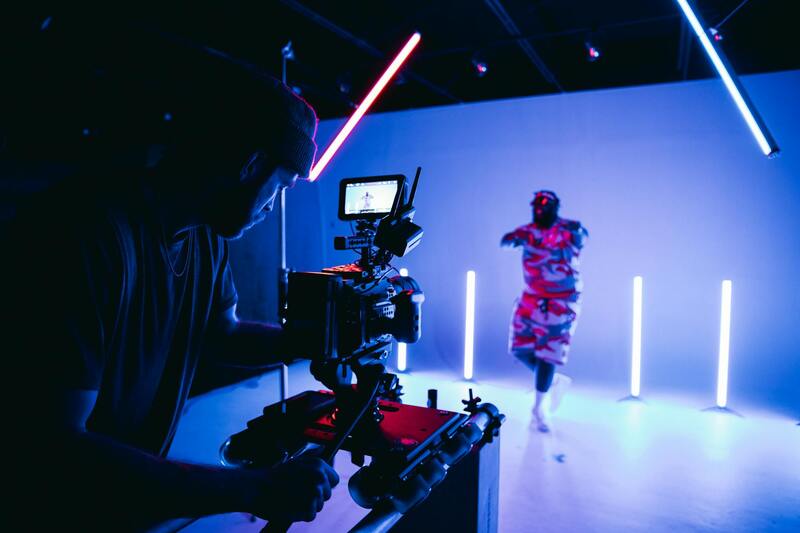
Key Elements of Effective Commercial Property Photography
To maximize the impact of commercial property images, certain key elements must be prioritized. These include optimal lighting, precise framing, and strategic composition to highlight the property’s best features. Wide-angle lenses are often employed to capture more of the space, making areas appear larger and more inviting. Attention to detail, such as tidiness and proper staging, ensures that the property looks appealing and functional in every shot.
Color accuracy and image clarity are also crucial, as they reflect the true state of the property and build trust with prospective clients. Incorporating both interior and exterior shots provides a comprehensive view of the property, giving viewers a thorough understanding of its scope and potential. By combining these elements, commercial property photography becomes a vital asset in transforming a listing into a compelling visual story.
Preparing Commercial Properties for Photo Shoots
Meticulous preparation of commercial properties is fundamental to capturing images that truly showcase their potential. This involves thorough cleaning and decluttering of spaces to eliminate distractions and create a pristine environment that highlights the architectural and design features of the property. Ensuring that all areas are well-maintained and free from unnecessary items allows viewers to focus on the space itself, without the distraction of clutter or disrepair.
Staging plays a crucial role in enhancing the visual appeal of commercial spaces. This can include rearranging furniture to optimize flow and utility, adding neutral decor to create an inviting atmosphere, and ensuring that lighting fixtures are functional and properly maintained. Attention should also be given to the exterior of the property; landscaping, facade cleanliness, and signage should be tidy and visually appealing to create a strong first impression.
It’s important to coordinate the timing of the shoot with natural lighting conditions. Scheduling shoots during times of day when sunlight enhances the space ensures that images are bright and vibrant. Additionally, making adjustments for weather conditions helps in achieving consistent and high-quality photos.
Finally, obtaining permissions for the use of any additional elements within the property, such as proprietary signage or artwork, ensures that the shoot proceeds smoothly without interruptions. Clear communication with all stakeholders involved, including property managers and owners, guarantees that the space is ready for a professional photographic session, ultimately leading to compelling visuals that attract prospective tenants and buyers.

Legal Considerations and Permissions
Ensuring all necessary permissions are secured prior to a commercial property photography session is essential for a smooth process. This involves obtaining explicit approval from property owners or authorized representatives for the use of the space, especially when including proprietary signage, artwork, or sensitive areas that may be subject to confidentiality agreements. Clear, written consent helps prevent interruptions during the shoot and safeguards against potential disputes.
Additionally, it is vital to verify that any personnel involved in the photography, such as models or additional staff, have authorized releases. This practice confirms that their participation and likeness can be used in promotional materials without legal complications. If the shoot integrates elements like copyrighted art or branded signage, proper permissions from rights holders should be secured to avoid infringement issues.
For properties located within regulated environments or secured premises, coordinating access through official channels ensures compliance with property management policies. This might include providing identification, entering into formal agreements, or scheduling specific time slots that align with operational hours. Such measures guarantee that the photography process aligns with existing guidelines and avoids unnecessary delays.

Developing detailed shot lists and consent forms further formalizes the process, creating a record that confirms all involved parties are aligned regarding the scope and usage of the images. This preparation reduces potential conflicts or misunderstandings, reinforcing the professionalism of the project and facilitating future marketing efforts.
Choosing the Right Equipment and Techniques
Capturing high-quality commercial property photographs hinges on selecting the appropriate equipment and employing effective photographic techniques. Professional-grade cameras, paired with wide-angle lenses, are essential for portraying the space comprehensively, emphasizing both the scope and the details of the property. A full-frame camera often provides better image clarity, dynamic range, and color accuracy, which are crucial for showcasing properties in their best light.
In addition to high-quality cameras, utilizing proper lighting equipment is vital. Natural lighting should be harnessed whenever possible, as it produces a vibrant and inviting atmosphere that appeals to potential clients. For interiors or less illuminated areas, portable lighting kits or strobe lights help eliminate shadows and ensure even illumination across all features.
Tripods are indispensable in commercial property photography, providing stability to prevent blurry images and allowing for precise framing. Using a tripod also facilitates consistent exposure settings across multiple shots, which is critical when producing cohesive image sequences for virtual tours or marketing materials.
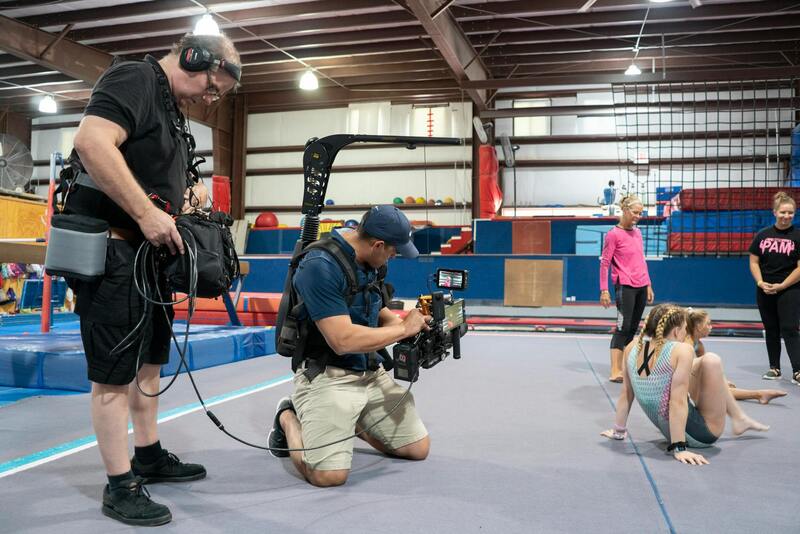
Post-processing plays a significant role in refining commercial property photographs. Software tools like Adobe Lightroom or Photoshop enable correction of distortions, adjustment of brightness and contrast, and enhancement of colors. Advanced techniques such as high dynamic range (HDR) imaging can be employed to balance exposures between bright windows and darker interior areas, creating images that accurately represent the space’s visual appeal.
Furthermore, employing perspective correction tools ensures vertical lines in architectural features remain straight, preserving the structural integrity of the images. Attention to detail during post-production can significantly elevate the overall quality, making each property appear more attractive to prospective tenants or buyers.
Incorporating drone photography offers an additional layer of value by providing aerial perspectives that highlight the property’s size, surrounding environment, and accessibility points. These shots are particularly effective in commercial contexts where the location relative to major transport links or neighboring developments influences purchasing decisions.
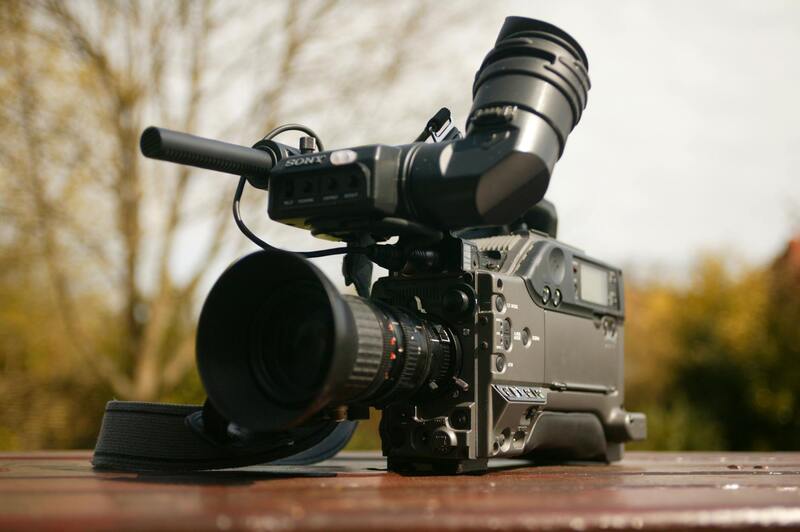
Through the strategic combination of suitable equipment and refined techniques, commercial property photography can significantly enhance marketing efforts. The goal remains to produce images that are sharp, vibrant, and representative of the property’s true potential, ultimately drawing in more interest and facilitating quicker transactions.
Legal Considerations and Permissions
Securing appropriate permissions is a fundamental step in commercial property photography. Prior to any shoot, property owners or managers should be formally notified and consent obtained to ensure that the photographer has authorization to access the site and capture images. This process involves coordinating schedules to minimize disruptions and guarantee access to all targeted areas, including interior spaces, exteriors, and potentially aerial shots.
It is crucial to clarify the intended use of the photographs during permissions negotiations. Explicitly outlining whether the images will be used for online listings, printed marketing materials, or other advertising campaigns can influence the scope of approval required. Proper documentation, such as written agreements or permits, provides a clear record of consent, reducing the risk of misunderstandings.
In cases where drone photography is involved, additional permissions might be necessary depending on local regulations and airspace policies. Ensuring compliance with these protocols not only streamlines the shooting process but also reinforces a professional approach that respects property rights and privacy considerations.

Highlighting Property Features and Key Selling Points
Effective commercial property photography requires a keen eye for detail and a strategic approach to showcasing each property's unique features. Capturing the essence of a property involves more than just high-quality images; it demands highlighting elements that appeal directly to potential buyers, tenants, or investors. These key selling points can include spacious layouts, modern renovations, attractive facades, or distinctive architectural details that set the property apart from the competition.
To maximize the impact of these features, photographers should adopt a systematic approach during the shoot. This involves identifying the property's strengths beforehand, often through discussions with property managers or real estate agents, and planning shots that emphasize these aspects. Proper framing, lighting, and perspective are crucial to making features stand out and appear inviting.
For interior spaces, ensure that rooms are tidy, well-lit, and free of clutter. Use wide-angle lenses to portray spaciousness effectively. Highlight primary areas such as the lobby, conference rooms, or kitchens, which often serve as focal points for clients. When photographing exteriors, emphasize curb appeal by capturing the building's façade, landscaping, and any outdoor amenities.
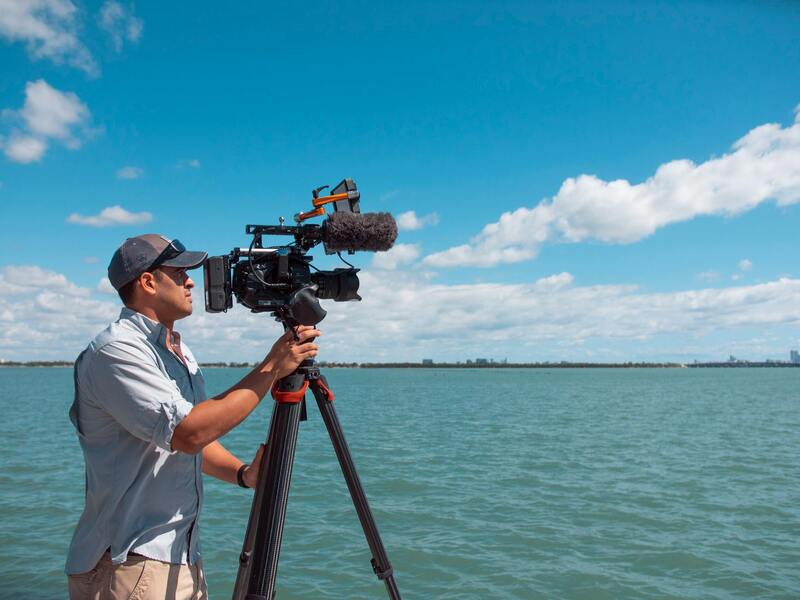
In addition to visual appeal, coordinates the shooting schedule to capture the property in the best natural lighting conditions. Morning or late afternoon often provides softer, more flattering light, which enhances textures and colors. This strategic timing ensures each feature is presented at its best, helping prospective occupants or investors to visualize the potential of the space.
Utilizing Visual Hierarchies and Composition
Effective composition guides viewers’ attention to the most important parts of the property, reinforcing its appeal. Employ techniques such as the rule of thirds, leading lines, and framing to create visually engaging images. These methods help convey a sense of scale, depth, and spatial relationships within the property, making listings more compelling and easier to comprehend. Well-composed images can also evoke an emotional response, encouraging viewers to envision themselves in the space.
Furthermore, incorporating auxiliary features like signage or branding elements subtly into images can strengthen marketing narratives. Demonstrating the property's accessibility, proximity to key areas, or unique amenities not only provides practical information but also enhances the overall presentation.
Creating a Consistent Visual Style
Consistency across multiple images and listings plays a significant role in establishing professional credibility and trustworthiness. Agreeing on standardized angles, color correction, and lighting adjustments ensures a cohesive look, which can improve brand recognition for property developers or agencies. This uniformity also simplifies the process of updating listings, maintaining a polished, professional appearance throughout marketing campaigns.
Legal Considerations and Permissions
When conducting commercial property photography in Miami, adhering to proper protocols for acquiring necessary permissions and access rights is essential to ensure a smooth and compliant process. This includes understanding the procedures for obtaining entry to private property, especially when shooting exteriors or common areas in multi-tenant buildings. Securing explicit consent from property owners or management teams not only facilitates access but also fosters positive professional relationships.
Permission requests should be formal and detailed, outlining the scope of the shoot, intended usage of the images, and any specific requirements such as timing or safety protocols. Clear communication helps prevent misunderstandings and delays, ensuring the project stays on schedule. For properties that are under leasing or rental agreements, coordination with tenants and landlords is crucial to respect their privacy and operational needs.
In addition to access permissions, photographers must be mindful of privacy considerations, especially when capturing interior spaces. Consent may be required from individuals who may be present or identifiable in the images. This is particularly relevant in office environments or residential segments within commercial properties. Implementing consent forms or notices can streamline this process and provide documentation of permissions obtained.
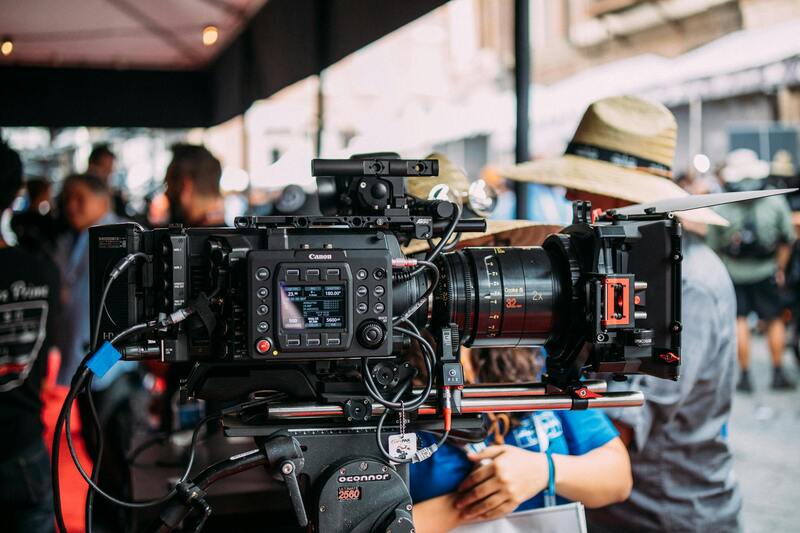
Another important aspect is understanding local regulations relevant to drone photography, signage, or use of specialized equipment. Drone usage, for example, often requires adherence to specific altitude and airspace rules, and permission from relevant authorities may be needed. Complying with these regulations prevents legal complications and enhances the safety of onsite operations.
By prioritizing formal permissions, respecting privacy, and complying with local regulations, commercial property photographers in Miami can establish a reputable practice that upholds professional standards. These efforts contribute to a positive reputation and smooth execution of projects, ultimately supporting effective marketing efforts for high-quality property listings.
Ensuring Proper Documentation and Authentic Representation
Achieving the highest standards in commercial property photography necessitates meticulous documentation to substantiate the authenticity of the images. Property owners and managers should maintain comprehensive records that include permissions for photography, signed release forms from any individuals appearing in interior shots, and detailed descriptions of the content captured. These records serve as vital evidence of compliance with operational and privacy guidelines, fostering trust and transparency among clients and stakeholders.
Utilizing official documentation tools, such as standard photography release forms and property access agreements, is essential. These forms should clearly specify the scope of photo usage, the areas to be photographed, and any restrictions or special considerations. Maintaining a consistent record-keeping system helps streamline the workflow, mitigate potential disputes, and ensure that all stakeholders are aligned with the photographic process.
Implementing Metadata and Digital Watermarking
Beyond physical documentation, incorporating metadata within image files enhances traceability. Metadata can include details such as the date of capture, photographer’s details, and licensing information. Digital watermarks can be subtly embedded to establish ownership and authenticity, deterring unauthorized use of images. These practices reinforce the credibility of the visual assets and demonstrate a commitment to ethical standards.
Carefully managed digital assets, with embedded information, facilitate effective content management and support legal protections against misuse. This level of due diligence is especially pertinent in highly competitive real estate markets, where high-quality visuals significantly influence buyer perception and decision-making.
Utilizing Certification and Professional Credentials
Photographers specializing in commercial property should pursue relevant certifications and memberships in professional associations. Displaying credentials and affiliations assures clients of adherence to industry best practices and ongoing professional development. Certification programs often emphasize compliance with legal standards, technical proficiency, and ethical considerations, thereby elevating the photographer’s reputation and reinforcing confidence among clients.
Employing licensed and insured professionals further demonstrates a commitment to responsible and compliant business operations. Insurance coverage protects both parties from unforeseen liabilities, and licensing often reflects a dedication to maintaining high standards of work and adherence to regulatory requirements.
Establishing Clear Contracts and Service Agreements
Drafting detailed contracts before commencing shoots helps formalize the scope of work, deliverables, deadlines, and responsibilities related to commercial property photography. These agreements should specify usage rights, image resolution standards, and any post-production requirements, thereby ensuring clarity and mutual understanding.
Contracts also serve to outline procedures for obtaining necessary permissions and addressing unforeseen issues, minimizing risks associated with miscommunication. In addition, adding clauses related to compliance with privacy and access regulations emphasizes the professional and responsible approach of the service provider.
Regularly reviewing and updating these agreements in accordance with evolving legal standards and industry norms is vital. This proactive stance not only supports legal compliance but also enhances client confidence and securing repeat business in the competitive realm of commercial property marketing.