
Understanding the Role of a Commercial Property Photographer
A commercial property photographer plays a vital role in the real estate industry by capturing high-quality images of commercial spaces, including offices, retail outlets, industrial sites, and other business-related properties. Their primary responsibility is to create visual representations that highlight the property's best features, maximize its appeal, and attract potential tenants or buyers.
In today’s competitive market, the importance of visual content cannot be overstated. High-resolution photographs help to showcase a property's spatial layout, design elements, and unique amenities with clarity and precision. A skilled commercial property photographer employs technical expertise and an artistic eye to produce images that not only serve marketing purposes but also convey the professionalism and value of the property.
Beyond capturing aesthetic appeal, the photographer ensures that each image accurately reflects the property's true condition and features. This fidelity is crucial as it helps clients manage expectations and uphold transparency during the leasing or sales process. Additionally, their work often forms the backbone of marketing materials, including online listings, brochures, and multimedia presentations, which are essential in drawing attention and generating interest.
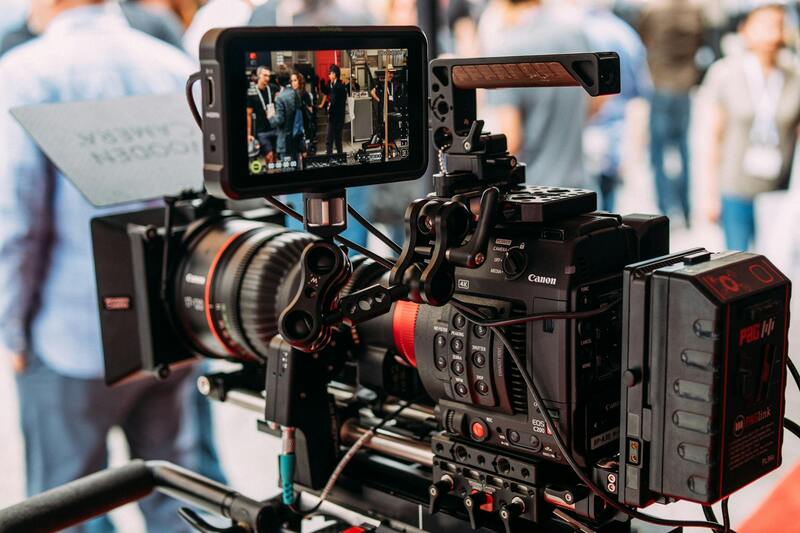
The role also involves technical proficiency with various photography tools, understanding lighting conditions, and knowing how to frame shots to best represent the property’s scale and purpose. Attention to detail, the ability to work efficiently in different environments, and familiarity with the latest trends in real estate marketing are key attributes of an effective commercial property photographer.
In essence, a commercial property photographer acts as a bridge between property owners and prospective clients by translating physical spaces into captivating visual stories. This role is critical in helping properties stand out in the competitive Miami real estate market and beyond, providing a professional edge that can significantly influence leasing and sales outcomes.
Key Skills and Equipment Needed for Commercial Property Photography
For professional commercial property photography, possessing a combination of technical expertise, artistic vision, and specialized equipment is essential. This ensures that images are not only visually appealing but also accurately represent the property's features and potential.
First and foremost, proficiency in camera operation is fundamental. High-resolution DSLR or mirrorless cameras are preferred, as they allow for capturing detailed images that can be enlarged for marketing purposes without loss of quality. These cameras should be paired with wide-angle lenses, typically ranging from 14mm to 24mm, to encompass more of the space within a single shot, highlighting the property's scale and layout effectively.
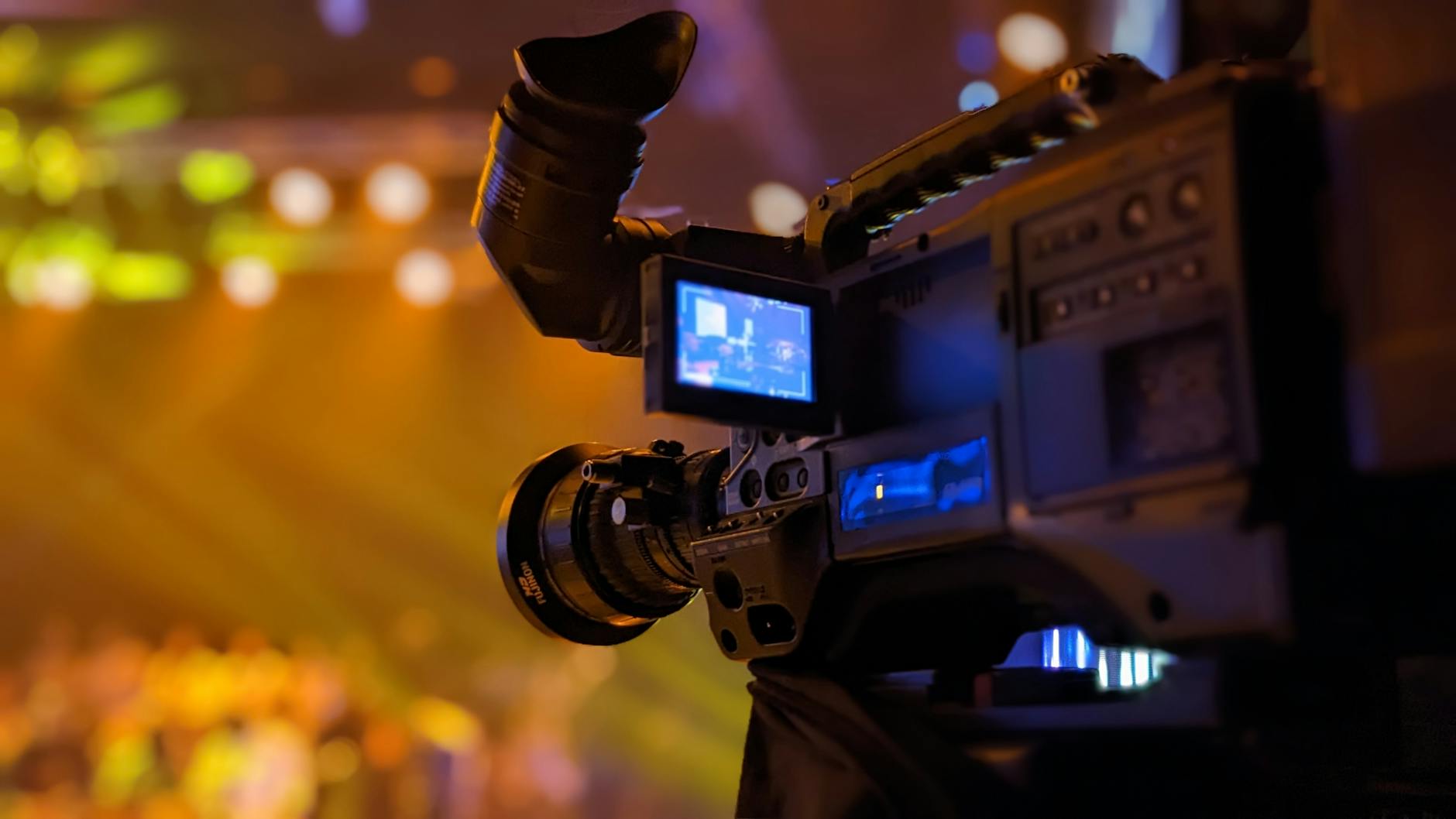
In addition to cameras, tripods are indispensable for ensuring stability and sharpness, especially in low-light conditions or when long exposure times are necessary. Drone photography equipment is also gaining prominence, providing aerial perspectives that showcase the property's exterior and its surrounding environment from a unique vantage point.
Lighting equipment plays a crucial role since natural light is often insufficient or inconsistent. Portable lighting kits or external flash units help eliminate shadows and enhance interior details, ensuring the space looks bright and inviting. Mastery of lighting techniques, such as balancing exposure between interior and exterior scenes, is vital for producing seamless images.
Post-production tools, notably professional photo editing software, are used to fine-tune images for color accuracy, perspective correction, and overall visual harmony. Skilled editing ensures consistency across marketing materials and further emphasizes the property's best features without misrepresentation.
Beyond equipment, key skills include a solid understanding of composition, an eye for detail, and the ability to work efficiently in fast-paced environments. Knowledge of the latest trends in real estate marketing, such as virtual staging or 3D walkthroughs, can significantly elevate the quality and utility of the photographic content produced.
Continued education and experience enable a commercial property photographer to adapt to changing technologies and client expectations, ensuring that each project results in compelling, high-impact visuals that attract prospective buyers or tenants.
Legal and Ethical Considerations in Commercial Property Photography
When engaging in commercial property photography, maintaining strict adherence to established standards and protocols is essential. A professional photographer must ensure that all imagery accurately represents the property, avoiding any form of manipulation that could mislead potential clients or distort the property's features. This commitment to authenticity fosters trust and supports fair marketing practices.
It is crucial to obtain the necessary permissions before capturing and publishing images of a commercial property. This includes securing approvals from property owners or management and respecting private or restricted areas. Proper authorization not only prevents legal complications but also upholds professionalism within the industry.
Respecting privacy and confidentiality agreements is another key aspect. Photographers should be aware of areas or details that are off-limits or sensitive, such as security features or proprietary spaces, and exclude these from their shots unless explicitly permitted. This consideration ensures that confidential or strategic aspects of the property are protected, preventing any potential misuse.
Furthermore, adherence to copyright laws and intellectual property rights is fundamental. Photographers must retain the right to use their images for promotional purposes and ensure they do not infringe on third-party rights. Clear agreements regarding image licensing help establish transparent relationships with clients and safeguard the photographer's work.
In terms of ethical marketing, a professional commercial property photographer focuses on representing properties honestly and accurately. This entails avoiding overly staged or exaggerated images that could set false expectations. Consistency in image quality and truthful depiction of both interior and exterior features bolster credibility among prospective tenants or buyers.
Professional conduct also involves timely delivery of high-quality images, clear communication of shooting procedures, and reliable service. These practices reinforce the photographer’s reputation and contribute to positive client relationships.
Legal and Ethical Considerations in Commercial Property Photography
In the realm of commercial property photography, adherence to established standards and practices is essential to maintain professionalism and uphold industry integrity. The primary focus lies in capturing images that truthfully represent the property while respecting legal frameworks and ethical guidelines that govern the field.
One fundamental aspect involves understanding property rights and access permissions. Photographers must secure appropriate authorization before entering private premises, ensuring that photographic activities do not infringe upon property rights or disrupt ongoing operations. This proactive approach helps prevent potential disputes and fosters respectful relationships with property owners and managers.
Another critical element is the accuracy of visual representation. While enhancing images to highlight attractive features is common, it should not distort the property's actual condition or features. Honest depiction avoids misrepresentation, which can lead to misleading marketing efforts and damage credibility. Photographers are encouraged to utilize techniques such as proper lighting and wide-angle lenses to showcase spaces effectively without resorting to deceptive edits.
Respecting intellectual property rights involves acknowledging and rights management over images. Photographers should retain licensing rights for promotional use and establish clear agreements with clients regarding image rights and usage boundaries. This practice ensures that all parties have a shared understanding of image deployment, thereby avoiding misunderstandings or disputes down the line.
Furthermore, professionalism in conduct encompasses timely delivery of images, transparent communication, and upholding confidentiality when required. For instance, some properties may contain sensitive information or strategic visual details that need careful handling. Respecting client confidentiality and strategic interests reinforces trust and positions photographers as dependable partners in commercial property marketing.
Environmental considerations are also noteworthy, particularly when photographing properties in sensitive locations or environmentally protected areas. Obtaining necessary permits and adhering to local regulations demonstrates respect for the environment and compliance with jurisdictional requirements, fostering sustainable practices within the industry.
In sum, integrating these legal and ethical principles in commercial property photography not only aligns with best practices but also enhances the reputation of photographers within Miami’s dynamic market. Responsible photography practices promote transparency, protection of proprietary rights, and sustained professional relationships, all of which are essential for long-term success in this competitive industry.
Legal and Ethical Considerations in Commercial Property Photography
When engaging in commercial property photography, adhering to established legal and ethical standards is essential to maintaining professional integrity and safeguarding client interests. This includes obtaining necessary permissions from property owners or managers before conducting shoots. Clear agreements should outline the scope of work, usage rights, and submission deadlines, thereby preventing potential misunderstandings or disputes.
Photographers must also be diligent about respecting privacy boundaries and avoiding images that might infringe on personal or confidential areas. Concealed cameras or intrusive methods can compromise trust with clients and property stakeholders. As such, it’s vital to focus on obtaining high-quality images through transparent, consensual processes that honor the rights of all parties involved.
In addition, a comprehensive understanding of intellectual property rights related to imagery is critical. Photographers should clarify licensing terms, delineating permissible uses such as marketing, listing, or promotional materials. Proper documentation and record-keeping serve to reinforce these agreements, ensuring both clients and photographers are protected under the agreed terms.
Environmental and safety considerations also play significant roles in responsible commercial property photography. Photographers must follow local regulations regarding permits for drone use, night photography, or protected locations. Respectful interaction with property owners, security personnel, and other stakeholders fosters a professional reputation and smooth workflow. Additionally, consideration of environmental impact—such as limiting disturbance in sensitive ecosystems—reflects a commitment to sustainable practices.
Maintaining confidentiality and strategic discretion is fundamental, especially when photographing properties with sensitive features or proprietary information. Secure handling of images and controlled access to digital files minimize the risk of unauthorized use. Open communication about image rights and deployment boundaries helps build trust and reinforces a professional approach to commercial property marketing.
In Miami’s competitive real estate landscape, establishing credibility through ethical practices can distinguish a photographer from others. By consistently demonstrating respect for property owners' rights, adhering to legal requirements, and embracing transparency, professionals can foster long-lasting relationships with clients. This approach ultimately enhances their reputation, encourages repeat business, and contributes to a thriving, trustworthy industry. Emphasizing integrity and professionalism in all aspects of commercial property photography sustains a positive industry standard and supports sustainable growth within Miami’s vibrant property market.
Legal and Ethical Considerations in Commercial Property Photography
When engaging in commercial property photography, adhering to established protocols and respecting the rights of property owners are paramount. It is essential to obtain proper authorization before accessing and photographing any property. This process involves formal agreements that outline the scope of work, rights to images, and usage permissions, ensuring clarity for all parties involved. Establishing clear communication channels with property managers and stakeholders not only facilitates smooth operations but also reinforces professionalism.
Securing explicit consent to capture images prevents misunderstandings and potential disputes. It includes discussing the areas to be photographed, the intended use of images, and any restrictions that may apply, such as areas with sensitive information or proprietary features. Transparency about the purpose of photographs helps build trust and aligns expectations.
In addition to consent, photographers must be vigilant about respecting property boundaries and security measures. Accessing restricted areas without prior approval can compromise safety and violate protocol. Post-shoot protocols should include handling digital files with confidentiality, ensuring that images are stored securely and shared only with authorized individuals. This practice protects client interests and maintains the photographer’s reputation for professionalism.
It is equally vital to stay informed about local regulations and property-specific policies related to drone usage, public filming, and privacy considerations. Proper licensing and adherence to these rules help prevent legal complications and demonstrate a commitment to ethical standards.
Respect for the environment and surrounding community also plays a role in ethical commercial property photography. Photographers should take care to minimize disturbance to residents and local ecosystems, especially when working on sensitive projects or in densely populated areas.
Ultimately, adopting a comprehensive approach to legal and ethical considerations ensures that commercial property photography not only serves marketing objectives but also upholds the highest standards of integrity. This commitment to professionalism enhances credibility and positions photographers as reliable partners in Miami’s dynamic real estate market, paving the way for sustained success and client satisfaction.
Legal and Ethical Considerations in Commercial Property Photography
Engaging in commercial property photography within Miami entails a thorough understanding of the requirements for obtaining proper permissions prior to conducting photoshoots. It is essential to communicate clearly with property owners or authorized representatives to secure explicit consent for capturing images of the premises. This ensures that all parties involved are aware of the purpose of the photography and agree to the conditions of access and use.
Furthermore, respecting the privacy of individuals and neighboring properties is fundamental. Photographers should avoid intrusive shots that may inadvertently capture private areas or sensitive information. Proper planning and shot selection contribute to maintaining a respectful approach that aligns with community standards and client expectations.
Adhering to local regulations concerning drone usage, if aerial shots are involved, is vital. This includes obtaining necessary licenses and flying within designated airspace parameters to avoid disruptions or safety issues. Likewise, compliance with zoning laws and property access permits helps prevent complications that could hinder the project timeline or lead to misunderstandings.
Handling images ethically extends beyond legal permissions. It involves safeguarding digital assets through secure storage, controlled sharing, and limited distribution of photos. This level of care reinforces client trust and demonstrates professionalism in managing sensitive visual content.
Miami's diverse and dynamic environment calls for conscientious approaches that consider community impact. For instance, minimizing disturbance to residents during early morning or late evening shoots, or during busy hours, reflects respect and promotes harmonious working relationships.
Best Practices for Ethical Commercial Property Photography in Miami
- Secure explicit permissions from property owners before scheduling any shoots.
- Maintain clear communication regarding the scope and intended use of images.
- Respect privacy boundaries by avoiding intrusive angles or sensitive areas.
- Obtain and follow drone operation licenses when aerial photography is involved.
- Ensure secure digital handling, including encryption and limited access to images.
- Plan shoots to minimize disturbance to residents and surrounding communities.
- Respect property protocols and adhere to all relevant local regulations.
Preserving Ethical Standards for Long-Term Success
Building a reputation as a trustworthy commercial property photographer in Miami involves consistently applying these principles. It fosters long-term relationships with clients who value professionalism, reliability, and respect for legal boundaries. As the market evolves, staying informed about changes in regulations, technology, and community standards will enhance the photographer’s ability to operate ethically and effectively, ensuring continued growth and credibility in a competitive landscape.
Legal and Ethical Considerations in Commercial Property Photography
Conducting commercial property photography in Miami necessitates adherence to established standards that uphold respect for property rights and privacy. Photographers must ensure all aspects of their work are transparent and formally agreed upon with property owners, clarifying the scope of the project and intended use of captured images. This transparency helps prevent misunderstandings and sets clear expectations, fostering professional trust.
Respect for privacy is paramount. Photographers should avoid intrusive angles or capturing sensitive areas that could compromise individual privacy or property confidentiality. When photographing buildings within residential complexes or commercial areas with multiple stakeholders, gaining explicit permission mitigates potential disputes and reinforces ethical standards.
In cases where aerial photography is involved, such as aerial drone shots, ensuring that drone operation complies with all relevant regulations and that the property owner is informed becomes critical. This aligns with best practices that emphasize safety, responsibility, and respect for community standards.
Secure digital management of images is a core component of ethical practice. Photographers should employ encryption and restrict access to sensitive visual content, especially when dealing with proprietary or commercially valuable properties. Such measures protect the client's interests and uphold data privacy commitments.
Building Professional Relationships through Ethical Practice
Long-term success in commercial property photography hinges on cultivating professionalism and reliability. By consistently demonstrating respect for legal boundaries and industry standards, photographers earn clients’ trust and foster ongoing collaborations. Transparent communication and adherence to agreed-upon terms reinforce credibility and promote positive reputation development within Miami’s competitive real estate market.
Staying Informed for Ethical Excellence
The landscape of commercial property photography is continually evolving, with new regulations, technological advancements, and community expectations shaping the field. Regularly updating knowledge and adapting practices accordingly allows photographers to operate ethically and effectively. Being proactive in understanding changes ensures compliance and demonstrates commitment to professionalism, positioning photographers as reputable partners in Miami's vibrant real estate market.