
Importance of High-Quality Real Estate Photos
In the competitive Miami real estate market, the significance of high-quality photographs cannot be overstated. Professional images serve as the first impression potential buyers receive when browsing property listings online. They play a pivotal role in attracting interest, generating inquiries, and ultimately accelerating the sale process. Well-crafted images not only highlight a property's best features but also convey a sense of professionalism and trustworthiness to prospective buyers.
Research consistently shows that properties with superior photographs garner more viewings and engagement than those with subpar images. This heightened visibility can lead to quicker offers and higher sale prices. For sellers, investing in high-caliber real estate photos is a strategic move that maximizes exposure in a bustling market like Miami, where competition is fierce and buyers have numerous options. From waterfront condos to luxury estates, each property benefits immensely from images that showcase its unique appeal and capitalize on natural lighting, space, and aesthetic details.
Furthermore, high-quality visuals align with the expectations of discerning buyers who often make purchasing decisions based solely on online content. In a city renowned for its vibrant lifestyle and luxurious real estate, polished imagery captures the essence of the property’s environment, ambiance, and architectural intricacies. This not only elevates the listing but also reinforces the credibility of the seller’s marketing efforts, setting the groundwork for a successful transaction.
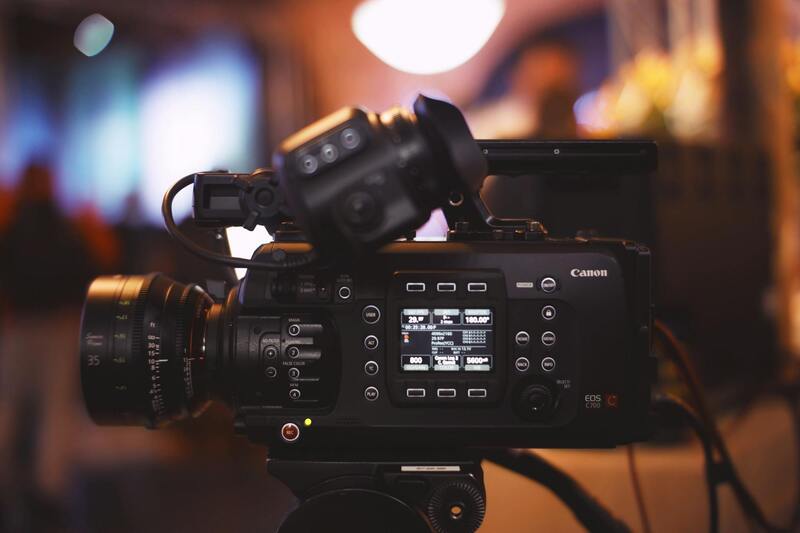
High-quality real estate photos do more than just attract viewers; they influence the perception of the property’s value. Clear, sharp, and professionally composed images suggest that the property has been presented with care and attention to detail. This perception can translate into a higher perceived value, encouraging more serious inquiries and fostering competitive offers. In Miami’s diverse and dynamic housing market, where properties can range from chic urban apartments to expansive luxury villas, the importance of visual presentation remains paramount.
Investing in professional photography has proven to be one of the most effective strategies for real estate agents and property owners seeking to stand out. Visual storytelling through compelling images allows potential buyers to envision themselves in the space, increasing the likelihood of viewings and conversions. As online property listings continue to evolve, the role of high-quality imagery becomes increasingly vital in shaping a successful real estate transaction and achieving optimal sale outcomes.
Choosing the Right Equipment and Techniques
High-quality real estate photography hinges on the utilization of appropriate equipment and proven techniques that enhance the visual appeal of a property. Employing professional-grade DSLR or mirrorless cameras with high-resolution sensors ensures sharpness and detail are preserved in every shot. Wide-angle lenses are especially beneficial, allowing photographers to capture expansive interior spaces and architectural features without distortion, thereby presenting a comprehensive view that appeals to prospective buyers.
Tripods are essential for maintaining camera stability, especially in low-light conditions or when capturing interior shots that require longer exposure times. This stabilization results in crisp, clear images free from blur, which is crucial for demonstrating the property's true features. Additionally, utilizing drone cameras offers aerial perspectives that provide a sweeping view of large estates, neighborhood surroundings, or surrounding landscapes, adding valuable context to listings.
Techniques such as HDR (High Dynamic Range) imaging combine multiple exposures to balance bright and shadowed areas, rendering images with vibrant clarity regardless of challenging lighting disparities within a room. Proper use of aperture settings allows for an ideal depth of field, ensuring key features are sharply rendered from foreground to background. Skilled photographers also employ strategic composition principles—like the rule of thirds—to create visually engaging images that lead viewers through the space naturally.
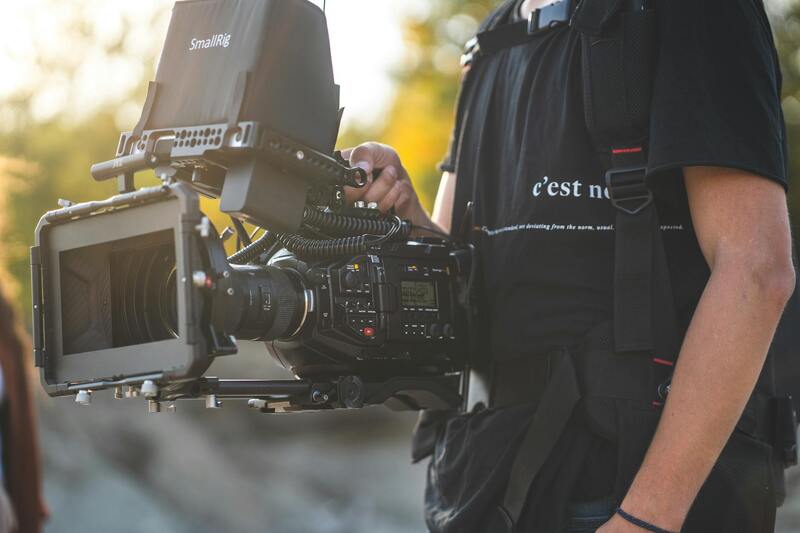
Mastering these equipment choices and photographic techniques significantly elevates the quality of real estate images. This technical foundation facilitates the creation of engaging, authentic visuals that can effectively communicate a property’s potential to viewers, thus increasing interest and encouraging further inquiries.
Preparing Properties for Photography
Proper preparation is essential for optimizing a property’s visual presentation. Staging the space involves decluttering and arranging furniture to maximize airflow and functionality, ensuring clean lines and open spaces that appear inviting. Simple upgrades, such as replacing outdated fixtures, adding fresh bedding, or incorporating tasteful decor, can dramatically enhance visual appeal without extensive renovations.
Natural lighting is a critical component; therefore, schedules should align photography sessions with times of the day when sunlight floods the interior, typically mid-morning or late afternoon. Opening curtains and blinds to let in sunlight and turning on all existing lights help achieve balanced interior illumination. Cleaning windows, mirrors, and surfaces removes reflections and dust, maintaining an immaculate appearance that photography captures effortlessly.
Exterior preparations also contribute to the property's overall impact. Landscaping should be trimmed, lawns mowed, and any clutter removed from the driveway or yard. Consider adding seasonal touches, like potted plants or fresh flowers, to add visual interest. These small but strategic enhancements create an attractive first impression that enhances the subsequent photography process.

The cumulative effect of meticulous preparation ensures the property looks its best through the lens, capturing attention and encouraging viewers to explore every detail conveyed through high-quality images.
Choosing the Right Equipment and Techniques
To achieve the highest quality in real estate photography, utilizing professional-grade equipment is essential. The foundation of exceptional images begins with the right camera gear, primarily a high-resolution DSLR or mirrorless camera capable of capturing sharp, detailed images. These cameras offer flexibility with manual controls, allowing photographers to adjust settings for optimal exposure, focus, and color accuracy.
Wide-angle lenses are a staple in real estate photography, typically ranging from 14mm to 24mm. These lenses enable the capture of expansive interior spaces within a single shot, minimizing distortion while showcasing the full potential of a room. Properly calibrated wide-angle lenses ensure that rooms appear spacious and inviting, providing prospective buyers with a clear sense of layout and size.

In addition to traditional photography, drone cameras have become increasingly valuable for capturing the exterior of properties from unique, elevated perspectives. Drones provide sweeping views of the property, surrounding neighborhood, and landscape features, which can significantly enhance online listings. For optimal results, drone shots should be planned during weather conditions with good lighting and minimal wind to ensure safety and image stability.
Camera settings are equally crucial. Starting with a low ISO to prevent graininess, a narrow aperture (such as f/8 or higher) ensures that all elements within the frame are in focus. A slow shutter speed may be necessary, especially in low-light conditions, but it requires a tripod to maintain sharpness. Proper use of exposure bracketing allows the blending of multiple images using HDR techniques, which balances bright highlights and dark shadows within interior spaces.
Beyond camera gear, lighting techniques play a vital role. While natural light should be prioritized, supplemental lighting, such as portable flash units or continuous LED lights, can help fill shadows and highlight architectural details. Reflectors and diffusers may also be utilized to soften light and reduce harsh reflections on glass or shiny surfaces, ensuring a balanced and professional appearance in every shot.
Employing these equipment options and techniques, real estate photographers can produce images that are technically sound, visually appealing, and compelling. The goal is to portray each property in a way that highlights its unique features, embraces its space, and appeals to potential buyers who are browsing online listings.
Strategic Use of Lighting to Enhance Interior Images
Effective lighting is fundamental in capturing compelling real estate images that authentically represent a property's appeal. Natural light remains the preferred choice, as it creates a warm, inviting atmosphere while reducing the need for extensive artificial lighting setups. Photographers should plan shoots during times when natural light is abundant and evenly distributed, such as mid-morning or late afternoon, to achieve soft shadows and balanced illumination.
Supplemental lighting tools can further improve the quality of interior shots. Portable flash units, continuous LED lights, or studio strobes allow for flexibility in controlling light intensity, direction, and color temperature. These devices help fill shadows, highlight architectural details, and add depth to images. Using diffusers and reflectors is also essential; diffusers soften harsh light from direct sources, while reflectors bounce light into darker areas, minimizing contrast discrepancies in high-dynamic-range (HDR) scenes.
Achieving a harmonious balance between natural and artificial light sources creates a visually appealing and truthful representation of the property. Proper lighting not only accentuates desirable features but also reduces unwanted reflections and glare, particularly on surfaces like glass, mirrors, or polished floors. The careful manipulation of lighting angles and intensity ensures every room appears bright, welcoming, and spacious, which can significantly influence potential buyers' perceptions.
In addition to equipment, understanding the interplay of shadows and highlights is crucial. Strategic placement of lights to emphasize focal points, such as a modern fireplace or expansive windows, guides viewers' attention through the space. Consistent color temperature across all images helps maintain a cohesive look, preventing color mismatches that can distract viewers or diminish the property's visual integrity.
Post-processing adjustments further refine the images by enhancing brightness, contrast, and color balance. However, maintaining authenticity is vital; over-editing can misrepresent the actual condition of the property and lead to mismatched expectations. Skilled editing ensures each image accurately portrays the space, inspiring confidence and interest among prospective buyers.
Leveraging Digital Tools and Platforms
To maximize the reach and effectiveness of your real estate marketing efforts, leveraging digital tools and online platforms is essential. High-quality images should be seamlessly integrated into multiple channels, including property listing websites, social media platforms, and email campaigns. Using specialized real estate platforms that prioritize visual content ensures your listings stand out against competitors. These platforms often provide features that optimize images for various devices, ensuring your property appears stunning whether viewed on a desktop, tablet, or smartphone.
Another effective strategy is implementing virtual tours and 3D walkthroughs alongside professional photography. These immersive experiences allow potential buyers to explore a property remotely, increasing engagement and interest. When combined with high-resolution images that accurately depict each space, virtual tools can substantially enhance the presentation’s overall appeal.
Furthermore, local SEO optimization can help your property listings reach a targeted audience. Incorporating relevant keywords related to Miami real estate, neighborhood highlights, and property features in your online descriptions enhances visibility in search results. Coupled with professionally curated images, this approach attracts more qualified viewers and accelerates the sales process.
It’s also beneficial to maintain an active online presence through regular content updates and showcasing recent successful sales. Authentic testimonials and behind-the-scenes insights into the photography process can build trust with prospective clients, reinforcing your commitment to quality presentation.
Maintaining Consistency and Professionalism
Consistency in style and quality across all photographic content reinforces brand identity and builds confidence among clients. Establishing a standardized editing style, framing, and lighting approach ensures a uniform look throughout your portfolio. This professionalism demonstrates attention to detail and a serious commitment to high standards, reinforcing your reputation as a premium real estate service provider.
Engaging professional photographers who understand real estate marketing ensures that each property is showcased at its best. Their expertise in composition, lighting, and post-processing results in images that are not only visually appealing but also truthful representations of the property. This integrity is vital in fostering trust with buyers, sellers, and stakeholders.
Evaluating the Impact of High-Quality Visual Content
High-quality real estate images directly influence the viewer’s perception and decision-making process. Well-executed photos can make spaces appear larger, brighter, and more inviting. This visual storytelling helps potential buyers emotionally connect with the property, increasing the likelihood of inquiries and viewings.
Studies indicate that listings featuring professional photography attract more views and generate higher engagement rates. Therefore, investing in quality images translates into tangible benefits, such as faster sales cycles and better sale prices.
Advanced Techniques and Emerging Trends in Miami Real Estate Photography
As the industry evolves, the adoption of cutting-edge techniques significantly enhances property presentation and appeals to a broader audience. In Miami, where vibrant lifestyles and unique architectural styles are prevalent, leveraging innovative photography methods can set listings apart in a competitive market.
One of the most impactful advancements is the integration of virtual tours and 3D imaging. These immersive experiences allow prospective buyers to explore properties remotely with a detailed, interactive walkthrough. This not only broadens the reach of marketing efforts but also provides a comprehensive understanding of the property's layout and ambiance, reducing the need for multiple physical visits.
Coupled with virtual tours, high-resolution drone footage has gained popularity. Drones offer stunning aerial perspectives of properties, especially advantageous for listings with expansive grounds or unique landscapes. Drone imagery captures the full scope and context of the property’s surroundings, highlighting features like outdoor amenities, proximity to beaches, or city skyline views, which are particularly appealing in the Miami real estate market.

Another trend gaining momentum involves HDR (High Dynamic Range) photography and panoramic shots. HDR techniques combine multiple exposures to produce images with balanced lighting, ensuring that both shadowed and brightly lit areas are properly detailed. This results in more vibrant, realistic images that accurately represent the property's interior and exterior spaces.
Furthermore, 360-degree photography and virtual staging are transforming property marketing. 360-degree images enable viewers to immerse themselves fully in a space, fostering a sense of presence that static images can't match. Virtual staging allows potential buyers to visualize the property's potential by digitally furnishing and decorating empty spaces, making listings more attractive and relatable.
As Miami continues to attract international clientele and modern buyers, staying ahead with these technological trends is essential. Combining innovative imaging techniques with traditional photography expertise results in compelling listings that resonate with buyers across various platforms. These methods underscore the importance of continual adaptation and investment in the latest tools to maximize property visibility and appeal.
Importance of High-Quality Real Estate Photos
In the competitive Miami property market, high-quality real estate photos serve as a cornerstone of effective listing strategies. Visually captivating images not only draw potential buyers' attention but also establish credibility and trustworthiness for sellers. Clear, professionally captured images enable viewers to assess the property's features accurately, influencing their decision-making process and reducing the duration of market listing. High-resolution photographs showcasing the property's best angles and lighting conditions communicate a sense of professionalism, which ultimately elevates the property's perceived value.

Furthermore, in a digital era where most property searches commence online, the importance of compelling visuals cannot be overstated. Listings with subpar images often result in lower engagement rates and diminished chances of securing viewings. Conversely, photographs that effectively showcase a property's layout, natural lighting, and key features captivate viewers, encouraging them to explore further or schedule an in-person visit. Correctly executed professional photography serves as a powerful marketing tool—creating memorable first impressions and distinguishing properties amid a crowded marketplace.
Key Elements of Effective Real Estate Photography
To maximize the impact of property images, several fundamental elements must be considered:
- Lighting: Proper lighting, preferably natural light, enhances the ambiance and highlights architectural details. Avoiding harsh shadows or overly bright spots ensures a balanced appearance.
- Staging: Preparing the property by decluttering, cleaning, and arranging furniture enhances visual appeal and allows potential buyers to envision themselves in the space.
- Angles and Composition: Selecting the right angles to showcase spaciousness and flow is crucial. Using wide-angle lenses offers a comprehensive view of rooms, emphasizing their size and features.
- Highlighting Unique Features: Focusing on architectural details, views, and improvements can set the property apart from competitors.
- Consistency: Maintaining a unified style across all images ensures cohesiveness, making the listing more professional and appealing.
Choosing the Right Equipment and Techniques
Achieving high-quality images begins with the right tools and methods. Professional-grade DSLR or mirrorless cameras capable of capturing detailed, high-resolution images are standard in real estate photography. Wide-angle lenses are favored for their ability to encompass more of a space, making rooms appear larger and more inviting.
Tripods are essential for stability, particularly in low-light settings, preventing blurriness and enabling precise framing. Additionally, drones and aerial photography tools are becoming increasingly valuable for capturing expansive exterior views and showcasing property proximity to Miami landmarks, beaches, or parks.
Techniques such as HDR (High Dynamic Range) imaging and panoramas are also vital. HDR captures multiple exposures to balance lighting disparities, producing vibrant images with detailed shadows and highlights. Panorama shots offer comprehensive perspectives of larger spaces or open areas, creating an immersive viewing experience for online audiences.
Preparing Properties for Photography
Preparation is integral to obtaining effective real estate images. Cleanliness and organization are fundamental—clutter-free spaces immediately appear more appealing. Open curtains and blinds to maximize natural light, and ensure that interior and exterior areas are free of personal items or distractions. Small adjustments like repositioning furniture or adding decorative accents can significantly influence the appeal of spaces.
Timing the shoot during the day when natural light is abundant improves image brightness and color accuracy. Outdoors, landscaping should be tidied up, and walkways cleared to enhance curb appeal. A well-prepared property not only photographs better but also conveys pride of ownership, influencing buyers' perceptions positively.
Editing and Post-Processing for Real Estate Images
Post-processing plays a critical role in perfecting real estate photographs. Subtle adjustments to brightness, contrast, and color saturation help produce images that are true to life while visually engaging. Techniques such as perspective correction eliminate lens distortion, making rooms appear more proportionate and spacious.
Retouching can also remove minor imperfections—such as marks on walls or clutter—without altering the authenticity of the home. Incorporating virtual staging or sky replacement may enhance exterior or interior appearances, allowing buyers to better visualize the space’s potential. Careful editing ensures images meet professional standards and showcase properties in the best possible light, attracting higher-quality inquiries and interest.
Enhancing Property Listings with Professional Real Estate Photography
Ensuring Consistency and Brand Image through Quality Imagery
In the competitive Miami real estate market, maintaining a consistent visual style across property listings helps establish a recognizable brand identity. High-quality imagery not only attracts potential buyers but also reflects professionalism and attention to detail. Consistency in lighting, composition, and editing styles across photographs reinforces the credibility of real estate agents and agencies, fostering trust and encouraging inquiries.
Utilizing Advanced Equipment for Superior Image Capture
Employing the latest camera technology, including wide-angle lenses, drone cameras, and stabilized rigs, allows photographers to capture comprehensive views of properties. High-resolution sensors ensure that images retain clarity and sharpness, even when viewed on large screens or printed materials. Drones are particularly valuable in capturing expansive outdoor spaces and aerial views that showcase a property’s full potential from an elevated perspective.
Adopting Effective Shooting Techniques
- Optimal Lighting: Shooting during the day when natural light is abundant enhances color accuracy and brightness. Utilizing HDR (High Dynamic Range) techniques balances interior light levels with exterior views, preventing overexposed windows or shadowed rooms.
- Strategic Composition: Framing rooms to highlight their spatial features and focal points guides viewer attention. Horizontal shots that emphasize room width and depth create a sense of space.
- Perspective Control: Correcting lens distortion in post-processing or using tilt-shift lenses ensures straight lines and true proportions, especially in architectural photography.
Maximizing Post-Processing for Impactful Visuals
Post-processing is fundamental for transforming raw images into compelling property visuals. Adjustments in exposure, contrast, and color saturation help achieve a natural yet vibrant look. Techniques like perspective correction eliminate distortion caused by wide-angle lenses, ensuring rooms appear proportionate and inviting.
Retouching minor imperfections, such as wall marks or clutter, enhances the clean and well-maintained appearance of the property. Virtual staging options allow potential buyers to envision furniture arrangements without physically altering the space. Sky replacements in exterior shots can dramatically improve curb appeal by showcasing ideal weather conditions.
Leveraging Trends to Stand Out in Miami’s Market
Miami’s real estate scene is characterized by a blend of luxury and innovative marketing. Incorporating virtual tours, 3D walkthroughs, and immersive panoramic images alongside professional photography enhances engagement. These virtual features provide remote viewers with an interactive experience, making properties stand out even before physical visits occur.
Selecting a Reliable Miami Photography Partner
Partnering with a local, experienced photographer ensures familiarity with Miami’s unique property styles and market expectations. Evaluating portfolios for diversity and quality, understanding service packages, and discussing turnaround times are critical steps in choosing a photography provider. An agency with a proven track record in real estate photography can deliver tailored solutions that meet specific marketing goals, helping properties achieve maximum visibility and attractiveness.