
Importance of Aerial Property Photography
In the competitive landscape of real estate, attracting potential buyers requires more than just traditional listing photographs. Aerial property photos have become an invaluable asset for showcasing real estate assets from breathtaking viewpoints that ground-level shots simply cannot capture. These images serve as a powerful visual tool, providing a comprehensive view of the property and its surrounding environment.
For prospective buyers, aerial photos offer a unique perspective that reveals the full extent of the property, including nearby amenities, landscape features, and outdoor spaces. Such visual insights can significantly influence the decision-making process by highlighting key selling points that differentiate a listing from others. Additionally, aerial imagery enhances the perceived value of a property, making listings more appealing and memorable.
Utilizing aerial photos not only improves the visual storytelling of a property but also demonstrates a professional approach to marketing. High-quality aerial images can elevate listings in online platforms, deservedly attracting more attention and generating higher customer engagement. In turn, this can lead to faster sales cycles and increased sale prices.
Furthermore, aerial property photography supports different marketing channels. From websites and social media to printed brochures and virtual tours, these images add a dynamic element that captures the imagination of viewers. As digital real estate marketing continues to evolve, the strategic use of aerial imagery ensures listings retain their competitive edge.
Types of Aerial Photos Used in Real Estate
In the realm of aerial property photography, versatile imaging styles serve various strategic purposes. Drone photography remains the most popular choice due to its affordability, flexibility, and ability to capture high-resolution images from unique vantage points. Drone shots can showcase expansive plots, highlight landscaping details, and provide dynamic angles that enhance a property's visual appeal, especially in areas with complex architecture or extensive outdoor amenities.
Helicopter photography, although less common due to higher costs and logistical considerations, offers superior image quality and stability, making it suitable for luxury properties, large estates, or properties that require aerial shots over long distances. These images often evoke a sense of grandeur and exclusivity, helping listings stand out in competitive markets.
Specialized methods like 3D aerial mapping and panoramic shots are also integrated into real estate marketing to create immersive experiences. These approaches enable potential buyers to virtually explore properties, gaining comprehensive insights into the layout and surroundings from an elevated perspective.
Overall, selecting the appropriate type of aerial photography depends on the property's size, location, and the marketing objectives. High-quality aerial images derived from these methods increase online engagement, attract more potential buyers, and improve the overall presentation of real estate listings.
Equipment and Technology for Aerial Property Photos
Achieving high-quality aerial property photos relies heavily on the selection and utilization of advanced equipment. Professionals in the field leverage sophisticated drones equipped with high-resolution cameras, stabilizers, and GPS technology to ensure sharp, clear images from varying altitudes and angles. The use of multi-axis gimbal stabilizers is essential in minimizing vibrations and motion blur, resulting in pristine visuals that accurately represent the property’s features.
Additionally, the integration of thermal imaging and infrared sensors can sometimes be employed to highlight specific property attributes, such as energy efficiency or landscaping health, adding further depth to visual marketing strategies. These enhancements enable agents and sellers to present properties in a compelling, detailed manner that captivates potential buyers.
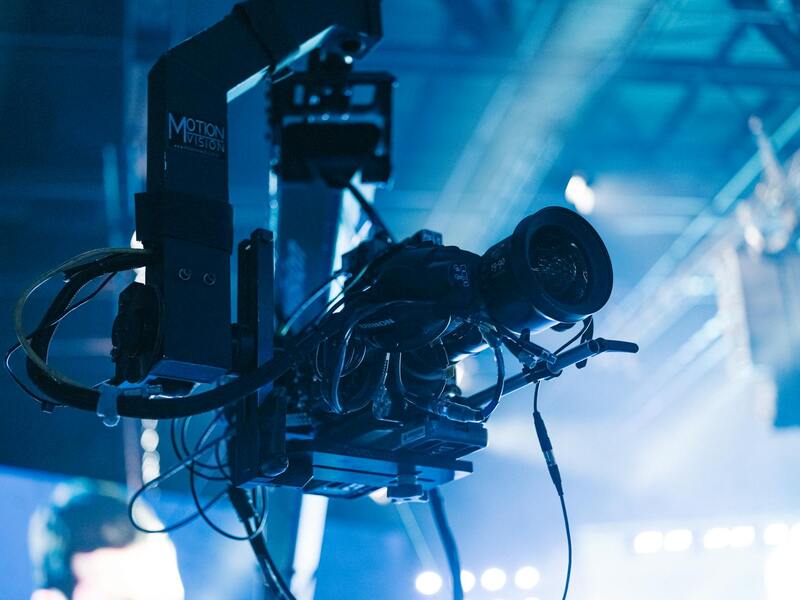
Lighting conditions and weather also impact capture quality. Advanced drones feature adjustable camera settings, allowing operators to optimize exposure and focus for the best possible images during different times of day and in varying weather scenarios. This flexibility is particularly beneficial in Miami's diverse climate, which can range from bright, sunny days to overcast conditions.
Moreover, software tools play a vital role in planning flight paths and ensuring safe operation. Pre-programmed pathways help maximize efficiency, cover all desired angles, and minimize the risk of interference with obstacles or other aircraft. After capturing, high-powered editing software is used to enhance color balance, contrast, and clarity, further refining the visual impact.
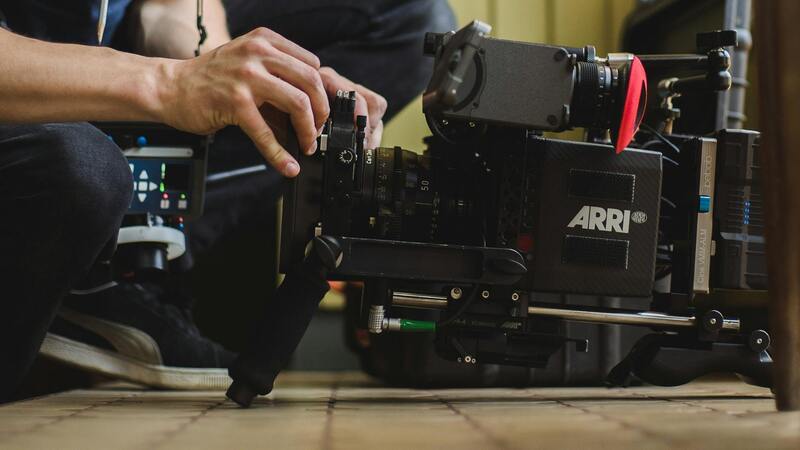
Investing in top-tier equipment and innovative technology is crucial for producing images that not only showcase the property's physical aspects but also evoke emotion and desire among prospective buyers. Properly used, these tools are instrumental in elevating real estate marketing efforts, ensuring listings stand out in a competitive market such as Miami.
Equipment and Technology for Aerial Property Photos
Obtaining outstanding aerial property photos necessitates deploying the latest equipment and technological advancements in drone photography. High-caliber drones serve as the foundation of professional aerial imaging, equipped with high-resolution cameras that capture intricate details of a property from varying altitudes and angles. These drones often feature stabilization systems that counteract vibrations and movement, ensuring crisp, clear images even in challenging wind conditions typical in Miami.
The cameras mounted on these drones are often capable of shooting in 4K or higher resolutions, providing sharp images with precise color reproduction. This level of detail allows viewers to appreciate the property's architecture, landscaping, and surrounding environment comprehensively. Additionally, some advanced cameras come with wide-angle lenses and multiple sensor options to cover larger areas and accommodate different lighting conditions.
Stabilization technology plays a pivotal role in achieving professional-quality results. Gimbals and other stabilization tools are integrated into high-end drones to stabilize footage during flight, eliminating shake and jitter and producing smooth, cinematic shots. This technology is particularly beneficial when capturing sweeping vistas or detailed shots of architectural features, ensuring every shot exudes quality and professionalism.
Utilization of Software and Flight Planning Tools
Modern aerial photography heavily relies on sophisticated flight planning software that allows operators to map precise flight paths before takeoff. These tools enable the execution of complex flight plans, optimizing coverage areas, and ensuring consistent image overlap. Such pre-planned routes also help avoid obstacles like tall structures, trees, or power lines—common in Miami's urban landscape—reducing risks during operation.
Post-capture, high-powered editing software is used to enhance the imagery. Adjustments in color grading, contrast, and sharpness help bring out the visual potential of each photo, making listings more attractive and eye-catching. Some software solutions include HDR processing capabilities, which combine multiple images taken at different exposures, resulting in more dynamic and vivid photos—crucial for showcasing properties against Miami's vibrant lighting conditions.
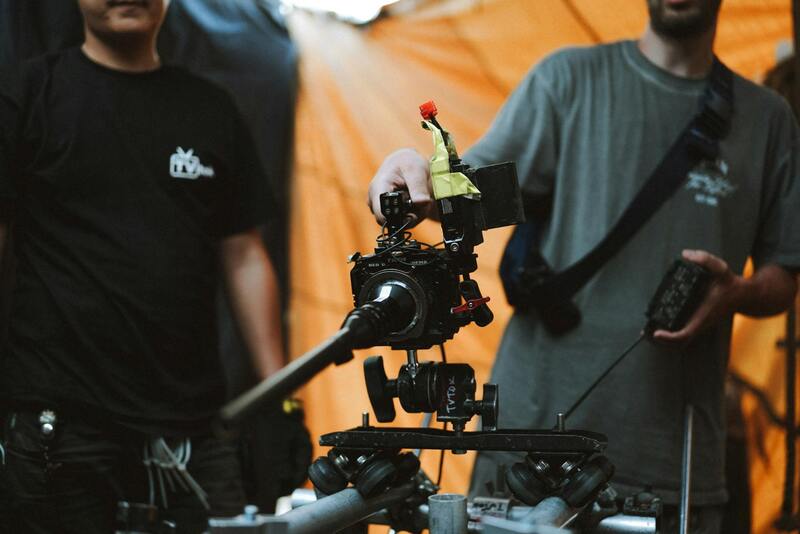
The synergy between innovative equipment and intelligent software ensures that each aerial property photo meets high standards of clarity, detail, and aesthetic appeal. This combination not only enhances marketing materials but also helps real estate professionals deliver a compelling narrative around each property, attracting more potential buyers with visually captivating listings.
Legal and Regulatory Considerations in Miami
When engaging in aerial property photography within Miami, adherence to established procedures and guidelines is essential to ensure safe and compliant operations. The city’s aviation and property regulations emphasize the importance of obtaining appropriate authorizations before deploying aerial imaging equipment. For commercial real estate projects, working with certified professionals who follow recognized standards helps streamline the process and ensures that all activities are conducted within the boundaries of permitted protocols.
Operational planning plays a crucial role in maintaining compliance. This involves submitting detailed flight plans, outlining the intended flight zones, altitudes, and timings, for review by relevant authorities. Such planning minimizes potential conflicts with manned aircraft or other aerial activities, particularly in busy urban areas like Miami where airspace is heavily utilized. Operators often coordinate with local agencies or property owners to secure necessary permissions, fostering transparency and mutual understanding.
Miami's diverse landscape, featuring high-rise buildings, sprawling suburban neighborhoods, and protected natural reserves, requires meticulous planning to avoid infringing on restricted zones. Many districts have designated buffer zones where drone flights or aerial captures may be limited or regulated. Conducting before-flight risk assessments helps identify potential hazards such as tall structures, power lines, or wildlife habitats, allowing operators to adjust flight paths accordingly. This proactive approach reduces the likelihood of incidents and supports responsible aerial photography practices.
In addition to city-specific rules, overarching federal guidelines govern unmanned aircraft systems (UAS) operations across the United States. Operators typically need to hold certifications, such as an FAA Part 107 license, which signifies a comprehensive understanding of drone flight safety, operational standards, and airspace rules. Maintaining this certification, alongside carrying proof of insurance and operating within visual line-of-sight, helps professionals execute aerial photography with confidence and accountability.
Finally, staying updated on regional policy changes, airspace temporary flight restrictions (TFRs), and special event considerations is vital. Continuous education and collaboration with Miami’s aviation authorities not only enhance safety but also foster a positive reputation in the aerial services industry. By respecting the local regulatory framework, aerial property photographers contribute to a seamless integration of innovative imagery techniques within Miami’s dynamic urban landscape.
Equipment and Technology for Aerial Property Photos
Achieving high-quality aerial property photos relies heavily on using the latest equipment and advanced technology. Professionals in Miami often utilize drones equipped with high-definition cameras capable of capturing crisp, detailed imagery from various altitude levels. These drones typically feature stability-enhancing gimbals, which ensure smooth footage even in gusty conditions, resulting in sharper images and more polished videos. Additionally, sensors with exceptional low-light performance allow photographers to shoot during different times of the day, including dawn and dusk, when lighting conditions are ideal yet challenging to capture with standard equipment.
Beyond the camera hardware, the integration of cutting-edge software plays a vital role. Flight planning tools enable precise waypoints and automated flight paths, ensuring comprehensive coverage of the property and minimizing flight time. High-resolution image stitching and mapping software also facilitate the creation of detailed aerial maps and 3D representations, providing prospective buyers with immersive virtual tours. For instance, drones with obstacle avoidance capabilities help execute complex flight paths safely, especially in densely built Miami neighborhoods where tall structures and other obstructions are common. This confluence of hardware and software ensures that aerial property photography remains efficient, safe, and producing images that meet professional standards.
Best Practices for Capturing Aerial Property Photos
To maximize the impact of aerial property photos, professionals follow established best practices that emphasize safety, consistency, and visual appeal. Planning the shoot involves selecting optimal times of the day when natural lighting enhances the property’s features, such as capturing golden hour sunlight to create warm, inviting images. Before the flight, conducting thorough site assessments helps identify potential hazards and plan flight paths that avoid obstacles like electrical wires, trees, or wildlife habitats, ensuring safe operation and preventing damage to equipment or property.
Executing consistent flight procedures, including maintaining the same altitude and perspective across shots, helps produce cohesive imagery. To highlight a property’s unique features, varying angles should be used—top-down shots for overall layouts, side angles to showcase architectural details, and focusing on surroundings to demonstrate neighborhood appeal. Post-capture, professionals often review images for clarity and adjust exposures to optimize brightness, contrast, and color balance. This meticulous approach yields high-quality content that resonates well with potential buyers and demonstrates the property's true potential.
In addition to technical skills, adhering to local airspace rules and regulations is crucial. Professionals often coordinate with Miami’s aviation authorities to verify no temporary flight restrictions (TFRs) are in place and to confirm that their flights remain within authorized parameters. This responsible approach ensures operations are conducted smoothly, maintaining safety standards and fostering trust among clients and local communities.
Legal and Regulatory Considerations in Miami
In Miami, capturing aerial property photos requires adherence to specific operational guidelines set forth by aviation authorities and local regulations. Real estate professionals and aerial photographers must stay informed about temporary flight restrictions (TFRs) that may be issued for special events, emergencies, or city planning activities. These restrictions delineate no-fly zones and altitude limits, ensuring safe integration of drone operations within the urban environment.
Operators should collaborate closely with local agencies to confirm permissible flight windows and avoid actions that might disrupt other airspace users. It is essential to acquire necessary permits or authorizations before conducting flights, especially in densely populated or sensitive areas. These permits often involve submitting detailed flight plans that specify the intended flight paths, the purpose of the shoot, and safety measures in place. This process not only ensures compliance but also fosters transparency and trust with the community and authorities.
Additionally, understanding Miami's specific airspace classifications is vital. Certain zones may have restrictions due to proximity to airports, heliports, or other critical infrastructure. Overflight of private properties often requires clear communication, and in some cases, written consent from property owners might be recommended to maintain professionalism and avoid misunderstandings. Equipment must be operated within visual line of sight (VLOS) parameters, and flights should be aborted if unforeseen obstacles or risks arise.
Regulations extend to privacy considerations, with operators guided to respect residents' rights while capturing unobstructed, high-quality aerial images. Proper planning, such as selecting appropriate flight times and altitudes, helps mitigate the risk of capturing intrusive shots. Consistent adherence to these practices ensures aerial property photo sessions proceed smoothly, providing valuable visuals without compromising safety or regulations.
Advanced Techniques for Aerial Property Photography
Leveraging sophisticated methods enhances the visual impact and utility of aerial property photos. High dynamic range (HDR) photography allows for capturing scenes with a broad spectrum of light, ensuring that both shadowed and brightly lit areas are represented with clarity. This technique is especially useful for images taken during the golden hour or in conditions with challenging lighting contrasts, providing a balanced view of the property and its surroundings.
Panoramic shots and 360-degree imagery are increasingly important in real estate marketing, offering prospective buyers immersive views of large estates or sprawling developments. These methods involve capturing multiple high-resolution images and stitching them together seamlessly, creating comprehensive visual tours that can be embedded into listings or virtual tours.
Utilizing drone-mounted multi-spectral or thermal imaging cameras can reveal additional information about the property, such as landscape health, drainage patterns, or heat loss, which adds a layer of data-driven insight beneficial for both buyers and sellers. When employed correctly, these advanced imaging techniques can highlight features that are otherwise difficult to capture with standard photos, improving the property's presentation and analysis.
Incorporating these advanced methods requires not only specialized equipment but also skilled operators who can maximize the potential of the technology. Proper planning around lighting conditions, weather, and flight paths ensures the resulting images are of the highest quality and accuracy, providing real estate professionals with powerful tools to market properties more effectively.
Optimizing Aerial Property Photos Through Strategic Editing
Post-production editing plays a critical role in refining aerial images to ensure they meet professional standards. Color correction and exposure adjustments help balance the overall aesthetics, making sure the property stands out without looking artificially enhanced. Clarity and sharpness are optimized to highlight key features such as rooftops, landscaping, and architectural details.
Strategic cropping and perspective correction ensure that the composition aligns perfectly with marketing goals, emphasizing the property's best angles. When necessary, sky replacement or background enhancement can add dramatic effect, creating more compelling visuals that attract attention in property listings.
Advanced editing software also facilitates the removal of minor obstructions or distracting elements, such as power lines or transient objects, from aerial shots. This discreet retouching provides cleaner images that focus solely on the property, improving the overall appeal.
Maintaining authenticity is paramount; edits should enhance rather than distort the view, preserving the real scene while making the images more inviting and informative for potential buyers or investors. When executed with skill and precision, professional editing significantly amplifies the marketing value of aerial property photography, creating visuals that resonate and motivate engagement.