
Overview of 3D Real Estate Photography
3D real estate photography has revolutionized the way properties are showcased in today’s competitive market. Unlike traditional photography, which captures still images from specific angles, 3D visualization creates a comprehensive, immersive experience that allows potential buyers or tenants to explore a property virtually. This technology utilizes advanced imaging techniques and software to construct detailed digital models, providing a sense of scale, space, and layout that static images may not fully convey.
In the real estate sector, the ability to present properties in three dimensions enhances marketing strategies by offering a more accurate and engaging view of what a space truly offers. Modern buyers increasingly rely on virtual walkthroughs and interactive tours when considering properties, especially in bustling markets like Miami where buyer interest spans local and international audiences. As the industry evolves, 3D real estate photography becomes an essential tool for real estate professionals aiming to elevate their listings and attract qualified buyers efficiently.
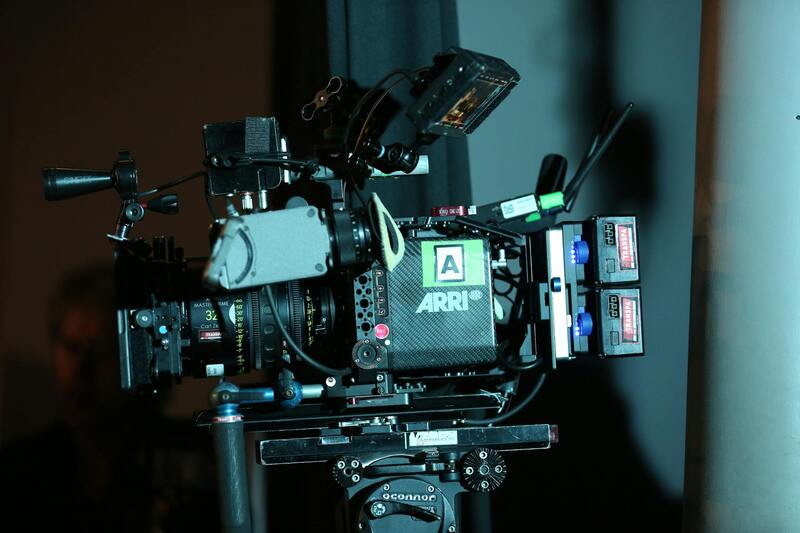
While traditional photography captures static images from predetermined angles, 3D techniques leverage specialized equipment such as 360-degree cameras, laser scanners, and sophisticated software. This combination produces interactive digital walkthroughs, virtual staging, and accurate floor plans, all of which contribute to a more comprehensive property presentation. The shift towards 3D visuals addresses the modern demand for more informative and engaging property marketing, helping real estate professionals stand out in saturated markets.
Furthermore, 3D real estate photography supports a wide range of marketing channels, including online listings, virtual tours, and augmented reality applications. This versatility ensures that property representations are consistent across various platforms, reaching wider audiences and increasing the likelihood of successful sales or lease agreements. In Miami’s dynamic real estate environment, adopting 3D visualization is increasingly recognized as a strategic advantage for agents and developers seeking to maximize their property’s appeal.
Key Technologies and Equipment for 3D Real Estate Photography
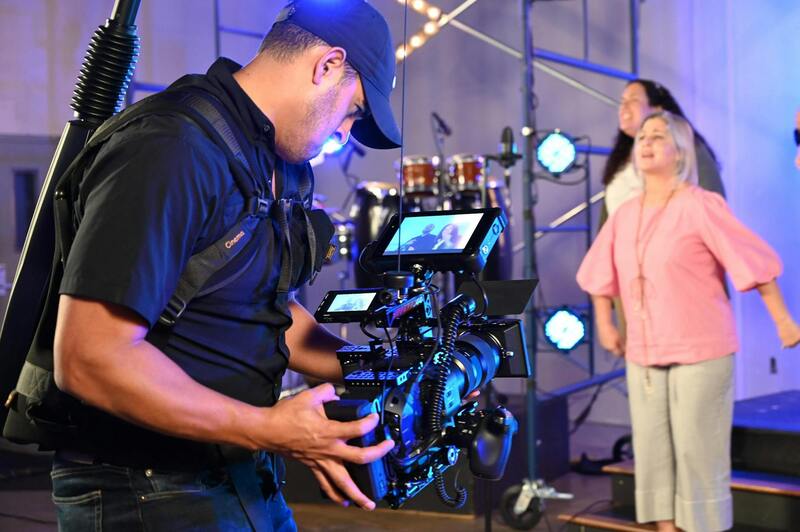
Implementing high-quality 3D real estate photography relies on a combination of advanced hardware and sophisticated software. The core equipment includes specialized 360-degree cameras, laser scanning devices, and high-resolution imaging tools that capture comprehensive spatial data. When selecting these tools, professionals prioritize accuracy, speed, and ease of integration with editing platforms to streamline the production process.
360-degree cameras, designed specifically for real estate, enable rapid capture of immersive images that can be converted into interactive virtual tours. These devices often come equipped with multiple lenses and stabilization features, ensuring clarity and consistency across shots. Laser scanners, on the other hand, generate precise three-dimensional point clouds of interior and exterior spaces, providing detailed measurements and spatial layouts for accurate virtual reproductions.
Software plays an equally vital role, facilitating the stitching of images, creation of virtual walkthroughs, and generation of floor plans. Industry-leading programs allow for real-time editing and high-quality rendering to enhance visuals further. Integrating drone technology also offers aerial perspectives, delivering comprehensive overviews of property surroundings, which can be essential in showcasing larger estates or developments.

Professionals choosing equipment must weigh factors such as compatibility with existing workflows, output quality, and the scope of project requirements. Proper calibration of devices and adherence to manufacturer guidelines ensure data accuracy, which is fundamental for generating reliable, detailed visualizations. Combining hardware with robust software solutions culminates in a seamless output, elevating marketing efforts through high-fidelity 3D representations.
Moreover, the continual evolution of light detection and ranging (LiDAR) technology is expanding the capabilities of 3D photography. LiDAR scanners can swiftly capture large-scale environments, producing dense point clouds that facilitate detailed virtual models suitable for real-time walkthroughs. This technology is especially useful for complex commercial properties, developments with intricate layouts, or outdoor spaces requiring precise topographical mapping.
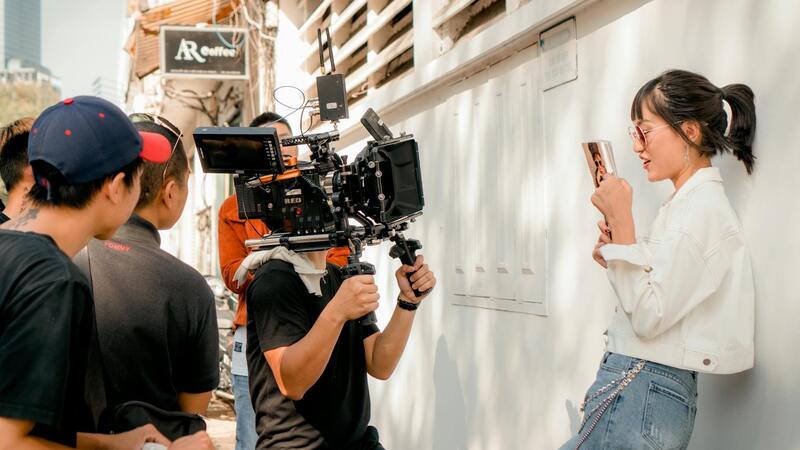
Understanding the technological landscape and leveraging these tools effectively allows real estate professionals in Miami to create compelling, accurate, and interactive property visualizations. This, in turn, enhances client engagement, makes listings stand out, and accelerates the sales cycle. Proper training and familiarity with the latest equipment and software ensure that each project produces visual content that meets industry standards and client expectations.
Key Technologies and Equipment for 3D Real Estate Photography
Implementing effective 3D real estate photography requires a specialized set of tools designed to capture, process, and present spatial data with precision and clarity. Central to this are high-resolution 3D cameras, which utilize structured light or laser scanning technology to generate detailed digital replicas of physical spaces. These cameras are equipped with wide-angle lenses and advanced sensors, enabling rapid data acquisition from multiple angles and ensuring comprehensive coverage of even complex property layouts.
Complementing the cameras, sophisticated software solutions play a vital role in processing and constructing 3D models. Such software manages the alignment of multiple scans, filters noise, and creates seamless virtual renderings that accurately reflect the real environment. Popular platforms integrate with hardware seamlessly, providing real-time feedback and editing capabilities that streamline the production process.
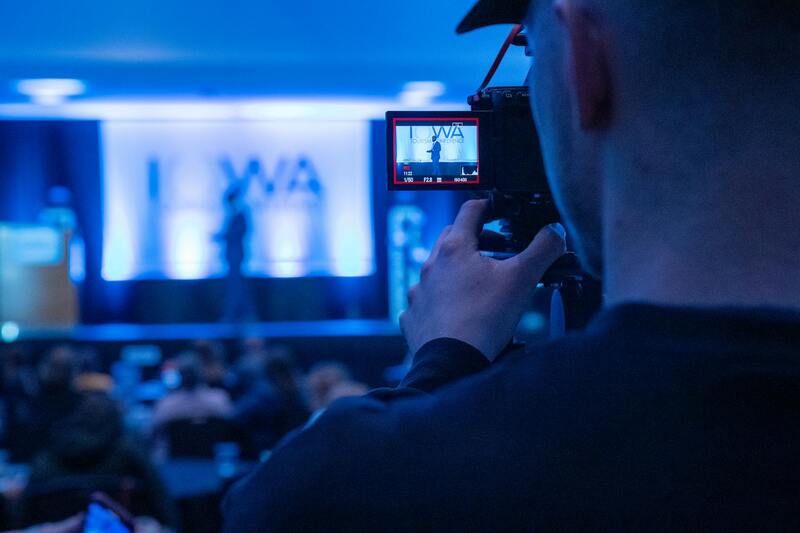
Hardware additions, including portable tripods, stabilization rigs, and precision laser scanners, enhance the quality and efficiency of data collection, especially in larger or more complex properties. These tools ensure stability and accuracy during shooting sessions, minimizing errors and maximizing the fidelity of the resulting visualizations.
Additionally, immersive display hardware such as virtual reality headsets can be integrated into the workflow, allowing clients and agents to experience properties interactively. This convergence of hardware and software creates a comprehensive toolkit for producing immersive, accurate, and engaging 3D visualizations that meet the high standards required in the competitive Miami real estate market.
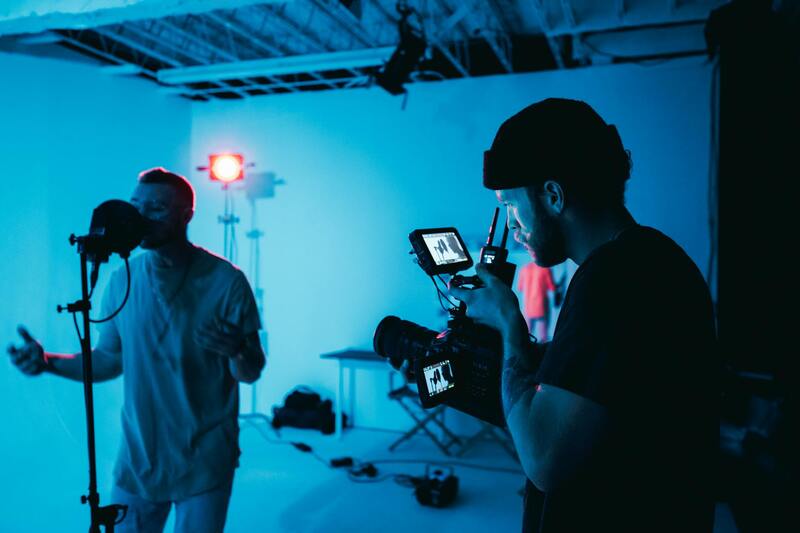
Harnessing these technologies effectively requires a thorough understanding of each component’s capabilities. Proper calibration, regular maintenance, and skilled operation are essential to produce consistent high-quality results. Moreover, ongoing training on updates and best practices enhances the ability to leverage new functionalities, ensuring that visualizations stay ahead in innovation and accuracy. As the market evolves, staying abreast of emerging tools like lidar sensors, real-time rendering software, and AI-assisted modeling will lead to increasingly compelling property presentations that captivate and inform prospective buyers and investors alike.
Best Practices for Shooting 3D Real Estate Photos in Miami
Executing high-quality 3D real estate photography in Miami requires meticulous planning and adherence to established best practices. The vibrant and diverse architecture in the Miami market demands precision and attention to detail to produce compelling visualizations that resonate with potential buyers. Preparation begins with thorough site assessment, ensuring that the property is clean, well-lit, and free of clutter. Proper lighting is crucial; natural light should be maximized by scheduling shoots during daylight hours, while additional professional lighting can enhance interior spaces lacking sufficient sunlight.
Equipment setup plays a vital role in capturing detailed data. Use of stabilized tripods and calibrated laser scanners ensures accuracy in spatial measurements, enabling realistic virtual walkthroughs. It’s important to maintain proper camera settings, including exposure, focus, and resolution, to optimize image quality. When scanning, overlapping scans should be sufficient to guarantee seamless stitching of 3D models, minimizing gaps or distortions.
Consistency across shots is essential for cohesive visualizations. For rooms with varying lighting conditions, standardized camera and exposure settings should be maintained. If possible, controlling ambient lighting can reduce shadows and glare, improving the clarity of reflective surfaces such as glass or polished floors. Employing high dynamic range (HDR) imaging techniques can also enhance details in both bright and dark areas, enriching the overall realism of the 3D model.
In Miami’s climate, outdoor property shots benefit from favorable weather conditions. Scheduling shoots during clear, dry days prevents moisture and atmospheric interference from impacting laser scans and photographs. When shooting exterior spaces, consider the optimal angles that showcase property features while minimizing obstructions. Use of drones can provide additional aerial perspectives for large properties or complex estates, adding value to the resulting visualizations.
Post-processing is the final critical phase. Raw data should be carefully reviewed for completeness and accuracy before generating 3D models. Mesh cleaning, noise reduction, and color correction are common steps that refine the visual quality. Incorporating aerial and interior images seamlessly within the 3D visualization enhances realism, providing prospective buyers with an engaging and comprehensive view of the property.
Adhering to these best practices ensures the production of detailed, accurate, and engaging 3D visuals tailored for Miami’s unique real estate landscape. This consistency not only elevates marketing efforts but also builds trust with clients who seek top-tier virtual property experiences.
Key Practices for Shooting 3D Real Estate Photos in Miami
Achieving high-quality 3D real estate photography in Miami requires a combination of technical proficiency and an understanding of the area's unique environment. The city’s vibrant architecture, lush landscapes, and coastal scenery offer excellent opportunities to produce compelling virtual tours that attract potential buyers. However, to maximize the effectiveness of these visualizations, certain best practices should be followed.
Optimal Timing and Weather Considerations
Weather plays a significant role in capturing clean, bright images that truly showcase property features. Scheduling shoots during periods of clear skies and dry conditions minimizes atmospheric interference, ensuring sharpness and color accuracy in the imagery. Miami’s subtropical climate typically provides favorable conditions, particularly in the late morning and early afternoon when natural light is abundant. Overcast days can also be advantageous, as diffuse lighting reduces harsh shadows and highlights, creating a balanced scene.
Strategic Camera Placement and Angles
The choice of camera angles is critical in emphasizing the unique architectural elements of Miami properties. Wide-angle lenses can effectively capture entire room layouts and outdoor spaces, imparting a sense of spaciousness. For exterior shots, positioning the camera to showcase the property's façade while minimizing obstructions like neighboring structures helps create a more appealing visual narrative. Incorporating aerial perspectives through drone photography can reveal the full extent of sprawling estates or waterfront properties, providing viewers with a comprehensive understanding of the property’s scale.
Lighting Techniques and Equipment
Proper lighting setup is essential for capturing accurate colors and details. Utilizing natural light during daytime shoots typically yields the most authentic results. Supplementing with professional lighting equipment can fill in shadows and highlight specific features, especially indoor spaces with limited windows. High-dynamic-range (HDR) imaging techniques can further enhance the visual quality, blending multiple exposures to balance bright and dark areas in the scene.
Utilizing Drone Technology for Aerial Imaging
Drones offer unparalleled vantage points to capture expansive outdoor areas, waterfront access, and neighborhood context. For large properties, aerial shots can reveal land contours, landscaping, and proximity to amenities, which are valuable for prospective buyers. When operating drones, pilots should be familiar with Miami’s regulations and optimal flight paths to ensure safety and compliance, capturing high-resolution images that integrate seamlessly into the overall 3D visualization.
Post-Processing and Data Integration
Post-production is vital for refining the captured data into polished 3D models. Noise reduction, mesh optimization, and color correction improve visual clarity and realism. Accurate alignment of interior and exterior images within the 3D environment creates immersive walkthroughs that provide potential buyers with a lifelike experience. Attention to detail during this phase ensures consistency and enhances the persuasive impact of the visual presentation.
Consistency and Attention to Detail
Maintaining consistency in lighting, perspective, and styling across all images reinforces the professional quality of the visualization. Attention to small details—such as tidiness, decor, and landscaping—further elevates the overall appeal. Effective 3D real estate photography, especially in Miami’s dynamic market, hinges on capturing compelling visuals that reflect the unique character of each property, enabling viewers to envision themselves within the space.
Steps for Shooting Effective 3D Real Estate Photos in Miami
Capturing high-quality 3D real estate visuals requires meticulous planning and execution, particularly within Miami’s vibrant and diverse property market. The process begins with an understanding of the property’s architectural features, lighting conditions, and key selling points to ensure each shot maximizes its visual impact. Proper preparation, including staging interiors and arranging outdoor landscaping, contributes significantly to the realism and appeal of the final 3D visualization.
When conducting 3D photography sessions in Miami, select optimal times of day to leverage natural lighting—early mornings or late afternoons often provide softer, more flattering illumination. This enhances the clarity of interior spaces and exterior facades, ensuring the 3D models reflect accurate light and shadow play. Equipping with the latest 3D camera technology, such as laser scanners or photogrammetry devices, allows for precise data capture necessary for generating detailed and accurate models.
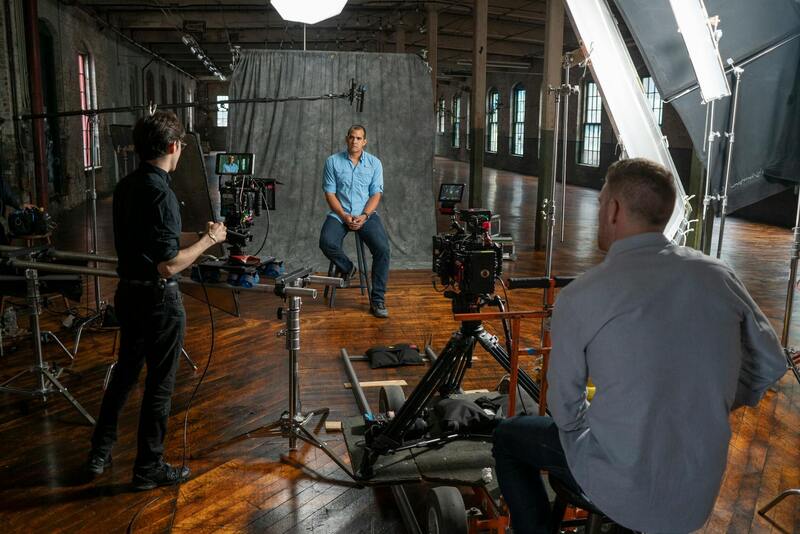
During the session, attention must be paid to consistent camera positioning and capturing multiple angles from various vantage points to ensure seamless integration during post-processing. Overlapping shots are crucial for stitching different images together smoothly, creating a cohesive and immersive experience. It is also important to document scene details, including textures, colors, and spatial measurements, which aid in refining the 3D model accuracy.
Post-shoot, the raw data undergoes a rigorous processing phase involving mesh generation, texturing, and rendering. Using specialized software, technicians align and stitch images, eliminate artifacts, and enhance visual fidelity. The focus remains on maintaining the property’s authentic character—whether it’s Miami’s modern condos, historic homes, or waterfront estates—so that potential buyers can envision living there with realism and confidence.
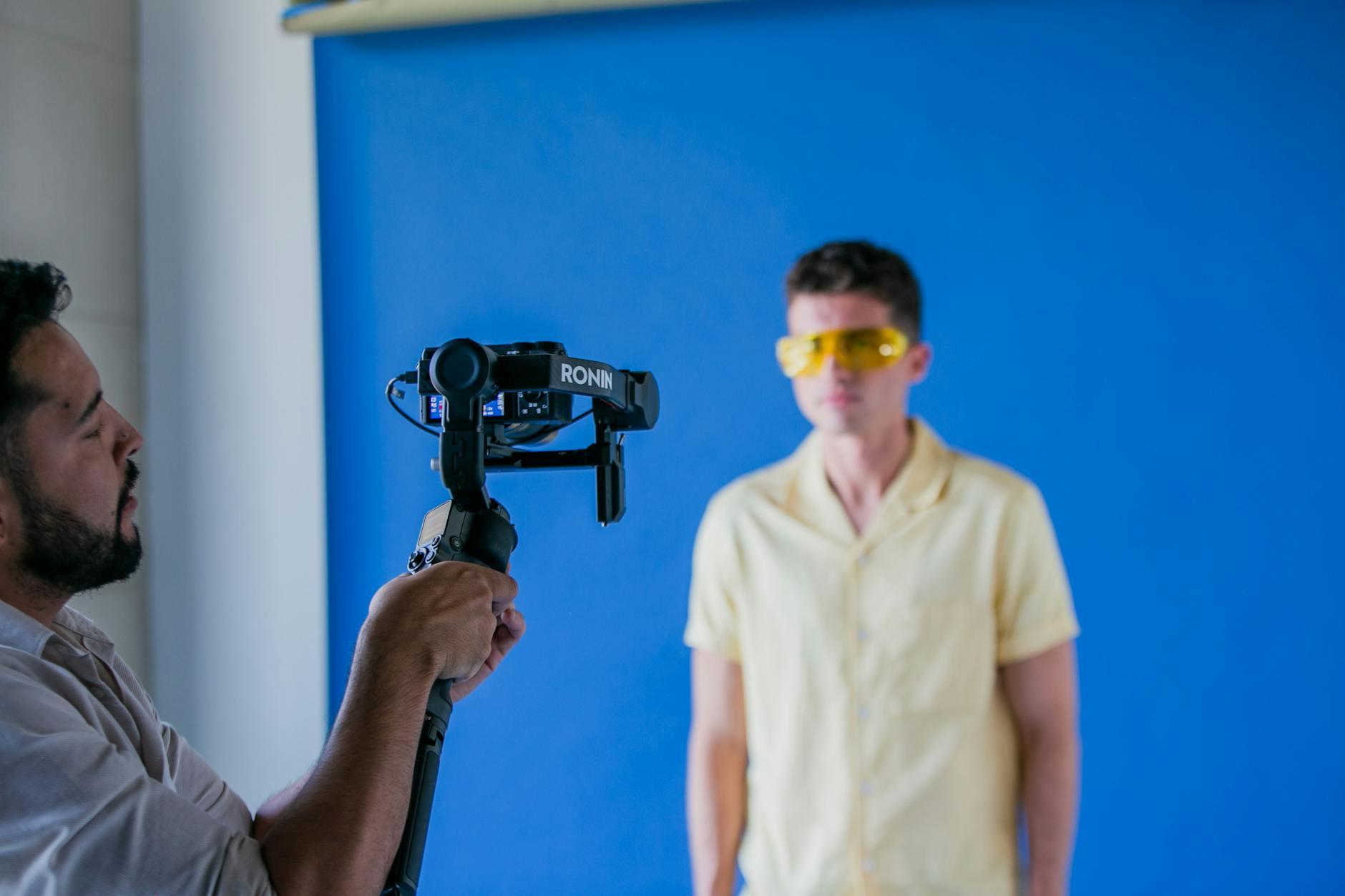
To achieve optimal results, the shooting process should be coordinated with other marketing efforts, ensuring that visual content aligns with online listings, virtual tours, and promotional materials. Advanced 3D visualization tools also allow the incorporation of interactive elements, such as clickable hotspots or walkthroughs, which heighten user engagement. Regularly updating these visuals to reflect property changes or seasonal variations keeps marketing campaigns fresh and appealing in Miami’s competitive real estate environment.
Future Trends and Innovations in 3D Real Estate Photography
As the demand for immersive property presentations continues to grow, the landscape of 3D real estate photography is poised to evolve through emerging technologies and innovative techniques. Advancements in hardware and software are enabling more detailed, faster, and more cost-effective visualizations, setting new standards for property marketing in Miami.
One of the most significant trends is the integration of artificial intelligence (AI) and machine learning algorithms. These technologies streamline the processing of raw data collected during scans or captures, automatically enhancing image quality, correcting distortions, and generating accurate 3D models with minimal manual intervention. AI-powered tools can also assist in scene recognition and segmentation, allowing for customized virtual staging or renovation visualizations that appeal to prospective buyers and investors.
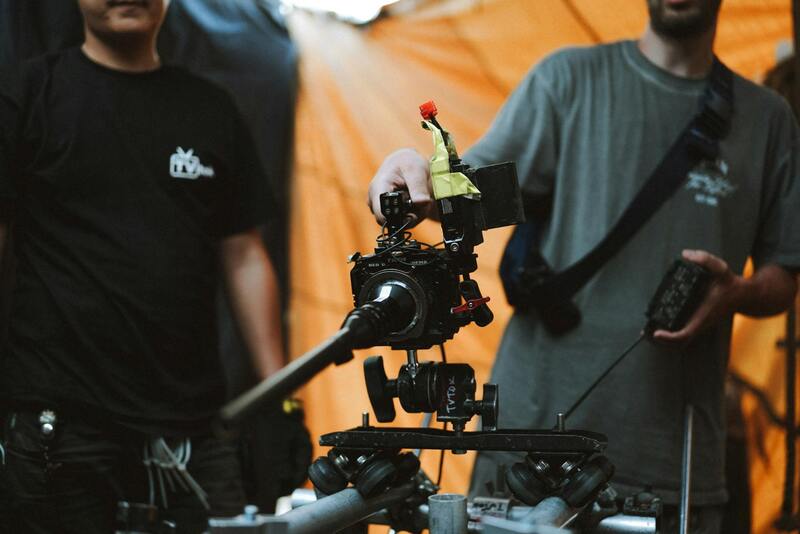
Virtual reality (VR) and augmented reality (AR) technologies are increasingly being combined with 3D photography, offering prospective buyers interactive, immersive experiences directly from their devices. These innovations enable virtual walkthroughs that are more precise and engaging, allowing users to navigate through a property as if physically present. With the incorporation of haptic feedback and 360-degree views, clients can explore homes in real-time, which is especially advantageous for remote or international buyers interested in Miami properties.
Another promising development lies in real-time rendering and live streaming capabilities. Future 3D visualization tools will likely support on-the-fly modifications of interior layouts, finishes, and furnishings during virtual tours. This dynamic approach allows potential buyers to see immediate changes based on their preferences, significantly enhancing the decision-making process.
Furthermore, as mobile device technology advances, the development of lightweight, high-quality 3D visualization applications will make it easier to access and manipulate property models on smartphones and tablets. These portable solutions empower real estate professionals and clients to view detailed property visuals anytime and anywhere, fostering greater engagement and faster decision-making.
Finally, sustainability and eco-awareness are influencing the innovation trajectory. Future 3D visualization tools will integrate with building management systems and data analytics to showcase energy efficiencies, sustainability features, and environmental impact, supporting eco-conscious buyers in Miami’s evolving market.
Staying abreast of these advancements helps real estate professionals to craft captivating, interactive, and accurate property representations. As technology continues to advance, Miami’s competitive real estate market will benefit from increasingly sophisticated visual tools that facilitate more informed and confident purchase decisions. The convergence of AI, VR, AR, and real-time data processing will redefine the standards of property presentation, making 3D real estate photography an indispensable element in the marketing arsenal of tomorrow.
Utilizing 3D Real Estate Photography for Enhanced Property Management and Client Engagement
Beyond marketing and sales, 3D real estate photography plays a vital role in property management and ongoing client engagement. High-quality, interactive 3D visualizations enable property owners and managers to maintain a comprehensive digital record of a property's condition, which simplifies routine inspections, maintenance planning, and renovation projects. By providing an immersive and detailed view, property managers can identify issues more precisely without the need for multiple onsite visits, saving time and resources.
For clients, especially investors and tenants, 3D visuals facilitate a deeper understanding of spatial configurations and property features. The ability to virtually navigate through a property before physically visiting can accelerate leasing processes and help clients make more confident decisions. Virtual tours based on 3D models also serve as valuable tools for documenting property conditions at different time points, supporting transparent communication between tenants and property owners.
Moreover, integrating 3D visualizations with property management software enhances operational efficiency. Real estate professionals can create comprehensive, interactive property portfolios accessible via web portals or mobile apps. These digital assets allow for remote inspections, virtual walkthroughs during maintenance, and quick updates to property listings, elevating the overall client experience.
The adoption of 3D technology in property management aligns with the increasing trend toward digital transformation in real estate. By leveraging these advanced visuals, Miami-based agencies and developers can demonstrate a commitment to innovation, attract tech-savvy clients, and differentiate themselves in a competitive market.
When implementing 3D real estate photography within management strategies, it is crucial to ensure the accuracy and detail of the models. Regular updates and maintenance of the digital representations help preserve their relevance and reliability. Additionally, training staff to utilize these tools effectively ensures maximum leverage of the technology and a seamless integration into existing workflows.
Overall, 3D real estate photography stands as a multifaceted asset in the modern real estate landscape. Its capabilities extend from marketing to management, providing a comprehensive solution that enhances operational efficiency, offers richer client experiences, and enables smarter decision-making throughout the property lifecycle.