
Role of a 3D Real Estate Photographer
A 3D real estate photographer plays a pivotal role in the modern marketing of property listings by providing immersive and highly detailed visual representations of properties. Unlike traditional photography, which captures 2D images, 3D imaging involves creating comprehensive virtual models that allow potential buyers or renters to explore a property remotely, gaining a realistic sense of space, layout, and flow. This advanced method enhances the appeal of listings, especially in competitive markets like Miami, where visual impact can significantly influence decision-making.
The primary responsibilities of a 3D real estate photographer include capturing all critical elements of a property, from interior spaces to exterior façades, and transforming these captures into a cohesive virtual walkthrough or 3D model. They employ specialized equipment and software to produce accurate, detailed representations that reflect the true essence of a property. This capability allows prospective clients to visualize living spaces more clearly, leading to increased engagement and faster transactions.
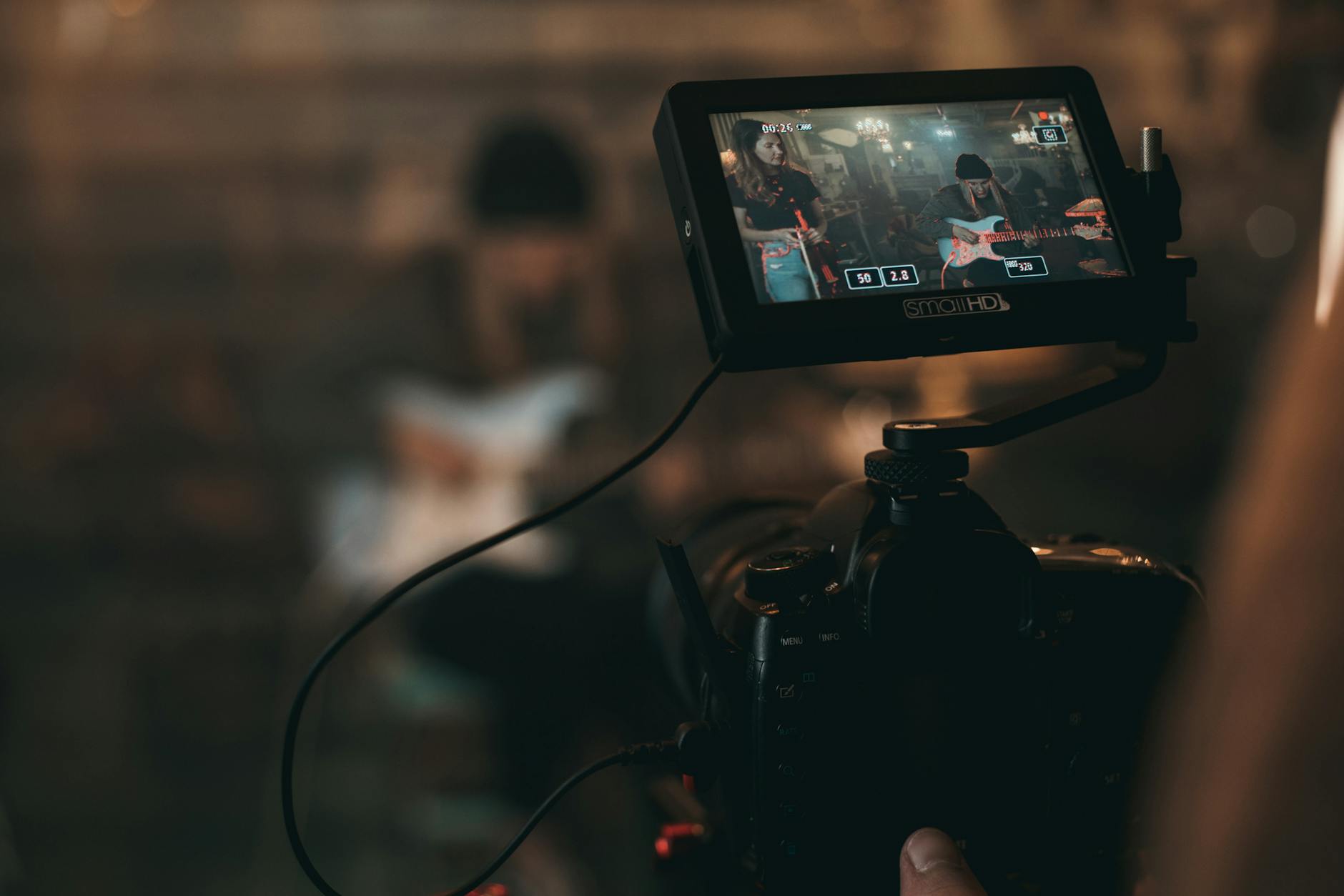
Beyond creating appealing visuals, a 3D real estate photographer also assesses the lighting, perspective, and spatial relationships within a property. Their expertise ensures that virtual tours are realistic, engaging, and free from distortions that might mislead viewers. Effective 3D imagery can highlight unique architectural features, optimize property appeal, and facilitate remote viewing experiences that are both detailed and immersive.
The significance of this role extends beyond aesthetics. Accurate 3D models support agents and property managers by providing a reliable platform for virtual open houses, detailed prospecting, and marketing campaigns. The ability to present a property convincingly from a distance saves time for all parties and helps to streamline the sales or rental process.
In a highly dynamic industry, the skills of a 3D real estate photographer are becoming increasingly valuable as they bridge the gap between traditional marketing and innovative digital solutions. Their work ensures listings captivate attention, foster emotional connections, and ultimately facilitate quicker, more efficient property transactions.
Techniques and Equipment Used in 3D Property Imaging
To achieve the high level of realism and detail required in 3D real estate visualization, professionals rely on a combination of advanced hardware, sophisticated software, and precise shooting techniques. The process begins with specialized 3D cameras and handheld scanners that capture comprehensive spatial data from multiple angles. These devices can quickly gather information about the shape, size, and layout of interior and exterior spaces, providing a solid foundation for accurate modeling.
Software tools play a crucial role in transforming raw spatial data into detailed, navigable models. Programs such as Matterport, CubiCasa, or Kespry are widely used for their ability to process scan data into cohesive 3D environments. These platforms allow real estate photographers to create immersive virtual tours and photorealistic renderings that feature precise measurements, accurate textures, and realistic lighting effects.
The shooting techniques employed are meticulously planned to optimize data collection. Photographers often use a combination of laser scanning and high-resolution panoramic images to capture every detail within a property. Proper alignment of multiple scans ensures a seamless, distortion-free virtual environment. Additionally, HDR (High Dynamic Range) imaging and controlled lighting setups are used to enhance image clarity and color accuracy.
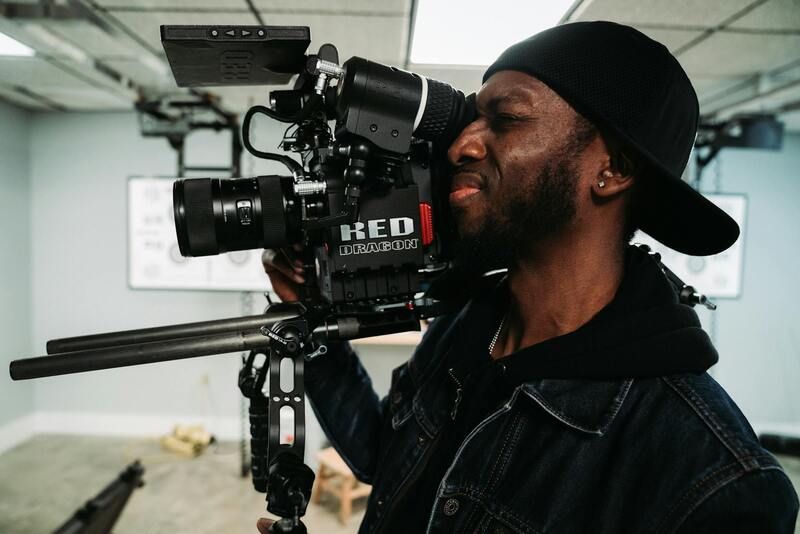
Post-processing plays an essential role in fine-tuning the final output. Skilled technicians edit the captured data to correct any misalignments, improve lighting consistency, and enhance textures for realism. The result is a highly accurate, immersive representation of the property that can be explored remotely with confidence by prospective buyers and tenants.
Techniques and Equipment Used in 3D Property Imaging
The process of capturing 3D images of real estate properties relies on a combination of sophisticated equipment and precise techniques to ensure a comprehensive and accurate virtual representation. Central to this process are laser scanners and panoramic cameras, which work together to record the spatial dimensions and visual details of a property with high fidelity. Laser scanning devices emit laser beams that scan the interior and exterior of the property, collecting millions of data points that define its shape, structure, and surface textures. These point clouds serve as the foundation for constructing detailed 3D models that accurately reflect the real environment.
High-resolution panoramic photography complements laser scans by capturing visual information such as colors, lighting conditions, and finishes, which are then integrated into the 3D model. Photographers meticulously plan their shoots, assessing the property to identify optimal positions for capturing panoramic images, ensuring maximum coverage and detail. These techniques allow for the creation of seamless virtual tours that enable viewers to navigate through environments as if physically present.
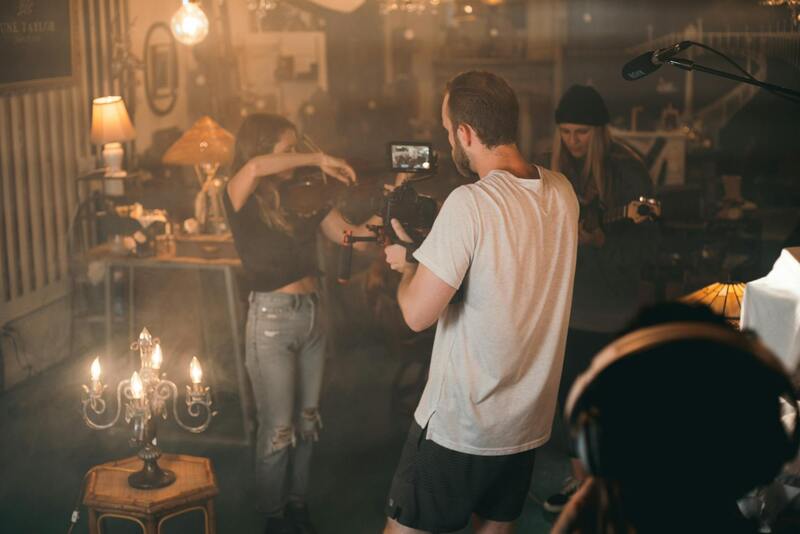
Ensuring the alignment and registration of multiple scan data sets is critical for producing distortion-free models. Sophisticated software processes these data points, stitching them together seamlessly and correcting any misalignments or artifacts. Post-processing is a vital component, involving editing steps such as color correction, noise reduction, and enhancement of textures to produce photorealistic visuals. Skilled technicians also fine-tune lighting effects within the virtual environment, which further enhances the realism and appeal of the final product.
Such meticulous attention to detail guarantees that prospective buyers and tenants can explore properties remotely with high confidence, experiencing an immersive and precise view that closely replicates physical visits. The integration of these advanced techniques and tools enables real estate professionals to showcase properties in the most compelling way, effectively differentiating their listings in a competitive market.
Role of a 3D Real Estate Photographer
A 3D real estate photographer specializes in capturing spatial environments through advanced imaging techniques that create immersive virtual experiences. Their primary responsibility is to produce highly detailed, photorealistic 3D models and panoramic tours that allow potential buyers or tenants to virtually explore properties from any location. These professionals possess an in-depth understanding of both architectural features and the technical aspects of 3D imaging equipment, ensuring that every shot accurately represents the property's dimensions, layout, and aesthetics. The role involves meticulous planning and execution, including site assessment to determine optimal angles and lighting conditions. The photographer operates sophisticated tools like laser scanners and panoramic cameras, capturing data points that form the foundation of the virtual environment. Post-processing skills are crucial, involving software-based stitching, texture enhancement, and lighting adjustments, aimed at producing a seamless and compelling visual narrative of the property's space. Moreover, a 3D real estate photographer acts as a consultant, advising real estate agents or property managers on best visual presentation practices. Their expertise ensures that the virtual walkthroughs are not only visually appealing but also strategically aligned with marketing goals. They also stay current with emerging technological advancements, integrating new tools and techniques to enhance the fidelity and interactive quality of virtual tours.
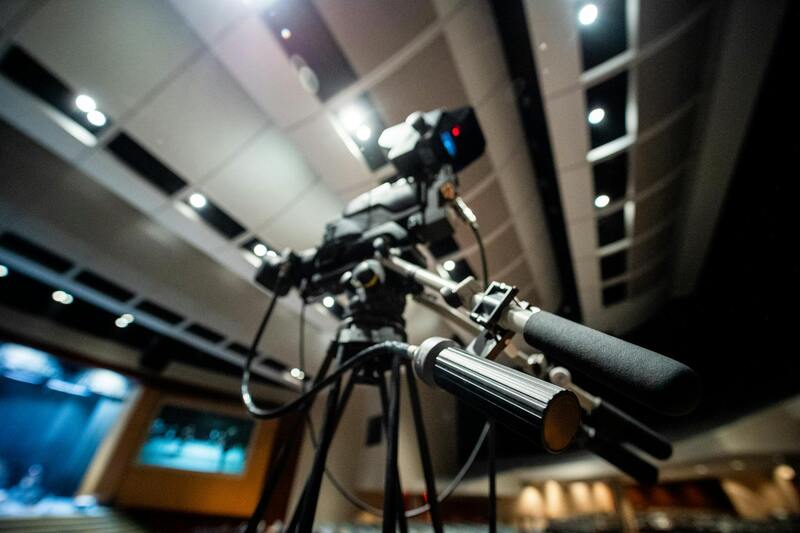
Techniques and Equipment Used in 3D Property Imaging
The foundation of effective 3D real estate imaging is a combination of cutting-edge hardware and sophisticated software. Laser scanning technology is pivotal, employing LiDAR sensors to generate precise spatial data that construct detailed 3D models of interiors and exteriors. This process involves the systematic scanning of the property, capturing millions of data points to accurately reflect the space's dimensions.
Panoramic cameras complement laser scans by capturing high-resolution images from multiple angles. These images are stitched together to produce seamless 360-degree views, allowing viewers to virtually move through a space naturally. To ensure comprehensive coverage, multiple scans and photos are taken from strategic positions, covering every corner, doorway, and feature.
Post-production involves processing this data using specialized software capable of aligning scans, reducing noise, and correcting distortions. Textural details like flooring, wall finishes, and lighting effects are enhanced to create photorealistic visuals. Virtual staging and lighting adjustments further improve the visual impact, tailoring the presentation to appeal to prospective buyers.
Image placeholder:
Benefits of 3D Photography for Real Estate Marketing
Implementing 3D photography into real estate marketing strategies significantly elevates the quality and reach of property presentations. This technology offers a highly immersive experience, enabling potential buyers to virtually walk through properties at their convenience, regardless of location constraints. This level of interactivity increases engagement and allows viewers to examine details at their own pace, which can lead to quicker decision-making. Furthermore, 3D virtual tours reduce the need for physical visits, saving valuable time for both clients and agents. They help filter out less interested viewers early in the process, focusing efforts on genuinely interested prospects. This optimized approach to showing properties enhances overall sales efficiency. From a competitive standpoint, listings featuring high-quality 3D visuals stand out in online searches, drawing more traffic and generating more inquiries. Studies show that homes showcased with interactive virtual tours tend to sell faster and often at a better price point due to the enhanced visualization and perceived transparency. Integrating 3D imaging also benefits W8Q marketing campaigns by providing consistent, shareable content across multiple platforms, including social media, real estate portals, and company websites. The ability to present properties in a compelling, modern format aligns with current digital consumer preferences, making it an essential component for effective property promotion in Miami's competitive market.
Legal and Quality Considerations
Ensuring the integrity and professionalism of 3D real estate photography involves adherence to several key standards that guarantee high-quality visuals and accurate representations of properties. Professional 3D photographers employ advanced techniques and equipment, emphasizing meticulous attention to detail and consistent quality control. This diligence assures clients that every image and virtual tour component is produced with precision, fostering trust in the material presented.
One crucial aspect is the selection of reputable service providers who utilize top-tier hardware and software solutions. State-of-the-art 3D scanners, high-resolution cameras, and sophisticated rendering programs contribute to the clarity and realism of the final product. These tools enable photographers to capture comprehensive spatial data and detailed images, providing viewers with an immersive and accurate virtual experience.
Color consistency, lighting accuracy, and perspective calibration are fundamental to delivering visual content that truly reflects the property's essence. Skilled 3D photographers consistently verify their work against industry benchmarks, ensuring each tour or image set meets high standards for realism and aesthetic appeal. This commitment to quality minimizes distortions, inaccuracies, or visual discrepancies that could mislead prospective buyers.
Beyond technical excellence, adherence to ethical guidelines involves transparent communication with clients about what the final visual content will include. This involves clear disclosures if any digital enhancements or modifications are applied, fostering honesty and ensuring that representations do not overpromise or mislead viewers. Such transparency is vital for maintaining the credibility and reputation of photographers within the real estate industry.
Legal considerations also encompass the rights to the imagery produced. Professionals ensure they hold appropriate licenses and permissions for all equipment, software, and third-party content used during production. This legal diligence prevents future disputes and guarantees that clients receive content they can proudly showcase across various marketing channels without infringement concerns.
By prioritizing rigorous quality standards, transparency, and ethical practices, 3D real estate photographers provide tangible value that enhances property marketing efforts and upholds the trust of real estate agencies and homeowners alike.
Legal and Quality Considerations
When engaging a 3D real estate photographer, it is essential to consider various legal and quality aspects that safeguard both clients and professionals. Ensuring proper licensing for the equipment and software used is fundamental, as it guarantees compliance with intellectual property standards and helps avoid potential disputes related to content rights. Photographers should also have clear agreements regarding the scope of services, rights to digital assets, and usage permissions to maintain transparency throughout the project. High-quality output depends on the photographer’s commitment to the integrity of the visual representations. Precision in rendering spaces without distortions or exaggerations ensures prospective buyers receive an accurate depiction of the property. This fidelity not only enhances trust but also aligns expectations with the actual property features, reducing the risk of dissatisfaction or claims of misrepresentation. Regular calibration of equipment and staying updated with the latest software developments enhance the fidelity and realism of 3D images and tours. Moreover, adherence to industry standards, such as consistent image resolution, correct lighting, and accurate spatial measurements, contributes significantly to the quality of the final product. Another critical aspect involves maintaining comprehensive documentation of all processes and communications. This documentation supports accountability and provides a clear record should any questions or issues regarding the final content arise. Photographers committed to upholding these standards foster credibility, build long-term professional relationships, and add value to their clients’ marketing strategies. Ultimately, balancing thorough legal practices with unwavering quality assurance helps create a trustworthy environment where real estate professionals and homeowners can confidently utilize 3D imaging to showcase their properties effectively.
Role of a 3D Real Estate Photographer
A 3D real estate photographer serves as a pivotal figure in the marketing and presentation of property listings through advanced imaging technology. Their primary responsibility involves capturing detailed, immersive visual representations of residential and commercial properties that accurately reflect space, layout, and architectural features. Unlike traditional photography, their work integrates specialized techniques such as laser scanning and photogrammetry, which create comprehensive 3D models and virtual tours that prospective buyers can explore interactively. The professional's expertise extends beyond mere image capture. They are skilled in utilizing sophisticated software to process and render images that maintain spatial accuracy and visual clarity. By understanding the nuances of framing, lighting, and perspective, they ensure that each property is showcased in the most appealing and truthful manner possible. Their role also includes collaborating with real estate agents, property owners, and developers to understand the specific features and selling points that should be emphasized. A 3D real estate photographer must possess a keen eye for detail, an understanding of architectural design, and technical proficiency with high-end equipment. This combination results in marketing assets that not only attract attention but also foster trust by providing an authentic, three-dimensional view of the property. Such transparency helps buyers make informed decisions, reduces the need for multiple site visits, and accelerates the sales process. Furthermore, this professional role involves maintaining a portfolio of high-quality visual content, which serves as a digital asset for ongoing marketing campaigns across various platforms. Ensuring consistency and professionalism in each project enhances the reputation of the photographer and the businesses they represent. As the real estate market becomes increasingly competitive, the ability to produce engaging, accurate 3D images becomes a decisive factor in successful property transactions.

In summary, a 3D real estate photographer combines technical skill, artistic sensibility, and a thorough understanding of property marketing to deliver innovative visual solutions. Their role is instrumental in transforming traditional properties into dynamic digital representations that resonate with modern buyers and sellers, especially in a highly competitive market like Miami.
Techniques and Equipment Used in 3D Property Imaging
Successful 3D real estate photography hinges on the use of specialized techniques and high-quality equipment. Leading tools include laser scanners, which capture precise measurements of spaces, and DSLR or mirrorless cameras paired with panoramic lenses to gather comprehensive visual data. These devices, combined with drones and handheld stabilizers, facilitate versatile shooting angles, both interior and exterior. Software applications form a fundamental part of the workflow. Programs such as Matterport and Enscape enable the creation of detailed 3D models, virtual walkthroughs, and augmented reality experiences. Photogrammetry techniques, involving the stitching together of multiple photographs, further enhance the realism of virtual environments. Proper lighting setup is critical in 3D imaging to eliminate shadows and ensure uniform exposure across all surfaces. Photographers often employ portable lighting kits or utilize natural light strategically to achieve consistent color accuracy and depth perception. Calibration tools and measuring devices are used to ensure that the virtual space matches real-world dimensions accurately, supporting measurements, floor plans, and architectural planning. Additionally, advanced image stabilization and post-processing software help refine images, improve resolution, and correct any distortions. Investing in top-tier equipment and mastering these techniques enable professionals to produce high-fidelity 3D visual content, which can significantly elevate a property’s online presence and marketing efficacy.
Legal and Quality Considerations
When engaging a 3D real estate photographer, ensuring adherence to industry standards and quality benchmarks is essential for producing reliable and impactful visual content. Reputable professionals employ calibrated equipment and follow standardized procedures that guarantee the accuracy of virtual representations, which is vital for clients relying on these visuals for decision-making or investment.
High-quality 3D imaging involves meticulous attention to detail, including proper lighting, geometric accuracy, and comprehensive coverage of the property. Photographers with established credentials often utilize certification programs and continual training to stay updated with evolving technologies and best practices. These measures help preserve consistency and professionalism across projects.
Another key aspect is data security and client confidentiality. Trusted providers implement secure data handling protocols, ensuring sensitive property information and proprietary visuals are protected from unauthorized access or misuse. Transparency regarding data management, along with clear service agreements, fosters trust and clarifies the scope of work.
Quality control extends beyond the capture phase to include comprehensive post-processing and rendering. Skilled editors refine images to enhance clarity, correct distortions, and ensure accurate color balance. These enhancements contribute to an immersive experience, vital for engaging prospective buyers or tenants.
While the initial investment in advanced equipment might be substantial, the focus on quality fixtures and meticulous procedures ensures the final product meets high industry standards. This commitment to excellence translates into better marketing outcomes, increased property visibility, and greater credibility in an increasingly competitive real estate market.
For property owners and agents in Miami seeking to leverage 3D visualization effectively, selecting a photographer committed to adhering to rigorous quality and compliance protocols is a decisive step toward achieving superior marketing results. Professionalism in execution and handling assures that the virtual representations are both accurate and compelling, ultimately facilitating quicker sales and more satisfied clients.