
Overview of 3D Photos in Real Estate
In recent years, the real estate industry has experienced a significant transformation driven by advanced visual marketing techniques. Among these, 3D photos have emerged as a powerful tool for showcasing properties with unprecedented clarity and realism. Unlike traditional photos, which capture static images from fixed angles, 3D photography employs cutting-edge technology to create immersive visual experiences that allow potential buyers to explore a property as if they were physically there.
3D photos are generated through specialized cameras and software that capture comprehensive spatial data of a property. This data is then processed to produce interactive images and virtual tours that can be navigated seamlessly across multiple devices. The popularity of 3D imagery has notably increased in Miami, a vibrant real estate market known for its luxury properties and high-rise developments. Here, the integration of 3D visual content not only enhances listings but also attracts a broader audience, including international buyers who rely heavily on virtual property representations.
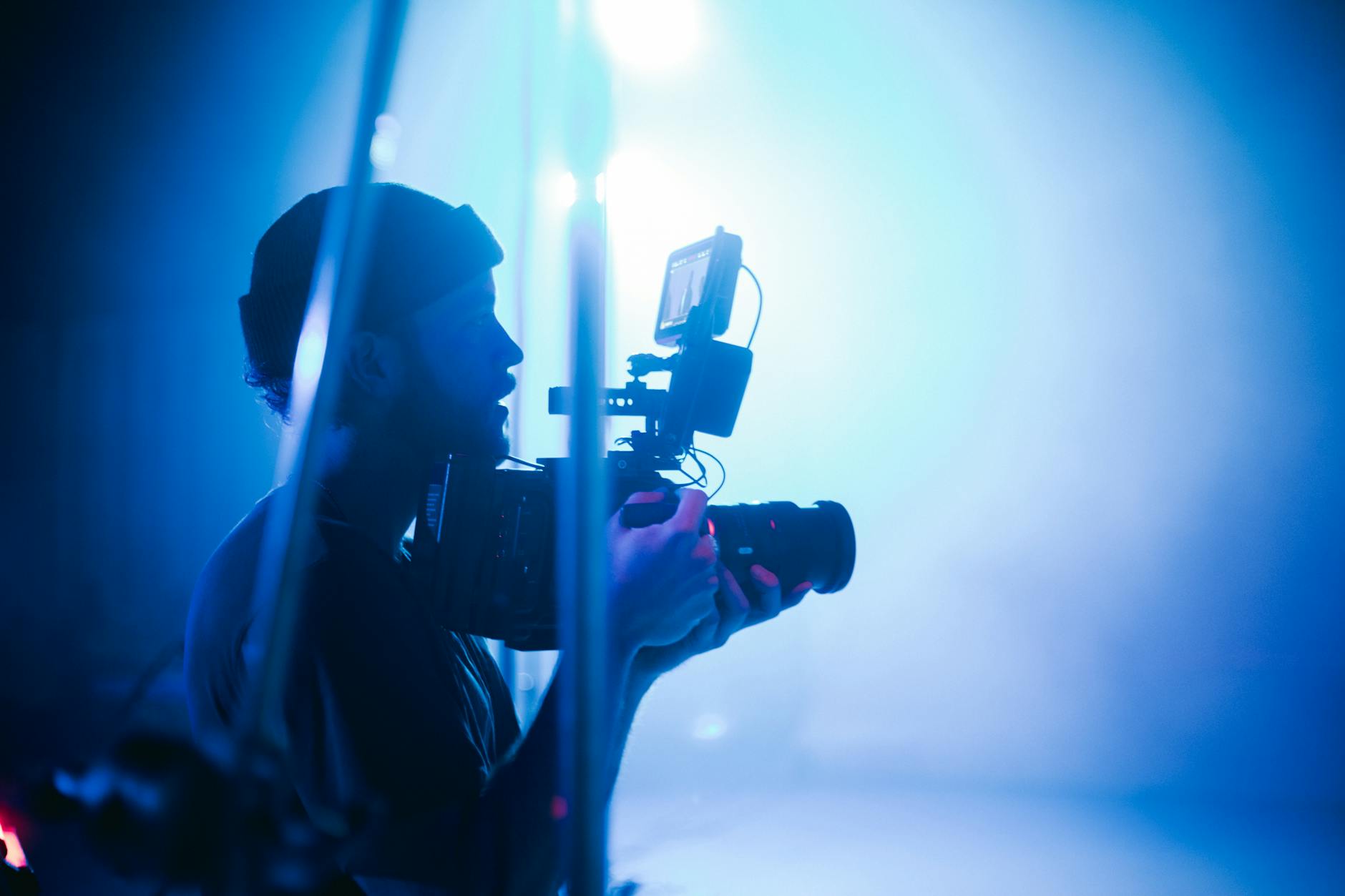
The rise of 3D photos in real estate marketing reflects a shift towards more engaging and interactive property presentations. By providing detailed, true-to-life images that users can explore at their own pace, real estate professionals can better communicate a property's unique features and spatial layout. This innovative approach addresses the growing demand for digital property views, especially in markets like Miami where buyers often conduct virtual tours before scheduling physical visits. The adoption of 3D photography signifies a commitment to leveraging the latest technology to meet evolving customer expectations and streamline the property acquisition process.
The 3D Photo Creation Process
Developing high-quality 3D photos for real estate involves a detailed, methodical process to ensure accuracy and visual appeal. Typically, the process begins with meticulous site preparation. This includes decluttering spaces, ensuring proper lighting, and optimizing interior conditions to enhance visual clarity. Once the environment is ready, professional 3D scanners or specialized cameras are used to capture comprehensive spatial data. These devices employ laser scanning or photogrammetry techniques to record every detail of the property's interior and exterior, creating a precise digital map.
The data collection phase is crucial because it determines the fidelity of the final virtual images. After capturing the necessary data, the next step is data processing. Here, sophisticated software interprets the raw scans or images, stitching together multiple perspectives to generate an interactive, navigable 3D model. This model accurately reflects the dimensions, textures, and spatial relationships within the property.
Post-processing involves fine-tuning the visual elements, enhancing textures, correcting distortions, and sometimes adding virtual furnishings or modifications to showcase potential layouts. This step ensures that the digital representation aligns closely with real-world visuals, providing an authentic experience for viewers.
Finally, the completed 3D photos are integrated into virtual tours or online listings, ready for seamless viewing across devices, including smartphones, tablets, and desktop computers. This entire process emphasizes precision, attention to detail, and technological expertise to produce compelling visual representations that truly resonate with prospective buyers.
Technology and Equipment for 3D Real Estate Photography
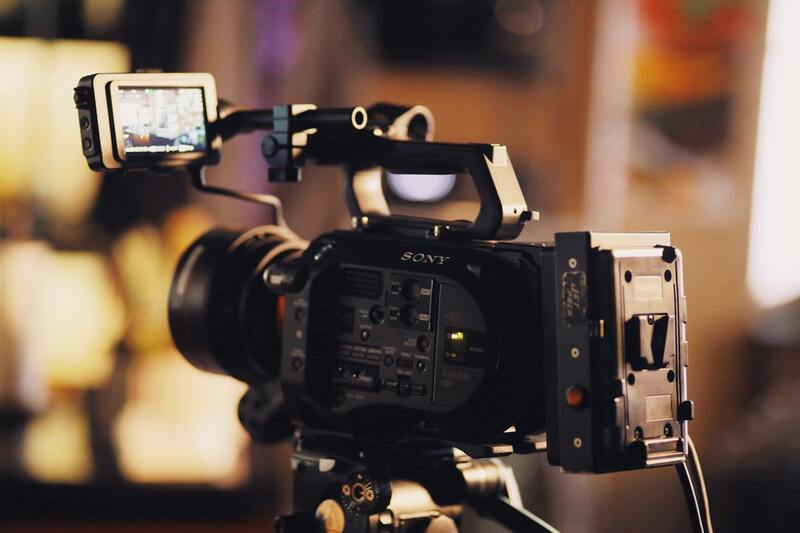
Implementing high-quality 3D photos in real estate demands specific technological tools designed to capture comprehensive spatial data with precision. Advanced laser scanners and photogrammetry cameras form the backbone of professional 3D property imaging. These devices are capable of collecting detailed point clouds and high-definition images that serve as the raw data for creating accurate virtual models.
Laser scanning tools emit laser beams that bounce off surfaces within the property, capturing millions of data points per scan. These points generate a highly detailed 3D map of the space, including dimensions, textures, and imperfections that contribute to a realistic digital representation. Photogrammetry cameras, on the other hand, capture multiple overlapping photographs from various angles, which software then processes to build a 3D image.
Complementary to the primary hardware, portable tripods and stabilization rigs are vital for ensuring sharp, distortion-free imagery. Drones equipped with 3D mapping capabilities expand the scope to exterior shots and aerial views, providing a comprehensive perspective of the property and surrounding environment.
Upon data collection, sophisticated software applications come into play. Software solutions like Matterport, Autodesk ReCap, or Leica Cyclone process raw scans and photographs into precise 3D models. These tools enable professionals to refine the digital representation, adjusting textures, correcting distortions, and adding virtual furnishings if necessary. Integration between hardware and software ensures a streamlined workflow from initial capture to final rendering.
Investing in the right equipment and software is crucial for delivering high-fidelity visuals that accurately depict the property's features. Proper device calibration and maintenance are essential to sustain the quality of data collection over time, ensuring consistency and reliability across multiple projects.
This combination of cutting-edge tools and meticulous data processing enhances the authenticity and appeal of digital property representations, making them indispensable in modern real estate marketing strategies.
Best Practices for Capturing 3D Photos in Real Estate
Achieving high-quality 3D imagery requires adherence to specific best practices that ensure accuracy, clarity, and visual appeal. Proper planning and execution are critical components of successful 3D property visualization. Here are essential guidelines to follow:
- Optimal Lighting Conditions: Ensuring consistent and adequate lighting is paramount when capturing 3D photos. Natural daylight is preferred to illuminate spaces evenly, reducing shadows and enhancing the visibility of architectural details. For interiors, supplemental lighting should be strategically placed to avoid glare and overexposure, maintaining a balanced exposure across all surfaces.
- meticulous Room Preparation: Before shooting, rooms should be decluttered, and any personal items removed to present the space in its best light. Surfaces should be cleaned, and any distracting elements, such as cords or stains, should be addressed. This preparation helps the 3D imaging process focus solely on the property's features.
- Consistent Camera Placement: Proper positioning of the 3D camera is essential to create seamless virtual walkthroughs. Marking fixed points for camera placements in each room ensures uniformity and better alignment during stitching. Overlapping images from multiple angles help produce more accurate and detailed models.
- Controlled Environment: Minimizing movement and disturbances during shooting preserves image quality. Visitors and pets should be kept out of the frame, and no objects should be moved or added after the initial scans to maintain consistency.
- Calibration and Equipment Maintenance: Regular calibration of 3D scanners and cameras guarantees precise measurements and color accuracy. Routine maintenance prevents data degradation, ensuring reliable results across multiple sessions.
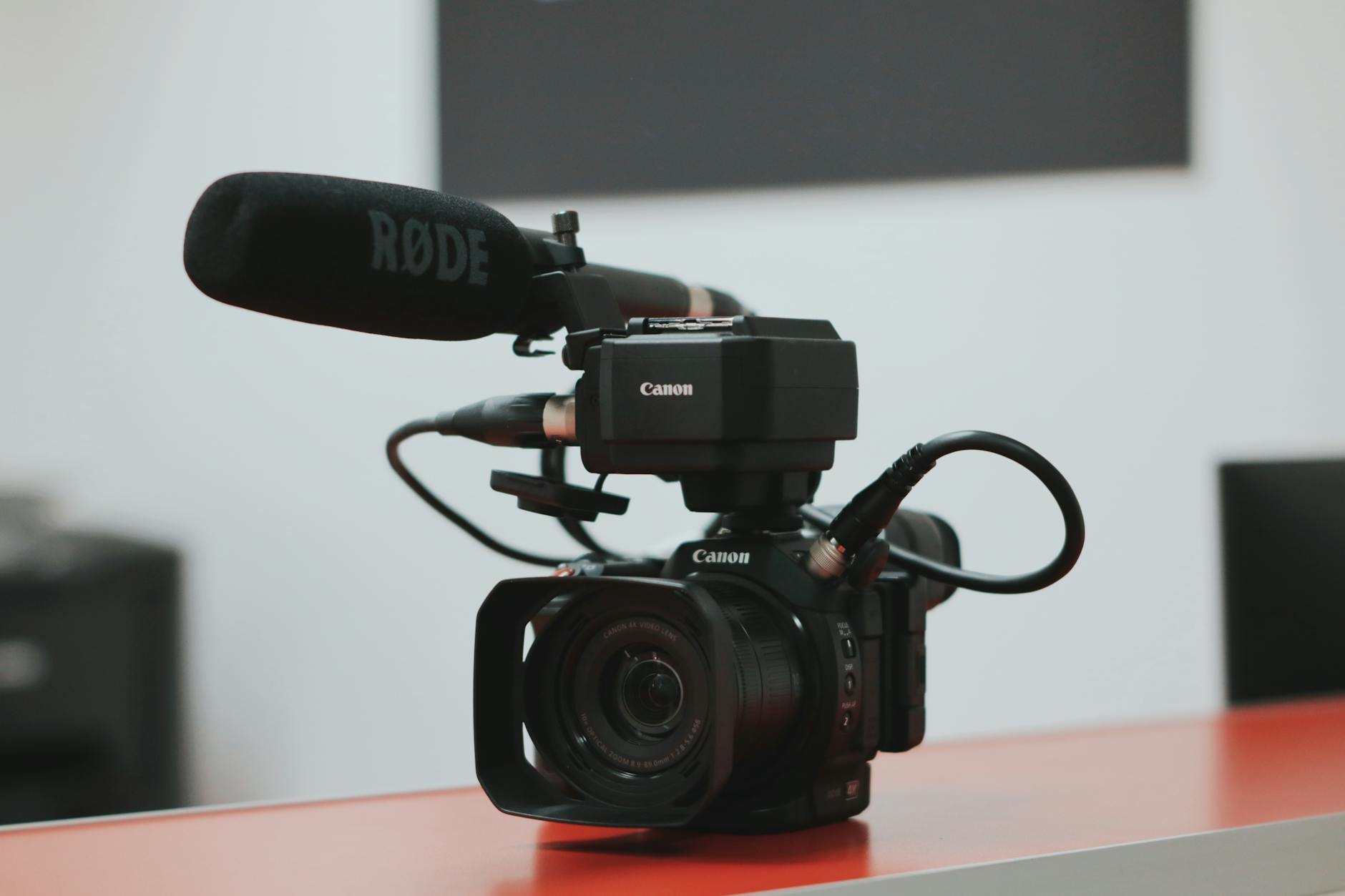
Post-capture, careful review and processing ensure the final output meets the desired standards. Minor adjustments, such as correcting distortions, refining textures, and calibrating color balances, significantly impact the realism and appeal of the rendered models. Using professional software tools optimized for 3D visualization enables technicians to enhance details, add virtual furnishings, or modify textures to better showcase the property's potential. Consistent application of these best practices results in compelling, accurate 3D images that effectively attract prospective buyers or tenants, and reinforce the property's presentation in a competitive real estate market.
Best Practices for Capturing 3D Photos in Real Estate
Achieving high-quality 3D photos for real estate listings involves meticulous attention to technical and environmental details. Optimal lighting is essential; natural light should be maximized during the shoot to illuminate spaces evenly, avoiding harsh shadows or overexposure that can distort textures and details. If natural lighting is insufficient, supplemental artificial lighting should be carefully positioned to maintain consistent color temperature and brightness across all images.
Angles and camera positions are equally critical. Typically, capturing images from multiple vantage points around each room ensures comprehensive coverage, allowing the creation of detailed and immersive virtual environments. The camera should be aligned at a consistent height, generally around eye level, to preserve proportionality and spatial relationships. This consistency is vital for stitching the images seamlessly during the 3D rendering process.
Proper staging of the property enhances visual appeal and demonstrates the potential of each space. Clearing clutter, arranging furniture thoughtfully, and adding decorative elements can help prospective buyers visualize living in the space. During photography sessions, it is advisable to keep the environment controlled—preventing movement of furniture or belongings—and to avoid reflections or distractions that could compromise the clarity of 3D models.
Calibration of imaging equipment plays a pivotal role. Regular calibration ensures the measurements and color captures are accurate, enabling precise modeling. Additionally, maintaining equipment involves routine checks and adjustments to mitigate distortions, aberrations, or inconsistencies in color and detail. High-resolution cameras and professional-grade 3D scanners equipped with adjustable settings facilitate capturing superior quality data.
Before and after capturing, review images carefully to identify any anomalies or flaws. Post-processing within specialized software allows for correction of distortions, enhancement of textures, and fine-tuning of colors. Consistent application of these best practices ensures the creation of visually compelling, precise 3D representations that effectively showcase a property's features.
Best Practices for Capturing 3D Photos in Real Estate
Achieving high-quality 3D photographs requires meticulous preparation and adherence to professional techniques. The process begins with proper property staging. Clear pathways, minimal clutter, and well-thought-out furniture arrangements help create a more appealing and navigable virtual space. Ensuring that rooms are well-lit, with consistent lighting conditions, reduces shadows and highlights details that contribute to realistic 3D models. If natural light is insufficient, supplementary lighting can be used to even out illumination, making sure that every corner is clearly visible.
Equipment calibration is critical for accurate scans. Regular calibration of 3D scanners and cameras guarantees that measurements are precise and colors are true to life. Professionals routinely check and adjust their gear to counteract distortions, aberrations, or inconsistencies, which could otherwise compromise the integrity of the final model. High-resolution 3D scanners and DSLR cameras with adjustable settings should be standard, as they provide detailed data necessary for realistic rendering.
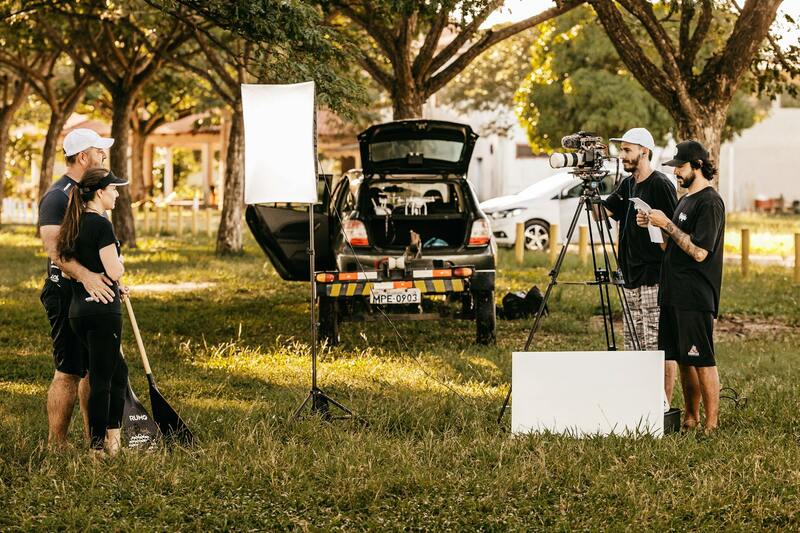
During the shooting process, holding the camera steady, maintaining the correct angle, and capturing from multiple viewpoints ensure comprehensive coverage of each area. Overlap between scans should be sufficient to enable seamless stitching during the rendering process. A systematic approach, such as photographing each room from multiple positions, helps generate more precise and detailed 3D models.
Post-capture review is essential. Skilled professionals scrutinize the raw data for anomalies or inconsistencies. Using specialized software, they correct distortions, adjust textures, and refine colors. This step ensures the final 3D images are both visually compelling and accurate representations of the property. Consistency in processing across multiple images guarantees a cohesive virtual walkthrough.
Adhering to these best practices ensures each 3D photo set effectively showcases the property’s features. It maximizes visual impact and contributes to a more engaging online experience for prospective buyers and renters. By focusing on quality control at every stage—from staging and setup to post-processing—agents can significantly enhance their marketing strategies and attract greater interest from their target audience.
Best Practices for Capturing 3D Photos in Real Estate
Achieving high-quality 3D photos for real estate requires meticulous attention to detail during the capture process. Professionals utilize advanced equipment such as high-resolution 3D scanners and DSLR cameras equipped with panoramic lenses, which are vital for acquiring detailed spatial data. Proper lighting conditions are critical; natural light should be maximized, and supplementary lighting should be used to eliminate shadows and inconsistencies that could distort the model’s realism. Ensuring the space is tidy and well-organized enhances the clarity and accuracy of the scans, making the subsequent virtual tour more appealing to viewers.
When positioning equipment, maintaining stability is paramount. Tripods and stabilizers should be used to prevent motion blur, especially in low-light situations. Multiple scans from various angles need to be captured systematically, covering every corner of the room — including ceiling and floor details — to enable a comprehensive 3D reconstruction. Overlapping scans by at least 20-30% ensures seamless stitching and enhances the integrity of the final model. Precise calibration of the equipment before each shoot guarantees uniformity across all images and scans, contributing to a cohesive virtual experience.
Post-capture quality control involves reviewing raw data for any inaccuracies or incomplete sections. Skilled professionals utilize specialized software to identify and correct issues such as misalignments or data gaps. Texture mapping and color correction are integral to creating a visually compelling experience that accurately reflects the property's appearance. Consistency during post-processing extends the depth and realism of the 3D images, aiding prospective buyers in visualizing the space as if they were physically present.
Integrating 3D Photos into Real Estate Listings
Once high-quality 3D images have been produced, they should be strategically embedded within property listings to maximize their impact. Virtual tours powered by interactive 3D photos offer prospective buyers an immersive experience, allowing them to explore the space at their own pace and from multiple viewpoints. Integration should be seamless; 3D models can be embedded directly into listing pages, shared via social media platforms, or included in dedicated virtual tour links.
Enhancing catalogs with 3D visuals helps differentiate listings in competitive markets like Miami. Positioning 3D photos prominently can attract more inquiries and increase engagement metrics such as click-through rates and time spent viewing the listing. These images also facilitate remote property viewings, broadening the reach to potential buyers outside the geographic area.
To optimize user experience, ensure that the 3D content is compatible across various devices and internet speeds. Clear navigation tools, such as hotspots or arrows, allow viewers to easily move through different sections of the property without confusion or delays. Synchronized integration of high-quality 3D images with detailed descriptions and additional multimedia content can significantly enhance the overall marketing strategy, making listings more interactive and appealing.
Best Practices for Capturing 3D Photos in Real Estate
Capturing high-quality 3D photos for real estate requires meticulous planning and execution to ensure the visual representation accurately reflects the property’s features. Proper preparation of the space is essential; this includes decluttering, staging, and ensuring optimal lighting conditions. Natural light should be maximized during the shoot, and any artificial lighting should be evenly distributed to prevent shadows and distortions in the images.
When setting up for 3D photography, it is crucial to use specialized equipment that can capture detailed spatial data. Tripods and mounts help stabilize the camera system, reducing potential motion blur. Effective use of wide-angle lenses can also enhance spatial perception, allowing viewers to see more of each room in a single shot. It is important to maintain consistency across all images, ensuring that each perspective aligns seamlessly when integrated into the 3D model.

During the actual shoot, agents and photographers should ensure that all necessary angles are covered, including interior and exterior views. Overlapping images provide data points that facilitate accurate stitching in post-production. For complex spaces or properties with challenging layouts, multiple viewpoints and detailed scans help create comprehensive virtual models. It is also advisable to verify the calibration of camera equipment regularly to maintain precision, especially in large-scale projects or properties with unique architectural features.
Post-capture editing is a critical phase, involving the alignment of images, correction of color discrepancies, and the removal of any artifacts. This process ensures the 3D model is crystal clear and true to life. Leveraging professional software tools designed specifically for 3D imagery can streamline this process, resulting in a polished, immersive virtual tour experience that entices prospective buyers and investors alike.
Ultimately, the key to successful 3D photo capture lies in combining technical expertise, suitable equipment, and meticulous attention to detail throughout all phases of the process. This approach guarantees that the resulting images not only impress visually but also serve as powerful marketing assets capable of elevating property presentations and buyer engagement in competitive markets like Miami.