
Understanding the Importance of High-Quality Real Estate Photos
In the highly competitive Miami real estate market, visual presentation plays a pivotal role in capturing the interest of potential buyers. High-quality real estate photos serve as the first impression of a property, often determining whether a viewer will continue to explore the listing or scroll past. Professional photography ensures that every aspect of a property is showcased in the best possible light, highlighting its unique features and creating an inviting atmosphere that encourages further inquiry.
Effective real estate photos do more than just depict a property’s physical attributes; they evoke emotion and inspire confidence in prospective buyers. Dull, poorly lit images can diminish a property’s appeal, whereas vibrant, expertly composed photographs can make spaces appear more spacious, brighter, and more appealing. This is especially vital in Miami’s dynamic property market, where properties compete relentlessly for attention online. High-resolution images captured with professional equipment enhance clarity and detail, making each room and feature stand out.
Moreover, excellent real estate photography supports a consistent branding strategy for real estate agents and agencies. It reinforces a professional image, instills trust, and signals to prospective clients that their property is being marketed with care and expertise. The impact of strong visual content cannot be understated: it accelerates the sales process, often leads to better offers, and expands online reach through various listing platforms and social media channels.
Ultimately, investing in professional real estate photos is an essential step for anyone looking to maximize a property’s marketability. In the vibrant and fast-paced Miami market, where potential buyers have countless options at their fingertips, crisp, attractive images set a listing apart from the competition. They serve as a powerful tool to generate interest and facilitate faster sales at favorable prices.

Understanding the impact of professional imagery is fundamental for real estate professionals and homeowners alike. Well-executed photos do not merely depict the property—they tell a story, create emotional connection, and ultimately influence the decision-making process of potential buyers. In a market like Miami, where visual appeal can make all the difference, prioritizing high-quality real estate photos is a strategic move that translates into tangible benefits and successful transactions.
Properly Scheduling and Timing the Photoshoot
Scheduling the real estate photoshoot at the optimal time of day significantly enhances the visual appeal of your property. The most suitable lighting conditions typically occur during the early morning or late afternoon when natural light creates a warm, inviting atmosphere and reduces harsh shadows. Planning the shoot during these periods ensures that your property is bathed in soft, flattering light, highlighting its best features.
It’s also vital to coordinate the photoshoot to coincide with weather conditions that favor bright, clear days. Overcast skies can diffuse sunlight evenly, providing consistent lighting without glare, which is advantageous for capturing exterior shots. Conversely, heavy rain or wind can make outdoor photography challenging, potentially requiring rescheduling to preserve image quality.
Furthermore, scheduling the shoot during times when exterior surroundings are tidy and unobstructed is essential. Ensure that landscaping is well-maintained, and that driveway and walkways are free of clutter. If the property features outdoor amenities, such as pools or patios, plan to photograph them when they are clean and inviting, which might depend on seasonal schedules or landscaping routines.

In many cases, avoiding peak sunlight hours can prevent overly bright images and blown-out highlights, further emphasizing the importance of precise timing. Employing a professional photographer with experience in real estate imaging can help verify the best timing for capturing high-quality images tailored to your specific property and location.
Effective Techniques for Real Estate Photography
To produce compelling real estate images, selecting the appropriate equipment and mastering various photographic techniques is essential. The right tools and approach help highlight a property's best features, create a sense of space, and appeal to prospective buyers. Professional photographers typically use digital single-lens reflex (DSLR) or mirrorless cameras equipped with wide-angle lenses, which facilitate capturing expansive interior views and exterior scenes with precision. The use of a tripod ensures stability, reduces motion blur, and enables consistent framing, especially during lower-light conditions indoors.
Proper exposure settings are crucial to achieving vibrant, true-to-life images. Photographers often shoot in RAW format, providing greater flexibility during post-processing to correct color balance, contrast, and brightness without degrading image quality. Exposure bracketing—taking multiple shots at different exposures—can be employed to combine images into high dynamic range (HDR) photographs. HDR techniques effectively manage the contrast between bright windows and darker interior spaces, revealing details that might otherwise be lost.
Lighting plays a pivotal role in real estate photography. Natural light is preferred to make spaces appear more inviting and spacious; however, supplemental lighting, such as diffused flash or LED panels, can be used strategically to fill shadows and evenly illuminate darker areas. Professionals often diffuse light sources to create soft, even illumination, avoiding harsh shadows or overly bright spots. In interior settings, using a wide-angle lens—typically between 14mm and 24mm—enables capturing entire rooms in a single shot, giving viewers a comprehensive perspective of the layout.

Advanced techniques such as vertical stitching—composing multiple images for a seamless panoramic view—are employed to showcase expansive outdoor areas or grand interiors. Ensuring the camera is level and aligning shots precisely prevents distortion and stitching errors, resulting in professional-looking wide-format images. Additionally, maintaining a clean and clutter-free environment minimizes distractions and directs attention to the property's features.
Post-Processing for Optimal Presentation
Post-processing is a vital step in real estate photography, where images are refined to match the property's true appeal. Photographers use editing software to adjust brightness, contrast, and color balance, enhancing the warmth and attractiveness of each shot. Correcting distortions caused by wide-angle lenses ensures that lines and proportions remain natural, avoiding the exaggerated effects often associated with ultra-wide lenses.
Selective editing—such as brightening interiors, removing minor imperfections, or enhancing landscaping details—further elevates the images. It's important that these adjustments preserve the authenticity of the property, preventing images from appearing overly manipulated. The goal is to produce photographs that accurately represent the property while maximizing visual appeal.
Strategic Use of Photos in Marketing Efforts
High-quality images form the foundation of effective online listings and marketing campaigns. They attract attention, increase engagement, and ultimately drive potential buyers toward inquiring or scheduling viewings. Incorporating a variety of shots—interior, exterior, close-ups of key features, and amenities—provides a comprehensive view that appeals to a broad audience. Consistent styling, proper framing, and optimal lighting across all images create a professional and trustworthy presentation.
Choosing the Appropriate Photography Equipment and Techniques
Achieving exceptional real estate photos hinges on the proper selection of equipment and mastery of specific techniques. High-resolution digital cameras with wide dynamic range capabilities are essential for capturing the intricate details of each property. Utilizing professional-grade lenses, especially wide-angle lenses, allows for expansive shots that highlight room dimensions while maintaining clarity. It’s vital to select aperture settings that ensure both foreground and background elements are in sharp focus, emphasizing the spatial relationships within the property.
Tripods play a crucial role in stabilizing the camera, providing consistent framing, and preventing motion blur during longer exposures necessary in low-light environments or indoor shots with limited natural light. Remote shutter releases or timers further reduce camera shake, resulting in crisp, professional images. For interior lighting, camera settings should be optimized to balance ambient light with artificial lighting, avoiding overexposure or underexposure that can obscure key features.
Mastering techniques such as HDR (High Dynamic Range) photography enables capturing details in both shadowed and brightly lit areas, creating balanced images that mirror real-life scenes. Properly managing white balance ensures color accuracy, which is critical when representing the true hues of interior decor or exterior landscapes. Additionally, techniques like proper framing and composition—using leading lines, symmetry, and rule of thirds—guide viewers’ eyes across the most appealing aspects of each shot.
Investing in quality photo editing tools and understanding their features allows for precise adjustments—correcting distortions, enhancing color vibrancy, and fine-tuning brightness—without undermining the authenticity of the property. Expertise in these equipment choices and techniques results in images that are not only visually striking but also detailed enough to inform and inspire potential buyers or renters.
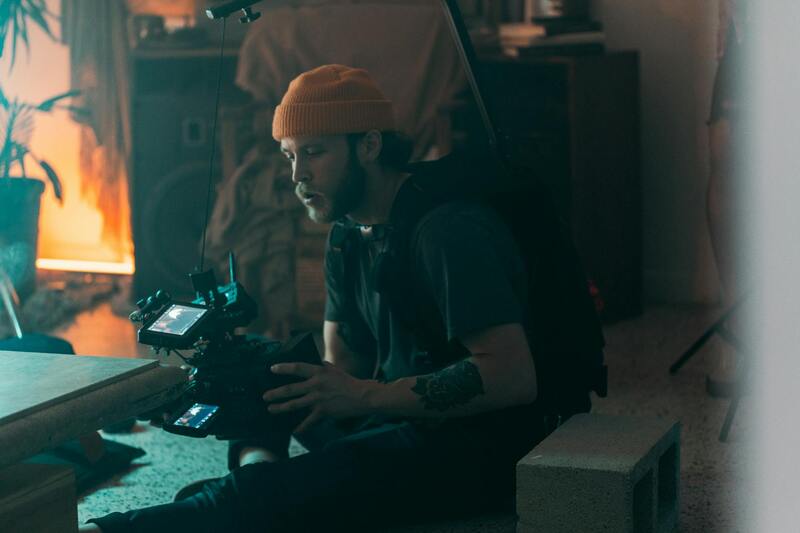
Utilizing specialized gear and refined techniques ensures that every shot maximizes the property's appeal. The impact of meticulously taken pictures extends beyond individual listings, reinforcing the property's desirability and encouraging prospects to engage further in the buying or leasing process.
Techniques for Maintaining Authenticity During the Photoshoot
Ensuring the photographs accurately portray the property involves adhering to specific techniques that highlight its true character without exaggeration. This begins with a comprehensive assessment of the space, recognizing key features and unique elements that should be emphasized. For instance, natural light should be maximized where possible, but without creating misleading shadows or distortions. Properly calibrated lighting setups ensure that images reflect real conditions, avoiding over-brightening or underexposure that can distort perceptions.
When arranging the property for the shoot, it's essential to maintain a clean, clutter-free environment. Decluttering not only showcases the property's true potential but also prevents distractions that can detract from its primary features. Arrangements for furniture and decor should be natural and unobtrusive, emphasizing spaciousness and utility.
The choice of camera angles plays a significant role in preserving authenticity. Wide-angle lenses are commonly employed to capture more of the space, but should be used judiciously to avoid creating unrealistic proportions. Shots should be taken from eye level to maintain perspective accuracy. Additionally, capturing multiple angles of each room allows viewers to get a comprehensive understanding, ensuring no single photo creates an impression that isn't supported by the overall property.
Post-capture, edits should be minimal—enhancing clarity, correcting colors, and adjusting brightness—without altering the fundamental appearance of the property. This approach guarantees that prospective buyers or renters receive a truthful visual representation, building trust and reducing the risk of misrepresentation that could lead to disagreements later.

Ensuring Authenticity Through Proper Image Presentation and Metadata Management
Maintaining authenticity in real estate photos extends beyond capturing the images themselves; it includes managing how these visuals are presented and understood by viewers. More precisely, the accurate conveyance of a property's features involves meticulous attention to image metadata and consistent descriptive accuracy.
Embedding precise metadata, such as the location, date, and camera settings, supports transparency and helps prospective clients understand the context of each photograph. This information can guide expectations and provide a clear record of the photographic process, reinforcing trust in the visual representation.
Effective image selection is equally critical. When choosing which photos to feature, prioritize those that offer the best view of key property aspects without distortion or excessive editing. Each image should reflect the actual condition and characteristics of the property, avoiding exaggerated angles or enhancements that could mislead viewers.
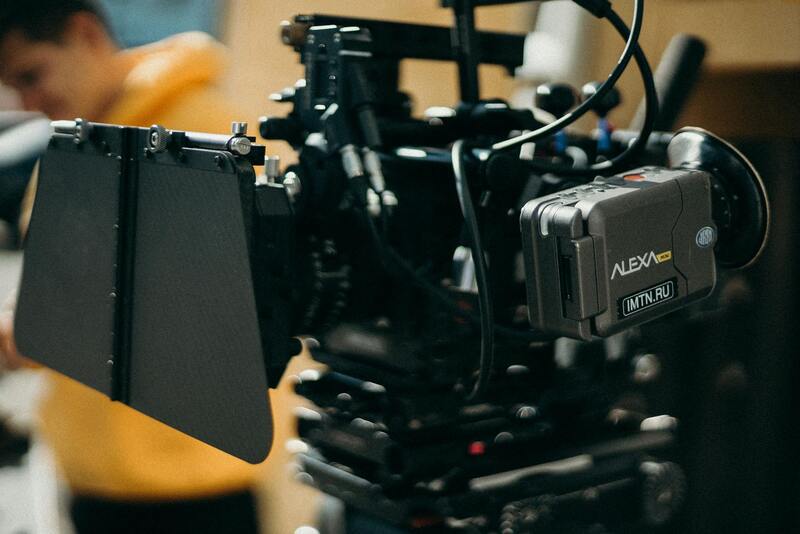
In addition, a consistent editing style that enhances clarity without introducing unrealistic alterations helps maintain the integrity of the visuals. Adjustments should aim to improve color accuracy, brightness, and sharpness, ensuring that photos look appealing while accurately representing the property's true appearance.
This approach emphasizes transparency and reliability, creating a solid foundation for potential buyers or renters to make informed decisions based on truthful online presentations. Properly managed image presentations and metadata contribute significantly to constructing a reputable and professional property listing.

Ensuring Consistency and Accuracy in Property Images
One of the most vital aspects of a successful real estate photoshoot is maintaining consistency across all visuals. Consistent lighting, perspective, and staging create a cohesive presentation that helps prospective buyers or renters visualize the property as a unified space. This consistency also reflects professionalism, reinforcing the property's desirability.
To achieve this, photographers should utilize uniform camera settings, especially when capturing multiple rooms or exterior angles. Employing the same aperture, shutter speed, and ISO settings minimizes visual discrepancies and ensures that images are comparable, making the listing more appealing and trustworthy.
Meticulous staging of each space prior to the shoot is equally important. This involves arranging furniture, decluttering, and optimizing natural or artificial light sources to highlight the property's best features. Small details like fresh flowers or neatly arranged decor can significantly elevate the overall visual appeal.
Authenticity in the images is crucial, especially when showcasing unique attributes. Accurate depiction of room sizes, window placements, and architectural details enables potential clients to develop clear expectations, fostering transparency and reducing misunderstandings.
Assessment and Selection of Final Images
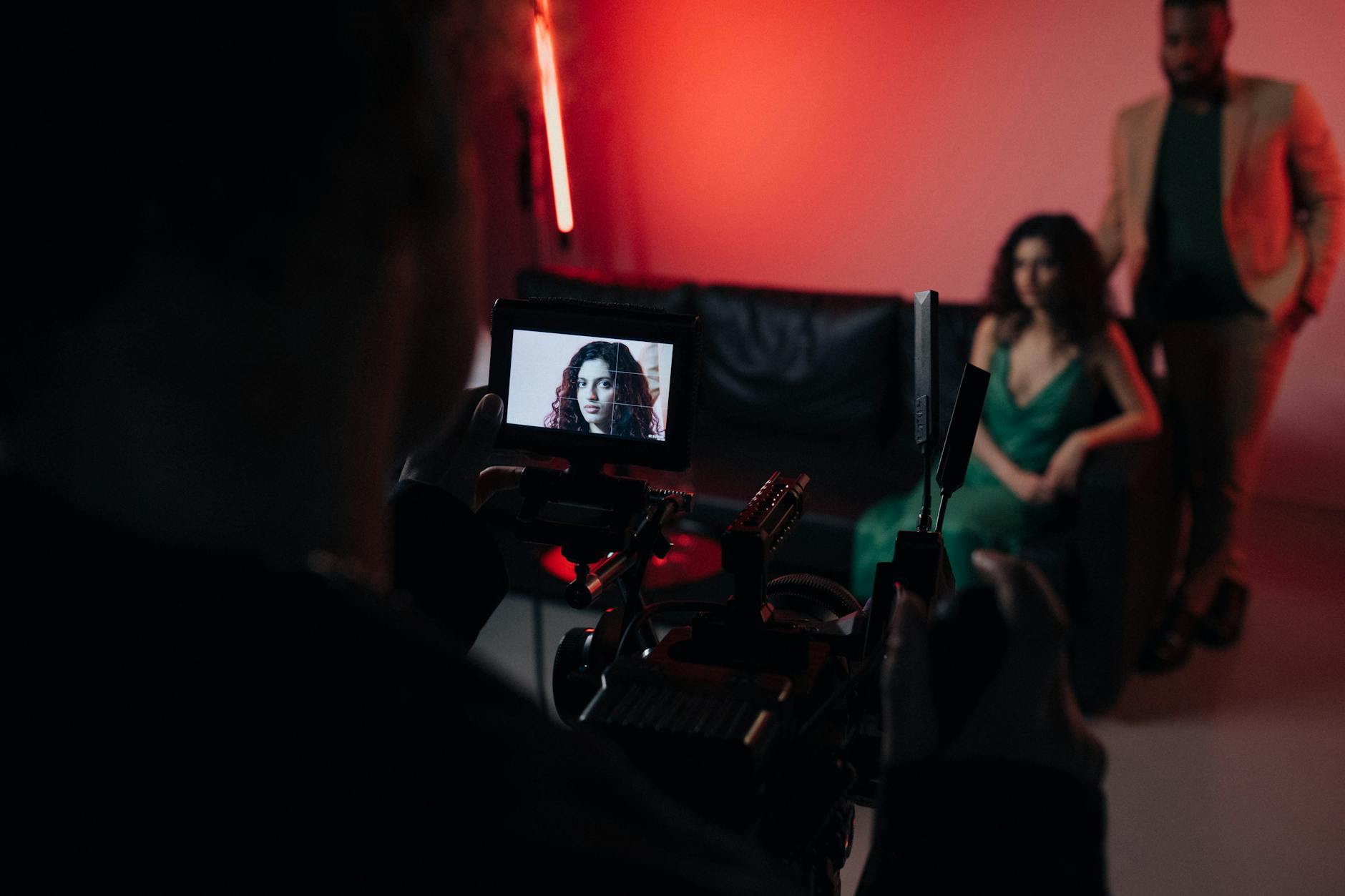
After completing the photoshoot, a thorough review process is necessary to identify the most effective images. The goal is to select photos that best showcase the property's key features while presenting each space in its true form. Use objective criteria such as sharpness, lighting, composition, and relevance.
Image selection should prioritize photos that demonstrate space, layout, and architectural integrity without over-editing or exaggeration. High-quality images that are well-lit and strategically composed help draw attention to the property's strengths.
Additionally, consider the flow of images in the listing. A logical sequence, starting from exterior shots to interior spaces, guides viewers through a virtual tour that feels natural and inviting.
Professional editors are often employed to perform final refinements. These adjustments might include correcting color imbalances, enhancing brightness, or refining sharpness. It is important that these edits do not distort the original view, keeping the images truthful and reliable.
Assessment and Selection of Final Images
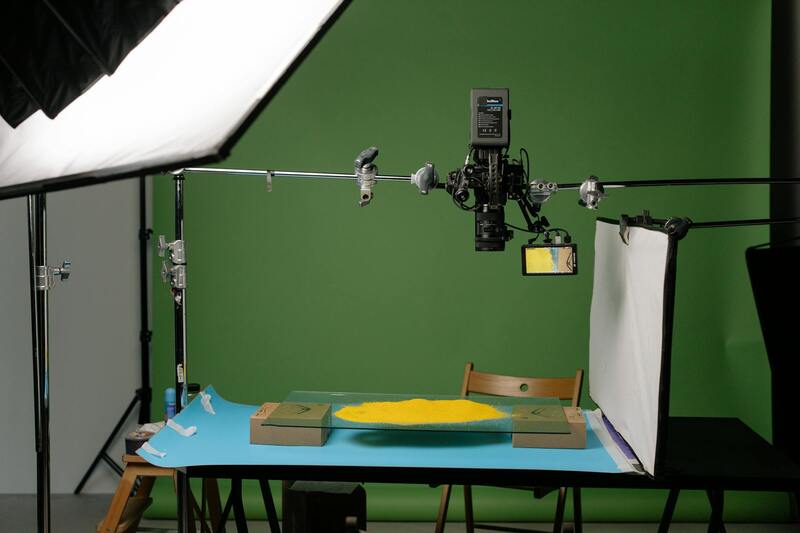
Following the completion of a real estate photoshoot, the process of evaluating and selecting the most appropriate images is crucial for effective property marketing. A meticulous review system involves scrutinizing each photograph based on several objective criteria, including sharpness, lighting quality, composition, and relevance to the property’s features. This ensures that only images that accurately, clearly, and attractively represent the space are chosen.
During image review, emphasis should be placed on capturing the essence of each room—highlighting unique architectural details, space utilization, and natural light exposure. The selected photos must reflect the property's true character without artificial enhancement that could mislead viewers. High-resolution images that demonstrate proper exposure and balanced color tones are optimal for showcasing the property's best attributes.

Strategically sequencing the images plays a significant role in the virtual presentation. Starting with compelling exterior shots sets an inviting tone, followed by a logical progression through interior spaces—living areas, kitchens, bedrooms, bathrooms, and special features like architecture or landscaped yards. This sequence should mimic a natural walkthrough, enhancing viewer engagement and providing a cohesive visual narrative.
Employing professional editing tools is often necessary for final touch-ups, ensuring that each image is polished while preserving its integrity. Adjustments such as correcting color balance, enhancing brightness, or sharpening details should be subtle yet impactful. It is vital that these edits do not distort the reality of the property, maintaining transparency and authenticity in the final presentation.
Utilizing Photos for Effective Marketing and Online Listings
Once the final images have been selected and refined, they become powerful tools for attracting potential buyers across various marketing channels. Optimizing images for online platforms involves more than simply uploading high-resolution photos; it requires tailoring each image's format, size, and resolution to meet platform specifications while ensuring fast load times and visual clarity.
- MLS Listings: High-quality exterior and interior shots help to immediately grab attention and generate interest. Including diverse angles that showcase the property's best features ensures comprehensive virtual tours, making listings more appealing.
- Social Media Campaigns: Customizing images to fit platform specifications, such as creating eye-catching cover photos or featured images, increases social media engagement. captions and hashtags paired with compelling visuals further amplify reach.
- Virtual Tours and 3D Walkthroughs: Integrating high-quality images into virtual tours creates immersive experiences for buyers. Consistent, professional visuals foster trust and stimulate further inquiries.
Effective image optimization also involves descriptive alt-text and metadata, which support search engine visibility and accessibility. Clear, keyword-rich descriptions help improve the property's online discoverability, attracting the right audience and maximizing marketing return on investment.