
Understanding the Role of a Real Estate Photographer
In the competitive landscape of Miami’s real estate market, the visual presentation of a property can significantly influence buyer interest and overall sale success. A professional real estate photographer specializes in capturing high-quality images that showcase a property’s best features, both interior and exterior, in a manner that is appealing, accurate, and compelling. Their responsibilities extend beyond simply taking pictures; they are equipped with an understanding of lighting, composition, and staging techniques that enhance a property's visual appeal.
Effective real estate photography plays a vital role in marketing efforts by creating a first impression that captures attention and encourages potential buyers to explore further. These images serve as the initial touchpoint for online listings, which constitute the primary method for property promotion in Miami’s busy real estate scene. A skilled photographer ensures each shot highlights the space’s dimensions, natural light, and unique characteristics, ultimately helping listings stand out among competitors.
Professional photography also simplifies the virtual viewing process, enabling remote buyers to make informed decisions without an immediate physical visit. This efficiency reduces time on market and accelerates transactions. For real estate agents and property owners, partnering with a knowledgeable photographer ensures consistent quality across multiple listings, maintaining a polished and professional brand image.
Moreover, the responsibilities of a real estate photographer often include post-processing and editing, which fine-tune images for optimal clarity, color accuracy, and visual appeal. They might also assist with staging advice, helping to arrange furniture and decor to maximize space perception and aesthetic appeal. Through a combination of technical expertise and artistic sensibility, a real estate photographer transforms ordinary spaces into memorable visual narratives that resonate with prospective buyers.
In essence, a professional real estate photographer is an essential partner in the property sales process, bridging the gap between space and buyer perception. By producing striking images that highlight a property's best features while accurately representing its qualities, they contribute significantly to the overall marketing strategy and success in Miami's dynamic real estate market.
Key Skills and Qualifications to Look for
Choosing a proficient real estate photographer requires careful assessment of their skills, experience, and professional qualities. An effective photographer should demonstrate a strong technical foundation, including mastery of camera equipment, lighting techniques, and editing software. Their technical knowledge ensures that images are sharp, well-lit, and true to the space, which is vital in Miami's competitive market where high-quality visuals can significantly influence buyer interest.
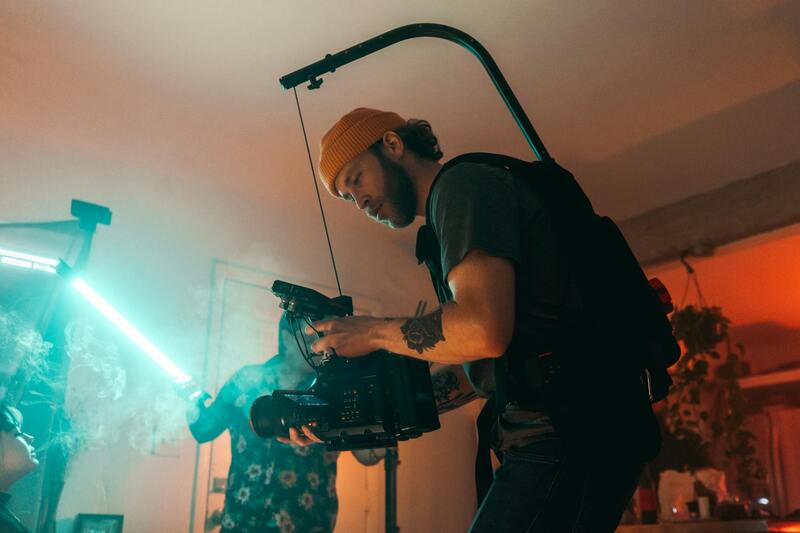
Experience in real estate photography is equally important. A seasoned photographer is adept at capturing spaces from the most flattering angles, utilizing techniques like vertical and horizontal composition to emphasize room proportions and spatial flow. They understand the nuances of different property types, from luxury condos to sprawling single-family homes, tailoring their approach to highlight each property's unique features.
Additionally, a top-tier real estate photographer possesses a keen eye for detail and aesthetics, ensuring every aspect of the shooting process aligns with the property's best attributes. This includes an understanding of color balance, image composition, and timing for natural lighting to produce vibrant, inviting images that stand out on listings.
Qualities like professionalism, punctuality, and effective communication also contribute significantly to a successful collaboration. Reliable photographers adhere to scheduled times, respect client preferences, and provide clear guidance or suggestions for visual enhancement, often based on their familiarity with the Miami real estate landscape.
Certifications or ongoing training in photography techniques and equipment maintenance can further differentiate a high-quality professional. Many experienced photographers stay updated with the latest trends and technological advancements, ensuring that their services remain cutting-edge and aligned with industry standards.
When evaluating potential photographers, it’s advisable to review their portfolio meticulously. A diverse portfolio showcasing various property types, lighting conditions, and stylistic approaches indicates adaptability and a comprehensive skill set. References or client testimonials can also provide insight into their reliability, customer service, and overall satisfaction among previous clients.
In sum, a proficient real estate photographer in Miami combines technical expertise, artistic sensibility, industry experience, and professional integrity. Their capabilities directly influence the visual appeal of property listings, which in turn impacts the speed and success of sales.
Ensuring that your chosen professional meets these criteria will help maximize the visual impact of your property and attract serious buyers in Miami's dynamic housing market.
Factors Influencing Photographer Rates and Budgeting
When planning a real estate photography project, understanding the factors that influence pricing is essential for making informed decisions. Several elements can affect the overall cost of professional real estate photography services, and recognizing these can help clients allocate their budgets more effectively.
- Property Size and Complexity: Larger properties or those with intricate architectural details typically require more time and effort to photograph. The number of rooms, special features, and unique layouts can contribute to higher rates.
- Photography Styles and Additional Services: Standard interior and exterior shots might be included in base packages, but specialized services such as drone photography, twilight shots, or 3D virtual tours often come with additional charges.
- Equipment and Technology: The use of high-end cameras, stabilization gear, drones, and advanced lighting systems can influence pricing, reflecting the investment in quality technology that enhances image quality.
- Turnaround Time: Urgent requests or fast turnaround requirements may incur premium fees. Clients seeking quick delivery to meet listing deadlines should consider this when budgeting.
- Experience and Reputation: Seasoned professionals with extensive portfolios and industry recognition often command higher rates, justified by their expertise and proven track record.
Developing a clear understanding of these elements allows clients to tailor their expectations and negotiate services that fit their financial plan without compromising on quality. It's prudent to request detailed quotes from multiple providers, compare inclusions, and evaluate the value offered relative to the cost. Remember, investing in high-quality imagery can significantly impact property visibility, attract more potential buyers, and expedite sales processes, especially in a competitive real estate market like Miami.
Effective communication with your photographer about your specific goals and requirements ensures transparency and helps establish a fair rate structure. Clarify what services are included, timelines, potential extras, and policies for revisions. This upfront approach fosters a smooth collaboration, avoiding surprises and ensuring the final images meet your expectations.
Understanding the Role of a Real Estate Photographer
A real estate photographer specializes in capturing images that highlight the best features of properties for sale or rent. Their primary goal is to create visually appealing photographs that attract potential buyers and renters, ultimately accelerating the sales process. These professionals utilize a variety of techniques and equipment to produce high-quality images, including wide-angle lenses, professional lighting, stabilization gear, and drones for aerial shots. Their expertise extends beyond simply taking pictures; they understand how to portray a property's space, scale, and ambiance convincingly.
Their work involves more than just technical skill; it requires an understanding of the real estate market's expectations and trends. A skilled real estate photographer knows how to highlight a property's unique selling points, emphasize its spaciousness, and create an inviting atmosphere. This ability directly impacts the property's online presentation, which is often the first point of contact for prospective buyers. Well-composed, sharp images can make a listing stand out in competitive markets, especially in vibrant locations like Miami, where real estate visuals often serve as a critical marketing tool.
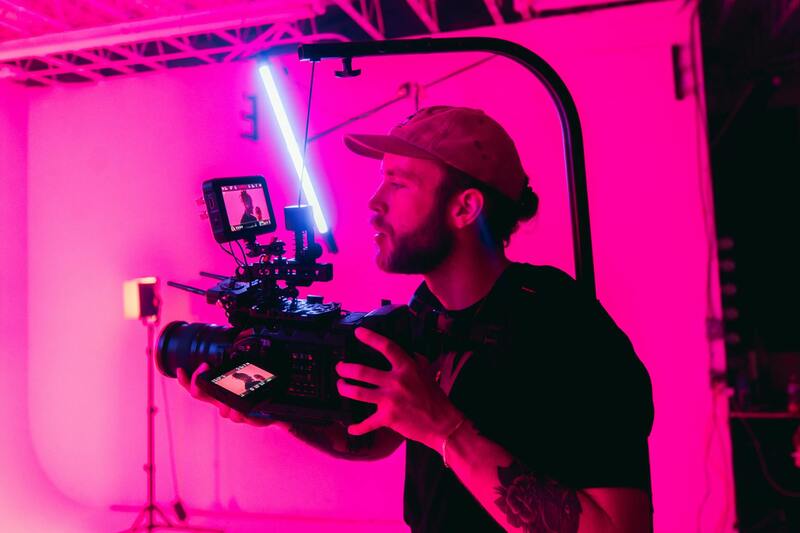
Understanding the Scope of a Real Estate Photographer's Work
Beyond capturing still images, many real estate photographers provide additional services that enhance property presentation. These can include virtual tours, 3D walkthroughs, twilight photography to showcase properties in different lighting conditions, and drone footage for spectacular aerial views. Such offerings can significantly elevate a listing’s appeal, capturing the attention of prospective buyers both locally and internationally.
Importance of Technical Proficiency and Artistic Vision
Professional qualities such as technical proficiency in exposure, composition, and editing are vital. A capable photographer also has a keen eye for aesthetics, ensuring that each shot aligns with current real estate marketing trends. Their creative approach involves selecting optimal angles, managing lighting effectively, and editing photos to enhance clarity without overselling or misrepresenting the property.
Conclusion
Real estate photographers serve as vital partners in the marketing chain, transforming property visuals into compelling narratives that drive interest and expedite sales. Their skills blend technical expertise with artistic insight, ensuring each image effectively communicates the property's value. When engaging with a real estate photographer, it’s crucial to appreciate the breadth of services they offer and the importance of their role in achieving successful property transactions.
Strategies for Approaching and Contracting a Real Estate Photographer
Engaging a professional real estate photographer requires a strategic approach that ensures your property is showcased effectively. Start by clearly defining your goals for the shoot. Consider whether you need high-resolution images for online listings, virtual tours, drone footage, or twilight shots. This clarity helps in identifying photographers who specialize in the specific services you require.
When reaching out, prepare to discuss your property details, including its size, unique features, and any particular requirements for the shoot. Providing comprehensive information upfront allows the photographer to tailor their approach, prepare necessary equipment, and suggest optimal timing for capturing the best lighting conditions.

Next, review portfolios meticulously to assess the quality and style of previous work. Look for consistency in image clarity, composition, and lighting, as these are indicators of professionalism and technical skill. Client testimonials and online reviews further offer insight into their reliability, punctuality, and ability to deliver results that meet client expectations.
Discuss contractual details thoroughly before signing an agreement. Clarify shoot duration, delivery timelines, rights to the images, and any additional costs for supplementary services like drone shots or twilight photography. Confirming these details upfront helps avoid misunderstandings and ensures the project proceeds smoothly.
Additionally, consider the photographer's familiarity with the Miami real estate market. A photographer experienced in local properties understands regional aesthetics, lighting conditions, and the preferences of potential buyers, thus creating images that resonate well within the local market dynamics.
To facilitate a successful collaboration, provide the photographer with access to the property in advance. This allows them to plan shots, assess lighting conditions at different times of the day, and ensure the space is tidy and presentable for optimal results. If applicable, discuss the possibility of scheduling photos during specific times to capture natural light and outdoor views that highlight the property's best features.
Finally, establish a clear communication line for feedback and revisions. Professional photographers welcome constructive input to ensure their work aligns precisely with your marketing goals, ultimately leading to compelling visuals that attract prospective buyers and accelerate property sales.
Understanding the Role of a Real Estate Photographer
A real estate photographer specializes in capturing high-quality images of residential and commercial properties to enhance their market appeal. Their work goes beyond simple snapshots, requiring a keen eye for composition, lighting, and the unique features that make each property stand out. These professionals understand how to highlight a property's best attributes, whether it's a luxurious interior, a spacious outdoor area, or a stunning view typical of Miami's vibrant neighborhoods.
Through their expertise, real estate photographers create visual narratives that attract prospective buyers and renters. Their images serve as a bridge between the property's physical space and the viewers’ imagination, facilitating a more emotional connection with potential clients. For real estate professionals and property owners alike, engaging a skilled photographer can significantly influence how quickly and effectively a property is marketed.
A dedicated real estate photographer must possess technical proficiency in various camera techniques, such as HDR imaging, wide-angle shots, and sometimes drone photography, to capture comprehensive perspectives. Training in staging and an understanding of current market aesthetics also play pivotal roles in producing compelling visuals that align with the target demographic's preferences.
Key Skills and Qualifications to Look for
- Proficiency in contemporary photography equipment and editing software to ensure crisp, appealing images.
- Experience with real estate shoots, understanding how to showcase space and light effectively.
- Knowledge of local market trends, including popular styles and aesthetic preferences in Miami's diverse neighborhoods.
- Strong communication skills to interpret client needs and provide guidance on optimal shot selection and angles.
- Ability to work efficiently within tight schedules, especially when properties are vacant or during optimal lighting times.
Types of Photography Services Offered
- High-resolution interior and exterior photos capturing all key features.
- Drone photography to showcase larger properties and scenic surroundings.
- Twilight and sunset shots to emphasize property lighting and ambiance.
- Virtual staging and post-processing to enhance visual appeal.
- Video walkthroughs and 360-degree tours, increasingly popular in digital property marketing.
Factors Influencing Photographer Rates and Budgeting
Pricing for real estate photography services can vary based on several factors. These include the scope and complexity of the shoot, the number and size of the property images required, and additional elements like drone footage or evening shots. Photographers with extensive experience or specialized skills in twilight or aerial photography often charge higher rates. Geographic location, such as Miami, with its high demand for attractive property visuals, also influences pricing. Investment in quality photography yields substantial returns, as well-composed visuals can lead to quicker sales at optimal prices. Clients should consider these aspects while planning their marketing budgets to ensure they receive professional results that significantly impact their property's marketability.
How to Evaluate and Choose the Right Photographer
Selecting the ideal real estate photographer involves assessing their portfolio, especially images taken within Miami’s unique setting. Prospective clients should evaluate the diversity and quality of previous work, ensuring the photographer demonstrates a clear understanding of local aesthetics and lighting conditions. References and reviews can provide insights into their professionalism, punctuality, and ability to meet deadlines. Communication is key; a good photographer listens carefully to client needs and offers suggestions on how best to showcase the property's features. Clarifying logistical details, such as scheduling, property access, and deliverables, early in the process ensures a smooth collaboration. Additionally, transparency regarding costs and what services are included helps avoid misunderstandings. An experienced local photographer familiar with Miami’s real estate market can tailor their approach to highlight aspects most appealing to regional buyers. This familiarity often results in images that resonate more effectively within the target market, ultimately accelerating the sale process.
Understanding the Role of a Real Estate Photographer
In the competitive Miami real estate market, the expertise of a professional real estate photographer can significantly influence a property's marketability. These specialists are adept at capturing the essence of a property through high-quality visuals that highlight its most attractive features. Their role extends beyond simply taking pictures; they carefully plan shots that emphasize space, light, and architecture, ensuring each listing stands out in a crowded marketplace. Knowledge of the local climate, architectural styles, and popular neighborhood features enables them to produce images that resonate with prospective buyers and investors.
Real estate photographers also understand the importance of timing and weather conditions, scheduling shoots during optimal lighting hours to capture properties in their best light. Their work involves preparing the property beforehand—staging rooms, adjusting furniture, and sometimes providing guidance on decluttering—to ensure each photograph conveys a polished and inviting atmosphere. This comprehensive approach helps to create an emotional connection with viewers, accelerating the decision-making process for potential buyers.
Key Skills and Qualifications to Look for
When seeking a professional real estate photographer, certain skills and credentials stand out as indicators of quality. First, proficiency with advanced camera equipment and editing software ensures high-resolution images that can be used across various marketing channels. Expertise in wide-angle lenses allows the photographer to capture expansive indoor spaces, making rooms appear larger and more appealing.
- Technical competence: Mastery of lighting, exposure, and composition techniques.
- Practical experience: A solid portfolio of Miami-specific properties demonstrating versatility in architectural styles.
- Staging knowledge: Ability to guide property presentation for maximum visual appeal.
- Timeliness and professionalism: Reliable delivery within agreed deadlines and clear communication throughout the project.
Credentials, such as certifications in real estate photography or related fields, can further validate their expertise. Local experience demonstrating familiarity with Miami’s neighborhood nuances and seasonal variations is particularly advantageous, as it ensures the imagery aligns with regional aesthetic preferences.
Types of Photography Services Offered
A comprehensive real estate photography service typically encompasses several specialized offerings designed to showcase properties comprehensively:
- Interior Photography: Emphasizes room layouts, furnishings, and design details.
- Exterior Photography: Captures curb appeal and landscaping elements, often including aerial shots.
- Twilight Sessions: Creates dramatic images during the evening hours with sunset or twilight lighting.
- Virtual Tours and 360-Degree Imaging: Offers immersive experiences that allow prospective buyers to explore the property remotely.
- Aerial Photography: Utilizes drones to provide sweeping views of the property and neighborhood, which is especially valuable in Miami’s tropical and coastal contexts.
These diversified services enable real estate professionals and property owners to craft compelling listings that target a broad audience and maximize market exposure. Integrating high-quality images with virtual tour options can significantly increase engagement and lead to faster sales.
Factors Influencing Photographer Rates and Budgeting
Understanding the variables that impact pricing helps clients allocate their budgets more effectively. The complexity of the property, the number of photos and types of shots required, and geographic considerations all influence costs. For example, properties with extensive outdoor areas or those requiring drone photography will typically entail higher fees due to additional equipment and expertise needed.
- Property size and complexity: Larger or uniquely shaped spaces might require more shooting time and post-processing.
- Number of images: A comprehensive package with numerous high-resolution photos increases the overall expense.
- Specialized services: Twilight shoots, aerial imagery, or virtual tours often come at a premium.
- Turnaround time: Expedited delivery can add to the cost, especially if priority scheduling is involved.
- Location-specific factors: Miami’s unique urban landscape, coastal views, and variable weather conditions may influence scheduling and pricing considerations.
Investing in quality visuals is an essential aspect of real estate marketing, and understanding these factors can help clients optimize their expenditure while ensuring they receive impactful imagery that appeals to regional and international buyers alike.
Understanding the Role of a Real Estate Photographer
The professional real estate photographer serves as a critical component in the property marketing process. Their primary role extends beyond capturing aesthetically pleasing images; they focus on highlighting a property's unique features to resonate with potential buyers. An experienced photographer understands the importance of lighting, composition, and technical prowess, which collectively work to produce images that convey space, ambiance, and lifestyle appeal. Their expertise ensures that each shot accentuates the property’s strengths, whether showcasing a modern kitchen, expansive outdoor areas, or scenic views common in Miami. These images act as the first point of connection with prospective buyers, making it imperative to have skilled professionals who can encapsulate the property's essence effectively.
Beyond technical skills, a real estate photographer often collaborates with real estate agents and property managers to understand marketing objectives, target demographics, and the specific visual narrative desired. Their role may include diverse shooting techniques such as wide-angle lens photography, drone aerial shots, and virtual tour captures, all aimed at enhancing online listings' appeal. Properly executed images not only attract more viewers but also facilitate faster sales by providing a transparent and engaging representation of the property.
Key Skills and Qualifications to Look for
- Generous experience with real estate and architectural photography
- Proficiency in advanced camera equipment, including wide-angle lenses and drones
- Knowledge of lighting techniques and post-production editing
- Understanding of regional market trends and property types in Miami
- Strong portfolio demonstrating a range of successful property shoots
- Ability to work efficiently within time constraints to meet scheduling needs
Types of Photography Services Offered
- Interior and exterior high-resolution photographs
- Twilight and dusk shots to showcase property ambiance
- Aerial imagery using drone technology for upscale or waterfront properties
- Virtual tours and 3D walkthroughs enhancing online listings
- Video walkthroughs that provide dynamic representations of spaces
Factors Influencing Photographer Rates and Budgeting
Understanding the variables that impact pricing helps clients allocate their budgets more effectively. The complexity of the property, the number of photos and types of shots required, and geographic considerations all influence costs. For example, properties with extensive outdoor areas or those requiring drone photography will typically entail higher fees due to additional equipment and expertise needed.

Property size and complexity: Larger or uniquely shaped spaces might require more shooting time and post-processing.
Number of images: A comprehensive package with numerous high-resolution photos increases the overall expense.
Specialized services: Twilight shoots, aerial imagery, or virtual tours often come at a premium.
Turnaround time: Expedited delivery can add to the cost, especially if priority scheduling is involved.
Location-specific factors: Miami’s vibrant urban landscape, waterfront views, and variable weather conditions influence scheduling and pricing considerations. Performing shoots during optimal weather windows ensures the best quality images, which also affects overall costs.
How to Evaluate and Choose the Right Photographer
- Review portfolios to assess visual style and consistency
- Verify technical capabilities, including drone operation if aerial shots are desired
- Seek references from previous clients to gauge professionalism and punctuality
- Ensure understanding of your marketing goals and property features
- Compare quotes to evaluate value based on offered services and quality
The Importance of Location and Indoor-Outdoor Shots in Miami
Miami’s diverse landscapes require a tailored photographic approach. Properties situated along the coast or with expansive outdoor living areas benefit from well-executed outdoor shots, capturing scenic views and sunset lighting, especially during twilight hours. Indoor photography needs to emphasize natural light, spaciousness, and modern design elements prevalent in regional architecture. Combining both perspectives creates a comprehensive visual narrative that appeals to both regional and international audiences.
Strategic timing and effective use of lighting are essential to maximize visual impact in Miami’s unique environment. High-quality images of outdoor amenities, beachfront access, or city skyline views can turn a listing into a showcase piece, drawing in more interest and underscoring the property's desirability.