
Importance of Professional Realty Photography
In the competitive Miami real estate market, the visual presentation of a property can significantly impact its sale performance. High-quality realty photography plays a crucial role in attracting potential buyers, showcasing the property's best features, and providing an accurate representation of the space. Listings with professional images tend to receive more views and engagement, leading to faster sales cycles and potentially higher sale prices. When buyers browse online listings, their initial impression is formed solely through photos. Clear, well-composed images can evoke emotional responses and generate greater interest in attending physical viewings, act as a deciding factor in narrowing down options, and ultimately increase the likelihood of a prompt transaction. Properly captured realty photography also enhances a property's perceived value and professionalism, reassuring prospects of the property's condition and appeal. Therefore, investing in quality visuals is essential for real estate agents and property owners aiming to maximize the property's market potential in Miami's dynamic real estate scene.
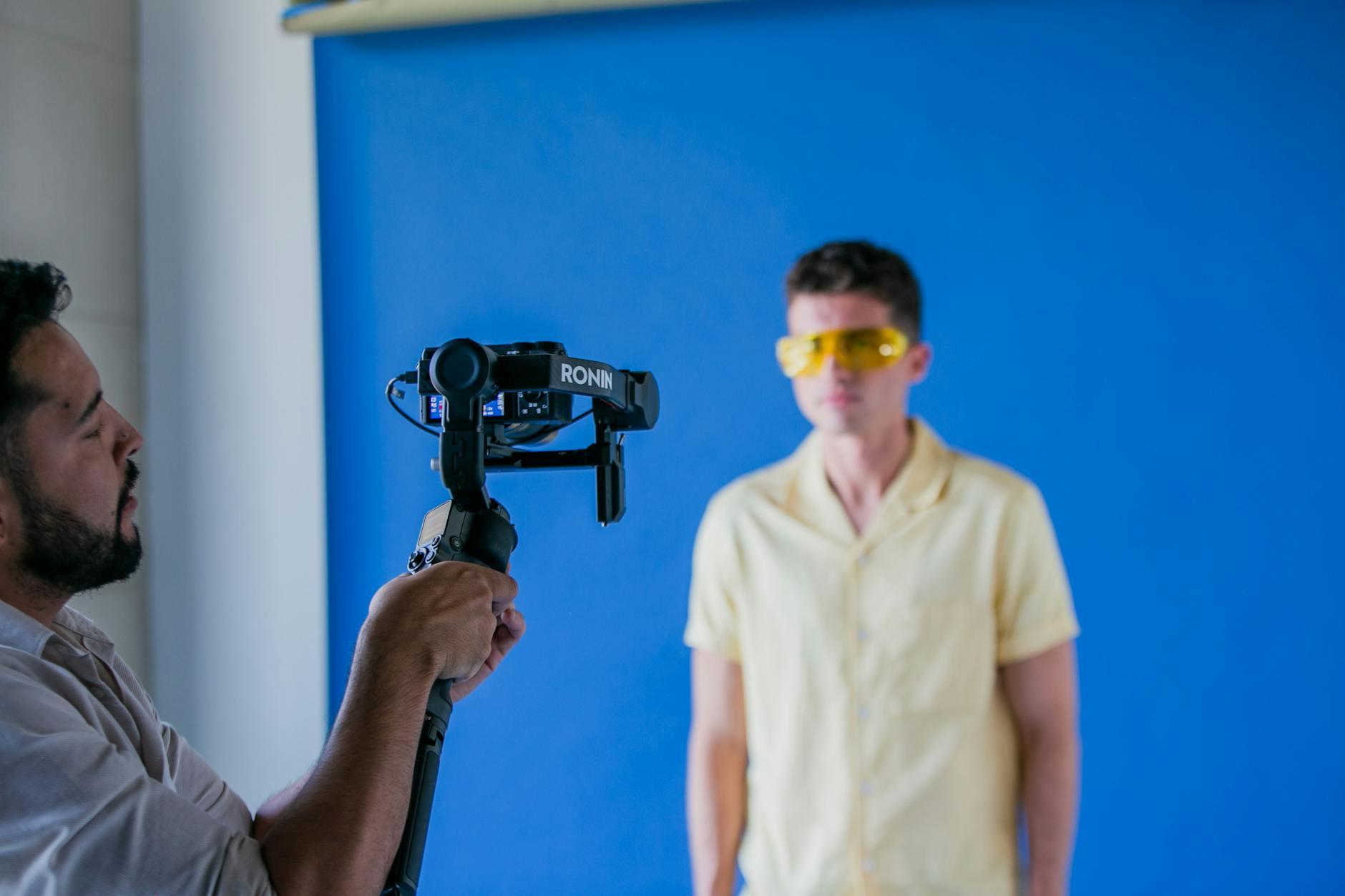
How Effective Realty Photography Impacts Listings
- Increased Visibility: Listings with professional photos are more likely to be featured prominently on online platforms, increasing exposure among prospective buyers.
- Enhanced Credibility: Well-crafted images convey professionalism and attention to detail, establishing trust with potential clients.
- Faster Sale Times: Attractive imagery reduces the time a property spends on the market by capturing interest early in the viewing process.
- Higher Sale Price: Properties showcased with high-quality photos often command higher offers, reflecting their premium presentation.
The Role of Visual Content in Buyer Decision-Making
Visual content serves as the primary source of information for today's property buyers. In a vibrant market like Miami, where buyers often browse numerous listings online, compelling images can differentiate a property from the competition. The ability of professional realty photography to accurately depict space, lighting, and design details helps buyers form an emotional connection and envision themselves living in the home. This connection often results in increased inquiries and scheduled viewings. Additionally, high-quality imagery sets a professional tone that aligns with the property's value, fostering confidence among buyers and encouraging swift decisions.
Choosing the Right Equipment and Techniques
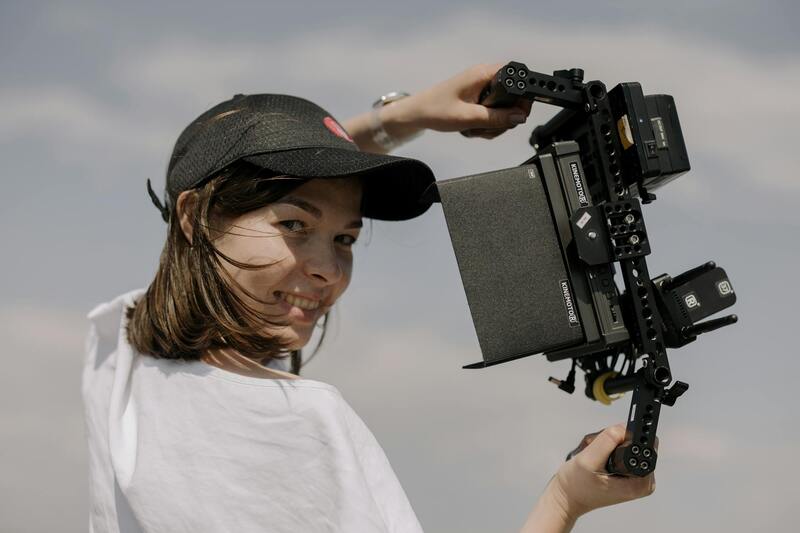
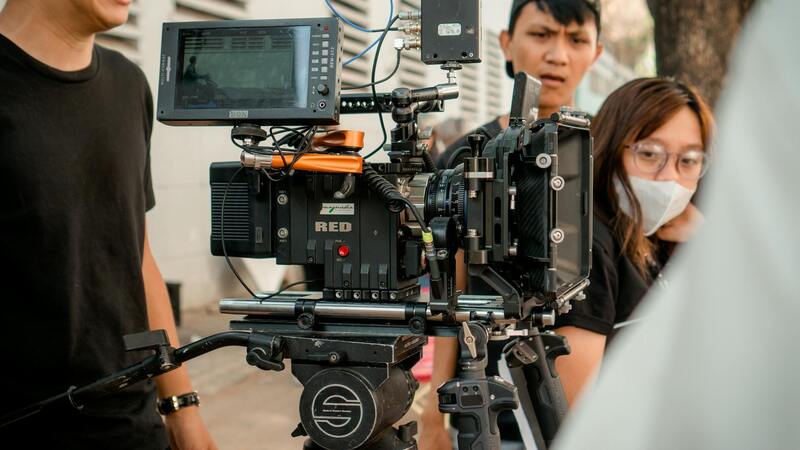
In the realm of professional realty photography, selecting the appropriate equipment is fundamental to capturing compelling images that truly represent a property’s character. High-resolution digital cameras with wide-angle lenses are typically preferred, as they enable photographers to encompass larger spaces within a single frame, reducing the need for extensive photo stitching and ensuring clarity in every shot. Modern DSLR and mirrorless cameras equipped with full-frame sensors are particularly advantageous, providing superior image quality, better dynamic range, and better performance in various lighting conditions.
Beyond camera choice, supplementary equipment plays a critical role. Stabilizers or tripods are essential for maintaining sharpness and consistency, especially during longer exposures in low-light scenarios. Drone photography has become increasingly relevant in Miami’s market due to its ability to showcase expansive outdoor features and proximity to scenic surroundings or waterfront views, offering a unique perspective that appeals to prospective buyers.
Lighting techniques are another hallmark of professional realty photography. Proper illumination ensures that interiors appear bright, welcoming, and true to life. Photographers often employ the use of natural light, supplemented with portable lighting setups such as external flash units or continuous LED lights to eliminate shadows and highlight textures. HDR (High Dynamic Range) imaging combines multiple exposures to balance lighting differences between dark and bright areas, producing images with a realistic yet vibrant appearance.
In addition, understanding the specific attributes of the property allows photographers to tailor their approach. For example, capturing the spaciousness of Miami condos involves wide-angle shots that convey openness, while showcasing outdoor features such as pools or terraces may require aerial photography and optimal timing to maximize natural light. Employing a consistent workflow that includes staging, precise camera settings, and post-shoot review helps in delivering imagery that aligns with the overall marketing objective.
Overall, mastery of current equipment and techniques ensures that every shot communicates the property’s value and uniqueness, thus engaging potential buyers effectively.
Choosing the Right Equipment and Techniques
Effective realty photography hinges on the selection of appropriate tools and methods that capture a property’s essence with clarity and appeal. High-quality DSLR cameras are the foundation, offering the flexibility to adjust settings such as aperture, shutter speed, and ISO for optimal exposure. Pairing these cameras with specialized wide-angle lenses is particularly advantageous in real estate photography, as they allow for expansive shots that showcase room dimensions and architectural features without distortion.
In addition to still images, techniques like High Dynamic Range (HDR) imaging play a critical role. HDR involves capturing multiple exposures of the same scene and combining them to produce images with balanced lighting, where both shadowed and brightly lit areas retain detail. This method is especially valuable in properties with complex lighting conditions, such as rooms with large windows or highlighted outdoor views.
Drone photography further expands the visual storytelling toolkit. Aerial shots provide unique perspectives of outdoor features such as lush gardens, swimming pools, or panoramic views of Miami’s scenic landscapes. These images not only enhance the visual appeal but also offer prospective buyers a comprehensive understanding of the property's surroundings. When employing drone technology, proper planning ensures safety, compliance with local regulations, and optimal timing—typically during periods of natural daylight and favorable weather conditions—as well as post-processing to integrate these images seamlessly into the property’s visual portfolio.
Consistent use of a tripod maintains sharpness across all shots, especially in lower-light conditions or when employing long exposure techniques. Additionally, understanding the importance of proper camera settings ensures that each photograph is sharp, vibrant, and true to life. Techniques such as bracketing for HDR production and strategic use of natural and artificial lighting help in highlighting a property’s best features, whether emphasizing spaciousness, architectural details, or outdoor amenities.
Importance of Professional Realty Photography
In the competitive Miami real estate market, high-quality photography acts as a vital tool for attracting serious buyers and distinguishing properties from a multitude of listings. Properly executed realty photography ensures that each property’s unique features are showcased effectively, creating an emotional connection with prospective buyers. Skilled real estate photographers understand how to emphasize spacious interiors, highlight architectural details, and capture outdoor amenities in a way that promotes desirability and trustworthiness. Such visuals often serve as the initial impression for potential clients browsing online platforms, making professional imagery a key component in generating interest and speeding up sales cycles.
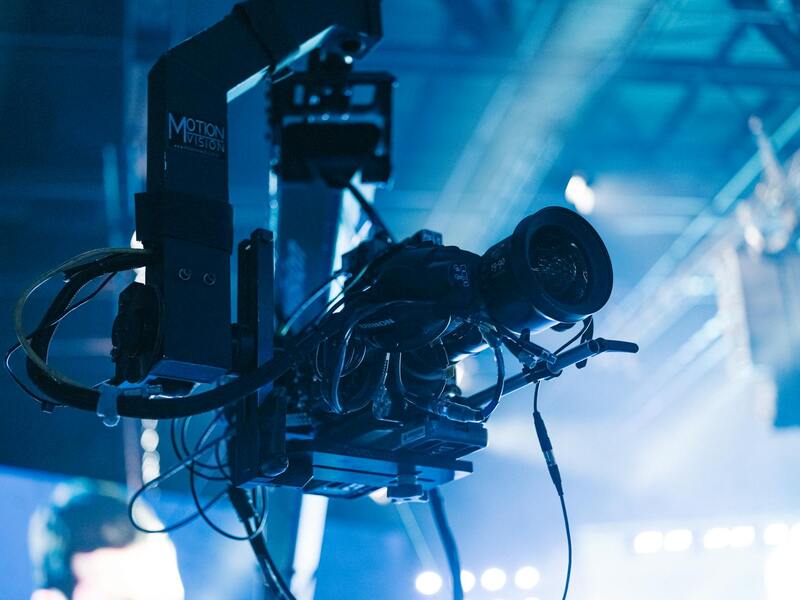
Beyond aesthetic appeal, professional realty images also contribute to a perception of transparency and credibility. When buyers get a clear, accurate visual representation of a property, it reduces the likelihood of surprises or misinterpretations during viewings, leading to more serious inquiries and smoother transactions. In markets like Miami, where luxury properties and unique architectural styles are prevalent, showcasing these features correctly requires a keen eye for detail and technical proficiency. Proper lighting, optimal framing, and strategic composition not only elevate the presentation but also support the overall branding of the real estate agency or seller.
Key Elements of Effective Realty Photography
Successful realty photography involves a combination of technical skill, artistic vision, and an understanding of market preferences. Key elements include:
- Lighting: Natural light is preferred, but supplemental artificial lighting helps fill shadows and highlight interior design details.
- Composition: Carefully framing each shot to showcase the most attractive angles and features of each space.
- Perspective: Wide-angle lenses are essential for capturing the full scope of rooms, making spaces appear larger and more inviting.
- Details: Focus on architectural nuances, finishes, and outdoor views that add to the property's appeal.
- Consistency: Maintaining a uniform style across all images for a cohesive and professional listing presentation.
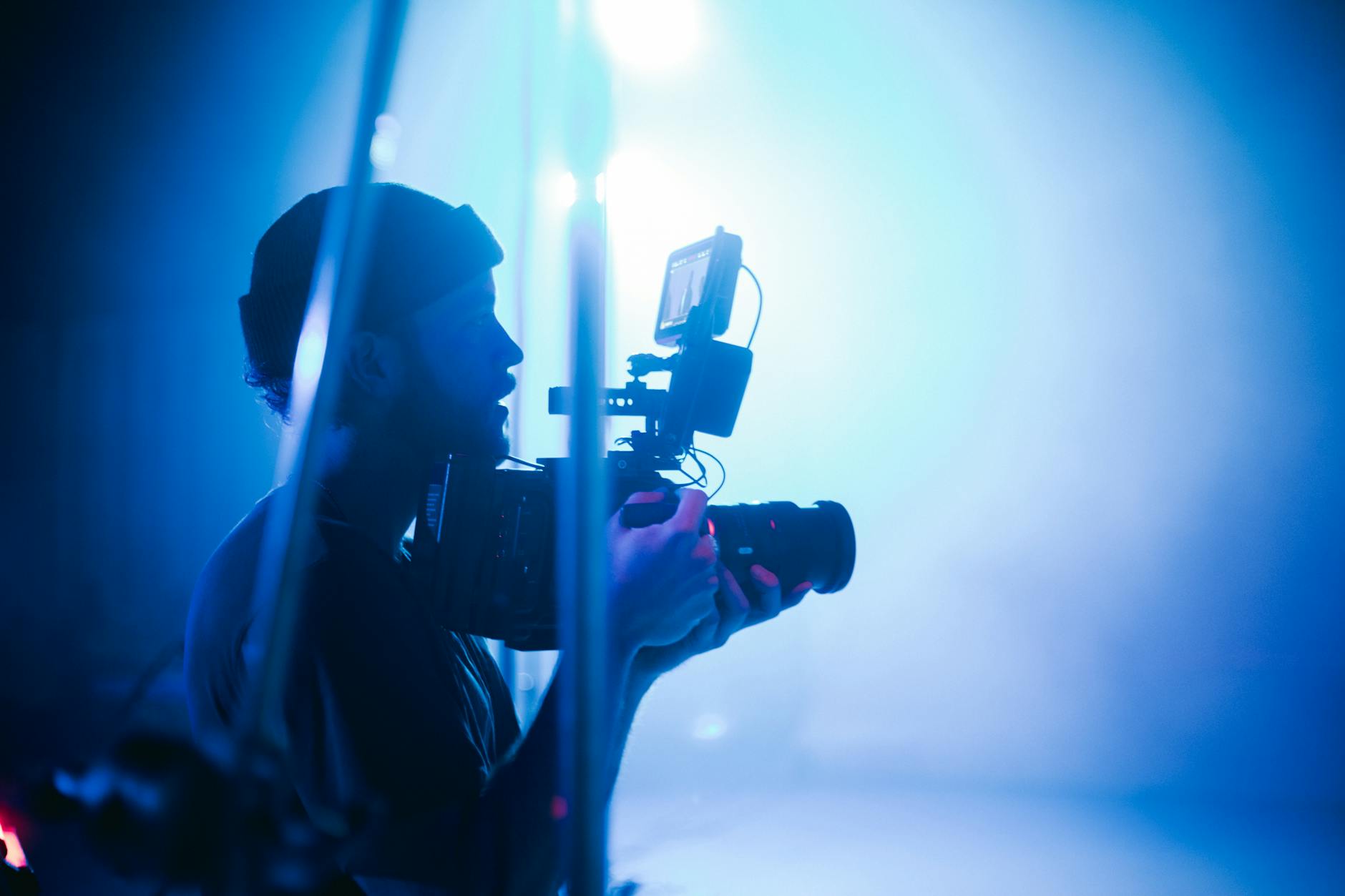
Effective realty photography also involves strategic editing, ensuring images are bright, clear, and true to the actual space. Post-processing techniques such as color correction, straightening horizons, and removing minor imperfections help in creating polished visuals that resonate with viewers, encouraging them to explore further or arrange a viewing.
Choosing the Right Equipment and Techniques
Modern property photography capitalizes on advanced equipment to produce high-quality images. Digital single-lens reflex (DSLR) cameras or mirrorless models equipped with wide-angle lenses are commonly used to capture expansive interior scenes with clarity and detail. These lenses help illustrate spatial relationships and architectural features that might be lost with narrower perspectives.
The use of drones adds another dimension, especially for outdoor properties or those with scenic surroundings. Aerial shots provide context by revealing landscape features, outdoor amenities, and the property's surroundings from a perspective impossible to achieve from the ground alone. Proper planning, including adherence to local regulations and optimal timing during daylight hours, is essential when employing drone technology to ensure safety and excellent visual results.
Additionally, employing tripods guarantees sharp images, especially in lower-light conditions or when using long exposures to enhance interior brightness. Advanced techniques like HDR bracketing enable capturing high-contrast scenes, ensuring that both interior and exterior elements are correctly exposed within a single composite image. The combination of these tools and techniques results in marketing-ready visuals that effectively communicate a property’s value.
Best Practices for Shooting in Miami's Market
Succeeding in Miami's competitive real estate environment requires a strategic approach to photography that highlights the unique appeal of each property. When preparing for a shoot, it is essential to consider the timing and natural lighting conditions specific to Miami's climate. Shooting during the golden hours—shortly after sunrise and before sunset—bestows a warm, inviting glow on properties, making spaces appear more spacious and vibrant. Additionally, overcast days can serve as optimal conditions for capturing interior shots without harsh shadows or uneven lighting. To ensure consistent and high-quality results, backdrop management should be a priority. Decluttering spaces and arranging furniture to showcase the property's best features enhances visual appeal. Utilizing wide-angle lenses effectively can help capture comprehensive views of rooms, providing potential buyers with a sense of spatial layout without distortion. In outdoor scenes, framing shots to include Miami’s distinctive landscape features—such as lush gardens, waterfronts, or city skylines—adds contextual value. When photographing outdoor properties or amenities, utilizing drone technology can serve as a potent tool to convey scale and setting. Be mindful of local regulations governing drone use, and coordinate flights during optimal lighting conditions for the best aerial imagery. For interior photography, maintaining consistent camera settings across shoots ensures a cohesive visual presentation. Employing tripods and HDR techniques can mitigate challenges posed by interior lighting variations, resulting in well-exposed images that accurately reflect the space’s ambiance. In crowded or busy settings, deliberate angle selection can minimize distractions and focus attention on the property's main features. For properties with special architectural elements or luxurious finishes, close-up shots should be used judiciously to highlight craftsmanship and quality. Finally, organizing shot lists that prioritize key selling points and unique aspects of each property can streamline the shooting process and ensure no essential details are overlooked. This disciplined approach yields a comprehensive visual narrative that resonates with prospective clients and accelerates the sales cycle.
Post-Processing and Editing for Realty Photos
After capturing high-quality images during the photography session, the subsequent step involves meticulous post-processing to enhance visual appeal while maintaining authenticity. Professional editing ensures that each photograph accurately represents the property's interior and exterior, reinforcing its best features without exaggeration.
Color correction is fundamental in realty photography. Adjustments to brightness, contrast, and saturation can bring out the true colors of walls, furniture, and landscaping, creating images that are inviting and true to life. White balance adjustments help in achieving consistent color temperature across all photos, which is especially important in properties with diverse lighting conditions.
Exposure blending techniques such as High Dynamic Range (HDR) photography are commonly used to address challenging lighting situations. HDR combines multiple exposures to ensure that both bright and shadowed areas are detailed, revealing all elements in a room without washed-out highlights or overly dark corners. This technique is particularly valuable in spaces with large windows or mixed lighting sources.
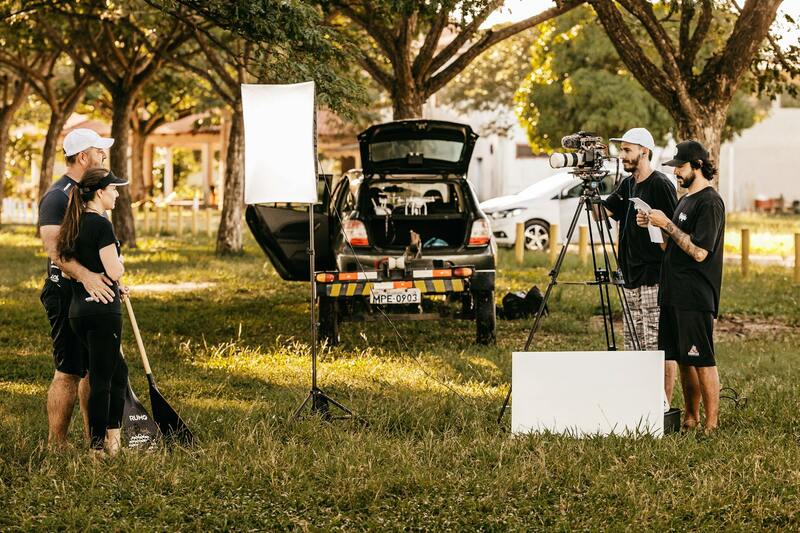
Retouching in realty photography is another vital aspect. It involves subtle edits like removing minor imperfections such as stains, scratches, or clutter that might detract from the property's aesthetic appeal. Careful retouching ensures that the images reflect the property’s true condition without misleading viewers.
Perspective correction and lens distortion adjustments are crucial for maintaining geometric accuracy, especially when images are shot with wide-angle lenses. Straightening lines and correcting perspective distortions preserve the architectural integrity and help prospective buyers envision the property's actual spatial arrangement.
Finally, professional photographers often prepare images specifically optimized for different marketing channels. For online listings, images are resized and compressed to load quickly without sacrificing quality. For print marketing materials, higher-resolution images ensure crisp, detailed visuals that attract attention in brochures or magazines.
Implementing a structured editing workflow guarantees consistent quality across all images, elevating the overall presentation of each property. This attention to detail makes listings more appealing, increases viewer engagement, and accelerates the decision-making process for potential buyers.
Post-Processing and Editing for Realty Photos
Effective post-processing is crucial in transforming raw realty photographs into compelling visuals that capture the attention of prospective buyers. This stage involves meticulous adjustments to ensure each image accurately represents the property's ambiance, size, and appeal. Skilled editing preserves the authenticity of the property while enhancing its visual impact, making it stand out in competitive Miami real estate markets.
Color Correction and Exposure Balancing
Color correction is essential to reproduce accurate hues and tones within each shot. It involves adjusting white balance, contrast, and saturation to reflect true colors, particularly in environments with mixed lighting sources. Proper exposure balancing ensures the property appears bright and inviting without overexposing highlights or losing details in shadows. These tweaks help create a welcoming ambiance that appeals to potential buyers.
Retouching and Imperfection Removal
Subtle retouching plays a pivotal role in cleaning up images. Minor imperfections such as dust spots, clutter, or scratches can distract viewers from the property's true potential. Professional editing involves removing these distractions while maintaining a natural appearance. This process may also include softening distractions in backgrounds or retouching small flaws in finishes, ensuring the property’s features are highlighted effectively.
Perspective Correction and Geometric Adjustments
Wide-angle lenses often introduce geometric distortions such as keystone effects and curved lines, especially in architectural shots. Correcting these distortions preserves the true proportions and architectural integrity of the property. Straightening lines and correcting perspective distortions allow viewers to perceive the space as it is, helping them form accurate mental images of the property's layout.
Optimizing for Different Marketing Channels
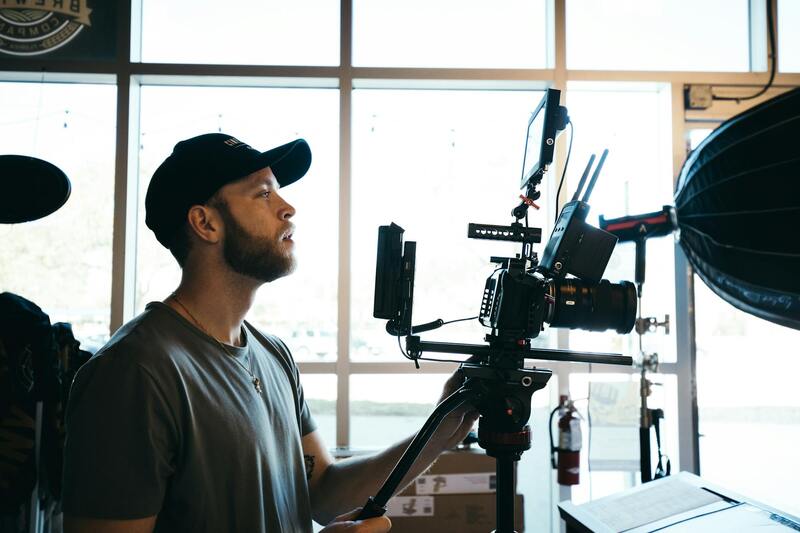
The final stage involves tailoring images for specific marketing needs. Online property listings require compressed images that load swiftly without compromising quality, optimizing user experience across various devices. Conversely, high-resolution images are necessary for print materials like brochures or magazines, where crisp detail influences viewer engagement. Consistent editing workflows guarantee uniformity across all visuals, elevating each property’s promotional presentation.
Workflow and Quality Assurance
A structured editing process ensures that every image maintains a high standard, from exposure and color accuracy to perspective correction. By establishing clear guidelines and utilizing expert editing tools, realty photographers can produce a cohesive portfolio that enhances the overall marketing strategy. This consistency not only attracts more viewers but also accelerates the decision-making process for potential buyers, ultimately leading to quicker property transactions in Miami's dynamic real estate market.
Enhancing Marketing Impact with Professional Realty Photography
To effectively leverage realty photography within your real estate marketing strategy, it’s essential to understand how high-quality visuals influence potential buyers. Professional photography captures the unique features, ambiance, and scale of each property, making listings more attractive and engaging. In the competitive Miami real estate market, where properties are often distinguished by their curb appeal and interior styling, compelling imagery can significantly reduce the time a property spends on the market.
Effective imagery should be visually consistent across all marketing channels, including online listings, social media, brochures, and virtual tours. By presenting a cohesive visual story, real estate professionals can build trust and credibility with prospective buyers, showcasing not just the property but also the lifestyle it offers. Properly styled and lit images help viewers imagine themselves living in the space, transforming passive viewers into active clients.
Utilizing Realty Photography to Maximize Market Reach
Integrating professional photography into your overall marketing approach involves strategic planning and execution. High-quality images should be paired with compelling descriptions to create captivating property listings. Moreover, optimized images tailored for various platforms improve user experience by ensuring fast load times and crisp visuals, regardless of device or screen size. This multi-channel consistency enhances brand recognition and reinforces the property's appeal.
The power of professionally shot realty photos extends beyond digital marketing. Print materials such as brochures and magazine ads benefit from high-resolution images that reveal intricate details and textures. These materials serve as tangible representations of the property, often leaving a lasting impression on prospective buyers and stakeholders, which could influence their decision-making process.
Measuring the Effectiveness of Realty Photography
Tracking engagement metrics such as inquiry rates, click-through ratios, and viewing durations provides valuable insights into how well your images resonate with your target audience. Consistently updating and refining your visual assets based on performance data ensures your marketing efforts stay relevant and effective. High-quality imagery, when combined with strategic distribution, maximizes exposure and attracts the right buyers, ultimately leading to quicker sales and potentially higher offers.
Future Directions in Realty Photography
As the Miami real estate market evolves, so do the expectations for stunning visual content. Emerging technologies like 3D virtual tours, drone aerial shots, and augmented reality applications are setting new standards in property marketing. These innovations allow potential buyers to explore properties remotely with immersive experiences that boost engagement and confidence in their decision-making. Staying ahead in the field involves continually adopting these advanced tools, ensuring that your property listings remain competitive and highly visible in an increasingly digital landscape.