
Role and Importance of an Event Photo Team
An event photo team holds a critical position in the success of any gathering, whether it’s a corporate conference, wedding, festival, or community celebration. Their primary responsibility is to meticulously document the event, capturing spontaneous moments, candid interactions, and artistic compositions that reflect the essence of the occasion. The work of a skilled event photo team extends beyond simple documentation; they create visual stories that resonate with attendees and clients alike, serving as lasting memorabilia that preserve the event’s significance.
High-quality event photography significantly elevates the overall experience for attendees. Exceptional images can evoke emotions, rekindle memories, and promote the event’s success through social media, marketing campaigns, or personal collections. A dedicated event photo team ensures that every important detail, from guest interactions to key speeches, is accurately represented in visual form. Their role is also crucial in enhancing branding efforts, especially for corporate events where showcasing professionalism and engagement is paramount.
Beyond capturing moments, an event photo team acts as an invisible yet pivotal element that elevates the ambiance. Their presence guides the flow of capturing essential highlights without disrupting the natural rhythm of the event. This seamless integration requires a deep understanding of event dynamics, technical expertise, and an eye for detail, making the role of the team indispensable in planning a successful event.
Furthermore, skilled event photographers are adept at managing various lighting conditions, crowd density, and swift changes in the environment. Their ability to adapt ensures comprehensive coverage of the event, providing clients with a diverse portfolio of images that span from wide-angle shots to intimate close-ups. The presence of a professional event photo team ultimately contributes to the overall quality, professionalism, and memorable impact of any event.
Key Skills and Qualifications of Event Photographers
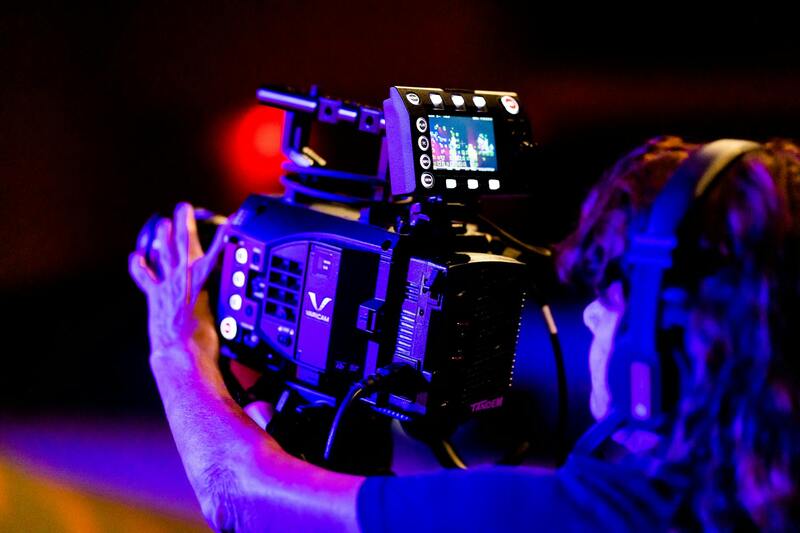
Event photographers play a vital role in capturing the true essence of any gathering, and their effectiveness hinges on a combination of technical skills, artistic insight, and professional experience. Mastery of camera settings, such as ISO, shutter speed, and aperture, allows them to adapt swiftly to varying lighting conditions typical of diverse events. Furthermore, expertise in using different lenses—wide-angle for venue shots, macro for details, and telephoto for candid moments—enables comprehensive coverage tailored to the event’s dynamics.
Beyond technical prowess, event photographers must possess keen observational skills. This includes the ability to anticipate key moments, recognize meaningful interactions, and capture spontaneous expressions that tell a story. An understanding of event flow and schedule is essential to position themselves effectively without obstructing the proceedings.
Creative judgment is another crucial skill, demanding an eye for composition, framing, and lighting to produce visually compelling images. Photographers should also demonstrate adaptability, swiftly adjusting to unexpected changes, such as shifting lighting or unanticipated candid moments. High levels of professionalism, including punctuality, discretion, and excellent communication, further ensure smooth collaboration with event organizers and clients.
Experience with editing software, such as Adobe Lightroom or Photoshop, enhances the photographer’s ability to deliver polished images that meet clients’ expectations. Certifications or formal training in photography and familiarity with current industry trends contribute to their credibility, fostering confidence in their capability to preserve the event’s significance through compelling imagery.
Components of a Professional Event Photo Team
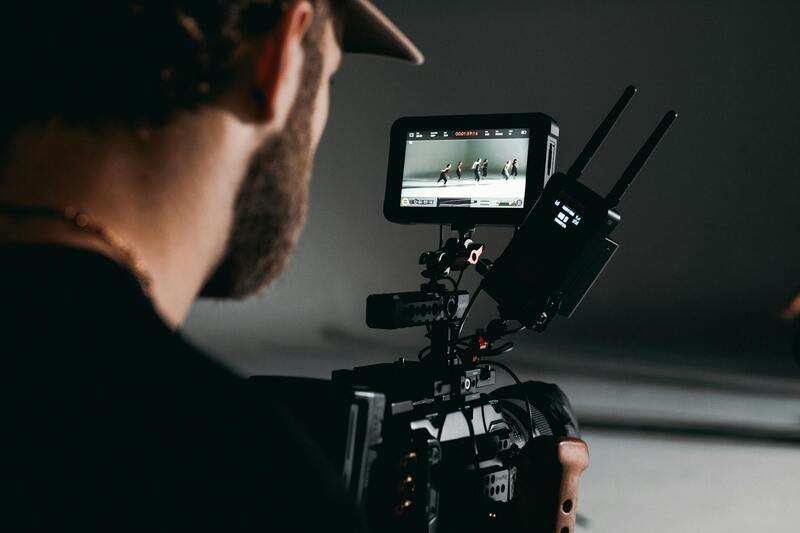
Effective event photography relies on a well-structured team with clearly defined roles. A typical professional event photo team includes a lead photographer who oversees the entire shoot, ensures creative direction, and manages the coordination with clients and event organizers. Supporting this role are assistant photographers or second shooters, who help cover different angles, capture candid moments simultaneously, and provide backup for primary equipment. Support staff may include photo assistants responsible for managing equipment setup, lighting, and ensuring all gear functions smoothly throughout the event.
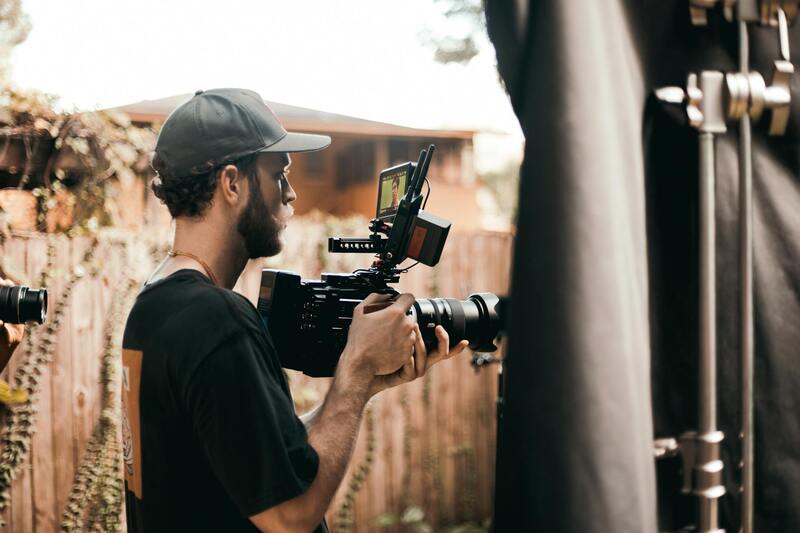
The synergy among team members is essential for maximizing coverage efficiency and capturing a diverse array of images. Delivering a seamless experience requires consistent communication and coordination, both before and during the event. Lead photographers often collaborate with assistants on shot lists and specific moments to prioritize, ensuring no important detail is missed.
In larger events, specialized roles may be incorporated, including videographers, drone operators, and dedicated lighting technicians, depending on the scope and scale of the coverage required. This multi-disciplinary approach allows the team to adapt to different event types and produce a comprehensive suite of visual documentation that captures every significant aspect.
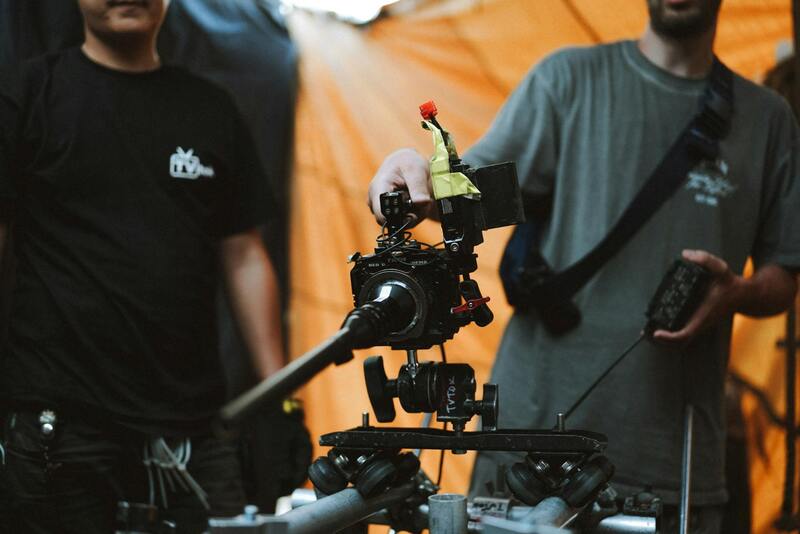
Ultimately, the structure and professionalism of the team influence the success in delivering high-quality images. Clear role delineation, expertise, and smooth collaboration are vital for documenting events that resonate with clients and stand the test of time. Choosing a team with a proven track record of organized, efficient coverage enhances the overall experience for clients seeking to preserve their important moments through photography.
Components of a Professional Event Photo Team
Building an effective event photo team involves carefully selecting individuals with specialized skills and clear role responsibilities. A typical team includes lead photographers, assistant photographers, lighting technicians, and support staff. Each member plays a pivotal part in guaranteeing comprehensive coverage and high-quality images. The lead photographer serves as the primary decision-maker, setting the tone for the coverage, directing shot composition, and ensuring key moments are captured effectively.
Assistant photographers are responsible for secondary shots, adjusting angles, and providing support in managing lighting and equipment. Lighting technicians optimize illumination setups, especially in indoor or challenging environments, allowing photographers to focus on capturing candid or posed moments. Support staff, including photo assistants, handle equipment setup, manage accessories such as reflectors, and troubleshoot technical issues swiftly to prevent disruptions during the event.
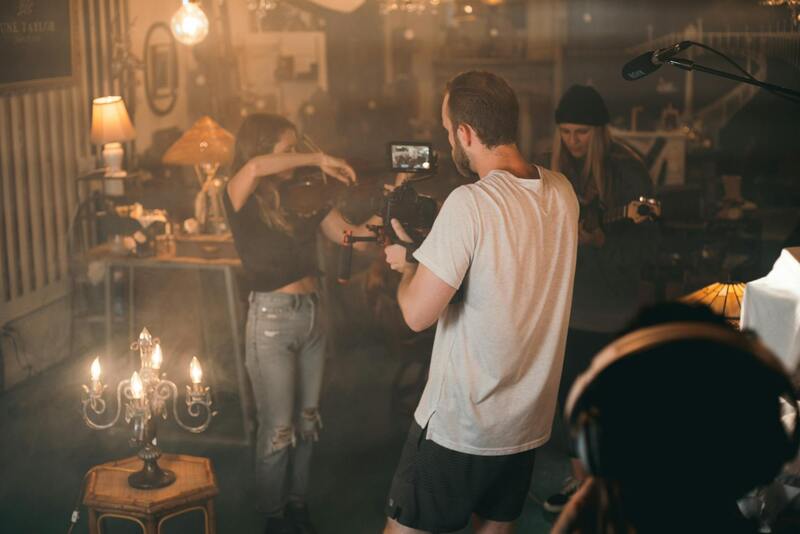
Effective collaboration among these roles is fundamental. Regular pre-event meetings facilitate the development of shot lists aligned with client preferences. During the event, clear communication channels ensure real-time coordination, enabling the team to adapt quickly to changes or unexpected circumstances. Larger events often necessitate the inclusion of specialized roles such as videographers, drone operators, or dedicated lighting technicians, further enhancing the scope and quality of coverage.
Team Dynamics and Synergy
- Defined roles reduce overlap and increase efficiency
- Open communication fosters quick decision-making and adaptability
- Specialized personnel cater to specific needs, from aerial shots to cinematic captures
- Proper training ensures consistency and high standards across all team members
This structured approach allows the team to produce a wide variety of visual content, capturing the essence of each event while meeting client expectations for quality and detail.
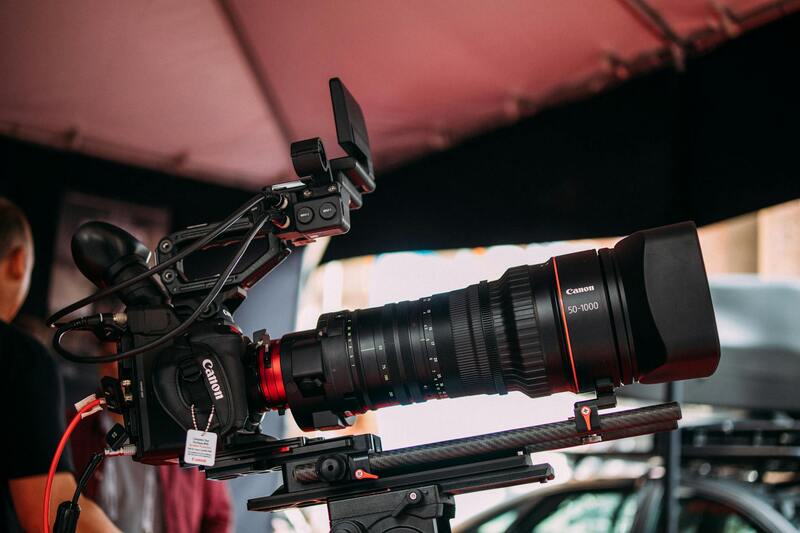
The Impact of a Well-Organized Event Photo Team
Having a well-organized team directly correlates with the overall success in documenting an event. Consistency in image quality, timely delivery, and the ability to adapt to dynamic situations depend on meticulous planning and coordination. A skilled team minimizes missed opportunities, ensuring that every significant moment, from first impressions to candid interactions, is effectively preserved.
Investing in experienced professionals who understand the nuances of event coverage bolsters client satisfaction and builds a reputation for reliability. They bring not only technical expertise but also the foresight to anticipate key moments, which is vital in achieving comprehensive visual storytelling.
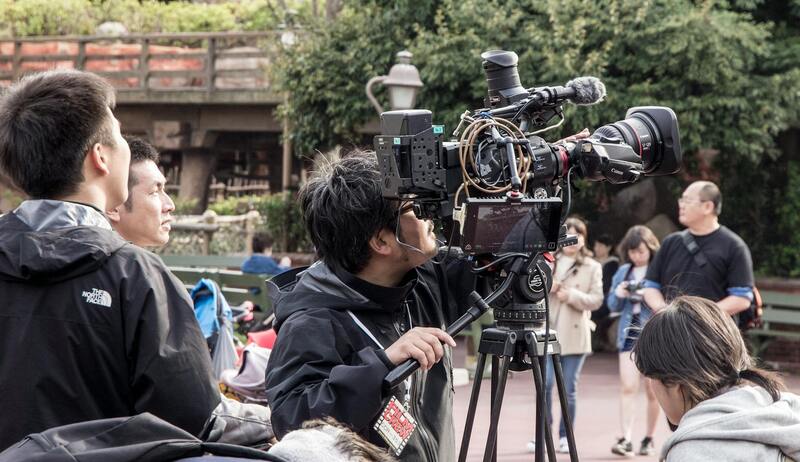
Choosing the right team involves assessing their previous work, understanding their specialization in different event types, and ensuring their approach aligns with your event vision. The professionalism of the team, from initial planning to post-event delivery, sets the foundation for memorable, impactful event imagery that meets high standards of quality and storytelling.
Components of a Professional Event Photo Team
Assembling an effective event photo team requires meticulous selection of skilled professionals who can work in harmony to produce comprehensive visual coverage. The core components typically include lead photographers, assistant photographers, and support staff such as photo editors or coordinators. Each role plays a vital part in ensuring every aspect of the event is captured with precision and artistry.
Lead photographers are responsible for framing key moments, setting the tone for the shoot, and making high-level decisions on composition and focus. Their experience allows them to anticipate significant interactions and spontaneous events, vital for capturing authentic moments. Assistant photographers serve as vital support, helping with positioning, additional angles, and managing equipment to ensure seamless coverage.
Support staff, often engaged in post-processing and image management, contribute significantly to timely delivery and quality control. They handle tasks like culling images, color correction, and formatting, ensuring clients receive polished, presentation-ready photographs. Integrating these roles within a cohesive team structure guarantees flexibility, adaptability, and thorough coverage throughout the event lifecycle.
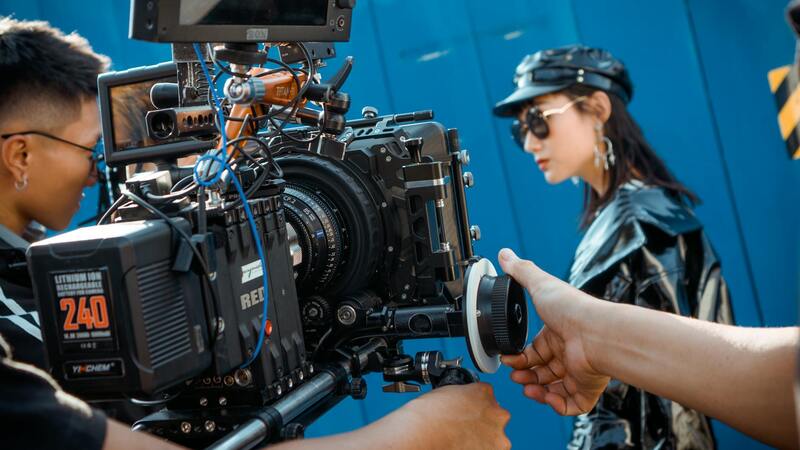
Successfully coordinating a multi-person team involves efficient communication, clear role definitions, and strategic planning. Pre-event briefings set expectations, establish shot lists, and identify critical moments to capture. During the event, ongoing communication allows team members to adapt quickly to unfolding situations, guaranteeing optimal coverage and consistent quality.
Furthermore, investing in specialized roles such as event coordinators or project managers within the team streamlines workflow, manages client expectations, and ensures a seamless experience from initial planning to final image delivery. Professionalism across all team members, combined with comprehensive training and experience, results in images that authentically represent the event's message and atmosphere.
Planning and Coordination for Events in Miami
Planning is fundamental to successful event photography in Miami's vibrant and diverse venues. It involves understanding the event's scope, location specifics, lighting conditions, and logistical considerations. Established communication channels between the photography team and event organizers facilitate synchronization, allowing the team to adapt to venue restrictions and unique site features.
Coordination efforts include site reconnaissance, establishing designated spots for photographers, and reviewing event timelines to ensure coverage of all critical segments. For larger events, creating shot lists aligned with client goals enables the team to prioritize and focus on capturing essential moments, candid interactions, and promotional assets.
Moreover, pre-event site visits foster familiarity with the environment, enabling the team to forecast potential challenges and develop contingency plans. In Miami, where outdoor venues are frequent, understanding weather patterns and lighting conditions can significantly impact the quality of photos. Proper planning ensures that technical equipment is suited to the environment, and backup solutions are in place to mitigate unforeseen circumstances.
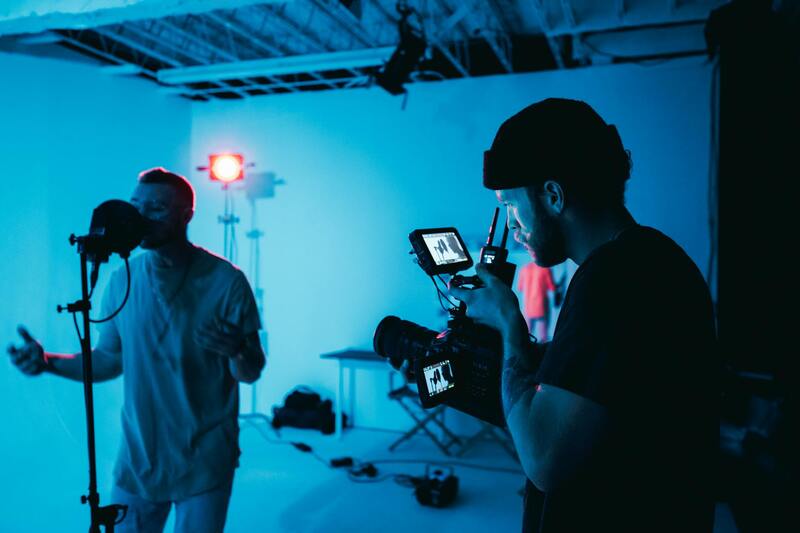
Role and Importance of an Event Photo Team
An event photo team serves as the visual documentation backbone for any gathering, whether it’s a corporate conference, wedding, or community festival. Their role extends beyond simply taking pictures; they are storytellers capturing the essence, emotions, and significance of the event. With each shot, they provide lasting memories and valuable content that can enhance branding, foster engagement, and preserve moments for future reflection.
The presence of a dedicated event photo team also ensures that key moments are not missed amidst the hustle and bustle. Their operational expertise allows them to efficiently navigate complex schedules and dynamic environments, ensuring comprehensive coverage that aligns with the event's objectives. In Miami, where diverse venues and outdoor settings are common, this specialized team is essential for adapting to different lighting conditions and logistical challenges.
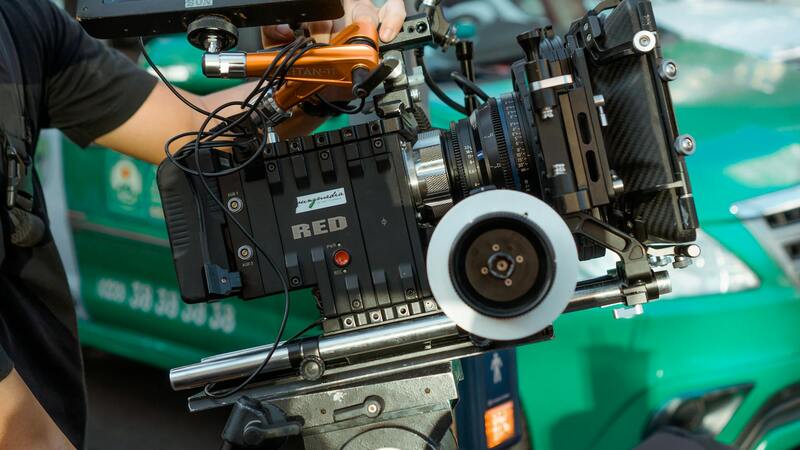
High-quality event photography enhances the credibility and professionalism of the event organizers. It creates a visual record that can be utilized for promotional campaigns, social media engagement, and archival purposes. The effectiveness of an event photo team lies in their ability to deliver impactful images that resonate with viewers, conveying the event’s atmosphere and energy authentically.
Key Skills and Qualifications of Event Photographers
Event photographers must possess a diverse skill set that combines technical proficiency with artistic sensibility. An expert photographer in this field is adept at operating various camera systems, understanding lighting dynamics, and adjusting their approach swiftly as conditions change.
- Technical Expertise: Mastery over camera settings, including exposure, ISO, shutter speed, and white balance to adapt to indoor, outdoor, and mixed lighting situations prevalent in Miami events.
- Communication Skills: The ability to coordinate with event organizers and interact effortlessly with attendees to seamlessly capture candid moments and important highlights.
- Creativity: An eye for framing compelling images that tell a story and evoke emotion, whether through candid shots or staged portraits.
- Attention to Detail: Vigilance in capturing nuanced expressions, decor details, and subtle interactions that contribute to the overall narrative of the event.
- Time Management: Efficiently covering all key moments within tight schedules and ensuring no critical event segment is missed.
Qualifications such as professional certifications, a robust portfolio of event photography, and experience in diverse event settings further elevate a photographer’s capability to meet client expectations in Miami’s unique social landscape.
Components of a Professional Event Photo Team
A well-structured event photo team comprises various roles, each contributing to seamless operation and high-quality outcomes. These components include:
- Lead Photographer: Responsible for overall creative direction, set-up, and capturing key moments.
- Assistant Photographers: Support the lead with additional vantage points, lighting adjustments, and capturing supplementary angles.
- Equipment Managers: Oversee camera gear, lighting equipment, and backup solutions to ensure operational readiness throughout the event.
- Logistics Coordinators: Handle scheduling, site reconnaissance, and facilitate communication between the team and event stakeholders.
- Post-Processing Specialists: Focus on editing, retouching, and preparing images for delivery to meet client specifications.
Developing synergy among these roles is vital for comprehensive coverage and timely delivery. Proper training and clear role delineation also enable the team to adapt swiftly to unexpected changes during Miami’s vibrant event scenes.
Planning and Coordination for Events in Miami
Effective planning and coordination are the cornerstones of successful event photography in Miami. The process begins with a detailed understanding of the event's scope, venue layout, and specific requirements. Establishing open lines of communication with event organizers helps align expectations and set clear objectives for the photographic coverage.
Site reconnaissance or venue walkthroughs are integral to mastering the environment. For outdoor events, understanding lighting patterns, weather considerations, and background elements influences camera settings, positioning, and timing. In Miami's dynamic cityscape, identifying optimal locations for shots, considering crowd flow, and assessing ambient lighting conditions can significantly impact photo quality.
Pre-arranged shot lists focused on important moments, candid interactions, and branding opportunities streamline operations and ensure critical elements are captured. Technology, such as digital maps and scheduling apps, assist in coordinating team movements and managing time effectively during the event.
Contingency strategies, including backup equipment and alternative shooting plans, safeguard against unforeseen challenges such as adverse weather. By thoroughly planning and coordinating, event photo teams can navigate Miami’s vibrant venues smoothly, resulting in comprehensive, high-quality visuals that encapsulate the event’s spirit.
Components of a Professional Event Photo Team
Building an effective event photo team requires assembling professionals with diverse expertise to cover all aspects of visual documentation. A typical team often includes lead photographers, assistant photographers, lighting specialists, and technical support staff. Each member plays a vital role in ensuring seamless coverage, high-quality images, and efficient workflow.
The lead photographer is responsible for capturing the core moments and making creative decisions aligned with the event's goals. Assistants support with logistics, equipment management, and supplementary shots. Lighting specialists are essential for indoor or low-light scenarios, ensuring proper illumination without disrupting the event's atmosphere. Technical support handles camera maintenance, data backup, and troubleshooting any technical issues that arise during the event.
Effective communication within the team is crucial. Clear assignment of roles, pre-event briefings, and real-time coordination ensure that all angles and moments are covered precisely. Collaboration minimizes missed opportunities and maximizes the team's efficiency.
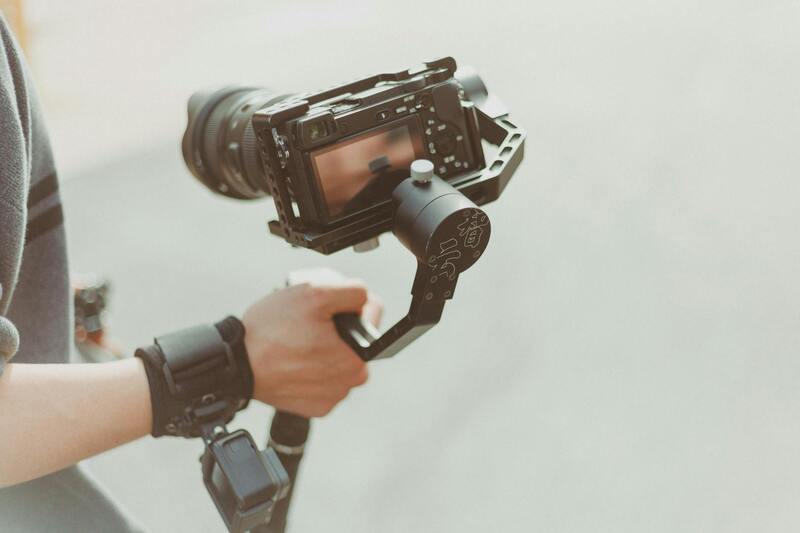
Role and Importance of an Event Photo Team
An experienced event photo team plays an integral role in capturing the essence and memorable moments of any occasion. Their primary responsibility is to ensure every significant detail, emotion, and atmosphere is documented with precision and artistry. In Miami’s vibrant event scene, a professional team that understands the cultural diversity, local settings, and diverse event types enhances the storytelling capability of the photographs. Such a team can adapt to various lighting conditions, event styles, and client expectations, producing visual content that stands out.
Beyond simple documentation, a well-coordinated photo team serves as visual narrators, transforming fleeting moments into timeless images. Their role extends to helping clients convey their event’s theme, mood, and significance through strategic shot composition and lighting. Having a dedicated team ensures consistent quality throughout the event, minimizing missed opportunities to capture candid moments or important details. Additionally, their presence reassures clients that all angles and critical moments are professionally covered, providing peace of mind.
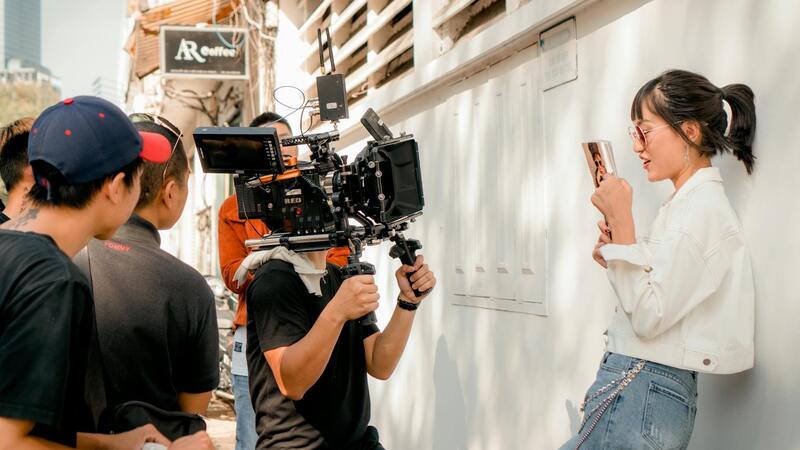
Key Skills and Qualifications of Event Photographers
Event photographers require a blend of technical expertise, artistic sensibility, and interpersonal skills. Technical proficiency includes mastery over various camera settings, lighting techniques, and post-processing workflows. Artistic judgment is essential for framing shots, capturing emotion, and adapting to dynamic environments. Excellent communication skills foster rapport with event organizers, clients, and attendees, facilitating candid shots and ensuring instructions are followed smoothly.
Qualifications such as professional certifications, extensive portfolio experience, and familiarity with local Miami venues help distinguish leading photographers. They should also demonstrate adaptability, problem-solving capabilities, and the ability to work efficiently under pressure. Multiskilled team members, including drone operators or videographers, further elevate the overall quality and diversity of the visual content.
Components of a Professional Event Photo Team
A comprehensive event photo team typically includes a lead photographer, assistants, lighting specialists, and technical support staff. The lead photographer directs the overall vision and coordinates with clients to understand specific needs. Assistants handle logistics, manage equipment, and sometimes shoot supplementary angles or candid moments. Lighting specialists are crucial for indoor or low-light settings, ensuring the scene is illuminated without affecting the ambiance.
Technical support professionals maintain equipment, troubleshoot technical issues during the event, and safeguard data through backups. Depending on the event’s scale and scope, additional roles such as drone operators or videographers may be integrated. The composition and size of the team are tailored to meet the event's unique requirements, ensuring comprehensive and high-quality coverage.
Planning and Coordination for Events in Miami
Effective planning begins weeks before the event, with coordination meetings to align expectations, review logistics, and establish shot lists. Miami’s diverse venues—ranging from beaches and lush gardens to urban rooftops—necessitate location-specific preparation concerning lighting, permits, and technical arrangements.
Pre-event site visits enable photographers to familiarize themselves with lighting conditions, layout, and potential challenges. Clear communication channels between the team, clients, and event organizers facilitate real-time adjustments. Arranging adequate equipment, backup plans, and scheduling time for key moments ensures that the team captures all essential facets of the event.
Equipment and Technology Used by Event Photo Teams
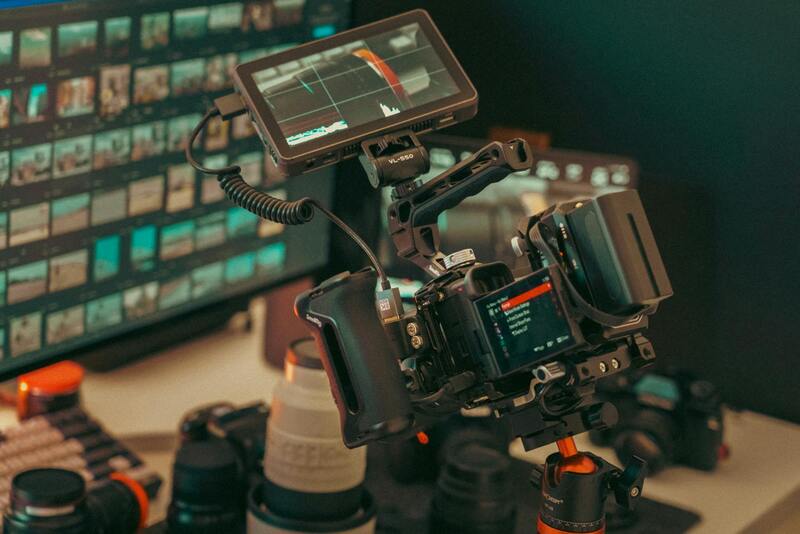
Professional event photography relies on high-quality gear optimized for versatility and durability. Canon, Nikon, and Sony mirrorless cameras with full-frame sensors are popular choices, offering excellent image quality and speed. Lenses of various focal lengths—wide-angle, telephoto, and prime lenses—allow for capturing diverse shots from wide group photos to intimate close-ups.
Lighting equipment, such as portable flash units, LED panels, and modifiers, help control illumination in challenging conditions. Drones equipped with high-resolution cameras expand aerial coverage, adding a dynamic perspective. Advanced stabilization gear ensures sharp images during movement, while reliable data storage solutions guarantee safe backup and transfer of images.
Best Practices for Capturing Different Types of Events
- Weddings: Focus on candid moments, diverse angles, and environmental portraits that reflect the couple’s personalities. Capture details, décor, and guest interactions to tell a complete story.
- Corporate Events: Prioritize professional portraits, speaker shots, and group photos. Document networking, keynote sessions, and the overall event atmosphere to convey business success.
- Parties and Celebrations: Emphasize vibrant, candid shots, decorations, and entertainment moments. Use creative lighting and composition to enhance the lively ambiance.
- Outdoor Events: Leverage natural light, plan for weather contingencies, and utilize aerial shots for expansive perspectives.
Post-Event Delivery and Client Communication
Timely delivery of edited images is essential for client satisfaction. Professional editors refine raw photographs, ensuring color accuracy, sharpness, and appropriate cropping. Digital galleries, USB drives, or online platforms provide convenient access for clients to view and download images.
Maintaining open communication channels post-event helps clarify client feedback, address concerns, and plan follow-up services such as album creation or prints. Providing a comprehensive package that includes both high-resolution images and selecting highlights ensures clients receive a versatile and satisfying product.