
Understanding Event Cinematography
Event cinematography is a specialized branch of videography dedicated to capturing live events with precision, creativity, and professionalism. Whether it's a corporate gathering, wedding celebration, music festival, or a large-scale conference, the goal is to produce a compelling visual narrative that preserves the essence and emotions of the occasion. This discipline combines technical skill with artistic vision to ensure that every significant moment is recorded in high quality, conveying the atmosphere and energy of the event to viewers who may not have been present.
At its core, event cinematography involves meticulous planning and execution. It requires an understanding of the event's schedule, key moments, and unique features to anticipate opportunities for dynamic footage. The cinematographer’s role extends beyond mere recording; it also involves storytelling, framing, lighting, and capturing candid interactions that convey authenticity and vibrancy.
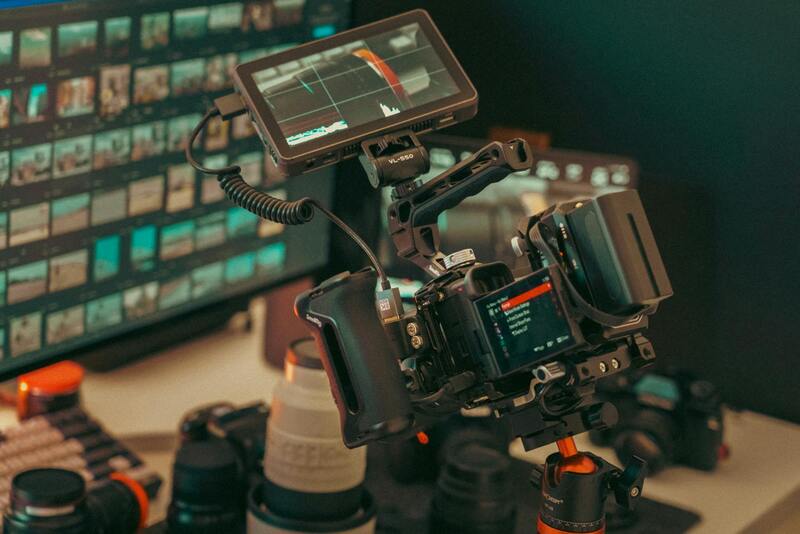
Effective event cinematography is essential for creating content that resonates with audiences, whether for promotional purposes, personal keepsakes, or archiving historical moments. It demands a combination of technical mastery, artistic sensibility, and logistical coordination. A skilled cinematographer must adapt to rapidly changing environments, unpredictable lighting conditions, and dynamic crowd movements to deliver seamless, engaging footage that truly captures the event's spirit.
Furthermore, event cinematography plays a significant role in visual branding and marketing strategies, providing organizations with professional content to enhance their image and outreach efforts. It also enables event organizers and hosts to extend the life and reach of their events by sharing high-quality recordings on various platforms, engaging a broader audience beyond those physically present. Mastery of this discipline ensures that every detail, emotion, and highlight is preserved in a manner that elevates the overall impact of the event's visual documentation.
In conclusion, event cinematography is an indispensable element of live event production, requiring a strategic approach and technical expertise to transform fleeting moments into timeless visual stories that captivate audiences and preserve memories for years to come.
Equipment and Technology for Event Cinematography
Choosing the right equipment is crucial for capturing high-quality footage that effectively represents the dynamism and emotion of live events. Essential tools include professional-grade cameras capable of high-definition recording, such as 4K or even 8K systems, to ensure clarity and detail in every shot. Stabilization gear like gimbals and tripods help maintain steady footage in dynamic environments, reducing jitters and blurs that can distract viewers. Lenses with versatile focal lengths, including wide-angle and telephoto, allow videographers to adapt to different scenarios, from sweeping venue shots to close-up emotional captures.
Lighting equipment plays a significant role in maintaining consistent image quality, especially in venues where ambient light fluctuates or is insufficient. Portable LED lighting units and reflectors enable cinematographers to illuminate subjects effectively without intruding on the event's ambiance. Audio equipment, such as wireless microphones and directional shotgun mics, are equally vital for capturing clear dialogue and natural sound, which enhance the immersive experience for viewers.
Advancements in technology have introduced high-capacity storage solutions, including fast SD cards and external drives, facilitating continuous recording during lengthy events. Additionally, utilizing drones for aerial shots can add a dramatic perspective, offering a comprehensive overview of the venue and crowd dynamics. Employing live streaming technology becomes essential for broadcasting events in real-time, extending reach and engagement well beyond physical attendance.
Event cinematographers must stay current with technological developments to leverage new possibilities for storytelling. From 360-degree cameras for immersive virtual experiences to live editing software that allows on-the-spot content sharing, the right tools are integral to delivering professional results. By investing in reliable, state-of-the-art equipment, crews can adapt swiftly to various shooting conditions, ensuring every memorable moment is captured with precision and artistry.
Understanding Event Cinematography
Event cinematography encompasses the strategic use of professional filming techniques to document live occasions with visual storytelling that resonates with audiences. It involves a blend of artistic vision, technical proficiency, and comprehensive planning to ensure that every significant moment is preserved in high-quality footage. This specialized field demands a deep understanding of the event's context, audience, and the desired emotional impact, allowing cinematographers to craft captivating narratives that extend beyond mere documentation.
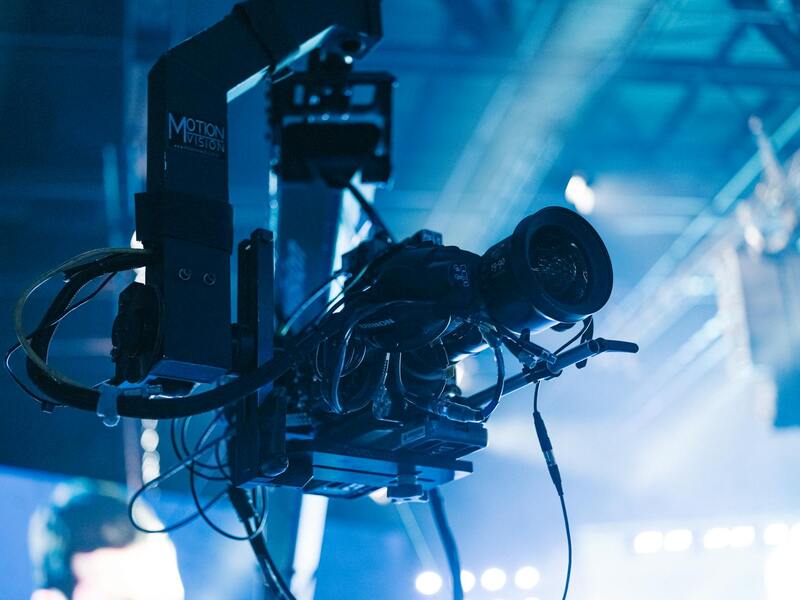
The Role of Cinematography in Various Event Types
Whether it involves corporate functions, wedding celebrations, music festivals, or community gatherings, event cinematography adapts to different formats and atmospheres. In corporate settings, emphasis might be placed on professionalism and clarity, showcasing keynote speeches, panel discussions, or product launches. Weddings demand a more cinematic approach, with a focus on emotional moments, candid interactions, and the overall ambiance. Music festivals require dynamic coverage, utilizing fast-paced edits and multiple camera angles to capture performances and crowd reactions. Understanding the unique requirements of each event type is essential for delivering footage that highlights the event’s significance and mood effectively.
Importance of Visual Storytelling
Effective event cinematography transforms static recordings into compelling stories. This process involves pre-visualization, strategic camera work, and thoughtful editing to produce a final product that aligns with the client’s vision. It often includes capturing establishing shots, key moments, emotional reactions, and behind-the-scenes interactions to create a comprehensive narrative. Attention to detail, such as framing, shot composition, and movement, enhances the overall quality and engagement level of the footage.
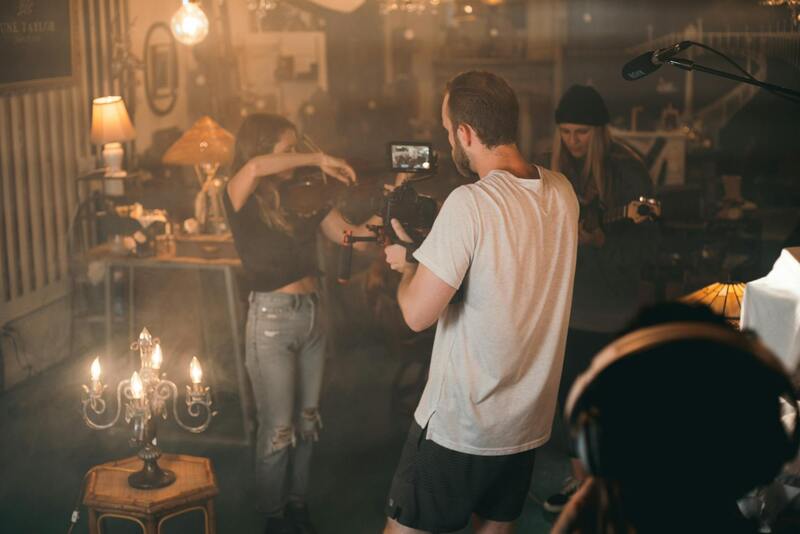
Understanding the Audience and Purpose
Defining the target audience and intended use of the footage shapes the cinematography approach. Content intended for social media highlights, for example, may favor shorter, more energetic clips, while a full-length documentary requires a cohesive, detailed narrative. Properly understanding these elements ensures that the footage meets the specific expectations and enhances the overall engagement of viewers.
Content Personalization and Client Expectations
Collaborating closely with clients to understand their vision is crucial. This includes discussing preferred styles, key moments to emphasize, and the overall tone of the final cut. Clear communication about expectations ensures that the footage aligns with the desired aesthetic and storytelling approach, producing results that satisfy and impress clients.
Utilizing Official Methods for Effective Event Cinematography
To ensure the highest quality and professionalism in event cinematography, it is essential to adhere to proven, reputable methods that are widely recognized within the industry. These methods focus on using licensed equipment, authorized techniques, and certified practices that emphasize safety, legality, and the integrity of the footage captured.
One primary approach involves the deployment of high-grade, professionally maintained camera systems operated by trained cinematographers with extensive experience in live event documentation. These experts employ techniques such as steady camera movements, precise framing, and dynamic shot composition to effectively capture the energy and significance of the event. Employing stabilized footage devices, such as gimbals and dollies, guarantees smooth motion shots that maintain visual clarity even in fast-paced environments.
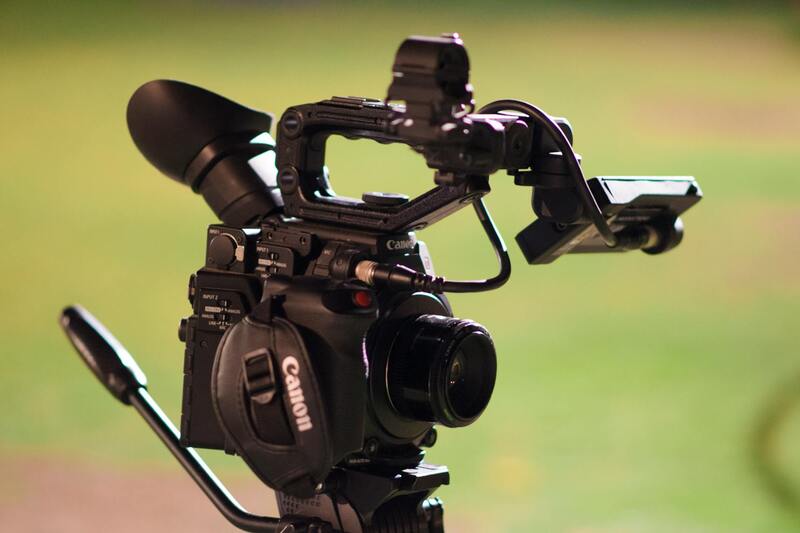
Sound quality is equally critical in official event cinematography. Using high-fidelity external microphones, including lapels and shotgun mics, ensures clear audio capture of speeches, performances, and ambient sounds. Proper placement and mixing of audio sources not only enhance the viewer's experience but also preserve the authenticity of the live moments.
Lighting solutions tailored to the event's setting play a vital role in producing visually compelling footage. Professionals often use portable, professional-grade LED lights and reflectors to optimize ambient conditions, ensuring that every detail is visible under varying lighting environments. These tools, integrated with camera settings, allow for control over exposure, contrast, and color fidelity, resulting in footage that accurately represents the event’s atmosphere.
Furthermore, established post-production processes involve meticulous editing utilizing licensed software, aligning raw footage with the client’s artistic direction and narrative goals. Color grading, sound mixing, and graphic overlays are performed by skilled editors, adhering to best practices that respect intellectual property rights and industry standards.
Official methods extend to strict adherence to safety protocols, especially when filming in complex or high-risk environments. Cinematographers follow certified safety procedures when operating drones, cranes, or other specialized equipment, maintaining compliance with local regulations and safety standards to prevent accidents and ensure smooth production.
For event professionals seeking reliable and compliant filming, partnering with licensed service providers guarantees access to authorized equipment, certified technicians, and proven methodologies. These measures collectively guarantee that event cinematography not only preserves the integrity of the moments captured but also adheres to industry norms designed to produce high-quality, ethical, and impactful footage.
Understanding Event Cinematography
Event cinematography encompasses the specialized art of capturing live occasions with high precision and artistic integrity. It involves a combination of technical expertise, strategic planning, and creative storytelling to produce videos that preserve the essence of the event. The primary focus is on the seamless documentation of moments that hold significance to clients, ensuring that the footage reflects the atmosphere, emotions, and details of the day.
Precision in framing, smooth camera movements, and optimal exposure settings are fundamental to professional event cinematography. To achieve this, cinematographers employ a range of certified equipment, such as stabilized camera rigs, high-resolution lenses, and professional audio capture devices. These tools are essential for producing footage that is both visually compelling and acoustically clear, especially in dynamic environments where lighting conditions and sound levels can vary widely.
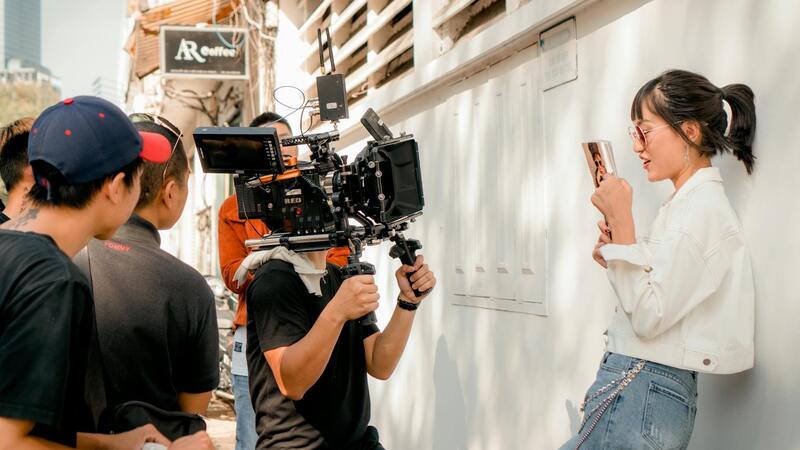
Effective storytelling in event filming also involves understanding the narrative flow of the occasion, which guides cinematographers in selecting the right moments to capture. This strategic approach ensures that the final video encapsulates the event's highlights, emotional peaks, and subtle details with clarity and authenticity.
Pre-Production Planning for Event Filming
Pre-production constitutes a vital phase where detailed planning sets the foundation for successful event cinematography. It begins with comprehensive consultations to understand the client's vision, specific moments to prioritize, and logistical constraints. Establishing a clear brief ensures that the videography team is aligned with the desired outcomes and can prepare accordingly.
During this phase, cinematographers coordinate location scouting, technical assessments, and scheduling. They also determine the necessary permits and insurance coverage, ensuring compliance with venue policies and safety standards. Thorough planning minimizes disruptions and ensures that all equipment is properly tested and ready for the event day.
Developing a shot list or storyboard helps in visualizing key sequences, allowing the team to anticipate challenges and adapt to real-time variables. This preparation includes technical rehearsals, which are critical for fine-tuning camera settings, lighting placements, and audio configurations, especially when working in unpredictable or complex environments.
Equipment and Technology for Event Cinematography
The backbone of professional event filming is rooted in the use of reputable and certified equipment. High-definition digital cameras with versatile lenses, such as zoom or wide-angle, facilitate capturing a range of compositions from sweeping venue shots to intimate moments. Stabilization tools like gimbals and steadicams are crucial for maintaining smooth footage during movement.
Audio capture devices, including lavalier microphones and shotgun mics, ensure clear, high-quality sound, which is vital for speeches and performances. Additionally, lighting accessories such as portable LED panels, reflectors, and diffusers allow cinematographers to adapt to varying ambient lighting conditions, enhancing the overall footage quality.
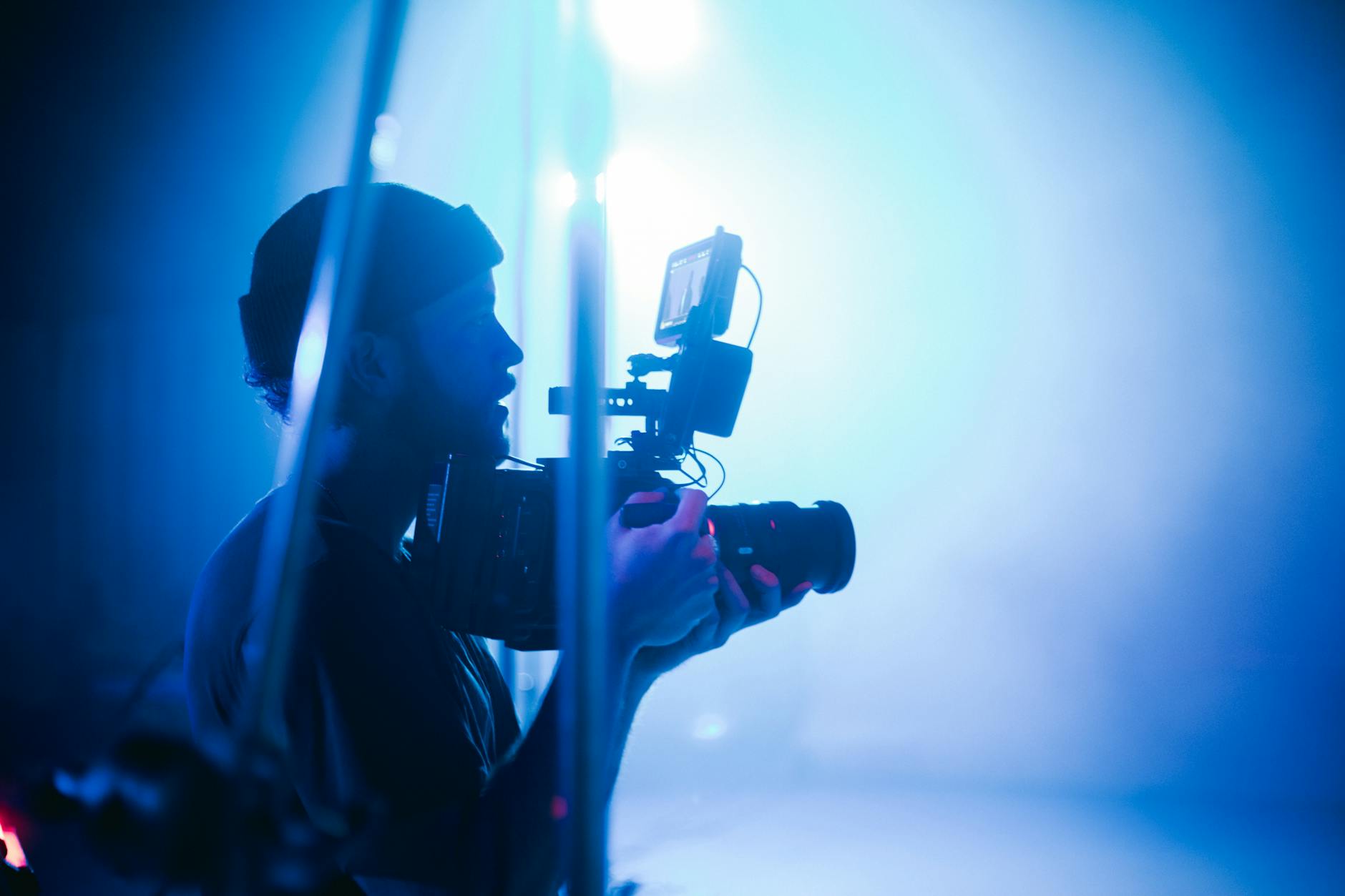
Technological innovations, like wireless video transmission and remote monitoring systems, enable real-time oversight and instant adjustments. Utilizing such authorized technology ensures compliance with safety standards and reduces the risk of technical failures that could compromise the event coverage.
Techniques for Capturing Live Events
Executing dynamic filming techniques is essential for conveying the energy and atmosphere of live events. Cinematographers often employ multi-camera setups to cover different angles simultaneously, providing a comprehensive visual narrative. These setups are managed with professional-grade switchers and monitors, which are operated by trained technicians following approved procedural guidelines.
Camera movements are carefully choreographed to enhance storytelling, utilizing smooth panning, tilting, and tracking shots. When appropriate, drone footage is incorporated, adhering strictly to authorized drone operation procedures, to acquire breathtaking aerial perspectives. Such shots add a cinematic grandeur while maintaining operational safety and compliance with regulations.
During live filming, maintaining proper exposure, color balance, and focus is paramount. Photographers and videographers rely on sophisticated, licensed software and calibration tools to ensure footage remains consistent and true to life. Additionally, capturing high-quality audio with multiple microphones ensures speech intelligibility and emotional resonance, particularly in crowded or noisy environments.
Legal and Ethical Considerations
Operating within the framework of approved methods not only safeguards the integrity of the event coverage but also ensures respect for all parties involved. Securing comprehensive permissions before filming is a fundamental step, particularly for capturing sensitive moments or proprietary content. This process involves obtaining clear authorizations from event organizers, venue management, and appropriate rights holders. These permissions serve as formal documentation that legitimizes the footage captured, preventing disputes and enhancing professional reputation. Monitoring privacy concerns is equally critical. Filmmakers must restrict recording in designated private areas and respect attendee confidentiality. Implementing strict access controls and clearly communicating filming policies to participants helps foster an environment of transparency and trust. When recording speeches, performances, or interviews, obtaining consent from individuals ensures that their rights are protected, and their inclusion in promotional materials is appropriately authorized. In addition to permissions, adherence to regulated standards for equipment operation and data handling is vital. Using authorized equipment and software aligns with industry best practices, giving clients confidence in the quality and reliability of the final product. Documentation of compliance through appropriate certifications further underscores an organization’s dedication to ethical filming practices. Furthermore, managing copyrighted content responsibly involves ensuring all visual and audio elements used in post-production are properly licensed or created in-house. This approach prevents inadvertent infringement and maintains the filmmaker’s reputation for integrity. Ultimately, understanding and applying these official methods help uphold a professional standard of operation, safeguarding both the filmmaker and the client while delivering standout event coverage that respects legal boundaries and ethical principles.
Understanding Event Cinematography
Event cinematography serves as a vital element in capturing the essence and atmosphere of special occasions, corporate gatherings, festivals, and various live events. Precision, creativity, and technical expertise are foundational to producing visuals that not only document but also elevate the significance of each event. This specialized field demands an understanding of dynamic environments and the ability to adapt equipment and techniques accordingly, ensuring the final footage aligns with the event's purpose and client expectations.
Key Aspects of Professional Event Cinematography
- Comprehensive Planning: A thorough understanding of the event schedule, venue layout, and key moments allows cinematographers to anticipate capturing pivotal scenes effectively. Detailed planning helps synchronize equipment setup and crew coordination, leading to seamless coverage.
- Technical Expertise: Mastery over camera operation, lighting, and sound is essential. Cinematographers should be adept at operating high-definition cameras, stabilizers, and wireless audio systems to adapt to varying lighting conditions and event movements.
- Creative Composition: Effective framing, shot selection, and camera movement bring visual depth and engagement. Utilizing established principles like the rule of thirds and dynamic angles enhances storytelling, making each capture compelling.
- Real-time Monitoring: Continuous oversight during filming ensures all critical moments are recorded without interruption. Immediate adjustments can be made to accommodate changes in the environment or schedule shifts.
Importance of Precise Equipment Selection
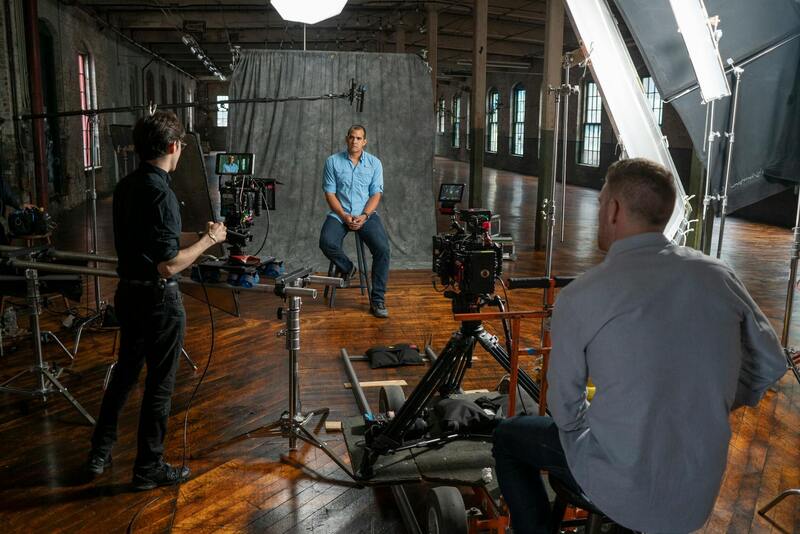
Choosing the right tools is fundamental. High-resolution cameras, stabilized platforms, and quality microphones help capture clear visuals and audio even in challenging settings. Wireless systems allow for greater mobility, crucial for dynamic environments like concerts or outdoor festivals. Additionally, backup equipment planning mitigates risks associated with technical failures, safeguarding the continuity and professionalism of the coverage.
Adapting Techniques to Different Event Types
Each event possesses unique requirements. For example, a corporate seminar might demand a focus on keynote speeches and audience reactions, while a wedding requires capturing candid moments and emotional exchanges. Skilled cinematographers allocate resources and employ specific techniques accordingly, such as utilizing telephoto lenses for distant shots or drone technology for sweeping venue views, thus ensuring comprehensive coverage tailored to the event's character.
Advanced Strategies for Event Coverage
- Multiple Camera Angles: Employing a combination of wide shots, close-ups, and B-roll footage enables dynamic storytelling and provides variety for editing.
- Strategic Positioning: Pre-arranged camera placements optimize coverage while preventing obstructed views or disruptions.
- Real-time Live Monitoring: Using remote viewing setups allows directors to oversee footage as it’s captured, ensuring critical moments are not missed.
Leveraging Post-Production for Elevated Results
Post-production transforms raw footage into a polished narrative. This phase involves meticulous editing, color grading, sound design, and the integration of graphics or animations when appropriate. Maintaining a cohesive style consistent with the event's tone is vital. Professional editing workflows ensure the final product is stream-lined, visually engaging, and technically impeccable, ready for distribution or live streaming with high quality.
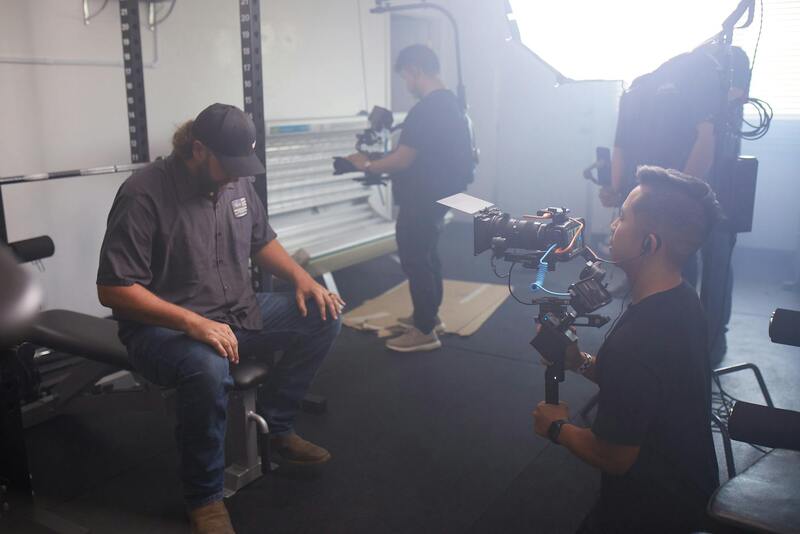
Adhering to proper workflows and utilizing industry-standard software guarantees that the footage meets professional expectations. Archiving original files, maintaining detailed project logs, and conducting routine quality checks are best practices that uphold the integrity of the content throughout the post-production process.
Deepening Your Event Cinematography Knowledge
Continuing from foundational principles, mastering advanced techniques and adhering to rigorous standards heightens the caliber of your event cinematography projects. Whether you're capturing a corporate gala, wedding, concert, or community festival, leveraging the right methods ensures memorable and impactful footage that resonates with audiences and clients alike.
Advanced Filming Techniques and Approaches
To elevate your event coverage, consider integrating multiple innovative filming approaches. Utilizing aerial drone footage, for instance, provides expansive venue views and unique perspectives that ground-based cameras might not achieve. Employing stabilized gimbals and Steadicam rigs allows for smooth tracking shots during dynamic moments, like dance floors or keynote addresses. Additionally, incorporating slow-motion captures during key performances or moments enhances emotional depth and viewer engagement.
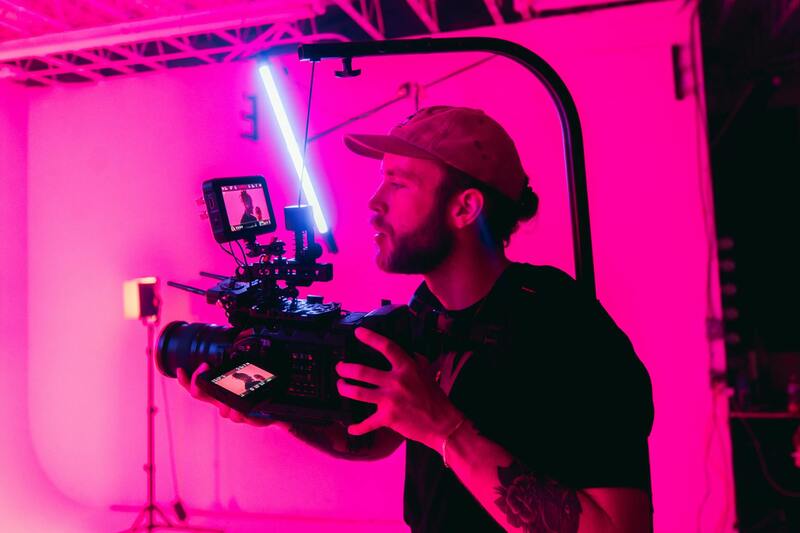
Combining these techniques with traditional static shots creates a rich visual tapestry that captures both the grand scale and nuanced emotions of an event. Strategically planning shot sequences and utilizing multiple camera operators ensures coverage from various angles, enabling editors to craft cohesive narratives that tell a compelling story of the occasion.
Post-Production: Crafting Quality and Cohesion
The post-production phase transforms raw footage into a refined final product that highlights the event’s significance. Key steps include meticulous editing, color correction, and sound design. Employing professional editing software with capabilities for multi-camera synchronization ensures seamless integration of footage from different sources. Color grading adds atmospheric tone, aligning visuals with the event's branding or mood.
Transitions, graphics, and overlays can reinforce branding elements or provide contextual information, such as attendee highlights or speaker introductions. Properly archiving original files, maintaining detailed project logs, and performing regular quality assurance checks safeguard the integrity and accessibility of the footage for future use or revisiting memorable moments. This systematic approach guarantees that the finished product is polished, consistent, and ready for distribution across various platforms, including web streaming, social media, or broadcast.
Ethical Protocols for Event Cinematography
Maintaining professionalism involves adhering to ethical practices that respect all participants' rights and uphold transparency. This includes obtaining necessary permissions for filming, especially in sensitive or private settings, and clearly communicating with clients about the scope and use of the footage. Respecting individuals' privacy and ensuring respectful representation of all attendees fosters trust and integrity in your work. When featuring minors or vulnerable populations, implement additional safeguards and obtain guardian consent when required.
Technological Innovations Shaping the Future
The landscape of event cinematography is continuously evolving with emerging technologies. High-definition 4K and 8K cameras provide crisp visuals, while live-streaming capabilities enable real-time sharing of events with remote audiences. Artificial intelligence-driven editing tools facilitate faster post-production workflows and enhance image stabilization. Additionally, virtual reality (VR) and augmented reality (AR) integrations allow for immersive experiences, giving viewers the sensation of attending the event virtually. Staying abreast of these innovations enables cinematographers to deliver cutting-edge coverage and satisfy increasingly sophisticated client expectations.