
Understanding the Role of Event Photographers
When planning a significant event, whether it be a corporate gathering, wedding, or community celebration, capturing the essence of the occasion is paramount. This is where a professional photographer for events becomes an invaluable asset. Unlike casual snapshots, dedicated event photography involves a strategic approach to documenting moments that define the significance of the event, the emotions of participants, and the overall atmosphere.
Event photographers employ technical expertise combined with a keen eye for detail to ensure every important moment is preserved in high-quality images. Their role extends beyond merely taking pictures — they are storytellers who document the event’s narrative, creating a visual legacy that can be treasured for years to come. Whether it’s the exchange of vows, a keynote speech, or candid interactions among guests, a skilled photographer knows when to blend into the background and when to actively capture key moments.
The significance of professional event photography lies in its ability to elevate the overall experience. Photographers work with event organizers and hosts to understand their goals, ensuring that the coverage aligns with the event’s purpose and aesthetic. Their expertise ensures consistency in lighting, composition, and timing, resulting in images that reflect the true spirit of the occasion.
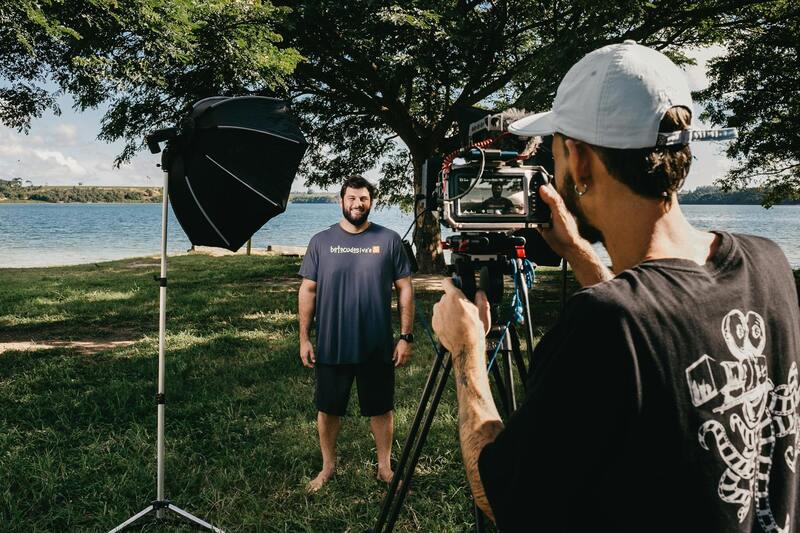
This role also involves post-event responsibilities, including editing and retouching images to meet high standards of quality. Such professionalism ensures that the final delivery not only captures genuine moments but does so with clarity and artistic integrity. In essence, hiring a qualified photographer for events is an investment in the preservation of memories, helping individuals and organizations showcase their milestones with polished, compelling visuals.
Types of Event Photography Services
In Miami, diverse event photography services cater to the city’s vibrant social and professional scene. Corporate events such as conferences, product launches, and annual meetings require a photographer skilled in capturing dynamic environments, branded atmospheres, and professional interactions. These images often serve as promotional material or corporate archives, emphasizing clarity, consistency, and attention to detail.
Wedding photography remains a cornerstone of event services, focusing on romantic moments, emotional exchanges, and the intricate details of bridal preparations, ceremonies, and receptions. Skilled wedding photographers combine technical proficiency with storytelling ability to produce timeless images that encapsulate the couple's unique story.
Social gatherings, including birthday parties, anniversaries, and community events, benefit from candid and posed shots that highlight the joyful spirit of the occasion. These photographers excel at capturing spontaneous moments of laughter, interaction, and celebration, ensuring no memory is overlooked.
Special celebrations such as quinceañeras, retirement parties, or cultural festivals also require specialized approaches. Photographers in these settings often adapt their style to match the theme and atmosphere, delivering images that resonate with the event’s cultural significance.
Another popular service in Miami includes styled photo sessions for branding and influencer marketing, combining high-quality visuals with strategic messaging. This diversity of offerings underscores the importance of selecting a photographer whose expertise aligns with the specific type of event being hosted.
Key Qualifications and Skills to Look For
When hiring a photographer for events, certain qualifications and skills stand out as indicators of professionalism. Technical competence in camera operation, lighting, and post-production editing is fundamental. Equally important is their ability to adapt to different environments, manage time efficiently during live events, and maintain a discreet presence to avoid disrupting the flow of the event.
Creative vision and attention to detail are essential traits. A photographer who understands how to capture both wide-angle shots of the venue and intimate portraits ensures comprehensive coverage. Experience with event-specific challenges, such as varying lighting conditions and unpredictable moments, also enhances the quality of results.
Communication skills are vital for understanding client expectations and coordinating with event organizers. A photographer with a portfolio of diverse events demonstrates versatility and an ability to tailor their approach to distinct settings.
How to Choose the Right Photographer for Your Event
Selecting a photographer entails evaluating their portfolio, references, and familiarity with the type of event planned. Consistent high-quality images across different projects reflect reliability and artistic capability. Discussing the photographer's approach to candid shots versus posed images helps clarify expectations.
It’s beneficial to meet or consult via video call beforehand to gauge compatibility and understand their workflow. Clarifying availability on the date, understanding their package offerings, and reviewing sample contracts contribute to informed decision-making.
For events in Miami, local experience is advantageous. Photographers familiar with the city's venues and lighting nuances can anticipate potential challenges and optimize their techniques accordingly.
Pricing and Packages for Event Photography in Miami
Pricing varies depending on the scope, duration, and deliverables of the photography service. Standard packages often include a set number of hours, a specific number of edited images, and optional add-ons such as albums or prints. Some photographers charge on an hourly basis, while others offer flat rates for full-day coverage.
It’s common to see tiered packages: basic coverage for smaller events with fewer images, and premium packages that include comprehensive photography, extended hours, and high-resolution files suitable for large prints. Additional costs may apply for travel beyond Miami's metropolitan area or for specialized services like drone photography or videography.
Understanding what is included in each package helps avoid unexpected expenses. Transparent pricing and detailed contract terms are essential components of a successful engagement with an event photographer.
Preparing for a Photoshoot: Tips and Best Practices
Preparation maximizes the quality of event photography and ensures a smooth experience. Communicate with the photographer about key moments, venue details, and any specific shots desired. Creating a shot list helps organize priorities, especially for structured segments like speeches or ceremonies.
Arranging the venue to optimize lighting and accessibility can significantly enhance photographic outcomes. Allowing the photographer access prior to the event for site assessment can be beneficial.
On the day of the event, designate a point person to coordinate with the photographer, helping manage timings and group formations. Providing clear instructions about the schedule ensures that essential moments are captured without stress.
Legal and Contract Considerations
Contracts should clearly outline the scope of services, delivery timelines, rights to images, and payment terms. Ensuring that the contract specifies usage rights for the images protects both parties and clarifies expectations.
Deposits are common to secure the date, with the balance due upon delivery of the images. Cancellation policies, rescheduling provisions, and dispute resolution methods should be thoroughly understood before signing.
Ensuring Satisfaction and Final Delivery
Maintaining open communication during the post-event phase is crucial. Clarify the expected turnaround time for final images and review proofs diligently. If revisions are included in the package, specify these in advance.
Properly formatted and high-resolution digital files ensure versatile usage, from print to online sharing. A professional photographer provides a seamless experience from initial consultation through to the final product, helping preserve memories with clarity and artistry.
Technical Skills and Equipment Essentials
For capturing memorable moments at events, a professional photographer must possess advanced technical skills combined with access to high-quality equipment. Skills such as proper composition, understanding of lighting conditions, and the ability to operate various camera settings are foundational. An experienced photographer knows how to adapt quickly to changing environments, ensuring consistent results regardless of the venue or lighting challenges.
The essential equipment includes professional-grade DSLR or mirrorless cameras capable of high-resolution image capture, ensuring sharpness and detail. Fast and reliable lenses, such as wide-angle and telephoto options, allow for versatile shot compositions. Additional tools like external flash units, reflectors, and diffusers help manage lighting issues and highlight key subjects effectively.
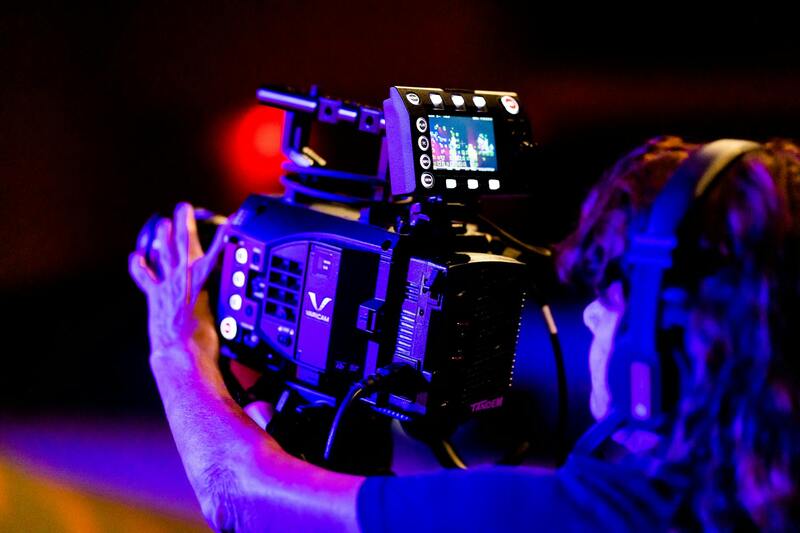
Moreover, backup equipment, including extra batteries, memory cards, and secondary cameras, is vital to prevent disruptions during critical moments. Post-processing tools like professional editing software further enhance image quality, delivering polished photos that meet client expectations.
Attention to Detail and Client Collaboration
Exceptional event photographers prioritize understanding client preferences and event details to tailor their approach accordingly. Effective communication about the desired style, key moments to focus on, and specific shots ensures alignment with client vision. This collaborative process reduces misunderstandings and results in photographs that truly capture the essence of the event.
During the event, attentive photographers monitor the flow to seize candid moments and formal setups alike. They are also adept at managing group photos, orchestrating arrangements efficiently while keeping the atmosphere relaxed. Post-event, clear communication continues through proof review and final delivery, maintaining a professional and client-focused experience.
Continuous Education and Staying Current
To maintain high standards, photographers for events invest in ongoing education and technological updates. Workshops, industry seminars, and peer networks provide opportunities to refine skills, learn new techniques, and stay informed about emerging trends. Incorporating the latest technology and creative styles ensures that clients receive innovative and compelling imagery.
Additionally, a photographer's portfolio reflects their adaptability and artistic growth. Extensive experience across diverse event types—from corporate galas to intimate celebrations—equips them with the versatility required for any occasion. Clients should seek professionals committed to continuous improvement, which translates into superior results and a memorable visual record of their events.
Legal and Contract Considerations
When engaging a photographer for events, establishing clear contractual agreements is essential to ensure a smooth process and satisfactory outcomes. The contract should outline specific details such as the scope of work, deliverable timelines, usage rights, and any additional services included. This formal understanding helps both parties align expectations and provides a framework for resolving potential disputes.
A comprehensive agreement typically covers compensation terms, including deposit requirements and payment schedules, along with cancellation policies and any applicable penalties. Incorporating clauses related to image rights ensures that both parties agree on how photographs can be used, whether for promotional purposes or personal reuse. This clarity protects the interests of the client while respecting the photographer's creative rights.
Furthermore, detailed specifications regarding the number of edited images, resolution standards, and delivery format should be explicitly stated. If the event involves multiple photographers or special equipment, these factors should also be addressed within the contract. A well-crafted agreement minimizes ambiguities, safeguards your investment, and guarantees that the photographer's responsibilities are transparently defined.
In addition to contractual considerations, verifying credentials such as insurance coverage and professional affiliations enhances confidence in the service provider. Insurance protects against unforeseen circumstances like equipment failure or accidents, ensuring peace of mind during the event. Moreover, selecting a photographer affiliated with reputable industry organizations often indicates a commitment to professional standards and ongoing development.
To streamline communication, it is advisable to have detailed discussions before signing any agreement. Clarifying questions about logistics, specific shot requirements, and post-event procedures can prevent misunderstandings. A strong contract serves as the foundation for a successful collaboration, allowing you to focus on enjoying your event while knowing your photography needs are professionally managed.
Verifying Credentials and Professional Standing
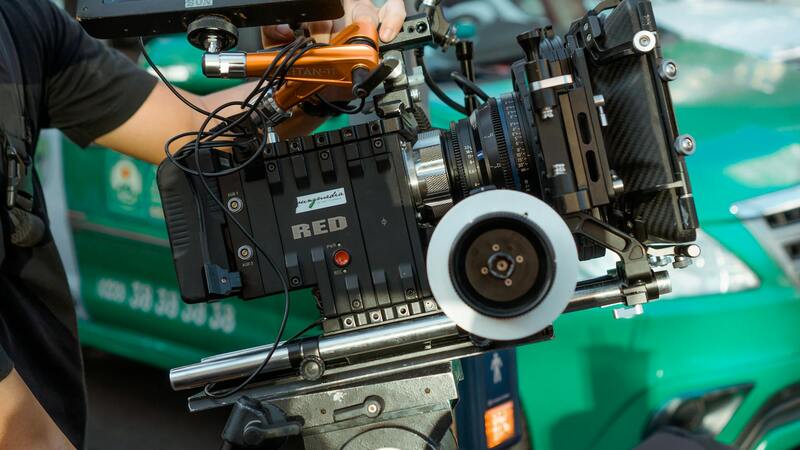
Choosing a reliable photographer for events involves thoroughly examining their professional credentials. Establishing their affiliation with industry associations, such as the Professional Photographers of America (PPA) or regional photography groups, indicates a dedication to adhering to high industry standards. These memberships often require ongoing education, ethical practice, and a commitment to professional growth.
In addition, requesting evidence of insurance coverage ensures that any unforeseen incidents, such as equipment damage or accidents during the event, are adequately protected. Insurance not only safeguards your investment but also reflects the photographer's responsibility and preparedness. When reviewing credentials, consider also checking their portfolio and client testimonials to gauge their experience and reputation.
Consulting and Clarifying Service Details
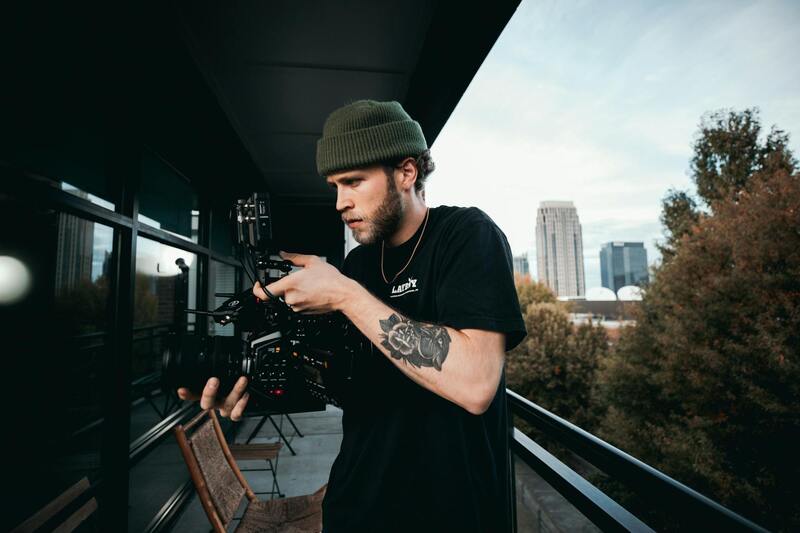
Before formalizing the engagement, engaging in comprehensive discussions with prospective photographers helps set clear expectations. Clarify the scope of work, including the number of hours, location specifics, and type of coverage required. Discuss details about equipment, backup plans, and the style of photography to ensure alignment with your vision.
It’s also essential to specify deliverables such as the number of edited images, resolution standards, and preferred formats for delivery. Addressing these elements upfront minimizes ambiguities and ensures that both parties have a shared understanding. If your event spans multiple venues or incorporates special moments like speeches or performances, detail how these will be captured and coordinated.
Reviewing and Finalizing the Contract
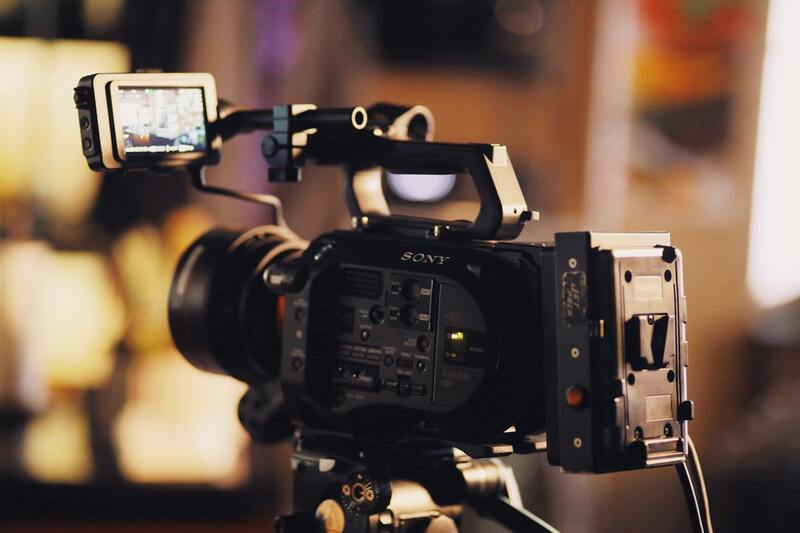
The contractual agreement should explicitly outline all agreed terms, including service scope, delivery timelines, payment schedules, and cancellation policies. It's crucial to review these elements thoroughly and request modifications if needed to protect your interests.
Additionally, stipulating rights related to image usage, client confidentiality, and any restrictions ensures transparency. Once both parties agree on the terms, signing a detailed contract formalizes the partnership and provides a solid foundation for a successful event photography experience.
Legal and Contract Considerations
Establishing clear contractual agreements with your chosen photographer for events is essential to prevent misunderstandings and ensure smooth operations on the day of the event. A comprehensive contract should detail the scope of services, including the specific moments to be captured, hours of coverage, and any additional services such as photo albums or prints. This document serves as a formal record that aligns mutual expectations and responsibilities.
Payment terms are a critical aspect of the contract, specifying deposit requirements, payment schedules, and cancellation policies. Clear terms about rescheduling or cancellations, along with associated fees, help protect both parties' interests. Moreover, clauses regarding image rights, usage permissions, and confidentiality should be explicitly outlined, providing clarity on how the photographs may be used in promotional materials or personal collections.
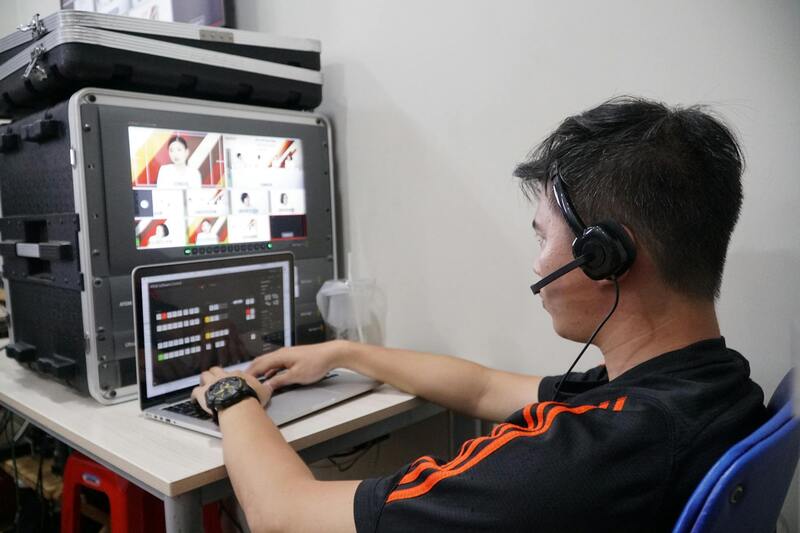
Including provisions for unforeseen circumstances, such as equipment failure or emergencies, demonstrates preparedness and professionalism. Both parties should review the contract carefully, and legal consultation may be advisable for larger or more complex events. Once all terms are agreed upon and documented, signing the contract finalizes the partnership, ensuring both the event organizer and photographer have a clear understanding of their commitments.
Ensuring Satisfaction and Final Delivery
Effective communication post-event is vital to managing expectations around the final deliverables. Photographers typically provide a timeline for editing and delivering images, which should be discussed upfront. Confirming the number of images, preferred formats, and resolution standards ensures that the client receives what was agreed upon.
Revisions and selections may be part of the process. Establishing a method for reviewing proofs and requesting edits allows clients to be actively involved, enhancing satisfaction with the final product. Delivery methods can include online galleries, downloadable links, or physical media; choosing the most convenient option ensures easy access and sharing.
Additionally, many professional photographers offer ongoing support for products such as prints and albums. Understanding these options and the associated costs prior to the event allows clients to plan accordingly. By maintaining open lines of communication and setting realistic expectations, clients can ensure that the final images meet their standards and serve as lasting memories of their special occasion.
Understanding the Role of Event Photographers
Event photographers serve as the visual chroniclers of memorable moments, capturing the essence of gatherings ranging from corporate functions and weddings to social celebrations. Their role extends beyond simply taking pictures; they are tasked with understanding the unique atmosphere of each event, managing lighting conditions, and adapting their approach to suit the environment. A professional photographer for events possesses a keen eye for detail, a strong sense of timing, and the ability to anticipate candid moments that might otherwise be missed. Their work not only documents the occasion but also helps in storytelling, creating a visual narrative that reflects the event’s significance.
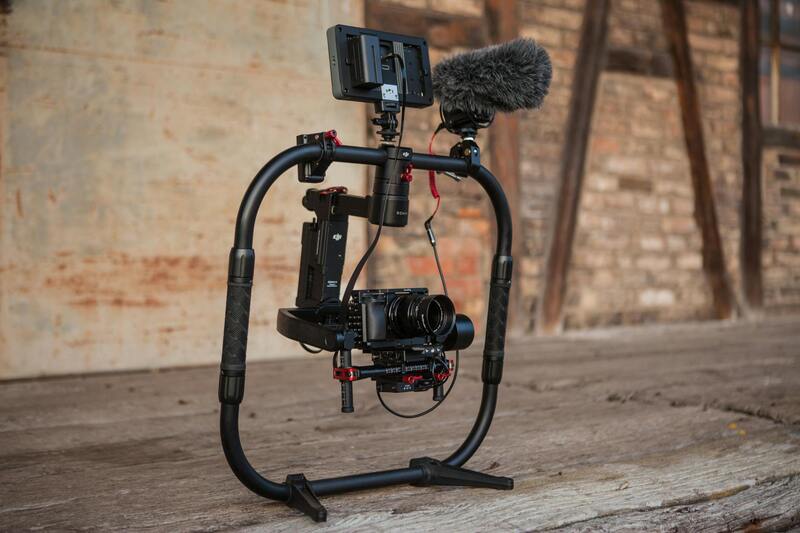
Effective event photography involves a combination of technical expertise and interpersonal skills. Photographers need to communicate effectively with clients, event organizers, and subjects, ensuring that the desired shots are achieved without disrupting the flow of the event. They often work discreetly, blending into the environment to capture natural expressions and interactions. High-quality equipment, including professional cameras and lighting, is essential to produce images with clarity and depth. Post-processing skills further enhance the final output by correcting colors, adjusting exposure, and removing distractions, ensuring the images represent the event beautifully and accurately.
Types of Event Photography Services
- Wedding Photography: Capturing the emotional moments of a couple’s special day, including preparations, ceremonies, and celebrations.
- Corporate Events: Documenting conferences, product launches, and company parties to showcase professionalism and corporate culture.
- Social Celebrations: Covering birthdays, anniversaries, charity events, and other social gatherings to preserve cherished memories.
- Special Occasions: Recording events like award ceremonies, galas, and community festivals to highlight their significance.
Key Qualifications and Skills to Look For
- Technical Proficiency: Mastery of camera operations, lighting techniques, and editing software ensures the production of high-quality images.
- Experience: Proven history of successfully photographing similar events indicates reliability and expertise.
- Interpersonal Skills: Ability to interact diplomatically with clients and guests, helping subjects feel comfortable and natural in front of the camera.
- Attention to Detail: A meticulous approach to composition, focus, and background to ensure every shot is intentional and aesthetically pleasing.
- Flexibility and Adaptability: Readiness to adjust to varying lighting conditions, weather changes, and event dynamics seamlessly.
How to Choose the Right Photographer for Your Event
Selecting a professional photographer requires careful consideration of several factors. Start by reviewing their portfolio to assess the style and quality of their previous work. It’s beneficial to seek out photographers who have experience with the specific type of event you are hosting, as specialized knowledge often translates to better results. Ask for references or testimonials from past clients to gauge their professionalism and reliability.
Discuss their availability for your event date and confirm the scope of services included in their packages. Understand their process for capturing moments, handling post-processing, and delivering images. Additionally, evaluate their communication skills and willingness to understand your vision, ensuring that expectations are aligned from the outset.
Pricing and Packages for Event Photography in Miami
The cost of event photography varies based on factors such as duration, number of photographers, coverage hours, and deliverables. Many professionals offer tiered packages that include essential services like coverage, editing, and digital delivery, along with add-ons such as albums or prints. It’s important to clarify what is included in each package and inquire about any additional fees for overtime or special requests. Comparing packages from multiple providers helps identify options that best suit your budget while meeting your quality expectations.
In Miami, competitive rates reflect the high demand and diverse photography styles available. Transparent pricing and detailed agreements ensure there are no surprises, allowing you to plan your event budget effectively.
Preparing for a Photoshoot: Tips and Best Practices
Preparation is key to ensuring a smooth and successful event photography experience. Communicate clearly with your photographer about the event schedule, key moments, and any specific shots or groupings you want. Arranging a schedule or shot list prior to the event helps the photographer plan their coverage effectively.
Encourage guests and participants to cooperate with the photographer’s direction and to be mindful of time, especially for group shots. Providing adequate lighting, designated areas for photos, and a comfortable environment can significantly enhance the quality of images. Additionally, discussing wardrobe choices and ensuring that key participants are prepared can prevent last-minute complications. A well-organized approach, combined with open communication, guarantees comprehensively captured memories that reflect the spirit of the occasion.
Legal and Contract Considerations for Event Photography
Securing a comprehensive agreement with your chosen photographer for events is essential to safeguard your investment and ensure clarity on all aspects of the service. A well-drafted contract typically delineates the scope of work, including the event date, location, duration of coverage, and specific deliverables. It also clarifies the number of edited images to be provided, the expected turnaround time, and the formats in which photos will be delivered.
Other critical elements often included are cancellation and rescheduling policies, deposit requirements, and provisions for additional charges if the event exceeds the agreed hours or if special requests arise. Ensuring these terms are explicitly stated helps prevent misunderstandings and provides a clear framework for both parties.
When discussing rights to images, it’s important to understand how the photographer will handle the intellectual property of the photos. Most professionals retain the rights to use the images for promotional purposes unless explicitly stated otherwise. Conversely, clients often seek full usage rights for personal, commercial, or social media purposes. Clarifying these aspects in advance ensures that there are no restrictions on sharing or printing images later on.
It’s also recommended to verify the process for revisions and approvals. Some photographers include a certain number of editing or retouching rounds, while others may charge extra for additional modifications. Understanding the communication process for selecting preferred images or requesting edits can streamline the post-event phase, leading to greater satisfaction with the final product.
Understanding Data Security and Usage Policies
Ensuring your images are stored and handled securely is important, especially for high-profile or sensitive events. Confirm the photographer’s data management practices, including how images are stored, backed up, and protected from unauthorized access. Additionally, discuss the photographer's policies on image usage rights and whether they retain the ability to use photos for their portfolio or marketing materials.
Finally, both parties should keep copies of all signed agreements and correspondence. This documentation ensures that expectations are aligned from the outset and simplifies resolution if issues arise later. Working with a photographer who offers transparent, detailed contractual terms fosters trust and professionalism, ultimately leading to more enjoyable and stress-free event photography.