
Understanding Event Video Production
Event video production is a specialized service that captures the essence of live events through professional filming and editing. This comprehensive process involves planning, capturing, editing, and delivering high-quality video content that documents significant moments such as conferences, corporate gatherings, weddings, concerts, and local community events. By documenting these moments, event organizers and attendees are able to preserve memories, promote future events, and enhance their overall brand image.
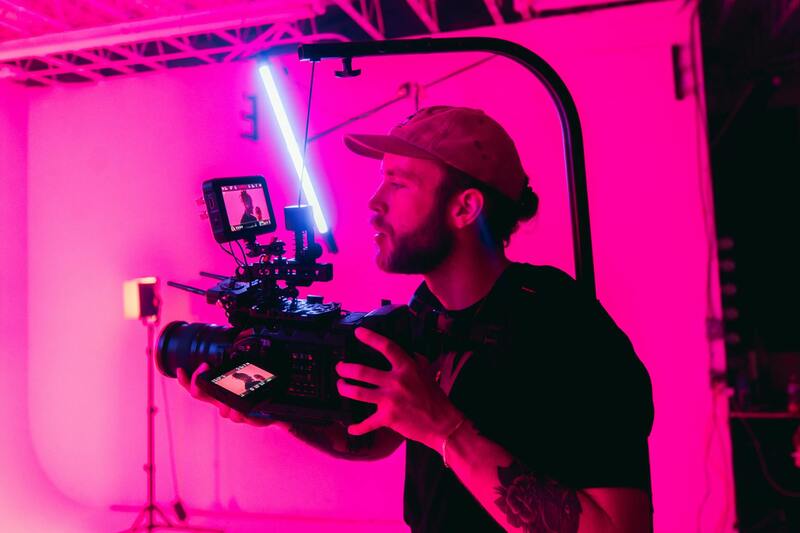
In an increasingly visual digital landscape, event videos serve as invaluable tools for engagement and storytelling. They enable organizations to extend the reach of their events beyond physical attendance, providing content that can be shared across social media platforms, corporate websites, and internal communication channels. Moreover, professionally produced event videos help elevate the perceived quality and professionalism of the organization, building trust and reinforcing their brand identity.
The importance of quality in event video production cannot be overstated. Well-produced videos not only highlight the successful execution of an event but also ensure that key messages and moments are communicated effectively. From capturing keynote speeches and panel discussions to showcasing attendee interactions, every detail contributes to creating a comprehensive visual archive that can be referenced long after the event concludes.
Effective event video production involves a meticulous approach, which begins with thorough planning to understand the goals and target audience. It requires expertise in various technical aspects such as camera operation, lighting, sound, and editing software. This ensures the final product is polished, engaging, and accurately reflects the tone and purpose of the event.
The process typically includes consultation with the client to define key moments for coverage, determining optimal camera placements, and aligning on stylistic preferences. During the event, skilled videographers utilize professional-grade equipment to capture high-definition footage, ensuring every significant detail is documented with clarity and precision. Post-production then transforms raw footage into a compelling narrative that aligns with the client’s vision, ready for distribution and engagement across multiple platforms.
Hiring a dedicated event video production team brings expertise and efficiency, allowing organizers to focus on the event itself while trusting that their visual storytelling is in capable hands. Especially in a vibrant and competitive market like Miami, partnering with local professionals offers advantages such as familiarity with the venue, quick access to resources, and a deeper understanding of regional preferences and audience behaviors.
Pre-Production Planning
Effective pre-production lays the foundation for a successful event video. This phase involves close collaboration between the client and the production team to clearly define the objectives of the video. Detailed discussions are held to identify the key moments that need capturing, the preferred style and tone, and the desired final output. Creating a comprehensive shot list and storyboarding helps ensure that every essential aspect is accounted for, minimizing surprises during filming. In this stage, logistical considerations such as venue access, lighting conditions, and power sources are thoroughly assessed. Scouting the venue ahead of time allows the production team to determine optimal camera angles and placement, ensuring comprehensive coverage without disrupting the event flow. Additionally, technical equipment needs are evaluated—ranging from multiple cameras and stabilizers to audio recording devices—so that the team is well-prepared for the actual shoot. Developing a detailed schedule aligned with the event timeline guarantees that each critical segment is documented effectively. This plan also addresses contingencies, accommodating potential changes or unexpected disruptions. Clarifying deliverables, including format specifications and deadlines, sets the stage for smooth post-production workflows. A well-structured pre-production process not only enhances efficiency but also ensures the final video resonates with the intended audience and aligns with the client’s vision.
Production Process
During the production phase, the focus shifts to capturing high-quality footage that accurately reflects the event’s atmosphere and significance. Skilled videographers work with professional-grade equipment, including multiple cameras, drones for aerial shots when appropriate, and high-quality audio recorders to ensure clarity and precision. Strategic camera placements are crucial; they are chosen based on pre-identified hot spots—such as stage areas, audience reactions, and key interactions—to maximize coverage. Operators continually monitor lighting conditions, adjusting settings to prevent overexposure or shadows that could compromise footage quality. Sound quality is equally important for conveying the event’s narrative. External microphones, lapels, and booms are used to capture speeches, interviews, and ambient sound without distracting background noise. Throughout the filming process, a director or producer oversees the shoot, coordinating between crew members to ensure smooth operation. Real-time monitoring of footage allows for immediate adjustments, and backup systems are employed to prevent data loss. Efficiency during production ensures that every video asset is captured with clarity, detail, and relevance, forming the raw material necessary for compelling final edits.
Post-Production Editing
Post-production is where raw footage transforms into a polished and engaging visual story. The editing process begins with reviewing all recorded material, selecting the most impactful clips, and organizing them in a coherent sequence that aligns with the client’s objectives. Professional editing software is utilized to cut, trim, and assemble footage, ensuring a seamless narrative flow. Color correction and grading enhance visual consistency and set the tone, whether it’s vibrant and energetic or subdued and serious. Sound editing involves cleaning up audio, balancing levels, and adding music or sound effects to enhance emotional impact. Graphic overlays, captions, and transitions are incorporated to highlight important moments and improve viewer engagement. When appropriate, animations or visual effects are added to emphasize key messages. Collaborative review sessions with the client allow for feedback and adjustments, ensuring the final product meets expectations. The editing phase culminates in exporting the video in the required formats, optimized for various distribution channels.
Delivery and Distribution
Once the final edit is approved, the completed videos are prepared for delivery according to the client’s preferences. This may include digital files optimized for social media platforms, websites, or internal use, or physical media such as DVDs or USB drives. High-resolution files are provided alongside compressed versions suitable for online sharing, ensuring fast load times and compatibility across different devices. Detailed metadata and descriptions are included if necessary, to facilitate easy access and placement. Distribution strategies are tailored to maximize engagement. This could involve scheduling releases around the event date, optimizing content for specific platforms, or creating teaser clips to generate anticipation. Proper packaging of the final product ensures it maintains quality during distribution and reaches the target audience effectively.
Benefits of Hiring a Miami-based Event Video Production Agency
Partnering with a local Miami-based event video production provider offers distinct advantages. Local agencies possess in-depth knowledge of the regional market, including popular venues, audience preferences, and local vendors. Their familiarity with Miami’s vibrant atmosphere enables them to creatively capture the essence of events that resonate authentically with regional viewers. Proximity allows for quicker setup times, on-site troubleshooting, and more flexible scheduling—crucial elements when dealing with dynamic event environments. Additionally, local professionals often have established relationships with venue staff, event organizers, and other service providers, streamlining logistical coordination. Access to regional talent and resources also ensures high-quality production values while maintaining competitive costs. The teams understand regional regulations and standards, helping to avoid potential compliance issues. By working with Miami-based specialists, clients benefit from a personalized approach, direct communication, and a deeper grasp of the local culture—all vital for creating content that effectively captures the spirit and significance of events in the area.
Legal and Permitting Considerations for Event Video Production
When undertaking event video production in Miami, understanding and navigating the various legal and permitting requirements is essential to ensure seamless execution and compliance with local regulations. This process involves securing the necessary permissions before filming begins to avoid potential disruptions or penalties. Detailed knowledge about the specific permits required for different venues or public spaces, such as parks, streets, or private properties, is critical. These permits often involve applications through city agencies or other governing bodies and require detailed information about the scope of the shoot, expected duration, and equipment to be used.
Proper documentation is paramount. It involves obtaining filming permits, liability insurance documentation, and possibly other authorizations depending on the scale and nature of the event. For instance, capturing footage with drones or large lighting setups typically necessitates additional approvals and adherence to safety regulations, especially in crowded or sensitive areas.
Coordination with local authorities, venue management, and event organizers is vital in the permitting process. This collaboration ensures that all parties are aligned on filming schedules, safety measures, and access points, thereby minimizing the risk of legal complications. Clear communication about the scope of the production helps prevent misunderstandings and facilitates smooth operations during the event.
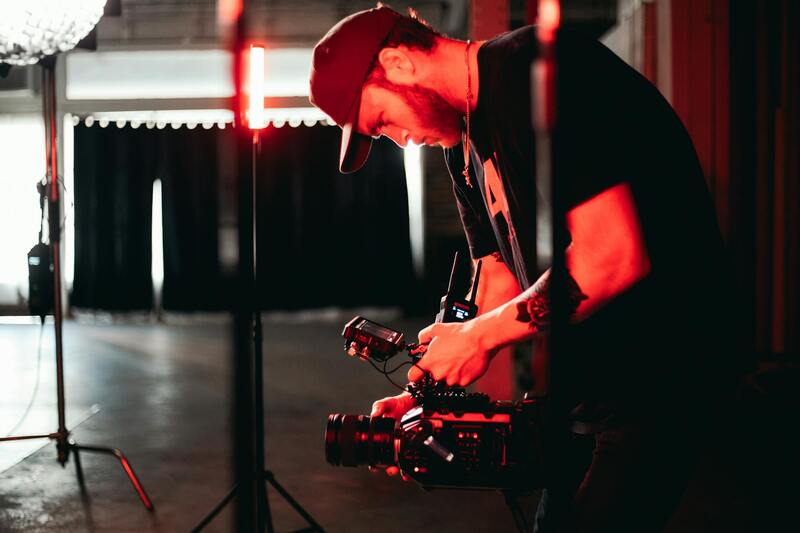
Moreover, respecting intellectual property rights and privacy considerations is crucial. It involves securing releases from individuals appearing in footage, obtaining permissions for copyrighted material, and avoiding the use of proprietary content without appropriate authorization. Engaging professionals familiar with local laws and regulations ensures that all legal bases are covered, preventing potential disputes or additional costs later on.
In addition to formal permissions, enforcing a thorough safety review for all equipment and personnel is necessary. This review includes risk assessments and adherence to safety standards, particularly when working in multi-use or public environments. Establishing clear protocols not only guarantees compliance but also promotes a secure filming environment for both crew and attendees.
By meticulously managing these legal and permitting procedures, event video production teams can focus on capturing compelling content while minimizing legal risks. This proactive approach preserves the integrity of the project and upholds the professional reputation of the production team involved.
Understanding Event Video Production
Event video production is a meticulous process that requires adherence to best practices and reliable methodologies to ensure high-quality results. The process begins with comprehensive planning, where every detail from the scope of the event to the desired outcomes is carefully considered. This stage involves establishing a clear understanding of the event's purpose, target audience, and key moments that should be captured. These foundational steps set the tone for the entire production, impacting the quality and effectiveness of the final video.
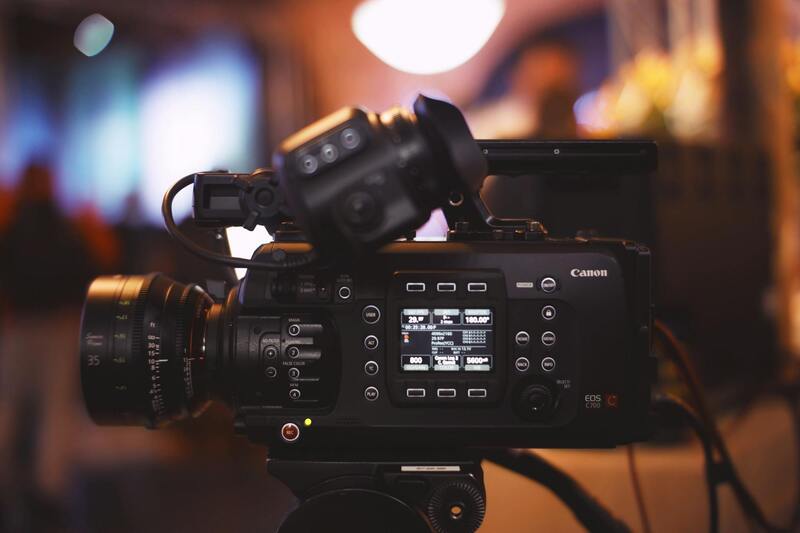
Equipment selection plays a pivotal role in event video production, emphasizing the importance of using professional-grade cameras, stabilized rigs, microphones, and lighting tools. Proper equipment ensures that footage is crisp, clear, and visually appealing, even under challenging lighting conditions. The coordination of the production crew is equally vital, requiring skilled personnel to manage camera operators, sound technicians, and directorial roles seamlessly during the live event.
During on-site filming, strategic positioning of cameras can significantly influence the storytelling quality. Multi-camera setups allow capturing different angles simultaneously, providing a dynamic and engaging viewer experience. Attention to lighting is crucial, especially in large venues or settings with unpredictable lighting conditions. Adequate lighting enhances image quality and can be adjusted in real-time for optimal results.
Sound quality is another critical factor, involving the use of multiple microphones and sound monitors to capture clear audio, minimizing background noise. Integrating these elements effectively requires experience and detailed planning, ensuring coverage of all crucial moments without blind spots or interruptions. Efficient crew coordination guarantees that the filming process remains smooth, with minimal disruptions, and helps in capturing a comprehensive narrative of the event.
In addition, considerations around safety and logistical constraints are incorporated into the on-site setup. It involves careful planning around equipment placement, power sources, and access points to avoid hazards and ensure uninterrupted recording. Having contingency plans in place for technical issues or unforeseen challenges is also a key aspect of professional event video production, safeguarding the quality standards expected by clients.
Post-Production Editing
After capturing the raw footage, the editing phase transforms these recordings into a compelling story. This stage involves selecting the best takes, color correction, sound balancing, and incorporating branding elements or graphics that align with the client’s objectives. Skilled editors work meticulously to create a polished product that highlights the event’s key moments and maintains viewer engagement. Effective editing not only enhances visual appeal but also ensures the final video delivers the intended message with clarity and impact.
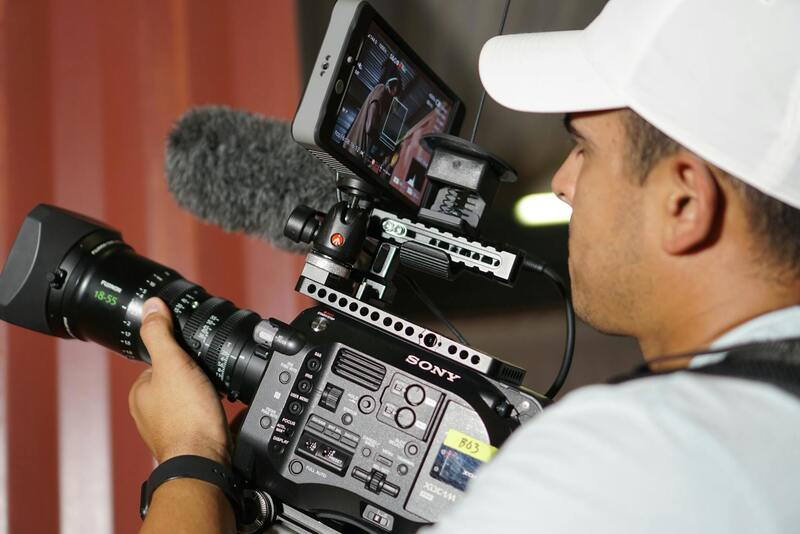
In addition to the creative aspect, attention to legal considerations during editing is vital. This includes ensuring all content complies with copyright laws, with appropriate permissions for copyrighted music or imagery. Editing also involves formatting the video for various distribution channels, such as social media, broadcast, or online streaming platforms, each with specific technical requirements.
The delivery process involves providing clients with the final product in the desired formats, whether digital files, physical media, or live streaming links. Such flexibility guarantees that the video reaches the intended audience seamlessly, preserving its quality and accessibility across diverse platforms.
In conclusion, professional event video production encompasses a complex combination of strategic planning, technical proficiency, and creative storytelling. Attention to detail at every step—from pre-production planning to final delivery—not only ensures a high-quality output but also reflects a commitment to professional standards and client satisfaction.
Capturing the Event with Professional Equipment and Techniques
Effective event video production relies heavily on the selection of appropriate equipment and execution of refined filming techniques. High-definition cameras are essential to ensure crisp visuals that accurately portray the event's atmosphere, details, and emotions. Utilizing a combination of wide-angle lenses and zoom capabilities allows videographers to adapt to different scenarios, capturing both broad audience shots and intimate moments seamlessly.
Steady footage is crucial for maintaining viewer engagement. To achieve this, professionals use stabilizers such as gimbals, tripods, and shoulder rigs that minimize inadvertent camera movements. Smooth pans and tilts contribute to a cohesive viewing experience and help highlight key elements of the event.
Lighting plays a vital role in capturing high-quality video, particularly in indoor settings where lighting conditions can vary. Skilled videographers often bring portable lighting kits and use reflectors to enhance visibility without disrupting the event's ambiance. Proper exposure settings and color balancing are meticulously adjusted to produce vibrant, true-to-life images.
Sound quality influences the overall impact of the event video. Employing directional microphones, lapel mics, and wireless systems guarantees clear audio capture, even amidst background noise and crowd chatter. Sound engineers monitor audio levels throughout the event to prevent distortion, ensuring that speeches, performances, and candid moments are recorded with clarity and precision.
In addition to static camera setups, capturing footage from multiple angles offers a comprehensive perspective. Automated or manual camera operators work collaboratively to follow the event progression, switch between shots, and cover important moments from different vantage points. Strategic shot composition, including framing, focus, and depth of field, enhances the visual storytelling and emphasizes significant parts of the event.
By utilizing professional-grade equipment and refined filming techniques, event video production teams create a visual record that not only documents the occasion but also elevates its storytelling potential. This foundational quality serves as the basis for editing, ensuring a polished final product that aligns with the client’s goals and audience expectations.
Strategies for Ensuring the Best Quality in Event Video Production
Achieving high-quality event videos requires meticulous attention to various production aspects, from equipment selection to crew coordination. Using state-of-the-art cameras with high-resolution sensors allows capturing crisp, detailed footage that maintains visual clarity across different lighting conditions, which is especially crucial for events held in diverse environments. Professional videographers often utilize multiple camera setups to provide dynamic perspectives, ensuring no significant moment goes unnoticed.
Controlled lighting plays an integral role in producing compelling videos. Portable lighting fixtures and reflectors are strategically positioned to illuminate key subjects, simplifying post-filming correction and enhancing overall image quality. When dealing with indoor or low-light scenarios, mastering the balance of exposure, white-balance, and color temperature becomes essential to create vibrant, natural-looking footage. Properly calibrated settings prevent issues like noise, blurriness, and color casts, which can diminish the visual appeal of the final product.
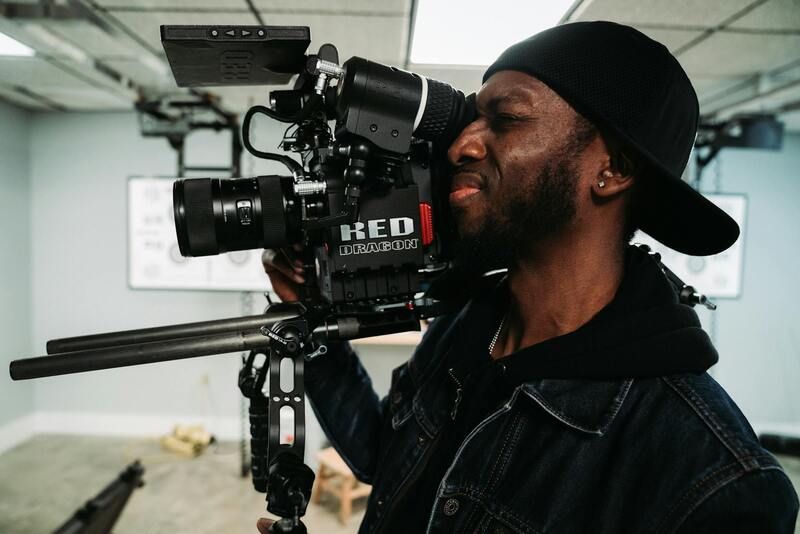
Audio fidelity is equally vital in capturing the essence and clarity of speeches, performances, and spontaneous moments during an event. Employing a combination of high-quality microphones—including shotgun, lapel, and wireless models—ensures sound is recorded crisp and clear, regardless of background noise levels. Skilled sound engineers continuously monitor audio signals, adjusting levels in real-time to avoid distortion, ensuring the final product is rich with clarity and depth.
Effective coverage involves multiple camera angles, switchers, and automated systems. By capturing from various vantage points, multiple perspectives are integrated to tell a comprehensive story. Strategic shot composition—considering framing, focus, depth of field, and movement—enhances the visual narrative and highlights key interactions and moments. Skilled operators coordinate seamlessly to follow the flow of the event, switching between different camera feeds to maintain viewer engagement.
Maintaining consistent quality throughout these processes is fundamental in creating polished, professional event videos. Employing modern gear, refined shooting techniques, and rigorous on-site oversight ensures the final footage meets the highest standards of clarity, color accuracy, and audio integrity. These elements form the foundation for subsequent editing, where raw footage is transformed into a cohesive story that aligns with the objectives of the event and expectations of the audience.
Choosing the Right Event Video Production Partner
Securing a dependable and experienced event video production team in Miami is essential for capturing the full scope and vibrancy of your event. When evaluating potential partners, it’s important to prioritize agencies with a solid track record, comprehensive service offerings, and a deep understanding of the unique nuances associated with event coverage in the Miami area. These professionals bring an array of specialized techniques, high-caliber equipment, and logistical expertise that collectively elevate the quality of your final product.
One of the primary considerations is the agency’s portfolio, which showcases their range of work across various event types, such as corporate functions, festivals, weddings, and seminars. A diverse portfolio indicates versatility and a capacity to adapt to different event formats and atmospheres. Additionally, reviewing sample videos allows you to assess their technical proficiency—including shot composition, lighting, sound, and editing styles—ensuring these align with your vision.
Effective communication and transparency are critical during the initial consultation. A reputable production company will take the time to understand your specific objectives, audience engagement goals, and branding requirements. They will advise on optimal coverage strategies, from selecting the right camera angles to coordinating audio capture methods that improve speech intelligibility and overall sound quality.
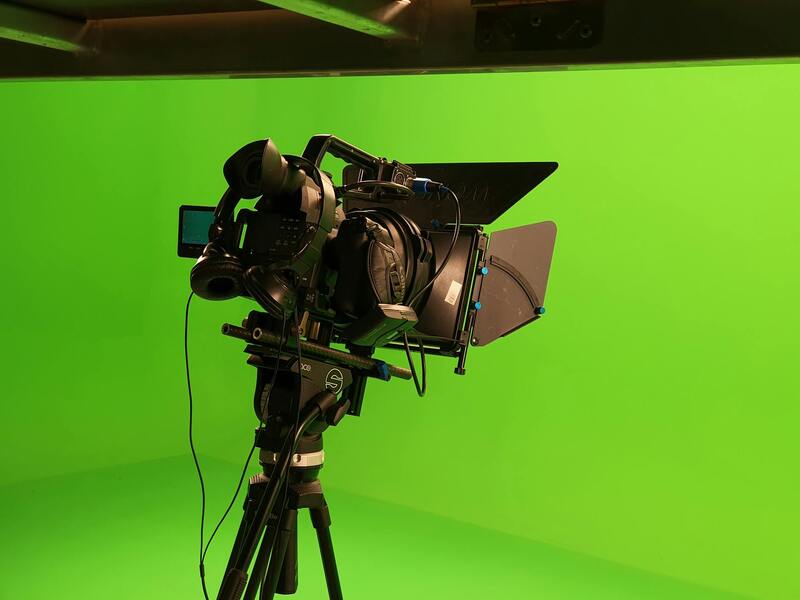
Another key factor is equipment and technical capacity. Leaders in the field utilize advanced cameras, stabilization tools, drone technology for aerial shots, and professional-grade audio equipment. This hardware supports capturing high-resolution footage with exceptional clarity, even in challenging lighting conditions or large venues. Skilled operators and crew members who understand how to maximize these tools—whether through dynamic camera movements or subtle focus shifts—are integral to delivering polished results.
Moreover, organizations that maintain a dedicated post-production team can refine footage through professional editing, color grading, and sound mixing. This ensures the final product maintains a cohesive narrative flow, highlights crucial moments, and aligns with your branding standards. Check whether the agency provides options for quick turnaround or additional revisions, enabling you to meet tight deadlines or make necessary adjustments.
Budget considerations should be balanced with quality assurance. It's advisable to request detailed quotes that outline all included services, from initial planning to final delivery. Clear project timelines, deliverable formats, and licensing agreements also contribute to a smooth collaboration.
Finally, client references and reviews serve as valuable indicators of the agency’s professionalism and reliability. Positive testimonials often reflect the agency’s ability to operate seamlessly during the event, handle unexpected challenges proactively, and deliver an end product that exceeds expectations.
Choosing the right partner for event video production in Miami involves assessing technical expertise, creative vision, logistical planning, and client support. This comprehensive approach ensures that your event is documented with precision, capturing the energy and significance of the moment for years to come.
Ensuring Compliance with Legal Standards in Event Video Production
Successfully capturing and delivering high-quality event videos in Miami hinges on adhering to validated methods of content creation and distribution. To maintain the integrity and professionalism of your event documentation, it is essential to follow verified practices in the entire production process, from planning to final delivery.
Official Equipment and Technology Usage
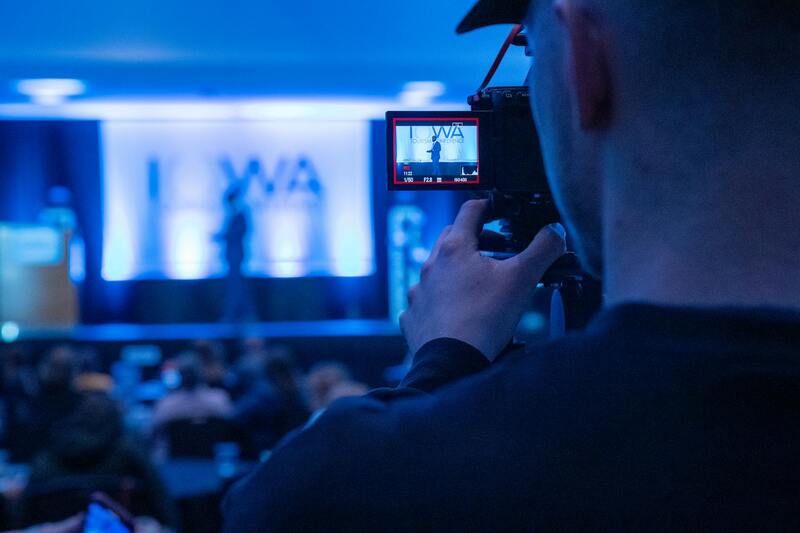
Utilizing equipment that meets industry standards is fundamental in producing legally compliant and technically proficient videos. Professional-grade cameras, lenses, lighting, and sound equipment approved for commercial use ensure the safety, quality, and consistency of your footage. Engaging with vendors that maintain up-to-date certifications and comply with safety regulations minimizes risks associated with equipment failure or data loss.
Permissions and Rights Acquisition
One of the core components of legitimate event video production is securing proper permissions for recording and distribution. This involves obtaining written consent from all individuals captured on camera, especially when filming private or sensitive moments. It’s equally important to acquire the necessary licenses for any copyrighted music or third-party content integrated into the video. Proper rights management ensures that the final product avoids potential copyright infringements and related legal complications.
Adherence to Privacy and Data Protection Policies
Respecting privacy laws and data protection regulations is critical, particularly in jurisdictions like Miami where strict statutes govern personal data handling. Implementing secure data storage practices, limiting access to sensitive footage, and securing explicit consent for sharing videos on public platforms demonstrate adherence to these policies. Working with a production agency that prioritizes data protection mitigates risks associated with unauthorized disclosures or breaches.
Ethical Content Creation and Representation
Maintaining ethical standards in content creation involves accurately representing the event and its participants without manipulation or misrepresentation. Avoiding practices such as editing that alters the context of moments, or including footage that can be misinterpreted, preserves the trustworthiness of the final video. Ethical standards also encompass transparent communication regarding the scope, usage rights, and distribution channels of the produced content.
Official Documentation and Contracting
Formal contracts outlining the scope of work, deliverables, timelines, and payment terms establish clear expectations and accountability. Such agreements should detail the permitted uses of the footage, rights transfer, and approval processes for the video. Engaging with reputable production teams that provide comprehensive documentation helps ensure all parties are aligned and that the project complies with industry standards.
Implementation of Quality Assurance Protocols
Regular inspection and validation of footage during production, along with thorough editing reviews, are vital steps to maintain quality standards. Quality assurance protocols should verify that footage complies with technical and legal specifications before delivery. This process not only reduces errors but also guarantees that the final product adheres to all established official procedures, ensuring a flawless and compliant outcome.
Summary
Adopting approved and legitimate methods across all stages of event video production—ranging from equipment use and permissions to data management and ethical standards—facilitates a professional, compliant, and trustworthy outcome. Selecting Miami-based production partners with proven adherence to these practices not only enhances the quality and legality of your event documentation but also reinforces your organization’s reputation for integrity and excellence in visual storytelling.