
Importance of High-Quality Event Photos
Capturing the vibrancy and significance of events through professional photography plays a crucial role in preserving memories and conveying the atmosphere to audiences. In Miami’s dynamic environment, distinguished by its diverse cultural landscape, bustling social scene, and innovative corporate gatherings, high-quality event photos serve as a vital tool for documenting the essence of each occasion. Regardless of the size or purpose of an event—be it an elegant wedding, a corporate conference, a lively festival, or a community charity event—professional imagery ensures that every moment is preserved with clarity and artistic precision.
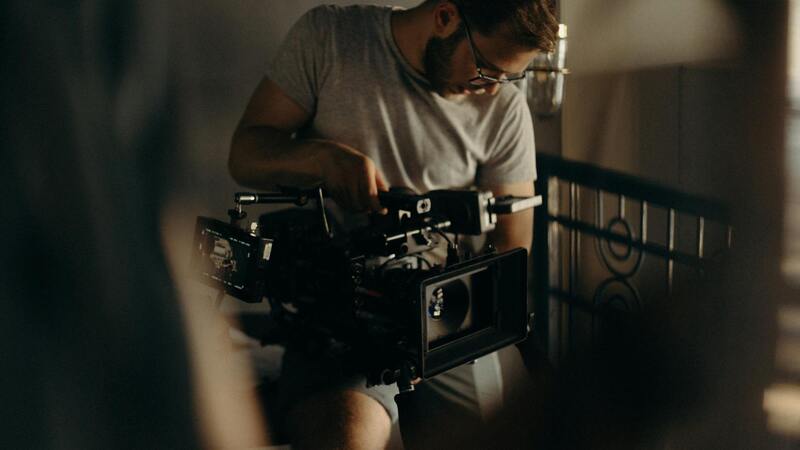
Event photos do more than simply record; they evoke emotions, highlight key moments, and showcase the event’s success. For organizers and participants alike, visually compelling images create enduring impressions that can be used for future promotional campaigns or personal recollections. Additionally, the high resolution and technical quality of professional images guarantee that photos are suitable for various media formats—be it printed materials, online platforms, or official archives—thus extending their usefulness far beyond the event day.
In Miami, where countless events take place annually, the value of professional event photography is amplified. It ensures that the unique atmosphere, whether it’s a beachfront gala under sunset skies or a corporate seminar with high-profile speakers, is captured authentically. Engaging and visually appealing photographs help communicate the event’s story compellingly to potential attendees, sponsors, and stakeholders, thereby fostering future engagement and sponsorship opportunities.
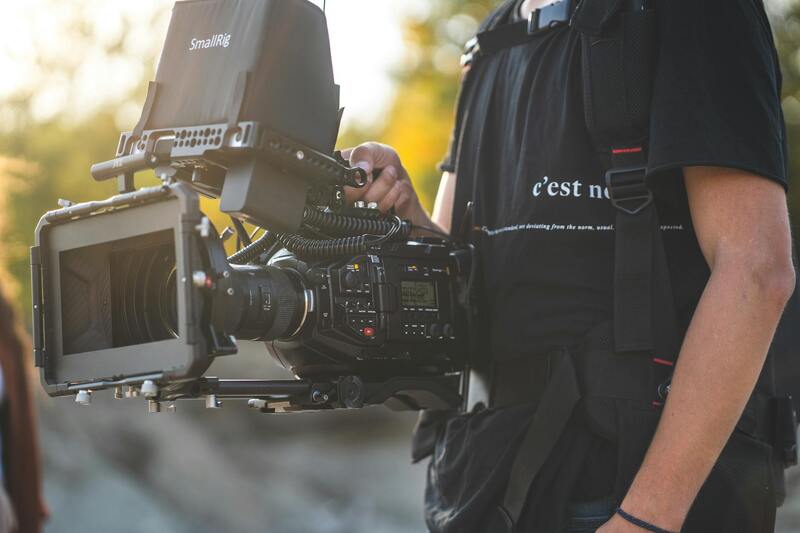
Moreover, expertly captured event photographs serve as important tools for branding and marketing. Consistent high-quality images reinforce organizational values and aesthetic standards, creating a recognizable visual identity. In a vibrant city like Miami, where audiences are accustomed to striking visual content, professional event photos elevate the perception of your event, making it stand out in digital and print media.
Ensuring that each moment of an event is documented meticulously with professional event photos enhances the overall impact of the gathering. From candid interactions to staged group shots, these images encapsulate the essence of the event and offer long-lasting value for both personal memories and organizational promotion, making them indispensable in Miami’s competitive social and business environment.
Types of Event Photos and Their Uses
In the realm of professional event photography, a diverse array of styles exists, each serving specific purposes to maximize the impact of visual documentation. Candid shots are invaluable for capturing authentic interactions and spontaneous moments, offering a genuine portrayal of the event's atmosphere. These images provide a dynamic representation that resonates well with audiences seeking a true sense of participation and emotion, making them highly suitable for social media promotion and souvenir albums.
Posed group photos are essential for formal occasions, such as award ceremonies or networking events. They help commemorate key participants and create formidable visual records for organizational archives or future marketing materials. Themed images, often involving creative setups aligned with the event’s purpose or branding, enhance engagement by providing visually striking content that can be leveraged in promotional campaigns.
Furthermore, specialized photography styles such as detail shots — capturing decorations, branding elements, or customized merchandise — contribute to a comprehensive visual story. These details often underscore the event’s branding elements, supporting brand recall and reinforcing the event's theme across various media platforms.
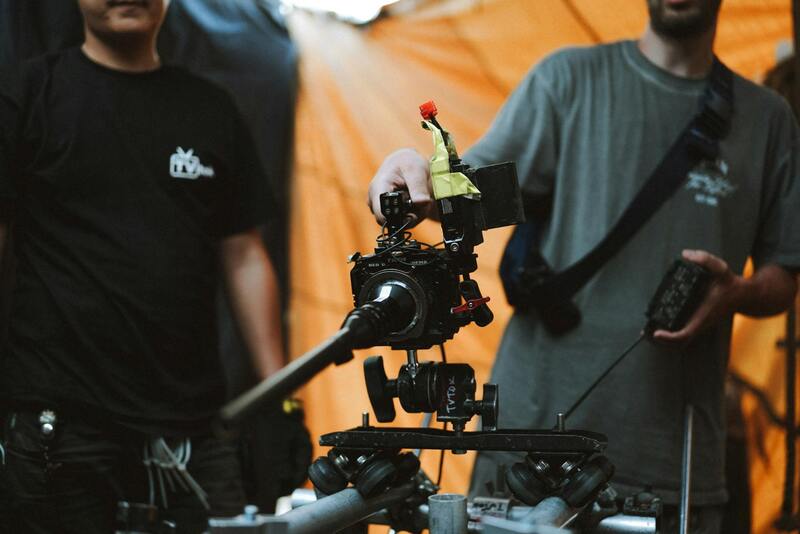
Ultimately, the strategic use of different types of photos enhances the overall narrative of your event. Whether used for promotional content, archival purposes, or creating lasting memories, a variety of images equips organizers with a powerful visual toolkit to communicate their message effectively and adapt content for various audiences.
Planning Event Photography in Miami
Effective planning is foundational to capturing compelling event photos in Miami’s vibrant environment. It begins with understanding the event's objectives, target audience, and key moments that need documenting. Coordinating with your photography partner well in advance ensures alignment on the scope, style, and deliverables. In Miami, the diverse settings and lighting conditions demand meticulous planning. This includes scouting locations beforehand, understanding the natural light patterns—particularly for outdoor events—and preparing the necessary equipment to adapt seamlessly to changing conditions. A detailed shot list helps prioritize critical moments, from keynote speeches to candid interactions, ensuring no essential visuals are missed. Communicating this with your photography team supports a streamlined production process and guarantees a comprehensive visual record. Lastly, considering logistical details such as access to event spaces, permits if necessary, and designated areas for staged shots minimizes disruptions and maximizes efficiency. Well-planned event photography, tailored to Miami’s unique environment, results in a diverse, high-quality portfolio of images that effectively encapsulate the event’s spirit.
Types of Event Photos and Their Uses
Capturing a variety of event photos serves multiple strategic purposes, from showcasing the event’s highlights to creating visual archives that can be utilized long after the occasion concludes. Different types of images fulfill distinct roles, whether for immediate promotional efforts, documentation, or sentimental value.
Among the most common types are candid shots, which capture genuine moments of interaction, emotion, and engagement. These photos often resonate most strongly with viewers, offering an authentic glimpse into the event’s atmosphere. Candid photography is especially effective in environments like corporate galas, weddings, or community festivals in Miami, where the energy and interpersonal connections are central to the event's success.
Formal portraiture is another key category, typically used for dedications, awards ceremonies, or VIP segments. These images require careful staging to ensure professionalism, often featuring prominent figures or key stakeholders. They serve as valuable assets for media releases, official programs, or commemorative materials.
Action shots are essential when capturing dynamic elements—such as performances, athletic competitions, or interactive workshops. These photos highlight the vibrancy and movement, bringing the event’s energy to life in visual form. Technical considerations, like shutter speed and frame rate, are crucial here to freeze moments in crisp detail.
Detail-oriented images focus on close-ups of décor, catering, signage, or other aesthetic elements. These can be used to provide ambiance, enhance promotional content, or enrich post-event reports. In vibrant Miami settings, capturing the intricate details of themed décors or colorful surroundings helps to reinforce the event’s visual identity.
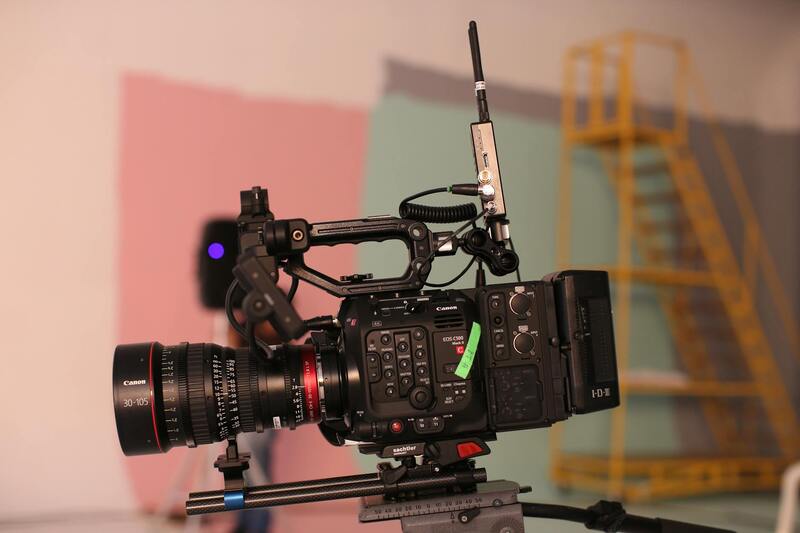
Finally, environmental shots that highlight venue settings and crowd engagement help contextualize the event within its location. For outdoor events or those held in Miami’s iconic venues, strategic framing can emphasize the locale, adding richness to visual storytelling.
Utilizing these various types of event photos ensures a comprehensive visual record that can be leveraged for multiple purposes, including marketing campaigns, social media promotion, event archives, and future planning. A well-rounded collection of images not only captures the event’s essence but also boosts visibility and engagement in subsequent efforts.
Post-Event Photo Editing and Delivery
Once the event photography session concludes, the process of editing becomes crucial in ensuring the images meet professional standards and effectively represent the event’s vibrancy and significance. Post-event editing involves color correction, exposure adjustments, cropping, and retouching to enhance clarity and visual appeal. For event photos, maintaining consistency in tone and style aligns the imagery with branding efforts or overall event themes. High-resolution images should be prepared for diverse uses—ranging from large-scale printouts to digital platforms. Editing also includes selecting the most compelling shots, ensuring a balanced mix of candid moments, portraits, and detailed shots to provide a comprehensive visual story. The delivery of images should be swift and organized. Digital galleries, secure download links, or cloud-based solutions are common methods to provide easy access to clients. Clear file naming and categorization facilitate quick retrieval for promotional use or archival purposes. Additionally, offering different file formats and resolutions ensures that images are suitable for print, web, or social media display, maximizing their utility. Maintaining a high standard during post-processing reflects the professionalism of the photography service, reinforcing client satisfaction and optimizing images for maximum impact across multiple channels.
Legal and Privacy Considerations
Handling event photos responsibly involves respecting the privacy of attendees and obtaining necessary permissions. Prior to the event, it’s advisable to clarify whether photography is permitted, especially in private or exclusive settings. During the event, photographers should be transparent about documenting activities and obtaining consent when capturing individuals, particularly in environments with minors or sensitive situations. After capturing the images, the dissemination process should respect the preferences of participants. Offering opt-out options or requesting explicit permission to use images for promotional purposes helps maintain trust and integrity. In environments where attendees' privacy is a priority, limiting the publication of certain photos may be necessary. Responsible management of event photos also entails secure storage and controlled access. Ensuring that images are stored compliantly and sharing them only with authorized personnel or clients helps prevent misuse or unauthorized dissemination. This approach preserves the integrity of both the event and the subjects featured in the photographs.
Using Event Photos for Promotion and Archives
Event photos serve as valuable assets for promotional campaigns, social media content, and future planning. When used effectively, they help showcase the success and atmosphere of the event, attracting future participants or clients. High-quality images should be strategically curated to highlight key moments, engaging visuals, and the overall vibe of the event. For ongoing promotional efforts, integrating event photos into marketing materials—such as newsletters, brochures, or online portfolios—enhances credibility and visibility. Consistent branding and storytelling through imagery reinforce the event’s message and appeal. Archival storage of event photos ensures the preservation of visual records for future reference. Organized digital archives facilitate easy access for future marketing, retrospectives, or academic use. Employing proper metadata, tags, and categorizations enhances searchability and management within the archive. When leveraging event photos, aligning the visuals with strategic goals maximizes their impact, helping to build a strong reputation and generate ongoing interest in future events.
Selecting an Event Photography Partner in Miami
Choosing the right photography provider is essential for capturing the essence of Miami’s vibrant event scene. Start by assessing their portfolio, ensuring their style aligns with your vision and that they have experience in similar event types. Regional familiarity is beneficial; photographers aware of Miami’s unique venues, lighting conditions, and cultural diversity can deliver more authentic and compelling images. Expertise in various photography styles—including candid, portrait, and detail shots—is crucial to provide a comprehensive package that meets your needs. Additionally, consider their technical capabilities, such as equipment quality, backup systems, and post-processing resources. Communication and professionalism are key factors. An ideal partner will be attentive to your goals, transparent about expectations and deliverables, and flexible in accommodating specific requirements. References and reviews from previous clients provide insights into their reliability, creativity, and ability to handle different event environments. Partnering with a seasoned Miami-based event photographer ensures the final collection of images will effectively capture and showcase the event’s achievements, ambiance, and unique regional flavor. This strategic choice significantly influences the overall impact of your event’s visual documentation.
Legal and Privacy Considerations
Ensuring respectful and secure handling of event photos is paramount for maintaining trust and professionalism. When capturing images at events, obtaining the appropriate permissions from attendees is a fundamental step. This involves informing attendees about the use of photographs and securing consent, especially in situations where images may be used for promotional purposes or shared publicly.
It is also vital to establish clear agreements that outline the intended use of the photos. Such agreements should specify how images will be stored, who has access to them, and the duration for which they will be retained. These measures help protect the rights of individuals featured in the photos and prevent any misuse or unauthorized dissemination.
Furthermore, photographers and clients should be mindful of privacy regulations specific to Miami and the broader region. Complying with local privacy standards ensures that sensitive or personal information captured during the event remains confidential unless explicit consent is provided for its dissemination.
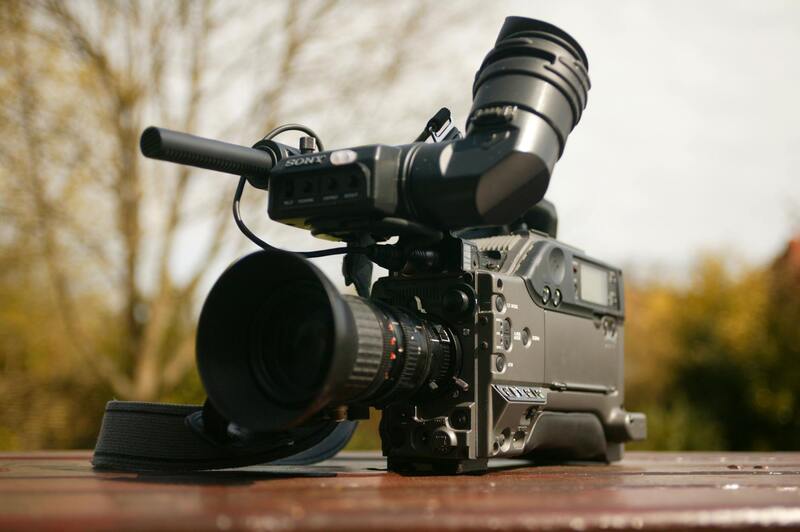
To uphold ethical standards, professional event photography services often implement secure workflows for image management. This includes encrypted storage solutions, controlled access protocols, and detailed documentation of consent procedures. Such practices not only enhance image security but also reinforce the credibility of the photographic service provider.
- Always seek consent from individuals appearing in the photos before sharing or publishing images.
- Use clear disclaimers and consent forms that explicitly state the purpose of photograph usage.
- Implement secure methods for storing and transferring images to prevent unauthorized access.
- Stay informed about specific privacy laws and regulations relevant to your event location.
Adhering to these guidelines demonstrates a commitment to ethical photography practices, fostering positive relationships with event participants and stakeholders. It also ensures that your event’s photographic records are handled with respect and integrity, aligning with professional standards within the industry.
Post-Event Photo Editing and Delivery
After the event has concluded, the process of editing and delivering photos becomes crucial in ensuring that the visual documentation meets professional standards and achieves the desired impact. High-quality editing involves color correction, light adjustments, cropping, and retouching to enhance the images without compromising their authenticity. This step ensures that each photo accurately reflects the event’s atmosphere and maintains a polished appearance conducive to promotional use or archival purposes.
Timely delivery of the polished images is a key consideration. Clients typically expect an organized gallery, often hosted on secure online platforms, which allows for easy browsing and downloading. For many event organizers, this digital dissemination simplifies sharing with attendees, stakeholders, or future audiences. Additionally, delivering images in multiple formats—such as high-resolution for printing and web-optimized versions for online use—maximizes their versatility across different channels.
To uphold quality and security, reputable Miami event photography services prioritize encrypted file transfers and protected access controls. Maintaining a clear and transparent communication line about the expected timeline and format of image delivery fosters trust and satisfaction. Some providers also offer additional services such as custom albums, slideshow presentations, or personalized prints, adding value for clients seeking comprehensive event documentation.
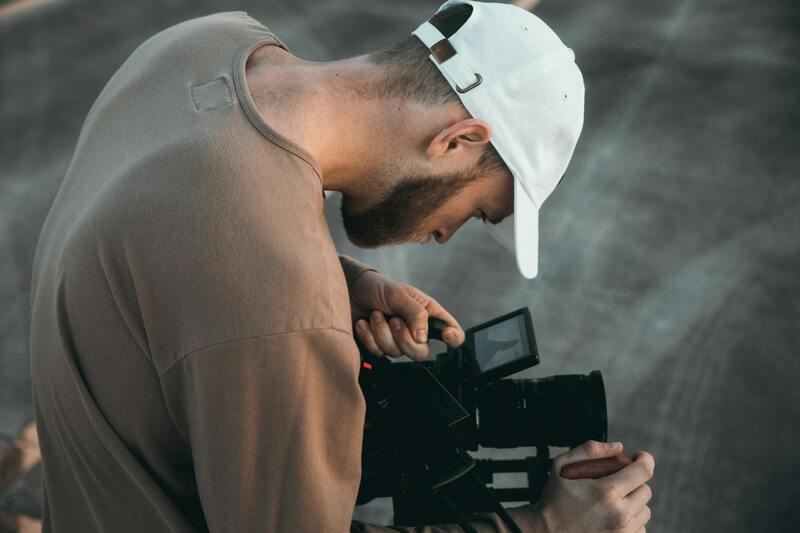
An organized post-event process not only emphasizes professionalism but also ensures that every photograph can be utilized effectively in marketing, archiving, or personal keepsakes. By adhering to these detailed workflows, event photography providers in Miami demonstrate a commitment to excellence and client satisfaction.
Effective Strategies for Maximizing the Impact of Event Photos
Once the event photos have been captured and professionally edited, the focus shifts to their strategic utilization to maximize visibility and engagement. Well-executed photography can serve as a powerful tool to enhance brand awareness, foster community engagement, and preserve memories, making it essential to adopt best practices for deployment.
One of the primary methods for leveraging event photos is through social media channels. High-quality visuals tend to generate higher engagement rates, compelling viewers to like, comment, and share. To optimize this impact, images should be tailored to fit the specifications of each platform, such as aspect ratios and resolution requirements. Incorporating event hashtags, tagging relevant stakeholders, and providing descriptive captions can further increase reach and create a cohesive narrative around the event.
Beyond social media, event photos are invaluable for online marketing efforts. Incorporating these images into website galleries, blog posts, and newsletters adds authenticity and visual appeal. For corporate events, these photos can be used in annual reports, promotional brochures, and multimedia presentations, illustrating the company's active involvement and community presence.
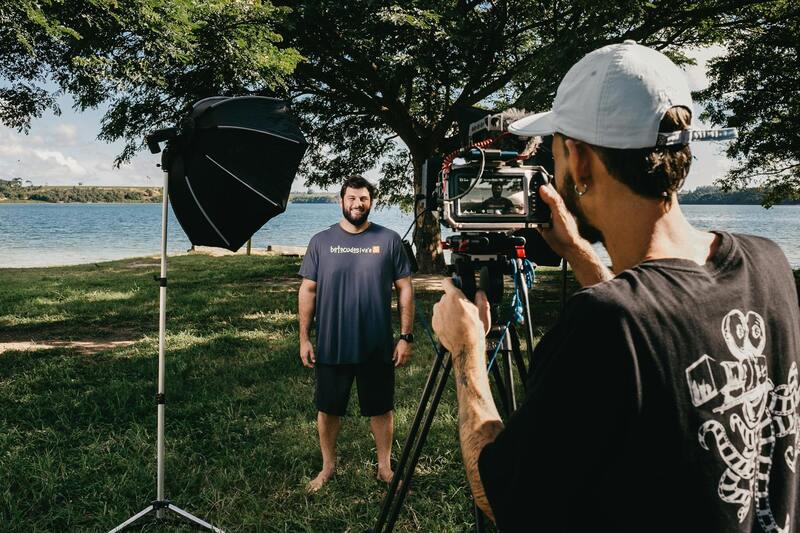
Creating a comprehensive digital archive of event photos also enables organizations to maintain a visual record for future reference. Organizing images into categorized albums facilitates easy retrieval and use in various formats and contexts. This archive serves as a valuable repository for commemorative purposes, invitations, and organizational history, especially when preserved with accurate metadata and descriptions.
In addition to digital channels, high-quality printed materials such as calendars, posters, and photo books can showcase event highlights in physical formats. These tangible items can be used for promotional giveaways or internal purposes, fostering a sense of community and achievement among attendees and stakeholders.
Ensuring the durability and security of these images involves implementing proper storage solutions, such as cloud-based systems with access controls and backup protocols. Regularly updating the digital library maintains relevance, while secure storage safeguards the integrity of the visual content for long-term use.
Legal and Privacy Considerations When Using Event Photos
Utilizing event photos involves navigating important considerations concerning individuals' rights and privacy expectations. To ensure respectful and responsible use of imagery, organizations should establish clear protocols related to consent and image rights. Obtaining explicit permission from subjects before capturing or distributing their images is essential, particularly when photographs highlight personal features or private moments. This process involves informing attendees about how their images will be used, whether for promotional purposes, archives, or social media, and securing their agreement prior to the event.
Effective consent procedures can include distributing consent forms during event registration, clearly outlining the scope of image usage, and allowing attendees to opt out if they do not wish to be photographed. Providing visible signage at event venues that indicate photography is in progress also helps manage expectations and encourages voluntary participation. Respect for individuals' comfort levels and preferences is a cornerstone of responsible event photography practice.
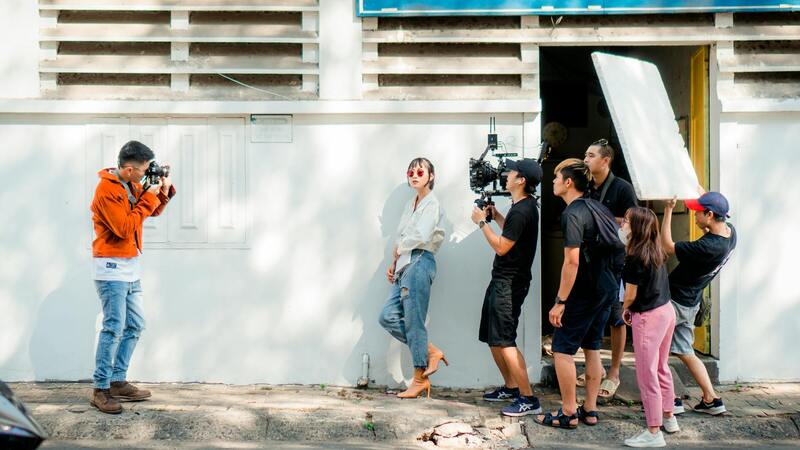
Beyond consent, organizations should consider privacy considerations related to sensitive environments or vulnerable populations. In such contexts, additional precautions are advisable, including limiting photography to designated areas and restricting access to images that could compromise privacy or security. Adhering to organizational policies and industry best practices minimizes risks associated with image misuse and reinforces trust with event participants.
When distributing event photos, employing secure methods of transfer and storage safeguards against unauthorized access or sharing. Digital assets should be protected with encryption, restricted access controls, and regular backups to prevent data loss or breaches. Maintaining accurate records of permissions and distribution history helps verify compliance and facilitates accountability.
In the context of public and online sharing, understanding the implications of distributing images across diverse platforms is vital. Carefully selecting appropriate channels ensures that photos reach the intended audience while respecting privacy agreements. For example, hosting high-resolution images within controlled online galleries, rather than broadly posting on social media, gives organizations greater oversight and control over how event memories are shared and used.
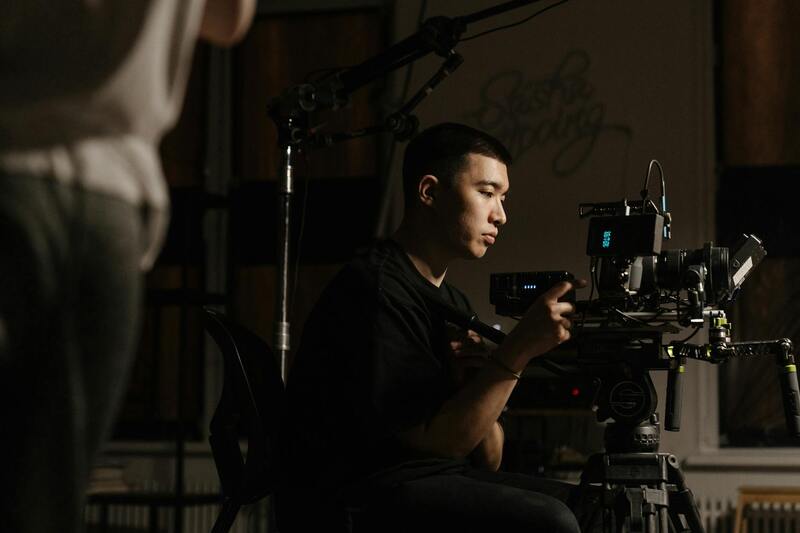
By prioritizing these key aspects—obtaining informed consent, respecting privacy, and employing secure handling methods—organizations can ethically leverage event photos to boost their branding, document significant moments, and maintain positive relationships with attendees. These practices not only protect individuals' rights but also uphold the integrity of the organization's visual documentation efforts, fostering a reputation of transparency and professionalism in Miami's vibrant event scene.