
Understanding the Event Photography Industry in Miami
Overview of the Event Photography Market in Miami
Miami stands out as a vibrant hub for diverse events, ranging from high-profile corporate gatherings to intimate celebrations like weddings and birthdays. The city's dynamic atmosphere and affluent population create a steady demand for professional event photography services. This industry continually evolves, influenced by shifting client preferences and technological advancements, making it vital for aspiring photographers to understand the landscape thoroughly.
One of the primary factors shaping the demand for event photography in Miami is the city’s reputation as a premier destination for luxury events, festivals, and cultural celebrations. These events often require high-quality visual documentation, attracting clients willing to invest in experienced photographers who can deliver exceptional imagery. Additionally, Miami's booming corporate scene, including conferences and trade shows, adds a significant volume of business clients seeking reliable event coverage.
The client base in Miami is highly diverse, encompassing individuals, small business owners, multinational corporations, and event organizers. Each segment has unique expectations, from candid, photojournalistic styles to polished, branding-focused images. Understanding these preferences allows photographers to tailor their services accordingly, better positioning themselves within the market.

Industry standards in Miami emphasize high-quality equipment, timely delivery, and a professional approach to client interaction. Photographers are expected to stay up-to-date with emerging trends, such as drone photography and real-time social media coverage, which can add significant value to their offerings. Building a reputation in this competitive environment relies on consistent excellence, networking within local event industries, and fostering strong client relationships.
Key Industry Trends and Challenges
- Technological Advancements: Incorporation of 4K video, drone shots, and live-streaming capabilities.
- Client Expectations: Fast turnaround times and personalized services tailored to each event type.
- Market Competition: A proliferation of freelance photographers and small agencies requires unique branding and niche specialization.
- Legal and Contractual Standards: Clear agreements that outline deliverables, usage rights, and cancellation policies are crucial for smooth operations.
Understanding these elements helps new entrants navigate the competitive Miami market effectively, enabling them to align their offerings with client demands and industry best practices.
Understanding the Event Photography Industry in Miami
Miami’s vibrant event scene offers photographers a diverse landscape for showcasing their skills and growing their reputation. From glamorous wedding celebrations to corporate galas, the city’s dynamic atmosphere demands a versatile and professional approach. Key to success in this bustling industry is the commitment to high-quality imagery that captures the essence of each event, meeting the expectations of a discerning clientele.
In Miami, event photographers are expected to utilize state-of-the-art equipment, including high-resolution cameras, professional lighting setups, and advanced editing software. This investment ensures the images produced are sharp, vivid, and market-ready. Additionally, staying current with technological trends enhances a photographer’s competitiveness. Techniques such as drone photography elevate coverage, providing breathtaking aerial perspectives, while live-streaming capabilities allow event organizers to extend their reach beyond physical attendees.
Market differentiation hinges on consistency and personalized service. Photographers often develop specialized packages tailored to specific event types, which helps to meet unique client needs and stand out amidst numerous competitors. Networking within the local event industry, including collaboration with event planners, venues, and vendors, can significantly boost visibility and referral opportunities. Furthermore, establishing a professional online presence—complemented by testimonials and a portfolio showcasing diverse event coverage—is essential in attracting new clients.
Miami’s event photography professionals also face the challenge of balancing rapid turnaround times with delivering polished images. Clients increasingly expect quick access to their photos, with some even requesting real-time previews or social media-ready images during or immediately after the event. This trend emphasizes the importance of efficient workflows and robust post-production processes.
To thrive in Miami’s competitive environment, photographers should focus on continuous skill development, adopting emerging technologies, and fostering genuine relationships within the local event circuit. Building a reputation for reliability and excellence helps ensure repeat business and positive word-of-mouth, both critical components of growth in the event photography sector.
Legal, Insurance, and Business Operations
Establishing a sustainable and reputable event photography business in Miami requires adherence to a set of structured operational practices. Securing appropriate business licenses and permits, aligned with local regulations, lays a solid foundation for lawful business activities and enhances credibility with clients and vendors. These formalities are essential in maintaining transparency and ensuring smooth interactions within the industry network.
Comprehensive insurance coverage is an important consideration for professional event photographers. Liability insurance protects against potential damages or accidents that could occur during an event, safeguarding both the photographer and the client’s interests. Equipment insurance, on the other hand, provides coverage for photography gear against theft, loss, or damage, minimizing financial disruptions and ensuring uninterrupted service delivery.
Implementing efficient business operations involves setting up clear contracts that outline terms of service, delivery deadlines, confidentiality clauses, and payment schedules. Precise contracts prevent misunderstandings and provide legal clarity, reinforcing professionalism in every transaction.
Financial management is equally vital; keeping accurate records of income, expenses, and taxes ensures compliance with local tax regulations in Miami. Utilizing accounting software tailored for small businesses can streamline this process, facilitate tax filings, and provide financial insights essential for growth and sustainability.
Investing in reliable booking and scheduling systems helps manage multiple events smoothly, avoiding overlaps and miscommunications. Regularly updating your client database and maintaining professional communication channels—via email, phone, or social media—is key to building long-lasting relationships and encouraging repeat business.
Furthermore, staying informed about local business policies, employment laws, and industry standards in Miami positions your event photography business for success and resilience amidst evolving regulatory frameworks.
Establishing Strategic Partnerships and Networking in Miami
Building strong relationships within the local event industry is a pivotal step for an event photography business in Miami. Collaborating with event planners, venues, catering services, and entertainment providers can augment your visibility and open doors to exclusive opportunities. Establishing partnerships often involves attending industry trade shows, joining local business chambers, and participating in community events, which enhances your presence within the vibrant Miami event scene.
Networking isn’t solely about acquiring clients but also about creating a support system that fosters ongoing referrals and collaborative promotions. When you develop a reputation as a dependable and professional photographer, satisfied clients and industry colleagues can become your ambassadors, endorsing your services through word-of-mouth recommendations that carry significant weight in the local market.
Your Online Presence and Market Visibility
In the digital age, a compelling online presence is essential for attracting clients and establishing your credibility. Your website, miamivideoservices.net, should serve as a comprehensive portfolio that showcases your best work, client testimonials, and detailed service descriptions. Optimizing your website for local search terms related to Miami event photography ensures that potential clients find your services when searching online.
Furthermore, maintaining active social media profiles on platforms such as Instagram, Facebook, and LinkedIn can dramatically increase your outreach. Sharing behind-the-scenes content, client success stories, and recent events helps establish a personal connection with your audience and demonstrates your consistent expertise and professionalism in capturing Miami’s diverse events.
Engaging in Local Industry Events and Workshops
Participating in local industry-specific events, workshops, and seminars allows you to stay ahead of current trends, learn new techniques, and expand your professional network. These gatherings often provide opportunities to interact directly with potential clients, event organizers, and other vendors, all of whom can refer your services to their networks.
Additionally, hosting or sponsoring local photography meetups and contests can position your brand as an active contributor to Miami’s event scene. The visibility gained from such involvement not only strengthens your professional profile but also demonstrates your commitment to excellence and community engagement.
Investing in Ongoing Skill Development and Industry Knowledge
Staying current with the latest photographic techniques, equipment, and industry standards is vital for maintaining a competitive edge. Miami’s diverse event landscape demands versatile skills, from candid wedding shots to corporate event coverage. Regularly updating your skill set through specialized courses and certification programs ensures you meet the evolving expectations of clients.
Moreover, understanding the nuances of different event types prevalent in Miami enables you to tailor your services effectively. For example, knowledge of cultural sensitivities for multicultural events or familiarity with outdoor lighting conditions in Miami’s vibrant environment can significantly enhance the quality and scope of your services.
Implementing a Robust Customer Relationship Management Strategy
Effective communication and personalized service are cornerstones of a successful event photography enterprise. Implementing a customer relationship management (CRM) system helps you organize client data, streamline inquiries, and follow up efficiently. Such tools facilitate targeted marketing campaigns, birthday reminders for annual events, and customized package offers that meet specific client needs.
This approach cultivates loyalty and increases the likelihood of repeat business. Providing exceptional after-service support, including timely delivery of edited images and responsive communication, reinforces your reputation for professionalism and reliability in the Miami market.
Legal, Insurance, and Business Operations
Developing a solid foundation for your event photography business in Miami involves understanding the key operational requirements that uphold professionalism and ensure smooth proceedings. This includes obtaining the necessary permits and licenses specific to Miami's regulations, which often vary depending on the location and scope of your services. Ensuring compliance with local ordinances not only safeguards your business but also boosts your reputation among clients who value reliability.
Beyond licenses, comprehensive insurance coverage is essential. General liability insurance protects against claims related to property damage or personal injury during shoots, while equipment insurance safeguards your costly gear against theft, loss, or damage. This risk management approach demonstrates responsibility and reassures prospective clients of your credibility.
A well-structured business entity, such as an LLC or corporation, can provide tax advantages and limit personal liabilities. Setting up a dedicated business bank account separates your personal finances from your business transactions, facilitating clear accounting and transparency.
Operational organization extends to maintaining detailed records of client interactions, contracts, and payments. Digital tools like accounting software streamline these processes, saving time and reducing errors. Establishing standard operating procedures ensures consistency in your workflow, from initial inquiry to final image delivery.
Implementing a contract review process with clear terms regarding project scope, deliverables, timelines, and payment schedules minimizes misunderstandings and sets professional boundaries.
Safeguarding client data and respecting intellectual property rights should also be integral to your operational protocols. Utilizing secure file storage and watermarking images before delivery reinforces your professionalism and respects your creative work.
Ultimately, attention to these operational details enhances client trust and positions your Miami-based event photography business for sustainable success.

Legal, Insurance, and Business Operations
For any event photography business operating within Miami, establishing a solid operational foundation is essential to ensure smooth service delivery and long-term sustainability. This involves obtaining necessary permits, which confirm that your business adheres to local regulations and zoning laws. While such permits might vary depending on specific municipal requirements, securing them demonstrates professionalism and readiness to serve clients without interruptions.
Liability insurance forms a crucial part of your operational shield, safeguarding your studio against potential damages, injuries, or disputes that may arise during events. It not only reassures clients of your credibility but also protects your financial interests from unforeseen incidents, such as equipment damage or accidental injury during an event.
Contracts are the backbone of clear and professional client relationships. A comprehensive agreement outlines scope, responsibilities, delivery timelines, and payment terms, minimizing misunderstandings. Customizing these documents with standard clauses relevant to Miami’s business environment enhances clarity and sets expectations upfront. Digitally signed contracts facilitate efficient workflow, especially for remote or off-site events.
Ensuring compliance with business licensing requirements in Miami can involve registering your business structure, whether as a sole proprietorship, LLC, or corporation. Proper registration not only legitimizes your enterprise but also streamlines tax obligations and access to local resources. Opening a dedicated business banking account is recommended to keep your finances organized and transparent, simplifying accounting and tax preparation processes.
Operational protocols should extend to safeguarding client data and respecting intellectual property rights. Utilizing secure digital storage solutions helps protect images and sensitive information, while watermarking provides an added layer of protection before final delivery. Clear documentation of client instructions, along with consistent record-keeping of transactions and communications, reinforces your commitment to professionalism and accountability.
Implementing these operational procedures does more than fulfill legal obligations; it solidifies your reputation as a trustworthy and reliable event photographer in Miami. By maintaining meticulous records, adhering to local business standards, and protecting your creative assets, you set the stage for a resilient and reputable business that can confidently expand within and beyond the Miami area.
Legal, Insurance, and Business Operations
Establishing a solid foundation for your event photography business in Miami involves more than just technical skills and marketing strategies. A comprehensive approach includes adhering to operational standards that support long-term growth and reputation management. Proper registration of your business entity—whether as a sole proprietorship, LLC, or corporation—is a critical step. This process ensures that your enterprise aligns with local regulations, providing clarity and structure to your operations.
Once registered, opening a dedicated business banking account helps streamline financial management, making tax season less stressful and providing clarity in your revenue streams. It is advisable to keep detailed records of all transactions, contracts, and client communications. This documentation not only facilitates financial oversight but also enhances your professionalism during audits or disputes.
Securing appropriate permits and insurance coverage is indispensable for operational stability and client confidence. Insurance policies tailored for event photographers typically cover liability, equipment damage or theft, and sometimes even professional indemnity. This coverage safeguards both your financial interests and your reputation should unforeseen incidents occur during an event.
Operational efficiency extends to safeguarding digital content and respecting client rights. Utilizing secure digital storage solutions, such as encrypted cloud services, ensures that high-resolution images and sensitive client information remain protected. Implementing watermarking techniques on preliminary images can prevent unauthorized use before final delivery, reinforcing your commitment to protecting your work.
Clear communication and documentation of client instructions are essential to meeting expectations and avoiding misunderstandings. Maintain detailed records of all client requests, preferences, and modifications throughout the project lifecycle. This practice not only improves client satisfaction but also acts as evidence of agreed-upon deliverables, should any disputes arise.
Additional operational practices that foster trust and reliability include creating contracts that clearly outline scope of work, payment terms, and deadlines. Including clauses that specify usage rights and confidentiality helps build a professional rapport. Periodic review and updating of these documents ensure they reflect the latest industry standards and business needs.
By integrating these procedures into your daily operations, you build a resilient business model capable of handling Miami’s dynamic event scene. Trust, transparency, and professional integrity become your guiding principles, supporting sustainable growth and positive client relationships in a competitive environment.
Operational Tips for Event Day Success
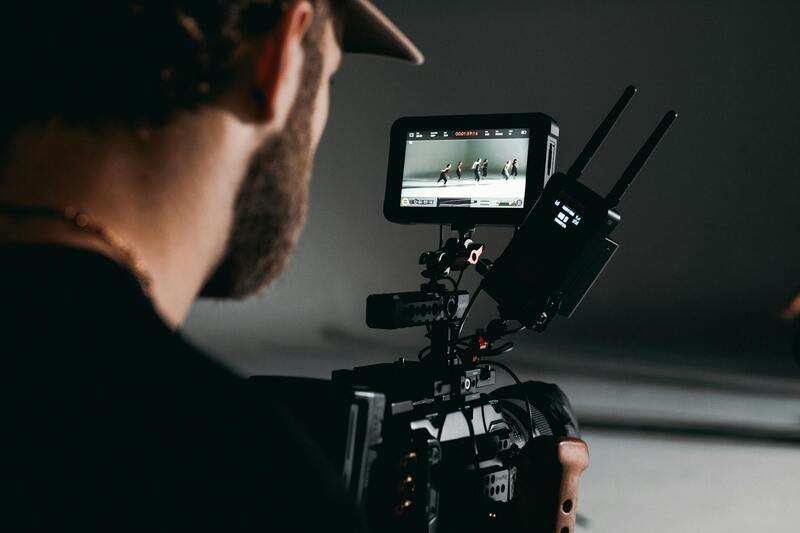
Executing flawless event photography in Miami requires meticulous planning and professionalism on the day of the event. Preparation begins well in advance, with all necessary equipment checked and packed, including backup gear such as extra batteries, memory cards, and lenses, to handle unforeseen technical issues. Arriving early allows you to familiarize yourself with the venue, identify prime shooting locations, and coordinate with event organizers or coordinators to understand the event flow and specific moments to capture.
Effective communication is essential on event day. Confirm with clients or event coordinators about key moments, schedule changes, and any restrictions, such as flash bans or designated areas. Establishing a clear line of communication helps you adapt quickly to any last-minute updates, ensuring you don’t miss important moments.
During the event, maintaining a professional presence and respecting guest privacy creates a comfortable atmosphere that encourages genuine interactions and natural shots. Use discreet shooting techniques when necessary to avoid disrupting the event’s flow. Stay alert to candid moments, addressing any lighting challenges promptly with appropriate camera settings or auxiliary equipment like portable lighting.
Post-Event Workflow and Client Delivery
Once the event concludes, efficient post-processing techniques can significantly enhance your delivery timeline. Organize images systematically—by event, date, or category—and select the best shots based on composition, lighting, and relevance. Editing should be consistent with your established style and aligned with client expectations, ensuring they receive polished images that highlight key moments.
Data management is critical; secure storage of images and backups minimizes risks of loss. Consider utilizing encrypted cloud storage solutions for easy, protected access and sharing with clients. After finalizing edits, deliver images through a secure, professional platform that allows clients to view, download, and select preferences for additional retouches if necessary.
Follow-up communication post-delivery helps solidify client relationships. Soliciting feedback and reviews enhances your reputation and provides insights for ongoing improvement. Documenting all interactions and agreements related to delivery terms and rights usage avoids potential misunderstandings and aligns expectations.
Maintaining Professional Standards and Continual Improvement
Sustaining a successful event photography operation in Miami involves continuously refining your skills, equipment, and client service protocols. Staying updated on industry trends, attending workshops, and investing in advanced gear ensure you remain competitive. Developing a network with other local vendors, such as event planners and venue managers, can lead to referrals and collaborative opportunities that expand your reach.
Moreover, establishing clear policies around early booking discounts, deposit requirements, and service modifications helps streamline operations and manage client expectations. Consistently demonstrating professionalism from initial consultation through final delivery enhances your reputation and fosters long-term client relationships.