
Understanding Event Photography and Its Role
Event photography is a specialized genre focused on capturing candid, posed, and dynamic moments during various gatherings and occasions. Its primary goal is to document the atmosphere, emotions, and significance of events, creating visual stories that resonate with attendees and clients alike. In Miami, a city renowned for its vibrant culture, diverse celebrations, and lively social scene, the value of professional event photography cannot be overstated. Event photographers serve not only as visual chroniclers but also as storytellers who preserve the essence of each occasion, whether it’s a corporate function, wedding, festival, or community celebration.
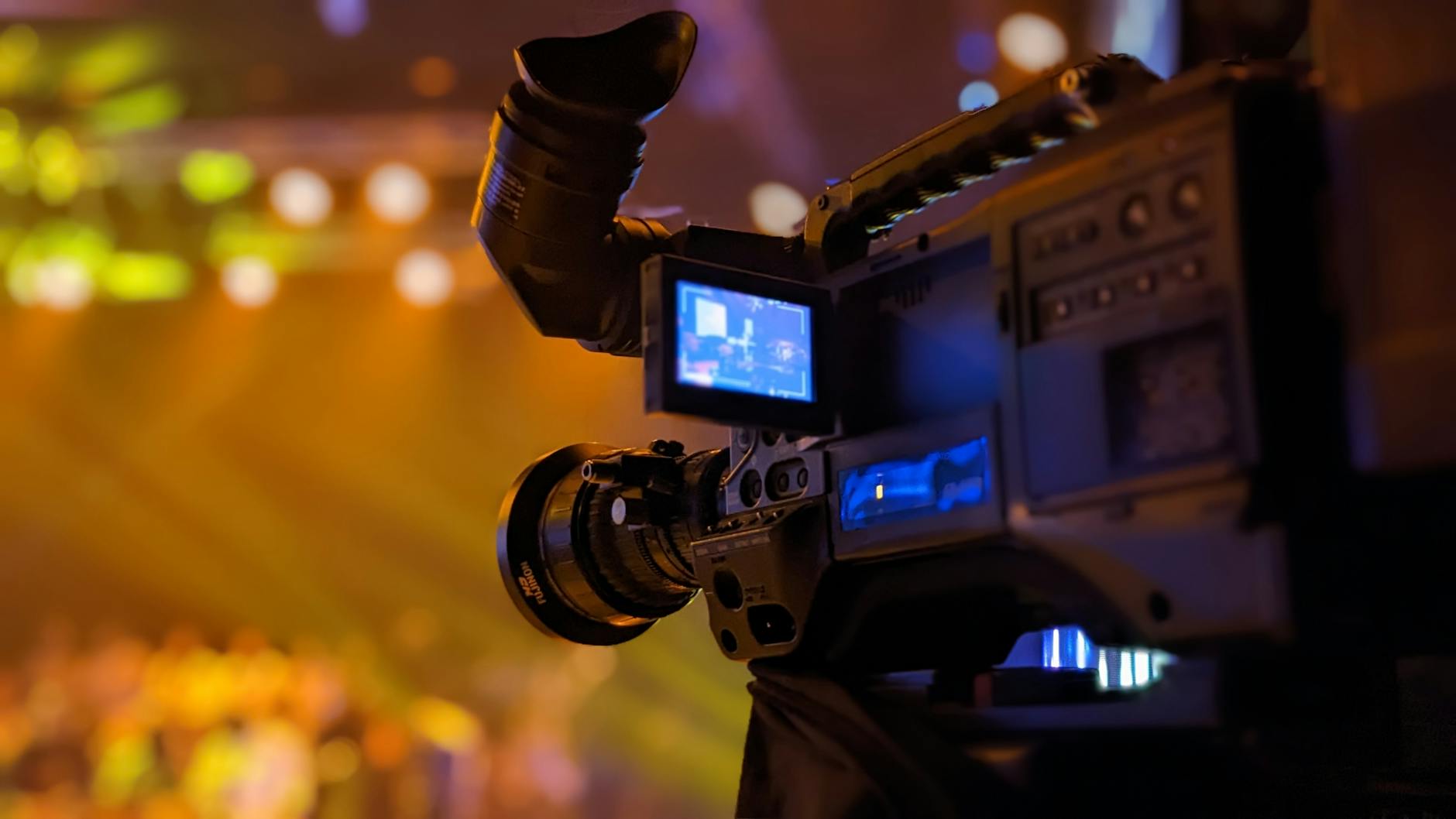
Effective event photography requires a keen eye for detail, an understanding of the event’s flow, and the ability to adapt swiftly to changing conditions. Photographers must be adept at balancing staged shots with authentic, candid captures that truly reflect the event’s atmosphere. The role of event photography extends beyond simply taking pictures; it involves creating a visual narrative that encapsulates the spirit and significance of the occasion. This storytelling aspect makes professional event photography an integral part of event planning and post-event marketing, especially in a dynamic city like Miami where each event carries its own unique energy and cultural relevance.
The Impact of Professional Event Photography
- Enhances the visual appeal and memorability of the event
- Provides high-quality images for promotional and archival purposes
- Builds lasting impressions and emotional connections
- Supports social media engagement and marketing efforts
In Miami, businesses, organizations, and individuals recognize the importance of professional photography to capture their most significant moments. Whether for branding, personal milestones, or community engagement, quality visuals created through expert event photography elevate the overall perception and reach of any event.
Types of Events Suitable for Professional Photography
Miami's vibrant landscape of social, corporate, and cultural events demands a versatile approach to event photography. Different occasions require specialized techniques and equipment to ensure every moment is captured with precision and artistry, reflecting the unique character of each event.
- Corporate Events: Seminars, conferences, product launches, and networking events benefit from professional photography to highlight branding elements, speaker engagements, and attendee interactions. High-quality images support post-event marketing, investor reports, and social media content that enhance corporate visibility.
- Weddings: Capturing the emotional exchanges, candid moments, and formal portraits is essential. A skilled event photographer in Miami ensures that the essence of the celebration is preserved, providing couples with timeless memories that reflect their love story.
- Festivals and Cultural Events: Miami’s diverse festivals, street fairs, and parades are opportunities for dynamic photography. Photographers focus on capturing the energy, local customs, and vibrant colors that define these gatherings, creating a compelling visual archive that celebrates community spirit.
- Social Celebrations: Birthdays, anniversaries, and milestone parties thrive with candid coverage and group shots that showcase the joy, connection, and festive ambiance. These images serve as cherished keepsakes and promotional material for future events.
- Community and Public Events: Fundraisers, charity events, and local initiatives depend on professional photography to document participation, highlight key moments, and increase engagement through impactful visuals that resonate with audiences.
Key Equipment and Techniques Used in Event Photography
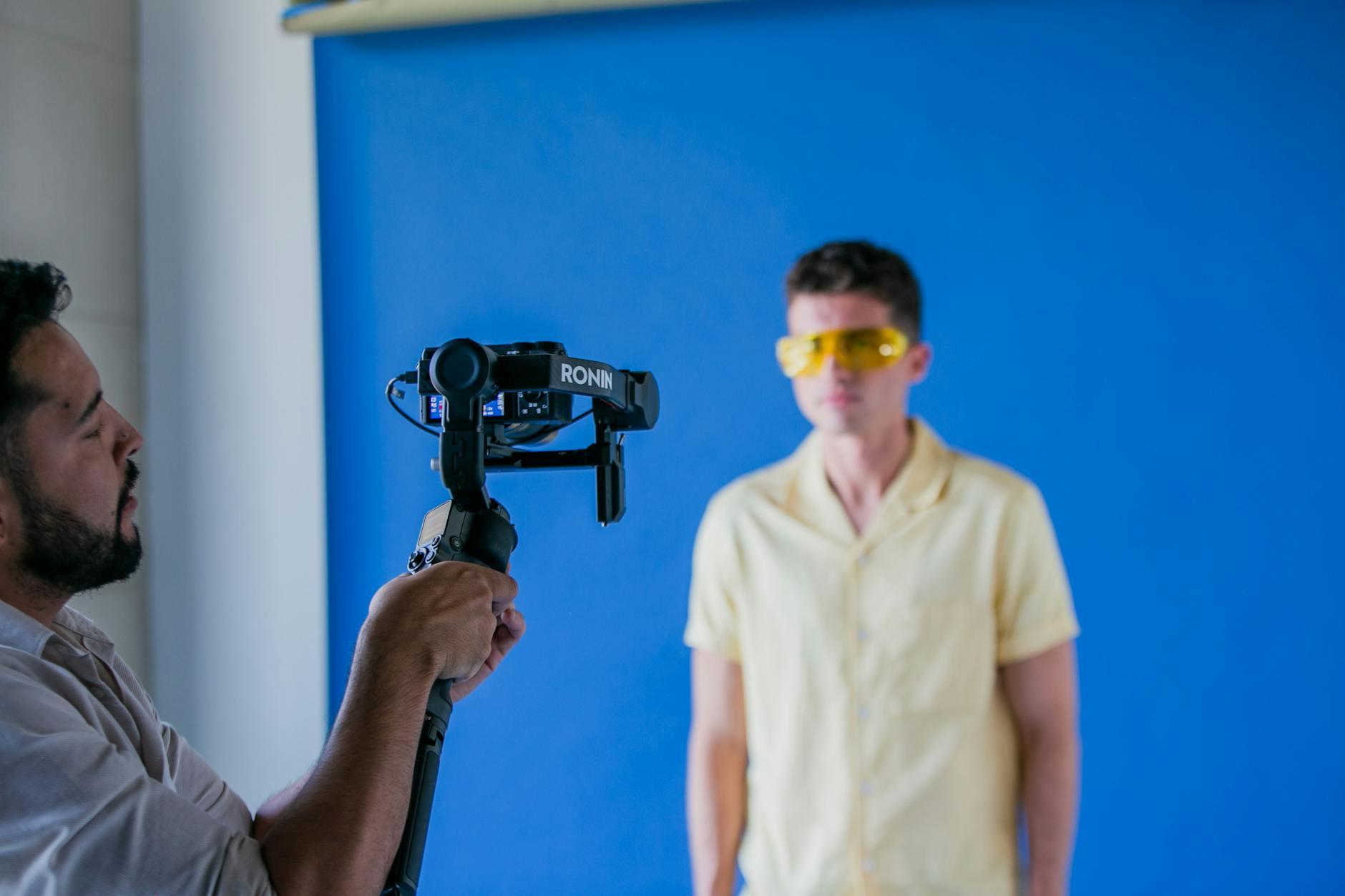
Mastering event photography in Miami involves utilizing specialized equipment and techniques tailored to the myriad of event environments. From ensuring rapid autofocus to managing lighting conditions, professionals bring the right tools and skills to each assignment.
- Camera Gear: High-resolution DSLR or mirrorless cameras with fast burst modes enable capturing quick movements and fleeting expressions. Zoom lenses (such as 24-70mm or 70-200mm) provide versatility for wide shots and close-ups.
- Lighting Equipment: External flashes, diffusers, and softboxes are essential for indoor or low-light situations. Using ambient light creatively helps preserve the authentic mood while ensuring clarity.
- Accessories: Compact tripods, monopods, and remote triggers assist in stability and capturing moments from different angles, enhancing the storytelling quality.
- Techniques: Employing rapid focusing, continuous shooting, and strategic composition allows photographers to anticipate and seize decisive moments. Post-processing complements these techniques, refining images for clarity and impact.
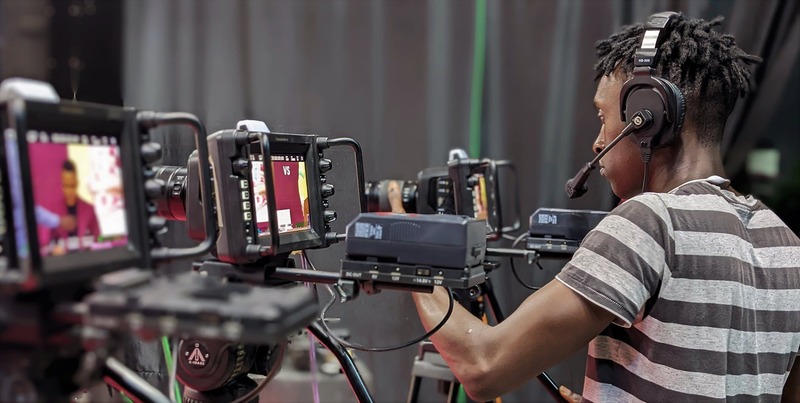
Photographers also utilize creative techniques such as panning to emphasize motion, framing to draw attention to key subjects, and candid shots to capture genuine reactions. Adapting to changing light and venue conditions is vital to producing consistent, professional results that reflect the true essence of each event.
Understanding Event Photography and Its Role
Event photography serves as a vital documentation process, capturing the essence and emotional core of gatherings, celebrations, and corporate functions. Unlike casual snapshots, professional event photography involves deliberate planning, the application of specialized techniques, and the use of high-end equipment to ensure every significant moment is preserved with clarity and impact. Skilled photographers are adept at working within various environments, from elegant ballrooms to open-air venues, adapting their approach to match the mood and lighting conditions.
One of the primary roles of event photography is storytelling. By capturing candid expressions, interactions, and key details of an event, photographers create a visual narrative that conveys the atmosphere and importance of the occasion. These images serve multiple purposes, including promotional material for future events, memories for clients, and historical archives. Additionally, high-quality event photos contribute to branding efforts, especially in corporate settings where they showcase professionalism and success.
Collaborating with event organizers and clients allows professional photographers to understand the event's objectives and the desired outcomes for their imagery. This understanding guides decisions related to shot lists, angles, and technical setups. For instance, a wedding photographer might focus on emotional moments like vows and candid interactions among guests, while a corporate event photographer prioritizes capturing keynote speakers and networking interactions.
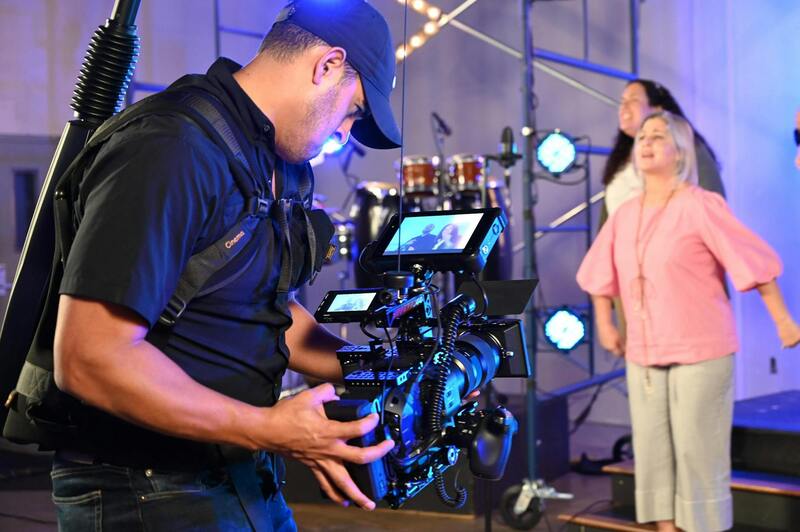
Employing official methods for capturing event moments involves a combination of strategic planning, technical mastery, and discreet presence. Photographers often conduct site visits beforehand to familiarize themselves with the venue layout and lighting. During the event, they utilize advanced camera settings and techniques, such as rapid autofocus to keep moving subjects sharp and continuous shooting modes to ensure that fleeting expressions are not missed.
Lighting plays a crucial role in event photography. Portability and versatility of equipment like external flashes, softboxes, and reflectors enable photographers to handle varying indoor and outdoor lighting conditions effectively. Utilizing ambient light creatively helps maintain the natural mood of an event, while additional light sources enhance visibility in dim settings.
Beyond technical tools, professionalism is reflected in a photographer’s ability to blend into the environment unobtrusively. This approach helps in capturing genuine reactions without disrupting the flow of the event. By understanding and respecting event schedules, photographers position themselves strategically to seize key moments, from formal speeches to spontaneous laughter.
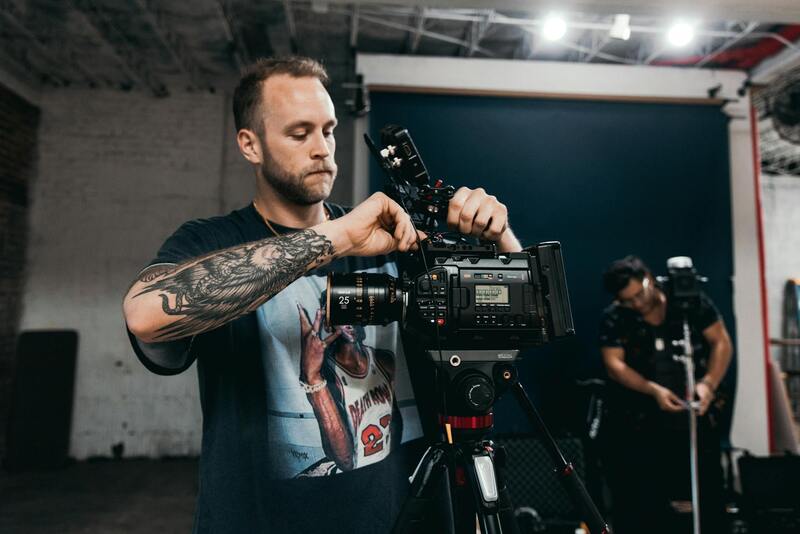
In sum, official event photography combines technical expertise with perceptive anticipation and discreet execution. This synergy ensures that every significant moment is captured with precision, consistency, and artistic integrity. Whether it's a milestone celebration or a corporate awards ceremony, adhering to proven methods guarantees images that resonate emotionally and stand the test of time.
Understanding Event Photography and Its Role
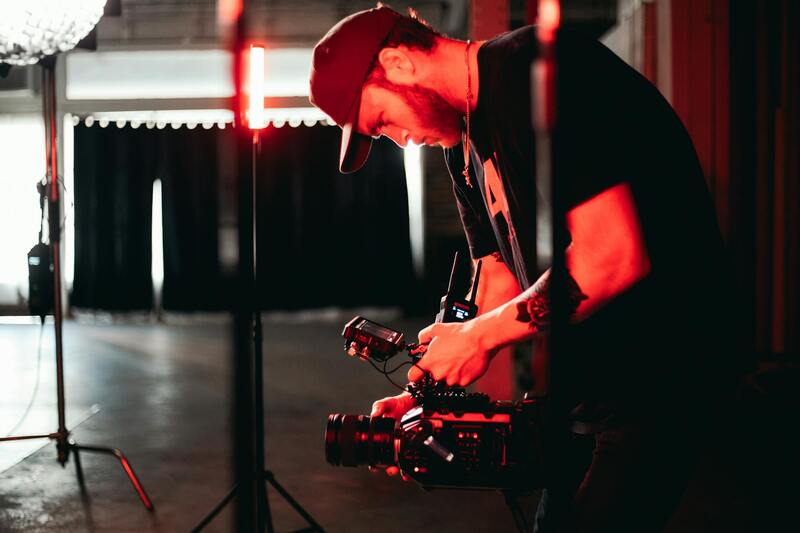
Event photography embodies the art of capturing moments that define the essence of various gatherings, ranging from corporate functions to social celebrations. A professional event photographer's role extends beyond simple documentation; it involves storytelling, ensuring that the energy, emotion, and significance of each occasion are preserved through high-quality images. These photographs serve multiple purposes, including promotional material for future events, cherished keepsakes for attendees, and historical records that highlight the success and atmosphere of a particular event.
Effective event photography requires a blend of technical skill, situational awareness, and artistic insight. Photographers must adapt swiftly to changing environments, lighting conditions, and candid moments, all while maintaining a discreet presence that does not interfere with the event’s natural flow. By doing so, they can authentically capture genuine reactions, reactions that underpin the overall narrative of the event and resonate with viewers long after the event concludes.
Types of Events Suitable for Professional Photography
- Corporate conferences and meetings – ensuring key moments, speaker presentations, and networking interactions are well documented.
- Weddings and milestones – capturing emotional exchanges, candid laughter, and significant rituals that define the celebration.
- Charity events and fundraisers – highlighting participation, speeches, and the overall atmosphere to enhance future outreach efforts.
- Product launches and promotional events – showcasing key stakeholders, audience engagement, and the event environment to maximize media coverage.
- Parties and social gatherings – capturing the spontaneous, joyful interactions that make each event memorable.
Key Equipment and Techniques Used in Event Photography
Professional event photography hinges on the use of specialized equipment tailored to deliver optimal results across diverse scenarios. High-quality digital cameras with fast autofocus systems are fundamental, enabling photographers to keep subjects sharp whether they are moving or stationary. Multiple lenses, including zooms and primes, allow for versatility in framing shots, from wide-angle group captures to intimate close-ups.
Lighting is another critical factor. External flashes, softboxes, and reflectors assist in managing indoor and outdoor lighting conditions, ensuring subjects are well-lit without harsh shadows or overexposure. Photographers often utilize ambient light creatively, blending natural and artificial light sources to create a balanced and natural look.
Technique-wise, continuous shooting modes facilitate capturing rapid sequences, particularly during lively moments like dances or speeches. Rapid autofocus tracking helps in maintaining clarity when subjects are in motion, while proper framing and composition emphasize important aspects of the event. The use of image stabilization reduces blur, especially in low-light settings where slower shutter speeds are necessary.
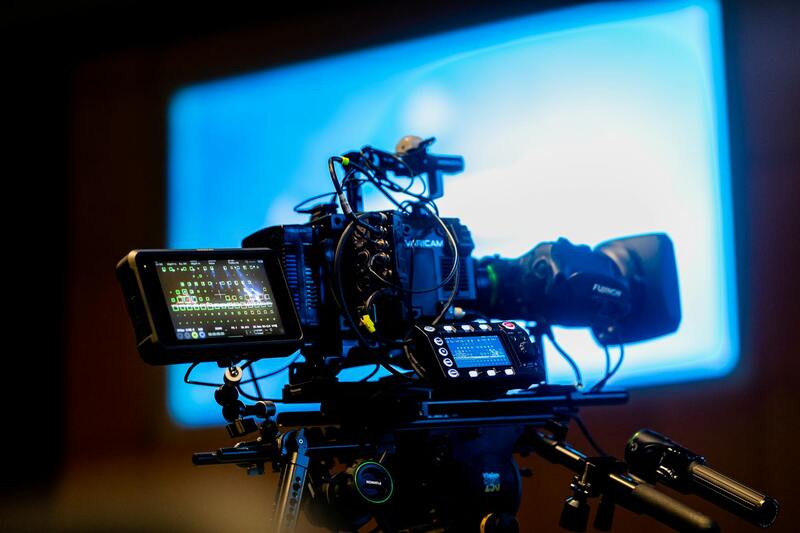
Additionally, post-process editing ensures images are optimized for clarity, color fidelity, and overall aesthetic appeal. This process enhances the authenticity of the photos while maintaining a natural look that accurately reflects the event ambiance. When executed skillfully, technical expertise coupled with artistic sensibility results in a compelling visual narrative that captures the event’s spirit.
Understanding Event Photography and Its Role
Event photography serves as a vital element in documenting and preserving special moments during various gatherings. It involves capturing a wide array of activities—ranging from formal ceremonies and corporate meetings to lively social parties and cultural festivals. Skilled event photographers possess an acute ability to anticipate key moments, ensuring that each significant event is documented with precision and artistry. Their role extends beyond simple picture-taking; they are visual storytellers who encapsulate emotion, interaction, and atmosphere, providing clients with a comprehensive record of the occasion.
Chief Responsibilities of Event Photographers
- Pre-Event Planning and Coordination: Collaborating with clients to understand the event agenda, special moments, and preferred shot list ensures thorough preparation.
- On-Site Flexibility: Adapting quickly to changing lighting conditions, movement, and candid interactions is essential for capturing genuine moments.
- Technical Expertise: Operating professional-grade equipment to produce high-quality images that reflect the event's vibrancy and significance.
- Post-Event Processing: Carefully selecting, editing, and delivering photos that meet quality standards while staying true to the event's spirit.
The role of an event photographer involves more than just taking pictures; it encompasses creating a compelling visual narrative that resonates with viewers and preserves memories for years to come. This demands a combination of technical skill, artistic insight, and a thorough understanding of the event’s context and importance.
Essential Aspects of Professional Event Photography
Professional event photographers rely on a diverse toolkit of equipment and techniques to meet the dynamic challenges of live event coverage. High-performance cameras capable of fast autofocus and rapid burst shooting enable capturing fleeting moments with clarity. Multiple lenses, including wide-angle for group shots and telephoto for candid moments at a distance, provide versatility across different settings.
Lighting remains a pivotal factor; external flashes, reflectors, and portable LED panels allow photographers to handle varied environments, from dimly lit auditoriums to outdoor daylight scenarios. The creative use of ambient light, combined with additional lighting tools, ensures images are well-lit without sacrificing natural ambiance.
Technical Techniques to Enhance Event Photography
- Continuous or burst shooting mode to document fast-paced activities such as dances, speeches, and emotional reactions.
- Proper use of apertures and shutter speeds to control depth of field and motion blur, especially during dynamic moments.
- Image stabilization tools and techniques to produce sharp images in low-light and handheld situations.
- Meticulous framing and composition to emphasize key subjects and interactions within the scene.
Editing is the final step where image quality is refined. Professional retouching enhances colors, sharpness, and contrasts, ensuring each photo accurately reflects the event’s atmosphere while achieving an aesthetically pleasing result. These images then serve as lasting memories, promotional material, or part of a larger visual archive that tells the story of the event.
Maintaining Professional Standards in Event Photography
Adherence to established ethical practices, clear communication, and a commitment to delivering quality are the pillars of reputable event photography services. By focusing solely on legitimate methods of obtaining images—such as official access, consent, and ethical interactions—photographers uphold the integrity of their craft while protecting the interests of their clients. This approach guarantees that clients receive authentic representations of their events, free from unauthorized or intrusive photography practices.
Understanding Event Photography and Its Role
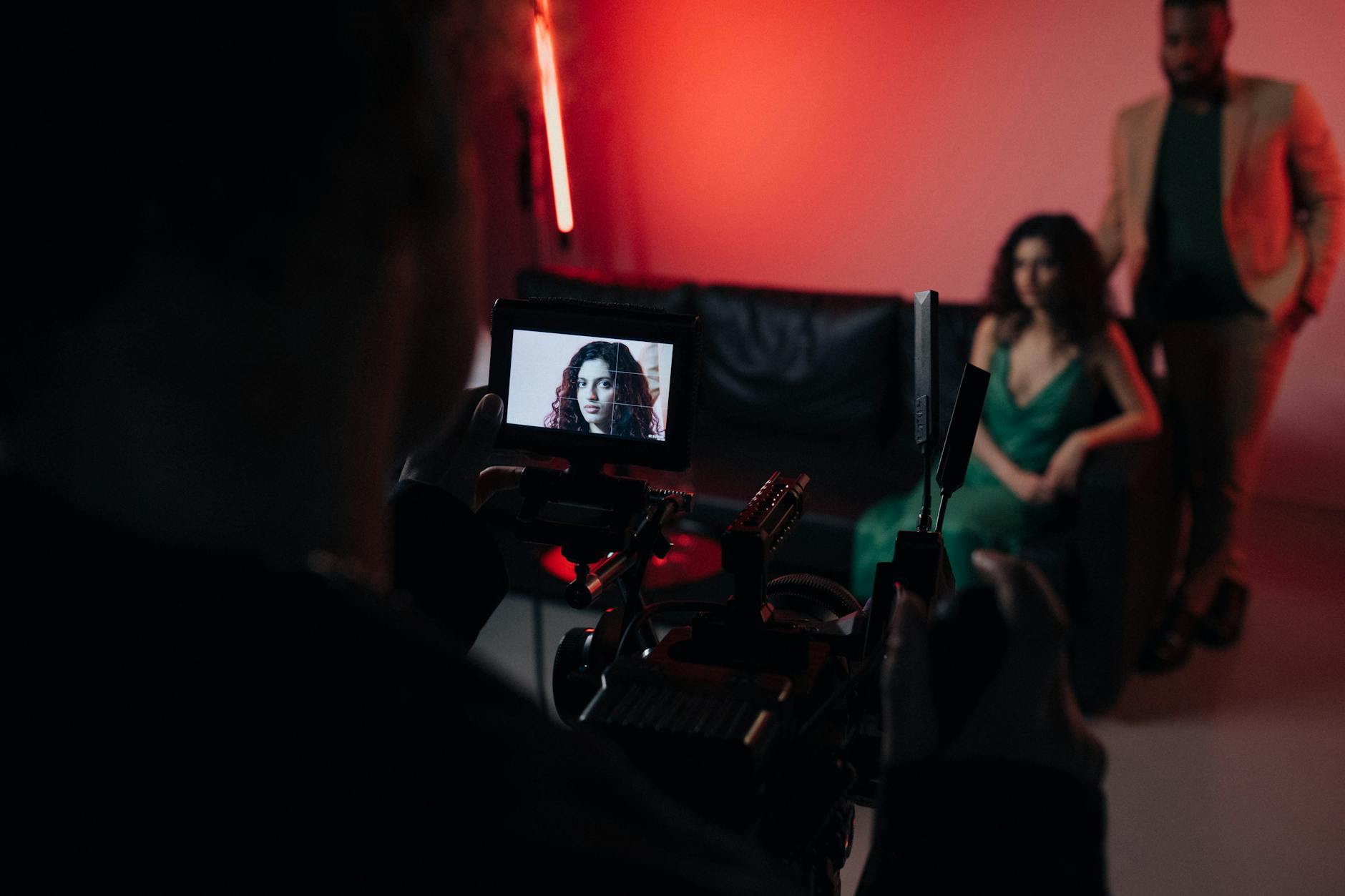
Event photography serves as a vital aspect of capturing the essence, emotions, and important moments of various gatherings such as corporate events, weddings, birthdays, conferences, and cultural celebrations. Unlike casual photography, professional event photography relies on precision, technical skill, and an understanding of human interactions to produce visual narratives that authentically represent each occasion. The role of an event photographer extends beyond mere picture-taking; it encompasses the responsibility of documenting moments with fidelity and storytelling integrity, ensuring the memories are preserved in a compelling and aesthetically pleasing manner. This type of photography plays a crucial role in brand promotion, personal remembrance, and historical documentation, making it an indispensable part of many event organizers' planning and record-keeping processes. Skilled photographers employ a combination of technical expertise, creativity, and strategic planning to ensure that every significant detail, from candid reactions to posed group shots, is accurately represented and preserved for posterity.
Types of Events Suitable for Professional Photography
Event photography is versatile and adaptable to a broad spectrum of occasions, each demanding unique approaches and techniques. Common events that benefit profoundly from professional coverage include weddings, where capturing intimate exchanges and grand celebrations is essential; corporate functions such as product launches, seminars, and awards ceremonies, which require a polished and strategic visual record to enhance branding efforts; social gatherings like birthday parties, anniversaries, and community festivals, where lively, candid images foster a sense of joy and connection; cultural events and public celebrations, which often necessitate extensive coverage to document traditional customs and community participation; and charity events or fundraisers, where compelling imagery can help promote future engagements and illustrate organizational impact. Ensuring high-quality images across this diverse array of occasions not only amplifies the event’s significance but also ensures that the memories endure through visual storytelling that resonates with audiences long after the event concludes.
Key Equipment and Techniques Used in Event Photography
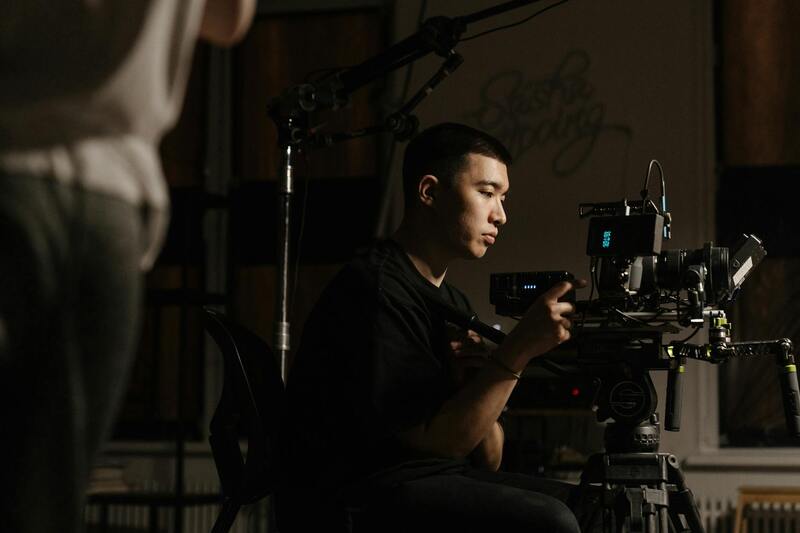
Professional event photographers rely on specialized equipment and refined techniques to capture moments effectively under varying conditions. Essential gear includes fast lenses with wide apertures, such as a 24-70mm or 70-200mm, which accommodate low-light scenarios and facilitate versatile framing. High-capacity cameras with rapid autofocus systems are crucial for staying responsive to unpredictable movements and fleeting expressions. Additionally, portable lighting tools, such as external flashes and reflectors, help manage challenging lighting environments, especially in dimly lit venues or during evening events. Techniques like continuous shooting mode allow a photographer to select the best frame from a sequence, preserving spontaneous reactions. Proper depth of field control through aperture adjustments ensures focus is directed toward key subjects, while shutter speed settings help freeze motion or introduce artistic blur when desired. Image stabilization devices, whether in-lens or camera-based, are pivotal in delivering sharp images amid handheld shooting. Meticulously applying compositional principles—such as the rule of thirds, leading lines, and framing—guides the viewer’s eye towards the most meaningful parts of each shot, thereby creating a cohesive visual narrative that highlights the event’s energy and emotion.
Preparing for an Event Photography Assignment
Thorough preparation is fundamental in delivering professional event photography services. Prior to the event, photographers conduct detailed consultations with clients to understand the event’s schedule, key moments, and specific requirements. Site surveys help identify optimal shooting locations, lighting conditions, and potential challenges that may arise during the event. Acquiring necessary permissions and understanding access limitations ensures smooth coverage without disruptions. Additionally, organizing equipment—such as backup cameras, lenses, batteries, and memory cards—prevents technical failures. Preparing a shot list that highlights must-capture moments, along with a flexible plan for candid and spontaneous shots, prepares the photographer to adapt to the event’s flow seamlessly. Familiarity with the event format and key participants enables anticipatory photography, ensuring important moments aren’t missed. Effective communication with event organizers and participants fosters a cooperative atmosphere, allowing the photographer to blend into the environment naturally. This degree of preparation, combined with an understanding of the event’s narrative arc, equips the photographer to produce comprehensive coverage that encapsulates the occasion’s essence and significance.
Understanding Event Photography and Its Role
Event photography involves capturing the energy, emotion, and key moments of various gatherings, such as corporate functions, social celebrations, cultural festivals, and sporting events. A skilled event photographer seamlessly documents the atmosphere, ensuring that the essence of the occasion is preserved visually. These images serve multiple purposes: they act as lasting memories for attendees, provide promotional content for organizers, and enhance the event’s overall impact through compelling visual storytelling. The photographer’s role extends beyond simple documentation; they craft a narrative that reflects the event’s purpose and ambiance, emphasizing candid interactions, significant highlights, and the overall environment. As such, event photography demands a combination of technical proficiency, keen observation, and the ability to adapt swiftly to dynamic scenarios. It is an integral element of any successful event, capturing moments that might otherwise be forgotten and transforming them into powerful images that continue to resonate long after the event concludes.
Types of Events Suitable for Professional Photography
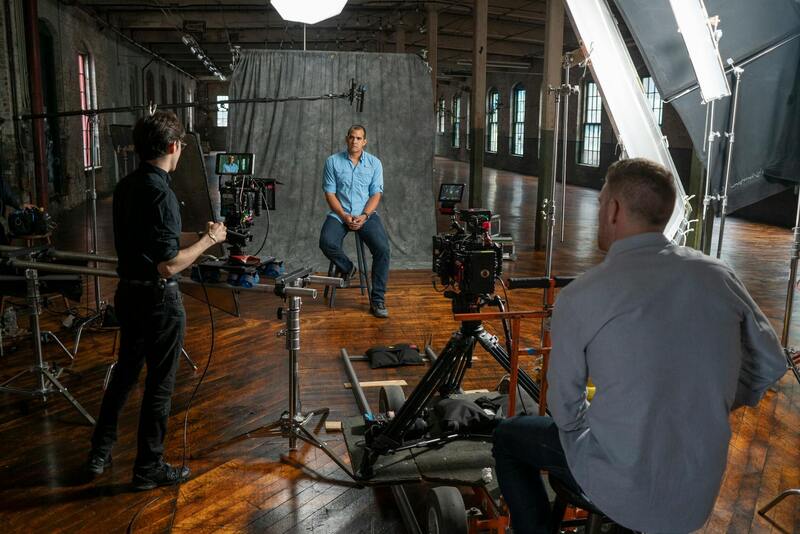
Not all events are created equal when it comes to photographic documentation. Professional event photography is especially valuable for occasions that have a significant social, cultural, or commercial component. Such events include weddings, where capturing the joyful and intimate moments is essential; corporate conferences, where branding and professional interactions are highlighted; award ceremonies that showcase achievements and celebrations; product launches that require high-quality imagery to generate buzz; and large-scale festivals or cultural celebrations that benefit from comprehensive coverage. Additionally, sporting competitions, charity events, and community gatherings are ideal opportunities for skilled photographers to encapsulate the vibrant spirit of the event. Tailoring the photography approach to suit the specific nature of each event ensures that the final collection of images aligns with the client’s objectives and the event’s tone.
Key Equipment and Techniques Used in Event Photography
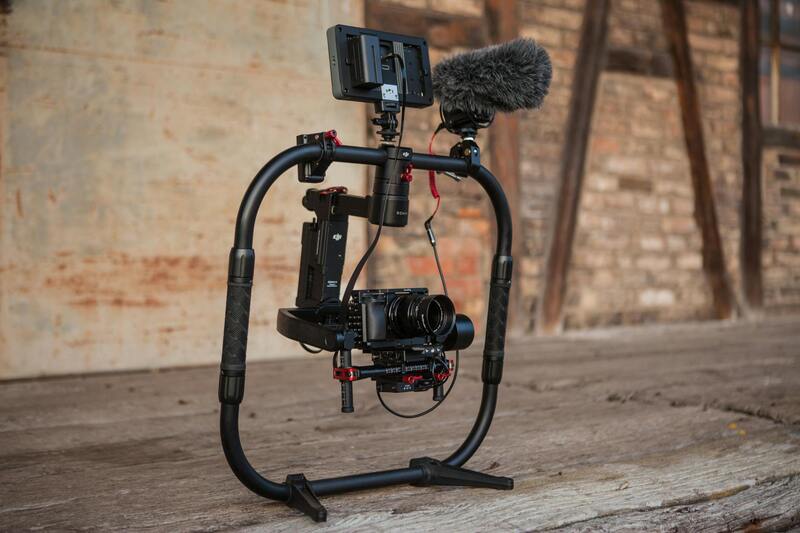
Successful event photography relies heavily on the right tools and techniques. Essential equipment includes high-performance digital cameras with fast autofocus and high ISO capabilities, allowing for sharp images in varying lighting conditions. Prime lenses with wide apertures (such as f/1.4 or f/2.8) are vital for capturing clear, detailed shots in low-light environments, while zoom lenses provide flexibility for capturing both wide shots and close-ups without repositioning. Flash and lighting modifiers help manage different lighting scenarios, highlighting important moments without creating harsh shadows. Techniques such as continuous shooting modes enable photographers to capture fleeting expressions and candid interactions, while strategic framing and composition emphasize the event's key elements. Post-processing also plays a significant role in refining images, ensuring consistent color balance, sharpness, and overall quality. By combining advanced equipment with adaptable techniques, photographers can produce images that truly do justice to every facet of the event.
Preparing for an Event Photography Assignment
Preparation is the foundation of successful event photography. Prior to the event, photographers engage in detailed planning to understand the event’s structure, key moments, and specific client expectations. Conducting site surveys helps identify optimal shooting locations, assess lighting conditions, and anticipate logistical challenges. Securing necessary permissions and access areas ensures smooth coverage, preventing disruptions during the event. Organizing equipment—such as spare cameras, lenses, batteries, and memory cards—is crucial to prevent technical issues. Creating a comprehensive shot list that includes must-capture moments, group shots, and candid interactions ensures no significant details are missed. Flexibility is equally important; a prepared photographer remains adaptable to spontaneous moments that unfold unexpectedly. Maintaining effective communication with event staff and participants fosters cooperation and helps the photographer blend seamlessly into the environment. Detailed preparation allows the photographer to anticipate key moments, adapt to changing circumstances, and deliver a complete visual account that accurately represents the event’s narrative and atmosphere.
Capturing Authentic Moments and Creating a Narrative
The heart of event photography lies in capturing authentic moments—those genuine interactions, emotive expressions, and spontaneous interactions that define the event’s character. Skilled photographers focus on observing and anticipating these moments, positioning themselves unobtrusively to avoid disrupting natural activity. Instead of solely relying on posed shots, they emphasize candid photography that reflects real emotions and connections among attendees. To craft a compelling narrative, photographers strategically sequence images to tell a story—highlighting the build-up to key moments, the climax of the event, and the subsequent interactions that follow. This storytelling approach provides viewers with a comprehensive understanding of the event’s flow and significance. Technical mastery, combined with keen observational skills, ensures that each image captures more than just a moment; it conveys the mood and energy of the occasion, creating a visual story that resonates with viewers and stakeholders alike.
Understanding Event Photography and Its Role
Event photography serves as a vital documentation tool that preserves memories, captures the essence of special occasions, and highlights the atmosphere of gatherings. The primary goal is to produce a comprehensive visual record that reflects the emotions, interactions, and overall ambiance of the event. Skilled event photographers excel at blending into the background to capture candid moments while also orchestrating posed shots when necessary. They utilize their expertise to create a balance between spontaneous imagery and structured compositions, ensuring the final portfolio accurately portrays the event’s narrative. Attention to detail, understanding lighting conditions, and demonstrating technical proficiency are critical elements that contribute to high-quality event photography. An experienced photographer understands how to adapt quickly to unpredictable environments, making adjustments to camera settings and positioning to seize fleeting moments that define the event's character. Their role extends beyond mere picture-taking; they act as storytellers, translating dynamic events into compelling visual storytelling that resonates with clients and audiences alike.
Types of Events Suitable for Professional Photography
Professional event photography encompasses a wide array of occasions, each requiring specific approaches to capture their unique atmosphere and significance. Business conferences and corporate training sessions benefit from imagery that documents keynote speakers, networking activities, and engaging presentations, fostering brand visibility and client confidence. Weddings and engagement parties demand a blend of candid and posed shots to encapsulate love, joy, and lifelong memories. Celebrations such as anniversaries, birthdays, and milestone events also benefit from professional coverage that preserves the essence of personal achievements and cherished moments. Cultural festivals, community events, and charity fundraisers require photographers to capture large crowds, performances, and emotional expressions, emphasizing the event’s impact. Sports competitions and outdoor adventures necessitate dynamic action shots, showcasing skill, determination, and excitement. Regardless of the event type, a professional photographer adapts their techniques to match the event’s tone, size, and environment, ensuring comprehensive coverage that highlights its importance and emotional resonance.
Key Equipment and Techniques Used in Event Photography
Effective event photography hinges on the use of specialized equipment designed to adapt to various lighting conditions, movement, and environmental challenges. High-quality DSLR or mirrorless cameras with fast autofocus systems are standard, allowing photographers to capture sharp images in unpredictable scenarios. Prime lenses, such as 50mm or 85mm, are favored for their clarity and ability to produce beautifully blurred backgrounds, emphasizing subjects. Zoom lenses, including 24-70mm or 70-200mm, provide versatility for capturing candid shots from a distance or close-up portraits. Adequate lighting tools, such as external flashes, LED panels, and reflectors, help manage difficult lighting environments, ensuring images remain well-exposed and vibrant. Techniques like aperture control to achieve depth of field, quick shutter speeds to freeze motion, and continuous autofocus enable photographers to seize fleeting moments with precision. Additionally, photographers employ post-processing software to enhance images, correct color balance, and retouch minor imperfections, ensuring a polished final product. Mastery of these tools and techniques allows event photographers to navigate diverse scenarios, capturing high-quality images that meet professional standards and client expectations.
Preparing for an Event Photography Assignment
Preparation is crucial to achieving exceptional results in event photography. Once engaged, photographers conduct thorough research about the event, understanding its schedule, key moments, and cultural significance. Scouting the venue beforehand allows photographers to identify optimal shooting locations, consider lighting conditions, and plan their approach for capturing important moments. They coordinate with event organizers to understand the timeline and identify designated moments for staged shots or key interactions. Preparing equipment involves checking camera gear, ensuring batteries are charged, memory cards are cleared, and backup equipment is available to mitigate technical failures. Familiarity with the event’s format enables photographers to anticipate where vital interactions will occur, adjusting their positioning accordingly. Packing necessary accessories, including lenses, flashes, and stabilizers, ensures readiness across diverse scenarios. A detailed shot list or storyboard helps streamline coverage, particularly for events with scheduled key moments. Effective communication with event staff and stakeholders guarantees a smooth workflow, minimizing disruptions and maximizing coverage during essential activities.
Capturing Authentic Moments and Creating a Narrative
The essence of exceptional event photography lies in capturing authentic moments that reflect genuine emotions, interactions, and spontaneous happenings. Rather than merely photographing posed scenes, skilled photographers focus on observing and documenting real-time expressions of joy, surprise, and connection. They employ unobtrusive techniques to blend into the environment, allowing natural moments to unfold effortlessly. Candid images often reveal the true spirit of the event, creating a more relatable and emotionally charged narrative. To craft a compelling visual story, photographers strategically sequence images halting build-ups, climaxes, and interactions, providing viewers with a sense of progression and context. Technical mastery plays a crucial role in ensuring each shot conveys mood, energy, and the event's atmosphere—elements that transform a collection of images into a cohesive story. Successful event photography balances technical skill with emotional insight, creating a visual account that resonates deeply with viewers and captures the event's true essence.
Editing, Delivering, and Protecting Event Photos
Post-processing is an integral phase where raw images are refined to achieve a polished, professional appearance. Photographers utilize editing software to adjust exposure, correct color balance, enhance details, and remove minor imperfections without compromising authenticity. Consistent editing styles or branding can help maintain a cohesive look across all images, aligning with client preferences. Delivery involves providing high-resolution digital files through secure online galleries, USB drives, or cloud storage options, ensuring easy access and sharing for clients and attendees. Timely delivery of edited images is essential to meet client expectations, often within a specified timeframe. To preserve the integrity and security of the images, photographers adopt data management protocols, including multiple backups and encrypted storage. Proper image protection safeguards against potential data loss or unauthorized use, maintaining the professionalism and reliability of the service. Clear licensing agreements and usage rights are established with clients to specify how photographs can be utilized, ensuring both parties' interests are protected in the long term.
Choosing a Local Miami Event Photographer
Selecting the right event photographer in Miami involves assessing their experience, portfolio, and understanding of local venues and cultural nuances. A seasoned photographer familiar with the Miami scene can navigate diverse event environments—from upscale corporate functions to vibrant cultural festivals—ensuring optimal coverage. Reviewing portfolios provides insight into their style, consistency, and ability to capture authentic moments under various conditions. Local photographers often have established relationships with event venues and vendors, facilitating smoother logistics and a better grasp of logistical details. Personal consultations allow clients to discuss their vision, expectations, and specific requirements, shaping a tailored approach. Additionally, evaluating client testimonials and reviews can gauge professionalism, reliability, and customer satisfaction. A reliable local Miami event photographer offers comprehensive services, technical expertise, and a keen eye for storytelling, making them an invaluable partner in documenting memorable occasions with precision and creativity.