Understanding Corporate Film Video
A corporate film video is a professionally crafted visual presentation designed to showcase a company's brand, mission, achievements, and overall identity. These videos serve as a dynamic medium to communicate complex messages in a compelling and easily digestible format. Unlike traditional advertising, corporate films often focus on building trust, educating audiences, and strengthening relationships with stakeholders, clients, and employees.
The primary purpose of a corporate film video is to articulate a company's values and strategic objectives visually. Through engaging storytelling, high-quality visuals, and strategic messaging, these videos aim to evoke emotional responses and foster a deeper understanding of what the organization stands for. They can introduce new products or services, highlight company milestones, or demonstrate corporate social responsibility efforts. Essentially, corporate films act as a visual ambassador, representing the company in various internal and external channels.

In today’s competitive market landscape, the significance of a well-produced corporate film cannot be overstated. It provides an opportunity to distinguish a company from its competitors while ensuring that key messages are conveyed consistently and effectively. These videos are not just marketing tools; they are strategic assets that influence perception, enhance reputation, and support overall business objectives.
By choosing to develop a professional corporate film, companies position themselves to communicate with clarity and impact. It's an effective way to bridge the gap between corporate intentions and audience perceptions, ultimately fostering engagement and trustworthiness. Whether used at industry events, on company websites, or through social media platforms, corporate films are a vital component of modern corporate communication strategies.
Understanding Corporate Film Video
Creating an impactful corporate film video requires meticulous planning and a strategic approach to ensure that the final product aligns with business goals and resonates with the intended audience. The process begins with comprehensive pre-production planning, where core messages, target demographics, and desired outcomes are clearly defined. This phase involves detailed scripting, storyboarding, and logistical arrangements, including location scouting and talent coordination.
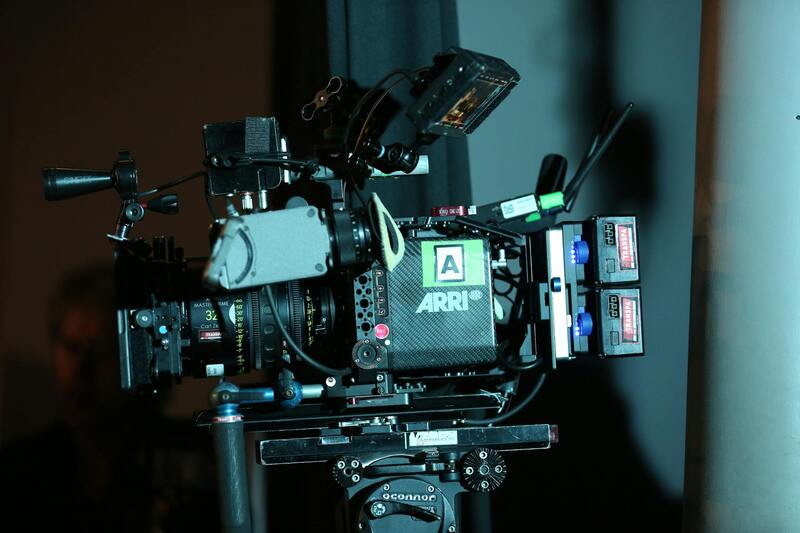
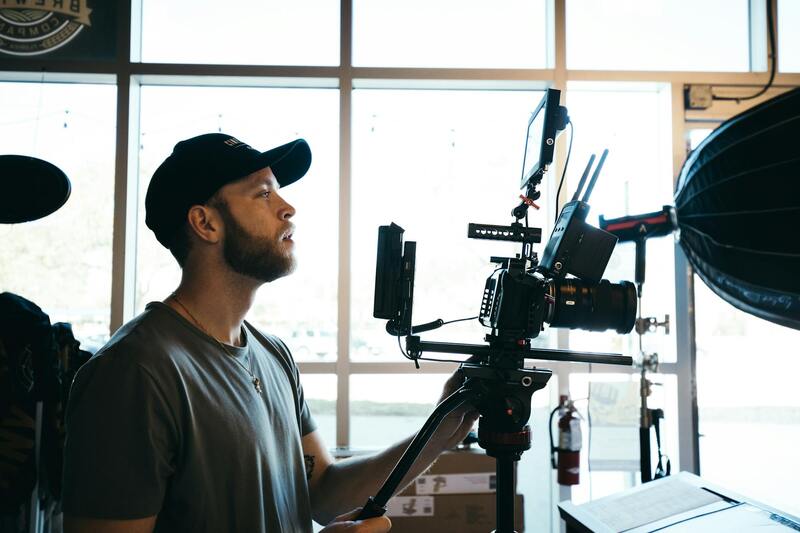
During production, professionals utilize high-quality equipment and techniques to capture visuals that reflect the company's brand identity. Lighting, sound, and camera work are tailored to support the narrative and evoke the right emotional responses. Effective communication between the production team and client ensures that the storyline and visual style stay true to the company's vision, leading to a cohesive and compelling final product.

Post-production is a critical phase where editing, sound design, and graphics shape the raw footage into a polished corporate film. Attention to detail in color grading, pacing, and transitions enhances visual appeal and storytelling clarity. Incorporating brand elements, such as logos and taglines, reinforces brand identity throughout the video.
Distribution strategies play a vital role in maximizing the impact of the corporate film. Leveraging multiple channels—including the company's website, social media platforms, industry conferences, and internal communications—ensures the video reaches diverse audiences effectively. Optimizing the video for various formats and devices guarantees accessibility and engagement across different viewing contexts.
Continuously measuring the effectiveness of the corporate film is essential for understanding its impact. Analytics tools offer insights into viewer engagement, retention rates, and overall reach. Gathering feedback from stakeholders helps refine future video content, aligning it more closely with evolving business objectives. When executed with precision and clarity, a corporate film video becomes a powerful tool for shaping perceptions, building trust, and fostering long-term relationships with all relevant audiences.
Ensuring Effective Distribution of Corporate Film Videos
Dissemination of a corporate film video is a strategic process that amplifies its reach and enhances its impact. Before launching the video, it is essential to choose appropriate channels that align with the target audience and business objectives. An integrated approach involves leveraging a variety of platforms, such as the company's official website, dedicated social media pages, industry-specific online forums, and email marketing campaigns. Each platform serves a unique purpose and reaches different segments of viewers, thereby ensuring the widest possible exposure.
When deploying a corporate film video, consider optimizing it for different formats and devices. Mobile responsiveness is particularly crucial because a significant portion of viewers access content via smartphones and tablets. Ensuring videos are compatible with multiple screen sizes and operating systems avoids accessibility issues and maximizes engagement. Embedding videos into landing pages or product pages can improve conversion rates, while sharing snippets or teaser clips can spark interest on social media platforms, encouraging viewers to watch the full version on your site.
Furthermore, participation in industry events and conferences can dramatically increase visibility. Showcasing your corporate film during presentations or as part of a digital booth offers opportunities to connect with potential clients, partners, and industry influencers. Internal distribution, through newsletters and intranet portals, helps reinforce brand values internally, fostering employee engagement and advocacy.
Evaluating the effectiveness of the distribution strategy involves analyzing data and metrics that reflect viewer engagement and reach. Tools such as analytics dashboards provide insights into view counts, average watch time, click-through rates, and demographic information. Gathering qualitative feedback from stakeholders also helps identify areas for improvement, ensuring future distribution efforts are targeted and effective. This continuous refinement cycle guarantees that corporate videos serve as dynamic tools for communication and branding.
In the digital landscape, a meticulously planned distribution process ensures that the corporate film video resonates with audiences and reinforces the desired message, ultimately supporting the broader goals of brand awareness and stakeholder trust.
Pre-Production Planning and Strategy
Effective pre-production is the backbone of a successful corporate film video. It begins with a comprehensive concept development phase, where the core message, branding elements, and desired audience engagement are clearly defined. Collaborating with stakeholders allows for aligning the creative vision with business objectives, ensuring that the final product accurately reflects the company's values and goals.
During scriptwriting, precision and clarity are vital. The script must communicate key messages succinctly while maintaining a compelling narrative. This process often involves multiple drafts and feedback sessions to refine the tone, ensure consistency with brand voice, and incorporate any technical or visual requirements.

Budgeting is a crucial consideration that influences many aspects of production, including location scouting, talent, equipment, and post-production resources. Accurate budgeting ensures resource allocation is optimal and helps prevent overspending. A detailed schedule, covering all phases from initial planning to final delivery, aids in avoiding delays and ensures that all team members adhere to deadlines.
Strategic planning also involves the selection of talent and production crew, scouting for appropriate locations, and securing necessary equipment and permits. This preliminary phase sets the foundation for a smooth filming process, reducing unforeseen disruptions and ensuring that each element aligns with the overall vision.
Establishing clear workflows, communication channels, and contingency plans during this stage fosters a collaborative environment, enabling the team to address potential challenges proactively. A well-structured pre-production process not only saves time and costs but also enhances the overall quality and effectiveness of the corporate film video.
Utilizing Proper Distribution Channels for Maximum Reach
After the completion of a corporate film video, the strategic dissemination of the content is essential to ensure it reaches the intended audience effectively. Choosing the right distribution methods amplifies the message, enhances brand visibility, and drives engagement. The initial step involves identifying the platforms most frequented by the target demographic, which could include company websites, social media channels, email campaigns, and industry-specific portals.
Optimizing video content for each platform maximizes its impact. For instance, shorter, attention-grabbing clips work well on social media feeds, while longer, detailed presentations are suited for company websites or YouTube channels. Embedding videos in email marketing campaigns can foster higher engagement rates, especially when accompanied by compelling call-to-action statements.

In addition to organic sharing, leveraging paid promotional tools such as targeted social media ads and sponsored content can significantly boost viewership. These strategies allow for precise targeting based on demographics, interests, and behaviors, ensuring the video resonates with the most receptive audiences.
Another potent distribution method involves integrating corporate videos into internal communication channels, such as intranet platforms or internal newsletters, to foster employee engagement and alignment with company values. Using varied distribution channels tailored to different audience segments ensures a comprehensive outreach strategy that maximizes return on investment and reinforces brand consistency across all touchpoints.
Legal and Ethical Considerations in Video Distribution
While distributing corporate videos, adherence to intellectual property rights is paramount. All visuals, music, and content included in the video must be properly licensed or owned by the company. Respecting privacy laws and obtaining necessary permissions for identifiable individuals and proprietary information are critical steps to avoid potential disputes. Clear consent forms and release agreements should be obtained prior to filming certain subjects or including sensitive business details.
It is advisable to implement watermarking and digital rights management tools to protect the content from unauthorized sharing. Additionally, tailoring content to match the platform's guidelines helps maintain brand integrity and ensures compliance with community standards. Consistent branding, accurate descriptions, and appropriate tagging enhance discoverability and credibility.
Monitoring and Analyzing Performance Metrics
Tracking the performance of distributed corporate films provides valuable insights into audience engagement and content effectiveness. Key metrics include view counts, watch time, click-through rates, social sharing, and audience retention profiles. Analyzing these data points enables companies to assess whether the video met its communication goals and identify areas for improvement.
Tools such as analytics dashboards, heat maps, and feedback surveys help gather comprehensive data on viewer interactions. Regular performance reviews inform future content strategies, allowing for adjustments in messaging, distribution timing, and platform selection. This continuous evaluation cycle enhances the impact of subsequent corporate videos, ultimately contributing to sustained brand growth and competitive advantage.
Understanding Corporate Film Video
Creating a corporate film video requires a comprehensive understanding of its purpose, scope, and strategic role within a company’s overarching branding and communication efforts. Corporate film videos are crafted to convey significant messages, showcase company values, introduce new products or services, and enhance stakeholder engagement. They serve as a dynamic visual tool that can effectively communicate complex ideas simply and engagingly, making them an essential component of modern corporate communication.
Such videos are often distinguished by their professional tone, polished visuals, and coherent narrative structure. They are tailored to resonate with target audiences, including clients, partners, employees, and investors, across diverse platforms such as company websites, social media channels, trade shows, and internal meetings. High-quality corporate films also reinforce brand identity by incorporating consistent visual elements, messaging, and storytelling techniques that align with the company's core values and strategic goals.
In the planning stages, understanding the intended impact of the film is crucial. Whether the goal is to build brand credibility, introduce a new service, or showcase corporate achievements, the video content must be designed thoughtfully to accomplish these objectives. This includes selecting appropriate storytelling angles, visual styles, and distribution methods aligned with the company’s broader marketing strategy.

Furthermore, the production of a corporate film involves meticulous attention to detail—from scripting and storyboarding to filming and editing—ensuring that each element contributes to a cohesive and professional final product. The integration of high-quality visuals, compelling narration, and suitable background music enhances viewer engagement and reinforces the message. When executed with precision and strategic intent, corporate films can become powerful tools that elevate brand recognition and foster trust among audiences.
Benefits of Corporate Film Videos for Businesses
- Enhanced Brand Visibility: Corporate videos make a memorable impression, helping brands stand out in competitive markets.
- Clear Communication of Values and Mission: Well-crafted videos convey core messages that resonate with stakeholders.
- Increased Engagement: Visual storytelling captures attention and encourages sharing, expanding reach across digital channels.
- Improved Conversion Rates: Engaging content can influence purchasing decisions and foster customer loyalty.
- Versatility in Usage: Corporate films can be repurposed for multiple platforms, including websites, presentations, and social media campaigns.
Key Elements of Effective Corporate Film Videos
- Compelling Storytelling: A clear narrative structure that aligns with the company's core message.
- High-Quality Visuals: Professional cinematography, lighting, and production design to enhance credibility.
- Authentic Messaging: Genuine representation of company culture and values.
- Strong Call-to-Action: Encouraging viewers to take the desired step after watching.
- Consistent Branding: Use of logos, color schemes, and taglines that reinforce brand identity.
Pre-Production Planning and Strategy
Before filming begins, detailed planning is essential to ensure the project aligns with strategic objectives. This phase involves defining the target audience, setting clear goals, and establishing key messages. Developing a comprehensive script and storyboard helps visualize the narrative flow and ensures coherence during production.
A well-considered budget allocation is crucial, covering aspects such as location fees, talent, equipment, and post-production costs. Scheduling shoots to optimize resources and minimize delays is also a vital component of effective planning. Furthermore, securing necessary permits, permissions, and releases safeguards the project from potential legal or logistical issues.

Aligning creative concepts with brand standards ensures the final product maintains consistency and professionalism. Working closely with stakeholders during this phase fosters a shared vision and facilitates smooth execution through clear communication channels and feedback integration. Ultimately, this strategic approach maximizes the impact of the corporate film and ensures it resonates effectively with the intended audience.
Production Process and Best Practices
Executing a corporate film video involves meticulous coordination of various stages of production, each requiring careful attention to detail and adherence to established standards. This process begins with a clear understanding of the project’s purpose and target audience, guiding decisions on everything from filming locations to talent selection. Utilizing professional equipment and skilled crew members ensures high-quality visuals and sound, which are critical for maintaining viewer engagement and conveying the desired message effectively.
Incorporating best practices during filming includes establishing comprehensive shot lists and scene sequences that align with the storyboard. This structured approach minimizes delays and helps optimize shoot days. Lighting, audio quality, and set design are optimized to reflect the brand’s identity while emphasizing narrative clarity. Consistent communication between directors, cinematographers, and clients helps address any unforeseen issues swiftly, maintaining workflow efficiency.

Post-production remains a critical phase where the raw footage is transformed into a compelling story. This involves editing to create a seamless flow of scenes, color correction to ensure visual consistency, and sound design to enhance audio clarity and impact. Incorporation of visual effects and motion graphics can elevate the content, making it more engaging and visually appealing. Throughout this stage, regular reviews and revisions are essential to align the final product with the strategic vision.
The distribution of the completed corporate film should be tailored to the platform and audience. For web deployment, optimizing formats for quick loading and high resolution ensures a professional presentation. Social media clips should be crafted to capture attention within the first few seconds, while full-length versions may be suitable for website integration or corporate events. Employing multiple formats enhances reach and ensures the message resonates across diverse channels.

Understanding Corporate Film Video
Corporate film videos serve as a powerful communication tool enabling organizations to showcase their brand story, core values, services, and achievements. These videos are carefully crafted to resonate with target audiences, whether they are prospective clients, investors, or internal stakeholders. The professional presentation of a company's message through a well-produced film can significantly enhance brand reputation, foster trust, and drive engagement. In addition, a corporate film can function as a versatile resource, used across multiple channels such as websites, social media, trade shows, and internal communication platforms, making it a central component of a comprehensive branding strategy.

Benefits of Corporate Film Videos for Businesses
Investing in a professional corporate film video offers numerous advantages that directly impact business growth and brand perception. These benefits include:
- Enhanced Brand Visibility: Well-produced videos help a brand stand out in competitive markets by conveying a distinct and memorable identity.
- Increased Engagement: Visual storytelling captures viewers’ attention and encourages interaction, whether through sharing on social media or viewing on the company’s website.
- Clear Communication: Complex ideas, products, or services can be explained effectively through visual and narrative techniques, reducing misunderstandings.
- Trust Building: Authentic stories and behind-the-scenes insights foster transparency and credibility among audiences.
- Lead Generation and Conversion: Compelling videos serve as effective marketing tools, nurturing leads and motivating actions such as inquiries or sales.
- Cost-Effective Marketing: While initial production costs may be significant, the longevity and widespread sharing potential of corporate videos make them a cost-efficient promotional resource over time.
Key Elements of Effective Corporate Film Videos
Creating impactful corporate videos requires a strategic approach to various elements that influence viewer perception and engagement. These include:
- Storytelling: A compelling narrative that aligns with the brand message and emotional appeal.
- Visual Quality: High-definition visuals, professional lighting, and camera work to ensure clarity and aesthetic appeal.
- Sound Design: Clear audio, balanced background music, and voiceovers that enhance message delivery without distraction.
- Brand Consistency: Use of brand colors, logos, and messaging that reinforce identity across all content.
- Call-to-Action (CTA): Clear directives guiding viewers on the next steps, whether to visit a website, contact sales, or follow social media profiles.
- Audience Relevance: Content tailored to resonate with the target demographic’s interests, needs, and preferences.

Pre-Production Planning and Strategy
Effective pre-production is the foundation for a successful corporate film. It involves in-depth strategic planning to ensure the final product meets organizational objectives. Key steps include:
- Defining Goals: Clear understanding of what the video aims to achieve, whether it’s brand awareness, product launch, or corporate training.
- Identifying Target Audience: Analyzing demographic data to tailor content and messaging for maximum relevance and impact.
- Concept Development: Crafting a compelling story framework that aligns with your brand identity and audience expectations.
- Scriptwriting: Detailed scripts that communicate the narrative, key messages, and desired tone.
- Storyboard Creation: Visual planning to map out scenes, camera angles, and transitions for smooth production workflow.
- Budgeting and Scheduling: Allocating resources efficiently to cover all phases of production without delays.
This structured planning minimizes unforeseen issues during filming and ensures each crew member understands the vision and objectives, leading to a cohesive production process.
Choosing a Production Agency in Miami
Selecting a local production partner is crucial for leveraging regional expertise, understanding the Miami market, and accessing a network of professional resources. When evaluating agencies, consider their portfolio of corporate videos, technical capabilities, creative approach, and client testimonials. A reputable agency will prioritize transparent communication, provide detailed proposals, and demonstrate a clear understanding of your brand’s goals. Collaborating with a Miami-based firm also ensures familiarity with local shooting permits, venues, and logistical considerations, streamlining the production process.