
Understanding Corporate Videography
Corporate videography refers to the specialized art and craft of creating high-quality visual content tailored to meet the communication needs of businesses and organizations. It involves the production of videos that showcase company services, products, culture, and milestones, effectively translating complex ideas into engaging visual narratives. This field extends beyond simple filming to include strategic planning, script development, professional editing, and post-production enhancements, all aimed at aligning the video content with business goals.
In today’s digital landscape, corporate videography plays a critical role in effective communication, marketing, and brand positioning. Videos serve as a powerful medium to build trust, demonstrate expertise, and foster emotional connections with the target audience. Whether used for internal communication, customer engagement, investor relations, or promotional campaigns, well-crafted corporate videos enhance a company's visibility and credibility in a competitive market.
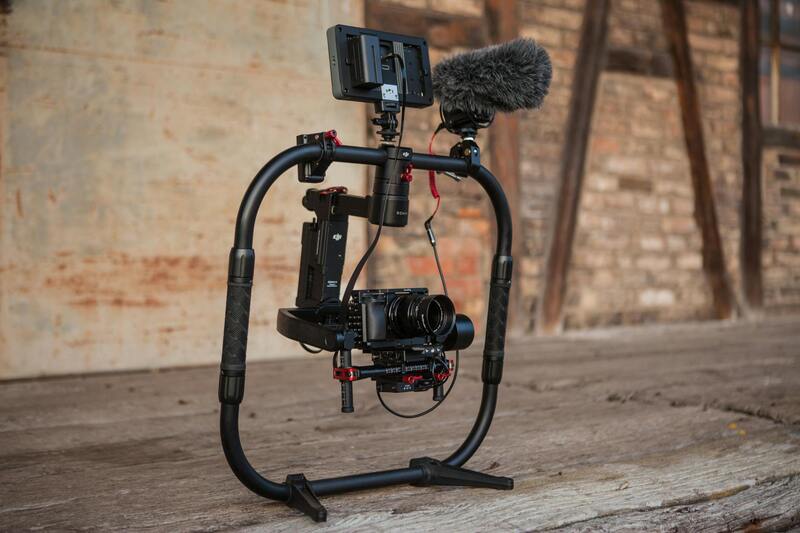
Utilizing professional corporate videography services ensures that the content is produced with precision, technical expertise, and a strategic approach. Skilled videographers and production teams understand the nuances of visual storytelling and the importance of authentic messaging. They incorporate various technical elements such as proper lighting, high-definition footage, professional sound design, and compelling editing to create impactful videos. As a result, companies can leverage this visual content across multiple channels—websites, social media, email campaigns, and presentations—to maximize reach and engagement.
Moreover, the role of corporate videography extends into branding by creating consistent visual identities that reinforce brand values and messaging. It helps humanize the organization, showcase behind-the-scenes processes, and highlight employee achievements, fostering transparency and trustworthiness. As businesses evolve in a highly visual digital environment, the strategic use of corporate videos becomes indispensable for fostering long-term growth and stakeholder confidence.
As the landscape advances, the importance of professional corporate videography continues to grow, enabling companies to communicate more effectively, stand out from competitors, and truly connect with their audiences through authentic and engaging visual stories.
Understanding Corporate Videography
Ensuring the Authenticity and Quality of Content
When it comes to creating impactful corporate videos, there are several dependable methods to ensure the content's authenticity and quality are maintained throughout the production process. Utilizing proven practices and official channels guarantees that the produced material aligns with the company's brand standards, legal requirements, and ethical guidelines.
One of the primary methods involves collaborating with certified professionals and reputable production companies. These entities adhere to industry best practices, possess recognized certifications, and follow established ethical codes. They prioritize transparency in their processes, ensuring that every step of the production complies with local regulations and industry standards.
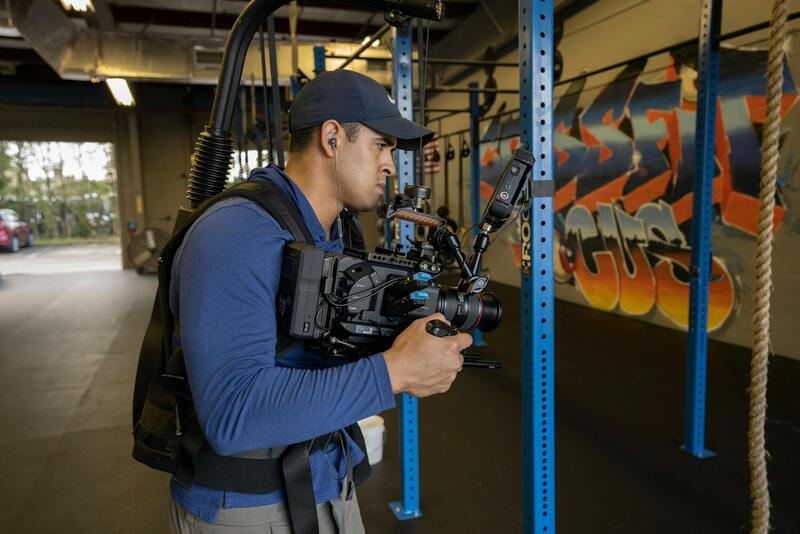
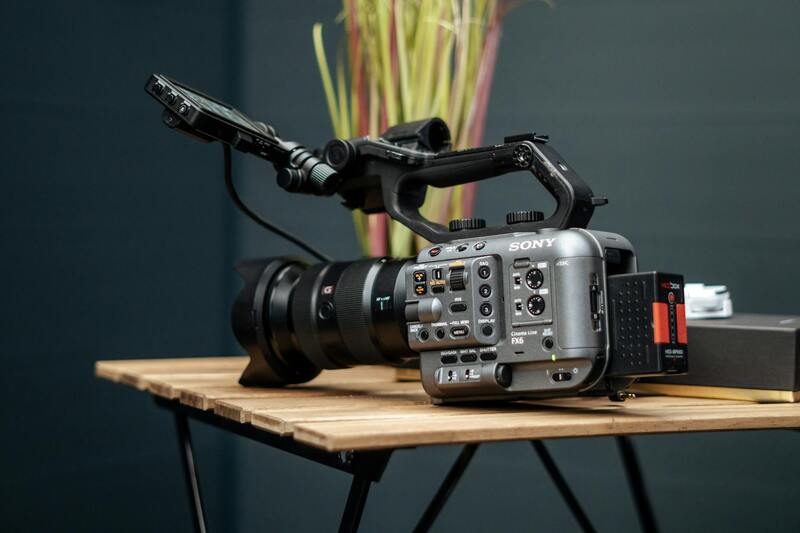
Another critical approach is to use authorized equipment and licensed software. High-quality cameras, sound equipment, and editing tools are essential for producing professional-grade videos. Licensed software prevents copyright infringements and ensures that the editing process remains within legal boundaries, providing a seamless and compliant final product.
In addition, establishing clear contractual agreements with all involved parties safeguards intellectual property rights and stipulates the scope of work, delivery timelines, and usage rights. These agreements serve as formal documentation, helping prevent disputes and ensuring that all activities are conducted within authorized parameters.
Content verification and review processes serve as vital steps prior to distribution. This includes internal reviews, stakeholder approvals, and compliance checks. Implementing multiple review rounds ensures the content remains consistent with corporate messaging and does not infringe on any third-party rights or sensitive information.
Maintaining Legal and Ethical Standards
Strict adherence to legal and ethical standards is fundamental in corporate videography. This involves obtaining necessary permissions for locations, talent, and copyrighted material used within the videos. For example, shooting in private properties requires official consent, while featuring identifiable individuals mandates signed release forms. These measures prevent potential disputes and uphold the organization’s integrity.
Educational training and ongoing staff development are also vital components. Staff involved in production should be well-versed in relevant laws governing copyright, trademarks, privacy, and intellectual property rights. Staying updated with industry regulations and best practices ensures that all content respects stakeholders’ rights and avoids legal complications.
Further, companies should utilize official templates, branding guidelines, and approved scripts to maintain consistency and authenticity in messaging. This structured approach supports transparent communication, fostering trust and credibility with viewers.
Implementing secure and internal data management protocols is equally important. Sensitive information, such as corporate secrets or proprietary data, must be handled with care during filming, editing, and storage. Utilizing authorized cloud services and secure servers minimizes risks of unauthorized access or data breaches.
Verifying and Validating Content Before Release
Prior to release, comprehensive verification and validation processes are essential. This includes detailed content audits, alignment reviews with branding standards, and legal compliance checks. Content approval panels often consist of legal advisors, marketing executives, and other key stakeholders, ensuring that all feedback is taken into account.
Projection testing and previewing the videos on different platforms and devices can identify potential issues related to format, resolution, or compatibility. This ensures the final product maintains its quality across various distribution channels.
To reinforce legitimacy, maintaining detailed documentation of approvals, permissions, and revisions protects the company in case of future disputes. These records serve as traceable proof that all procedures followed were authorized and met established standards.
Ensuring Content Accuracy and Consistency
One of the foundational pillars of professional corporate videography is maintaining content accuracy and consistency throughout the production process. This involves adhering strictly to the company's messaging guidelines, brand voice, and visual identity. When developing corporate videos, script approval stages are crucial, ensuring that every statement, statistic, or message aligns with the company's objectives and factual information.
Consistency also extends to visual elements such as logo placement, color schemes, typography, and overall style. These elements should be uniformly applied across all video content to reinforce brand recognition and create a cohesive visual narrative. Employing style guides and brand manuals helps streamline this process, providing clear directives to videographers and editors.
Furthermore, accurate portrayal of products, services, or corporate achievements enhances credibility. This requires diligent fact-checking and validation of all data presented. Incorporating real-world footage, authentic interviews, and verified testimonials can significantly boost credibility, portraying the company as transparent and trustworthy.
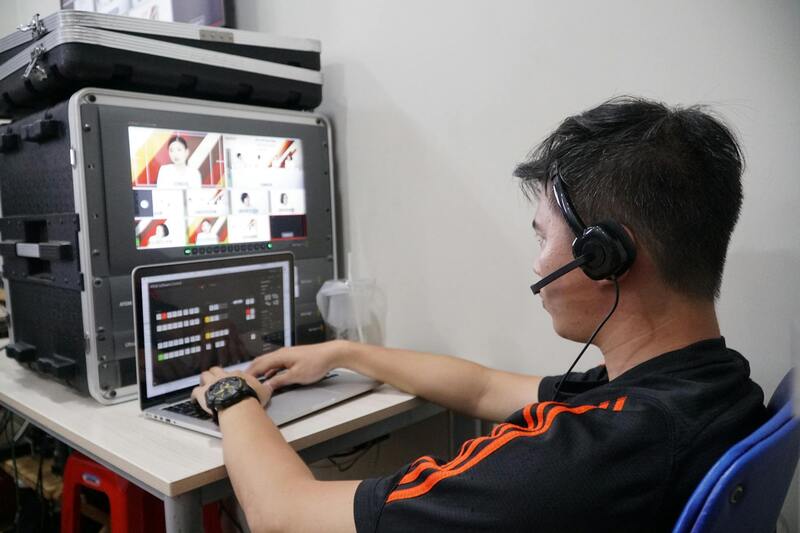
In addition to content accuracy, synchronization between visuals and audio plays a vital role. Clear voiceovers, synchronized subtitles, and precise editing ensure that the message is conveyed effectively and without confusion. These details not only improve viewer understanding but also reflect the company's commitment to quality standards.
Regular reviews and feedback loops among stakeholders, including marketing teams and executive leadership, facilitate continuous refinement. This collaborative approach ensures that the final product accurately reflects the company's identity while resonating with the target audience.

Implementing Official Content Verification Methods for Corporate Videos
Ensuring the authenticity and reliability of content included in corporate videos is fundamental in presenting a professional image and maintaining stakeholder trust. To achieve this, companies can utilize a hierarchy of verified sources and authoritative data to underpin all factual claims. This process involves cross-referencing information from reputable industry reports, official company records, and recognized third-party validations. Maintaining detailed documentation of data sources and verification steps not only enhances transparency but also provides an internal audit trail that can be invaluable during reviews or disputes.
Furthermore, incorporating controlled and approved footage, such as original product demonstrations, certified testimonials, and verified interview recordings, safeguards the integrity of the visual narrative. Establishing an internal review team dedicated to content validation before final production helps ensure that all material meets established accuracy standards. This team can be comprised of subject matter experts, legal advisors, or quality assurance personnel, depending on the nature of the content.
To maintain compliance with industry regulations and organizational standards, companies should develop comprehensive content approval protocols. These include detailed checklists, approval hierarchies, and multi-stage review processes to systematically vet each element of the video. This rigorous approach minimizes the risk of disseminating outdated or incorrect information, thereby protecting the company's reputation and fostering stakeholder confidence.
Utilizing technological tools, such as digital asset management systems or content management software, can streamline the verification process. These platforms enable centralized control over content versions, streamline collaboration among stakeholders, and facilitate approval workflows. Additionally, integrating metadata tagging for version control and verification status can further enhance transparency and accountability within the production cycle.
Incorporation of real-world footage from reputable sources, authentic interviews conducted with validated participants, and properly sourced testimonials significantly elevate the credibility of promotional content. Such practices demonstrate the company's dedication to transparency and reinforce its message with verifiable evidence.
Synchronization of visual and audio elements plays a crucial role in conveying messages effectively. Clear voiceovers recorded by authorized personnel, synchronized subtitles for accessibility, and meticulous editing to match visuals with narration contribute to professional quality. This attention to detail not only enhances viewer understanding but also reflects a company's commitment to delivering accurate and high-standard content.
Regular review cycles involving key stakeholders—including marketing, legal, and executive teams—are essential to maintain content integrity. These collaborative evaluations ensure that each version of the video aligns with strategic objectives, branding guidelines, and factual accuracy. Establishing a structured feedback process accelerates refinement and promotes shared ownership of the final product.
Choosing the right corporate videography services involves assessing their capacity to implement these rigorous verification techniques. Reputable providers typically demonstrate strong credentials in content validation, adherence to industry standards, and a collaborative approach to review and approval. By prioritizing these qualities, organizations can produce videos that not only engage visually but also stand up to scrutiny through verifiable and legitimate content validation practices.
Understanding Corporate Videography
Corporate videography serves as a vital communication tool for businesses seeking to convey their brand story, showcase products or services, and connect with their audience on a deeper level. High-quality corporate videos are crafted with precision, capturing the essence of a company's mission and values while ensuring clarity and professionalism. Professional corporate videography involves meticulous planning, script development, storyboarding, and execution, all tailored to meet specific organizational goals.
Utilizing expert videographers ensures that each element—from lighting and sound to editing—is handled with industry standards in mind. This comprehensive approach not only results in visually compelling content but also ensures that the message is delivered with authenticity and impact. In today's digital landscape, where visual content dominates, investing in professional videography can markedly elevate a brand’s visibility and credibility.
Types of Corporate Video Content
Many organizations opt for diverse types of corporate videos to address different communication objectives:
- Brand Videos: Highlight the company's identity, core values, and vision to foster brand recognition.
- Product Demos: Showcase features, benefits, and usage instructions to educate potential customers.
- Training and Educational Content: Facilitate employee onboarding and continuous learning with clear, engaging tutorials.
- Client Testimonials: Capture authentic customer experiences to build trust and credibility.
- Corporate Events: Document conferences, webinars, and company celebrations for internal and external dissemination.
- Recruitment Videos: Attract prospective talent by presenting company culture and career opportunities.
Each content type requires a tailored approach to style, tone, and production techniques, emphasizing the importance of working with experienced videography providers familiar with diverse corporate objectives.
Benefits of Professional Corporate Videography
Engaging professional corporate videos offers numerous advantages:
- Enhanced Brand Image: Well-produced videos project a polished image that resonates with target audiences.
- Increased Engagement: Visual content naturally attracts attention and encourages sharing across channels.
- Clear Communication: Videos simplify complex messages, making information more accessible and memorable.
- Content Longevity: Videos can be repurposed across various platforms, maximizing return on investment.
- Competitive Edge: High-quality content differentiates a company from competitors relying on amateur productions.
Partnering with seasoned videographers ensures the production aligns with branding standards and adheres to content guidelines that reinforce professionalism and reliability.
Key Elements of Effective Corporate Videos
Creating impactful corporate videos hinges on several critical components:
- Clear Objectives: Define the purpose and target audience for the video to ensure content aligns with strategic goals.
- Compelling Storytelling: Craft narratives that engage viewers emotionally and reinforce key messages.
- Professional Production Quality: Use high-grade cameras, lighting, and sound equipment to produce visually appealing videos.
- Authentic Content: Incorporate genuine testimonials and real scenarios to build trust.
- Accessibility Features: Integrate subtitles and alternative formats to broaden reach.
- Strategic Distribution: Plan deployment across relevant platforms to maximize visibility and engagement.
Attention to these elements ensures that corporate videos are not only aesthetically pleasing but also effective communication tools that support business objectives.
Understanding Corporate Videography
Corporate videography encompasses the strategic creation of visual content tailored to meet business objectives, ranging from branding and marketing campaigns to internal communication and training modules. This specialized service prioritizes delivering high-quality, polished videos that accurately reflect a company's values and professionalism. In Miami, businesses seeking to enhance their corporate image recognize the importance of partnering with experienced videography providers who understand industry standards and possess the technical expertise required to produce compelling content.
Importance of Professional Corporate Videography
Engaging a reputable corporate videography service ensures that the final product meets stringent quality benchmarks, adheres to branding guidelines, and effectively communicates key messages. Such services employ advanced equipment, strategic planning, and creative storytelling techniques to capture the audience's attention and leave a lasting impression. Whether creating introductory videos for new products, employee onboarding materials, or investor presentations, professional videographers adapt their approach to align with the specific goals of each project.
Official Methods for Ensuring Quality and Legitimacy
Apart from hiring reputable providers, companies should verify the credentials and experience of prospective videographers through transparent channels such as portfolio reviews, client testimonials, and industry certifications. Engaging with a service that maintains a comprehensive understanding of copyright laws, licensing agreements, and compliance standards is essential to producing legitimate content that respects intellectual property rights and adheres to regional regulations. This guarantees that the produced videos will be suitable for distribution across various channels without legal complications.
Step-by-Step Process for Securing Corporate Videography Services
- Research and Shortlisting: Begin by compiling a list of Miami-based providers with proven expertise in corporate media production. Review their portfolios to assess the quality and style of previous work.
- Consultations and Proposals: Initiate discussions to clearly outline project objectives, expected outcomes, and budget considerations. Reputable agencies will provide detailed proposals encompassing scope, timelines, and deliverables.
- Credential Verification: Confirm the provider’s licensing, insurance, and industry affiliations. Request references or case studies demonstrating successful projects in similar domains.
- Contract and Planning: Formalize engagement through clear contracts that specify intellectual property rights, confidentiality clauses, and project milestones. Collaborate on pre-production planning, including scripting, storyboard development, and scheduling.
- Production and Review: Oversee on-site filming, ensuring alignment with agreed-upon standards. Conduct regular reviews during post-production to ensure the editing process adheres to the intended vision.
- Final Delivery and Distribution: Assess the completed video for quality and accuracy before final approval. Discuss strategies for effective distribution across appropriate digital channels, ensuring maximum reach and engagement.
Ensuring Content Legitimacy and Compliance
Choosing a corporate videography service reputable for adhering to industry best practices ensures that content is produced within legitimate frameworks. This includes respecting copyright laws, obtaining necessary permissions for music and location use, and complying with regional advertising standards. A legitimate provider will assist in navigating these processes, providing legal documentation where necessary, and safeguarding your company from potential setbacks related to content licensing or distribution rights.
Ensuring Content Legitimacy and Compliance
Partnering with a reputable corporate videography service in Miami involves more than just capturing high-quality footage; it requires adherence to strict industry standards that ensure the integrity and legal soundness of your content. These standards encompass safeguarding intellectual property rights, respecting privacy laws, and following regional advertising and broadcasting regulations. An established videography provider will have developed processes to facilitate this compliance, such as securing necessary permissions for locations and music, obtaining model releases when needed, and ensuring that all content aligns with industry best practices.
One fundamental aspect of content legitimacy is transparency in licensing agreements. A reliable service provider will clarify what rights are being licensed for your videos, including usage scope, distribution channels, and duration. They will also help you navigate the complexities around copyright and trademark laws, ensuring your videos do not inadvertently infringe on third-party rights. This proactive approach minimizes potential legal challenges and safeguards your company's reputation.
In addition to legal protections, reputable providers in Miami will assist in obtaining all relevant documentation, such as permits for filming in public or private spaces, releases from individuals appearing in the videos, and permissions for copyrighted materials like music or branded assets. These steps are essential not only for compliance but also for ensuring the smooth distribution and monetization of your videos across various digital platforms.
Choosing a service that emphasizes transparency and adherence to established guidelines tactically protects your organization from potential setbacks. It also demonstrates a commitment to ethical content creation—further enhancing your corporate image. When engaging with your provider, always verify their policies on copyright management, permission acquisition, and compliance with regional advertising standards. Open communication about these matters fosters trust and ensures that your final product not only meets quality expectations but also complies with all requisite legal frameworks.
Ensuring Proper Licensing, Permissions, and Compliance in Corporate Videography
Maintaining the integrity and legality of corporate videos involves meticulous attention to licensing, permissions, and regulatory standards. This process begins with sourcing and securing licensed content, including music, images, and footage, to prevent copyright infringements that could compromise the company's reputation or lead to costly legal disputes. Working with experienced videography providers who have established connections with licensing organizations or access to royalty-free resources simplifies this process and guarantees compliance.
Equally vital is obtaining all necessary permissions from individuals and entities appearing in or involved with the video content. This entails securing releases from employees, clients, or on-camera talent, especially when capturing elements in private settings. Public filming permits are also required when shooting in restricted or public areas, ensuring the project adheres to regional regulations concerning drone usage, crowd control, and location-specific restrictions. These procedural steps are integral to safeguarding the organization's interests and ensuring the content is legally sound for distribution across digital, broadcast, and social media channels.

In addition to individual and location permissions, compliance extends to content regulations, such as regional advertising standards and industry-specific guidelines. Ensuring the correct disclosure statements, avoiding misleading claims, and respecting privacy laws are fundamental components of responsible content creation. Many professional videography services in Miami adhere to these guidelines by integrating compliance checks into their production workflows. This proactive approach minimizes the risk of regulatory challenges and ensures the final product harmonizes with regional and industry standards.
Maintaining organized documentation—such as signed release forms, licensing agreements, and permit copies—is crucial for record-keeping and potential audits. A reputable production team will assist in managing these documents efficiently, further streamlining the distribution process and facilitating future content use or modifications.

Best Practices for Legal and Ethical Corporate Videography
- Work with established production providers: Choose teams with a reputation for rigorously handling licensing and permissions, ensuring content complies with all applicable standards.
- Secure all necessary permits and releases before production: This prevents delays and legal issues during or after the shoot.
- Utilize licensed or royalty-free assets: Whether music, images, or footage, these resources help avoid copyright complications.
- Document every aspect of permissions and licenses: Maintain organized records for all signed releases and permits to support compliance in case of audits or disputes.
- Stay updated on regional regulatory standards: Laws and guidelines evolve; ongoing awareness ensures content remains compliant.
Adhering to these best practices not only secures legal protection but also demonstrates an ethical commitment to responsible content creation. This enhances the company's credibility and fosters trust with audiences, partners, and regulatory bodies alike, reinforcing a professional reputation grounded in integrity.