Understanding Corporate Marketing Video Production
Corporate marketing video production is a strategic approach to creating visual content that effectively promotes a company's brand, products, or services. These videos serve as a dynamic communication tool, enabling businesses to engage their target audience with compelling narratives, high-quality visuals, and clear messaging.

The primary purpose of corporate marketing videos is to enhance brand awareness, convey key messages, and foster trust with customers and stakeholders. They are integrated into wider marketing plans to support campaigns, launch new offerings, or reinforce the company’s values and mission.
In today's competitive environment, leveraging video content has become essential for businesses looking to stand out. Effective corporate videos can significantly improve engagement rates, increase conversions, and bolster a company's market presence. Whether used for social media, websites, trade shows, or internal communications, these videos are crafted to resonate with specific audiences and achieve targeted marketing objectives.
Developing a successful corporate marketing video involves meticulous planning, creative storytelling, and technical execution. It is a comprehensive process that combines various professional skills—from scripting and storyboarding to filming and editing. When executed correctly, these videos not only promote products and services but also humanize the brand, making it more relatable and trustworthy in the eyes of viewers.
Incorporating well-produced corporate videos into a marketing strategy allows businesses to communicate complex ideas quickly and effectively. Visual storytelling can simplify intricate information, showcase real people and testimonials, and create emotional connections that words alone may not achieve. As part of a cohesive digital marketing effort, corporate videos can significantly contribute to increasing visibility, driving leads, and fostering long-term customer loyalty.
For organizations based in or looking to expand their reach in Miami, partnering with professional video production services ensures that these objectives are met with high standards of quality and precision. The result is content that not only captures attention but also delivers tangible business results, making corporate marketing video production an indispensable element of modern marketing strategies.
Planning and Strategy Development
Effective corporate marketing video production begins with a detailed planning and strategy phase. This stage involves understanding the core message the company wants to convey, identifying target audiences, and establishing clear objectives for the video. A comprehensive strategy ensures the content aligns with the overall marketing goals and branding standards. During this phase, companies collaborate with production professionals to determine key performance indicators (KPIs), budget considerations, and timelines. Developing a content calendar facilitates the alignment of the video project with other marketing initiatives.
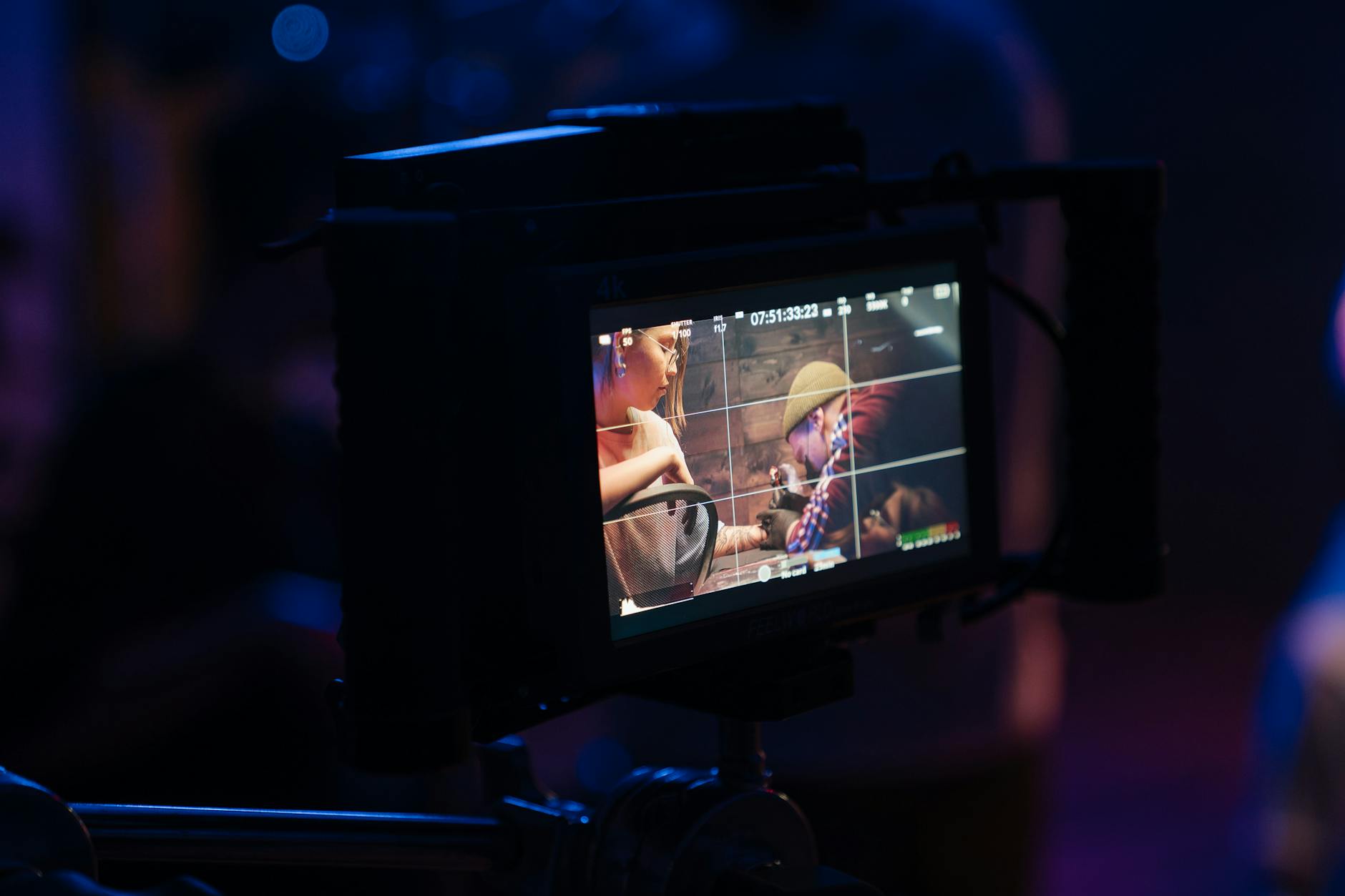
In-depth research on audience preferences and market trends guides the creation of resonant messaging. Competitor analysis and audience segmentation can uncover unique opportunities for differentiation. Strategy development also involves selecting the appropriate video format—whether a brand narrative, product demonstration, testimonial, or explainer video—that best communicates the intended message. Establishing key messaging points and defining the tone and style set the foundation for consistent branding throughout the project.
Creative Concepts and Storytelling
Building on the strategic groundwork, the next phase emphasizes creative development. This involves brainstorming ideas that captivate viewers and effectively communicate the company’s value proposition. Engaging storytelling techniques enhance memorability and emotional impact. Scripts are crafted to deliver concise, compelling messages, often integrating storytelling arcs that evoke empathy and trust.
Storyboard creation visually outlines the narrative flow, scene composition, and visual elements, ensuring everyone involved understands the creative direction. The storytelling approach should resonate with the target audience’s preferences and cultural nuances, especially when catering to a diverse or localized demographic. Incorporating authentic scenarios, real testimonials, and relatable characters can significantly increase viewer engagement and brand affinity.
Production Process and Logistics
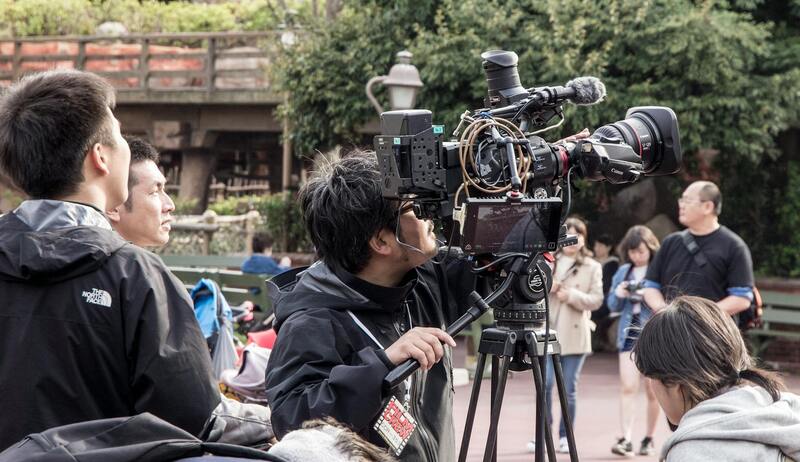
Once the creative concepts are finalized, professional execution begins with meticulous logistical planning. This stage includes location scouting, casting, obtaining necessary permits, and scheduling filming days to optimize resources. Advanced equipment—such as high-definition cameras, lighting setups, and sound recording devices—are employed to achieve high-quality visuals and audio.
Coordination among directors, camera operators, lighting technicians, and production assistants is crucial to maintaining efficiency and ensuring each scene is shot according to the storyboard specifications. Contingency plans are also put in place to handle unforeseen issues, such as weather disruptions or technical difficulties. Detailed shot lists help streamline the filming process, saving time and costs while maintaining creative integrity.
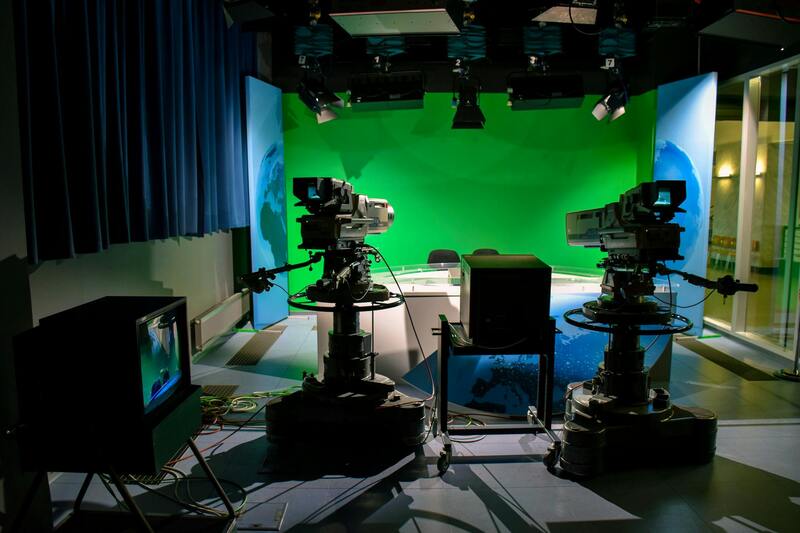
During filming, attention to detail and adherence to the creative vision are essential to capture the authentic essence of the brand story. Post-filming, raw footage is organized and reviewed for quality, setting the stage for the editing phase.
Understanding the Critical Aspects of Production Planning and Scheduling
Efficient production planning forms the backbone of successful corporate marketing video projects. It involves detailed scheduling that aligns with the overall marketing timeline, ensuring each phase—from pre-production to post-production—is executed seamlessly. This process begins with creating a comprehensive timeline that accommodates all stages, including script finalization, casting, location scouting, and equipment setup. Developing a clear schedule minimizes delays and ensures the project adheres to fixed deadlines, which is crucial when delivering content aligned with or timed around product launches, campaigns, or other key events.
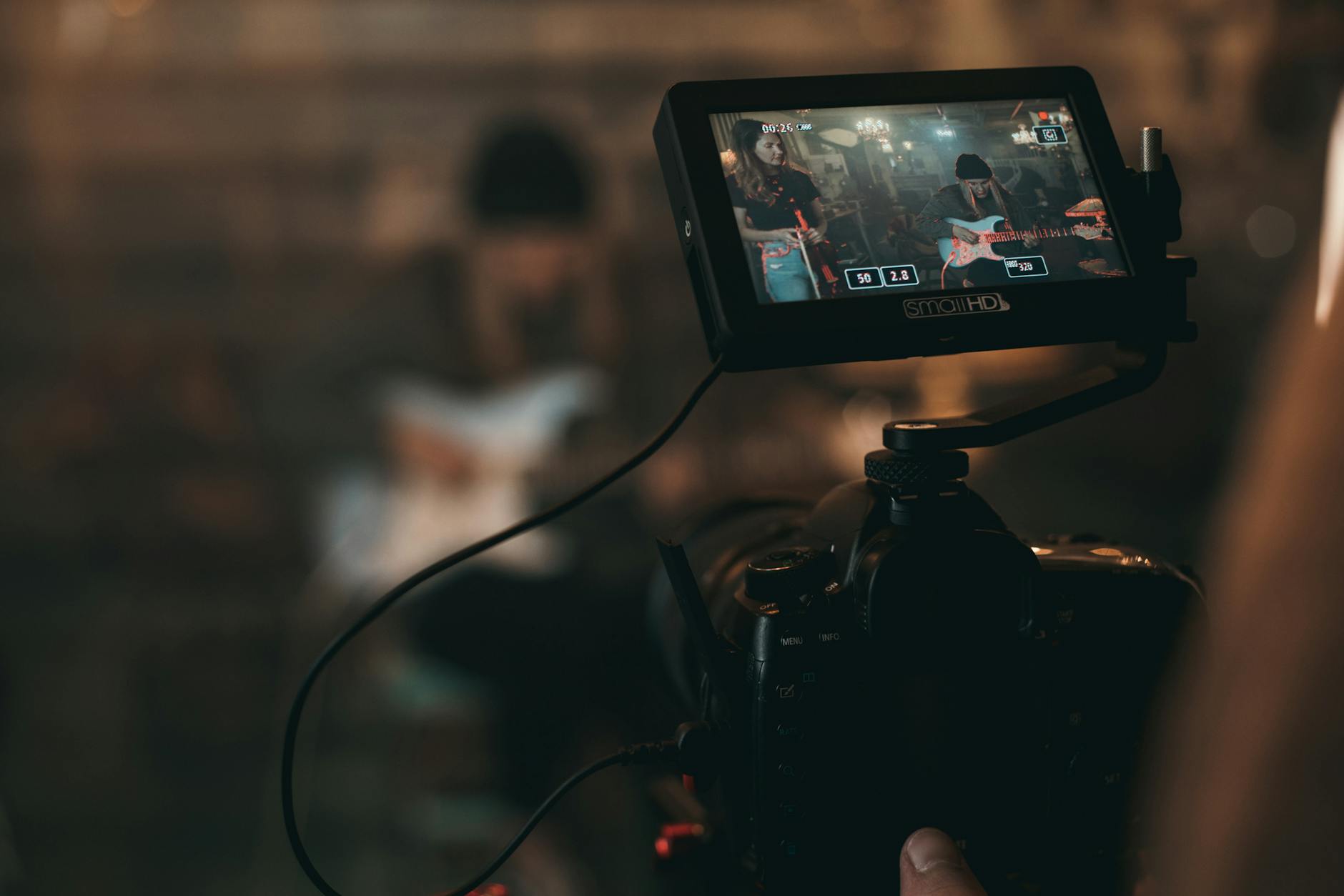
Moreover, it is vital to coordinate availability among cast, crew, and locations to prevent scheduling conflicts. Establishing a detailed shot list and a production calendar helps team members stay informed about daily objectives, shooting times, and locations. This coordination minimizes downtime and maximizes the use of available resources, which is especially important in a dynamic city like Miami where logistical complexities can arise due to various external factors.
Utilizing Advanced Equipment and Techniques for High-Quality Output
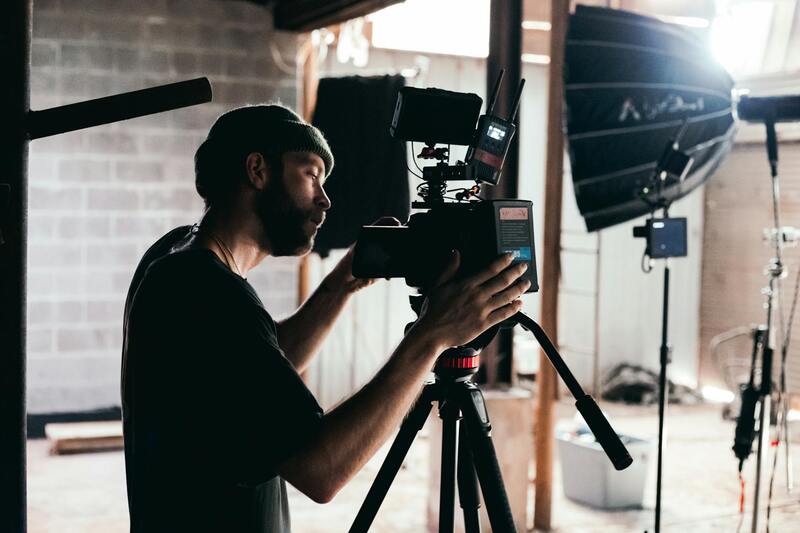
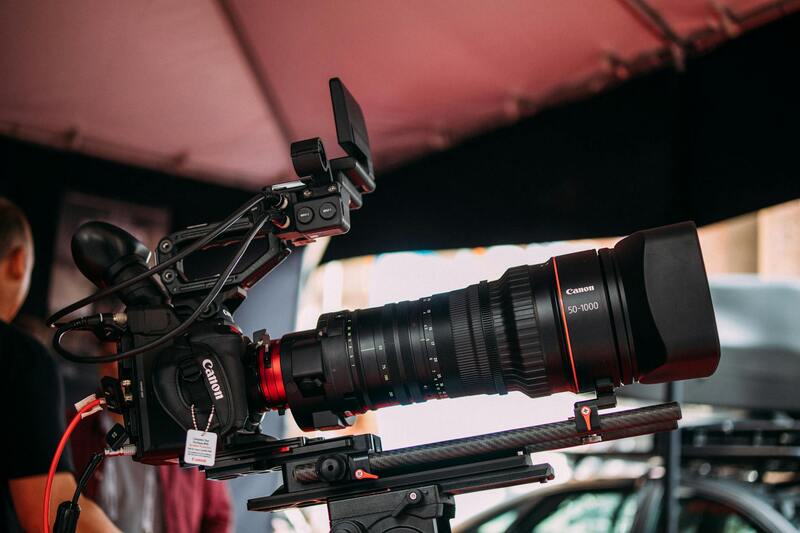
Investing in state-of-the-art filming technology elevates the quality of corporate marketing videos. Modern high-definition cameras capture crisp visuals that communicate professionalism and attention to detail, reinforcing brand credibility. Enhanced lighting setups are employed to achieve the desired mood and clarity, making sure every scene stands out visually. Audio equipment, including lapel and boom microphones, are used to record crystal-clear sound, vital for clear messaging and engagement.
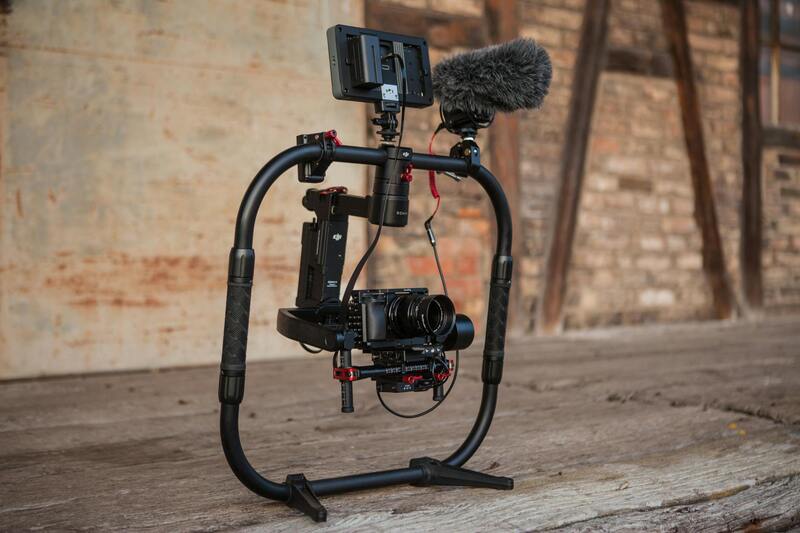
More sophisticated techniques, such as drone footage and steady-cam movements, can add cinematic flair to corporate videos, making them more engaging and visually appealing. These methods allow companies to showcase their facilities, products, or corporate culture from unique perspectives, forging a stronger emotional connection with viewers. When paired with skilled editing, such techniques result in a polished final product that effectively reflects the brand's professionalism and innovative spirit.
Ensuring Quality Control During Shooting and Post-Production
Maintaining stringent quality control measures during filming and editing processes guarantees the final product meets the highest standards. During production, experienced directors and technicians oversee each scene to ensure the visuals and audio align with the intended creative vision. They conduct on-set reviews of footage, allowing for immediate retakes if necessary, preventing costly reshoots later in post-production.
In post-production, editors meticulously review raw footage, color correct, add graphics, and incorporate animations or captions to enhance message clarity. Sound editing further refines the audio, removing background noise and balancing levels for optimal clarity. This stage often involves multiple review cycles to ensure consistency and accuracy, with client feedback integrated seamlessly.
Finalizing Content and Preparing for Distribution
The final phase of corporate marketing video production involves preparing the content for distribution across various channels. This includes optimizing the video format for platforms such as social media, websites, email campaigns, and presentations. Adaptive content ensures the video loads quickly and maintains visual integrity across devices, whether desktops, tablets, or smartphones.
For successful dissemination, integrating relevant metadata, captions, and thumbnails enhances discoverability and viewer engagement. Developing a distribution plan with targeted scheduling maximizes impact, ensuring the right audience views the content at optimal times. Complementing the video with a strategic promotion approach amplifies brand messaging, leading to increased awareness, engagement, and conversion.
Production Process and Logistics
Successful corporate marketing video production hinges on meticulous planning and efficient execution of the production process. This phase involves coordinating all logistical elements to ensure a seamless shoot, from securing permits and locations to scheduling talent, crew, and equipment. Precise scheduling minimizes downtime, allowing each segment of the shoot to proceed without unnecessary delays.
Location scouting is vital to identify suitable sites that align with the campaign’s visual narrative, while also considering factors such as lighting conditions, sound quality, and accessibility. When filming on location, managing environmental variables like weather and ambient noise becomes crucial to maintain consistent quality throughout the footage.
During production, safety protocols are strictly observed to protect all personnel involved. Equipment setup includes selecting appropriate cameras, lighting, and sound gear that complement the desired aesthetic and technical specifications. The crew works collaboratively to execute the storyboard and shot list, ensuring each scene captures the intended message with clarity and impact.

Efficient communication channels between the production team and client are maintained throughout to address any adjustments or unforeseen challenges promptly. Post-shoot debriefings help evaluate what was achieved against the original plan, setting a clear path for the subsequent editing phase.
Post-Production and Editing
The post-production stage is where raw footage transforms into a compelling corporate marketing asset. Skilled editors review all footage, selecting the most powerful shots that support the campaign's objectives. Color grading enhances visual consistency, setting the tone that reflects the brand's identity.
Graphics, animations, and on-screen captions are integrated to emphasize key messages and improve viewer understanding. Sound design is refined to ensure crisp audio quality, balancing voiceovers, background music, and sound effects harmoniously.
This phase often involves multiple review sessions with stakeholders, incorporating feedback to align the final product with strategic goals. Fine-tuning these details ensures the video maintains high production standards and communicates the intended message effectively.
Distribution Channels and Optimization
Once finalized, the corporate video must be optimized for various distribution platforms to maximize reach and engagement. Adapting the video format for different environments, such as social media feeds, email campaigns, and embed code for websites, is crucial for seamless viewing experiences across devices.
Metadata, captions, and attractive thumbnails enhance discoverability and accessibility, encouraging higher viewer interaction. A strategic scheduling plan ensures that the content is released at peak times for the target audience, amplifying its impact.
Furthermore, integrating the video into broader marketing campaigns with complementary content and targeted advertisements increases visibility and ROI. Analytic tools can track viewer engagement, providing insights to refine future video initiatives and marketing strategies.
Utilizing a professional Miami-based production agency ensures adherence to best practices and access to local expertise. Their familiarity with the regional market allows for tailored approaches that resonate with the target demographic, ultimately strengthening the brand's presence and message efficacy.
Understanding Corporate Marketing Video Production
Corporate marketing video production involves a comprehensive process that transforms brand messaging into engaging visual content tailored to showcase a company's strengths, values, and offerings. This process begins with careful planning, where insights into the target audience, brand identity, and overarching marketing objectives are gathered. Strategic decisions made during this phase influence every subsequent step, from scripting and storyboarding to filming and editing. High-quality production ensures the final product not only captures attention but also builds credibility and trust, which are essential for fostering customer engagement and loyalty. Implementing best practices throughout the production process guarantees that each element—visuals, sound, and narrative—work synergistically to reinforce brand identity and drive desired actions.
Key Benefits of Using Video for Corporate Marketing
Video content has become an indispensable tool in the modern marketing landscape, offering a multitude of benefits that enhance brand visibility and engagement. Videos provide an immersive experience, allowing companies to showcase products, services, and corporate values vividly. They facilitate clearer communication, breaking down complex information into easily digestible visuals and narrative. The dynamic nature of videos increases the likelihood of social sharing, significantly expanding organic reach. Moreover, videos improve conversion rates by building emotional connections, boosting brand recognition, and inspiring call-to-action responses. Incorporating professional corporate videos into marketing strategies can lead to measurable improvements in website traffic, lead generation, and customer retention.
Planning and Strategy Development
An effective corporate marketing video begins with a solid planning and strategy phase. This involves identifying key messages that align with overarching business goals, defining target audience segments, and selecting appropriate distribution channels. Developing a content calendar ensures timely releases and consistent messaging across platforms. During this stage, it’s beneficial to establish clear objectives, whether to enhance brand awareness, promote specific products, or communicate company values. Collaborating with stakeholders helps refine the vision, ensuring the final product resonates with the intended audience and serves strategic purposes. Additionally, budgeting and resource allocation are carefully planned to optimize production quality while controlling costs. A detailed storyboard and scripting phase translate these strategic ideas into tangible visual concepts, setting a clear direction for production teams.
Creative Concepts and Storytelling
Effective corporate videos leverage compelling storytelling and creative concepts to engage viewers emotionally. This involves crafting narratives that reflect the brand’s voice and resonate with audience aspirations. Storytelling elements such as relatable characters, real-world scenarios, and authentic testimonials enhance credibility and foster emotional connections. Visual motifs, color schemes, and branding elements are thoughtfully integrated into the creative concept to reinforce identity consistency. Innovative ideas, such as animation or motion graphics, can also be employed to simplify complex information or add a distinctive visual flair. The goal is to create a memorable experience that not only informs but also inspires action, whether that’s making a purchase, subscribing, or sharing the content across social platforms.
Understanding Corporate Marketing Video Production
Corporate marketing video production encompasses the comprehensive process of conceptualizing, developing, and delivering videos that are crafted to elevate brand visibility and communicate key messages to a targeted audience. This process involves multiple phases, from initial strategic planning to final distribution, each requiring attention to detail and coordination among various specialists. The objective is to produce engaging content that aligns with a company's branding and marketing goals, ensuring that every visual element supports the overarching message and resonates with viewers.
Successful corporate marketing videos are not incidental; they are carefully crafted through structured phases that involve understanding the target audience, establishing clear objectives, and selecting the most effective formats and styles. These videos serve various purposes, including brand awareness, product launches, employee training, or investor relations. They typically incorporate elements such as scripting, storyboarding, filming, editing, and distribution to ensure maximum impact and alignment with brand standards.
Key Elements of Corporate Video Production
- Strategic planning and goal setting
- Creative concept development
- Storytelling with authentic narratives
- High-quality filming and production techniques
- Post-production editing and visual effects
- Effective distribution strategies
Each of these components contributes to producing a cohesive and compelling final product that effectively communicates the intended message and prompts viewer engagement.
Strategic Importance of Corporate Videos
In today’s digital-driven environment, corporate marketing videos are indispensable for establishing credibility and fostering emotional connections with audiences. Videos increase engagement rates significantly, provide opportunities for cross-platform sharing, and enhance user understanding of complex information through visual storytelling. They also serve as long-term assets that can be repurposed across multiple marketing channels, including social media, websites, trade shows, and internal communications. Consequently, investing in professional video production not only improves brand perception but also yields measurable return on investment through increased customer acquisition and retention.
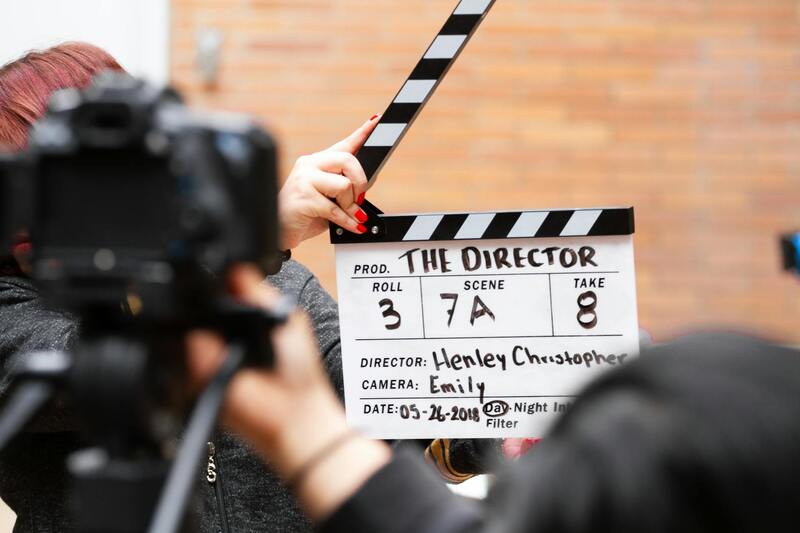
To achieve these benefits, corporations must focus on official and proven methods of video creation, ensuring adherence to industry standards and best practices. This involves working with experienced production teams who understand the nuances of corporate branding, audience targeting, and technical execution. Using state-of-the-art equipment, refined editing processes, and strategic distribution plans ensures that the final product not only looks professional but also performs effectively in reaching its intended audience and objectives.
Understanding Corporate Marketing Video Production
Corporate marketing video production is a multifaceted process that transforms conceptual ideas into compelling visual narratives. It involves meticulous planning, creative scripting, professional filming, and precise editing to produce videos that reflect a company's brand identity and strategic objectives. Ensuring that each phase aligns with industry standards demands a comprehensive approach rooted in proven methodologies. This process begins with stakeholder consultations to clarify objectives, target audience insights, and key messaging points. These elements inform the development of a structured storyboard and shot list, laying a solid foundation for production.
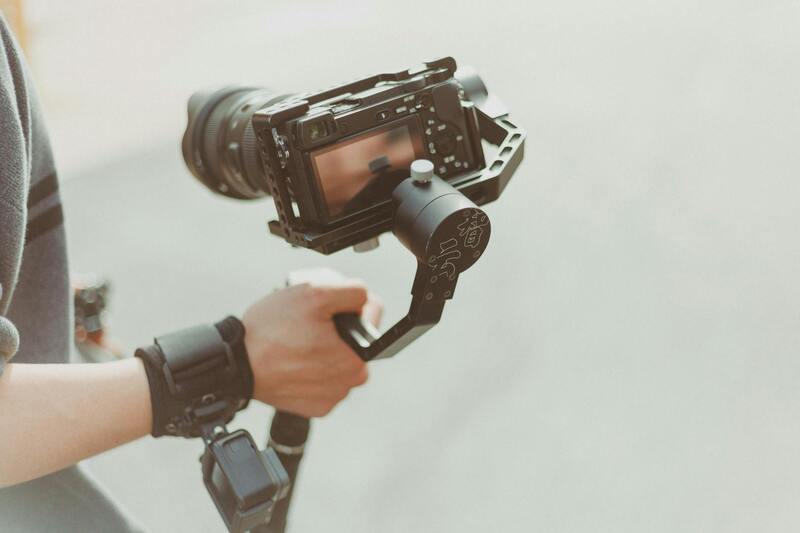
During the production phase, the focus shifts to capturing high-quality footage using professional-grade equipment and techniques. Lighting, sound, and camera angles are carefully managed to enhance visual appeal and clarity. Simultaneously, attention is given to set design and talent performance, ensuring consistency with the brand tone and messaging strategy. Logistics such as scheduling, location permits, and crew coordination are meticulously handled to avoid disruptions and guarantee a seamless shoot.
Post-Production and Editing
After filming, the editing stage refines raw footage into a polished final product. Skilled editors integrate graphics, animations, and music to bolster storytelling and emotional resonance. Color grading enhances visual consistency, while sound design ensures audio clarity and synchronization. During this phase, close collaboration with stakeholders is crucial for aligning the final cut with the original objectives. Quality assurance checks verify technical specifications and ensure the video functions optimally across intended platforms.
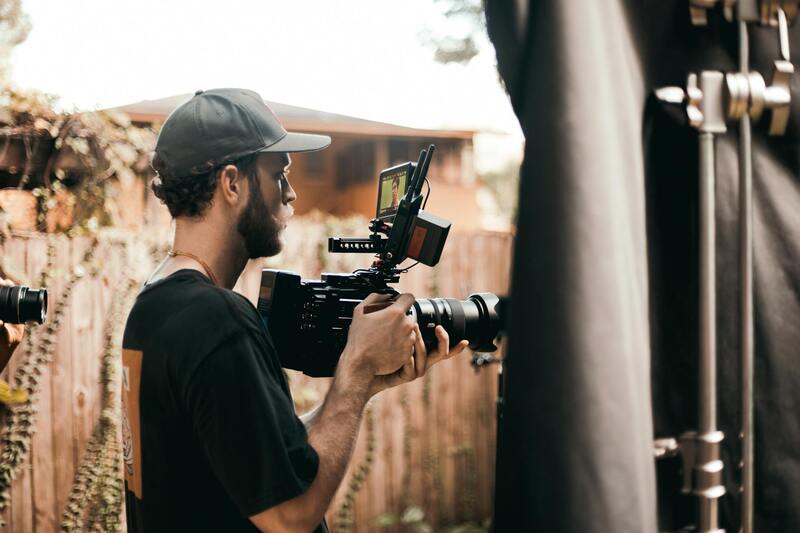
A well-executed corporate marketing video serves multiple strategic purposes, from strengthening brand recognition and conveying complex information to engaging audiences across digital platforms. The process’s success hinges on adhering to industry best practices, leveraging professional expertise, and employing advanced technology. Organizations that meticulously manage each stage of production—planning, filming, editing, and distribution—can maximize the return on investment and achieve their marketing goals effectively. These efforts ensure the final content resonates with viewers, enhances corporate reputation, and drives meaningful engagement across various channels.
Ensuring Proper Distribution and Monitoring of Corporate Marketing Videos
Once the corporate marketing video has been finalized through meticulous editing and quality assurance, the subsequent phase involves deploying the content across multiple platforms and monitoring its performance. Effective distribution is essential to maximize reach and engagement, ensuring that the messaging resonates with the target audience and supports overarching marketing objectives.
Strategic Distribution Planning
An intentional approach to distribution involves selecting the most appropriate channels based on audience demographics, industry trends, and content type. Businesses often leverage a combination of owned media, such as their corporate websites and social media profiles, alongside paid channels, including digital advertisements. Email marketing campaigns can also be an effective avenue for targeted outreach, particularly when the content aligns with specific subscriber interests. It is critical to tailor the video's presentation format to each platform—optimizing aspect ratios, captions, and loading speeds to enhance viewer experience and minimize barriers to engagement.
Optimizing Content for Platforms
Customization of corporate videos for various digital venues enhances visibility and viewer retention. For example, shorter teaser clips can be crafted from the main video for social media platforms like LinkedIn, Facebook, and Twitter. These snippets should include compelling calls to action, prompting viewers to watch the full version or visit the company’s website for more information. On professional networking and video-sharing sites, high-resolution formats are preferable to maintain clarity and professionalism. Incorporating relevant keywords and descriptive metadata further supports search engine optimization, increasing discoverability across digital assets.
Analytical Monitoring and Performance Evaluation
Implementing robust analytics tools allows organizations to track key performance indicators (KPIs) such as view counts, engagement rates, click-through rates, and conversions. Monitoring these metrics provides insights into content effectiveness and audience preferences, informing future content strategies. Heatmaps and viewer retention graphs reveal which sections of the video hold attention, identifying opportunities for refinement. Regular reporting enables marketing teams to adjust distribution tactics dynamically, increasing the overall return on investment and ensuring sustained relevance in competitive markets.
Implementing Feedback and Continuous Improvement
Gathering audience feedback through comments, surveys, or direct outreach allows organizations to gauge viewer perceptions and gather valuable insights. This input facilitates continuous content improvement, aligning messaging with audience expectations and industry standards. Additionally, staying abreast of evolving platform algorithms and emerging digital trends ensures that future videos remain competitive and impactful. Integrating A/B testing strategies—such as experimenting with different thumbnail images, titles, or call-to-action placements—can optimize engagement rates further, refining distribution methods over time.