
Understanding Corporate Film Production
Corporate film production refers to the comprehensive process of planning, developing, and delivering high-quality video content that serves essential business objectives. This specialized form of filmmaking focuses on crafting visual narratives that communicate a company's values, showcase products or services, and build a strong brand presence. The scope of corporate film production extends beyond simple advertising, encompassing internal communications, training videos, investor presentations, and promotional campaigns designed to enhance engagement and convey professionalism.
The importance of corporate films lies in their ability to create a lasting impression across diverse audiences. Visual content is significantly more engaging than text-based communication, making it a powerful tool for capturing attention and delivering messages effectively. For businesses operating in competitive markets, a well-produced corporate film can differentiate their brand, foster trust, and solidify relationships with clients, partners, and employees.
In a digital landscape increasingly reliant on multimedia content, corporate films serve as versatile assets for various platforms, including websites, social media, trade shows, and internal portals. They facilitate clear storytelling, enabling companies to articulate their mission, showcase success stories, or highlight innovations in a compelling way. The production process requires a strategic approach to ensure that every element—from scripting to visual style—aligns with the company's overarching goals, ensuring the content is both impactful and memorable.
Images play a vital role in corporate storytelling, providing visual cues that reinforce messaging and evoke emotional responses. The integration of professional videography, along with polished editing and sound design, ensures the final product resonates with its target audience and fulfills its intended purpose.
Understanding the nuances of corporate film production helps businesses leverage video content effectively. This process demands a balance of creativity, technical expertise, and strategic planning to produce films that not only entertain but also drive measurable business results.

Pre-Production Planning and Strategy
Pre-production serves as the foundation of any successful corporate film project. It encompasses comprehensive planning to ensure the final product effectively communicates the intended messages while aligning with the company’s branding objectives. During this phase, companies collaborate closely with production teams to define the scope, target audience, and key messages of the film, which informs every subsequent step.

Core elements addressed during pre-production include script development, storyboarding, and location scouting. Creating a detailed script helps in outlining dialogue, narration, and the overall narrative flow, ensuring clarity and coherence. Storyboarding provides visual guidance, mapping out scenes and camera angles to streamline filming and prevent costly misunderstandings.
Selection of the right locations, talent, and equipment also falls under pre-production planning. Proper location scouting ensures that each setting complements the narrative and enhances visual appeal, while casting decisions impact the authenticity and relatability of the characters portrayed.
Budgeting and scheduling are critical components. Establishing a clear timeline and budget facilitates resource allocation and helps avoid delays and overspending. Coordination among various departments — including creative, technical, and logistical teams — ensures that all elements are synchronized for a smooth production process.
Legal considerations also play a vital role at this stage. Securing necessary permissions, rights to music or branded content, and clearances for images or footage prevents potential disputes and delays. Due diligence in this phase safeguards the project’s integrity and supports seamless production.
Effective Communication and Collaboration
Maintaining open channels of communication between the client and production team is essential. Regular meetings and updates foster transparency and allow for adjustments aligned with evolving needs or insights. Using project management tools or collaborative platforms can enhance coordination, ensuring everyone is informed and aligned.
Visual Style and Brand Consistency
Establishing a consistent visual style that reflects the company’s brand identity is vital. This involves selecting color palettes, typography, and overall aesthetic elements that resonate with the corporate image. Clear style guidelines help maintain uniformity across all visual materials, reinforcing brand recognition.
Thorough pre-production planning minimizes risks and sets a clear roadmap for production, ensuring the final corporate film aligns with strategic objectives and delivers maximum impact. This meticulous approach is instrumental in producing content that elevates brand stature and communicates key messages effectively.
Legal and Ethical Methods for Securing Content and Resources
When developing corporate films, it is crucial to utilize official channels for acquiring content, rights, and resources to ensure a smooth and compliant production process. This involves several key practices that uphold the integrity of the project and prevent complications down the line.
First, obtaining licensed stock footage and music from reputable providers guarantees that all media assets are properly cleared for commercial use. These platforms offer a wide range of high-quality content, ensuring that the visual and auditory elements of the film meet professional standards while adhering to licensing agreements.
Secondly, engaging with official talent agencies or directly contracting performers ensures that any on-screen talent is engaged under legitimate agreements. This secures their rights to appear in the film and clarifies usage rights, which is essential when distributing the finished product across various channels.

Furthermore, clearances for intellectual property, including trademarks, copyrighted images, or branded content, must be obtained through formal requests made to rights holders. This process often involves submitting detailed descriptions of how their assets will be used and securing written permissions, which protects against potential infringements.
Consulting with legal experts specializing in media law or intellectual property rights can also provide valuable guidance. They can review contracts, licensing agreements, and content rights, ensuring all documentation aligns with industry standards and contractual obligations.
Official methods for securing necessary permissions extend beyond media content. For example, when filming in specific locations, obtaining permits from relevant authorities is essential. These permits typically involve submitting applications with detailed filming plans, safety measures, and adherence to local regulations.
In addition, for companies creating corporate films that feature employees or third parties, signed release forms are indispensable. These documents grant permission to use individuals’ images and testimonies, facilitating lawful promotion and distribution.
Adopting these reputable and transparent methods ensures that corporate film production remains aligned with professional standards while safeguarding all involved parties. This disciplined approach not only streamlines the process but also enhances the quality and credibility of the final product, fostering trust with clients and audiences alike.
Production Process in Corporate Filming
The production phase of corporate film projects is critical in translating the predefined objectives into visually compelling and effective content. This stage involves meticulous planning and coordination to ensure that every element—from location choices to technical equipment—aligns with the strategic goals of the organization. Selecting appropriate filming locations requires thorough research and obtaining the necessary permissions, which can include official location permits issued by local authorities, especially when filming in public or protected areas.
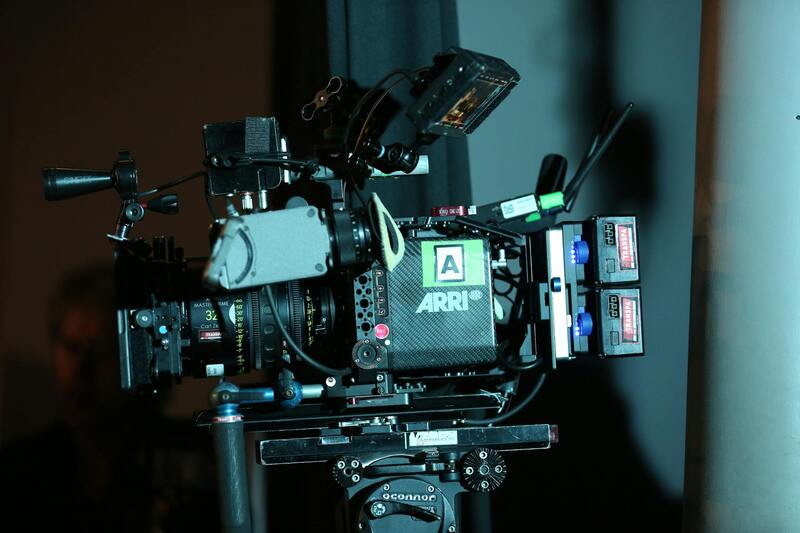
Equipment considerations are equally important. High-quality cameras, lighting setups, and sound equipment must be chosen based on the scope of the project. Professional-grade gear ensures the visual and audio clarity necessary to communicate the intended message persuasively. Additionally, casting is tailored to reflect the organization’s brand image, whether it involves hiring professional actors or featuring real employees. Proper casting helps foster authenticity and trust with viewers.
Director involvement shapes the film’s narrative and visual style, guiding actors and crew to realize the project’s creative vision. On-set logistics, including scheduling, transportation, and safety protocols, are managed meticulously to optimize efficiency. Implementing such official procedures not only guarantees adherence to safety standards but also reinforces the professionalism of the production process. The filming phase concludes with thorough review sessions to ensure footage quality and alignment with the project’s objectives.
During each stage of production, maintaining documentation such as signed location agreements, talent release forms, and equipment usage licenses ensures the process remains transparent and compliant with industry standards. These official documents safeguard all parties involved and streamline post-production workflows.
Official Methods for Securing Filming Permits and Location Approvals
Securing official permissions is a critical component of any corporate film production. These procedures ensure that filming activities respect local regulations, community standards, and environmental considerations. Organizations typically engage with local government agencies, municipal offices, or property owners to obtain necessary permits. This process often involves submitting detailed production plans, including shoot schedules, equipment details, and safety measures.
Applying for permits well in advance allows for ample review time and helps mitigate potential disruptions during the shooting phase. Permits may specify permitted hours for filming, restrictions on equipment use, and guidelines on public access to filming sites. Approval documentation, such as official permission letters or permits, should be meticulously kept and readily accessible on set.
In addition to general filming permits, specific locations might require additional clearances. For instance, if the shoot involves drone footage, specialized aerial permits are necessary. For protected areas, such as parks or historical sites, permission must be coordinated through their respective authorities, emphasizing compliance with preservation policies.
The application process often involves detailed site maps, safety protocols, proof of insurance, and occasionally, environmental impact assessments. Official permits not only provide legal clearance but also reinforce the professionalism and preparedness of the production team. These official documents serve as evidence during inspections and audits, ensuring the production adheres to all applicable standards and regulations.
Equipment and Crew Documentation
Accurate documentation throughout the production process contributes to a transparent, organized operation. The crew should maintain records of all official documentation, including signed location agreements, licensing forms for equipment use, and talent release waivers. These documents are vital for safeguarding rights, clarifying permissions, and providing clear accountability.
Location agreements formalize permissions for specific sites, outlining the scope of the shoot, duration, and any compensation or restrictions involved. Talent release waivers ensure that the organization has the legal right to use actors’ or employees’ images in promotional materials, while equipment usage licenses validate the legal use of specialized gear.
Maintaining detailed logs of all correspondence, permits, and licensing ensures efficiency and readiness for audits or reviews. Proper record-keeping also helps streamline post-production workflows by providing all necessary documentation for licensing clearances, music rights, and archival purposes.
Effective documentation practices minimize misunderstandings and delays, reinforcing the production’s adherence to official standards. This structured approach fosters a high level of professionalism, reflects industry best practices, and supports the seamless continuation of the project from filming to final delivery.

Distribution Strategies for Corporate Films
Effective distribution is essential to ensure that corporate films reach their intended audience and fulfill their strategic objectives. A comprehensive distribution plan involves selecting the most appropriate channels, understanding the target demographic, and leveraging platform-specific features to maximize engagement and visibility.
Key channels for dispersing corporate films include:
- Company Websites and Digital Platforms: Hosting videos on official websites provides control over presentation and analytics, allowing for direct engagement with visitors and potential clients.
- Social Media Networks: Platforms such as LinkedIn, YouTube, Facebook, and Instagram enable targeting specific professional and consumer audiences. Using targeted advertising options enhances the film’s reach and enhances brand visibility.
- Trade Shows and Industry Events: Presenting films during conferences or exhibitions amplifies exposure to relevant stakeholders, potential partners, and clients, fostering direct engagement.
- Email Campaigns and Internal Communications: Sharing videos through targeted email lists or internal portals ensures the content reaches employees, stakeholders, or partners effectively, reinforcing corporate messaging.
Additionally, optimizing the content for each platform—such as tailoring aspect ratios, adding captions, or utilizing platform-specific formats—enhances viewer experience and ensures the material is engaging across different mediums.

When planning distribution, it is crucial to monitor engagement metrics and audience responses carefully. These insights help refine distribution tactics, identify the most effective channels, and demonstrate the return on investment (ROI). A data-driven approach enables adjustments that improve outreach efforts and maximize the impact of the financial and creative resources invested in corporate film production.
Incorporating search engine optimization (SEO) strategies also plays a vital role. Utilizing relevant keywords in video descriptions, metadata, and tags increases discoverability on digital platforms. Embedding videos correctly into websites and blogs, with appropriate keywords and structured data, further enhances search rankings and organic reach.
Finally, establishing partnerships with media outlets, industry portals, or influencers expands the film’s visibility beyond traditional platforms. Such collaborations can open new avenues for audience engagement, reinforce brand reputation, and create a multi-dimensional campaign that sustains long-term recognition.
Choosing a Miami Corporate Film Production Agency
Opting for the right corporate film production partner within Miami requires a careful assessment of several key factors. First and foremost, expertise in corporate storytelling and familiarity with the local business culture significantly influence the quality and relevance of the final product. An agency with a proven track record in producing compelling corporate videos understands how to align visual narratives with corporate goals, ensuring the message resonates with the target audience.
Evaluating an agency’s portfolio provides insight into their aesthetic sensibilities, technical capabilities, and versatility across different styles of corporate videos. A diverse portfolio that showcases various types of content—such as brand stories, training modules, event coverage, or product launches—demonstrates the agency’s adaptability and breadth of experience.

Understanding the agency’s approach to pre-production, production, and post-production processes is equally critical. Clear communication about project timelines, deliverables, and revisions ensures that expectations align from the outset. Additionally, a local agency with established relationships with Miami-based vendors, talent, and equipment providers can streamline the production process, reduce costs, and mitigate potential delays.
Another important criterion is the agency’s familiarity with your specific industry sector. An agency that understands your market’s nuances and compliance standards can craft more targeted and impactful content. Furthermore, assessing client testimonials and case studies offers an objective measure of their commitment to quality, professionalism, and client satisfaction.
Financial transparency and flexible pricing structures should also be clarified during initial discussions. Transparent estimates that break down costs for pre-production, crew, equipment, post-production, and distribution help prevent unforeseen expenses and enable better budget management.
Finally, selecting a Miami-based agency with a robust understanding of digital distribution strategies ensures seamless integration of the produced content across various platforms. A local partner familiar with Miami’s media landscape can advise on optimal outreach channels, maximizing the film’s visibility and engagement within the community and beyond.

By meticulously evaluating these criteria, organizations can forge strategic collaborations with production partners who not only possess technical expertise but also bring an understanding of the unique Miami business environment, ultimately ensuring the creation of impactful, target-driven corporate films.
Ensuring Compliance and Ethical Standards in Corporate Film Production
Adhering to established guidelines and industry standards is a fundamental aspect of professional corporate film production. Compliance involves implementing best practices that not only uphold the quality and integrity of the content but also respect legal and ethical boundaries. This ensures that corporate messages are conveyed responsibly and that the produced film aligns with industry norms and stakeholder expectations.
Respecting Intellectual Property Rights
One of the primary considerations during production is securing the necessary permissions for all creative elements included in the film. This includes obtaining licenses for music, stock footage, images, and any copyrighted material. Proper attribution and licensing prevent disputes that could compromise the brand’s reputation or lead to costly legal challenges.
Authenticity and Transparency
Authentic representation of the company’s values and offerings is crucial. This entails honest storytelling that accurately reflects the brand’s identity without exaggeration or misrepresentation. Transparency fosters trust with viewers and enhances the credibility of corporate communication efforts.
Maintaining Ethical Content Standards
Content creation should comply with ethical norms such as respecting privacy rights and avoiding offensive or misleading material. When featuring individuals or customer testimonials, obtaining explicit consent and ensuring the portrayal is fair and respectful is essential. This approach not only protects the company legally but also sustains positive community relations.
Implementing Quality Assurance Protocols
Quality control measures throughout production and post-production phases are vital for delivering a polished final product. Regular reviews, adherence to branding guidelines, and professional editing techniques ensure the film upholds high standards of visual and narrative clarity.

Utilizing Data-Driven Evaluation Methods
Post-release analysis involves monitoring various metrics to determine the film’s impact. Engagement metrics such as view counts, shares, and comments reveal audience interaction levels. Additionally, conducting surveys or feedback sessions with viewers provides insights into the content’s reception. These informed evaluations guide future content strategies, ensuring continuous improvement.
Aligning Content with Business Objectives
Ultimately, each corporate film should serve a clear purpose aligned with overarching business goals. Whether aimed at brand awareness, investor relations, or customer engagement, success metrics should reflect these priorities. Consistent measurement against predefined KPIs ensures that the investment in production yields tangible benefits for the organization.