
Understanding Commercial Video Production
Commercial video production services play a vital role in helping businesses communicate their brand message effectively. These services encompass the entire process of creating visually compelling content tailored to promote products, services, or corporate reputation. They involve multiple stages, from initial planning and scripting to filming, editing, and final delivery, ensuring each video aligns with specific marketing goals and audience engagement strategies.
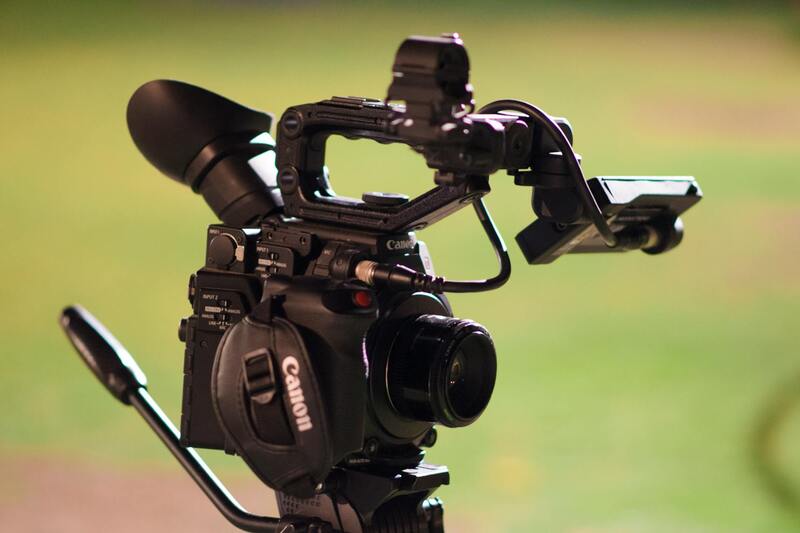
Types of videos produced through these services are diverse and serve different marketing purposes:
- Commercial Advertisements: Short, impactful videos designed for television or digital platforms aimed at boosting product awareness.
- Brand Videos: Content focused on communicating a company’s mission, values, and identity to foster audience trust.
- Product Demos: Demonstrative videos that highlight product features and benefits, facilitating customer understanding and purchase decisions.
- Corporate Videos: Internal and external communication tools such as employee training, investor relations, or community engagement.
- Event Coverage: Visual documentation of corporate events, launches, or trade shows to expand promotional reach.
Each type of commercial video requires tailored strategies, creative storytelling, and high-quality production techniques to resonate effectively with target audiences. Realizing the potential of these videos involves an understanding of how they can be integrated into broader marketing campaigns, thereby amplifying brand presence across various channels.
Key Components of Commercial Video Projects
Successful commercial video projects are built upon foundational elements that ensure consistent quality and messaging. These include clear objectives, targeted audience analysis, compelling storytelling, and efficient resource management. Every phase, from conceptualization to post-production, demands meticulous attention to detail to deliver final content that meets strategic goals and enhances brand visibility.
Key Components of Commercial Video Projects
Executing a successful commercial video project hinges on orchestrating several integral components that work synergistically to produce compelling content. Each element demands strategic planning, creative input, and technical expertise to guarantee that the final product aligns with the client’s vision and marketing goals.
Scripting and Concept Development
The foundation of any impactful commercial begins with a well-crafted script. This stage involves understanding the brand's message, target audience, and desired call-to-action. The script must be concise, emotionally engaging, and aligned with the overall campaign strategy. Concept development includes brainstorming creative ideas, storylines, and visual themes that resonate with viewers and differentiate the brand in a competitive landscape.
Storyboarding and Visualization
Once the script is finalized, storyboarding transforms the narrative into visual sequences. This process allows production teams to map out scenes, camera angles, and transitions, facilitating clear communication among creative and technical staff. Detailed storyboards serve as a blueprint, ensuring everyone involved understands the visual flow and desired outcomes, and they help identify potential challenges before filming commences.
Filming and Cinematic Techniques
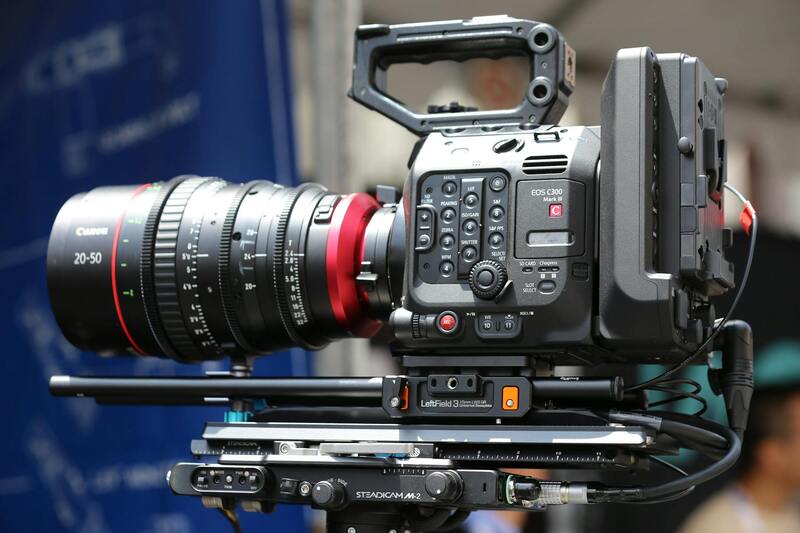
Executing the filming process requires meticulous coordination and expertise in camera operation, lighting, and sound recording. Utilizing advanced filming techniques such as drone shots, time-lapse, green screen, or high-speed capture enhances visual interest and production value. Selecting appropriate locations, scheduling shoots efficiently, and managing talent are crucial to maintaining timelines and adhering to budgets while capturing high-quality footage.
Editing and Post-Production
This phase involves assembling the footage into a cohesive story, adding visual effects, color grading, sound design, and integrating music or voiceovers. Skilled editors work to refine pacing, ensure seamless transitions, and heighten emotional impact. Post-production also includes multiple review cycles, enabling revisions that align the final video with strategic messaging and branding standards.
Quality Assurance and Final Delivery
Before deployment, each project undergoes rigorous quality checks to verify visual and audio clarity, compatibility across platforms, and adherence to technical specifications. Final files are formatted for various distribution channels, such as television, social media, or web streaming, ensuring optimal viewing experiences for the target audience. Delivery is often accompanied by backup copies and documentation for future reference or updates.
Visual Representation of the Process

Through meticulous attention to each component—scriptwriting, storyboarding, filming, editing, and quality assurance—professional commercial video production services guarantee a seamless workflow. This structured approach leads to compelling visual content that captures attention, communicates effectively, and drives measurable business results.
Pre-Production Planning and Strategy
Successful commercial video production begins long before the camera starts rolling. Pre-production involves detailed planning to ensure that each element aligns with the client’s branding and marketing objectives. This phase includes developing a comprehensive concept that communicates the core message effectively to the target audience. Storyboarding helps visualize each scene, highlighting shot composition, framing, and sequence, while scriptwriting ensures clear articulation of the narrative.
During this stage, production teams coordinate location scouting to identify suitable settings that enhance the visual storytelling. Securing permits, arranging logistics, and scheduling shoots are also critical to avoid delays. Casting talent, whether professional actors, voice-over artists, or local personalities, requires careful consideration to match the brand’s tone and appeal to viewers. Equipment needs, such as cameras, lighting, and audio gear, are selected based on project scope, ensuring high production quality.
Production Process and Filming Techniques
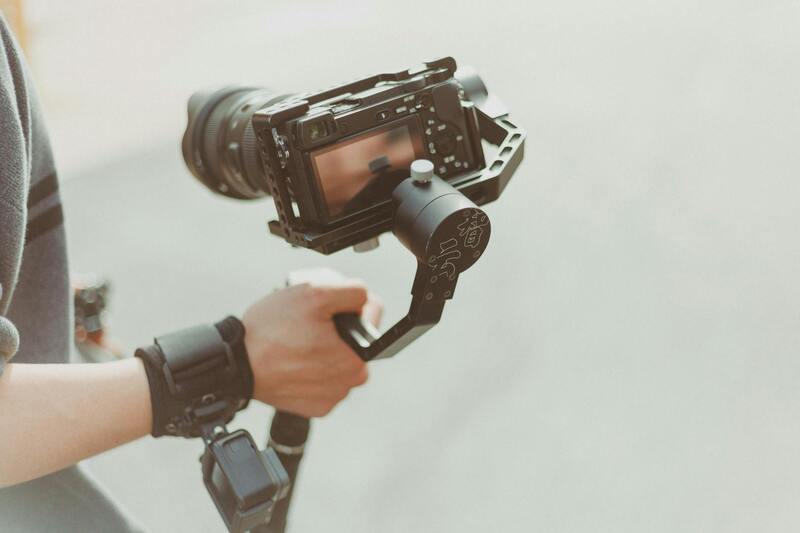
During the production phase, the focus shifts to capturing footage that aligns with the pre-defined concept. Directors work closely with cinematographers to implement advanced filming techniques that enhance visual appeal, including the use of stabilized shots, creative camera angles, and lighting setups to evoke specific emotions. Utilizing drone footage, time-lapse sequences, or slow-motion shots can add dynamic elements and increase engagement.
Efficient production management minimizes downtime and keeps the project on schedule. This includes thorough coordination of talent, crew, and equipment, as well as adapting to unforeseen challenges like weather conditions or technical issues. Clear communication and flexibility are paramount to maintaining flow and ensuring that each scene is captured with precision and artistic integrity.
Post-Production and Finalizing Videos
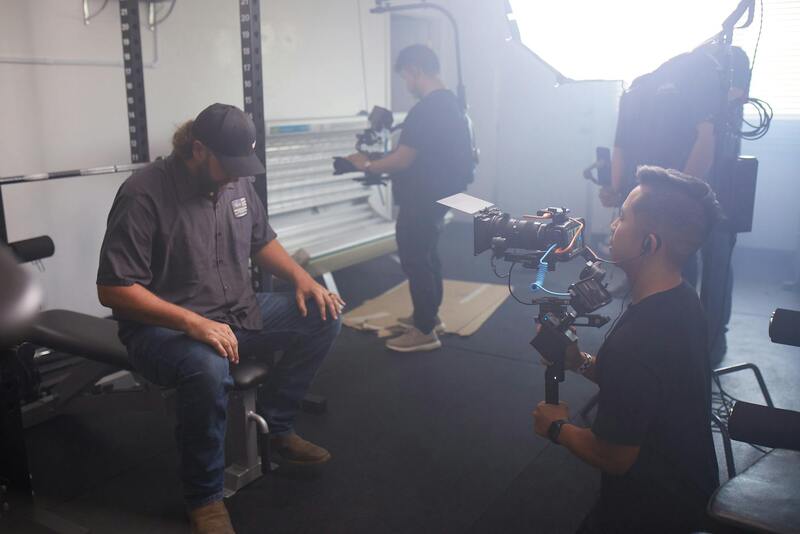
Once filming concludes, the footage moves into the post-production stage. Skilled editors assemble the clips into a compelling narrative that resonates with viewers and reinforces key marketing messages. Color grading is applied to create the desired mood and visual consistency across scenes. Adding visual effects or motion graphics can further elevate the content, making it more memorable and impactful.
Sound design plays a vital role, involving editing dialogue, syncing voiceovers, and integrating background music to enhance emotional tone. Multiple review cycles allow clients to provide feedback, ensuring the final product aligns precisely with branding standards and campaign goals. During this phase, technical adjustments are made for compatibility across various platforms, including social media, television, and web streaming.
Understanding Commercial Video Production
Commercial video production is a specialized process that transforms marketing concepts into compelling visual narratives. It involves a blend of strategic planning, artistic direction, technical expertise, and precise execution. By crafting videos that align with brand messaging and target audience preferences, businesses can enhance their visibility and engagement across various platforms. The production process encompasses several stages, starting from pre-production planning through to post-production refinement, each requiring meticulous attention to detail to ensure the final product effectively communicates the intended message.
Key Components of Commercial Video Projects
Successful commercial videos are structured around core elements that work synergistically to deliver high-impact content. These components include:
- Concept and Script Development: Defining the core message, tone, and style, and translating it into a compelling script that resonates with viewers.
- Storyboarding: Visual planning that maps out scenes, transitions, and key visual elements to ensure continuity and clarity.
- Casting and Talent: Selecting suitable talent or spokespersons that embody the brand’s identity and can effectively convey the message.
- Location and Set Design: Choosing appropriate environments and designing sets that enhance the visual storytelling.
- Filming Techniques: Employing advanced camera work, lighting, and sound recording methods to produce high-quality footage.
- Post-Production: Editing, visual effects, color grading, sound design, and incorporation of branding elements to finalize the videos.
Choosing a Local Miami Production Agency
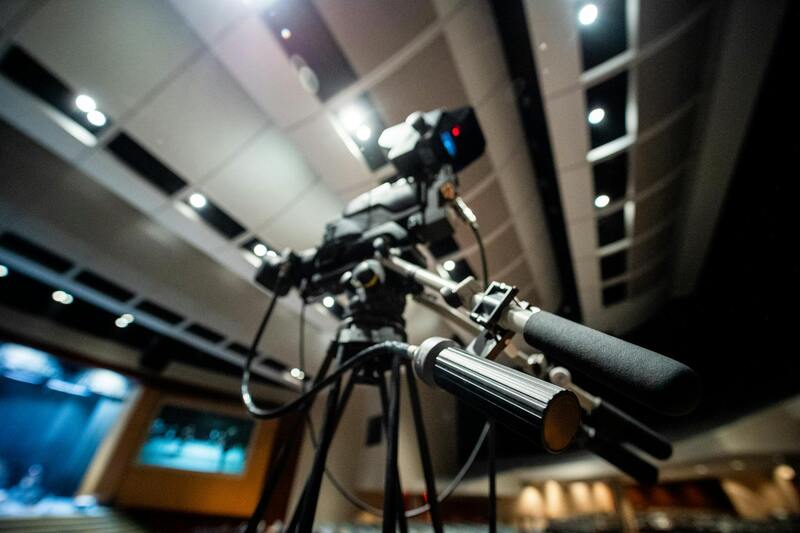
Partnering with a Miami-based production agency offers advantages such as intimate knowledge of local aesthetics, access to regional talent, and an understanding of the target demographic. Local agencies can provide personalized service, ensuring the creative vision aligns with market preferences. They are also familiar with logistical considerations, such as permitting and scheduling around local events, which can streamline the production process and reduce potential delays. Engaging a Miami-centric team guarantees that the commercial content resonates authentically with regional audiences, enhancing overall campaign effectiveness.
Production Process and Filming Techniques
Achieving high-caliber results in commercial video production hinges on meticulous execution during the filming phase. This stage involves strategic selection of equipment, optimal location usage in Miami, and employing advanced filming techniques to ensure every shot aligns with the project’s objectives.
Utilization of state-of-the-art cameras, drone footage, and stabilizers facilitates dynamic visuals and smooth captures. For projects within Miami, understanding local lighting conditions, urban landscapes, and iconic settings allows for creative use of environments that embody the city’s vibrant atmosphere. Location scouting is a critical element, involving evaluations of accessibility, permit requirements, and aesthetic suitability to match the story’s tone.
Effective filming techniques include proper lighting setups tailored to indoor and outdoor scenes, utilizing reflectors and diffusers to manage natural sunlight or artificial sources. Audio quality is also prioritized through the use of professional microphones and soundproofing measures, ensuring dialogues and ambient sounds are crisp and clear.
Moreover, the employment of specific angles, camera movements, and shot compositions contributes to engaging storytelling. Techniques such as slow motion, time-lapse, and drone shots not only add visual interest but also convey messages more compellingly. Working with experienced camera operators familiar with Miami’s diverse environments ensures these techniques are executed flawlessly, capturing footage that stands out.
Post-Production and Finalizing Videos
The journey from raw footage to a polished commercial entails rigorous editing, visual effects integration, color grading, and sound design. Dedicated post-production teams analyze the collected footage to craft a seamless narrative that communicates the intended message effectively. Incorporating brand elements during this phase reinforces recognition and brand recall among viewers.
This phase also involves responsive review cycles, where revisions are made based on client feedback, ensuring the final product aligns perfectly with the original vision. The result is a professional-grade commercial video that maximizes impact and resonates with Miami’s target audience.
Production Process and Filming Techniques
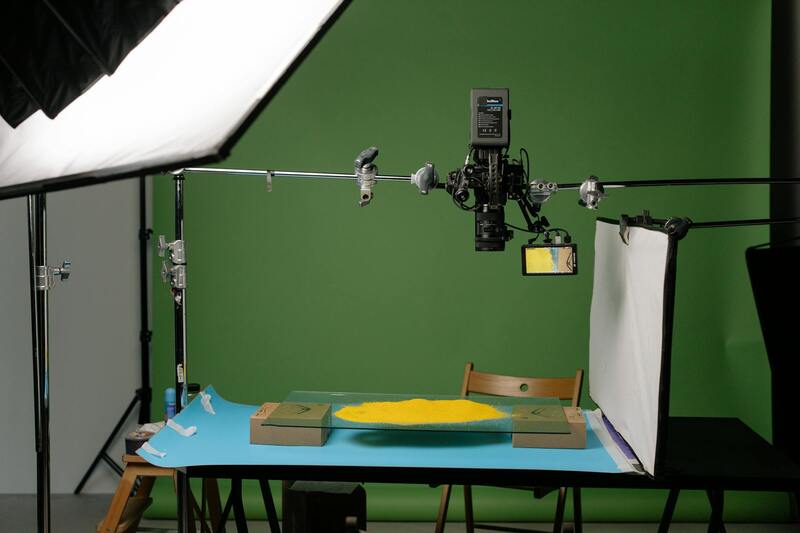
Execution during the filming phase demands precision and technical expertise to produce high-quality commercial videos. Professionals involved in this stage leverage advanced filming techniques, such as dynamic camera movements, strategic shot compositions, and specialized angles to craft visually compelling narratives. For indoor shoots, meticulous lighting setups are standard practice, utilizing diffusers and reflectors to achieve uniform illumination, reduce shadows, and highlight product features or talent expressions effectively. Outdoor scenes benefit from natural light management, with shooting schedules often aligned to optimal lighting conditions like golden hours for warmth and clarity. Additionally, employing camera stabilization tools like gimbals and dollies enhances footage stability, resulting in smooth motion shots that captivate viewers.
Artful use of camera angles and movements, including tilt-ins, panning, and tracking shots, serve to direct audience attention and evoke specific emotional responses. Techniques such as slow-motion sequences and time-lapse capture add dynamism to the storytelling, emphasizing product features or campaign messages. Drone footage, when expertly operated, provides expansive aerial views that establish context and scale—especially effective in promoting Miami’s scenic landscapes or urban environments.
Collaborating with experienced camera operators familiar with the local landscape ensures footage captures Miami’s diverse settings authentically and artistically. This not only enhances visual appeal but also ensures the footage aligns with the overall concept and branding objectives of the commercial.
Understanding Commercial Video Production
Commercial video production encompasses a comprehensive process that transforms overarching marketing objectives into visually compelling narratives. From initial concept development to final delivery, each stage demands meticulous attention to detail and technical expertise. Recognizing the importance of aligning the video's message with a brand’s core values ensures the final product resonates authentically with the target audience. Commercial videos serve as dynamic tools for brand storytelling, product promotion, and customer engagement, making their strategic execution vital for marketing success.
Legal and Ethical Considerations in Commercial Video Production
Securing necessary permissions before filming is paramount. This includes obtaining rights to shoot at specific locations, acquiring releases from individuals appearing in the footage, and confirming usage rights for proprietary music or graphics. Engaging with licensed music repositories and royalty-free content ensures that audio elements do not infringe upon copyright laws. Additionally, adherence to industry standards for truthful representation prevents misunderstandings or misinterpretations that could arise from misleading visuals or claims.
Implementing thorough documentation throughout production aids in transparency and accountability. Contracts, release forms, and clear communication channels foster a structured working relationship with all participants. Rigorous screening of content before publication further safeguards against inadvertent copyright violations or defamation claims. Employing qualified professionals familiar with advertising regulations and content rights ensures a seamless production process that respects legal standards and maintains the integrity of the commercial message.
Best Practices for Content Ownership and Rights Management
- Clear agreements: Draft comprehensive contracts detailing rights, usage scope, and distribution channels for all creative assets.
- Proper licensing: Use licensed music, footage, and images to avoid infringement issues. Maintain documentation of licenses obtained.
- Client consent: Secure written approvals for scripts, storyboards, and final edits to ensure alignment and ownership acknowledgment.
- Intellectual property management: Keep detailed records of all assets, including timestamps and licensing details, to simplify future rights claims or disputes.
- Distribution rights: Clearly specify the platforms and regions where the commercial will be broadcast or shared to prevent misuse or unauthorized dissemination.
Handling rights with precision not only mitigates potential legal complications but also reinforces professional integrity. This diligent approach fosters trust with clients and partners, ensuring ongoing collaborations and positive reputation within the industry.

Utilizing Industry-Standard Methods
Adhering to established production protocols secures quality and consistency throughout the project lifecycle. Employing professional equipment, such as high-definition cameras, steady cam rigs, and professional lighting, guarantees polished footage that aligns with commercial standards. Utilizing industry-backed editing software ensures refined post-production outputs capable of incorporating sophisticated visual effects and seamless transitions.
Thorough planning and coordination are vital at each stage. Scriptwriting should prioritize clarity, emotional appeal, and call-to-action elements. Storyboarding helps visualize scenes before filming, facilitating smooth execution. During filming, real-time supervision ensures adherence to the creative vision and technical specifications. Post-production workflows involve meticulous editing, color correction, and sound design, culminating in a cohesive final product that meets strategic advertising goals.
Maintaining comprehensive records and adhering to scheduled timelines support project transparency and efficiency. These best practices help deliver a commercial that not only captivates viewers but also complies with all regulatory and quality standards necessary for a successful broadcast.
Ensuring Proper Rights Management and Ethical Use
One of the cornerstones of effective commercial video production is the diligent management of rights and permissions associated with all creative elements used within a project. Securing clearances for music tracks, copyrighted images, and proprietary footage ensures that the final product adheres to legal standards and respects intellectual property rights. This proactive approach prevents potential disputes that may arise from unlicensed content, safeguarding the reputation of your brand and production team.
Furthermore, establishing transparent agreements with talent, voice-over artists, and location owners is essential. These contracts outline the scope of usage rights, geographic distribution, and duration, allowing for seamless deployment of the commercial across various media channels. Proper rights management not only simplifies the distribution process but also fortifies your content against future legal complications, enabling a smooth campaign rollout.
Implementing Industry-Standard Techniques and Equipment
Utilizing the latest industry-standard equipment and techniques directly correlates with the quality of the final commercial. This includes high-definition cameras capable of capturing sharp, vibrant visuals that make your message stand out. Dynamic camera work, such as slow-motion shots or drone footage, adds a layer of professionalism and engagement. Professional lighting setups ensure that every scene is visually compelling, highlighting products, actors, or key messaging effectively.
During filming, techniques like multi-angle coverage and meticulous shot composition enhance storytelling and allow for creative flexibility during editing. Filming in controlled conditions, using stabilized rigs, and employing color grading in real-time can significantly optimize the visual aspect of the commercial. These practices contribute to an aesthetically pleasing product that resonates with your target audience.
Adherence to Ethical and Professional Standards
Maintaining high ethical standards throughout the production process builds trust with clients and talent. This involves honest communication, clear project scope definitions, and respectful treatment of all individuals involved. Ensuring that actors and crew members are compensated fairly and that locations are used with proper authorization reflects a commitment to professionalism. These measures promote a collaborative environment conducive to creative excellence and reliable project delivery.
Post-Production Quality Assurance
The post-production phase demands rigorous attention to detail. This stage involves editing footage to tell a compelling story, color correction to ensure visual consistency, and sound design to enhance auditory clarity and emotional impact. Incorporating motion graphics, captions, and visual effects should be executed with precision to support the core message without overwhelming the viewer.
Quality assurance protocols are integral, involving multiple review rounds where stakeholders evaluate the content for accuracy, branding consistency, and overall effectiveness. Final output formats are prepared according to distribution channels, whether for broadcast, online streaming, or social media. These processes guarantee that the commercial maintains professional standards and aligns perfectly with your strategic goals.
Maintaining Transparency and Project Organization
Effective project management relies on comprehensive record-keeping and meticulous scheduling. Documenting every stage, from script approval to final delivery, fosters transparency and allows teams to track progress efficiently. Utilizing project management tools helps coordinate roles, manage deadlines, and allocate resources wisely, ensuring a smooth production journey. Clear communication and organized workflows minimize delays and errors, facilitating the swift delivery of a polished commercial that meets all specified standards.