
Understanding Corporate Video Cinematography
Corporate video cinematography encompasses the art and science of visually capturing business stories, messages, and branding elements through professionally crafted video content. It goes beyond simple recording to include strategic framing, lighting, camera movements, and editing techniques aimed at creating engaging and persuasive visual narratives. As businesses increasingly leverage multimedia to communicate with target audiences, the significance of high-quality corporate videography becomes more evident. Well-executed cinematography enhances brand identity, builds trust, and communicates key messages clearly and convincingly.
The primary goal of corporate video cinematography is to produce visual content that resonates with viewers, whether it's for marketing campaigns, internal communications, training, or corporate events. Through meticulous planning and expert execution, cinematographers translate abstract business concepts into compelling visual stories that hold viewers’ attention and evoke the desired emotional response. This combination of artistry and technical skill ensures that each frame contributes effectively to the overall message.
Effective corporate cinematography also plays a crucial role in establishing a company's credibility and professional image. High-quality visuals reflect a company's commitment to excellence and innovation, making a strong impression on clients, partners, and stakeholders. Moreover, professional cinematography supports broader marketing strategies by creating versatile content adaptable across multiple platforms, including social media, websites, and presentations.
Key Elements of Corporate Video Cinematography
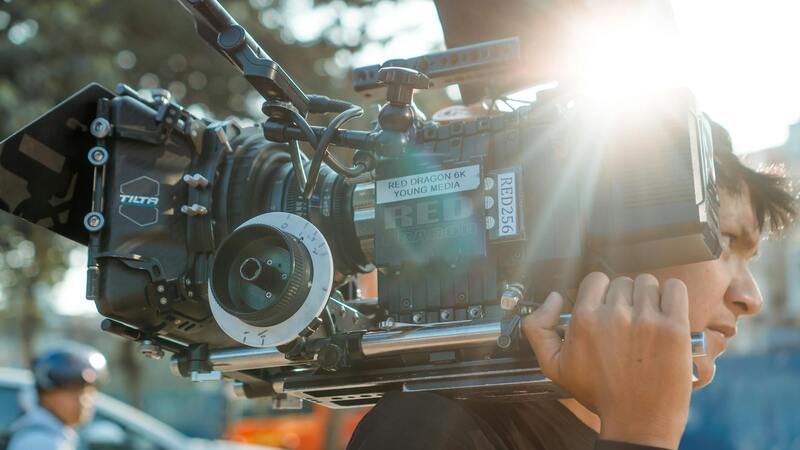
Creating a compelling corporate video requires meticulous attention to several core cinematographic elements that collectively elevate the quality and impact of the final product. These elements include lighting, camera angles, shot composition, and camera movement, each playing a pivotal role in conveying the intended message with clarity and aesthetic appeal.
Lighting is fundamental in establishing mood, highlighting specific subjects, and ensuring visual clarity. Professional cinematographers employ a range of lighting setups—from soft diffused lights to dramatic shadows—to align with the messaging tone. For instance, bright, evenly distributed lighting often enhances a sense of transparency and openness, suitable for corporate testimonials or executive messages. Conversely, more dramatic lighting can be used to evoke emotion or focus attention on particular visuals.
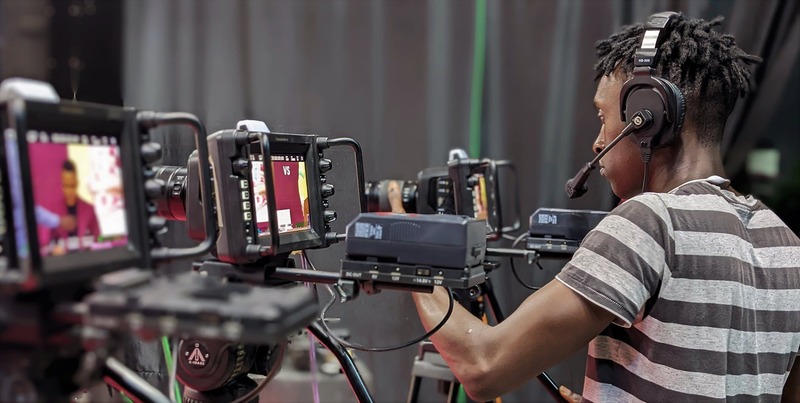
Camera angles influence how viewers perceive the subject and story. Low angles can confer authority and confidence, making executives appear more commanding, while high angles might create a sense of vulnerability or approachability. Skilled cinematographers carefully select angles that align with the narrative goals and brand identity.
Shot composition involves framing the subject within the visual space to communicate significance, relationships, and context effectively. Balanced compositions, rule of thirds application, and depth of field are tools used to direct viewer attention and maintain engagement throughout the video.
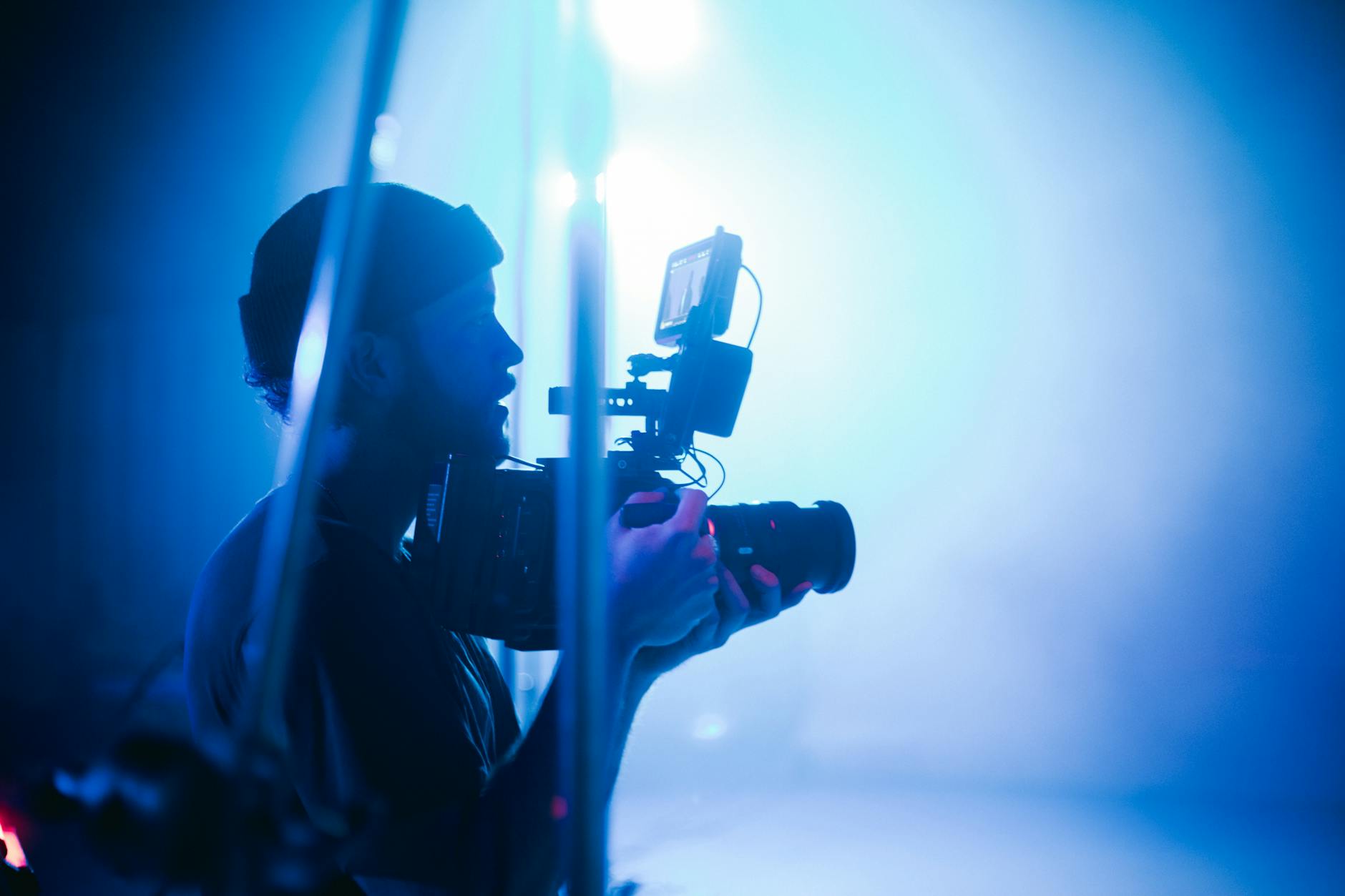
Camera movement adds dynamism, guiding the viewer’s eye and emphasizing important elements within a scene. Techniques such as tracking shots, slow pans, and subtle tilts can heighten emotional engagement or accentuate a product showcase. When combined thoughtfully, these elements create a cohesive visual narrative that resonates with audiences and reinforces brand messaging.
Types of Corporate Videos and Cinematic Techniques
Corporate videos come in various formats, each demanding specific cinematographic approaches. Branding videos, for instance, benefit from polished shots with controlled lighting and smooth camera movements, ensuring a professional and trustworthy appearance. Customer testimonial videos might incorporate more natural lighting and candid angles to foster authenticity.
Training and instructional videos often utilize clear, well-lit visuals combined with steady cameras and close-up shots to highlight details. Promotional videos for product launches leverage dynamic shot changes, drone footage, and aerial views to create excitement and a sense of scale.
Advanced cinematic techniques like drone videography provide breathtaking aerial perspectives, adding a layer of grandeur to corporate storytelling. Slow-motion captures can emphasize product features or convey emotion during key moments. Time-lapse sequences offer visual interest while demonstrating progress or the scope of a project.
Role of a Miami Production Agency in Corporate Cinematography
Partnering with a specialized Miami production agency ensures access to expert resources and creative talent for corporate cinematography endeavors. These agencies bring extensive industry experience, a deep understanding of branding objectives, and technical proficiency necessary to produce visually compelling content. From conceptualization to final delivery, the agency manages each phase—ensuring the project remains aligned with strategic goals and quality standards.
Local agencies like Miami Video Services are well-versed in the region’s unique business environment and aesthetic preferences, facilitating tailored visual solutions that resonate with regional audiences. Their networks of professional crew, state-of-the-art equipment, and creative specialists contribute to streamlined workflows and superior results.
Pre-Production Planning for Corporate Video Projects
Successful corporate videos are rooted in thorough planning. This stage involves defining the core message, identifying target audiences, and establishing visual styles that align with brand identity. Creative concepts are developed into detailed storyboards and shot lists to guide the filming process effectively.
Pre-production also includes logistical arrangements such as location scouting, securing permits, casting, and scheduling. Collaboration with clients during this phase ensures that all elements—including scripts, visual references, and branding assets—are aligned before filming begins. This preparation minimizes disruptions and maximizes on-set efficiency.
Filming Process and Equipment Used
The filming of corporate videos demands high-quality equipment to achieve crisp visuals and professional sound. This typically involves the use of versatile cameras capable of capturing high-resolution footage, such as digital cinema cameras, along with stabilizers and rigs for smooth movements. Lighting setups—including key, fill, and background lights—are meticulously arranged to create the desired ambiance.
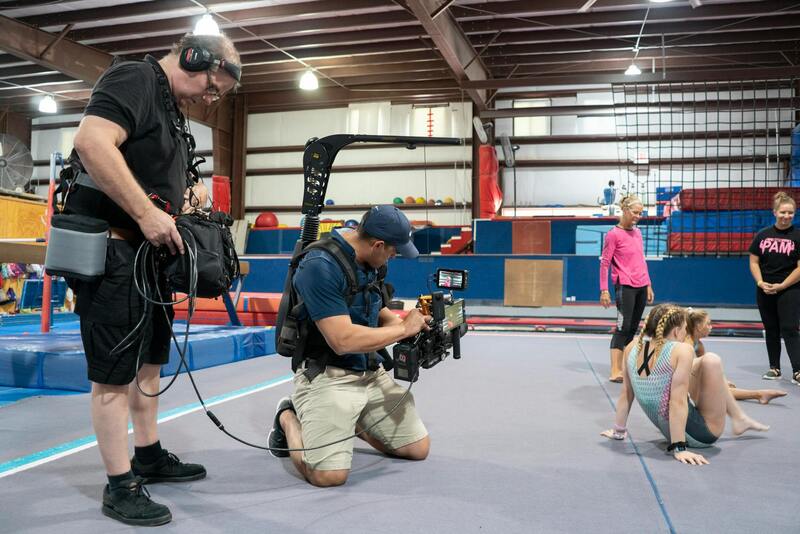
Additional equipment such as drone cameras, gimbals, and steadicams expand creative options, allowing for dynamic perspectives and fluid motion shots. Audio recording devices are equally crucial to capture clear dialogues and sound effects, contributing to the overall production quality.
Post-Production and Editing Techniques
Post-production transforms raw footage into a polished final piece through editing, color grading, sound design, and visual effects. Skilled editors organize scenes, refine pacing, and incorporate graphics or text overlays to reinforce messaging. Color grading ensures visual consistency and mood setting, elevating the overall aesthetic.
Sound editing processes include removing background noise, balancing levels, and integrating music or voiceovers to enhance emotional resonance. When necessary, visual effects and motion graphics are added to emphasize key points or showcase data visually, ensuring the finished product aligns perfectly with the strategic vision.
Benefits of Professional Corporate Video Cinematography
Investing in expert cinematography services enhances the credibility and visual appeal of corporate messages. High-quality visuals demonstrate professionalism and build trust with audiences, whether prospects, clients, or stakeholders. Professionally filmed videos also have a higher likelihood of engaging viewers, increasing retention rates and message recall.
Such videos serve as powerful tools for brand positioning, leadership showcasing, and product promotion. They facilitate clearer communication across diverse platforms, including social media, corporate websites, and presentations. Additionally, the production process itself ensures meticulous attention to detail, resulting in content that accurately reflects a company's values and identity with consistency and finesse.
Types of Corporate Videos and Cinematic Techniques
Understanding the variety of corporate videos available enables organizations to select the most appropriate format to meet their strategic objectives. Each type of video employs specific cinematic techniques that enhance storytelling and engagement, ensuring the message resonates effectively with the target audience.
Promotional videos serve as dynamic tools for brand awareness and product introduction. They typically feature high-energy visuals, compelling narratives, and cinematic lighting to create an aspirational tone. Techniques like drone footage, smooth tracking shots, and engaging color grading are often employed to elevate visual appeal.
Training videos prioritize clarity and instructional effectiveness. Cinematic approaches here focus on straightforward visuals, clean framing, and effective use of voiceover or annotations. Use of split screens, close-ups on demonstrations, and minimal camera movement aid comprehension and retention.
Testimonial videos, which highlight customer satisfaction or employee insights, leverage intimate camera angles and natural lighting to foster authenticity. Cinematic techniques such as shallow depth of field and soft focus help direct viewer attention to the speaker, strengthening credibility and emotional connection.
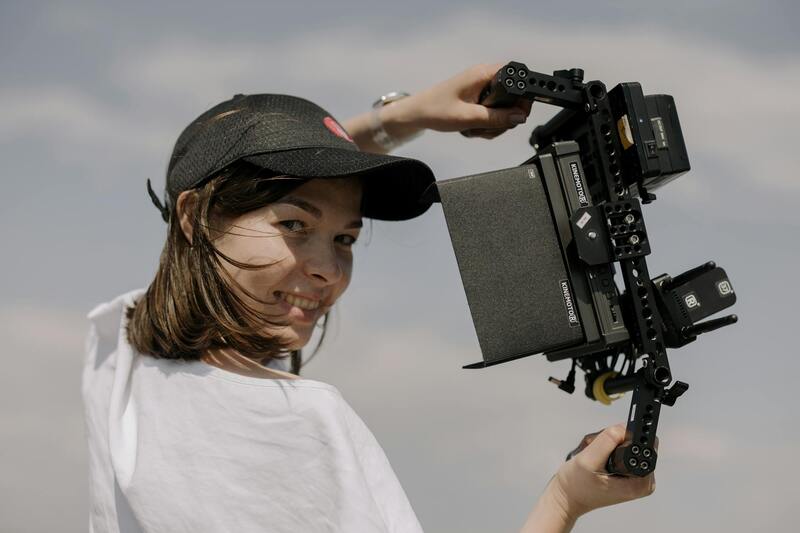
For internal communications or leadership messages, cinematic methods may include use of multi-camera setups and stabilizing equipment to produce polished, studio-quality footage. On the other hand, event coverage or product launches benefit from fast-paced editing, high-energy visuals, and dynamic camera angles.
Employing cinematic techniques such as color grading can also establish the tone—whether it's vibrant and energetic for promotional content or muted and subdued for serious, corporate messages. The integration of motion graphics, visual effects, and creative lighting further enhances the storytelling and visual interest.
Ultimately, the choice of format combined with the right cinematic style enables companies to communicate their core messages effectively while maintaining a professional and engaging visual presence across all platforms.
Pre-Production Planning for Corporate Video Projects
Successful corporate video cinematography begins long before the camera starts rolling. Pre-production planning involves meticulous organization to ensure the final product aligns with the company's goals and visual standards. This stage includes defining the video's purpose, target audience, and key messages. Establishing a clear narrative structure helps in selecting appropriate cinematic styles and story arcs, whether for promotional content, internal communications, or training materials.
During pre-production, concept development is crucial. This involves detailed storyboarding and shot planning, which serve as visual blueprints for the shoot. Proper storyboarding ensures that every scene effectively conveys the intended message while maintaining visual interest through cinematic framing and camera movements. It also helps allocate resources efficiently, from lighting setups to equipment needs.
Location scouting is another vital aspect. Choosing the right settings enhances the cinematic quality and reinforces the brand image. Considerations include lighting conditions, space for equipment, acoustic qualities, and potential logistical challenges. Securing permits and coordinating schedules with talent or staff prepares the team for a smooth filming process.
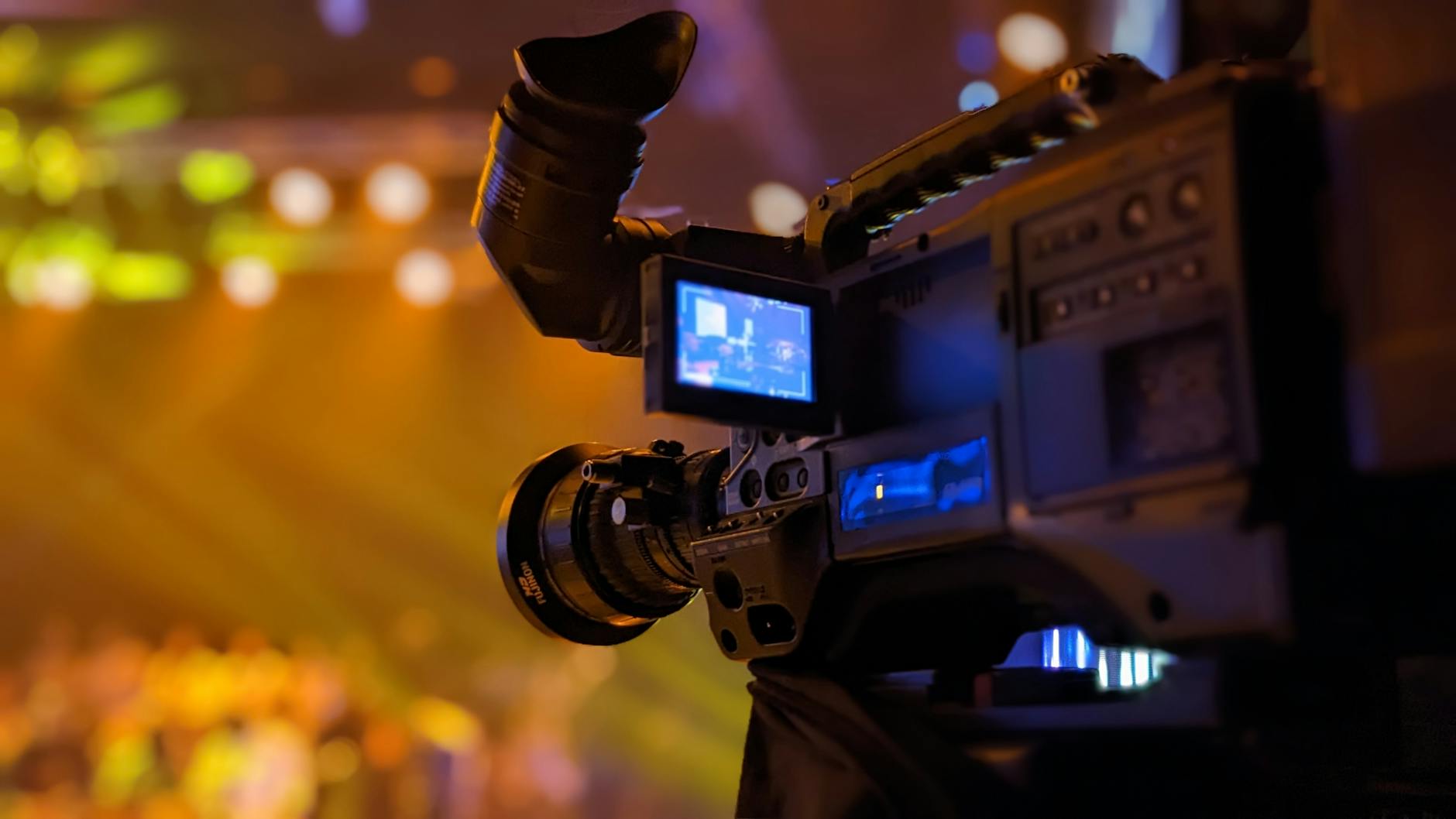
Scriptwriting and shot listing are integral to maintaining a coherent shooting schedule. These documents guide the crew and cast, ensuring that cinematic techniques, such as framing and camera angles, are consistently applied to craft compelling visuals. For corporate videos that aim to evoke trust and professionalism, attention to detail during pre-production allows for precise execution of lighting, framing, and motion techniques that align with the brand’s identity.
Effective pre-production also encompasses technical assessments—such as evaluating lighting conditions and choosing appropriate camera equipment. This preparation ensures optimal image quality and cinematic effect during filming, minimizing on-set problems and delays. A comprehensive plan guarantees that the cinematic style—whether sharp and dynamic or soft and subtle—is achievable within budget and timeline constraints.
In the context of a Miami-based production agency, leveraging local knowledge about locations, talent, and logistical considerations significantly enhances the planning phase. This expertise ensures seamless coordination, allowing the team to focus on the creative vision while handling operational details efficiently.

Pre-production is the foundation that supports every aspect of corporate video cinematography. When executed with precision and creativity, it sets the stage for a visually stunning final product that effectively communicates corporate messages and elevates brand perception.
Ensuring Authenticity Through Verified Filming Methods
In the realm of corporate video cinematography, employing verified and legitimate filming techniques is vital to producing content that resonates with professionalism and trustworthiness. This involves the deliberate selection of equipment, adherence to established shooting protocols, and adherence to industry standards that guarantee high-quality visuals and coherence with corporate branding.
The use of sophisticated camera systems, such as high-resolution digital cinema cameras, ensures clarity and detail, making visuals more engaging and impactful. These cameras, paired with professional-grade lenses, allow cinematographers to capture crisp images with precise focus and rich color fidelity, which are essential for conveying the desired corporate message effectively.
Lighting techniques play a crucial role in shaping the mood and perception of the video. Proper lighting setups—whether natural, artificial, or a combination—are meticulously planned to highlight key subjects, reduce unwanted shadows, and create a consistent visual tone. Controlled lighting ensures that the corporate branding elements, such as logos and product displays, are well-integrated into the scene, reinforcing brand identity.
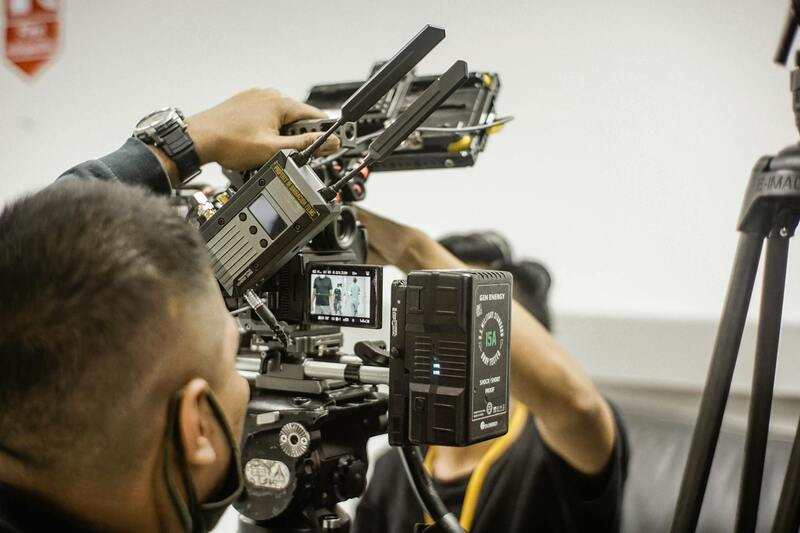
Equipment calibration and technical checks before shooting are non-negotiable steps for authentic results. This process involves verifying camera settings, lens alignments, and light calibration to prevent technical issues during filming, which could compromise image quality or consistency.
Vetting on-location conditions is equally important. Verified methods include assessing natural lighting conditions, assessing sound ambient noise levels, and ensuring safety standards are met—all of which contribute to a smooth filming process aligned with best practices in corporate cinematography.
Film crews dedicated to corporate projects employ methodologies that prioritize transparency, adherence to schedules, and quality assurance. These practices include detailed shot lists, careful scene rehearsals, and comprehensive safety checks. Such rigorous procedures guarantee that every frame captured upholds the company's professional image and cinematic standards.
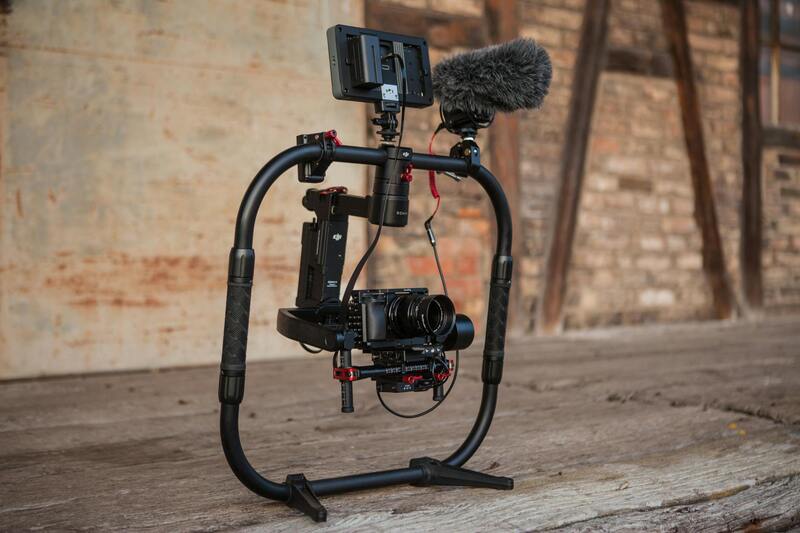
The importance of adhering to proven filming methods extends beyond technical excellence. It ensures consistency with your brand’s messaging, maintains regulatory compliance if applicable, and reinforces a credible and authoritative corporate identity. This integrity is reflected in every shot, from dynamic interviews to product showcases, ultimately fostering trust and engagement among your target audience.
To sustain authentic and legitimate corporate video cinematography, collaborating with experienced production teams that follow industry best practices is essential. They bring not only technical expertise but also a profound understanding of corporate storytelling, ensuring that every visual element advances the message convincingly and professionally.
Filming Process and Equipment Used
Executing a high-quality corporate video requires a meticulously coordinated filming process supported by advanced equipment tailored to meet project-specific demands. The process begins with careful setup of camera angles, lighting configurations, and sound capture devices to ensure optimal shot quality. By deploying professional-grade cameras—such as cinema cameras with high-resolution sensors—filmmakers capture stunning visuals that convey the intended message powerfully. These devices offer flexibility in depth of field, dynamic range, and color science, providing a cinematic look that enhances brand professionalism.
Drones are increasingly employed in corporate cinematography to create compelling aerial shots that elevate the storytelling aspect, especially for showcasing large facilities, events, or expansive landscapes. The use of stabilized camera mounts and gimbals ensures smooth, shake-free footage, even during complex movement sequences. Additionally, lighting setups are carefully designed using portable LED panels, softboxes, and reflectors to craft the ideal illumination, emphasizing key subjects while maintaining a polished appearance.
Sound quality is equally critical; external microphones, wireless audio systems, and soundproof environments are employed to capture clear, crisp audio that complements the visuals. The combination of these elements ensures that every aspect of the recorded footage aligns with the highest production standards, delivering a polished final product that resonates with corporate objectives and audience expectations.
Throughout the filming process, adherence to best practices includes repeated scene rehearsals, detailed shot planning, and safety protocols. These procedures minimize disruptions and ensure seamless execution. For instance, in busy Miami locations, securing permits and coordinating with local authorities safeguard the production timeline, avoiding setbacks and ensuring a smooth, professional filming experience.
Post-shoot, the material undergoes rigorous review before moving into editing. This stage involves meticulous color grading to achieve the desired aesthetic, sound syncing for clarity, and visual effects or graphics integration as needed. Employing industry-leading editing software guarantees precise adjustments, ensuring each frame contributes meaningfully to the overarching narrative.
Understanding Corporate Video Cinematography
Corporate video cinematography encompasses the art and craft of capturing visual stories that effectively communicate a company's message, brand identity, or service offering. This discipline integrates advanced filming techniques, professional-grade equipment, and strategic storytelling to produce engaging and impactful content. In Miami, a city renowned for its vibrant culture and diverse business landscape, corporate videographers leverage a mix of cinematic methods mixed with corporate messaging to create videos that resonate with targeted audiences.
Technical Foundations and Artistic Vision
Successful corporate cinematography begins with a clear understanding of the project's objectives, audience, and intended platforms. Visual storytelling is optimized through an artistic vision that aligns with brand guidelines while employing cinematic principles such as composition, lighting, and camera movement. These elements work together to craft a visual narrative that is not only informative but compellingly aesthetic.
Camera angles, depth of field, and shot composition are intentionally selected to highlight key messages or characters. The use of natural light during interviews or product showcases can create a relatable, authentic atmosphere, while stylized lighting setups lend a dramatic or polished tone as needed. Camera movements, such as sliders, gimbals, and drones, enhance the storytelling with smooth transitions, dynamic angles, and aerial perspectives, bringing a cinematic quality that elevates standard corporate videos.
Integration of Sound and Visuals
High-quality audio is integral to the effectiveness of corporate cinematography. Employing lavalier microphones, boom microphones, and sound mixers ensures clarity and richness, facilitating better audience engagement. Complementing visuals with carefully curated sound design and background music enhances emotional impact and maintains viewer interest.
Post-Production: Refining the Visual Story
Post-production transforms raw footage into a cohesive narrative through meticulous editing, color grading, and visual effects. Skilled editors work to balance color tones, improve contrast, and fine-tune audio levels, ensuring the final product meets professional standards. Visual effects or motion graphics may be incorporated to highlight information or add a dynamic element, further reinforcing the corporate message.
The Evolving Role of Cinematography in Business Communication
As brands increasingly recognize the power of visual storytelling, cinematography plays a vital role in positioning companies as innovative and trustworthy. By utilizing the latest technology and cinematic techniques, Miami-based production experts craft videos that engage viewers, convey clarity, and foster brand loyalty. Their expertise ensures each shot, soundbite, and visual element contributes meaningfully to the overall narrative, making every corporate video a strategic asset.
Advanced Cinematography Techniques and Industry Standards
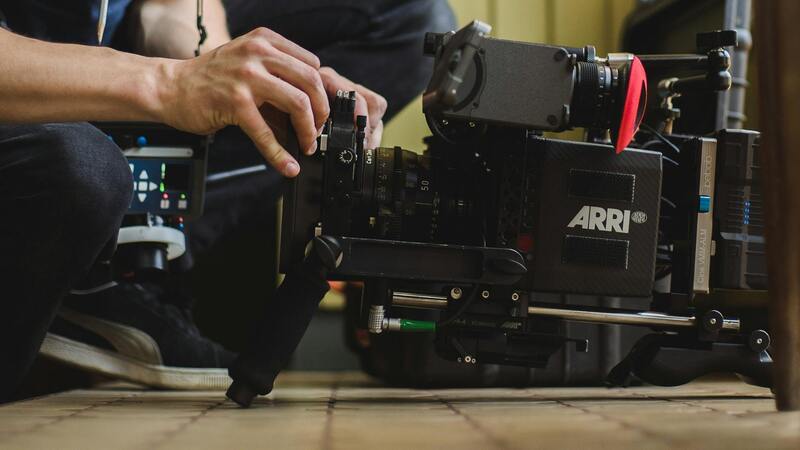
Recognized as an essential aspect of producing compelling corporate videos, advanced cinematography techniques emphasize precision, creativity, and adherence to industry standards. Professional videographers in Miami utilize state-of-the-art equipment such as stabilized gimbals, aerial drones, and high-definition cinema cameras to capture imagery that is both visually stunning and strategically aligned with branding goals. These tools enable smooth tracking shots, dynamic angles, and aerial perspectives that elevate the visual narrative, providing depth and context to the company's story.
Color grading and correction are meticulously undertaken during post-production to ensure consistency, mood, and aesthetic appeal across the entire video. This process involves sophisticated software that allows for precise adjustments to color tones, contrast, and exposure, creating a polished look that resonates with the target audience. Incorporating visual effects (VFX) and motion graphics further enhances the storytelling by highlighting key messages, data points, or product features, making the content more engaging and memorable.
Adhering to Industry Standards for Quality and Security
Maintaining high standards of quality assurance is paramount in corporate cinematography. This involves rigorous pre-production planning, comprehensive technical checks, and continuous on-site reviews to ensure footage aligns with client objectives. Miami-based production companies often follow established protocols that encompass safe equipment handling, secure data management, and confidentiality agreements to protect proprietary information. Utilizing industry-standard equipment, including RED and ARRI cameras, ensures that the final deliverable meets the expectations of corporate clients seeking excellence in visual storytelling.
Best Practices for Effective Corporate Video Cinematography
To maximize the impact of corporate videos, professionals adhere to best practices that include strategic shot composition, mindful lighting, and effective use of depth of field. Attention to detail during filming ensures that every frame serves a specific purpose, whether it's showcasing a product, emphasizing a key message, or illustrating company values. Establishing shoot schedules that avoid disruptions, coordinating with stakeholders, and conducting thorough rehearsals are also vital to smooth production execution.
Additionally, integrating environmental considerations such as weather conditions and ambient noise levels into planning ensures consistent quality. In Miami's vibrant landscape, capturing locations that align with brand identity while respecting local regulations and cultural sensitivities demonstrates professionalism and respect for the community.
Emerging Technologies and Innovation in Corporate Cinematography
In an evolving industry, embracing new technologies enhances creativity and efficiency. 4K and 8K resolutions provide incredibly detailed imagery, while HDR (High Dynamic Range) offers greater color depth and contrast. Virtual reality (VR) and 360-degree filming are increasingly incorporated into corporate storytelling to create immersive experiences that engage viewers on a deeper level. These innovations enable brands to present their narratives in novel and interactive ways, standing out in competitive markets.
Ensuring Consistency and Brand Alignment
Consistency in visual style and tone is crucial for reinforcing brand identity across multiple videos. Professional cinematographers collaborate closely with marketing teams to develop comprehensive style guides that specify color palettes, logo placement, typography, and overall aesthetic. This ensures that every piece of content, regardless of its specific purpose, maintains a cohesive look and feel that resonates with the target audience.
Furthermore, strategic use of storytelling principles—such as clear messaging, emotional appeal, and call-to-action—enhances viewer engagement and drives desired outcomes. By leveraging technical expertise and creative storytelling, Miami cinematographers deliver videos that not only look impressive but also serve as powerful communication tools for brands.