
Understanding Corporate Video Production
Corporate video production is a specialized service that involves creating video content tailored to meet a company's communication objectives. These videos serve as a powerful tool for branding, marketing, training, and internal communications. The process typically begins with identifying the core message the business aims to convey, followed by conceptualizing and scripting content that resonates with the target audience. A well-crafted corporate video not only enhances brand visibility but also fosters trust and credibility among viewers.
In practice, corporate videos encompass a variety of formats, each serving distinct purposes. Promotional videos highlight products or services, aiming to attract potential clients and increase sales. Explainer videos break down complex concepts into engaging visual narratives, simplifying information for viewers. Company overview videos introduce the organization’s mission, values, and culture, creating a strong impression during stakeholder presentations or social media campaigns. Additionally, training videos are developed to deliver standardized instructional content to employees, ensuring consistent messaging and compliance across teams.

The role of production companies, especially those based in vibrant markets like Miami, is to transform a business’s vision into compelling visual stories. They employ a combination of creative storytelling, technical expertise, and state-of-the-art equipment to produce videos that align perfectly with the company’s strategic goals.
What Constitutes Corporate Video Production?
Corporate video production involves several stages, including pre-production planning, scriptwriting, storyboarding, filming, editing, and distribution. Each phase is critical to ensure the final product effectively communicates the intended message while maintaining professional standards. Pre-production involves detailed planning to align the creative vision with the client's objectives, selecting locations, casting, and preparing necessary resources. Filming captures the planned scenes, often utilizing multiple cameras, lighting setups, and sound equipment to ensure high-quality visuals and audio. Post-production encompasses editing, color correction, sound design, and adding visual effects, culminating in a polished piece ready for deployment.

Understanding these foundational elements underscores the significance of collaborating with a professional team that comprehensively manages each production stage, guaranteeing a final product that aligns with your business objectives and elevates your brand presence.
Ensuring Adherence to Industry Standards and Best Practices
Achieving excellence in corporate video production requires a steadfast commitment to industry standards and best practices. These guidelines serve as the foundation for delivering content that is not only visually appealing but also effective in communicating messages clearly and persuasively. Trusted production companies utilize comprehensive quality assurance protocols throughout each phase of the project, including rigorous equipment calibration, standardized shooting techniques, and meticulous editing procedures. This disciplined approach minimizes errors and guarantees that the final product meets professional benchmarks.
Moreover, adherence to established standards involves meticulous planning to ensure compliance with relevant regulations, such as accessibility requirements, audio-visual quality controls, and intellectual property considerations. For instance, ensuring that subtitles or captions are accurately integrated broadens the video's reach and accessibility, aligning content with inclusive communication strategies.
Implementation of industry best practices also involves ongoing training and certification for creative and technical personnel. This continuous professional development keeps the team updated on the latest technological advancements, new filming techniques, and editing software innovations. By maintaining a high level of expertise and loyalty to proven standards, production agencies can produce videos that stand out in terms of quality, effectiveness, and professionalism.
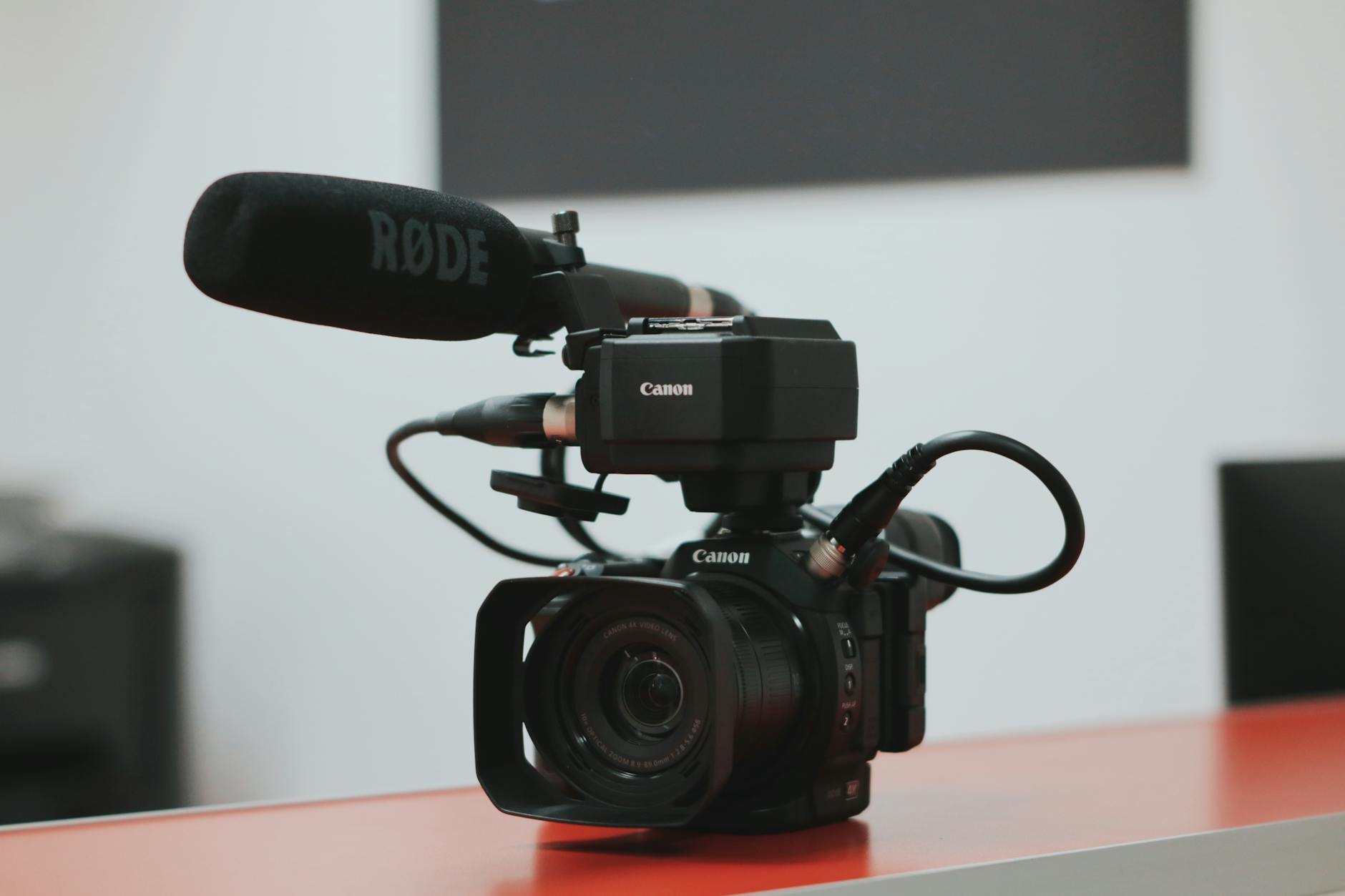
Utilizing Advanced Equipment and Technologies
State-of-the-art equipment plays a crucial role in elevating the quality of corporate videos. Leading production firms invest in high-definition cameras that capture crisp, detailed visuals, allowing for versatility across various shooting conditions. Drones enable dynamic aerial shots, adding cinematic flair and a broader perspective that enhances storytelling. Professional-grade lighting systems ensure even illumination, preventing shadows and creating visually appealing scenes that align with the brand’s aesthetic.
In addition to cameras and lighting, professional audio hardware—including boom microphones and wireless lavalier mics—ensures clear, seamless sound quality. High-fidelity audio enhances viewer engagement and reinforces messaging clarity. Advanced editing software with capabilities for color grading, visual effects, and motion graphics allows post-production teams to craft a compelling narrative with a polished finish.
Incorporating emerging technologies such as 4K/8K resolution, 360-degree videography, and virtual reality (VR) elements enables the creation of immersive experiences that resonate profoundly with target audiences. These innovations position your corporate content at the forefront of visual storytelling, leveraging the latest tools to communicate effectively and differentiate your brand in a competitive market.

Effective Collaboration and Communication During Production
Successful corporate video projects hinge on transparent and efficient communication between clients and production teams. Establishing clear channels for feedback and updates minimizes misunderstandings and ensures that the evolving content aligns with the client’s vision. Regular review sessions, whether in-person or virtual, provide opportunities to evaluate progress, suggest modifications, and refine creative elements.
From a project management perspective, utilizing collaborative tools—such as shared digital platforms for file exchanges, timelines, and revision tracking—streamlines the workflow and fosters accountability. Designating key points of contact within both the client’s organization and the production team ensures that decisions are made swiftly and accurately, reducing delays and maintaining momentum.
Maintaining open lines of dialogue throughout the process enhances trust, encourages constructive feedback, and empowers the client to participate actively in shaping the final product. This collaborative approach results in content that genuinely reflects the brand’s identity and meets strategic objectives, ultimately delivering a compelling corporate video that resonates with viewers.
Additional Strategies for Producing Effective Corporate Videos
Beyond selecting a reputable production partner, organizations should focus on implementing proven strategies that enhance the overall quality and impact of their corporate videos. This involves meticulous planning, attention to detail during filming, and strategic post-production work to ensure the final product aligns with the company's branding and communication goals.
One essential aspect is pre-production scripting and storyboarding. Crafting a detailed script helps define the key messages and narrative flow, ensuring that every scene contributes meaningfully to the story. Storyboarding visualizes these ideas, allowing for better coordination among team members and minimizing costly revisions during filming. When the storyline resonates with the target audience, it increases engagement and reinforces brand authority.

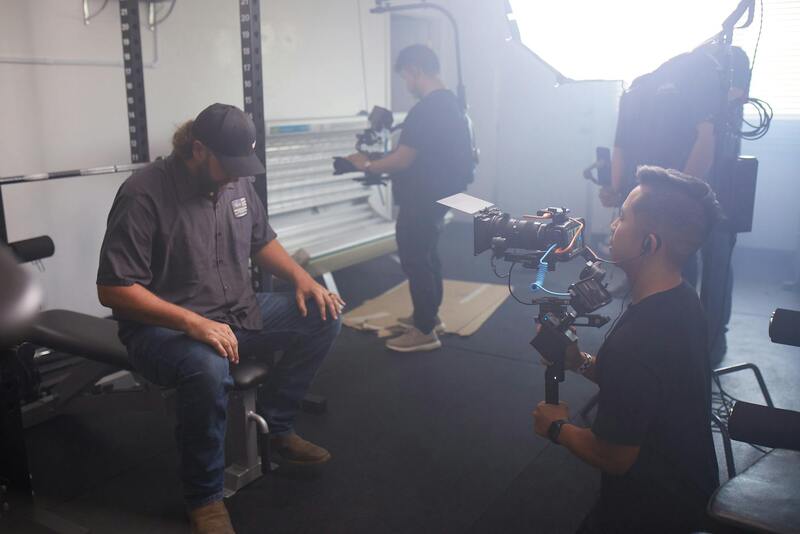
During production, capturing high-quality footage is critical. This involves not only utilizing advanced camera equipment but also considering lighting setups, sound quality, and framing to produce visually compelling content. Employing professional crew members, including directors, cinematographers, and lighting specialists, contributes to the seamless execution of the shoot. Additionally, ensuring diverse shot types—such as wide angles, close-ups, and dynamic angles—adds visual interest and keeps viewers engaged.
Post-production plays a vital role in refining the video. Skilled editors work diligently to assemble footage, incorporate graphics, animations, and branding elements, and optimize audio tracks. Color grading and visual effects further enhance the aesthetic appeal, making the final product polished and professional. Integrating background music and sound design helps evoke emotional responses, reinforcing the intended message.
It is equally important to tailor the video to the distribution channels. For instance, shorter, engaging snippets work well on social media platforms, while longer, detailed videos can be used for corporate presentations or trade shows. Optimizing content for search engines through appropriate titles, descriptions, and tags can improve visibility online, reaching a broader audience.
Finally, measuring the success of corporate video campaigns through analytics and viewer feedback allows for continuous improvement. Tracking engagement rates, viewer retention, and lead conversions provides insight into what resonates with audiences. Applying these insights to future projects ensures ongoing growth and a stronger return on investment.
Effective Methods for Ensuring Successful Corporate Video Campaigns
Achieving impactful corporate video campaigns requires a strategic approach rooted in proven methodologies. Organizations aiming to maximize their outreach and engagement should focus on established practices that guarantee the video content aligns with business objectives and resonates with the target audience. Implementing these approaches ensures resource efficiency and amplifies the messaging power of each production.
- Clear Objectives and Audience Definition: The first step involves articulating precise goals for the video. Whether the aim is brand awareness, lead generation, or employee training, defining specific objectives guides the creative and technical processes. Simultaneously, understanding the demographics, preferences, and motivations of the target audience helps tailor content that is relevant and compelling.
- Comprehensive Planning and Storyboarding: A detailed plan encompassing the storyline, key messages, and visual style forms the backbone of the production. Storyboarding allows for a visual outline that ensures all stakeholders have a shared understanding of the project scope and narrative flow. This phase minimizes revisions and maintains focus during filming and editing.
- Collaboration with Experienced Production Teams: Partnering with professionals skilled in corporate video production ensures that technical quality, messaging clarity, and visual appeal meet high standards. Such teams bring expertise in scripting, filming, lighting, sound, and editing, which collectively enhance the overall quality of the final product.
- Leveraging Authentic Testimonials and Real Footage: Incorporating genuine customer testimonials, employee interviews, or real-world footage lends credibility and relatability to the video. Authentic content fosters trust and encourages viewer engagement, making the message more memorable and impactful.
- Optimizing Content for Distribution Channels: Different platforms demand tailored content formats. Short, punchy videos are suitable for social media, while longer, comprehensive videos work better on corporate websites or presentations. Ensuring the video is optimized with relevant keywords, engaging thumbnails, and compelling descriptions enhances discoverability and viewer retention.
- Tracking Performance and Engaging Feedback: Monitoring metrics such as view counts, engagement rates, and viewer retention provides insight into the effectiveness of the campaign. Gathering feedback from stakeholders and viewers helps refine future content strategies, ensuring continuous improvement and relevance.

Strategies for Maximizing the Impact of Your Corporate Video
Creating a compelling corporate video goes beyond just filming and editing; it involves strategic planning to ensure the content resonates with your target audience and fulfills your organizational goals. One vital aspect is understanding your audience's preferences and behaviors. Conducting comprehensive research helps identify what type of messaging, tone, and visual style will be most effective. Tailoring your content accordingly increases engagement and enhances the overall impact of the video.
Another key tactic is aligning your corporate video with your brand’s core values and messaging framework. Consistent branding throughout the video reinforces your company’s identity and fosters brand recognition. This includes integrating your logo, color palette, and messaging style seamlessly within the visual storytelling. When viewers see a coherent message aligned with your brand, it bolsters trust and credibility.
Optimizing the distribution channels is also crucial for ensuring your video reaches the intended audience effectively. Different platforms have distinct requirements and audience expectations. For example, short, attention-grabbing videos perform well on social media, while detailed, informative videos are suitable for your website or client presentations. Creating multiple versions of the same video optimized for various platforms maximizes engagement.

Incorporating clear calls to action within the video ensures viewers know the next step—whether it’s visiting your website, signing up for a webinar, or contacting your sales team. Effective calls to action guide viewers and convert interest into tangible results.
Monitoring the performance of your video campaigns is equally important. Utilize analytics tools to track viewer metrics such as watch time, engagement rate, and click-through rates. Analyzing this data provides insights into what works and what doesn’t, enabling continuous optimization of your video content.
Soliciting feedback from your viewers and stakeholders provides qualitative insights, which, combined with quantitative data, creates a comprehensive understanding of your campaign’s effectiveness. This iterative approach supports ongoing improvements and ensures your corporate videos remain relevant and impactful in a competitive marketplace.
Ultimately, strategic planning—centered on understanding your audience, aligning with brand messaging, optimizing distribution, and leveraging analytics—maximizes your investment in corporate video content, driving meaningful engagement and measurable business outcomes.
Legal and Ethical Considerations in Corporate Video Production
When planning and executing corporate video projects, adhering to established ethical standards and regulatory guidelines is vital. This ensures that your content maintains professional integrity, fosters trust with your audience, and supports your brand reputation over the long term. Since corporate videos often involve stakeholders, employees, and external partners, clear protocols must be followed to prevent misunderstandings or misrepresentations that could harm relationships or cause reputational damage.
One fundamental aspect is obtaining proper authorization for all copyrighted materials included in your video. This encompasses any music, stock footage, images, or graphical elements that might be incorporated. Securing licenses or permissions before production not only aligns with best practices but also safeguards your organization from potential legal disputes. It’s crucial to document all permissions and maintain records to provide transparency and accountability during review processes or audits.
Furthermore, transparency regarding the use of personal data and consent is paramount, especially in videos featuring individuals. Explicit consent forms should be obtained from all participants, clarifying how their images and voices will be used, stored, and shared across various distribution channels. Respecting privacy rights is a cornerstone of ethical production and enhances your company’s credibility.
Another priority is accurately representing your organization, products, or services without misleading the audience. Misleading claims or exaggerated benefits, especially in promotional videos, could lead to consumer complaints or regulatory scrutiny. Ensuring factual accuracy and providing verifiable information is essential for a professional presentation and long-term credibility.
Implementing Best Practices in Production and Editing
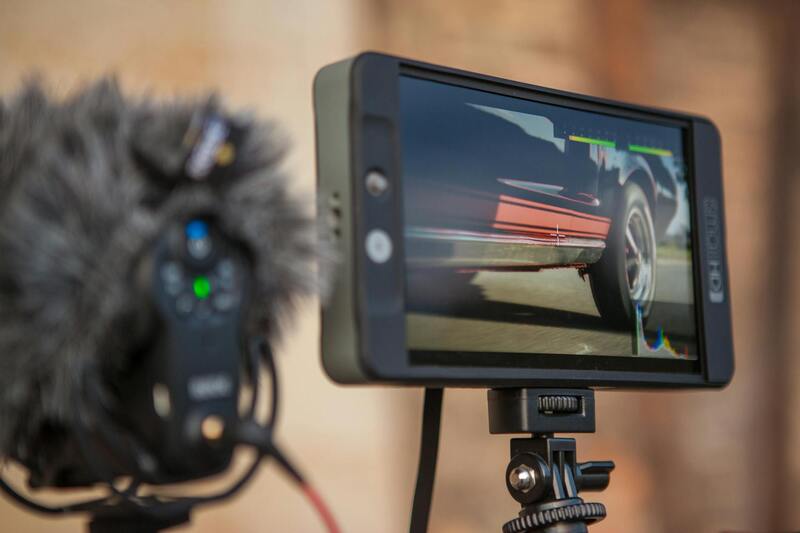
Quality control is an integral part of maintaining the integrity of your corporate video content. This involves rigorous review processes during editing, ensuring footage aligns with your brand standards, messaging, and legal guidelines. Employing experienced editors and utilizing professional software tools enhances the final output’s clarity, coherence, and visual appeal.
In addition, incorporating accessibility features, such as captions or subtitles, not only broadens your reach but also demonstrates your organization’s commitment to inclusivity. Such practices are increasingly recognized as essential components of responsible content creation and help meet regulatory requirements in various regions.
Lastly, establishing clear protocols for content review and approval stages ensures that no material is published without proper oversight. This systematic approach minimizes errors, aligns the content with your corporate values, and reinforces the professionalism of your organization’s visual communications.
Understanding Corporate Video Production
Corporate video production encompasses a comprehensive set of processes designed to create visually compelling content that accurately reflects a company's brand, values, and messaging. This involves stages such as pre-production planning, script development, storyboarding, filming, editing, and final delivery. Effectively coordinating these stages requires a skilled team familiar with industry standards and best practices, ensuring that the final product meets strategic objectives.

Choosing a production partner with a clear understanding of your corporate ethos ensures that each element, from lighting to sound design, aligns seamlessly with the intended message. The process begins with in-depth consultations to grasp the organization's core goals, followed by meticulous planning to produce a storyline that resonates with the target audience. From selecting appropriate locations to scheduling shoots, every decision impacts the overall quality and effectiveness of the final piece.
Strategies for Professional Corporate Video Production
- Pre-production preparation: Establish clear objectives and develop detailed scripts and storyboards.
- Filming: Utilize high-quality equipment and experienced crew members to capture crisp visuals and clear audio.
- Post-production editing: Focus on refining visuals, incorporating graphics, sound, and music to enhance storytelling.
- Feedback and revisions: Engage stakeholders for input, ensuring the final product aligns with expectations before release.
Executing a corporate video with precision across all these stages guarantees a professional outcome that elevates brand perception and effectively communicates your message. Moreover, maintaining consistency in brand voice during all production stages further solidifies your corporate identity and builds trust with your audience.
Ensuring Ethical and Effective Distribution of Corporate Videos
Once a corporate video has been meticulously produced, distributing it through appropriate channels is vital to maximize its reach and impact. Leveraging reputable platforms ensures that the content aligns with industry standards and reaches the target audience effectively. Social media channels such as LinkedIn, YouTube, and Vimeo are popular choices due to their professional community presence and wide audience accessibility. These platforms also offer advanced analytics to monitor engagement metrics, providing insight into how the video resonates with viewers.
In addition to digital channels, embedding videos on your corporate website enhances user engagement and reinforces your brand message. Hosting videos on a secure, well-optimized platform improves load times and maintains quality, ensuring viewers receive a seamless experience. This approach also enables better control over the presentation and accessibility of your content.
Partnering with established media distributors or industry-specific publication platforms can further extend the reach of your corporate video. Such collaborations facilitate access to niche audiences and potentially high-profile exposure, especially if the content highlights innovative initiatives, corporate social responsibility programs, or thought leadership topics.
Adopting a Targeted Outreach Strategy
Effective distribution also involves tailoring messaging to specific segments within your audience. Segmenting contacts based on industry, role, or region allows for personalized presentation of the video, which can significantly improve engagement rates. This targeted approach helps in nurturing leads, strengthening stakeholder relationships, and solidifying your corporate reputation.
Moreover, integrating the video into email marketing campaigns can boost open and click-through rates. Including compelling calls to action and ensuring the video is embedded or linked in a way that is accessible across devices enhances viewer interaction. Always ensure that the method of delivery maintains compliance with data privacy standards and respects user preferences.
Monitoring and Measuring Campaign Effectiveness
Post-distribution, analyzing performance metrics helps assess whether the corporate video achieved its intended objectives. Key indicators include viewer engagement durations, share rates, comment activity, and conversion metrics such as website visits or inquiries originating from the video. These data points provide valuable insights into content relevance and campaign success.
Advanced analytics software can track viewer demographics and behavior, enabling continual optimization of future video marketing efforts. Regular review of these metrics ensures that distribution strategies remain aligned with evolving audience preferences and industry trends. This iterative process is essential for sustained success and ongoing brand development.
Maintaining Ethical Standards During Campaigns
Commitment to transparency and respect for privacy should underpin all distribution endeavors. Clearly communicating the purpose of the video and adhering to industry standards for data handling fosters trust with your audience. Providing viewers with options to control their engagement, such as unsubscribe links or content preferences, demonstrates respect for their choices and supports a positive brand image.
By combining strategic distribution with continuous monitoring and adherence to ethical practices, businesses can ensure that their corporate videos not only reach the right audience but also uphold their reputation for integrity and professionalism.