
Making a Corporate Video: Step 1 - Defining Objectives and Target Audience
Creating an effective corporate video begins long before the camera starts rolling. The first and most crucial step involves clearly defining the fundamental objectives of the project and understanding the target audience. This foundational stage sets the tone for every subsequent decision, ensuring that the final product aligns with the company’s strategic goals and resonates effectively with viewers.
Setting Clear Objectives
Before any content is developed, it is essential to pinpoint what the company aims to achieve with the video. Objectives can range from enhancing brand awareness and showcasing products to attracting new clients, educating employees, or reinforcing company values. Clear goals not only guide the creative process but also facilitate measuring success once the video is launched. For instance, if the goal is to demonstrate product innovation, the script and visuals should emphasize technological advancement and unique features.
Understanding the Target Audience
Knowing who the video is intended for is equally important. This involves researching demographics such as age, gender, professional roles, geographical location, and cultural preferences. Understanding the audience’s needs, expectations, and pain points allows for crafting messaging that captures attention and fosters engagement. An effective corporate video tailored for potential clients, for example, would highlight value propositions and benefits in a tone that appeals to decision-makers, while internal videos aimed at employees might focus on motivation and corporate culture.
Aligning Objectives with Audience Expectations
Once goals and audiences are identified, the next step is to ensure these elements are aligned. This alignment impacts everything from the tone of voice and language to visual style and storytelling approach. A video targeting young, tech-savvy professionals may incorporate dynamic visuals and modern graphics, while one aimed at executive leadership might favor a more formal presentation style. The key is to craft a message that is authentic and relevant to the viewers’ interests and values.
Documenting the Strategy
Documenting the objectives and audience insights in a detailed brief provides a reference point throughout the production process. This document serves as a guide for scriptwriters, designers, and videographers to maintain fidelity to the initial vision. It ensures that every element—from script tone to choice of visuals—serves the overarching purpose of the video and appeals directly to the intended viewers.
Pre-Production Planning and Script Development
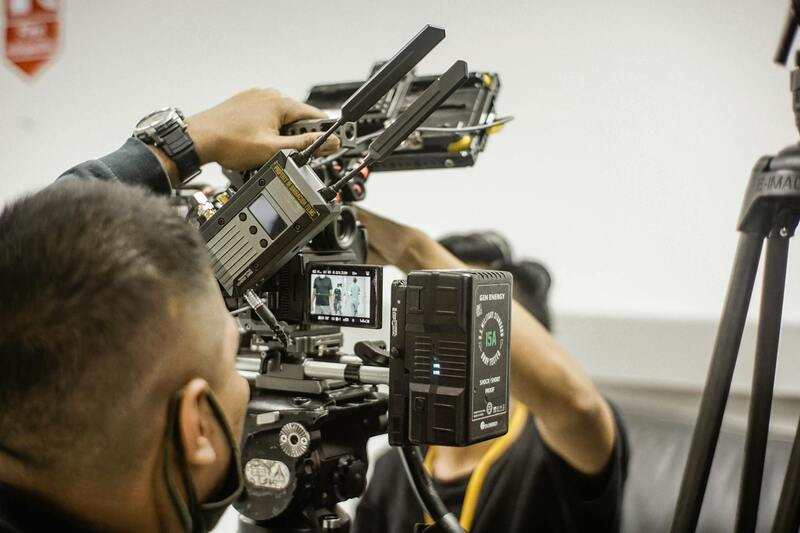
Effective preparation is the backbone of a successful corporate video. The planning phase involves meticulous coordination of resources, budget, and timelines to ensure seamless execution from concept to final product. Establishing a realistic budget sets the foundation, delineating costs for crew, equipment, locations, and post-production. Creating a detailed timeline ensures all stakeholders adhere to deadlines, preventing delays that could compromise the project's quality or delivery schedule.
Concept development begins with brainstorming sessions that align with the overarching objectives outlined earlier. Here, visual styles, tone, and messaging are conceptualized to resonate with the target audience. This phase involves selecting key themes, storytelling angles, and stylistic elements that reinforce the brand’s narrative while capturing viewer interest.
Scriptwriting is the heart of pre-production, translating strategic objectives into compelling narratives. A well-crafted script maintains clarity, engages viewers, and conveys the intended message succinctly. Writers should focus on crafting an authentic tone that aligns with the company's voice, integrating key messages seamlessly into the storyline. Whether it’s an educational piece, brand introduction, or employee testimonial, the script must be adaptable for on-camera talent, voiceovers, or animations.
During this stage, storyboards and shot lists are also prepared. Storyboards visualize the flow of scenes, providing a concrete guide for directors and cinematographers. Shot lists detail the specific angles, movements, and scenes needed, ensuring filming stays aligned with the conceptual vision and streamlines the shooting process.
Key Considerations in Script Development
- Clarity of Message: The script should focus on delivering a clear, concise message that aligns with the main objectives.
- Target Audience Engagement: Language, tone, and content should be tailored to resonate with the viewers’ interests and preferences.
- Visual and Audio Cues: Incorporate directions for visuals and sound, ensuring they complement the narrative and enhance viewer understanding.
- Call-to-Action (CTA): Strategically embed CTAs to guide viewers toward desired responses, whether it's contacting the company or visiting a website.
- Brand Voice Consistency: Maintain uniformity in language and tone to reinforce brand identity throughout the video.
Detailed Steps in Making a Corporate Video
Casting and Location Selection
Effective casting and location choices serve as the foundation for authentic and compelling corporate videos. Selecting the right talent—be it on-camera personnel, spokespersons, or employees—requires aligning their demeanor, appearance, and communication style with the company’s brand identity. It is essential to assess their ability to connect with the target audience, convey the intended message confidently, and represent the company's culture authentically. Conducting auditions or review sessions helps ensure the selected individuals possess the appropriate on-screen presence and professionalism. When it comes to location selection, the environment should reinforce the company’s branding and values. Consider accessibility, background aesthetics, noise levels, and lighting conditions to maximize visual appeal. Popular choices include office spaces, production studios, or client sites, depending on the video’s narrative. If outdoor settings are utilized, scouting for a controlled environment that minimizes interruptions and distractions is crucial. Proper location planning also involves securing necessary permits, coordinating logistics, and preparing the scene to be visually engaging and relevant to the message. Ultimately, thoughtful casting and location decisions directly influence the authenticity and perceived credibility of the video, increasing its resonance with viewers and amplifying message delivery.
Video Production: Shooting and Filming
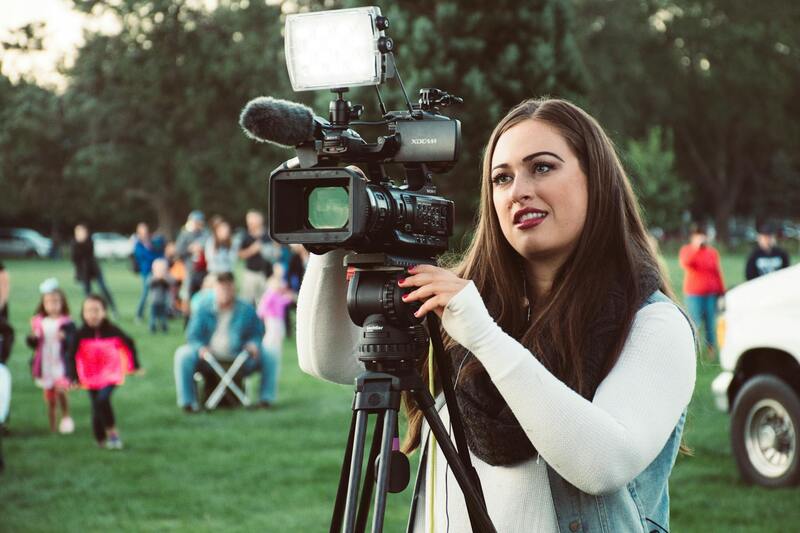
The filming phase demands precision in execution to capture high-quality footage that aligns with pre-planned scripts and storyboards. During shooting, meticulous attention to framing, lighting, camera angles, and sound quality ensures the footage effectively conveys the intended message. Directors work closely with cinematographers to implement shot lists and storyboard guides, allowing for smooth transitions from planning to execution. Lighting plays a critical role; it should flatter the subject and emphasize key elements without causing distracting shadows or glare. Sound recording must capture clear dialogue and ambient sounds, using lapel microphones, boom mics, or other professional equipment. Directing talent involves coaching on delivery, gestures, and expressions to ensure on-camera presence is engaging and authentic. The environment should be controlled to prevent external noise and unwanted disruptions. Multiple takes are often necessary to acquire the best performance and visual quality. Incorporating dynamic camera movements or innovative perspectives can add visual interest, but these should complement the narrative rather than detract from it. Quality control during filming involves continuous review of footage and sound to make immediate adjustments, reducing post-production editing time and ensuring a polished final product.
Post-Production Editing and Visual Effects
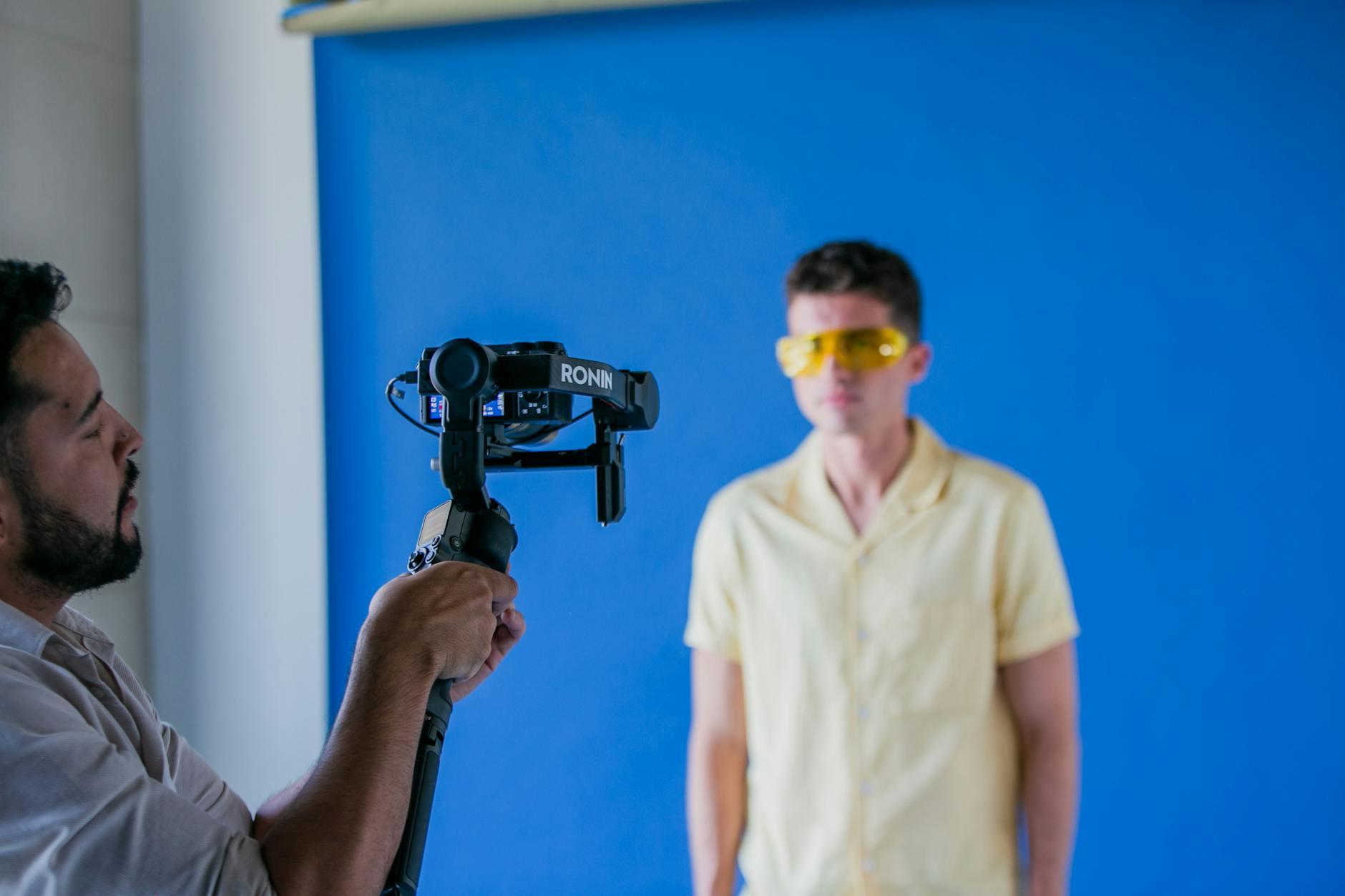
Following the shoot, the editing process refines raw footage into a cohesive, engaging narrative. Skilled editors organize clips in sequence, trimming unnecessary segments and enhancing continuity. Color grading adjusts tones and hues to match brand aesthetics, creating visual coherence. Sound editing involves cleaning up audio, balancing sound levels, and integrating background music or narration as required. Visual effects and motion graphics can augment storytelling by highlighting key points, adding textual information, or creating animations that deliver complex ideas more effectively. Incorporating subtle transitions, overlays, and branding elements further solidifies the professional look of the final piece. Throughout editing, maintaining fidelity to the script and storyboard ensures the video’s message remains clear and impactful. Consistent review and revisions based on stakeholder feedback are vital to achieving the highest quality output.
Incorporating Branding and Calls-to-Action
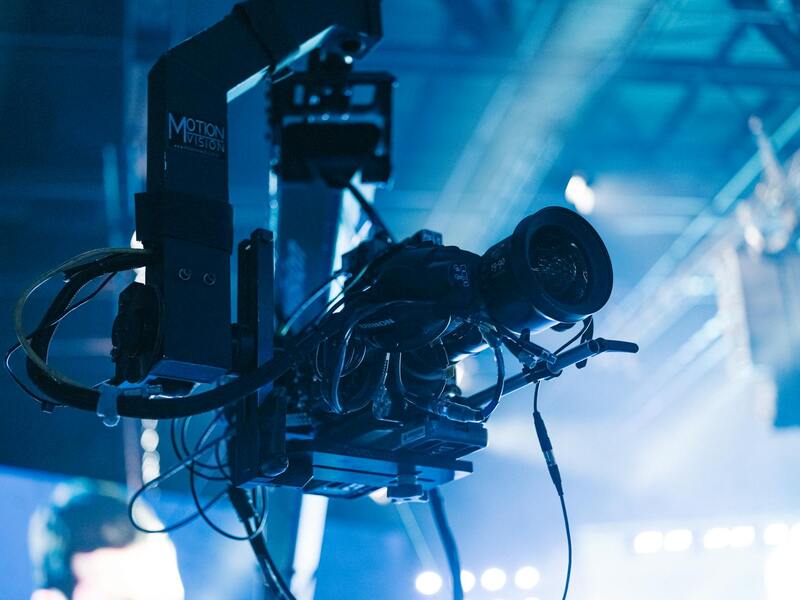
Brand integration must be seamless throughout the video to reinforce identity without overshadowing the core message. This includes consistent use of brand colors, logos, fonts, and visual motifs. Strategic placement of branding elements ensures they are noticeable yet unobtrusive, maintaining viewer engagement. Calls-to-action (CTAs) are vital for guiding viewers toward desired responses, whether it’s visiting a website, signing up for a newsletter, or contacting the company. Effective CTAs are clear, concise, and positioned prominently—either towards the end of the video or integrated naturally within the content. Using visual cues like on-screen text, buttons, or animations can draw attention to the CTA. Verbal prompts from on-camera talent or voiceovers also strengthen the call without disrupting the flow. Consistent branding and compelling CTAs work synergistically, enhancing both recognition and engagement.
Choosing the Right Production Team and Equipment
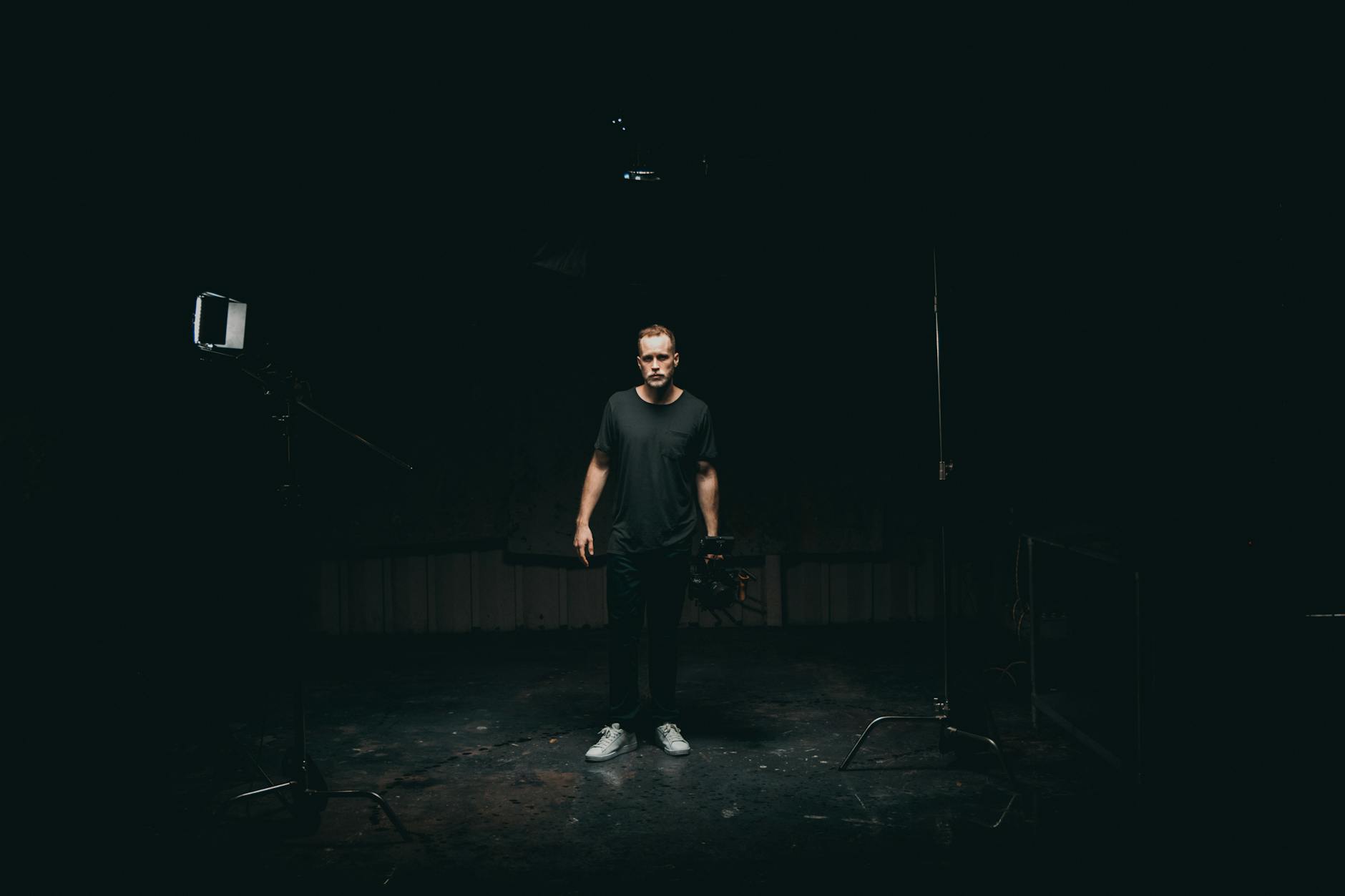
Effective corporate videos demand the collaboration of skilled professionals equipped with state-of-the-art technology. Engaging experienced videographers, producers, and directors ensures the project adheres to the envisioned quality standards. The production team should possess a deep understanding of brand storytelling, technical proficiency, and the ability to bring creative concepts to life seamlessly.
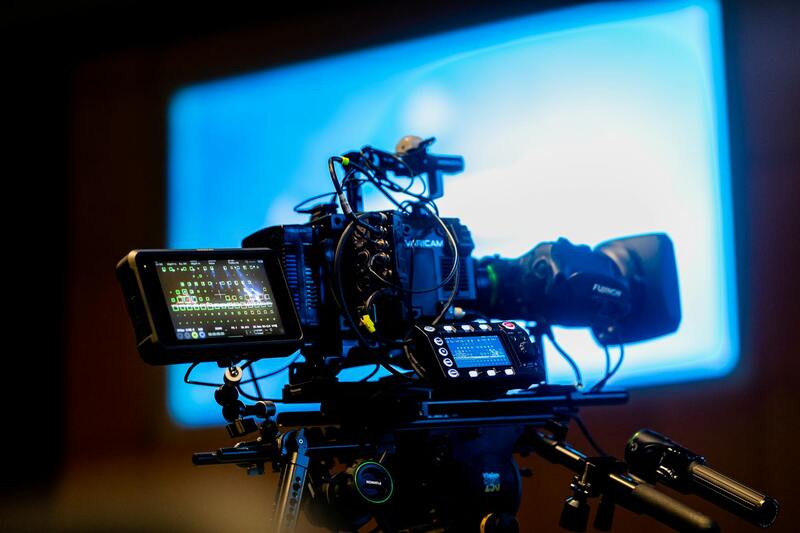
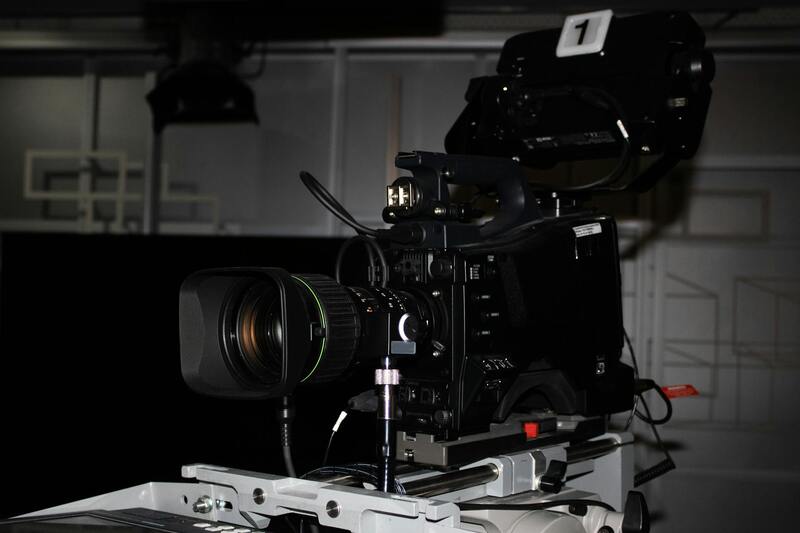
Utilizing professional-grade cameras, lighting rigs, and sound equipment is crucial to capturing crisp visuals and clear audio. High-resolution cameras, such as DSLRs or cinema-grade cameras, produce sharp images that render well on multiple screens and formats. Proper lighting setups eliminate shadows and enhance the visual appeal, while high-quality microphones and sound recording devices capture clean audio, avoiding distracting background noise.

For optimal results, pre-production planning must include detailed shot lists and a schedule. This structured approach minimizes delays and ensures all necessary footage is captured effectively. Additionally, lighting and sound design should be thoughtfully planned, considering the environment and desired visual tone.
Key Considerations for Shooting
- Lighting: Proper lighting enhances subjects and backgrounds, creating a professional, polished look.
- Sound: Clear audio recordings prevent distracting noise and ensure messages are easily understood.
- Framing: Consistent framing and camera angles convey stability and professionalism.
- Backdrop and Environment: Select clean, uncluttered spaces aligned with brand identity, ensuring the setting complements the message.
On-Site Coordination
Effective coordination on set involves managing talent, crew, and equipment efficiently. Clear communication about shot sequences, timing, and technical requirements minimizes disruptions and ensures a smooth filming process. Conducting rehearsals and technical checks before actual filming further mitigates potential issues, saving valuable time during production.
It is critical to adapt to unforeseen circumstances, such as weather changes or technical glitches, by having contingency plans. Flexibility combined with thorough preparation guarantees the capture of all essential footage, maintaining fidelity to the original concept while allowing for necessary adjustments.
Ensuring Compliance and Brand Consistency
During filming, adhere strictly to brand guidelines, including logo placement, color schemes, and visual motifs. Consistent branding throughout the shoot reinforces recognition and aligns with overall marketing strategies.
Effective Post-Production Editing and Visual Enhancements
Once the filming phase concludes, the focus shifts to post-production, where raw footage is transformed into a compelling corporate video. This stage involves meticulous editing to ensure a cohesive narrative, seamless transitions, and visual consistency. Skilled editors utilize advanced software to cut unnecessary scenes, tighten pacing, and enhance storytelling, aligning the final product closely with the initial objectives established in the planning stages.
Enhancing Visual Content with Graphics and Animations
Integrating graphical elements and animations can significantly elevate the video's visual appeal and clarity. Infographics, lower thirds, and animated text are effective tools for emphasizing key messages, introducing statistics, or highlighting brand elements. When aligned with the company's branding guidelines—such as color schemes, logos, and fonts—these visuals reinforce brand recognition and messaging consistency.
Sound Design and Music Integration
Audio quality is pivotal in maintaining viewer engagement and conveying professionalism. Sound editing encompasses noise reduction, equalization, and synchronization with visual components. Incorporating background music that complements the tone enhances emotional engagement, while voiceovers or narration clarify complex concepts. Balancing audio levels ensures that dialogue, music, and sound effects coexist harmoniously without overwhelming viewers.
Color Correction and Grading
Consistent color correction creates uniformity across footage shot at different times or under varying lighting conditions. Color grading further enhances mood, emphasizing brand identity or thematic elements. This process involves adjusting hues, saturation, and contrast to produce a visually appealing and cohesive final product capable of resonating with target audiences.
Quality Control and Final Review
Before final delivery, thorough review sessions are essential to identify any inconsistencies or technical issues. This step involves checking visual continuity, audio clarity, and overall coherence. Ensuring the video adheres to brand standards and aligns with the outlined objectives guarantees that the final product effectively communicates the intended message and maintains a professional appearance.
High-quality post-production work transforms raw footage into a persuasive, polished corporate video capable of engaging viewers and reinforcing brand value. Expert editing, combined with strategic visual enhancements, ensures that the final product not only captures attention but also inspires action within the target audience.
Ensuring Compliance with Industry Standards and Best Practices
Producing a corporate video involves adhering to established best practices that uphold quality, consistency, and professionalism throughout the creation process. Adherence to these standards not only elevates the final product but also ensures it aligns with industry expectations and effectively communicates the intended message.
One of the fundamental steps in maintaining standards is establishing a clear project workflow. This includes detailed planning before filming begins, such as creating comprehensive shot lists, schedule timelines, and technical requirements that align with client expectations and project objectives. This structured approach minimizes errors and ensures a smooth production process.
During filming, capturing footage with high-resolution equipment and proper lighting techniques is vital. Standardized camera settings, proper framing, and steady shots contribute to professional quality results. Consistent audio recording practices, such as using lapel or shotgun microphones and monitoring sound levels, help achieve clear, intelligible sound that complements the visual elements.
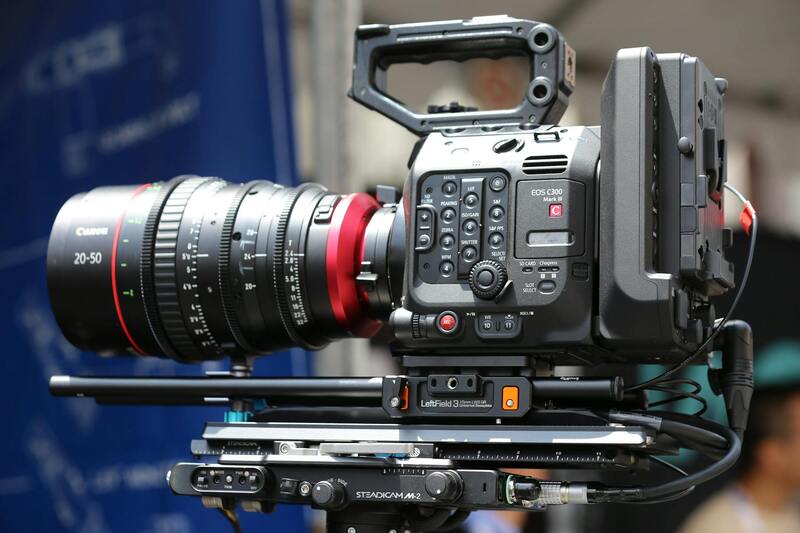
Post-production is equally critical for maintaining quality standards. Meticulous editing that adheres to the script and storyboard ensures narrative coherence. Applying color correction and grading uniformly across footage enhances visual consistency, while appropriate sound editing improves clarity and overall audio balance.
Implementing quality control checkpoints, including multiple review rounds by stakeholders, helps identify discrepancies or technical issues early. This collaborative approach ensures revisions are made efficiently, aligning the final product with the original objective and brand guidelines.
Legal Considerations and Compliance Measures
Legitimacy in corporate video production is also maintained through compliance with legal guidelines relating to intellectual property rights, consent, and privacy. Securing proper rights for all media elements used, such as licensed music, stock footage, and graphic assets, prevents copyright infringements. Additionally, obtaining clear permissions from individuals appearing in the videos safeguards against potential privacy disputes.
Drafting comprehensive contracts with talent, crew, and vendors establishes a clear understanding of deliverables, timelines, and legal obligations. These agreements contribute to a transparent and accountable production process.
Implementing Industry Standard Equipment and Techniques
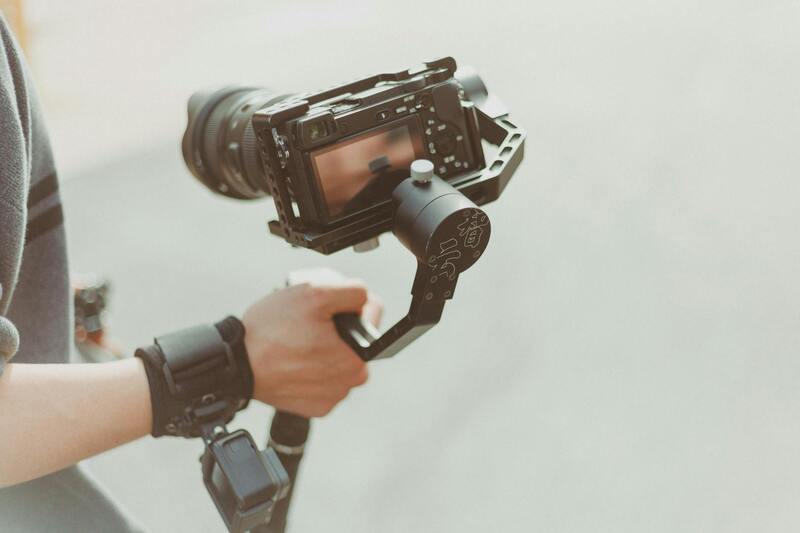
Utilizing high-grade equipment—such as 4K cameras, professional lighting setups, and stabilized rigs—ensures the technical quality of the footage. Employing modern editing software with advanced features accelerates workflow efficiency while maintaining a high standard of craftsmanship.
Moreover, following energy-efficient and environmentally conscious practices during production reflects responsible standards within the industry. This includes managing waste, minimizing power consumption, and using sustainable materials when applicable.
Documentation and Record-Keeping Practices
Maintaining detailed records of all production activities—from initial planning to final edits—facilitates accountability and traceability. Documentation includes scripts, shot lists, consent forms, licensing agreements, and revision histories. These records are essential for review processes, future reference, and demonstrative purposes if questions about the content arise.
Adopting standardized project management tools that allow real-time updates and collaboration among team members further enhances efficiency and quality assurance. These practices collectively contribute to a seamless production process that respects industry standards and produces impactful, professional corporate videos.
Ensuring Proper Licensing and Copyright Compliance
Securing the necessary licenses and permissions forms a critical foundation for creating a corporate video that respects intellectual property rights and avoids potential legal complications. This involves obtaining clearances for all third-party content, including music, stock footage, images, and special visual effects incorporated into the project. Using licensed stock assets from reputable providers ensures that the footage and soundtracks are cleared for commercial use, aligning with copyright laws and industry standards.
When selecting music, opting for royalty-free or properly licensed compositions prevents copyright infringement issues. Detailed documentation of license agreements and permissions provides an audit trail that verifies compliance throughout the production process. This step not only protects the company from unforeseen disputes but also assures stakeholders that the content is produced ethically and responsibly.
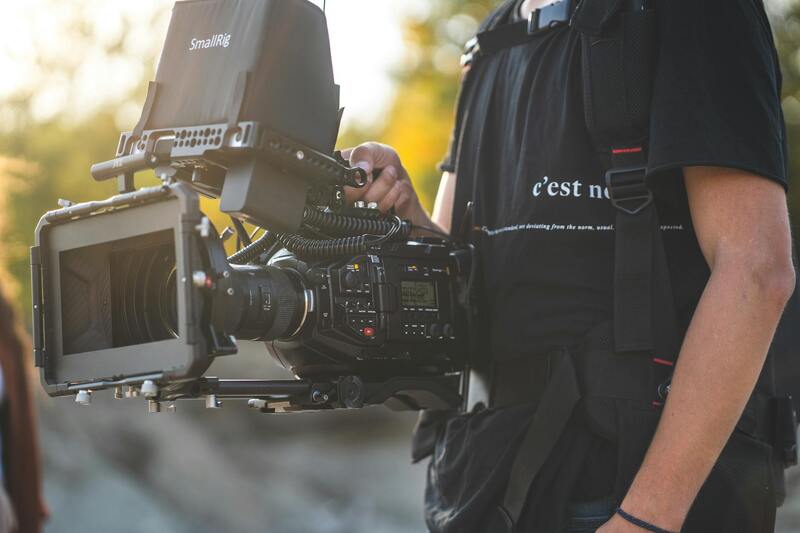
In addition to media licensing, contractual agreements with talent, location owners, and other contributors should clearly articulate usage rights, compensation, and limitations. These contracts should specify the scope and duration of usage rights while safeguarding against unauthorized usage or modifications later down the line. Implementing these formalized agreements fosters a transparent workflow that aligns with professional standards.
Implementing Secure Data Management and Access Protocols
Maintaining control over sensitive project assets is vital for managing copyright and licensing materials responsibly. Encrypted storage, controlled access levels, and comprehensive version control systems help prevent unauthorized dissemination of proprietary content. Regular audits and compliance checks ensure that licensing agreements are adhered to and that any new third-party content added complies with established standards.
By meticulously managing licensing and permissions, organizations minimize risks associated with content misuse, uphold their reputation, and ensure that all elements of the corporate video contribute positively to brand integrity.
Finalizing the Corporate Video with Quality Assurance and Final Checks
Before releasing a corporate video to the public, it is essential to implement rigorous quality assurance measures to ensure the final product aligns with strategic goals and professional standards. This phase involves detailed reviews of the entire video production, from content accuracy to technical quality, to confirm that every aspect meets the desired specifications.
One of the key elements in this stage is conducting a comprehensive review process that involves multiple departments, such as marketing, legal, and executive stakeholders. This collaborative approach helps identify any discrepancies, inconsistencies, or areas that may require adjustments. Critical points to assess include the accuracy of messaging, the clarity of visual storytelling, and the consistency of branding elements. By doing so, companies can maintain a high level of professionalism in their communications, reinforcing trust and credibility with their audience.
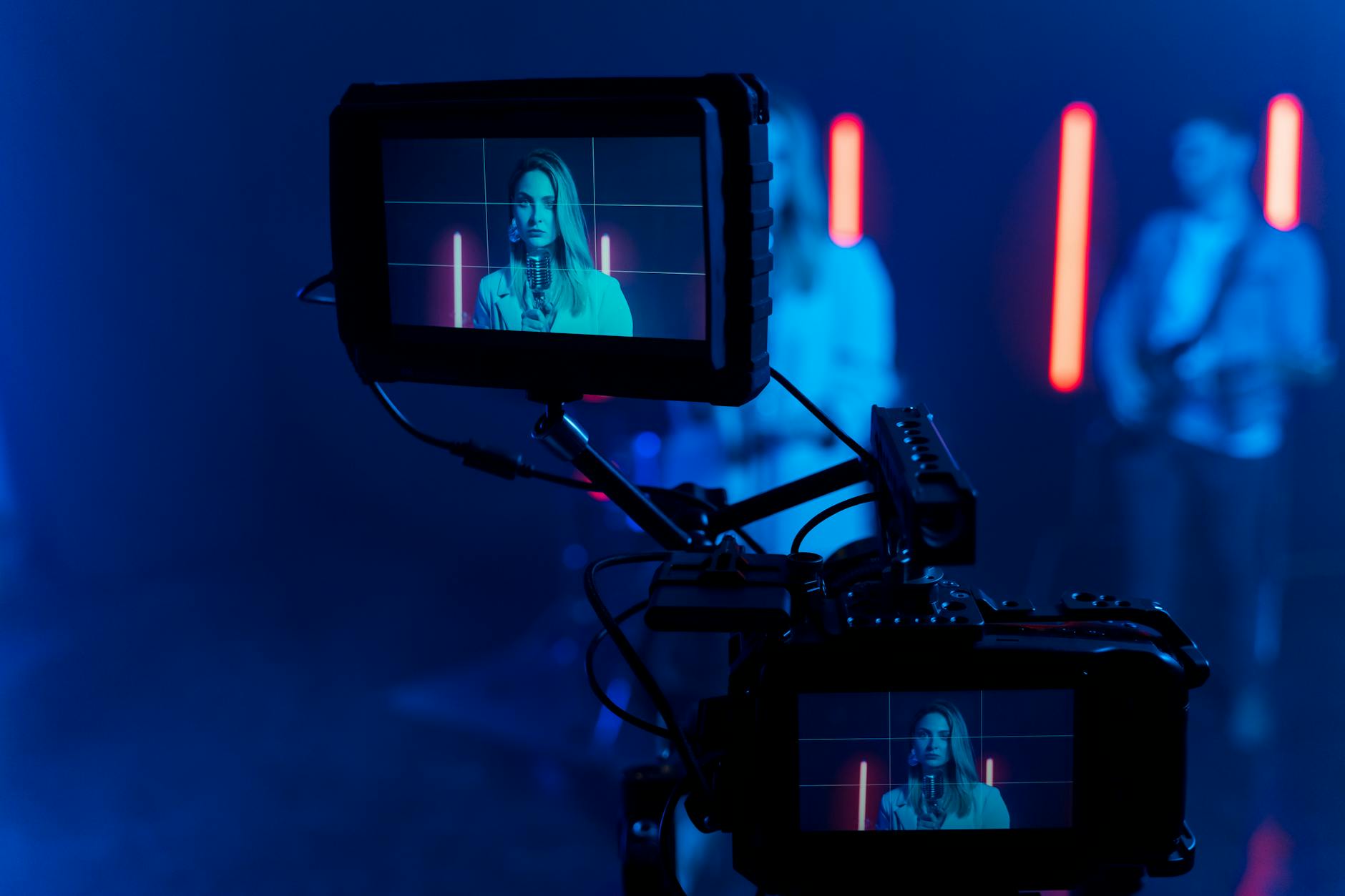
Technical quality control is equally important. This includes checking the video resolution, color grading, audio clarity, and synchronization. Ensuring compatibility across different devices and platforms is also vital, especially considering the variety of screens and media players that viewers might use. Conducting these tests minimizes playback issues that could detract from the viewing experience.
Legal and ethical review should not be overlooked at this stage. If any content, such as music, stock footage, or proprietary visuals, has been incorporated, confirm that all necessary licenses and permissions are properly documented. This step guarantees that the final product complies with relevant copyright and licensing agreements, avoiding potential disputes or reputational damage.
Once all adjustments and reviews have been completed, a finalized version of the video should be approved by decision-makers. This approval process might involve sign-offs from brand managers, legal teams, and executive leadership. Documenting this process provides a clear record of approval, which is critical for accountability and future reference.
After approval, the next step is to prepare the video for distribution. This involves selecting appropriate formats and resolutions optimized for the intended channels, whether they are social media, company websites, email campaigns, or broadcast. Proper formatting ensures consistent quality and seamless playback, enhancing viewer engagement.
Finally, establishing a distribution strategy ensures the corporate video reaches the target audience effectively. This includes identifying the right platforms, timing the release strategically, and leveraging promotional tools such as social media advertising, email marketing, and press releases. Using analytics and tracking tools helps monitor engagement metrics, providing valuable insights into how viewers are interacting with the content. These insights can inform future video projects, allowing organizations to refine their messaging and distribution methods for better results.