
Understanding Corporate Video Production Prices: Key Factors and Insights
In the competitive landscape of Miami, companies seeking to elevate their branding, internal communication, or marketing efforts turn to professional corporate video production. Yet, the question often arises: what determines the cost of a corporate video? Several pivotal factors influence the overall pricing, ensuring that each project’s investment aligns with its specific objectives and scope. An in-depth understanding of these elements can empower businesses to make informed decisions, optimizing quality without exceeding budget constraints.
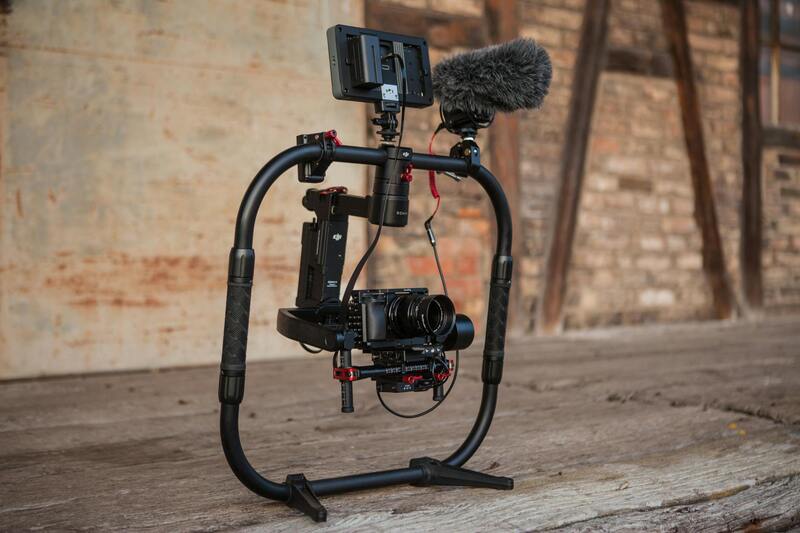
Factors Influencing Pricing
Corporate video production costs vary widely based on several critical components. These include the project's scope, complexity, desired quality, and specific production requirements. Each element plays a significant role in shaping the overall budget and helps to establish a clear, realistic framework for project planning.
Project Scope and Objectives
The intended purpose of the video—whether it’s a promotional piece, training video, or corporate overview—directly impacts its scope. Larger projects requiring comprehensive storytelling, multiple filming locations, or extensive post-production generally incur higher costs. Clarifying the primary objectives early ensures that the production process aligns with budget expectations.
Production Complexity
The technical demands of the project influence its cost structure. For example, videos requiring special effects, motion graphics, drone footage, or multi-camera setups involve additional crew, equipment, and time, leading to increased expenses. Simplified videos with minimal edits tend to be more budget-friendly, while intricate productions demand larger investments.
Quality Requirements
The level of visual quality and production value directly impacts pricing. Premium equipment, high-end editing, professional talent, and meticulous post-production processes ensure a polished final product but also elevate costs. Conversely, standard-quality outputs may suffice for internal communication or initial branding efforts.
Additional Considerations
- Scriptwriting and pre-production planning
- Location scouting and permits
- Talent fees and voice-over rates
- Travel expenses for crew and equipment
- Revisions and client feedback cycles
All these elements must be considered collectively to develop a comprehensive budget that accurately reflects the project's ambitions and logistical requirements.
Pricing Breakdown by Production Stage
Understanding the expense distribution across various stages of production is essential for accurately estimating the overall corporate video production prices. Typically, costs are divided into pre-production, production, and post-production phases, each with its own set of financial considerations.
Pre-Production Costs
This initial phase involves planning, scripting, storyboarding, location scouting, securing permits, casting, and arranging logistics. Effective pre-production ensures smooth filming and minimizes surprises later, but it also requires significant investment of time and resources. Fees for professional scriptwriters, location fees, and pre-visualization tools can contribute substantially, especially for complex projects demanding detailed planning.
Production Costs
During filming, expenses are driven by factors like crew wages, equipment rental, and on-location needs. The scope of the shoot, number of shooting days, and technical requirements directly impact costs. Advanced techniques such as drone footage, 4K cameras, or multi-camera setups increase both personnel and equipment expenses. Transportation and accommodation costs for crews working across multiple locations are also integrated into the budget.
Post-Production Costs
This phase includes editing, motion graphics, visual effects, sound design, and color grading. High production values and intricate editing processes elevate costs due to specialized talent and advanced software. Voiceovers or original music scoring might add to the expense, especially if hiring notable voice actors or composers. Multiple revision cycles also influence final costs, emphasizing the importance of clear communication during this stage.
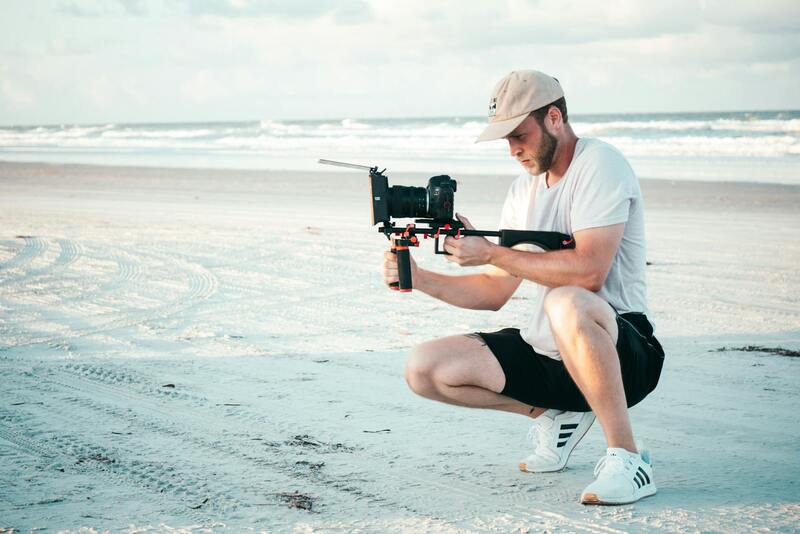
Impact of Video Type and Style on Cost
The style and purpose of the video significantly affect its price point. Examples include promotional videos, training modules, product demos, and internal communications, each demanding different approaches and resource allocations.
- Promotional Videos: Often require cinematic visuals, storytelling, and high-quality editing to create engaging content, leading to higher costs.
- Training Videos: Tend to be simpler, with a focus on clarity and instructional design, which can reduce expenses.
- Product Demos: May require specialized equipment for showcasing features, influencing pricing based on technical needs.
- Internal Communications: Typically utilize straightforward formats with minimal effects, making them more budget-friendly.
Additional Costs to Consider
Beyond the core production expenses, several supplementary costs can impact the overall budget:
- Scriptwriting and Planning: Professional writing and consultation services ensure clear messaging but come with associated fees.
- Location Permits and Scouting: Securing permissions for shooting locations, especially in busy or restricted areas, involves additional costs.
- Talent and Voice-Over Fees: Hiring actors or voice-over artists often depends on experience and usage rights.
- Travel and Equipment Logistics: Transporting crew and equipment to multiple sites incurs expenses that vary based on distance and complexity.
- Revisions and Feedback Loops: Multiple review stages extend project timelines and incur additional charges, especially if significant changes are requested.
Choosing a Miami Production Agency for Cost-Effective Results
Selecting a local agency with relevant experience can optimize your spending. Reputable Miami-based production companies have established vendor relationships, efficient workflows, and insight into local logistics, which can reduce unforeseen costs. Demonstrating clear project objectives and initial budget constraints allows agencies to tailor solutions that align with your financial goals without compromising quality.

Factors Influencing Pricing
When evaluating the costs associated with corporate video production in Miami, several key factors significantly influence the final price tag. Understanding these elements helps businesses anticipate expenses and plan budgets more effectively. Among the primary considerations are video complexity, scope, and style, each contributing to variations in overall costs.
Video Complexity and Style
The level of complexity in a corporate video directly impacts production costs. For instance, a straightforward interview-style video or a simple product showcase typically requires fewer resources, minimal post-production work, and less time on set. In contrast, videos incorporating animation, special effects, or intricate visual sequences demand additional expertise and technical equipment, thereby increasing costs.
Moreover, the chosen style—such as live-action, animation, or a hybrid approach—can influence expenditures. Live-action videos entail costs related to talent, makeup, wardrobe, and location expenses, while animation projects require skilled animators and specialized software. Hybrid styles blend these elements but generally require more comprehensive planning and resource allocation.
Project Duration and Script Complexity
The length of the final video and the complexity of the script are crucial determinants of pricing. Longer videos naturally necessitate more filming time, increased editing, and extended resource use. A script that involves technical jargon or detailed storytelling may also prolong the production process, leading to higher costs. Precise planning and clear directives can streamline this process, minimizing unnecessary expenses.
Location and Permitting
Shoot locations significantly influence pricing. Filming in renowned or high-traffic areas might require permits, which carry fees. Securing access to private venues often involves negotiation and costs for usage rights. Additionally, logistics such as transportation, setup, and accommodation for crew members in specific locations add to the budget.
Talent Acquisition and Voice-Over
Hiring professional talent, including actors or voice-over artists, varies in cost based on experience, popularity, and usage rights. Premium talent will command higher fees, especially for projects with extensive distribution or commercial use. Rehearsals, studio time, and rights management also factor into overall expenses.
Post-Production Requirements
Editing, color grading, sound design, and adding visual effects all contribute to post-production costs. Advanced editing techniques, such as 3D animation or compositing, increase labor hours and technical resource requirements. Additionally, revisions and client feedback cycles can extend timelines and expenses, emphasizing the importance of a detailed initial plan.
Additional Costs to Consider
- Scriptwriting and Planning: Professional script development ensures message clarity but involves extra fees.
- Location Permits and Scouting: Securing necessary permissions for shooting sites incurs additional costs.
- Talent and Voice-Over Fees: Costs vary based on talent experience and project rights.
- Travel and Equipment Logistics: Expenses for crew transport, accommodation, and specialized gear depend on project scope.
- Revisions and Feedback Loops: Multiple review stages can lead to extended project timelines and costs.
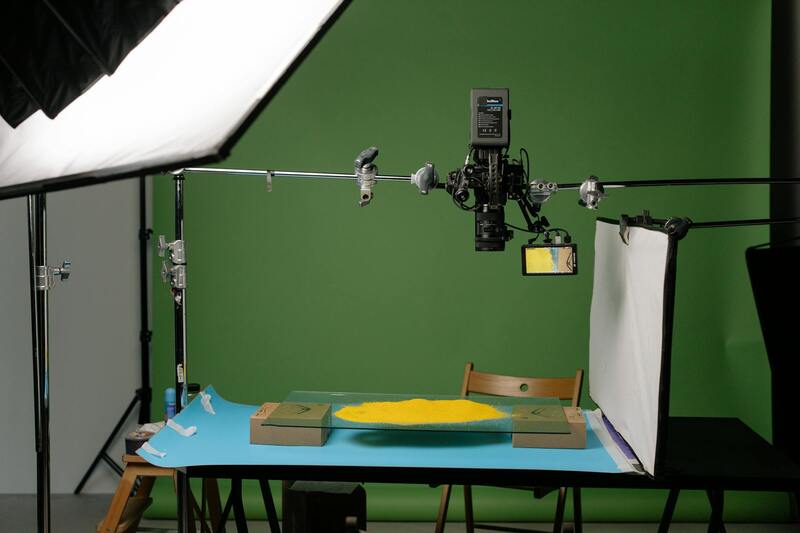
Choosing a Miami Production Agency for Cost-Effective Results
Partnering with an established Miami-based production company provides strategic advantages for budget-conscious projects. Local agencies with extensive vendor networks and experience navigating Miami’s logistical landscape can reduce unforeseen costs and streamline workflows. Clear communication about project goals and budget constraints allows these agencies to develop tailored solutions that meet your objectives without unnecessary expenditures.
Pricing Breakdown by Production Stage
Understanding the distinct phases of corporate video production provides clarity on how costs accumulate throughout the process. Each stage carries specific responsibilities and resource requirements, which directly influence the final budget.
- Pre-Production: This initial phase involves planning, scripting, storyboarding, and location scouting. Effective pre-production sets the foundation, reducing unforeseen challenges later. Costs here may include professional scriptwriters, storyboard artists, permits, and location fees. Accurate planning minimizes overruns and ensures the project stays aligned with strategic goals.
- Shooting: The actual filming process encompasses equipment rental, crew wages, talent fees, and logistical expenses. The complexity of scenes, number of shooting days, and technical requirements—like drone footage, special lighting, or multiple camera setups—significantly influence this segment. Efficient scheduling during this stage can optimize costs and resource allocation.
- Post-Production: Editing, visual effects, animation, sound design, and color grading happen in this phase. Advanced editing techniques, such as 3D graphics or motion graphics, can extend editing hours, thus increasing costs. Client review cycles and revisions also add to post-production expenses, underscoring the importance of clear initial directives and feedback.
Each of these stages can vary in expenditure based on project complexity, desired quality, and timeliness. When budgeting, allocating funds proportionally across these phases can help maintain control and project continuity, avoiding unexpected expenses as the project progresses.
Impact of Video Type and Style on Cost
The specific style and format of a corporate video influence production costs significantly. For example, a straightforward talking-head testimonial involves less complexity than a high-energy animated explainer video featuring custom graphics and special effects. Here are key factors that affect expense levels:
- Video Format: Live-action videos typically require equipment, crew, talent, and location costs. Virtual and animated videos might involve significant investment in design and animation software, skilled graphic artists, and longer production timelines.
- Production Quality: High-definition 4K footage or cinematic styles, such as drone or steadicam shots, increase camera and equipment rental costs. Aiming for a broadcast-quality video necessitates professional-grade gear and experienced crew members.
- Complexity of Style: Incorporating elements such as motion graphics, visual effects, or interactive features elevates the scope and price. These stylistic choices often require specialized post-production techniques and talent, which add to the overall expense.
- Duration and Deliverables: Longer videos or multiple versions for different platforms involve additional filming, editing, and revisions, further elevating costs.
Deciding on the style and format early allows for a more accurate estimate and helps prioritize essential production elements within the allotted budget.
Pricing Breakdown by Production Stage
Understanding how corporate video production prices are derived requires a detailed look at each phase of the project. Each stage incurs specific costs that collectively determine the final price, making it essential to recognize the investment involved at every step.
Pre-Production Expenses
This initial phase is critical in setting the groundwork for a successful video. It includes concept development, scripting, storyboarding, location scouting, casting, and scheduling. Expenses here often encompass hiring creative professionals, such as writers and directors, as well as conducting preparatory activities like permits and logistics planning. Effective pre-production helps minimize unforeseen costs during filming, although some investments are unavoidable to ensure a coherent and compelling narrative.
Production Costs
The filming process involves direct costs related to manpower, equipment, and on-location expenses. Key elements include:
- Talent: Hire of actors, presenters, or voice-over artists necessary for delivering the message.
- Equipment: Cameras, lighting, sound gear, and stabilization tools, often rented from professional suppliers.
- Crew: Production crew members such as camera operators, lighting technicians, and assistants.
- Locations: Permits, site fees, and associated costs for shooting in specific venues.
- Set and Wardrobe: Construction, design, and costume requirements that support the video's theme.

Post-Production Expenses
The editing and finishing phase involves assembling footage, sound editing, color correction, motion graphics, and visual effects. This stage often accounts for a substantial portion of the total cost, especially when sophisticated animations or special effects are incorporated. Post-production professionals—editors, graphic artists, sound designers—ensure the final product matches brand standards and strategic goals.
Additional Cost Considerations
Beyond the primary stages, several supplementary costs can influence the overall budget:
- Revisions and Creative Changes: Multiple rounds of edits may be necessary to refine the message, each adding to the timeline and expense.
- Licensing and Music Rights: Using licensed music or stock footage often involves licensing fees, which vary based on usage and distribution channels.
- Distribution & Delivery: Preparing video formats optimized for specific platforms, including broadcasting or online streaming, may require additional technical processing.
- Contingency Budget: Setting aside funds for unexpected expenses during production ensures continuity without compromising quality.
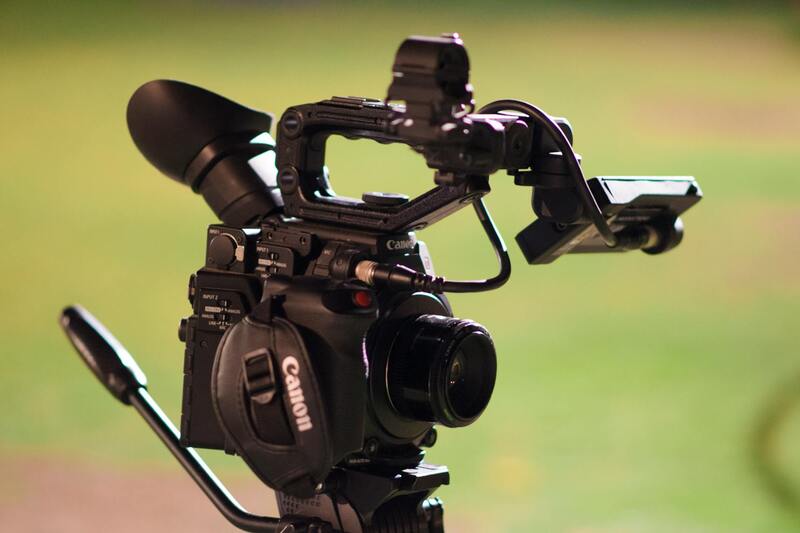
Careful planning and transparent budgeting across each phase enable companies to allocate resources effectively. This detailed breakdown ensures that the video production aligns with organizational goals and budget constraints, paving the way for a successful project that resonates with audiences and elevates brand presence.
Factors Influencing Pricing
Understanding the various elements that impact corporate video production prices is essential for businesses aiming to optimize their investment. Key factors include the scope of the project, the complexity of the content, the level of production quality expected, and the expertise required from the production team. The geographic location, such as Miami, also plays a role, with local market rates influencing overall costs. High-profile or niche subjects may necessitate specialized talent or equipment, further increasing expenses. Additionally, the duration and distribution method of the video—whether it’s a short promotional clip or a comprehensive training series—affect the allocation of resources and, consequently, the final pricing.
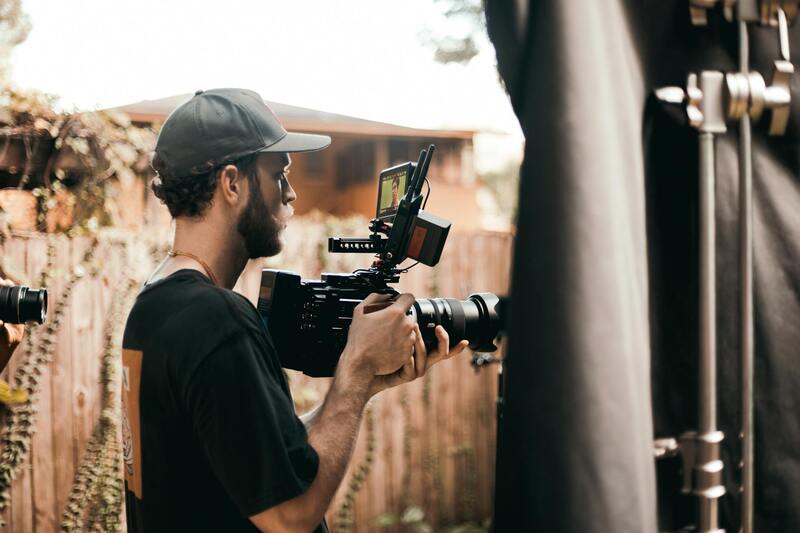
Average Cost Range for Corporate Videos in Miami
In Miami, the price of corporate videos varies significantly based on production scale and quality standards. Entry-level projects, such as simple testimonials or basic promotional clips, can start around $5,000 to $10,000. Mid-range productions—featuring multiple shooting locations, professional talent, and enhanced editing—typically range from $15,000 to $50,000. High-end, fully customized videos with advanced animation, bespoke sets, and extensive post-production work often exceed $50,000, reaching into six figures for complex projects. Local market conditions, the reputation of the production company, and specific client requirements are crucial factors in determining these costs.
Budgeting for Corporate Video Projects
Effective budgeting hinges on a detailed understanding of all production phases and associated costs. Establishing a clear scope of work early enables companies to allocate allocated resources appropriately. It's advisable to set aside a contingency fund—typically 10-15% of the total budget—to accommodate unforeseen expenses such as location fees or last-minute revisions. Prioritizing elements like scripting, storyboarding, and pre-production planning can minimize costly revisions later. Accurate cost forecasting supports decision-making and ensures the project remains financially viable without compromising creative quality.
Pricing Breakdown by Production Stage
- Pre-Production: Planning, scripting, casting, location scouting, and storyboarding usually account for 15-25% of the total budget. These preparatory tasks are crucial for streamlining subsequent phases.
- Production: The filming process, including equipment rental, crew wages, talent fees, and miscellaneous expenses, often consumes 40-50% of the budget depending on project complexity.
- Post-Production: Editing, visual effects, sound design, color grading, and final delivery comprise approximately 25-30% of costs. Advanced animation or motion graphics can significantly raise these figures.

Impact of Video Type and Style on Cost
The style and format of a corporate video directly influence its production costs. A straightforward talking-head video or testimonial tends to be more budget-friendly, typically requiring minimal equipment and editing. In contrast, highly stylized videos—such as 3D animations, interactive content, or cinematic narratives—entail complex processes, skilled personnel, and specialized technology, leading to higher expenses. Explainer videos with motion graphics and visual effects can significantly increase the budget due to the additional post-production effort involved. The choice of style should align with strategic goals, ensuring the investment effectively communicates the intended message and resonates with the target audience.
Factors Influencing Pricing
Understanding the various elements that impact the cost of corporate video production is essential for effective budgeting and project planning. Several core factors determine the final price, including the scope of work, video complexity, production quality, and specific client requirements.
Among the most significant is the video complexity. Producing a simple talking-head presentation typically involves fewer resources, shorter shooting days, and minimal post-production, resulting in lower costs. Conversely, projects that demand elaborate visual effects, motion graphics, or cinematic cinematography will naturally require a larger budget due to the specialized expertise and technology involved.
Another critical factor is the duration and distribution of the video. Longer videos such as corporate documentaries or training modules require more filming time, editing, and review cycles. Additionally, if the content will be distributed across multiple platforms or in multiple formats, this can influence the editing process and post-production costs.
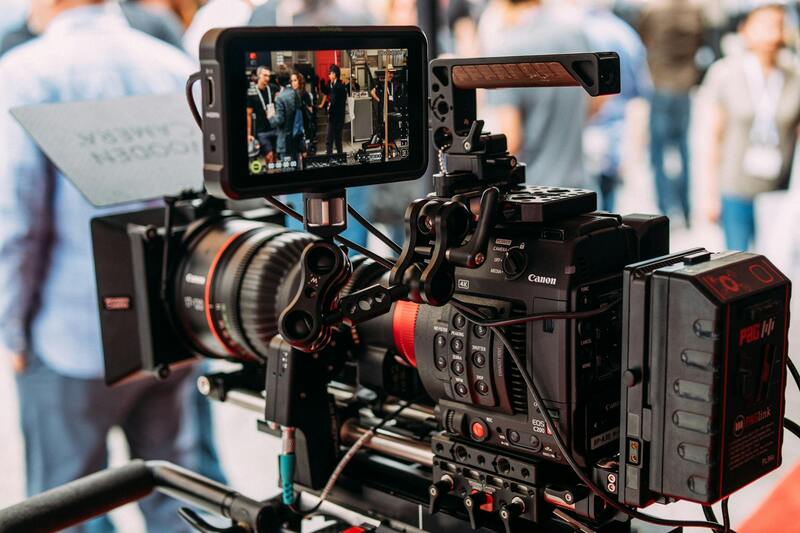
The production quality also plays a decisive role. High-end production values, including quality lighting, professional talent, and advanced equipment, naturally elevate the overall budget. Similarly, the location and logistical requirements—such as shooting on multiple sites or in remote areas—can add significant expenses related to transportation, permits, and set design.
Understanding Client Objectives
Clear communication: Defining the goals and target audience of the video early helps determine the appropriate scope and scale. Customization of content—such as incorporating client branding, messaging, and industry-specific elements—also influences costs.
Flexibility: Being open to alternative concepts or styles can help optimize resources without compromising on message effectiveness. Collaborating with experienced agencies will ensure that budget constraints are balanced with creative quality.
Average Cost Range for Corporate Videos in Miami
The typical expenditure for corporate video production in Miami varies based on project specifications. As a general guideline, smaller projects or basic videos can start as low as $3,000 to $7,000, primarily for short, straightforward content like testimonials or simple promotional clips.
More comprehensive videos—such as animated explainer videos, in-depth product demonstrations, or multi-day shoots—often range from $10,000 to $50,000 or higher. The higher end of this spectrum usually involves advanced content, high production values, specialized crew, and extensive post-production efforts.
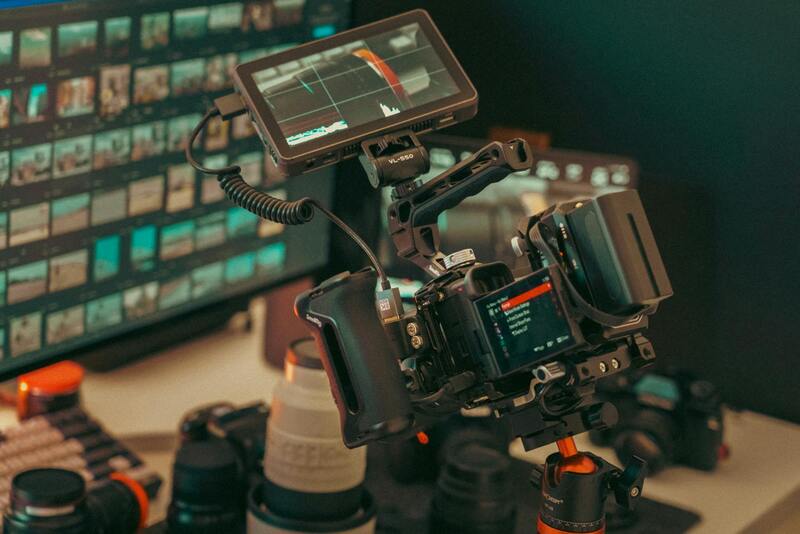
Industry Averages and Custom Quotes
While these figures provide aballpark estimate, actual costs depend heavily on specific project details. Engaging with local production agencies for customized quotes ensures a precise understanding of potential expenses based on your goals, timeline, and desired quality level.
Budgeting for Corporate Video Projects
Proper budgeting starts with a detailed assessment of project scope, including the type of video, intended purpose, and target audience. Allocate resources thoughtfully across pre-production, production, and post-production phases to ensure all critical tasks are adequately funded.
- Pre-Production: Planning, scripting, storyboarding, and casting typically consume 10-20% of the budget.
- Production: Filming, equipment, and crew expenses usually account for 45-55%.
- Post-Production: Editing, visual effects, sound, and final delivery generally sum up to 25-30%, with the option for additional costs if advanced animation or effects are involved.
Having a contingency reserve—usually around 10-15%—is advisable to accommodate unforeseen needs or adjustments during the project lifecycle.
Pricing Breakdown by Production Stage
Each phase of production carries distinct costs, which should be mapped out and managed. For example, high-quality pre-production planning can prevent costly revisions later, while efficient scheduling during filming can reduce expense without sacrificing quality. Investing in comprehensive post-production ensures a polished final product but should be balanced against the desired timeline and budget constraints.

Pre-Production
Cost drivers include scripting, storyboarding, location scouting, casting, and planning logistics. These activities are essential for ensuring smooth workflow and meeting project objectives.
Production
Expenses during filming encompass equipment rentals, crew wages, talent fees, makeup, and set design. The scale and complexity of the shoot directly influence this segment’s costs.
Post-Production
Editing, visual effects, sound design, color correction, and delivery formats determine this final phase. Projects requiring sophisticated animation or customized graphics will see higher post-production costs.
Impact of Video Type and Style on Cost
The style and format you choose have a profound influence on overall expenses. Basic formats such as interviews or testimonial videos are generally more economical, requiring minimal sets and effects. In contrast, stylized videos—like 3D animations or cinematic narratives—demand specialized skills, advanced software, and longer post-production timelines, escalating costs accordingly.
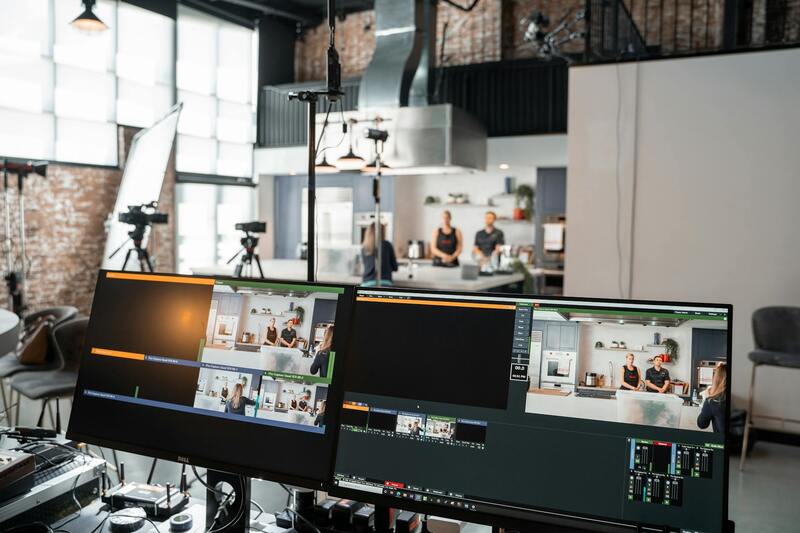
Explainer videos featuring motion graphics and visual effects, for instance, tend to be more cost-intensive due to the intricacies of animation and compositing. The decision should align with your strategic objectives, ensuring the message communicates effectively while respecting budget constraints.
Factors Influencing Pricing
Understanding the elements that impact corporate video production prices is essential for businesses aiming to allocate their budgets effectively. Several key factors play a role, including the complexity of the concept, the level of production quality, the choice of talent, location requirements, and the scope of post-production editing. For instance, a straightforward testimonial video will generally incur lower costs compared to a high-end promotional piece with elaborate visual effects and cinematic filming techniques. Additionally, the production timeline can influence expenses, with shorter projects often requiring expedited scheduling that may involve premium rates. Technical considerations, such as the need for specialized equipment like drone footage, 4K cameras, or advanced lighting setups, also significantly impact overall costs. Proper planning and clear communication with the production team can help to identify these influencing factors early, ensuring an accurate budget estimate and preventing unforeseen expenses from expanding the project budget.
Average Cost Range for Corporate Videos in Miami
The cost of corporate videos in Miami tends to vary based on project size and production intricacy. Typically, a basic promotional video can start at around $3,000 to $10,000, designed for companies seeking straightforward messaging with minimal effects. Medium-scale productions, which may include multiple locations, professional talent, and moderate post-production editing, often fall within the $10,000 to $50,000 range. For high-end projects involving cinematic techniques, specialized effects, high-profile talent, and comprehensive storytelling, costs can escalate from $50,000 to over $150,000. The Miami market accommodates a wide spectrum of production options, allowing businesses to select solutions that align with their strategic goals and budget constraints. It's important to consider that regional factors, such as transportation costs for crews and equipment or local permit requirements, can also influence the final pricing.
Budgeting for Corporate Video Projects
Effective budgeting begins with a detailed scope of work and understanding of the desired outcomes. Establishing clear priorities helps in allocating resources efficiently across pre-production, production, and post-production phases. Key steps include defining the core message, estimated number of shooting days, and the level of post-production editing required. When setting a budget, it’s advisable to include a contingency fund—typically 10-15% of the total budget—to accommodate unexpected expenses. This proactive approach ensures that the project remains financially viable even if unforeseen challenges arise. Additionally, negotiations with the production team about upfront costs, package deals, and potential discounts can lead to savings. Evaluating different proposals based on their alignment with project objectives and cost breakdowns allows clients to make informed decisions that maximize return on investment.
Pricing Breakdown by Production Stage
Dissecting the overall costs of corporate video production provides insight into how expenses accumulate through each phase:
- Pre-Production: Encompasses scripting, storyboarding, location scouting, casting, and scheduling. These preparations set the foundation for smooth filming and typically account for 10-25% of the total budget.
- Production: The actual filming process, which involves camera crews, lighting technicians, sound engineers, and talent. Equipment rentals and on-set logistics often constitute the bulk of this phase.
- Post-Production: Editing, color grading, visual effects, sound design, and final delivery. High-end animations or complex visual effects significantly increase costs during this stage.
Understanding how funds are distributed across these stages can help clients better manage their resources and prioritize aspects of the project that are most critical to their messaging.
Impact of Video Type and Style on Cost
The chosen style and format exert a considerable influence on the production budget. Simpler formats like on-camera interviews, testimonials, or basic product demos are typically less costly, as they demand minimal sets, effects, and post-production editing. Conversely, stylized videos such as animated explainer videos, 3D visualizations, or cinematic commercials involve advanced graphic design, specialized animation software, and more extensive editing timelines, which drive up expenses. For instance:
- Testimonial Videos: Cost-effective, mainly focused on on-location or studio shoots with minimal post-processing.
- Explainer Videos: Often include motion graphics and animations, increasing both production and post-production costs.
- Cinematic Narratives: Require high-production values, professional actors, elaborate sets, and post-production effects, thus demanding significant budget investment.
Aligning the style with strategic objectives ensures that the message resonates effectively while staying within financial limits. Selecting an appropriate format often involves balancing the desired visual impact with budget considerations.
Additional Costs to Consider
Besides core production expenses, several supplementary costs may arise, influencing the overall budget:
- Travel and Accommodation: Costs for crew and talent traveling to filming locations, especially if outside the Miami area.
- Permits and Licenses: Fees required for shooting in public or private spaces, which can vary based on location and duration.
- Equipment Rentals: Advanced equipment like drones, cranes, or 360-degree cameras, which may entail additional charges.
- Music Rights and Licensing: Fees for using copyrighted music or acquiring licenses for specific soundtracks.
- Post-Production Extras: Custom graphics, voice-over recording, or additional editing revisions beyond initial scope.
Planning for these potential costs beforehand helps prevent budget overruns and ensures comprehensive financial planning, ultimately leading to a smoother production process.
Choosing a Miami Production Agency for Cost-Effective Results
Selecting the right partner involves assessing experience, local market knowledge, and the ability to deliver quality within budget constraints. Reputable Miami-based agencies often have established vendor relationships and preferred supplier agreements that can translate into favorable rates on equipment, locations, and talented personnel. They also understand regional specifics that influence costs and can recommend cost-efficient solutions tailored to individual needs. Transparent communication about budget limitations from the outset facilitates collaborative planning, ensuring that both parties align on expectations and deliverables. Engaging a local agency with a proven track record of corporate video production ensures that projects are completed efficiently, with optimal use of resources, and without unnecessary expenditure.