
Understanding Corporate Video Production
Corporate video production is a highly specialized process designed to create visual content that effectively communicates a company's message, values, and offerings to its target audience. This multifaceted approach encompasses everything from initial concept development to post-production editing, ensuring the final product aligns with strategic business objectives. With the increasing importance of digital media in today’s marketplace, corporate videos serve as an essential tool for enhancing brand visibility, fostering customer engagement, and supporting internal communications.
There are several key formats of corporate videos, each tailored to specific goals and audiences. Promotional videos, for instance, are crafted to highlight a company’s products or services, aiming to attract new customers and generate leads. Employee training videos facilitate consistent knowledge transfer across teams, while internal communication videos help share corporate updates and culture with employees. Other common formats include event coverage, corporate documentaries, and testimonial videos, each playing a vital role in shaping a comprehensive communication strategy.
The Role of Corporate Video Production in Business Communication
In the realm of business communication, corporate videos serve as dynamic storytelling tools that can convey complex information quickly and effectively. Unlike text-based content, videos leverage visual and auditory elements to foster emotional connections, clarify key messages, and increase engagement. This makes corporate videos particularly effective in building trust and credibility, especially when presenting new products, sharing success stories, or explaining intricate processes.
Such videos also help companies stand out in competitive markets by providing a professional, consistent voice across all communication channels. Whether hosted on a company's website, shared via social media, or used during presentations and trade shows, corporate videos have become indispensable for establishing a strong brand presence and delivering impactful messages at scale.
Planning and Strategy Development
Effective corporate video production begins with meticulous planning and a well-defined strategy. This phase involves understanding the company's core objectives, target audience, and key messages to ensure the final product aligns with overarching business goals. A comprehensive plan maps out the video's scope, style, tone, and distribution channels, enabling a focused approach that maximizes impact.
During strategy development, organizations often conduct audience research to identify preferences, behaviors, and content consumption habits. This insight guides the creative direction, helping to craft videos that resonate authentically with viewers. Setting clear goals—whether increasing brand awareness, driving sales, or educating employees—provides benchmarks for success and guides subsequent production steps.
Pre-production also encompasses scripting, storyboarding, and selecting appropriate visuals and voiceovers. Every element should be purpose-driven, emphasizing clarity and engagement. Budgeting and scheduling are equally critical, ensuring resources are allocated efficiently and deadlines are met without compromising quality.
Collaborating with experienced production professionals offers valuable insight during this phase. Experts can advise on the best practices for visual storytelling, camera work, and technical essentials, laying a solid foundation for seamless execution.
Developing a Comprehensive Script and Storyboard
Once the strategic framework is established, the next phase in corporate video production involves detailed scripting and storyboarding. This stage serves as the blueprint for the entire project, ensuring that every message aligns with the company's objectives and resonates with the target audience. Crafting a script requires clarity, conciseness, and an engaging narrative that captures the viewer’s attention from the outset. It should clearly communicate the core message, incorporate key calls to action, and maintain a tone consistent with the brand’s voice.
Storyboarding complements the script by translating the narrative into visual sequences. This involves sketching or digitally illustrating each scene, specifying camera angles, transitions, special effects, and on-screen text. A well-constructed storyboard helps visualize the flow of the video, identify potential pacing issues, and facilitate smooth coordination among creative team members and stakeholders. It acts as a visual guide during filming and editing, ensuring all elements work harmoniously to support the storyline.
Effective scripting and storyboarding demand collaborative input. Involving key stakeholders, marketing strategists, and creative professionals during this phase enhances the final output's alignment with business goals. Clear, purposeful scripts and detailed storyboards streamline the production process, minimize costly revisions, and contribute to a polished end product that engages viewers and communicates the intended message effectively.
Securing Necessary Equipment and Resources
The success of a corporate video heavily relies on the availability of appropriate equipment and resources tailored to the project's scope. Depending on the complexity of the video, this may include high-definition cameras, professional lighting kits, stabilizers, microphones, and editing software. For productions demanding specialized visuals, drone footage or green screens might also be necessary.
Assessing resource availability early allows organizations or production teams to plan procurement or rental of equipment, reducing delays and unexpected costs. Ensuring that the crew is skilled in operating this equipment is equally important, as technical proficiency directly impacts the quality of footage captured.
Beyond equipment, securing talent such as actors, voiceover artists, or subject matter experts is crucial. These individuals enhance authenticity and credibility, especially when presenting complex concepts or showcasing real-life scenarios. Effective resource management ensures a smooth shooting schedule, minimizes disruptions, and maintains a professional standard throughout the project.
Executing the Shooting Phase with Precision
When the planning, scripting, and resource acquisition stages are complete, the production team moves into the shooting phase. This critical stage involves capturing all visual and audio content necessary for the final product. Precision during filming is essential to meet predefined standards for quality and coherence.
Efficient coordination among camera operators, lighting technicians, and sound engineers ensures that scenes are shot according to the storyboard and script. Attention to detail—such as framing, lighting consistency, and clear sound recording—protects against costly reshoots and editing issues later in the process.
Maintaining a well-organized schedule minimizes downtime and keeps the project on track. Regular reviews of footage during shooting phases facilitate immediate feedback and adjustments, reducing the need for extensive revisions during post-production. Typical corporate video shoots aim for a balance between capturing dynamic visuals and adhering to the established project timeline and budget.
Post-Production: Editing, Graphics, and Sound Design
The post-production stage transforms raw footage into a cohesive and engaging corporate video. This process involves meticulous editing, where scenes are cut, arranged, and refined to tell a compelling story that aligns with the original objectives. Seamless transitions, color grading, and visual effects are incorporated to enhance aesthetic appeal and clarity.
Sound plays a pivotal role, with background music, voiceovers, and sound effects carefully integrated to reinforce the message without overpowering visual elements. Quality audio editing ensures clarity and consistency, vital for professional presentations.
Graphics, animations, and captions are added to support key messages, demonstrate processes, or highlight important data points. This visual enrichment maximizes viewer engagement and facilitates information retention. Rigorous review and feedback cycles involve multiple stakeholders to ensure the final cut reflects the original creative intentions and strategic goals.
Investment in High-Quality Production Techniques
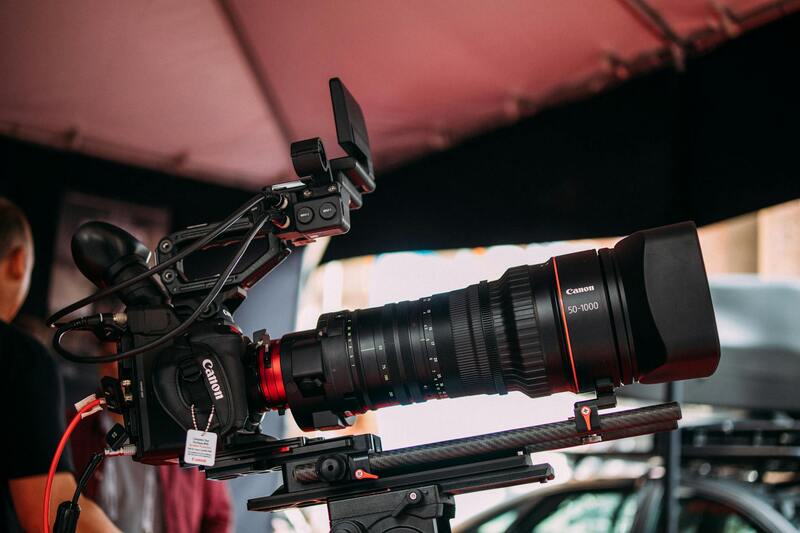
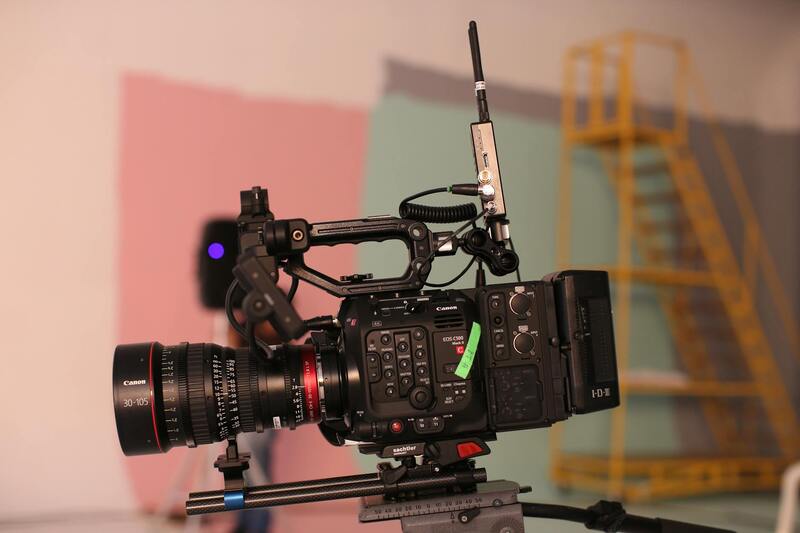
To produce impactful corporate videos, meticulous attention to production techniques must be maintained. High-quality production methods involve the use of advanced filming equipment such as 4K resolution cameras, professional lighting setups, and high-fidelity sound recording devices. These tools are essential for capturing crisp visuals and clear audio, which are vital in communicating a company's message effectively. Moreover, employing industry-standard stabilization equipment like gimbals and dollies ensures smooth shots, especially during dynamic scenes or on-location shoots. Such details contribute significantly to the visual professionalism of the final product, enhancing credibility and viewer engagement.
Content Planning and Script Development
Successful corporate videos start with comprehensive planning and scripting. This phase involves collaborative discussions with key stakeholders to clearly define the core message, target audience, and desired call-to-action. Crafting a well-structured script ensures that the narrative remains focused, engages viewers emotionally, and effectively conveys the intended information. Visual storyboarding complements the scripting process, providing a detailed outline of shot sequences, camera angles, and visual cues. A thoughtful approach at this stage reduces ambiguities during filming, minimizes costly retakes, and accelerates post-production timelines.
Filming and Direction
The filming stage demands strategic coordination between the director, cinematographer, and talent to realize the creative vision. Proper direction ensures performances are authentic and aligned with the brand voice, while framing and shot composition emphasize key messages. Considerations such as background settings, on-screen talent positioning, and lighting adjustments are vital to creating visually compelling scenes. Directors oversee the filming process, ensuring that each shot adheres to the planned storyboard and branding standards. This stage is pivotal in capturing footage that not only looks professional but also resonates emotionally with viewers, reinforcing the brand identity.
Post-Production Refinement
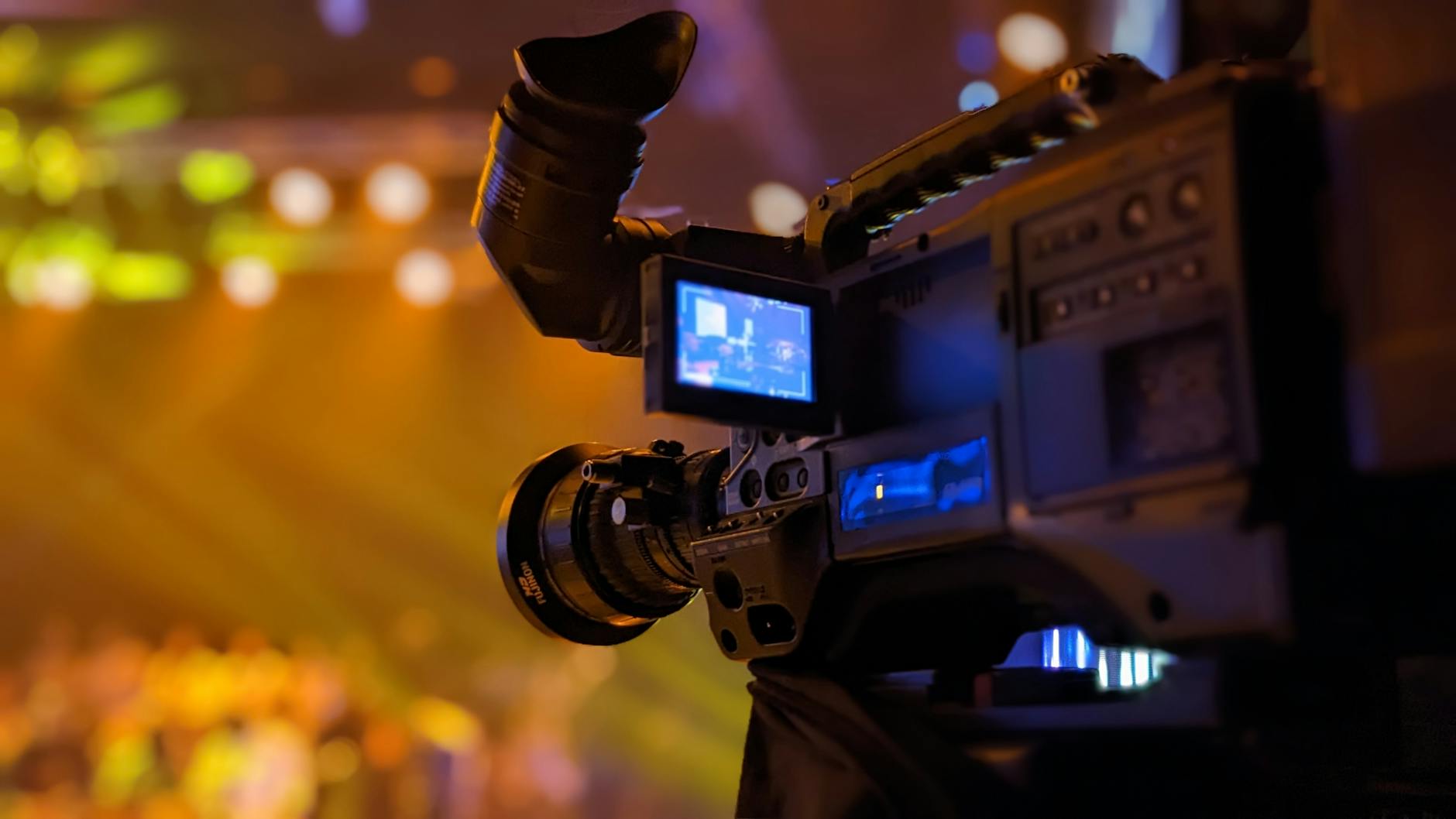
Once filming is complete, the focus shifts to post-production where raw footage is meticulously edited to produce a coherent narrative flow. This involves cutting unnecessary scenes, adjusting pacing, and incorporating visual elements such as graphics, annotations, and branding overlays. Color grading enhances visual consistency and mood, ensuring the video aligns with brand aesthetics. Sound editing refines audio levels, adds background music or voiceovers, and removes any unwanted noises. Integrating visual effects and animations further reinforces complex ideas or processes, making information easier to understand. Collaborative review sessions with stakeholders enable revisions and fine-tuning, culminating in a polished, professional final product that meets strategic objectives.
Hybrid and Remote Production Methodologies
With advancements in technology, hybrid and remote filming techniques have become increasingly prevalent, especially for corporate videos that require minimal on-site presence. These methods include the use of virtual backgrounds, remote directing via high-definition streaming, and the integration of footage shot by local teams. Such approaches offer enhanced flexibility, reduced costs, and expanded creative possibilities without compromising on production standards. By leveraging cloud-based review platforms, stakeholders can provide real-time feedback, facilitating seamless collaboration regardless of geographical boundaries. This evolving landscape allows businesses to maintain high production quality while adapting to logistical constraints and changing work environments.
Implementation of Corporate Video Production
Executing a corporate video requires meticulous attention to each phase of the production process to ensure that the final product effectively resonates with its intended audience and meets strategic business objectives. A dedicated production team begins by translating the pre-approved script into a comprehensive storyboard, visually mapping out each scene to align with the overarching message and brand voice. This step is crucial, as it provides a clear blueprint for filmmakers, editors, and stakeholders, ensuring that every element is purposefully designed.
During filming, professionalism and precision are paramount. Employing high-quality equipment and experienced crew members guarantees that visuals and audio are captured at broadcast standards, which is vital for maintaining credibility. Directing talent and managing the set efficiently help accommodate creative visions while adhering to production schedules and budgets. Attention to detail during filming prevents the need for costly retakes, streamlining the overall process.
Post-production marks a transformative stage where editing, sound design, and visual effects are meticulously integrated. The editing suite allows for seamless narrative flow, with cuts that enhance clarity and engagement. Color grading is applied to create a consistent look that aligns with the brand’s aesthetic, reinforcing visual identity. Sound editing is equally critical, balancing dialogue, sound effects, and background music to produce a polished auditory experience that supports the video’s messaging.
Throughout this phase, integrating visual effects and animations can simplify complex information, making it more digestible for viewers. These elements also add a layer of professionalism and engagement, capturing the audience’s attention more effectively. The final step involves detailed review sessions with key stakeholders, where revisions are implemented based on feedback to refine the content further. This iterative process ensures that the finished video aligns perfectly with the strategic intent and branding standards.
Adopting best practices during production involves transparent communication, adherence to schedules, and maintaining strict quality control at every stage. Leveraging advanced editing software, professional talent, and technical expertise results in content that is visually compelling, emotionally resonant, and strategically impactful. The goal is to produce a corporate video that not only informs but also motivates action, whether it’s enhancing brand awareness, explaining a service, or showcasing company culture.
Innovative approaches, such as hybrid and remote production methodologies, are increasingly incorporated to accommodate the diverse needs of modern companies. Virtual backgrounds, remote directing, and cloud-based feedback platforms contribute to a flexible yet consistent production process. This adaptability enables organizations to access top-tier talent and resources regardless of location, ensuring that geographical barriers do not compromise quality. Such techniques also foster cost efficiencies, reduce logistical complexities, and expedite delivery timelines, positioning businesses to stay competitive and responsive in a dynamic marketplace.
Choosing a Production Partner in Miami
Selecting the right production partner is a critical step in ensuring the success of your corporate video project. When evaluating potential agencies, it is essential to prioritize those with proven experience in corporate video production for business, particularly within the Miami market. A local provider who understands the unique cultural and commercial landscape of Miami can offer valuable insights and facilitate smoother collaboration throughout the project lifecycle.
Start by reviewing the portfolio of the prospective agency to assess the quality, diversity, and relevance of their previous work. A diverse portfolio demonstrating experience across various industries indicates flexibility and adaptability, which are crucial qualities for handling different branding and messaging needs.
Additionally, consider the agency’s familiarity with the latest production technologies and trends. This ensures that your corporate video will incorporate modern techniques, high-quality visuals, and compelling storytelling approaches that resonate with contemporary audiences.
Effective communication and transparency are vital. Choose a partner that demonstrates a clear understanding of your goals, maintains open channels of dialogue, and provides detailed project timelines and budgets. Local agencies often have established relationships with equipment rentals, post-production professionals, and talent, enabling efficient workflow and cost management.
It is also advisable to verify references and seek feedback from previous clients to gain insights into the agency’s reliability, creativity, and ability to meet deadlines. A partner with a solid reputation for delivering projects on time and within scope can significantly reduce project risks and contribute to a smooth production process.
Finally, evaluate their post-production support and distribution capabilities. A comprehensive service provider will assist in optimizing your content for various platforms and provide metrics for measuring the effectiveness of your videos. By aligning with a partner that offers end-to-end solutions, your business can maximize the impact of corporate videos in achieving strategic objectives.
Distribution and Measurement of Success
After the production of a corporate video reaches completion, effective distribution becomes crucial to ensure the content reaches the intended target audience and generates the desired business outcomes. Selecting the right channels for dissemination depends on the nature of the content and the preferences of the target demographic. Common platforms include corporate websites, social media channels such as LinkedIn, YouTube, and Instagram, email marketing campaigns, and industry-specific online forums.
Implementing a strategic distribution plan involves tailoring the content for each platform to maximize engagement. For instance, short, attention-grabbing clips perform well on social media, while longer, in-depth videos are suitable for website landing pages or email series. Additionally, leveraging targeted advertising options can enhance visibility among specific audience segments, ensuring that the video reaches decision-makers, clients, or prospects effectively.
Measuring the success of corporate videos involves collecting and analyzing various metrics that reflect their performance. Key indicators include view counts, engagement rates (likes, shares, comments), click-through rates, and conversion metrics such as form submissions or sales inquiries. Video analytics tools integrated into platforms like YouTube and social media channels provide valuable insights into viewer demographics, behavior, and retention rates.
Furthermore, implementing tracking mechanisms such as UTM parameters and embedding call-to-action buttons helps quantify how many viewers respond to your message or initiate further interaction. Regularly reviewing these metrics guides future video strategies, allowing businesses to fine-tune content, optimize distribution channels, and improve overall ROI.
Aligning the distribution approach with comprehensive performance assessments ensures that corporate video campaigns continually evolve, reaching wider audiences and contributing meaningfully to business objectives.
Strategies for Effective Corporate Video Production in Miami
Implementing a successful corporate video requires adherence to established methods that ensure authenticity, professionalism, and clear communication. When selecting a production approach, it is crucial to rely on proven techniques that reinforce your brand’s credibility and resonate with your target audience. This involves meticulous planning, including storyboard development, scriptwriting, and selecting the appropriate visual and auditory elements to convey your message.
Pre-production planning forms the foundation of a high-impact video. This phase encompasses detailed project outlining, budgeting, scheduling, and aligning stakeholders on the core objectives. A well-structured plan minimizes risks and streamlines the production process, ensuring that each phase progresses smoothly and within scope.
Utilizing Professional Equipment and Talented Crew
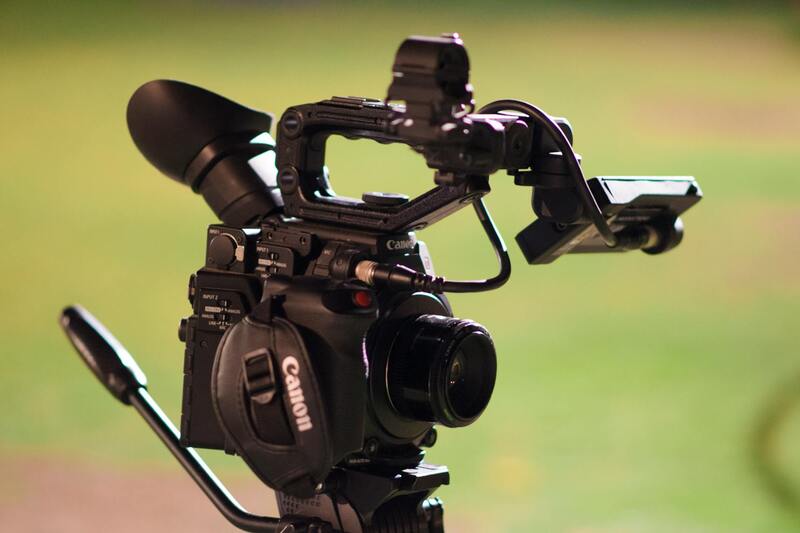
Equipment quality directly influences the visual and audio clarity of your corporate video. High-definition cameras, professional lighting, and advanced sound recording devices help capture the nuance and professionalism your brand deserves. Partnering with skilled videographers, editors, and sound engineers in Miami guarantees that every element aligns with industry standards and your specific branding needs.

Post-Production and Quality Assurance
The post-production stage involves editing, color grading, sound mixing, and integrating visual effects that enhance storytelling. It is essential to employ structured review processes where multiple stakeholders assess drafts, providing constructive feedback that refines the final product. Ensuring consistency in branding elements like logos, color schemes, and messaging across all versions elevates the professional appearance of your video.
Ensuring Compliance and Brand Integrity
Throughout the production process, maintaining adherence to brand guidelines and content standards is vital. This not only preserves brand consistency but also ensures that your corporate message aligns with industry regulations and internal policies. Verifying all claims and representations in the video avoids potential misunderstandings or miscommunications, fostering trust and credibility with your audience.
Security and Confidentiality Measures
When dealing with sensitive corporate information, it is crucial to implement strict confidentiality protocols. Using secure data transfer methods, signed nondisclosure agreements, and restricted access to project files helps protect proprietary content and intellectual property throughout production and distribution phases.

Legal and Ethical Considerations
Producing a corporate video involves adherence to ethical standards and the proper handling of licensed content, trademarks, and intellectual property rights. Securing necessary permissions and clearances prevents legal disputes and upholds the integrity of your brand. Additionally, transparent representation of your company’s offerings and compliance with advertising standards fortifies your professional reputation.
By following these comprehensive, authorized methods for corporate video production in Miami, businesses can create impactful, trustworthy visual content that effectively communicates their message, enhances brand visibility, and drives engagement. Building a robust strategy, collaborating with professional partners, and ensuring compliance at every step form the backbone of meaningful corporate video initiatives.