
Overview of Corporate Video Production Costs
Understanding the financial aspects of corporate video production is essential for businesses aiming to optimize their marketing and communication strategies. The total cost of producing a corporate video encompasses various elements, including pre-production planning, the actual filming process, and post-production editing. A well-structured budget allows companies to allocate resources effectively, ensuring that the final product aligns with their strategic goals without overspending. Recognizing the components influencing these costs helps organizations make informed decisions, select suitable vendors, and maintain control over their project expenses. Given the increasing importance of visual content in today’s digital environment, investing in a high-quality corporate video not only enhances brand credibility but can also deliver substantial return on investment. This section delves into the primary factors that contribute to the overall production costs, setting the foundation for accurate budgeting and successful execution.
Key Factors Influencing Production Costs
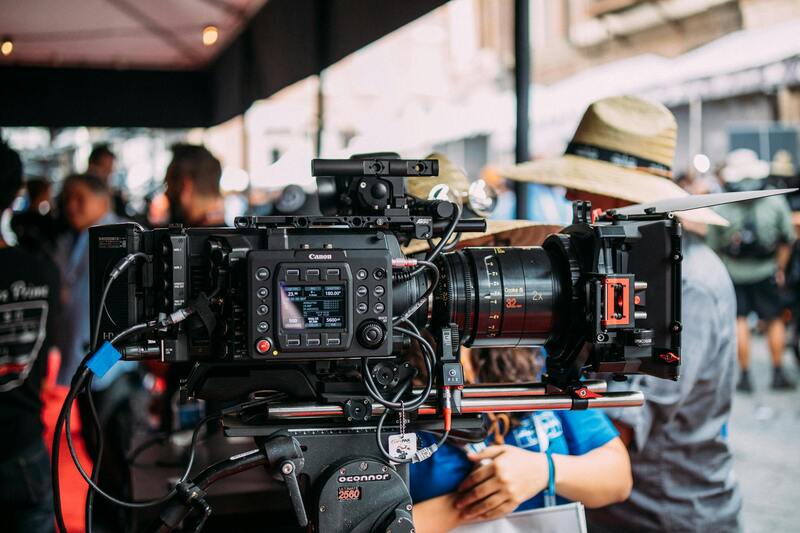
Understanding the primary elements that shape the overall cost of corporate video production is vital for effective budgeting and project planning. Several core factors directly impact how much a business will need to allocate financially, including the complexity of the video, its length, location requirements, talent involvement, and technological needs. Each of these aspects contributes uniquely to the final expense, and recognizing their influence enables companies to manage expectations and make informed decisions when engaging with production vendors.
Video Complexity and Content Scope
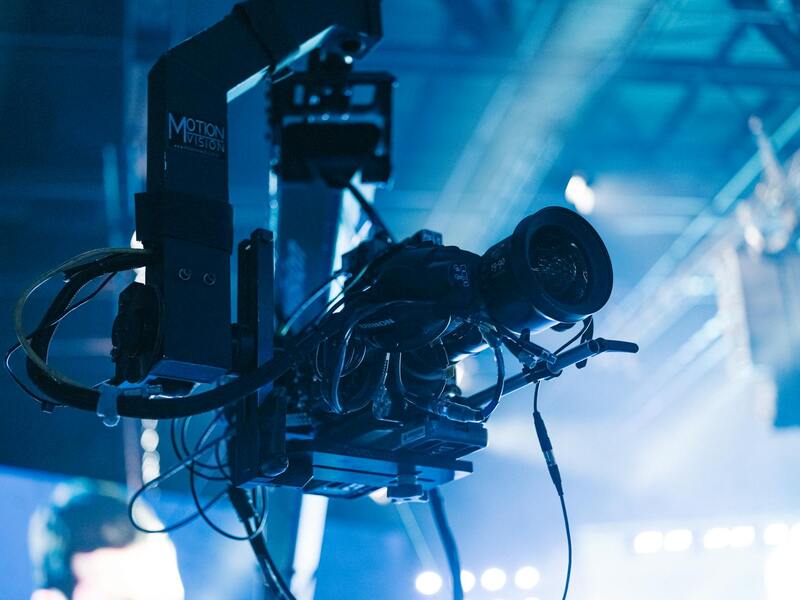
The intricacy of the video’s concept significantly impacts costs. High-production-value videos that incorporate advanced animations, motion graphics, or multiple scenes generally demand more resources and specialized expertise. For instance, a simple talking-head presentation will typically cost less than a cinematic promotional video involving complex visual effects or multi-act storytelling. Businesses should evaluate their message delivery needs carefully to balance quality and budget.
Duration of the Video
The length of the final video influences both filming and editing expenses. While shorter videos (around 1-3 minutes) are often sufficient for social media campaigns, longer corporate overviews or training videos can extend production hours, increase staffing needs, and raise editing costs. Proper planning ensures the duration aligns with intended use without unnecessary expenditure.
Location and Shooting Environment
Filming location plays a major role in cost determination. On-site shoots at commercial venues, outdoor settings, or multiple locations require transportation, permits, and locale-specific equipment, all of which contribute to expenses. Conversely, studio shoots offer controlled environments but might involve additional rental fees. The choice of location must align with project scope and budget constraints.
Talent and Crew Requirements
The caliber of talent involved, including actors, presenters, or voiceovers, affects costs. Hiring professional talent with specialized skills or celebrity figures will generally increase expenses, whereas using internal staff or stock voiceovers may be more budget-friendly. Additionally, the size of the crew needed—ranging from minimalist teams to full production units—also influences overall spend.
Equipment and Technology Needs
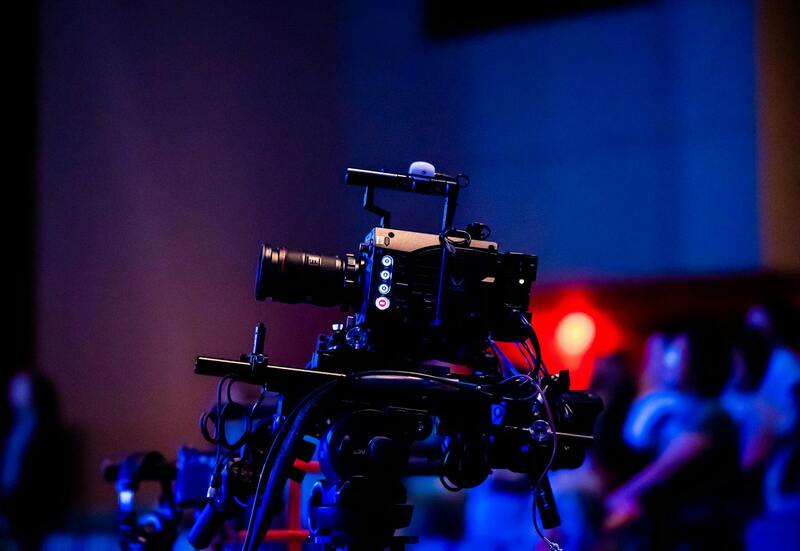
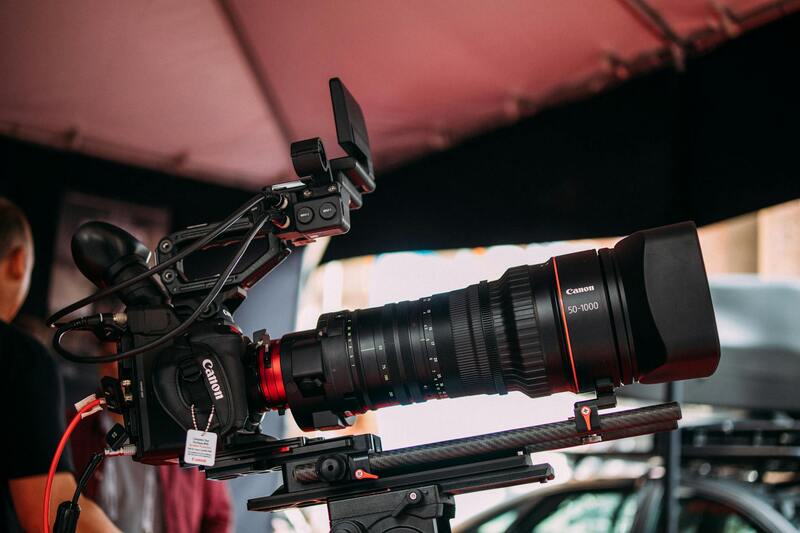
State-of-the-art filming equipment, lighting, and sound recording tools contribute significantly to production quality but may also elevate costs. Some projects require aerial drone shots, 4K or 8K resolution cameras, or advanced stabilization gear, all adding to expense. Planning for the appropriate technology ensures the final output meets desired standards without unnecessary overspending.
Considering these factors thoroughly during the initial planning phase enables companies to develop realistic budgets that reflect their specific project requirements. Balancing quality expectations and resource allocation requires a detailed understanding of how each element influences the total cost, paving the way for successful project management and optimal financial investment in visual content.
Average Cost Range for Corporate Videos
Corporate video production costs can vary widely depending on the scope, complexity, and quality desired. In Miami, businesses typically allocate budgets ranging from several thousand to tens of thousands of dollars for professionally produced videos. Basic explainer videos or short promotional clips often fall within the range of $3,000 to $8,000. These projects typically involve straightforward scripting, simple on-camera talent, and limited post-production editing.
On the other hand, mid-tier corporate videos, which may include multiple locations, professional actors, and enhanced visual effects, tend to cost approximately $10,000 to $25,000. They often incorporate high-quality graphics, advanced editing techniques, and possibly creative storytelling elements.
High-end corporate productions, such as cinematic company profiles or product launch videos with extensive post-production, aerial footage, and specialized crew, can reach costs upwards of $30,000 to $100,000 or more. These projects require meticulous planning, top-tier talent, premium equipment, and comprehensive post-production work to achieve their ambitious visual standards.
It is essential for Miami-based companies to align their creative ambitions with their budget constraints, ensuring the final product effectively communicates their message while maintaining financial prudence.

Cost Breakdown by Production Stage
Understanding the distribution of costs across various phases of production helps in precise budgeting and resource allocation. The main stages include pre-production, production, and post-production, each contributing differently to the overall expense.
- Pre-Production: Planning, scriptwriting, storyboarding, location scouting, and obtaining permits. This stage usually accounts for 10-20% of total costs and is crucial for setting the foundation of the project.
- Production: Actual filming, which encompasses crew wages, talent fees, equipment rentals, and logistical expenses. This phase often consumes 40-50% of the budget, especially if multiple days of shooting or specialized equipment are involved.
- Post-Production: Editing, color grading, visual effects, sound design, and music licensing. Post-production can range from 30-40% of the total budget, particularly for projects requiring extensive editing work or special effects.
Allocating costs appropriately among these stages ensures that each segment receives sufficient resources to meet quality standards while avoiding overspending.
The Impact of Video Quality and Style on Cost
The desired final appearance and stylistic approach significantly influence the budget. A simple talking-head video or animated explainer might be produced cost-effectively, focusing on clear messaging and minimal aesthetic embellishments. Conversely, highly cinematic productions with elaborate lighting, set design, multiple camera angles, and visual effects inevitably increase costs.
Additionally, stylistic choices such as 4K or 8K resolution filming, drone cinematography, or virtual sets contribute to elevated expenses due to specialized equipment and expertise required. Choosing a contemporary, high-quality style aligned with brand identity can raise initial investment but ultimately delivers a more compelling and memorable viewer experience.
Detailed Cost Breakdown by Production Stage
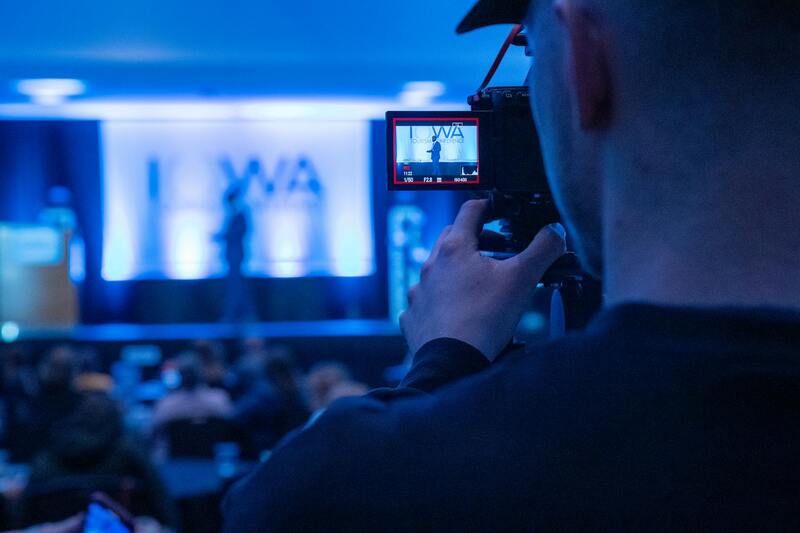
Understanding the financial components of corporate video production requires a thorough examination of each phase. The process is typically divided into three main stages: pre-production, production, and post-production, each with its own set of cost considerations.
Pre-Production Expenses
Pre-production is foundational, covering activities such as scriptwriting, storyboarding, location scouting, and casting talent. Costs in this phase often include hiring scriptwriters, directors, and casting agents, as well as securing permits and location fees. Additionally, planning meetings and logistical arrangements contribute to the initial expenditure. Precise planning minimizes unforeseen expenses during subsequent stages.
Production Costs
This stage involves the actual filming process, where expenses tend to be the most variable. Key costs encompass equipment rentals—such as cameras, lighting, and sound gear—alongside crew wages, which depend on the duration and complexity of the shoot. Talent fees, whether for on-camera talent or voice-over artists, also form a significant part of the budget. Complex scenes requiring special effects, elaborate sets, or multiple shooting days will incrementally raise costs.
Post-Production Spending
Following filming, post-production consolidates editing, color correction, visual effects, and sound design. Licensing music or creating custom soundtracks also fall under this category. The extent of editing and effects required, especially for animated or high-end productions, significantly influences expenses. High-resolution rendering and virtual editing environments demand additional investments, aligning with the desired final product quality.

Impact of Video Quality and Style on Cost
The level of detail and stylistic choices made during production are critical cost determinants. For straightforward videos such as interviews or corporate testimonials, costs remain relatively moderate, as these projects require minimal setup and editing. Conversely, cinematic or animated productions involve intricate designs, specialized equipment, and advanced post-production work, substantially elevating the budget.
Factors influencing costs due to style include:
- Resolution choices, such as 4K or 8K filming, which demand high-end cameras and increased storage capacity.
- The use of drone footage or virtual sets, which necessitate additional hardware, licensing, and trained operators.
- Visual effects, motion graphics, and CGI renderings, often requiring skilled artists and longer rendering times.
- Lighting complexity, set design, and multiple camera angles to achieve a cinematic look, all of which increase production hours and equipment needs.
While higher-quality and stylistically elaborate videos entail larger investments upfront, they often yield better engagement and brand perception, making them a strategic investment for impactful corporate storytelling.
Cost Breakdown by Production Stage
Understanding the detailed costs associated with each phase of corporate video production helps organizations plan effectively and allocate budgets accurately. The process typically divides into pre-production, production, and post-production, each contributing distinct expenses that cumulatively influence the final corporate video production cost.
Pre-Production Expenses
This initial phase involves conceptual development, scriptwriting, storyboarding, location scouting, cast and crew planning, and securing necessary permits. Pre-production costs depend on the video's complexity, script length, and outline clarity. For instance, a straightforward testimonial video requires minimal scripting and no elaborate planning, resulting in lower pre-production expenses. Conversely, a branded video with multiple scenes, actors, and complex logistics will involve higher planning costs.
- Concept development and scripting: Usually includes consultant or scriptwriter fees and multiple revisions to align the message.
- Storyboarding: Visual planning to guide filming, especially important for animated or cinematic projects.
- Location scouting and permits: Cost varies based on site accessibility and legal requirements.
- Casting and talent fees: Engagement of professional actors or voice-over artists involves contractual payments and session fees.
- Equipment and personnel planning: Ensuring the right gear and crew are scheduled and available.
Production Expenses
During this phase, actual filming takes place, involving camera crews, lighting technicians, actors, and on-site equipment setup. Production costs are heavily influenced by the scale of the shoot, the equipment used, and the location. For example, shooting in multiple locations or utilizing drone footage increases expenses. Additionally, the use of high-end cameras, cranes, steadicams, or virtual sets adds to the cost. Budgeting carefully for production ensures quality visuals without unnecessary expenditure.
- Camera and equipment rentals: High-quality cameras, lenses, stabilizers, and lighting setups have distinct costs.
- Personnel: Fees for camera operators, lighting technicians, and direction staff.
- Talent: Actor fees, on-screen talent, or voice-over artists, based on union rates and usage rights.
- Location fees and permits: Variable depending on the site and duration of the shoot.
- Additional gear: Drones, special rigs, or virtual set integrations.
Post-Production Costs
After filming completes, editing begins, which is critical to accomplishing the desired look and message delivery. Post-production expenses include video editing, color grading, visual effects, motion graphics, sound design, and voice-over recording. Advanced projects featuring CGI, animations, or intricate effects require skilled editors and longer rendering times, influencing the final cost.
- Editing and color grading: Professional editors craft the narrative flow and visual tone.
- Visual effects & CGI: Incorporating graphic elements, special effects, or animations significantly affects expenses.
- Sound design & music: Licensing rights, sound editing, and original scoring add to costs.
- Subtitles and translations: Often necessary for broader reach, incurring additional expenses.
- Rendering and delivery: Final formatting, quality checks, and multiple revisions contribute to the overall budget.
Impact of Video Quality and Style on Cost
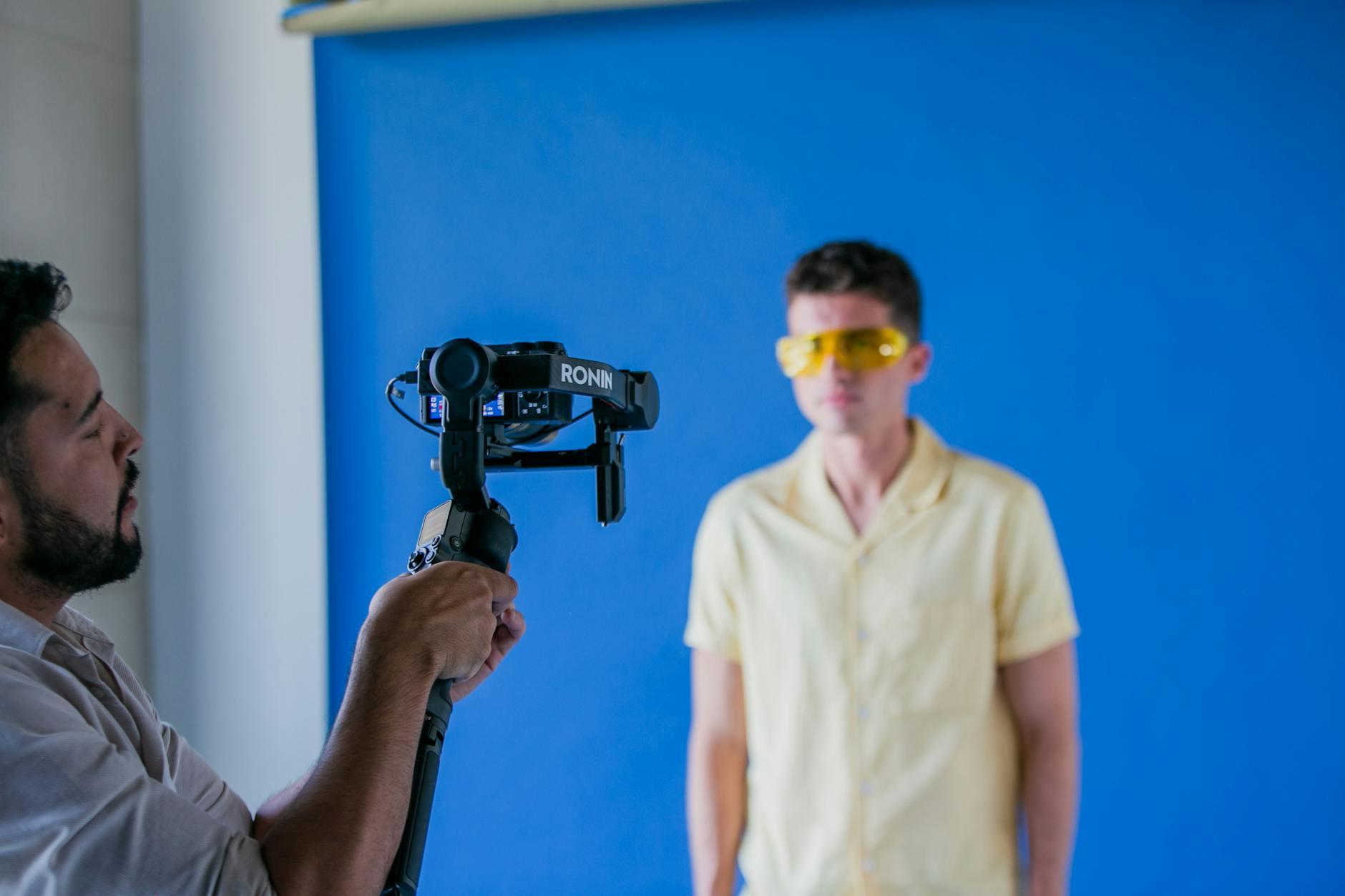
The desired quality and stylistic approach of a corporate video significantly influence the overall production budget. A high-definition cinematic style, featuring premium visuals, complex lighting, and advanced camera movements, typically demands higher expenditure. Conversely, simpler styles like talking head interviews or basic animated videos tend to incur lower costs but may still vary depending on specific requirements.
Furthermore, the choice of style impacts not just shooting expenses but also post-production. Elegant motion graphics, elaborate visual effects, or animated sequences can substantially raise costs due to the need for specialized skills and extended editing time. In addition, selecting a sophisticated color grading or unique visual theme can enhance the professional appearance of the video, but often at the expense of increased work hours and technical resources.
Balancing quality with budget constraints involves strategic planning—identifying which elements are essential for conveying the brand message effectively while avoiding unnecessary embellishments that inflate the budget. Clear communication with the production team regarding style preferences ensures that expectations align with financial limits, fostering more efficient resource allocation.
Ultimately, the chosen style impacts every phase of production from pre-visualization and shooting to post-production, dictating the tools, talent, and time required to deliver a compelling final product. Effective planning and a well-articulated vision help ensure the quality of the video aligns with the budgetary expectations, delivering maximum value and impact for the investment.
Additional Costs to Consider
Beyond the core expenses associated with filming, a variety of supplementary costs can influence the overall corporate video production budget. These expenses may not be immediately apparent during initial planning but are essential to consider for an accurate financial overview.
Licensing and Permits
Securing appropriate licenses and permits is often necessary to film in certain locations or showcase copyrighted materials. These costs vary depending on the complexity of the shoot site and the specific rights required. For instance, filming on private property may necessitate location releases, while public spaces might demand permits issued by local authorities. Licensing music, stock footage, or proprietary graphics used within the video also involves additional fees that can impact the project's final cost.
Distribution and Marketing Expenses
Creating a high-quality corporate video is only part of the process. Distributing the content across various channels—such as social media platforms, email campaigns, or internal networks—can incur costs related to platform advertising, paid boosts, or promotional partnerships. Additionally, formatting the video for multiple platforms, including different screen sizes and aspect ratios, may require extra editing services to ensure optimal presentation, thereby increasing the total expenditure.
Post-Production Enhancements
While basic editing forms the foundation of post-production, additional enhancements can significantly influence costs. These include advanced visual effects, 3D animations, and detailed motion graphics that add polish and professionalism to the final product. High-quality color grading, sound design, and voice-over work also contribute to the overall expense, especially when leveraging top-tier specialists to achieve a refined and impactful appearance.
Contingency Funds
Unexpected circumstances can arise during production, such as weather delays, equipment malfunctions, or last-minute creative revisions. Allocating a contingency budget—typically around 10-15% of the estimated costs—ensures the project can navigate these challenges without compromising quality or deadlines.

Choosing a Production Agency and Cost Management
Selecting a competent production partner is crucial for balancing quality and budget. Transparent communication about expectations, deliverables, and financial limits helps establish a productive working relationship. Many Miami-based video agencies offer tailored packages that align with specific budget constraints while maintaining high production standards. Engaging a firm experienced in corporate videos ensures efficient resource use, minimizes unforeseen expenses, and guarantees a professional outcome. Regular progress reviews and clear milestones enable ongoing cost tracking, allowing clients to make informed decisions throughout the production process.
Additional Costs to Consider in Corporate Video Production
While core production expenses often dominate the budget, several supplementary costs can influence the overall corporate video production cost. Recognizing and planning for these additional expenses allows businesses in Miami to create a comprehensive and realistic budget, minimizing surprises and ensuring the project’s success.
Post-Production Enhancements
Post-production is a pivotal phase that shapes the final product’s quality and professionalism. High-quality editing involves color correction, sound mixing, and visual effects. Enhancements such as motion graphics, visual effects, and 3D animations can significantly elevate the video's appeal but often come with higher costs. These elements require specialized skills and advanced software, which translate into additional fees. Moreover, professional voice-over work and sound design necessitate hiring experienced talent, adding to the overall expense. Businesses aiming for a polished, impactful video should consider these factors when budgeting, as they directly influence the final quality and viewer engagement.
Distribution and Marketing
Creating the video is only part of the process. Distributing the content effectively across various channels—such as social media, website placements, email campaigns, and internal communications—entails additional costs. Paid advertising, boosted posts, or platform-specific promotional services can increase reach but also add to the overall project expenses. Additionally, if the video is expected to perform a specific role in a broader marketing strategy, the company may need to invest in targeted campaigns, analytics tools, and content optimization, further elevating the total investment required.
Legal and Licensing Fees
To ensure smooth production and distribution, it is essential to consider legal and licensing expenses. These include obtaining rights for music tracks, stock footage, or proprietary visuals used within the video. Employing licensed music and visuals guarantees compliance and avoids potential issues that could delay the project or incur penalties. Furthermore, hiring legal consultation for contracts, talent releases, and rights management helps protect all parties involved—adding an extra layer of security but also incurring costs. Although necessary, these expenses should be factored into the overall budget to prevent unforeseen financial constraints late in the project's lifecycle.
Opportunities for Cost Optimization
Effective management and strategic planning can help control and reduce some of these additional costs without compromising quality. For instance, opting for stock footage or royalty-free music can significantly decrease expenses. Prioritizing essential visual effects and animations limits over-investment in unnecessary enhancements. Choosing a production partner experienced in cost-efficient practices ensures resource optimization, enabling high standards within a manageable budget. Additionally, establishing clear project timelines and milestones minimizes delays and costly revisions, contributing to overall cost savings.