
Understanding the Role of a Corporate Video Producer
A corporate video producer plays a pivotal role in creating visual content that effectively communicates a company's message, brand identity, and values. From initial conceptualization through to final editing, their responsibilities encompass a wide range of tasks geared toward producing high-quality videos that resonate with the targeted audience. This professional acts as a project manager, overseeing every stage of the production process, ensuring that each component aligns with the client's objectives and standards.
The process begins with thorough planning, where the producer collaborates with stakeholders to understand the desired message, target demographic, and overall goals of the video campaign. This includes developing a scripting outline, storyboarding, and determining the appropriate style and tone for the project. Once the creative direction is established, the producer coordinates the logistics of filming, including location scouting, crew hiring, casting, and equipment rental, all while maintaining adherence to budget and timeline constraints.
During production, the producer supervises the filming process, ensuring that all scenes are captured as planned, with attention to technical details such as lighting, sound, and shot composition. After filming, the post-production phase involves editing, visual effects, color grading, and sound design, where the producer works closely with editors and graphic artists to refine the final product. The goal is to produce a cohesive, engaging video that effectively communicates the intended message and aligns with branding standards.

Throughout the project, the corporate video producer ensures clear communication among all parties involved, manages deadlines, and maintains quality control. Their expertise not only guarantees a seamless production process but also ensures the final product supports the company's marketing, training, or corporate communication objectives. By leveraging their skills and industry knowledge, a professional corporate video producer creates compelling content that helps businesses establish authority, engage audiences, and achieve measurable results.
Understanding the Role of a Corporate Video Producer
A corporate video producer acts as the central coordinator and visionary behind the creation of professional video content tailored to a company’s specific communication goals. This role encompasses a broad set of responsibilities that span from initial concept development to final delivery, ensuring that each phase aligns seamlessly with the project’s strategic objectives.
The producer begins by collaborating closely with clients to understand their messaging, target audience, and branding standards. They facilitate brainstorming sessions, develop storyboards, and establish the overall style and tone of the video. Once the creative framework is set, the producer undertakes logistical planning, including scouting suitable filming locations, selecting and hiring skilled crew members, sourcing actors or presenters if needed, and securing necessary equipment rentals. Effective resource management and timeline adherence are vital to keep the project on track and within budget.
During the filming stage, the producer supervises all activities on set, ensuring technical accuracy and creative consistency. They coordinate camera operators, sound engineers, lighting technicians, and talent to capture footage that fulfills the storyboard’s vision. Attention to detail during this phase prevents costly reshoots and maintains production quality. Post-production is a collaborative effort between the producer, editors, sound designers, and visual effects artists. The producer oversees editing decisions, reviews rough cuts, and guides the integration of graphics, color grading, and sound design to craft a polished final product.

Beyond technical execution, a corporate video producer manages communication channels among all stakeholders to foster clarity and efficiency. They monitor project timelines meticulously, troubleshoot unforeseen issues, and uphold quality standards throughout. This role is pivotal in ensuring that the final output not only meets creative expectations but also aligns perfectly with branding mandates and strategic goals. Through their expertise, a professional producer transforms concepts into engaging visual stories that amplify corporate identity, foster stakeholder engagement, and drive measurable outcomes.
Key Skills and Qualities of a Professional Corporate Video Producer
- Creativity and Vision: Ability to conceptualize compelling stories that resonate with target audiences.
- Technical Proficiency: Deep understanding of filming, editing, and post-production tools to ensure quality and efficiency.
- Project Management Skills: Ability to coordinate and oversee all aspects of production, from budgeting to scheduling.
- Branding Expertise: Knowledge of how to craft content that aligns with corporate branding and messaging standards.
- Communication Skills: Clear articulation of ideas and constant liaison with clients, crew, and talent.
- Problem-Solving Aptitude: Quick thinking to address challenges that arise during production.
- Attention to Detail: Ensuring technical and creative elements are meticulously managed for a cohesive final product.
- Industry Knowledge: Up-to-date awareness of emerging trends and best practices within corporate video production sectors.
Employing these skills ensures the creation of high-impact videos that elevate brand presence, facilitate effective communication, and support business objectives. Whether producing content for internal training, marketing campaigns, or stakeholder relations, a professional producer’s expertise significantly influences the overall effectiveness and reach of corporate video initiatives.
Technical Aspects and Quality Assurance in Corporate Video Production
Ensuring the technical excellence of a corporate video demands meticulous attention to detail throughout all stages of production. A proficient corporate video producer employs advanced filming techniques, high-quality equipment, and sophisticated editing software to craft visually compelling content. This technical expertise not only enhances the aesthetic appeal but also ensures the final product meets industry standards for clarity, sound quality, and visual consistency.
Precise color grading, seamless transitions, and balanced audio are crucial elements managed during post-production. These components collectively create a polished look that aligns with the client's branding identity and professional image. A seasoned producer will implement quality control protocols, including review cycles and client feedback sessions, to rectify issues early and refine the final output.

Security and Data Management in Corporate Video Projects
Handling sensitive or proprietary information is a critical element of professional corporate video production. Experienced producers implement secure workflows to protect confidential data, including encrypted file transfers, restricted access, and comprehensive data management policies. This diligent approach safeguards the organization's intellectual property and ensures compliance with any relevant privacy standards.
Effective data management also extends to backup and storage solutions, preventing any loss of footage or assets during the production process. Producers may collaborate with secure cloud platforms or dedicated storage services to maintain integrity and facilitate smooth collaboration among team members and clients.
Legal Considerations and Contracts in Corporate Video Production
Professional corporate video production involves clear contractual agreements that outline scope, rights, and deliverables. These contracts specify licensing terms, usage rights, and intellectual property ownership, providing clarity and legal protection for both parties. A reputable producer ensures that all content rights are explicitly transferred or licensed according to project needs, avoiding future disputes.
Additionally, detailed agreements include provisions for copyright clearances, talent releases, location permits, and compliance with industry standards. Engaging legal counsel or using detailed templates can facilitate comprehensive contracts that align with the scope of work and protect client interests throughout the production process.
Understanding the Role of a Corporate Video Producer
A corporate video producer plays a pivotal role in the creation of professional visual content that aligns with a company's strategic objectives. This individual manages the entire lifecycle of video projects, from initial concept development to final delivery. Their responsibilities include coordinating between clients, creative teams, and technical personnel to ensure the production process remains seamless and efficient. A skilled producer acts as a bridge, translating brand messages into compelling visual narratives that resonate with target audiences, whether for internal communications, marketing campaigns, or stakeholder presentations.

In addition to creative oversight, a corporate video producer must possess a comprehensive understanding of technical aspects such as lighting, sound, and editing workflows. They ensure all technical elements meet professional standards, coordinating with cinematographers, editors, and motion graphic artists. The ability to adapt to evolving technology and trends in video production is essential, as is the capacity to manage multiple projects simultaneously while maintaining strict schedules and budgets. They also oversee post-production processes, including editing, sound design, and color grading, to deliver a polished final product.
Key Skills and Qualities of a Professional Corporate Video Producer
Successful corporate video producers exhibit a blend of technical expertise, creative vision, and project management skills. They demonstrate excellent communication abilities, facilitating clear dialogue among team members and clients to extract the core message of each project. Leadership and organizational skills enable producers to coordinate diverse crews, handle logistical challenges, and keep projects on track within designated budgets.
- Technical Proficiency: Deep understanding of camera operation, lighting, sound equipment, and editing software.
- Creativity and Vision: Ability to conceptualize engaging storylines aligned with brand identity.
- Project Management: Skilled in planning, scheduling, and resource allocation.
- Interpersonal Skills: Building rapport with clients and team members for smooth collaboration.
- Adaptability: Flexibility to respond to unforeseen challenges during production.
Types of Corporate Videos and Their Purposes
Corporate videos encompass a broad spectrum of content tailored to various objectives. Understanding these types helps in selecting the right approach for specific communications needs. Different formats serve distinct functions, from brand storytelling to training and informational content.
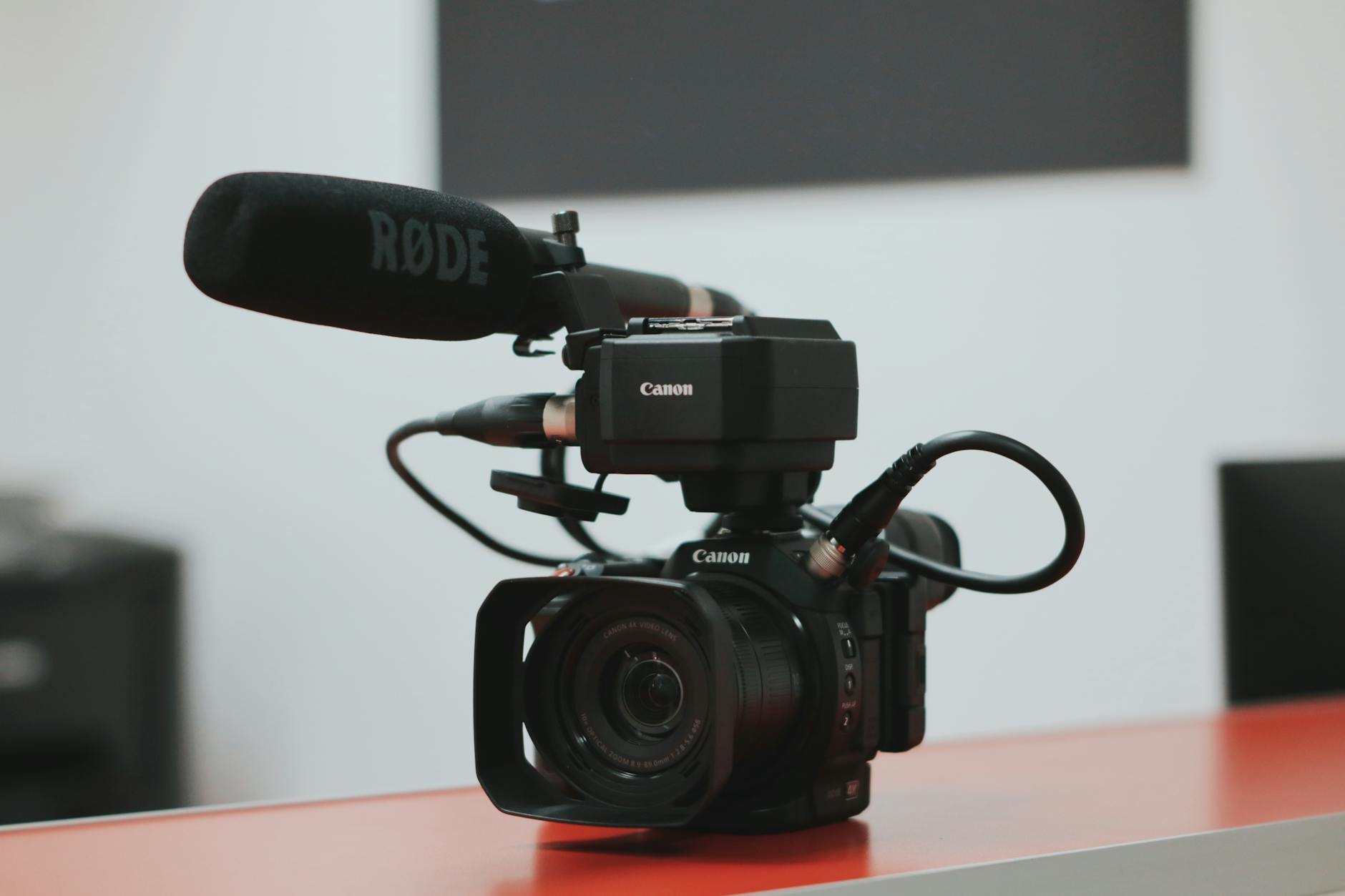
- Brand Videos: Designed to enhance brand awareness and showcase company values through compelling storytelling.
- Explainer Videos: Simplify complex products or services, making them accessible and engaging for target audiences.
- Product Demonstrations: Highlight key features and benefits of products to entice potential customers.
- Corporate Training Videos: Facilitate employee onboarding and ongoing development through instructional content.
- Internal Communications: Share updates, success stories, and company news to foster engagement within the organization.
- Event Coverage: Document conferences, seminars, and other corporate events for promotional or archival purposes.
Each type of video requires a tailored approach, from scripting and shot list development to post-production editing. Proper planning ensures the final product not only aligns with organizational goals but also effectively captures the target audience’s attention.
Advance Planning and Legal Considerations in Corporate Video Production
Effective corporate video production necessitates meticulous planning and adherence to established procedures to ensure the final product aligns with organizational goals. A significant aspect of this process involves securing the right permissions and clearances to utilize location footage, brand assets, music, and talent. Securing permits for shooting in private or public spaces helps avoid potential disruptions or legal complications during production. Likewise, obtaining rights for copyrighted materials, such as music or stock footage, is essential to prevent copyright infringement issues that could impact the distribution or perception of the final video.
Collaborating with a reputable corporate video producer involves ensuring all contractual agreements explicitly define project scope, deliverables, timelines, and payment terms. These contracts should spell out the rights regarding the final video, including usage rights, distribution scope, and any limitations. Conducting a thorough briefing with the production team helps clarify objectives, brand guidelines, and approval processes, reducing misunderstandings and rework later in the project.

Additionally, it is prudent to review and adhere to any industry-specific regulations or compliance standards relevant to the content, such as employment or advertising laws. Consulting legal professionals or experienced production specialists can help identify and address potential regulatory concerns before filming begins, safeguarding against delays or legal disputes.
Incorporating these structured methods fosters transparency and professionalism, ensuring the production stays within scope, on schedule, and aligns with your strategic objectives. This rigorous approach contributes significantly to creating impactful corporate videos that resonate with audiences while maintaining operational integrity throughout the process.

Understanding the Role of a Corporate Video Producer
A corporate video producer functions as the driving force behind the creation of compelling visual content that aligns with a company's branding and strategic goals. This professional manages every aspect of video production, from concept development to final delivery, ensuring each project meets the client’s expectations and regulatory standards. They serve as a bridge between the client’s vision and the technical execution, coordinating creative teams, technical specialists, and stakeholders to achieve a cohesive result.
The core responsibilities of a corporate video producer include developing detailed project plans, overseeing scripting and storyboarding, selecting suitable locations, coordinating scheduling, managing production crews, and supervising post-production activities such as editing and visual effects. They are also responsible for ensuring the final product adheres to brand guidelines, maintains high-quality standards, and effectively communicates the intended message.
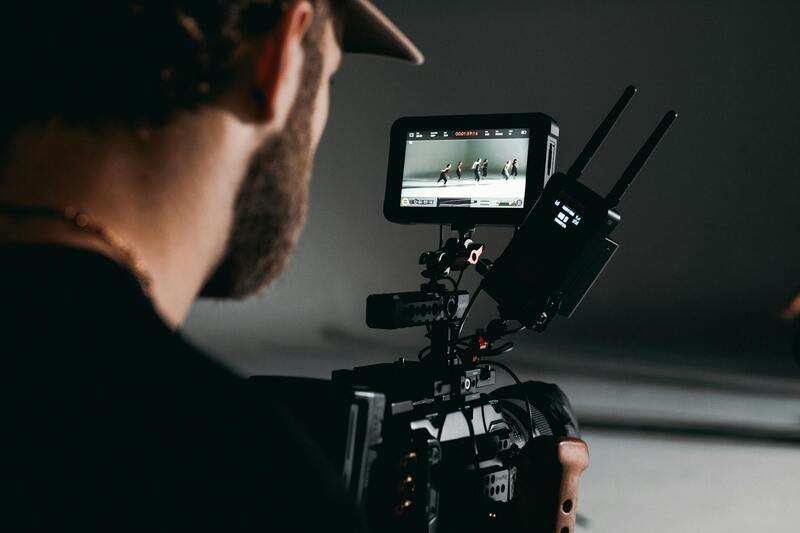
In the context of Miami’s vibrant business environment, a corporate video producer must also be adept at navigating local regulations, codecs, and industry standards to produce content that resonates locally while appealing to broader audiences. Their expertise extends beyond creative direction to include project management skills, technical knowledge, and an understanding of audience segmentation, ensuring the final video maximizes engagement and impact.
Collaborating effectively with clients and creative teams, a professional corporate video producer maintains a keen eye on timelines, budgets, and legal considerations, minimizing risks and optimizing resources throughout the project lifecycle. This comprehensive approach ensures that each project not only achieves its communication objectives but also upholds the company’s reputation and operational integrity.
Key Skills and Qualities of a Professional Corporate Video Producer
- Creative Vision: Ability to conceptualize compelling stories that captivate the target audience.
- Technical Proficiency: Knowledge of camera equipment, editing software, and visual effects tools.
- Project Management: Skills to coordinate multiple tasks, meet deadlines, and manage resources effectively.
- Communication Skills: Clear articulation of ideas and active listening to understand client needs.
- Problem-Solving: Quick identification and resolution of challenges during production.
- Industry Knowledge: Awareness of current trends, standards, and compliance requirements.
These competencies enable a corporate video producer to craft messages that resonate, deliver on strategic goals, and reinforce brand identity effectively, especially within Miami’s diverse market landscape.
Types of Corporate Videos and Their Purposes
Different corporate videos serve specific functions to address varying communication needs:
- Brand Awareness Videos: Designed to introduce or reinforce brand identity, emphasizing company values and establishing credibility.
- Product Explainer Videos: Focus on demonstrating product features, benefits, and usage instructions to educate potential customers.
- Training and Educational Videos: Facilitate employee development and onboarding processes by delivering consistent learning content.
- Internal Communication Videos: Foster employee engagement through updates, success stories, and executive messages.
- Event Coverage Videos: Capture live events to extend reach and preserve company milestones.
- Customer Testimonials and Case Studies: Showcase real-life success stories to build trust with prospects.
Each video type requires tailored approaches in scripting, style, and distribution strategy to ensure optimal impact in Miami’s competitive environment.
Choosing a Corporate Video Producer in Miami
When selecting a corporate video producer, it's crucial to evaluate their local expertise, portfolio, and understanding of your industry sector. An ideal partner demonstrates a proven track record of creating engaging content for businesses within Miami’s unique market context.
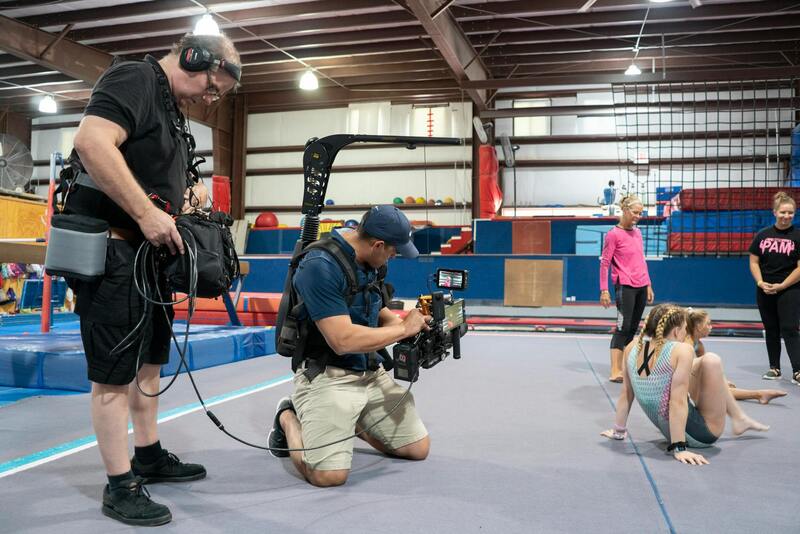
Additionally, assess their capabilities in managing different types of videos, their professionalism in communication, and their capacity to adhere to project timelines and budgets. Understanding their creative process and how they handle revisions, approvals, and legal clearances will facilitate smoother collaboration and outcomes that align with your strategic goals.
Finally, consider the producer’s technological resources, post-production facilities, and client testimonials or case studies. Ensuring a good fit can significantly influence the efficiency of the project and the overall success of your corporate video initiatives in Miami’s competitive market.
Developing a Clear Timeline and Workflow
Establishing an efficient timeline is fundamental to the success of any corporate video project. A detailed project schedule outlines each phase, from initial concept development through post-production editing. It ensures all stakeholders are aligned and deadlines are met without compromising quality. Typically, the process begins with a discovery phase, where the producer audits your objectives, audience, and brand messaging. This phase sets the groundwork for scriptwriting, storyboarding, and creative concept approval.
Once concepts are approved, the pre-production stage involves logistical planning, including casting, location scouting, and scheduling filming dates. Close collaboration during this phase helps identify potential hurdles early, allowing ample time to address unforeseen issues.
During the production phase, the corporate video producer manages the on-site filming, ensuring technical and creative standards are maintained throughout. Post-production then ensues, where editing, sound design, color grading, and visual effects are added to craft a polished final product. Clear communication and regular updates help keep the project on track and allow for timely revisions.
Effective Communication and Feedback Loops
Maintaining open lines of communication with your producer minimizes misunderstandings and enhances the quality of the final output. Establishing regular check-ins or review sessions during each stage of production allows stakeholders to provide feedback, make necessary adjustments, and approve milestones before progressing. This collaborative approach fosters alignment with your strategic objectives and ensures the final video resonates with your target audience.
Understanding Revisions and Approval Processes
Clarify the revision policies from the outset, including the number of requests allowed without additional charges and the timeline for approvals. A transparent process ensures that the creative vision is preserved while respecting project constraints. Properly managed revisions reduce delays, control costs, and contribute to a smoother production cycle.
Finalizing and Distributing Your Corporate Video
Launching an effective corporate video extends beyond the production phase; it involves strategic distribution and performance evaluation to maximize impact. Once the video reaches its final version, the focus shifts to delivering the content through appropriate channels to reach your target audience effectively. The distribution method depends on your objectives, whether internal communication, client engagement, or brand awareness campaigns.
For internal communication, platforms such as corporate intranets, email newsletters, or internal social media channels ensure your message reaches employees comprehensively. When targeting external audiences, leveraging social media platforms like LinkedIn, Facebook, Instagram, and YouTube enhances visibility and engagement. Embedding videos into your website or landing pages can also improve user interaction and time spent on your digital assets.

Implementing a well-planned distribution strategy involves understanding where your audience consumes content and tailoring your approach accordingly. Paid advertising campaigns, such as targeted social media ads or search engine marketing, can amplify reach and draw specific segments. Collaborating with media partners or industry influencers also offers avenues to extend your content's reach organically.
Monitoring the performance metrics of your corporate video is crucial to assess its success. Metrics such as view counts, engagement rates, click-through rates, and conversion rates provide insights into audience reception and effectiveness. Analytical tools enable you to track these data points over time, helping refine future video marketing strategies and ensuring your content aligns with your overall business goals.
Legal and Ethical Considerations in Distribution
Implementing the appropriate rights management and ensuring compliance with relevant copyright policies are essential when distributing videos. This involves verifying that all content used within the video—such as music, images, or third-party footage—is properly licensed. Transparency about sponsored content and adherence to data privacy regulations also uphold your company's integrity and protect your reputation.
Maintaining Consistency and Brand Alignment
Consistent branding across all distribution channels reinforces your corporate identity. Audiences should recognize your brand’s voice and visual style immediately, whether in social media posts, YouTube descriptions, or website embeds. Developing a content calendar helps schedule releases, maintain message consistency, and leverage peak engagement periods for maximum impact.
Ultimately, an integrated approach that combines strategic distribution with continuous performance measurement enhances the overall return on investment for your corporate video initiatives. Regularly review your strategies, adapt to digital trends, and refine your messaging to stay relevant and maintain engagement within your target market.