
Understanding Corporate Video Making
Corporate video making is a specialized craft focused on creating visual content that effectively communicates a company's brand, values, products, or services. These videos serve as powerful tools for engaging target audiences, enhancing brand recognition, and supporting various business objectives. From introducing a new product to showcasing company culture, corporate videos are versatile assets that can be tailored to meet specific marketing and communication goals.
The core purpose of corporate video production involves conveying messages clearly and convincingly. It encompasses different formats, including promotional videos, training videos, internal communications, and event coverage. These videos are designed with a strategic intent to increase engagement, inform stakeholders, or attract potential clients. The role of such videos extends beyond mere presentation; they act as dynamic media that can significantly influence viewer perception and decision-making processes.
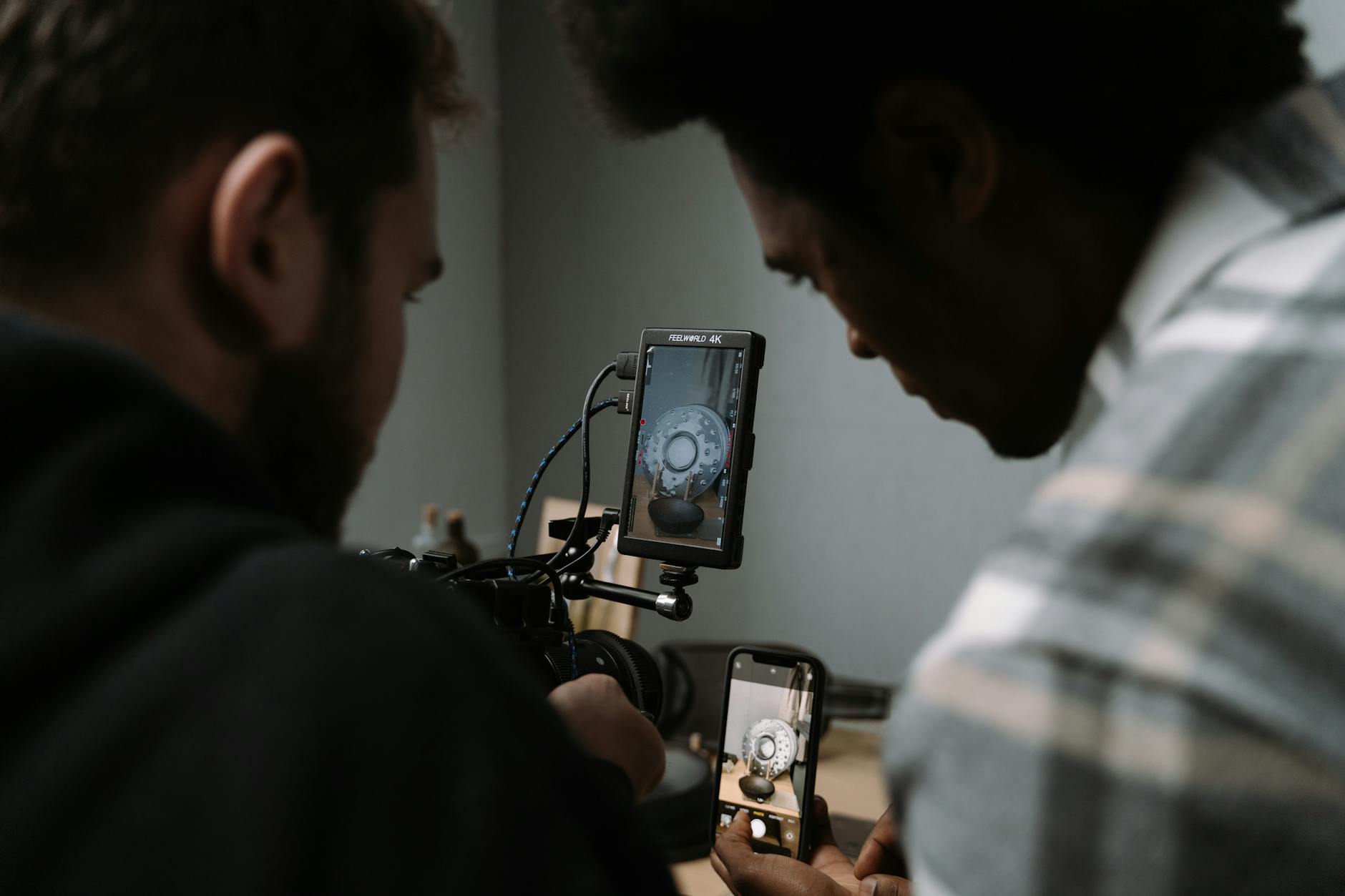
Executing successful corporate video projects involves a thorough understanding of various filmmaking techniques, audience targeting, and message delivery. The process begins with a clear comprehension of the company's vision and goals, which guides the development of content that resonates with viewers. Whether it's through compelling storytelling, high-quality visuals, or clear messaging, corporate videos are crafted to align with marketing strategies and communication needs.
As a cross-disciplinary endeavor, corporate video making requires collaboration among scriptwriters, videographers, editors, and strategists. This integrated approach ensures that every element—from scripting and lighting to sound and editing—serves the overarching purpose. The final product should not only be visually appealing but also authentic, consistent with the company's brand voice, and optimized for the intended distribution platforms.
In the digital age, corporate videos have become central to online branding efforts, supporting a company's digital marketing plans across social media, websites, and email campaigns. They also play a critical role in enhancing internal communication, training initiatives, and stakeholder engagement. Because of their influential nature, investing in professional corporate video production can result in a significant return by elevating brand image and fostering trust among audiences.
Understanding the nuances of corporate video making empowers Miami-based businesses to harness this medium effectively. By leveraging high-quality content, companies can differentiate themselves within competitive markets, build credibility, and nurture long-term relationships with clients, employees, and partners alike.
Planning and Pre-Production Process
Effective corporate video making begins with comprehensive planning and meticulous pre-production. This phase establishes the foundation for a successful project, ensuring that every element aligns with the company's strategic goals. It encompasses defining clear objectives, understanding the target audience, and determining key messages that the video must communicate. Detailed storyboarding and scripting are integral components, allowing stakeholders to visualize the final product and make necessary adjustments early in the process.
Budgeting and scheduling are also crucial during this stage. Establishing a realistic timeline helps manage expectations and resources efficiently. Location scouting and securing permits, if necessary, ensure smooth filming operations, while selecting the appropriate talent and crew lays the groundwork for professional execution. For Miami businesses, considering the local environment, culture, and logistical aspects can greatly influence the planning process, optimizing the use of iconic cityscapes or urban settings to enhance the video’s appeal.
Pre-production also involves technical planning, such as choosing the right equipment and defining the style and tone of the video. This ensures consistency in visual and audio quality, which is essential for maintaining brand integrity. Collaborating with experienced production professionals in Miami, who understand local nuances and industry standards, further streamlines this process, ultimately leading to a polished and impactful corporate video.

Creative Development and Storytelling
At the heart of successful corporate video making lies compelling storytelling. Developing a creative concept that captures the essence of the brand and resonates with the target audience is paramount. This phase involves crafting narratives that are authentic, engaging, and aligned with the company's core values. Stories can range from highlighting company achievements and employee testimonials to showcasing innovative products or community involvement.
Storytelling techniques such as establishing emotional appeal, incorporating customer success stories, and utilizing a clear call-to-action help foster an emotional connection with viewers. Using culturally relevant themes and local flavor specific to Miami enhances relatability and engagement. Effective scripts are concise yet informative, balancing entertainment and professionalism, and guiding the visual elements to complement the narration seamlessly.
Collaboration with creative professionals skilled in storytelling and branding ensures that each frame conveys the intended message with clarity and impact. Visual storytelling, combined with strategic messaging, transforms basic footage into a narrative that persuades, informs, and inspires action among viewers.
Video Production Techniques and Equipment
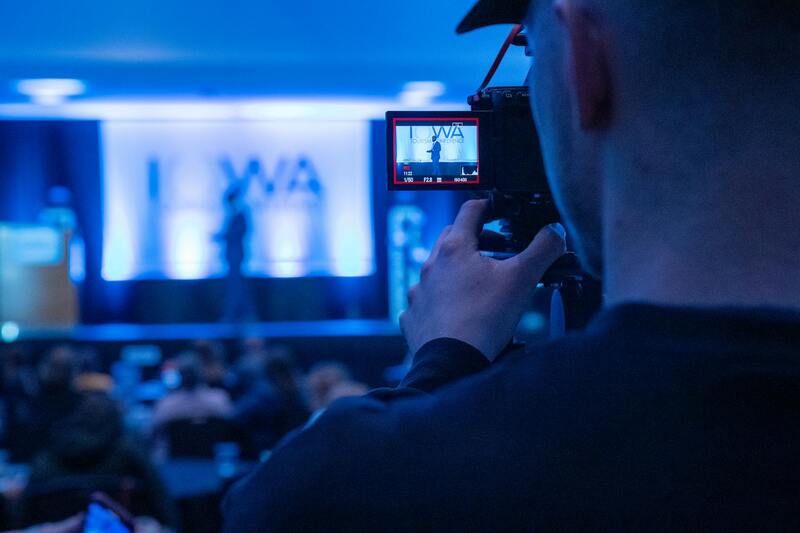
The physical aspect of corporate video making involves employing advanced techniques and professional equipment to achieve cinematic quality. High-definition cameras, professional lighting setups, and sophisticated sound equipment are staples in this process. Utilizing drone footage or 360-degree cameras can add innovative perspectives that elevate the visual storytelling, especially when showcasing Miami’s vibrant cityscape or scenic locations.
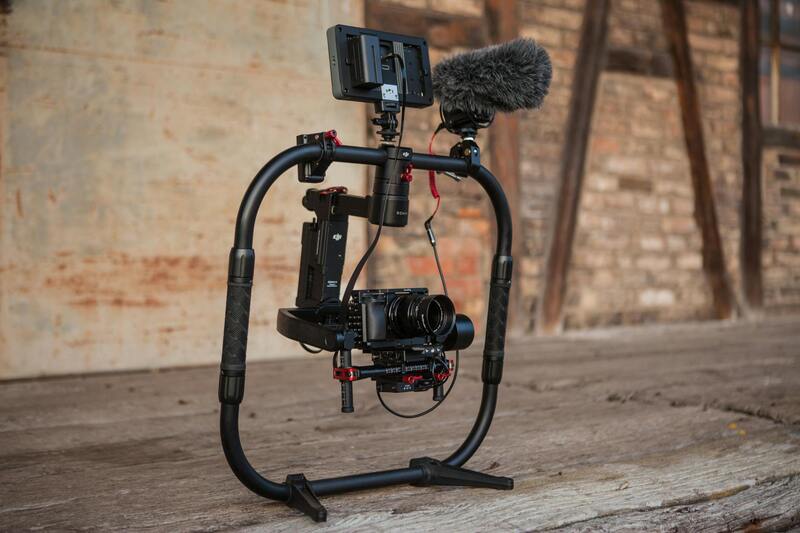
Technical proficiency in shot composition, lighting, and sound design enhances the overall production value. For instance, well-lit scenes with clear audio ensure that the message is delivered with clarity and professionalism. The use of stabilizers, gimbals, and dollies contributes to smooth and dynamic footage, capturing the energy and spirit of Miami’s lively environment.
Post-production workflows involve color grading, sound mixing, and visual effects that refine raw footage into a polished final product. Engaging motion graphics and animations can also emphasize key messages or data points, making the video more engaging for viewers across various platforms.
Post-Production and Editing
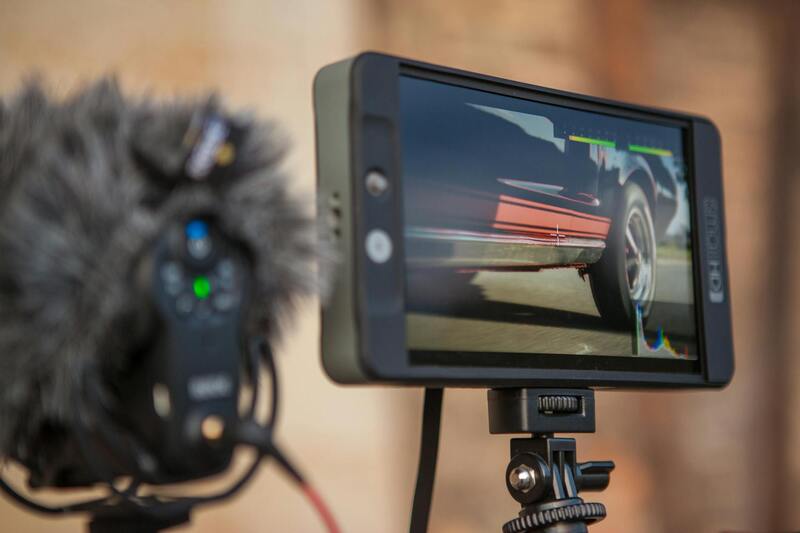
Post-production is where the elements come together to craft a coherent and compelling narrative. Skilled editors work to assemble footage, ensuring a logical flow that captures the viewer’s attention from start to finish. Color correction and grading enhance visual consistency, while audio editing ensures clarity and balance, enriching the overall viewing experience. Incorporating background music or sound effects can heighten emotional impact and reinforce branding messages.
Animation, motion graphics, and visual effects are integrated to highlight crucial aspects or data points, making complex information more digestible. For Miami-based companies, incorporating local imagery or cultural references during editing can help foster a stronger connection with regional audiences.
The importance of aligning the final cut with the original vision cannot be overstated. Feedback sessions with stakeholders refine the edit, ensuring the finished product meets expectations. Delivering the video in various formats optimized for different digital platforms maximizes reach and engagement.
Ensuring Legal and Ethical Standards in Corporate Video Making
To produce authoritative and impactful corporate videos, adhering to established policies and guidelines during all phases of production is essential. This commitment to professional standards ensures that content is both appropriate and respectful of all legal considerations, fostering trust and credibility with viewers.
One fundamental aspect is securing clear consent from individuals featured in the videos, especially when capturing footage in public or private spaces. Obtaining written permission helps prevent potential disputes and demonstrates a commitment to ethical practices. Additionally, when utilizing copyrighted music, images, or other intellectual property, it is vital to source licensed materials or create original content to avoid infringement issues. Licensing agreements should be meticulously documented and stored for future reference.
During scripting and content development, it's important to avoid false claims or exaggerated statements that might mislead viewers. All claims regarding products, services, or company achievements should be substantiated by verifiable data. Respect for privacy laws also involves limiting the sharing of sensitive or confidential information unless explicit consent has been given and necessary legal measures are in place.
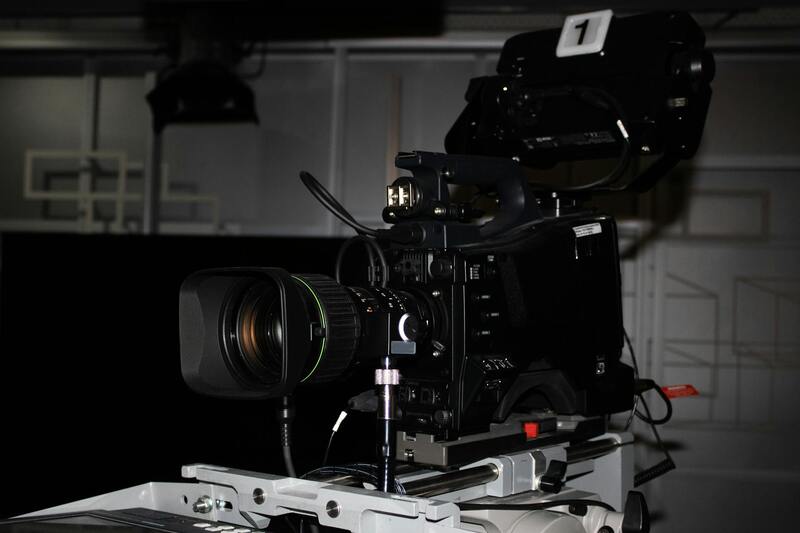
In terms of technical adherence, production teams should follow safety protocols to ensure a secure filming environment for crew and talent alike. This includes proper handling of equipment, appropriate site permissions, and contingency planning for unforeseen circumstances.
Editing and post-production also play a role in maintaining standards. Avoiding manipulative or deceptive visual effects preserves the integrity of the content. When added elements like graphics or sound are used, they must accurately represent the information conveyed, preventing misinterpretation or misrepresentation.
Ultimately, the goal is to create a corporate video that aligns with organizational values and complies with all relevant standards. Doing so not only enhances the company's professional image but also ensures that the content can be responsibly shared across multiple platforms, reinforcing trust with the target audience and stakeholders.
Ensuring Ethical and Accurate Content Creation in Corporate Videos
Creating a corporate video that effectively communicates your message requires meticulous attention to detail and adherence to honest representation. This involves selecting and utilizing production methods that emphasize transparency, factual accuracy, and integrity. The foundation of high-quality corporate videos lies in the consistent use of reputable sources, verifiable data, and authentic visuals that genuinely reflect the company's operations, values, and capabilities.
When developing your video content, it is essential to corroborate all claims with legitimate evidence. This includes showcasing real customer testimonials, backed-up statistics, and demonstrable examples of products or services in action. These elements not only strengthen your message but also build trust with viewers by demonstrating transparency and credibility.
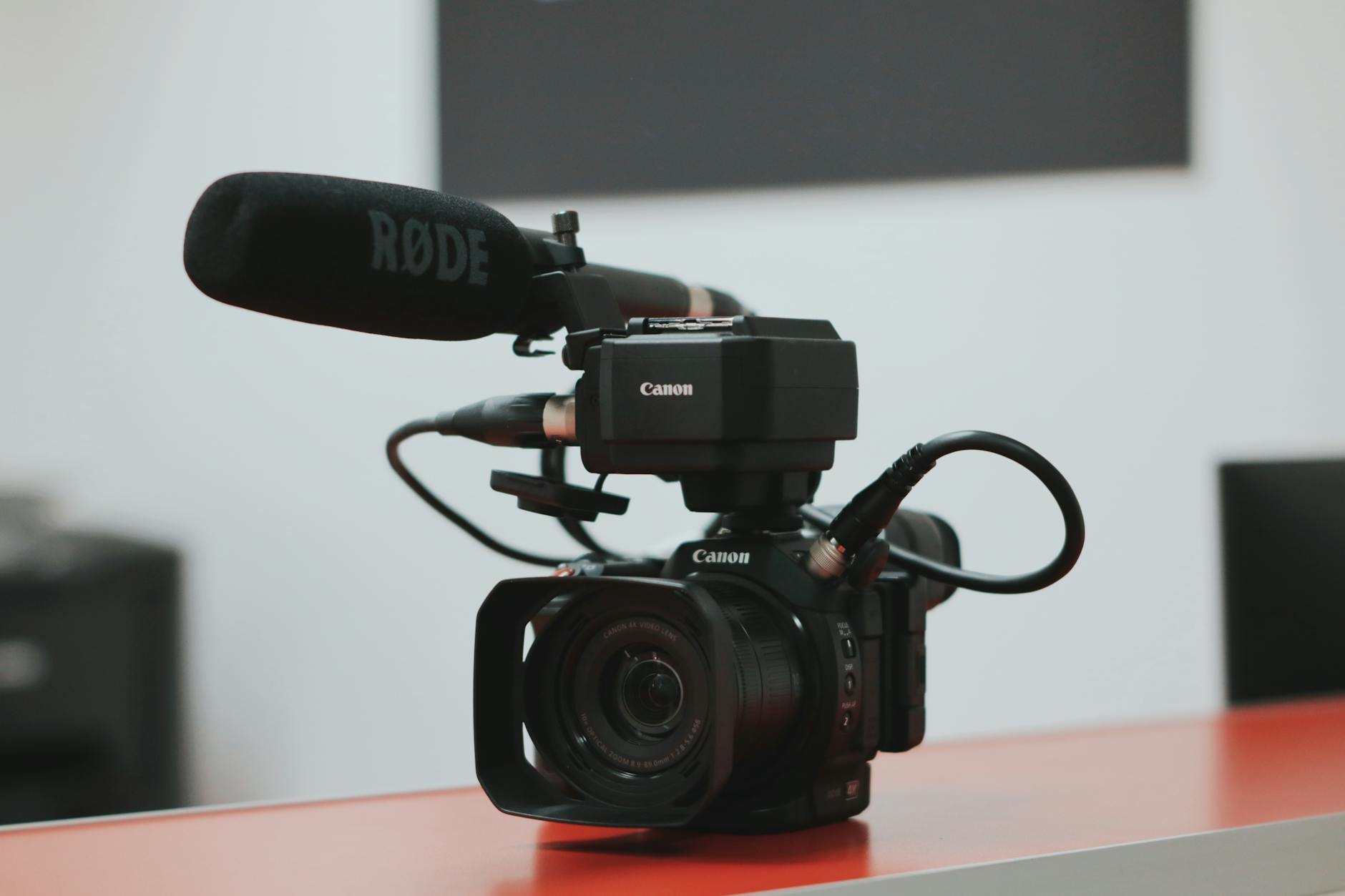
Employ clear and ethical storytelling techniques that avoid sensationalism or misleading visuals. All graphic elements, animations, and sound effects should serve to enhance the viewer’s understanding without distorting the core message. For instance, if data visualization is included, ensure that graphs and charts are based on accurate, up-to-date information and are presented in a straightforward manner.
Proper legal considerations also involve respecting privacy and proprietary information. Including individuals or content that may affect privacy rights should be handled with explicit consent and transparent disclosure. Companies should avoid showcasing sensitive details unless secured by appropriate permissions, thus maintaining corporate integrity and respecting those involved.
Incorporating best practices during the production process, such as thorough planning, detailed scripting, and careful editing, further supports the creation of content that stands out for its professionalism. High-quality dialogue, well-composed shots, and appropriate use of lighting and sound contribute to delivering a compelling narrative that aligns with the company's brand standards.

Beyond the visuals, consider the overall behavioral tone and messaging. All content should mirror the company’s core values and strategic objectives, ensuring consistency across marketing channels. This adherence to a unified message enhances the company's credibility and reinforces stakeholder confidence.
To guarantee compliance with industry standards and best practices, many companies engage with experienced production teams that specialize in corporate communications. These professionals can implement proven techniques, including proper scripting, filming, and editing procedures, to produce videos that meet high-quality standards. Additionally, employing certified equipment and current technology ensures optimal production values and minimizes technical issues that could compromise the content.
Ultimately, producing trustworthy corporate videos involves a comprehensive approach that combines factual accuracy, respectful representation, technical excellence, and ethical standards. Approaching this process with the utmost professionalism not only elevates the company’s image but also fosters enduring relationships with clients, partners, and the wider community.
Video Production Techniques and Equipment
Executing a professional corporate video demands precise technical execution utilizing industry-standard methodologies. Filming techniques are tailored to capture the message effectively, employing various shot compositions such as wide shots to establish context, close-ups to highlight details, and medium shots for balanced storytelling. These choices enhance viewer engagement and communicate the intended narrative clearly.
Lighting plays a crucial role in setting the mood and maintaining visual clarity. Proper lighting ensures that subjects are well-highlighted, shadows are minimized, and the overall scene maintains consistency, reflecting a high level of production quality. Techniques such as three-point lighting are widely adopted to achieve balanced illumination that complements the setting and branding elements.
Sound quality is fundamental in professional corporate videos. Using directional microphones and sound mixers ensures clarity, minimizes background noise, and captures natural audio precisely. Incorporating ambient sounds or voiceovers further enriches the narrative, creating an immersive experience for viewers. High-quality audio equipment and audio post-processing techniques, like noise reduction and equalization, contribute to a polished final product.
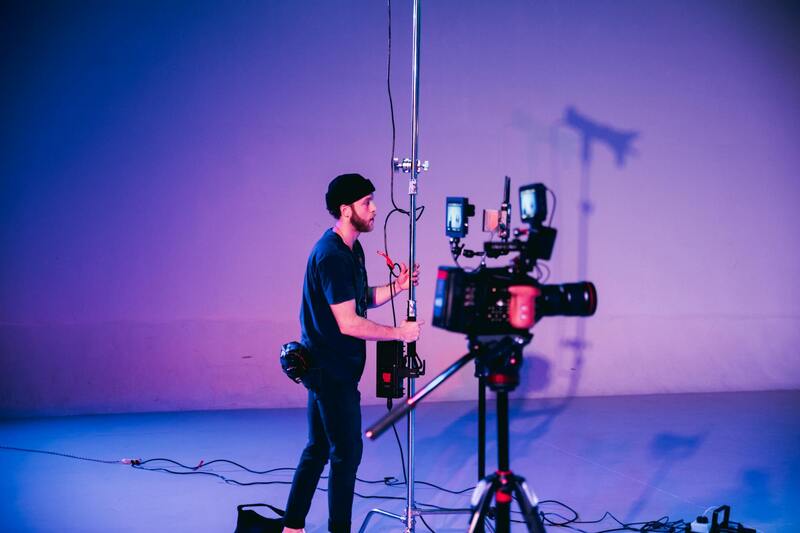
Regarding equipment, the choice of cameras, stabilizers, and lenses directly influences the production value. High-definition digital cameras with professional-grade lenses provide sharp visuals, while camera stabilizers such as gimbals prevent shaky footage during dynamic shots. Tripods and dollies facilitate smooth and steady framing, essential for polished outputs.
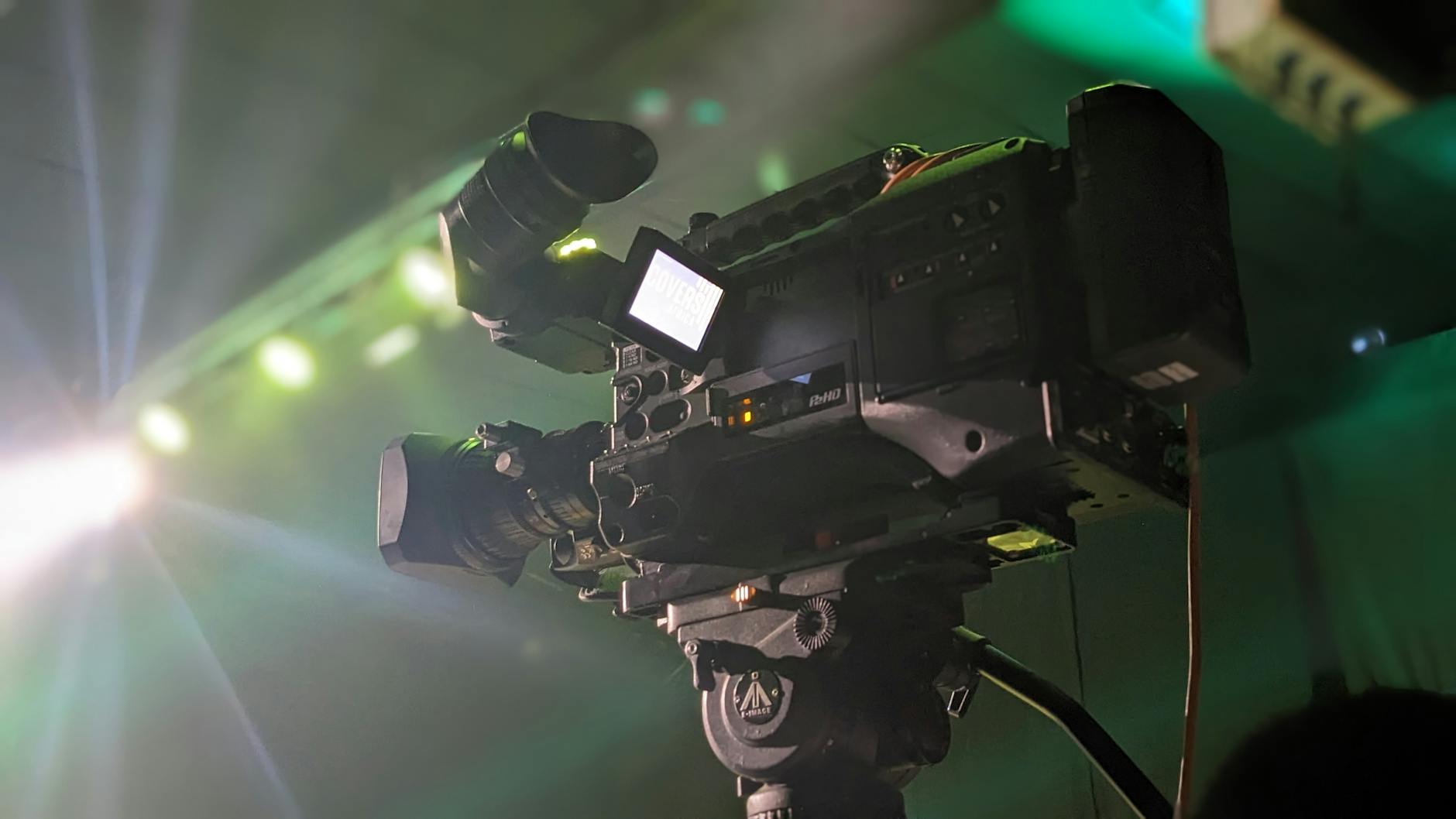
Lighting setups require specialized equipment, including softboxes, LED panels, and reflectors, to achieve optimal illumination. Sound equipment like shotgun microphones, lavalier mics, and portable recorders ensures clarity and flexibility during shoots. Additionally, choosing backend equipment such as professional editing stations with sufficient hardware resources accelerates post-production workflows.
Post-Production and Editing
Post-production involves assembling footage into a coherent narrative through meticulous editing. Editors utilize video editing software to trim unnecessary segments, enhance visual effects, and synchronize audio tracks effectively. Implementing color grading techniques ensures a consistent visual tone aligned with the brand identity, whether aiming for vibrant, warm, or corporate-styled aesthetics.
Sound editing is equally vital. Background music, sound effects, and voiceover adjustments are fine-tuned to create an immersive auditory experience.free Sound mixing and mastering deliver a balanced and polished final product suitable for distribution across various channels.
Distribution and Marketing of Corporate Videos
Once finalized, strategic distribution maximizes the video’s impact. Hosting videos on company websites, social media platforms, and email campaigns ensures targeted reach. Employing SEO best practices — such as keyword optimization and proper video tagging — enhances discoverability online, increasing viewer engagement and brand recognition.
Paid promotional campaigns, including social media advertising and sponsored content, can drive wider audience exposure. Embedding videos within other marketing materials or presentations further reinforces brand messaging and aligns with broader communication strategies.

Choosing a Miami Production Agency
Selecting an experienced Miami-based production team is essential for translating your vision into a professional corporate video. Look for agencies with a comprehensive portfolio that showcases versatility across video styles and industries. Expertise in corporate storytelling, technical proficiency, and familiarity with local business landscapes enhance the quality and relevance of the final product.
Assess the agency’s equipment capabilities, production process transparency, and client testimonials to gauge reliability and professionalism. A dedicated team that communicates clearly and offers tailored services ensures your objectives are met effectively. Their knowledge of current industry trends and compliance standards further guarantees a high-caliber outcome that elevates your business profile.
Post-Production and Editing
Following the filming phase, the project transitions into the post-production stage, which is crucial for refining the raw footage into a polished corporate video. The editing process involves meticulous cutting and sequencing of scenes to craft a coherent and engaging narrative. Editors pay close attention to pacing, ensuring that the message is delivered effectively within the desired timeframe.
Visual effects (VFX) may be incorporated to enhance the visual appeal, whether through subtle enhancements or more complex CGI integrations. Sound editing is equally important, involving the synchronization of audio with visuals, noise reduction, and the addition of background music or voice-over narration that aligns with the brand's tone.
Branding elements such as logos, taglines, and color schemes are integrated during editing to reinforce brand identity consistently throughout the video. Color correction and grading are applied to achieve a professional look, ensuring that the visual tone aligns with the intended mood and message.
The editing process also involves reviewing multiple iterations and obtaining feedback to fine-tune the content. Skilled editors collaborate closely with clients and producers to ensure that every detail contributes to a compelling final product. High-quality export settings guarantee that the video maintains clarity across various platforms and devices.
Legal and Ethical Methods of Corporate Video Making
Manufacturing a professional corporate video requires adherence to established, official methodologies that maintain the integrity and quality of the content. These methods encompass a comprehensive approach that spans concept development, scripting, filming, and post-production, all while following industry standards and best practices.
One fundamental aspect is engaging with certified production professionals who possess the necessary skills, experience, and licenses to operate advanced filming equipment. Certified videographers and editors are trained to produce high-caliber content that captures a brand’s message effectively and ethically.
Preparation is key; this includes detailed planning that involves storyboarding, scripting, and location scouting. These steps ensure that the project aligns with the firm's marketing goals and audience expectations. Thorough planning minimizes risks during production phases and ensures compliance with local regulations and safety standards.
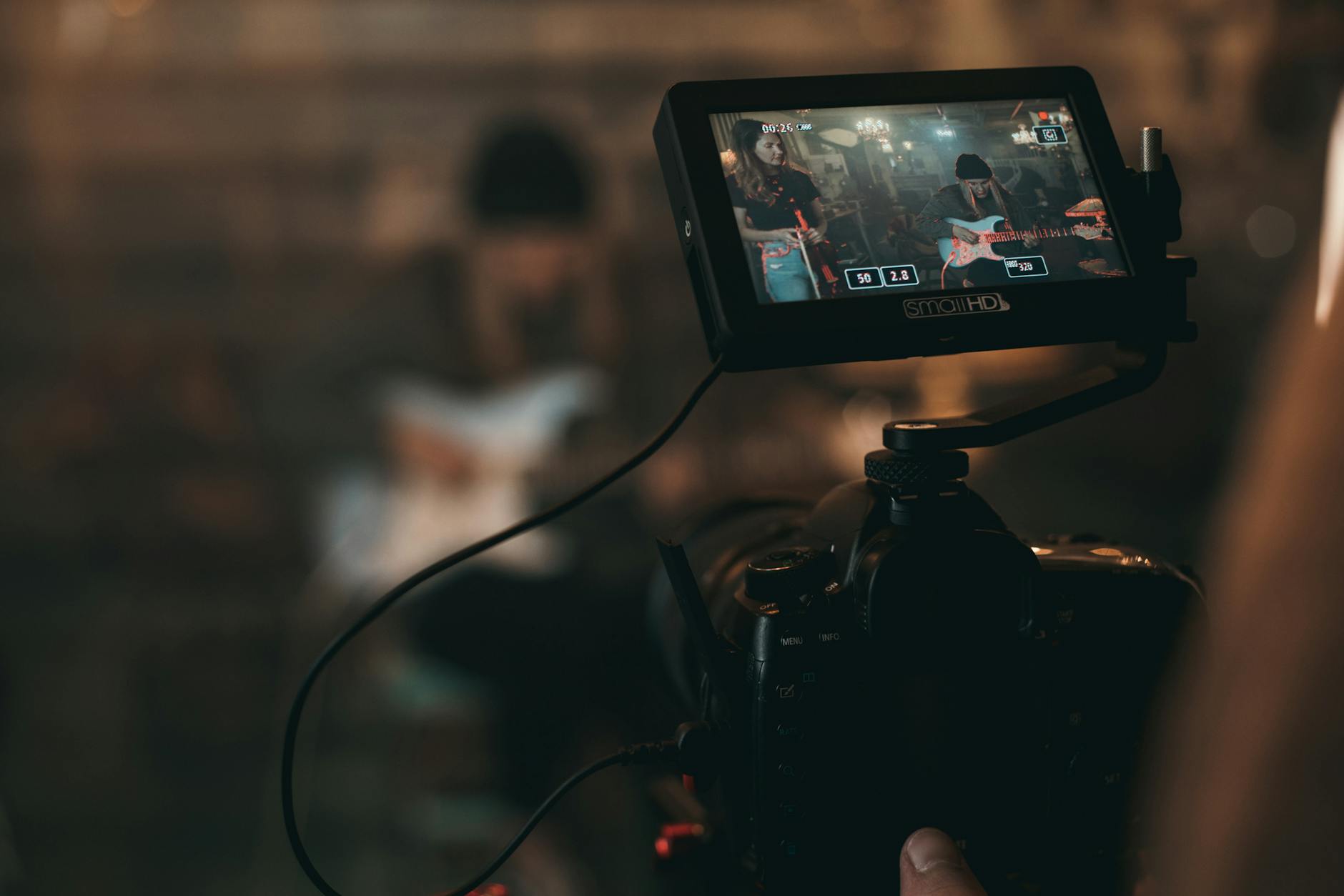
During production, it is critical to utilize legitimate equipment and facilities. This involves using approved cameras, lighting, and sound recording tools that meet industry standards. Furthermore, respecting copyright laws, including securing necessary rights for music, images, and footage, ensures that the content is fully compliant with legal requirements.
In post-production, work is carried out by qualified editors who follow ethical editing practices. This includes transparent handling of footage, maintaining fidelity to the original content, and avoiding misleading visual manipulations. All branding elements integrated into the video must be accurately represented, and any alterations should be clearly documented.
To achieve optimal distribution, businesses should work with recognized distribution channels and platforms that adhere to platform-specific guidelines. For instance, videos intended for social media must meet the technical specifications, and content shared via email campaigns should comply with data protection regulations.
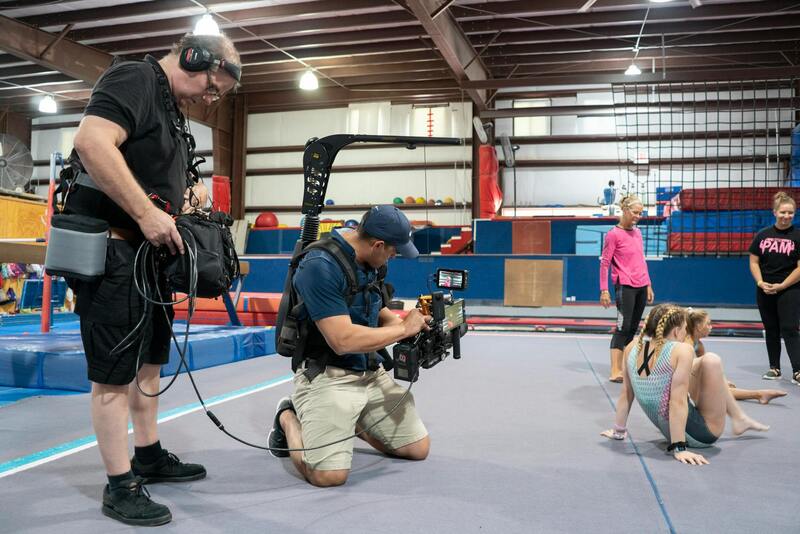
Maintaining a record of all licensing agreements, release forms, and permissions obtained throughout the process helps uphold transparency and legal integrity. This documentation supports the legitimacy of the content and provides a clear audit trail should any issues arise.
By following established professional standards and official pathways, Miami businesses can produce compelling corporate videos that not only elevate their brand image but also adhere to the highest quality and ethical benchmarks. This disciplined approach guarantees that the final product is both impactful and credible, fostering trust and engagement with audiences across various platforms.
Implementing Ethical Practices in Corporate Video Distribution
To maximize the impact of corporate videos while maintaining professional integrity, businesses must follow established distribution protocols aligned with industry standards. These practices ensure that content reaches the intended audience effectively and responsibly, upholding the company's reputation and fostering trust with viewers.
Utilizing Recognized Platforms and Channels
Distribution should be conducted through appropriately vetted channels, such as reputable social media platforms, corporate websites, and professional video hosting services. Each platform comes with its own technical requirements and content guidelines, which should be strictly adhered to. This ensures seamless integration with platform algorithms, better audience targeting, and compliance with technical specifications.
For instance, social media platforms like LinkedIn, YouTube, and Facebook provide official business accounts that facilitate targeted advertising and analytics tracking. Using these tools not only enhances reach but also provides valuable data insights for future campaigns. Additionally, corporate websites serve as a centralized hub for content, allowing businesses to direct traffic to their own digital assets, reinforcing brand control and consistency.
Content Compliance and Technical Specifications
All distributed videos must conform to specific platform standards concerning video resolution, format, length, and captioning requirements. Ensuring technical compliance guarantees optimal playback quality and viewer engagement. Videos should also be appropriately captioned or subtitled to accommodate a broader audience, including viewers with hearing impairments or those who prefer silent playback in social environments.
Adhering to Data Protection and Privacy Standards
When distributing corporate videos through email campaigns or targeted advertisements, it is crucial to follow data protection policies. This includes securing recipient data, obtaining explicit consent where necessary, and providing clear options to unsubscribe or manage preferences. Responsible handling of audience data not only aligns with best practices but also strengthens the trustworthiness of the brand.
Documenting Distribution and Permissions
Maintaining comprehensive records of licensing agreements, distribution rights, and permissions obtained during production is essential. These records serve as proof of authorized use, aiding in resolving any future disputes or inquiries that may arise regarding content rights. Such documentation also affirms the company's commitment to ethical practices.
Monitoring and Optimizing Distribution Efforts
Ongoing analysis of distribution performance is vital for refining outreach strategies. Utilizing analytics tools provided by hosting platforms allows businesses to track engagement metrics, viewer demographics, and content reach. This data informs adjustments in content presentation, targeting parameters, and distribution timing to maximize ROI.
Ensuring Content Quality and Audience Engagement
Consistent quality control throughout the distribution phase enhances viewer experience and reinforces brand credibility. Incorporating engaging calls to action, visually appealing thumbnails, and clear messaging encourages viewers to interact with the content further. Responsiveness to audience feedback fosters a stronger connection and promotes content sharing across networks.
Adopting these structured, official methods for distributing corporate videos ensures they serve their strategic purpose effectively while aligning with best practices within the industry. This disciplined approach guarantees that the content is delivered ethically, professionally, and with minimum risk, contributing to a positive reputation for Miami-based businesses.