Defining Corporate Video Cost
Determining the overall expense of a corporate video involves a comprehensive understanding of various cost components. Typically, the total cost encompasses pre-production, production, post-production, and additional expenditure related to distribution and rights. This multifaceted negotiation ensures the final product meets the strategic communication goals while adhering to budget constraints.

Pre-production costs involve planning activities such as scripting, storyboarding, location scouting, casting, and acquiring permits. These steps are crucial in establishing a clear roadmap for the project and significantly impact the overall timeline and budget.
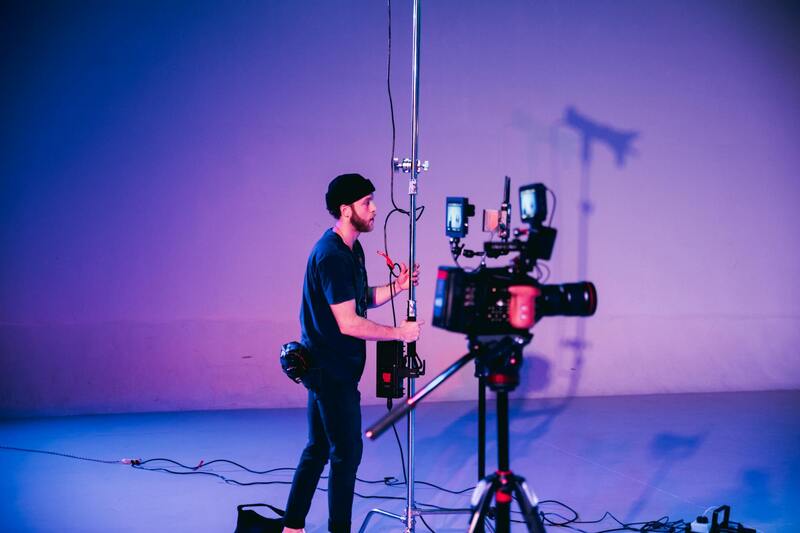
Production costs typically include expenses related to equipment rental, crew salaries, talent fees, set design, and logistical arrangements. High-quality footage captured during this phase directly affects the visual appeal and professionalism of the final product.
Post-production encompasses editing, color correction, sound design, visual effects, and motion graphics. This stage refines raw footage into a polished presentation, often constituting a substantial component of the total cost.
Additional expenses may involve licensing fees for music or stock footage, translation services for multilingual videos, and distribution costs for various media outlets. Each element can influence the final budget depending on the project’s scope and reach.
Understanding these cost elements provides a foundation for establishing realistic financial expectations and planning effectively for high-quality corporate video projects in Miami. Accurate budgeting ensures that each phase aligns with strategic objectives without compromising production quality or creative vision.
Factors Influencing Corporate Video Pricing
When assessing the potential expenses involved in creating a corporate video, several critical factors come into play that directly influence the overall cost. Understanding these elements helps organizations allocate budgets effectively and achieve desired outcomes within financial constraints.
- Video Length: Longer videos naturally demand more resources in script development, filming, and editing. A concise, impactful video typically costs less than a lengthy production that requires extensive filming and post-production work.
- Production Complexity: The complexity of the video concept has a significant bearing on costs. For instance, videos involving intricate animations, special effects, or multiple locations will incur higher expenses due to the additional time, equipment, and expertise required.
- Location and Set Design: Filming in multiple or hard-to-access locations can escalate costs related to permits, transportation, and logistics. Conversely, shooting in a controlled studio environment might reduce certain logistical expenses but could introduce additional set design costs.
- Talent and Crew: The choice of talent, including professional actors, voice-over artists, or industry experts, influences expenses. Experienced crew members, such as directors, cinematographers, and technicians, also affect the budget depending on their expertise and project duration.
- Video Quality and Production Standards: High-definition production with advanced equipment and post-production features demands a higher financial investment. Elevated quality standards often translate into improved visual appeal and professionalism, essential for maintaining corporate reputation.
Typical Budget Ranges for Corporate Videos in Miami
In Miami, the cost of producing a corporate video can vary broadly based on the scope and quality expectations. Small-scale projects targeting internal audiences or local events might range from a few thousand dollars to $10,000. Mid-range productions, which include professional scripting, basic animations, and moderate filming locations, can fall between $10,000 and $30,000. For high-end corporate videos involving extensive production teams, advanced post-production techniques, and nationwide distribution, budgets often exceed $30,000, sometimes reaching $100,000 or more.
Breakdown of Production Costs
Understanding the components that contribute to the overall corporate video cost is crucial for maximizing budget efficiency. These costs typically include pre-production planning, production, and post-production processes, each with specific expense categories.
- Pre-production Expenses: This phase involves scripting, storyboarding, location scouting, casting, and securing necessary permits. Professional scriptwriters and casting directors often charge based on project complexity, with more intricate stories requiring additional investment.
- Production Costs: Expenses during filming encompass equipment rental (cameras, lighting, sound), crew wages (directors, cameramen, sound engineers), set design, costumes, and transportation. The duration of filming and the number of shooting days significantly influence costs.
- Post-production Expenses: Editing, color grading, sound design, visual effects, and motion graphics are part of this phase. High-quality post-production demands advanced software and skilled editors, which can elevate the final corporate video cost.
Each stage's expenses are interconnected, demanding a comprehensive understanding to prevent overspending while ensuring the production meets quality standards.

Additional Expenses to Consider
Beyond core production costs, several supplementary expenses can impact the total corporate video cost. These include:
- Licensing and Music Rights: Securing rights for music, stock footage, or proprietary assets ensures legal compliance and can add to expenses.
- Localization and Subtitles: For videos targeting diverse audiences, translation services and subtitles are essential, affecting overall costs.
- Distribution and Advertising: Promoting the video through paid channels or hosting on specialized platforms incurs additional fees, influencing the total investment.
- Contingency Budget: Reserving funds for unforeseen expenses during production helps maintain project flexibility without compromising quality.
Factoring in these additional costs during planning ensures a more accurate and comprehensive budget estimation for your corporate video project.
Breakdown of Production Costs
Understanding the specific components that contribute to the overall corporate video cost is essential for effective budgeting. The expenses can be segmented into three primary phases: pre-production, production, and post-production. Each phase contains distinct cost elements that, when combined, form the total financial investment required for a professional corporate video.
Pre-Production Expenses
The initial planning stage involves a series of crucial tasks designed to set a clear vision for the project. During pre-production, expenses typically include concept development, scripting, storyboarding, and location scouting. These activities often require collaboration with creative professionals such as scriptwriters and storyboard artists, whose fees vary based on experience and project complexity. Additionally, securing permits for shooting locations and conducting pre-shoot rehearsals may incur costs. If casting is involved, expenses related to talent auditions and contracts are also part of the pre-production budget.
Production Costs
The actual filming process entails various costs linked to equipment, personnel, and logistics. High-quality cameras, lighting, and sound gear must be rented or purchased, especially for videos requiring cinematic quality. Talent fees, including actors, presenters, or voice-over specialists, represent a significant portion of the production costs. Crew members such as directors, cinematographers, camera operators, and production assistants demand compensation based on their roles and the scope of the project. Additional expenses include set design, costumes, makeup, transportation, and on-location fees. Managing these elements efficiently ensures the execution aligns with the company's objectives while maintaining cost control.

Post-Production Expenses
Following the footage capture, the focus shifts to editing and refining the content. Post-production costs encompass editing, visual effects, motion graphics, color correction, and sound design. These processes require advanced software licenses and skilled editors, which can significantly influence the overall budget. Incorporating custom animations or branding elements further elevates post-production expenses. Additionally, adding subtitles or localized versions if targeting diverse audiences involves extra work and costs, but enhances the video's effectiveness across regions.
Additional Expenses to Consider
Beyond core production phases, certain supplementary expenses are critical to a comprehensive budget plan:
- Licensing and Music Rights: Securing licenses for copyrighted music, stock footage, or proprietary visuals is essential for compliance and can impact costs.
- Localization and Subtitles: Translating and captioning videos for varied language audiences involve translation services and formatting fees.
- Distribution and Promotion: Once produced, funds allocated for ad placements, hosting platforms, and targeted campaigns help maximize reach and return on investment.
- Contingency Budget: Allocating a reserve fund for unforeseen expenses during the production process prevents budget overruns and maintains project flexibility.
Factoring in these additional costs during initial planning stages ensures an accurate estimation of the total investment needed for a successful corporate video campaign.
Breakdown of Production Costs
Understanding the detailed components of corporate video costs in Miami is crucial for effective budget management. The overall expense can be segmented into various phases, each contributing to the final price. Pre-production costs typically include concept development, scripting, storyboarding, and planning logistics. These foundational steps are essential for aligning the project’s vision with the client's objectives, often requiring the input of creative strategists and scriptwriters.
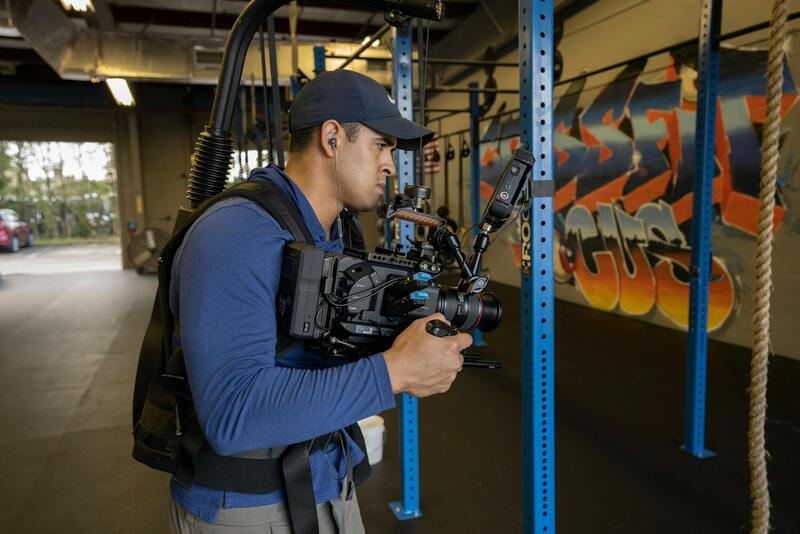
During the production phase, expenses encompass hiring professional talent, such as videographers, directors, and specialized crew members. Equipment rental or purchase costs—ranging from high-definition cameras and lighting gear to specialized rigs—also fall within this category. Filming locations, permits, and site logistics further influence the budget, especially when multiple or exclusive venues are involved.
Post-production remains the most resource-intensive segment, involving editing, sound design, visual effects, and motion graphics. Skilled editors utilize advanced software tools, which incur licensing fees that add to the overall cost. Depending on the complexity, custom animations, branding integration, and localized subtitles can significantly escalate the budget. Consistent quality control and revisions are integral to refining the final product, often requiring multiple review cycles that impact the timeline and expenses.
Additional Expenses to Consider
- Music Licensing and Rights Clearance: Securing music tracks and sound effects can be costly, especially with popular or copyrighted material. Proper licensing ensures compliance and enhances the video's emotional appeal.
- Equipment Rentals and Specialty Gear: For specialized shots or high-quality visuals, renting drone cameras, steadicams, or underwater equipment might be necessary.
- Location Permits and Access Fees: Certain shooting locations in Miami require permits, which involve application fees and potential restrictions on filming hours.
- Talent and Crew Fees: Hiring professional actors, voice-over artists, or additional crew members influences the overall budget, especially for high-profile talent.
- Agency and Production Company Fees: Partnering with a full-service production agency involves service charges, project management costs, and post-production support.

Breakdown of Production Costs
When assessing the corporate video cost, it's essential to understand the detailed components that contribute to the overall expenditure. Each phase of production—pre-production, production, and post-production—has specific cost elements that collectively shape the final price tag.
Pre-Production Expenses
Pre-production lays the groundwork for a successful video project. It encompasses scriptwriting, storyboarding, location scouting, and casting. Engaging professional scriptwriters and storyboard artists is common, and their fees vary based on experience and project complexity. Location scouting might incur costs if special permits or access fees are involved, especially in specific sun-friendly, urban, or iconic Miami venues. Casting high-profile talent or voice-over artists can also influence the initial budget, factoring into the planning and scheduling stages.
Production Costs
This stage involves actual filming, which can be resource-intensive. Major cost drivers include equipment rentals—such as 4K cameras, lighting setups, and audio gear—and crew wages. Hiring a skilled director, camera operators, lighting technicians, and on-set talent all impact the daily rate. Additional costs might include rental fees for specialized equipment like drones or underwater cameras, which are often necessary for specific Miami locations or creative visions. Depending on the shoot's duration and complexity, production costs can fluctuate significantly.
Post-Production Expenses
Post-production consolidates the footage into a compelling narrative. This phase involves editing, color correction, sound design, voice-over recordings, and integration of visual effects or motion graphics. The editing process is highly specialized, and skilled editors typically charge hourly or project-based fees. Licensing music, adjusting visuals for branding consistency, and creating animations or infographics are additional costs. Multiple review cycles with the client extend timelines and increase expenses but are vital to achieve a polished final product.
Visual Representation of Cost Components
Additional Expenses to Consider
Beyond core production costs, several other expenses can contribute significantly to the overall corporate video cost. These include securing location permits in Miami, which involve application fees and potential restrictions, especially for popular or protected sites. If the project requires specific talent, such as professional actors or voice-over artists, their fees should be included. Equipment rentals for specialty gear, like steadicams or underwater cameras, can also add to the budget. Licensing music tracks and sound effects requires obtaining proper rights, which varies based on the track's popularity and licensing terms. Partnering with full-service production companies or agencies may include service charges, project management fees, and additional post-production support, all influencing the final cost.
Understanding these various cost elements allows for better planning and realistic budgeting, preventing unexpected expenses that could compromise the project's quality or scope.
Breakdown of Production Costs
Understanding the detailed components that contribute to the overall corporate video cost is crucial for effective budgeting and project planning. Each phase of production incurs specific expenses that, when combined, define the final price tag.
Pre-production costs include conceptual development, scripting, storyboarding, and client consultations. These initial steps require creative expertise and strategic planning, often involving detailed meetings and revisions to align the video’s message with company goals. Depending on the complexity, scriptwriting services can be billed on an hourly basis or as part of a package.
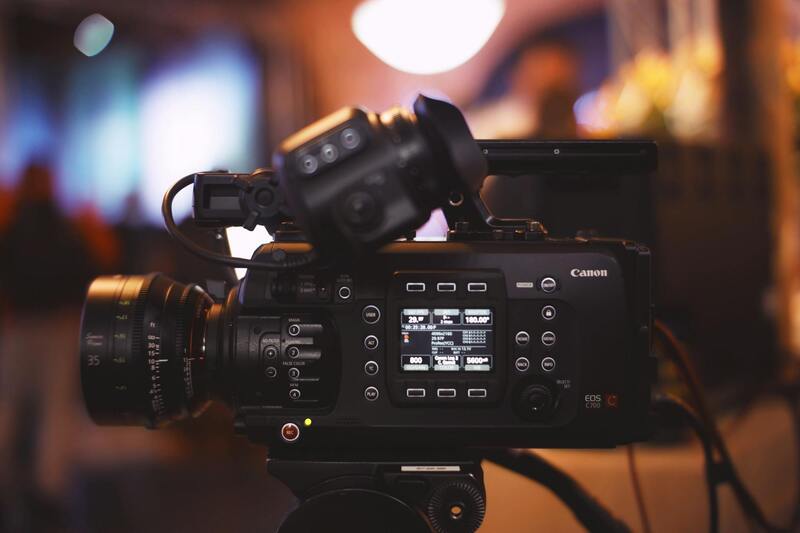
Production expenses primarily cover on-camera work, location fees, equipment rentals, and personnel. High-quality cameras, lighting, and sound equipment are essential to produce professional visuals and audio. Filming on location in Miami might involve permits and location fees, especially for public or private spaces with restrictions. Talent fees, including actors or voice-over artists, are also part of this cost, influenced by their experience and the project scope.
Post-production costs
Post-production is a significant component, featuring editing, color correction, visual effects, motion graphics, and sound design. Skilled editors work meticulously to ensure the final product matches the envisioned quality. Licensing music adds complexity to this phase, with costs varying based on track popularity and licensing rights. Additionally, graphic design elements such as animations or infographics require specialized software and expertise, further influencing the overall budget.
Distribution and Delivery Expenses
Once completed, ensuring the video reaches the intended audience involves distribution costs. These may encompass hosting services, video platform fees, or promotional campaigns. Quality control checks and multiple review cycles also contribute to the total expense, emphasizing the importance of clear communication and project milestones to manage costs effectively.
Additional Expenses to Consider
Beyond core production, several ancillary costs can impact the total corporate video cost. Securing location permits in Miami involves application fees, especially for shoots in high-demand or protected areas. This process may require additional paperwork or compliance measures, adding to the timeline and budget.
Talent acquisition, such as hiring professional actors or voice-over artists, involves their session rates and usage rights, which vary based on project scope. Equipment rentals for specialized gear like steadicams, drones, or underwater cameras can significantly increase expenses, particularly for high-quality or complex shots.
Music licensing is another critical expense. Obtaining rights for popular tracks or sound effects necessitates negotiations with rights holders, with costs fluctuating based on usage scope, distribution, and duration. Partnering with comprehensive production agencies might include service fees, project management charges, and additional post-production support, affecting the overall expenditure.
Visual Representation of Cost Components

Budgeting Tips for Corporate Video Projects
Establishing a clear budget at the project's outset allows for prioritization of essential elements. It is advisable to outline non-negotiables versus ideal features to maintain flexibility without compromising quality. Working with a seasoned production team in Miami ensures transparency regarding costs, with detailed quotes that specify each expense category. Consider phased approaches—focusing on core messaging first, with optional add-ons for future iterations—to optimize spend.
Additionally, reviewing previous projects and asking for detailed case studies can provide insights into typical cost structures. Building a contingency fund, generally around 10-15% of the projected budget, helps absorb unforeseen expenses, safeguarding the project's timeline and quality standards.
Maximizing Investment in Corporate Video Content
Achieving an effective corporate video that delivers measurable results requires deliberate planning and strategic execution. To maximize the value derived from your investment, it is essential to align video objectives with your overarching business goals, ensuring each element contributes to your message and brand positioning.
Clear Define Goals and Target Audience
Start by identifying what the video aims to accomplish—be it lead generation, brand awareness, employee training, or product showcasing. Understanding your target audience's preferences, challenges, and media consumption habits enables the creation of content that resonates and prompts action. Detailed audience insights guide script development, tone, and distribution channels, ultimately enhancing engagement and ROI.
Prioritize Content Quality and Relevance
Invest in professional production services to ensure high-quality visuals, sound, and editing. A well-produced video underscores your brand's professionalism and credibility. Focusing on relevant storytelling that authentically reflects your company's values and offerings enhances viewer trust and encourages sharing. Use compelling visuals, concise messaging, and authentic testimonials to amplify your narrative.
Leverage Multiple Distribution Channels
Maximize your video's reach by deploying it across various platforms such as your website, social media, email campaigns, and industry-specific outlets. Tailoring the content format and messaging for each channel increases engagement and conversion rates. Incorporate SEO best practices, like optimized titles, descriptions, and tags, to improve visibility in search results.
Monitor Performance and Optimize
Utilize analytics tools to track key performance indicators (KPIs) such as views, engagement rates, shares, and conversion metrics. Analyzing these data points reveals insights into audience preferences and content effectiveness. Use this information to refine future video projects, improve messaging, and better allocate resources for ongoing marketing efforts.
Integrate Videos into Broader Marketing Strategies
Your corporate videos should complement your overall marketing and branding initiatives. Incorporate them into sales presentations, onboarding programs, or corporate communications to enhance consistency and reinforce messaging. When aligned strategically, videos serve as powerful tools for nurturing leads, educating customers, and strengthening brand recognition.