
Understanding Corporate Films
Corporate films serve as a powerful visual tool designed to communicate a company's message, showcase its values, and highlight its offerings. These professionally produced videos are tailored to serve various strategic purposes, including marketing, training, stakeholder engagement, and brand building. Unlike generic advertising content, corporate films are crafted with a focus on authenticity, professionalism, and precise messaging to resonate with specific target audiences.
The primary objective of corporate films is to enhance a company's reputation and foster a deeper connection with viewers. They encapsulate a company's story, culture, and vision in a compelling visual format, which can be easily disseminated across multiple platforms. This multi-dimensional approach allows businesses to convey complex ideas more effectively, fostering a stronger emotional connection and facilitating better understanding among clients, partners, and employees.
In the realm of business communication, corporate films act as a versatile asset. They can be used for a variety of purposes including new product launches, corporate social responsibility initiatives, internal communications, investor relations, and trade show presentations. Additionally, these films are often embedded in websites, shared on social media channels, or utilized during corporate events to leave a lasting impression.
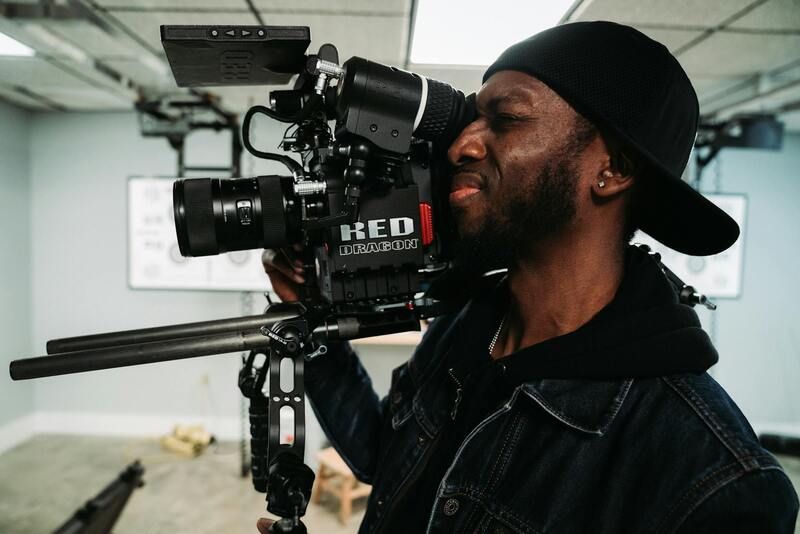
Creating impactful corporate films involves a strategic approach that combines storytelling, technical expertise, and market understanding. When executed effectively, these films can significantly boost brand recognition, reinforce credibility, and inspire confidence among stakeholders. Therefore, selecting the right production process and adhering to established guidelines ensure that the final product aligns with the company's brand identity and business objectives.
Understanding the foundational purpose of corporate films is crucial for companies seeking to harness their potential. By emphasizing storytelling, professionalism, and strategic distribution, organizations can maximize the impact of their visual communication efforts, establishing a competitive edge in their industry.
Planning and Concept Development
Effective planning and conceptualization are fundamental stages in creating corporate films that resonate with target audiences and fulfill strategic objectives. During this phase, organizations define the core message they want to communicate and identify the key themes that will support their branding and communication goals. This involves detailed discussions with stakeholders to understand the desired tone, style, and scope of the project.
Developing a comprehensive storyboard helps visualize the narrative flow and ensures alignment among creative teams and clients. It serves as a blueprint guiding the scripting, shot arrangement, and overall visual approach. Such planning minimizes misunderstandings and unnecessary revisions later in the process.
Additionally, a clarity of purpose influences every subsequent step, from casting and location selection to equipment choice and scheduling. Budgeting considerations are also outlined at this stage, establishing clear financial expectations and resource allocations.
Since corporate films often serve multiple platforms, the content must be adaptable for various formats, whether it be full-length documentaries, social media snippets, or website banners. Ensuring these aspects are integrated into the initial conceptual design enables a smoother production process and maximizes versatility in distribution.
A well-developed concept lays the groundwork for a compelling story that can effectively illustrate the company's values, innovations, or corporate social responsibility efforts. It ensures that every detail, from script to visuals, works cohesively to produce a polished and impactful final product.
Pre-production Process
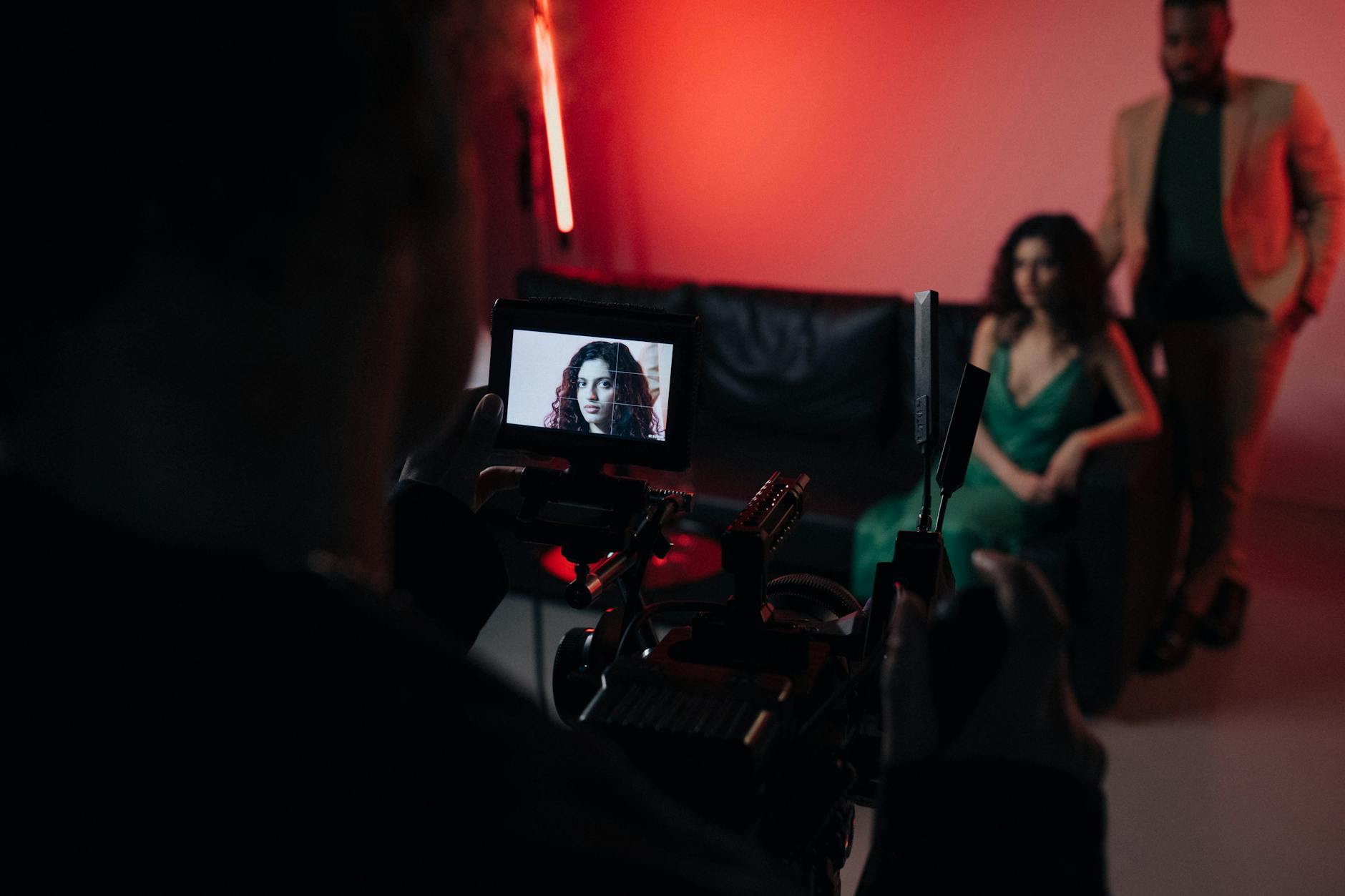
The pre-production stage is critical for transforming the conceptual framework into tangible production activities. This phase involves selecting a skilled creative team, which may include directors, scriptwriters, cinematographers, and production coordinators, each chosen for their expertise in corporate storytelling.
In addition, logistical arrangements are finalized, such as securing locations, scheduling shoots, and acquiring necessary permits and permissions. Casting decisions are made to represent the company authentically, whether through interviews with executives and employees or through actors portraying specific roles.
Scriptwriting and storyboarding are refined during this phase, with input from key stakeholders to ensure alignment with corporate messaging and branding guidelines. Production design details, such as wardrobe, set design, and visual effects, are also planned meticulously.
Equipment rental or procurement is coordinated to guarantee high-quality visuals and sound recording. This includes cameras, lighting, audio gear, and editing tools. Every element is scheduled to facilitate a smooth transition to the actual filming, reducing delays and unforeseen hurdles.
Thorough pre-production planning helps anticipate potential challenges, facilitates clear communication, and enhances overall efficiency. This meticulous preparation ensures that when filming begins, the production team can focus entirely on capturing high-quality footage that aligns with the project's strategic goals.
Production Techniques for Corporate Films
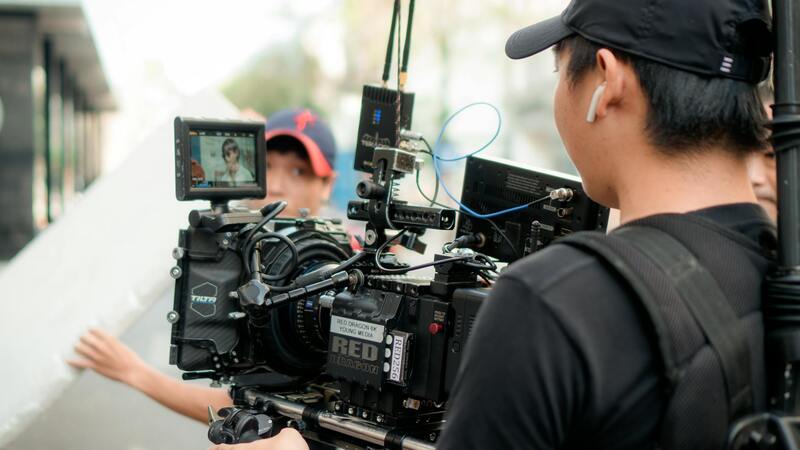
During production, employing advanced filming techniques ensures the creation of visually compelling corporate films. The use of professional-grade cameras and stabilization equipment, such as drones or steadycams, enhances motion shots and provides dynamic perspectives.
Lighting is an essential element, as well-designed illumination highlights key subjects and sets the desired mood. Proper sound recording equipment and techniques capture clear dialogue and ambient sounds, which are vital for maintaining professionalism.
Incorporating interviews, testimonials, and animated graphics can diversify content presentation, making the film more engaging. Multi-camera setups enable capturing different angles simultaneously, reducing shoot duration and providing variety in post-production editing.
Dynamic shooting methods—such as tracking shots, time-lapses, and green screen effects—add visual interest while conveying complex information efficiently. Employing professional editing and color grading during post-production further enhances aesthetic quality, ensuring consistent branding and visual coherence.
The integration of high-quality visuals and sounds during filming leads to a polished final product capable of leaving a lasting impression, effectively communicating the intended corporate message.
Understanding Corporate Films
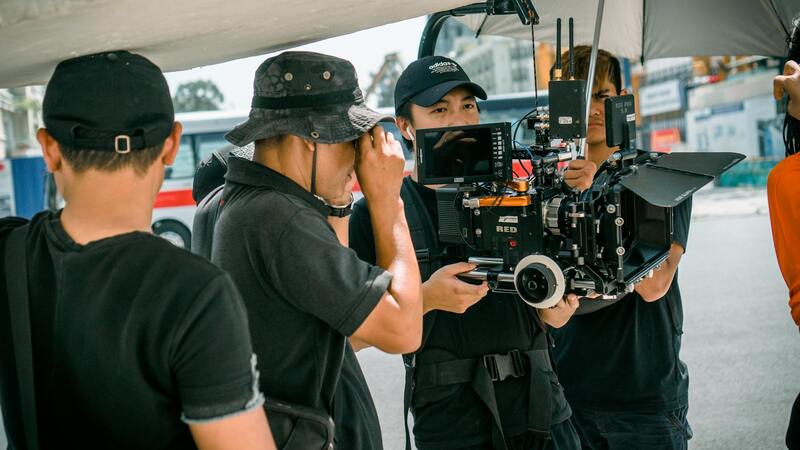
Corporate films serve as powerful visual tools that encapsulate an organization's mission, values, achievements, and visions. They are meticulously crafted to resonate with target audiences, including clients, stakeholders, employees, and potential partners. The production process involves a strategic combination of storytelling, technical expertise, and visual aesthetics, all aimed at elevating the company's brand image and communicating its message effectively. The caliber of the content, the clarity of the message, and the professionalism reflected in the film directly influence viewers' perceptions and engagement. As a sophisticated form of corporate communication, these films can be tailored to serve various objectives such as brand positioning, product launches, annual reports, and internal training programs.
Key Components of Effective Corporate Films
- Storytelling: Crafting a compelling narrative that aligns with corporate values and engages viewers emotionally.
- Visual Quality: Using high-definition cameras and professional lighting to produce crisp, vibrant visuals that reflect quality and professionalism.
- Sound Design: Incorporating clear narration, interviews, and ambient sounds to enhance understanding and immersion.
- Brand Consistency: Ensuring that visuals, tone, and messaging are aligned with the company's branding guidelines.
- Audience-Centric Approach: Addressing the needs and interests of the target demographic to maximize impact.
Types of Corporate Films
- Company Profile Films: Highlighting the company's history, mission, and core offerings to introduce it to potential clients and partners.
- Product and Service Demonstrations: Showcasing benefits and features through engaging visuals, explaining how the offerings meet client needs.
- Training and Internal Communication Films: Facilitating employee onboarding, compliance training, and internal updates with professional video content.
- Event Coverage: Documenting corporate events, conferences, and ceremonies to build community and showcase corporate culture.
- CSR and Community Engagement: Demonstrating commitment to social responsibility through impactful storytelling.
Producing high-quality corporate films requires an integrated approach that combines detailed planning, technical expertise, and creative storytelling. When executed properly, they can serve as enduring assets that reinforce credibility, foster stakeholder engagement, and strengthen the organization's market position.
Production Techniques for Corporate Films
Executing a compelling corporate film hinges on employing advanced production techniques that elevate the visual and auditory experience. High-quality camera work is fundamental; utilizing professional-grade cameras ensures sharp images with rich color depth, capturing every detail necessary to convey professionalism and authenticity. Effective framing, camera angles, and movements create visual interest and help communicate the intended message clearly. For example, close-up shots may be used to emphasize facial expressions or product details, while wider shots provide context and environment.
Lighting plays a crucial role in setting the tone and highlighting key elements. Utilizing a combination of natural and artificial lighting, such as softboxes and reflectors, produces a balanced and appealing visual aesthetic. Proper lighting ensures clarity and reduces shadows, which is vital for maintaining a polished look.
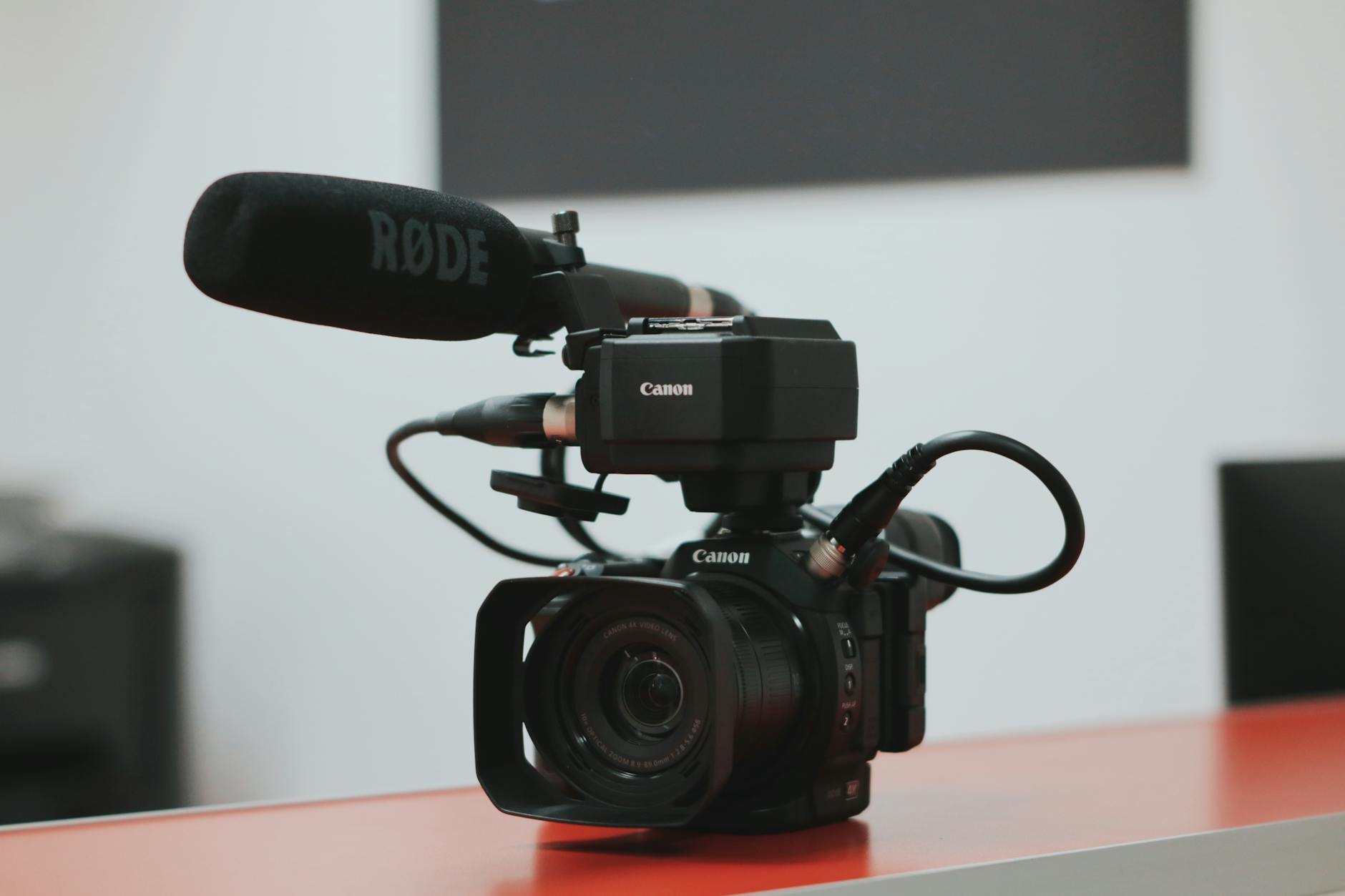
Audio quality significantly influences the overall production value. Using lapel microphones, shotgun mics, or boom microphones captures clean, crisp sound during interviews, narration, and ambient capture. Incorporating noise reduction technologies during recording mitigates background noise and enhances clarity. Once captured, sound design—adding suitable background music, sound effects, and narration—further immerses viewers and emphasizes key messages.
Posture and movement of the camera are also strategic tools. Smooth camera movements, achieved through stabilizers or gimbals, avoid jittery footage and maintain a professional tone. Employing techniques like depth of field focuses viewer attention and adds cinematic appeal. Additionally, shot variety—alternating between angles and perspectives—constructs a dynamic flow that keeps viewers engaged.
Color grading and visual effects are added during post-production to maintain brand consistency and evoke specific emotions. Adjustments to contrast, saturation, and brightness help unify the visual style, aligning it with the company's branding guidelines. When combined, these production techniques form a cohesive approach that yields a professional and impactful corporate film.

Understanding Corporate Films
Corporate films serve as a dynamic visual tool that encapsulates a company's mission, values, achievements, and future goals. They are meticulously crafted to resonate with diverse audiences, including clients, investors, employees, and industry stakeholders. These films are more than just promotional content; they embody the essence of a company's brand identity and strategic vision, demonstrating its expertise and commitment to excellence. The production of corporate films involves a strategic blend of storytelling, innovative visual techniques, and precise messaging, all tailored to reflect the company's unique voice. Whether used for brand awareness, training, or investor relations, these films are pivotal in forging strong, lasting impressions. Organizations increasingly recognize that effectively communicated narratives can enhance credibility, foster trust, and support broader business objectives. The process begins with an in-depth understanding of the company's core values, followed by creating compelling storylines that translate abstract concepts into relatable visuals. Incorporating authentic testimonials, behind-the-scenes footage, and compelling narratives ensures the content is engaging and trustworthy. As such, corporate films act as a digital handshake, communicating professionalism, transparency, and industry leadership to a global audience.
Key Benefits of Corporate Films
The strategic use of corporate films offers a multitude of benefits that extend across branding, communications, and operational efficiency. First, they significantly enhance brand visibility by providing visually appealing content that can be shared across various digital platforms, including social media, websites, and email campaigns. High-quality corporate videos increase engagement rates due to their ability to convey complex messages succinctly and impactfully. For companies aiming to establish thought leadership, these films serve as authoritative content that demonstrates expertise and innovation. Additionally, corporate films support internal communication by effectively onboarding new employees, showcasing company culture, and aligning teams towards shared goals. They also serve as powerful tools during business meetings, investor pitches, and industry expos, where compelling visuals bolster persuasive narratives. Furthermore, well-produced films can improve search engine optimization (SEO), ensuring that the company’s online presence gains visibility among targeted audiences. They foster emotional connections by humanizing the brand and sharing success stories that resonate on a personal level. Overall, corporate films are a vital asset that bridges the gap between companies and their audiences, driving long-term relationships and influencing perception positively.
Planning and Concept Development
The foundation of any effective corporate film is a comprehensive planning and concept development phase. This stage involves thorough research about the company's background, target audience, and the specific messaging goals. During this phase, professionals collaborate with key stakeholders to define the core objectives, whether it’s brand awareness, product promotion, or internal training. Concept development focuses on creating a narrative framework that aligns with the company's values while capturing viewers’ attention. This process includes brainstorming creative ideas, storyboarding, and selecting visual styles that best communicate the intended message. Storytelling techniques are carefully tailored to resonate emotionally and intellectually, ensuring that messages are both memorable and clear. At this stage, the tone, style, and overall vision are articulated, establishing a cohesive storyline and identifying the most impactful visual and auditory elements. Budget considerations, project timeline, and resource allocation are also meticulously planned to ensure efficiency without compromising quality. A detailed script or shot list is finalized, serving as a guide for subsequent production stages. Effective planning minimizes risks, streamlines workflows, and sets realistic expectations, ultimately leading to a polished and purpose-driven corporate film.
Production Techniques for Corporate Films
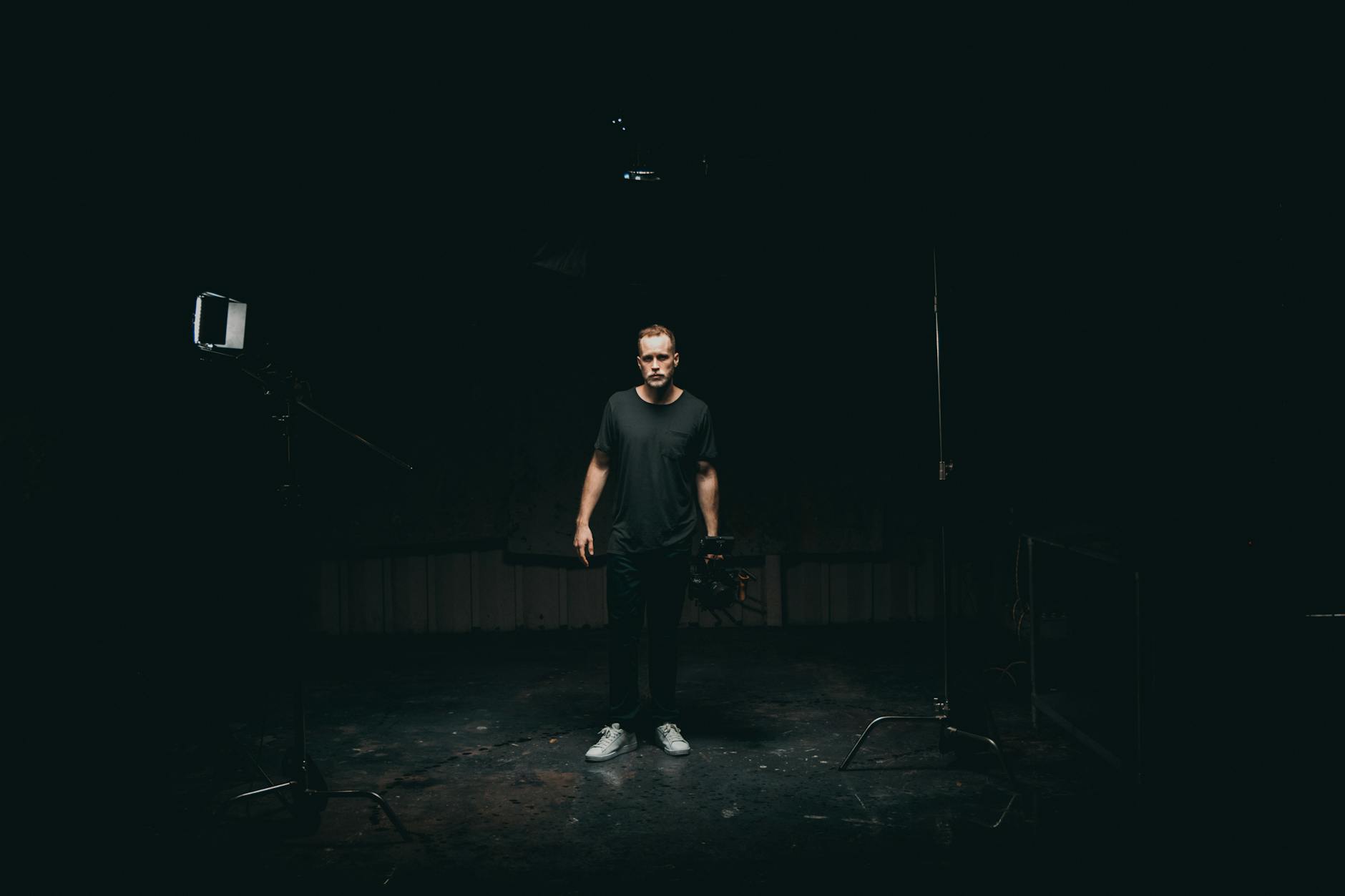
Effective corporate films rely heavily on the deployment of advanced production techniques that bring the envisioned narrative to life. Utilizing high-quality equipment and innovative methods, production teams ensure each scene captures the intended message with clarity and impact. Cinematography plays a vital role, employing techniques such as strategic framing, dynamic camera movements, and the usage of various lenses to enhance visual storytelling. Lighting setups are meticulously planned to create the appropriate mood, emphasizing key subjects and maintaining a consistent aesthetic throughout the film.
Furthermore, drone photography and stabilized camera rigs can be integrated to add cinematic appeal and dynamic perspectives, making corporate videos more engaging. The choice of shooting locations, whether on-set or on location, also contributes significantly to the authenticity and relevance of the content. On-location shoots in Miami, for example, leverage the city's vibrant urban environment to connect viewers with the regional context, adding visual interest and cultural resonance.
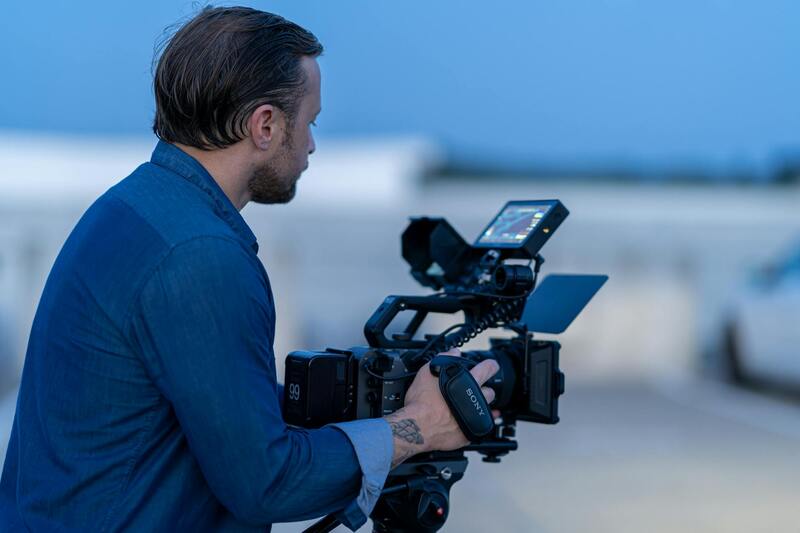
Post-production processes refine the raw footage, transforming it into a polished and compelling corporate film. Color grading adjusts the visual tone to align with brand aesthetics, while motion graphics and animations can be added to clarify complex ideas or highlight key data points. Sound design, including background music and voice-over work, plays a crucial role in setting the appropriate tone and reinforcing messages. Synchronizing audio-visual elements is essential for maintaining viewer interest and ensuring clarity.
Modern corporate films also incorporate visual effects sparingly but effectively, such as animated text overlays or graphical infographics, to enhance storytelling without overshadowing the core message. Additionally, editing techniques like pacing adjustments and scene transitions are carefully employed to craft a smooth narrative flow, keeping viewers engaged from start to finish. Involving stakeholders for feedback during the editing stage ensures the final product aligns with strategic goals and accurately represents the company's values.
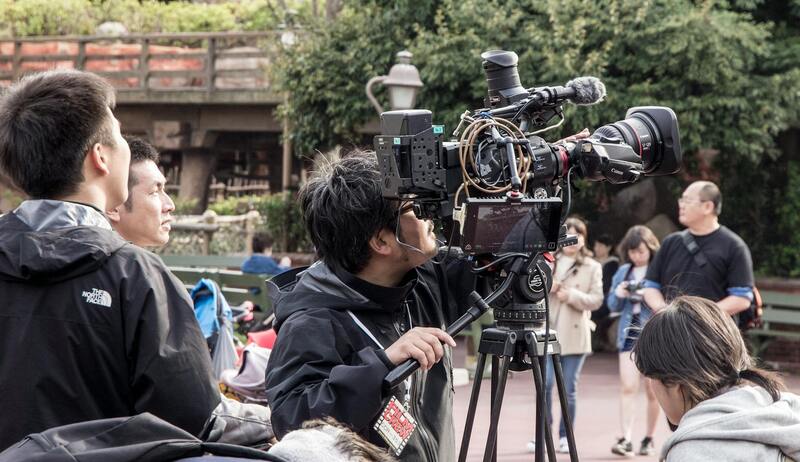
The mastery of these production techniques results in corporate films that are visually striking, emotionally compelling, and strategically effective. It underscores the importance of leveraging current technological advancements and creative storytelling methods, ensuring that each project resonates with the intended audience and achieves its designated objectives.
Understanding Corporate Films
Corporate films serve as a powerful tool for organizations to communicate their brand story, showcase products or services, and engage stakeholders on a deeper level. These productions are meticulously crafted to reflect the company's values and strategic goals, transcending traditional advertising methods. When produced with careful attention to narrative structure, visual appeal, and message clarity, corporate films can significantly influence public perception, foster trust, and inspire action among viewers.
Key Benefits of Corporate Films
Implementing well-produced corporate films offers numerous advantages. They act as dynamic storytelling platforms that bring the brand's personality to life, making complex ideas more accessible through engaging visuals and compelling narratives. Additionally, these films enhance brand recall and recognition, providing a consistent message across diverse channels. They serve as effective training tools, onboarding resources, and corporate social responsibility showcases, reflecting a company's commitment to transparency and community engagement.
Planning and Concept Development
Successful corporate films commence with comprehensive planning and clear concept development. This phase involves defining the primary objective, identifying the target audience, and outlining key messages. Collaborative sessions with stakeholders ensure the narrative aligns with the company's vision. Creative brainstorming leads to the development of concepts that resonate emotionally while conveying strategic information effectively. Storyboarding or scripting at this stage helps visualize scenes and establish pacing, ensuring a cohesive storyline that captivates viewers from beginning to end.
Focus Areas During Planning
- Establishing clear communication goals
- Understanding audience demographics and preferences
- Developing a compelling storyline that aligns with brand identity
- Determining the tone and style of the film—formal, inspirational, innovative
- Setting a realistic budget and timeline for production
Pre-production Process
Pre-production forms the foundational groundwork for a successful corporate film. During this phase, detailed planning involves selecting locations, casting talent, determining equipment needs, and scheduling shoots. A detailed production timeline minimizes delays and ensures resource availability. Additionally, creating detailed shot lists and production scripts streamlines the filming process, providing clear guidance to the crew and talent. Licensing permissions, permits, and insurance are also handled systematically during this stage to facilitate smooth operations and mitigate potential disruptions.
Key Pre-production Elements
- Finalizing script and storyboard
- Selecting production team and talent
- Securing locations and necessary permits
- Organizing equipment and technical requirements
- Scheduling shoot days and contingency planning
Production Techniques for Corporate Films
During filming, leveraging advanced production techniques enhances the visual appeal and professionalism of corporate films. Techniques such as multi-camera setups enable capturing multiple angles, adding dynamism and flexibility in editing. Proper lighting design emphasizes key subjects and highlights brand colors, creating visual consistency with the company's identity. Aerial shots, drone footage, and steadicam operations provide cinematic quality visuals, offering perspectives that captivate audience interest. Smooth camera movements and well-planned shots ensure clarity and engagement.
Furthermore, capturing high-resolution footage and utilizing professional audio equipment guarantee optimal visual and sound quality. Incorporating on-screen talent, interview segments, or real-life scenarios enhances authenticity and relatability. The use of visual storytelling techniques like close-ups, cutaways, and B-roll footage supports the narrative while maintaining viewer interest. These technical elements contribute to a polished, professional corporate film capable of making a lasting impression.
Essential Production Techniques
- Multi-camera filming
- Advanced lighting strategies
- Cinematic camera movements
- High-quality audio recording
- Utilization of drone and aerial footage
Post-production and Editing
The post-production phase refines corporate films, transforming raw footage into a cohesive, compelling narrative. Color grading adjusts tone, mood, and consistency, aligning visual aesthetics with brand standards. Sound design, including background music and voice-over synchronization, enhances emotional resonance and message clarity. Visualization tools like motion graphics, animated text, and infographics clarify complex data or concepts, making them visually engaging. Incorporating visual effects, such as transitions, overlays, and visual enhancements, ensures a seamless flow that keeps viewers immersed.
Meticulous editing techniques—such as pacing adjustments, scene transitions, and rhythmic timing—are employed to craft a balanced and engaging storyline. Stakeholder feedback during this stage guarantees alignment with organizational expectations and strategic messaging. Ultimately, post-production is crucial to elevate the film's professionalism, scale, and impact, making it an effective communication asset across multiple platforms.
Post-production Highlights
- Color grading for visual consistency
- Sound editing and background score integration
- Motion graphics and visual effects
- Optimizing footage for different distribution channels
- Final review and stakeholder approvals
Understanding Corporate Films
Corporate films serve as dynamic communication tools that encapsulate an organization’s values, mission, and offerings in a visually compelling format. They are crafted to engage diverse audiences, including clients, partners, employees, and stakeholders. The essence of a corporate film lies in its ability to portray a company's story authentically while highlighting its unique strengths. The production process involves detailed scripting, storyboarding, and strategic messaging that align with the organization's branding and objectives. By leveraging high-quality visuals, professional narrative, and engaging storytelling techniques, corporate films effectively elevate a company's visibility and credibility in a competitive marketplace.
Key Benefits of Corporate Films
- Enhanced Brand Recognition: A well-produced corporate film reinforces brand identity and makes a lasting impression on viewers.
- Effective Communication: Videos simplify complex information, making technical data or corporate messages more accessible and memorable.
- Versatile Marketing Tool: Corporate films can be used across multiple platforms—website, social media, trade shows, and internal communications—to maximize reach and engagement.
- Talent Attraction and Retention: Showcasing workplace culture and employee success stories helps attract skilled talent and boosts morale among current staff.
- Stakeholder Confidence: Transparency and professionalism conveyed through high-quality videos foster trust and credibility with investors and clients.
Planning and Concept Development
Creating an impactful corporate film begins with meticulous planning. Clarifying the core message, defining target audiences, and establishing key objectives are essential steps. During concept development, scripting plays a vital role; it sets the tone, narrative flow, and emotional appeal. Brainstorming sessions often involve stakeholders to ensure alignment with strategic goals. Visual storyboards and shot lists help visualize scenes and determine shooting requirements, locations, and talent needs. This stage sets a solid foundation for all subsequent production activities, ensuring a cohesive and focused storytelling approach.
Pre-production Process
The pre-production phase involves logistical planning, casting, scouting locations, and securing necessary permits. Detailed production schedules are established to streamline the filming process and maximize efficiency. Equipment selection, including cameras, lighting, and sound gear, is tailored to meet the technical demands of the project. Casting choices, whether employees or professional actors, are made to best represent the organization’s brand persona. Storyboarding and shot planning facilitate smooth on-site execution. During this phase, collaboration with creatives ensures that all elements align with the intended narrative and visual aesthetic—laying the groundwork for a seamless production process.
Production Techniques for Corporate Films
The production stage involves capturing footage using advanced cinematography techniques. Proper framing, camera movements such as tracking shots and dolly inserts, and camera angles evoke specific emotional responses. High-quality audio recording ensures clarity and immersion, while lighting setups enhance visual texture and depth. Incorporating aerial footage via drone enhances storytelling by providing unique perspectives. Professional direction and crew coordination ensure efficient scene execution, while continuity management maintains consistency across shots. Employing a mix of live-action, animation, and motion graphics—based on the project’s needs—further enriches the visual narrative.
Post-production and Editing
The post-production process refines raw footage into a polished final product. Color grading is used to establish visual tone and consistency, matching the film’s mood with brand aesthetics. Sound editing involves balancing audio levels, removing noise, and integrating background music or voice-overs for emotional impact. Visual effects such as overlays, transitions, and animated text enhance visual engagement. Motion graphics clarify complex data through infographics, elevating the film’s informational value. Meticulous editing ensures pacing and rhythm align with storytelling objectives. Stakeholder reviews and feedback allow for adjustments, ensuring the final product accurately reflects organizational expectations and strategic messaging. Effective post-production transforms a collection of clips into a compelling communication asset ready for distribution.
Distribution and Promotion Strategies
Maximizing the reach of corporate films involves strategic distribution and promotion across appropriate channels. Hosting videos on official websites, social media platforms, and video hosting services increases visibility. Embedding films within email campaigns or presentations enhances their impact during stakeholder engagements. For broader outreach, distributing via industry events, trade shows, and internal channels ensures targeted exposure. Optimization for various devices, including smartphones and tablets, guarantees accessibility. Additionally, leveraging analytics enables organizations to measure engagement, refine future content, and fine-tune distribution approaches. Consistent promotion sustains interest and elevates brand presence through high-quality corporate films across multiple touchpoints.