
Overview of Commercial Video Production Costs
Creating a compelling commercial video requires careful planning and strategic investment. The total cost of commercial video production in Miami is influenced by multiple interrelated factors, starting from the initial concept development to the final edits. Understanding the core components that contribute to the overall expenditure helps clients make informed decisions that align with their marketing objectives and budget constraints.
In Miami, a city known for its vibrant culture and diverse media landscape, commercial video projects can vary significantly in scale and complexity. The scope of the project — whether it’s a quick promotional spot or a high-end, cinematic advertisement — plays a primary role in determining the budget. Additionally, the quality of equipment, talent, and special effects desired can drive costs up or down, depending on the production values expected.
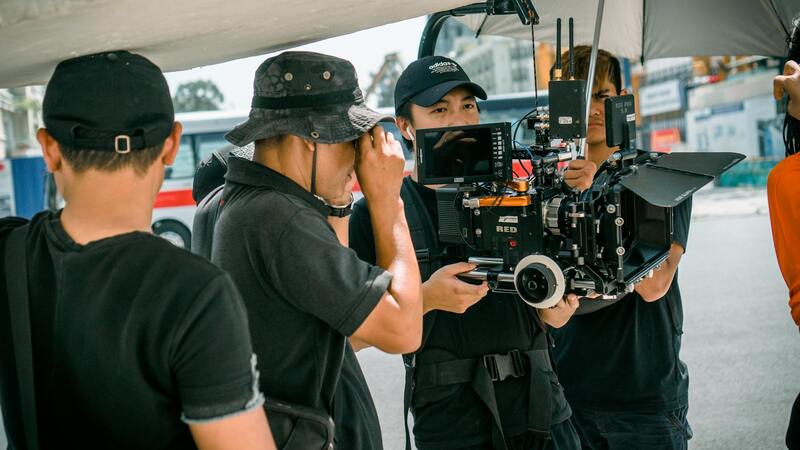
Overall, understanding these fundamental cost components—how scope, quality, and scale interplay—empowers businesses to plan more effectively. It allows them to allocate resources efficiently and to select the right level of production services to meet their branding goals while maintaining a realistic budget. As Miami continues to grow as a hub for innovative media content, knowing what influences commercial video costs becomes an essential part of strategic marketing execution.
Understanding the Breakdown of Commercial Video Production Costs
Pre-Production Expenses
Pre-production forms the foundation of any successful commercial video, encompassing essential planning and preparation activities. This phase involves detailed scripting which ensures the message communicates effectively to the target audience. Crafting a compelling storyboard helps visualize scenes and sequences, providing clarity to the entire production team. Casting decisions, whether hiring professional actors or selecting local talent, play a major role in setting the tone and authenticity of the commercial. Location scouting is integral to finding areas that reflect the intended brand image, and navigating the permitting process ensures compliance with local regulations, avoiding potential delays or additional costs.
Other pre-production considerations include securing necessary permits for filming at various sites, which requires liaising with local authorities. Budgeting for these activities allows firms to allocate resources efficiently, preventing unforeseen expenses from disrupting the project timeline. Additionally, this stage often involves hiring production coordinators, scriptwriters, and storyboard artists—each contributing to shaping the vision of the commercial and ensuring it aligns with branding goals.
Production Costs
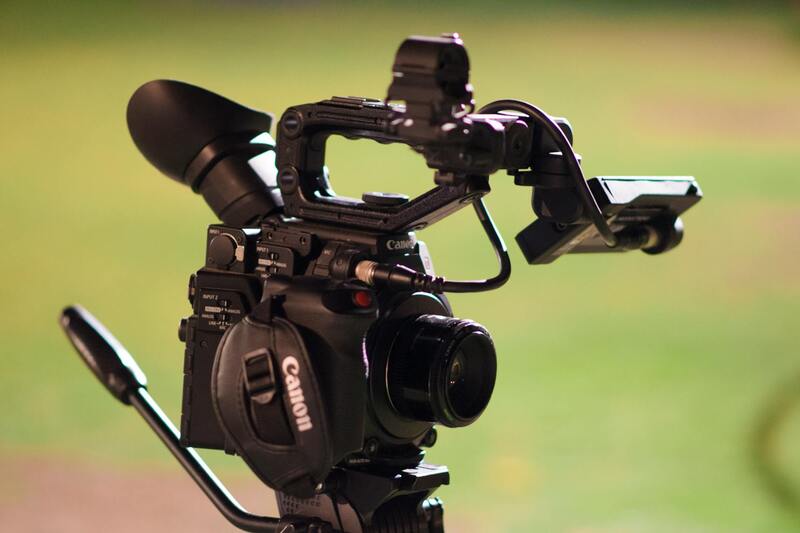
The filming phase is where the creative vision materializes on set. Key elements influencing production costs include equipment rental, talent fees, set design, and location expenses. High-end cameras, lighting equipment, and sound equipment are often necessary for top-tier visuals, especially if cinematic quality is the aim. Depending on the scope, a production can span from a few hours to multiple days, directly impacting labor costs and crew wages.
Location costs can vary widely in Miami, with popular areas sometimes charging higher fees or requiring additional permits. Talent fees depend on experience level and project duration—professional actors and voice-over artists often demand higher rates, but their expertise can elevate the commercial’s overall impact. Set design and costumes, especially for complex scenes, require additional budgets. Careful planning ensures all elements are coordinated effectively to prevent overruns and maintain production schedules.
Post-Production Spending
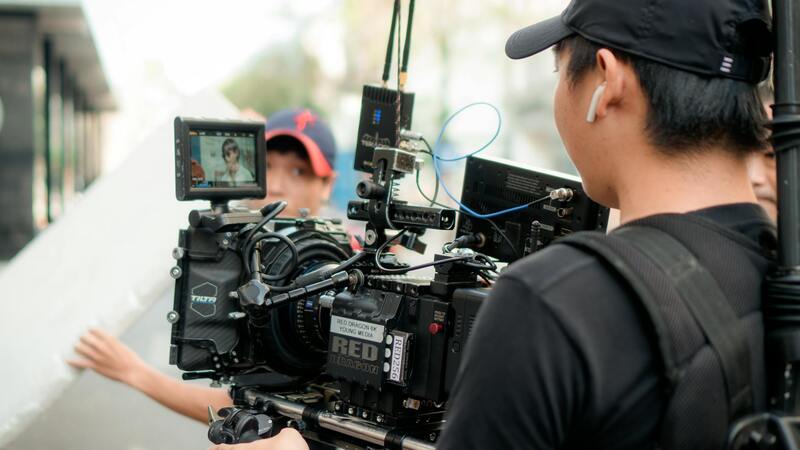
Post-production involves editing, color grading, sound design, visual effects, and final deliverables. Skilled editors utilize advanced software to craft seamless sequences that enhance storytelling and visual appeal. Color grading refines the aesthetic, ensuring consistency across shots and aligning with brand colors. Sound editing improves audio quality, clarity, and synchronization, with options for voice-overs and background music that resonate with viewers.
Visual effects can range from subtle enhancements to complex CGI, significantly affecting costs based on project demands. Finalization may also include multiple review rounds, revisions, and formats optimized for various platforms, whether television, online streaming, or social media. This phase often accounts for a sizable portion of the overall budget due to the technical expertise and time required to polish a commercial professionally.
Factors Affecting Cost Variations
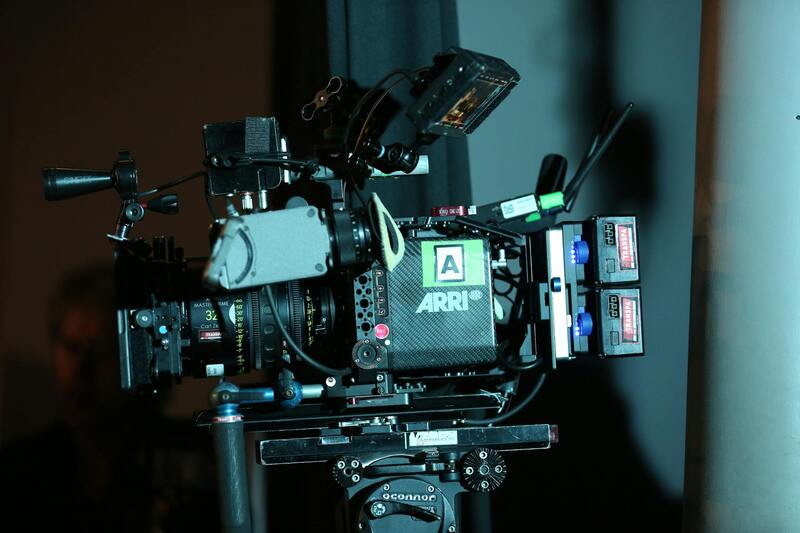
- Project Complexity: More intricate scripts, multi-location shoots, and advanced visual effects naturally increase costs.
- Talent Selection: Hiring well-known actors or industry professionals can significantly raise expenses compared to emerging talent.
- Equipment Quality: Utilizing cutting-edge cameras and equipment contributes to higher rental fees, but can also produce superior visuals.
- Duration of Production: Longer shoots require more crew hours, location rentals, and related resources, escalating the total expenditure.
- Post-Production Demands: Extensive editing, CGI, or animation work increase post-production costs, depending on project's scope.
- Seasonal and Location Factors: Certain times of year or high-demand locations may incur premium rates for permits, rentals, or staffing.
Budget Range Estimates for Miami Commercials
In the Miami area, the cost of producing a commercial can span a broad spectrum, from modest projects to high-budget cinematic advertisements. Small-scale commercials, typically with basic visuals and local talent, can start around $5,000 to $20,000. These projects often involve minimal locations, simple scripting, and basic editing.
Mid-range productions, incorporating higher production values, professional actors, and multiple locations, generally fall within the $20,000 to $100,000 range. These budgets allow for more elaborate set designs, advanced equipment, and refined post-production services.
High-end commercials, especially those aiming for a cinematic feel or featuring renowned talent and complex visual effects, can exceed $100,000, reaching into the several hundred thousand dollars. Such investments are tailored to brands seeking maximum impact and quality that stands out in competitive markets.
Cost-Saving Tips and Best Practices
- Define Clear Objectives: Knowing exact goals helps streamline the creative process and prevent unnecessary expenditures.
- Opt for Local Talent and Locations: Utilizing talent and sites within Miami reduces transportation and permit costs.
- Limit Shooting Days: Planning efficient schedules minimizes crew and equipment rental costs.
- Prioritize Essentials: Focus spending on elements that directly impact message delivery and visual quality.
- Collaborate with Experienced Agencies: partner with production teams that provide comprehensive packages, ensuring cost-effective solutions.
Choosing the Right Production Company in Miami
Selecting a reliable and experienced production partner is crucial for staying within budget while achieving desired quality. A company with extensive local knowledge can navigate permitting processes, identify the best locations, and leverage relationships with talented professionals. Review portfolios and ask for detailed proposals that outline scope, timeline, and costs to ensure alignment with your objectives.
Effective communication and transparency during pre-production and production phases help prevent unforeseen expenses and facilitate smooth operations. An experienced Miami-based agency understands the unique challenges of local shoots and can recommend cost-effective strategies that do not compromise the overall vision.
Production Costs
Production costs form a significant portion of the overall commercial video budget, covering a variety of essential elements vital to capturing high-quality footage that aligns with your campaign goals. These include equipment rental, crew wages, talent fees, set design, and on-location expenses specific to Miami's vibrant environment.

Equipment Rental
Utilizing state-of-the-art cameras, lighting, and sound equipment is fundamental in achieving polished visuals. The cost varies depending on the complexity of the gear required, with premium equipment rental firms offering packages that include cameras, rigs, drones, and lighting setups suitable for various scene demands. Local providers in Miami often offer competitive rates due to high demand and extensive inventory.
Crew Wages
Qualified professionals such as directors, cinematographers, camera operators, and production assistants are essential for executing your vision. Their wages are influenced by experience, the length of the shoot, and the scope of work. Miami's talented labor pool allows for flexibility, with some crews offering scaled rates for smaller projects or off-peak shooting schedules.
Talent Fees
Actors, voice-over artists, and models are recruited based on the project's needs. Fees are determined by the talent's experience, role prominence, and usage rights. Utilizing local talent can reduce transportation and accommodation costs, ensuring the budget remains manageable while delivering authentic representation of Miami’s diverse demographic.
Set Design and Art Direction
Creating visual interest through set construction or dressing supports storytelling. In Miami, leveraging existing locations in combination with set enhancements can optimize costs. Renting or purchasing props, hiring art directors, and designing efficient layouts contribute to the overall expenditure but are pivotal in delivering a convincing and engaging visual narrative.
On-Location Expenses
Securing permits, traffic control, and logistics in Miami involve costs that vary based on the shoot's complexity and site accessibility. Public spaces may require permits that include fees, insurance, and police coordination. Utilizing familiar local sites can streamline permit procurement and reduce associated expenses.
Additional Considerations
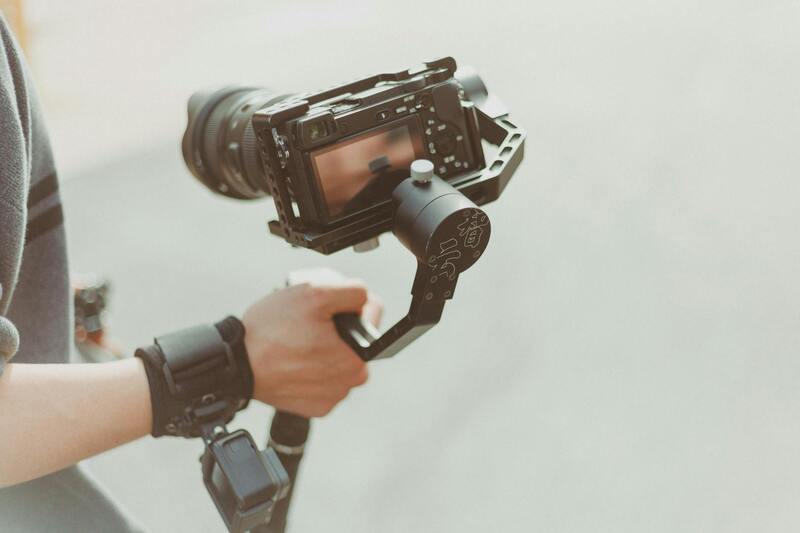
Special effects, drone footage, and post-shoot stabilization or correction also contribute to production costs. Planning for these elements during pre-production ensures budgets align with desired outcomes, preventing overspending during or after the shoot. Efficient scheduling, clear communication, and detailed agreements with vendors help contain costs while maintaining creative standards.
Post-Production Spending
Post-production costs are a substantial component of the overall commercial video production budget, encompassing a wide range of technical and creative processes that bring the project to its final form. Key elements include editing, color grading, visual effects, sound editing, and licensing fees for music, stock footage, or proprietary assets. High-quality editing sharpens the narrative flow, ensuring the commercial maintains viewer engagement and effectively communicates its message. Color correction enhances visual consistency, mood, and aesthetic appeal, which can significantly influence audience perception.
Visual effects (VFX) may be necessary to incorporate elements that were impossible or impractical to film on set, such as digital enhancements, compositing, or simulated environments. These effects require specialized software and skilled artists, contributing to the total costs. Sound design, including voiceovers, sound effects, and background music, is integral to reinforcing the commercial’s emotional tone and message. Licensing fees for music or stock content must be factored into the budget to avoid legal complications and ensure high-quality audio assets that complement the visual content.
Detailed planning during the pre-production phase can prevent unexpected expenses during post-production. Clearly outlining the scope of editing, effects, and music rights helps manage costs efficiently. For instance, opting for existing music libraries or limiting the extent of visual effects can stay within budget while still producing a compelling commercial. Working with experienced post-production studios familiar with Miami’s creative landscape ensures timely delivery and high standards, which are essential for a successful campaign.
Overall, allocating a fair portion of the budget to professional post-production services guarantees that the commercial not only meets technical standards but also resonates emotionally with the target audience, ultimately maximizing return on investment.
Understanding the Elements of Commercial Video Production Cost
When planning a commercial video, understanding the breakdown of expenses across different phases is essential for effective budgeting. Each stage from pre-production to post-production involves strategically allocated resources that influence the overall cost. Recognizing the nuances of these components ensures that production teams and stakeholders can make informed decisions that align with their financial plans while maintaining high-quality output.
Pre-Production Expenses
The pre-production phase often demands a significant investment in planning and preparation. This stage includes concept development, scriptwriting, storyboarding, and securing necessary permits or locations. Creative development requires collaboration with writers, directors, and clients to craft a compelling narrative that resonates with the target audience. Additionally, casting actors, hiring location scouts, and assembling a crew contribute to initial expenses.
In Miami's vibrant creative scene, location scouting can also incur costs related to permits and logistics, especially for iconic or restricted areas. Equipment rentals, such as cameras and lighting gear, are often booked in this stage, and costs can vary depending on the complexity of the shoot. Budgeting for pre-production involves allocating funds for these activities to prevent unforeseen expenditures during later stages.
Production Costs
The actual filming process represents a substantial part of the commercial video production budget. Key factors include personnel fees, set construction, equipment rental, and on-site logistical support. The scope and complexity of the shoot directly influence costs; for instance, shoots involving multiple locations, extensive sets, or elaborate props tend to be more expensive.
Highly skilled crew members, such as cinematographers, gaffers, and production assistants, command competitive rates, especially in a bustling Miami market known for its diverse talent pool. Weather considerations, especially in outdoor shoots, can also impact costs if delays or rescheduling are needed. Furthermore, the use of special equipment such as drone footage or high-definition cameras adds to the expense but enhances visual quality.
Post-Production Spending
In the post-production phase, the focus shifts to refining the footage into a polished commercial. Editing involves cutting and sequencing footage to craft a compelling story, requiring skilled editors whose hourly rates reflect their expertise. Color grading adjusts the visual tone, ensuring consistency and aesthetic appeal that matches the brand’s identity. Additionally, visual effects, compositing, and CGI may be employed to enhance or create scenes, especially if digital enhancements are necessary.
Sound design also plays a crucial role, involving voiceover recording, background music, and sound effects. Licensing fees for music tracks or photo stock elements must be factored into the budget, with original scoring often adding additional costs. High-quality audio post-production ensures clarity and emotional impact, which are vital for engaging viewers effectively.
Strategic planning during pre-production to specify desired effects and sound elements helps manage post-production expenses. Utilizing existing music libraries or limiting the scope of visual effects can help stay within budget while still securing a professional standard.
Additional Factors Influencing Budget Variations
Factors such as the length of the video, the complexity of the scenes, the necessity for special effects, and talent requirements significantly influence the final cost. Longer videos naturally cost more due to extended shooting days and editing hours. Complex scenes with visual effects or multiple locations demand additional resources, driving up expenses.
Moreover, hiring well-known talent or featuring popular personalities may increase costs but can boost engagement and brand recognition. The extent of animation or CGI effects, along with the use of drones or specialty equipment, also impacts the overall budget. It's crucial to assess each element carefully during the planning stage to align production ambitions with financial limitations.
Cost Breakdown and Official Methods to Manage Commercial Video Production Expenses
Understanding the specific components that constitute the total expense of a commercial video project is essential for establishing a realistic budget and ensuring efficient resource allocation. Outlined below are recognized, legitimate strategies and methods for managing and optimizing production costs, which are applicable across various project scopes and market segments.
Comprehensive Cost Management Techniques in Commercial Video Production
Structured Budget Planning and Detailed Quoting
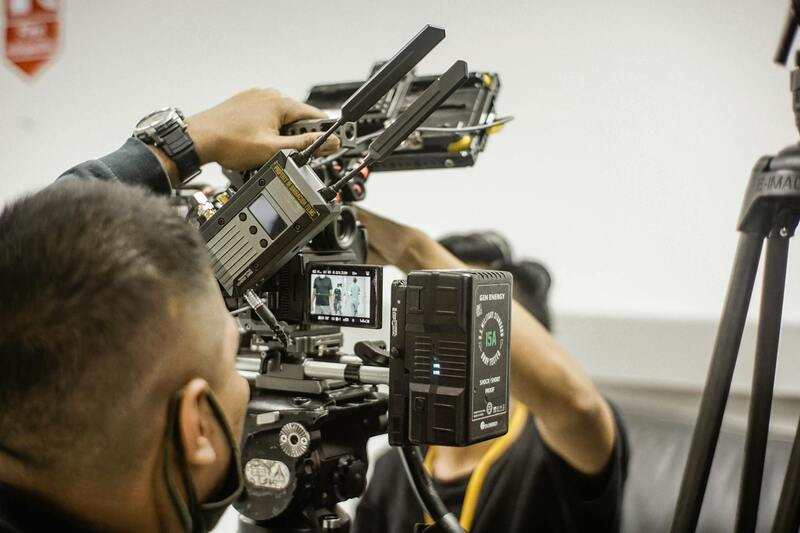
Professionally estimating costs begins with detailed planning and obtaining comprehensive quotations from reputable, experienced production providers. This process involves breaking down each phase—pre-production, production, and post-production—and requesting itemized bids for services such as casting, location permits, equipment rental, set design, and editing. By securing precise quotes, clients can avoid unexpected expenses and prioritize allocations based on project goals and available funds.
Leveraging Standardized Rates and Cost Benchmarks
Utilizing industry-standard pricing templates helps ensure that quotes are grounded in common market rates. Many professional organizations and industry associations provide benchmarking data on crew wages, equipment costs, and post-production fees. Relying on these authoritative reference points minimizes under- or over-estimation and fosters transparent negotiations with vendors.
Engaging Certified and Accredited Production Partners
Partnering with vetted production agencies or freelance professionals with verifiable credentials ensures the use of high-quality resources adhering to legitimate business practices. Such partners typically offer clear pricing structures and are compliant with industry standards, reducing the likelihood of hidden charges and subpar deliverables.
Utilizing Cost-Effective Technologies
Adopting emerging, high-efficiency production tools, such as 4K or 8K cameras with multipurpose capabilities, can save costs by reducing the need for extensive equipment rentals. Cloud-based collaboration platforms for editing and file sharing streamline workflows, cutting down on time and associated expenses.
Implementing Clear Contracts and Service Agreements
Formal agreements specify scope, deliverables, timelines, and costs, creating a contractual obligation for both parties to adhere to agreed-upon parameters. This approach minimizes budget overruns and ensures accountability, especially when engaging multiple vendors or freelancers.
Enforcing Cost Controls During Production and Post-Production
- Regular financial reviews and milestone-based payments help monitor ongoing expenses, allowing timely adjustments.
- Limiting the number of shooting days and minimizing location changes reduce logistical costs.
- Choosing a manageable scope for visual effects and animations aligns project ambitions with budget constraints.
- Using existing assets—such as stock footage or royalty-free music—can significantly reduce licensing and production costs.
Utilizing Digital Tracking and Budgeting Software
Digital tools designed for budget management, such as dedicated project accounting software, enable real-time expense tracking. These applications assist project managers in maintaining financial discipline and generating reports that reveal variances from initial estimates, facilitating immediate corrective actions.
Best Practices for Cost Optimization
- Develop a comprehensive project brief to avoid scope creep.
- Opt for local talent and resources when possible, mitigating travel and accommodation expenses.
- Schedule shoots during off-peak periods to capitalize on reduced costs for locations and services.
- Consider incremental funding phases tied to project milestones, ensuring budget adherence at each stage.
Summary of Official Cost Management Approaches
Managing commercial video production costs effectively requires a combination of precise planning, industry-aligned standards, transparent negotiations, and disciplined financial oversight. Employing these vetted methods guarantees that projects adhere to budget constraints while maintaining high production standards, ultimately delivering impactful content within legitimate and sustainable financial practices.
Understanding the Factors That Influence Commercial Video Production Costs
When planning a commercial video project, numerous variables can significantly impact the overall expenditure. Recognizing these elements enables clients and producers to make informed decisions and adopt strategies that align with their financial plans.
Location and Venue Selection
The choice of filming locations plays a pivotal role in budget determination. Urban centers like Miami offer diverse settings, but costs can vary based on permit fees, accessibility, and availability. Securing permission for outdoor or public spaces may incur fees, while private studios or controlled environments might involve rental charges. Furthermore, remote or exotic locations often demand additional logistics, transportation, and accommodation expenses.
Talent and Crew Compensation
The caliber and experience level of talent and crew influence production costs. Experienced actors, directors, cinematographers, and technical staff command higher remuneration. Additionally, specialized roles such as aerial videographers or VFX artists contribute extra costs. The duration of the shoot and the number of personnel involved also shape overall labor expenses.
Equipment and Technology Usage
High-end cameras, lighting setups, and stabilization equipment are essential for premium quality visuals. The procurement or rental of advanced tech increases costs but ensures professional standards. Utilizing emerging technologies, such as drones or 3D scanning, can further elevate production value but require additional investment.
Duration and Scheduling of Filming
Extended shooting days translate directly into higher labor and location fees. Efficient scheduling, including consolidating scenes and utilizing contingency planning, minimizes unplanned expenses. Additionally, scheduling shoots during off-peak times or seasons can reduce costs associated with location access and service providers.
Post-Production Complexity
The extent of editing, color grading, sound design, and visual effects collectively determine post-production expenditure. Complex animations or CGI sequences are often resource-intensive, requiring specialized talent and software. Streamlining post-production workflows and clearly defining project scope early can mitigate cost overruns.
Legal and Permitting Fees
Complying with local regulations necessitates permits, insurance, and legal clearances, each contributing to the budget. Navigating jurisdictional requirements efficiently ensures that these costs remain predictable and manageable.
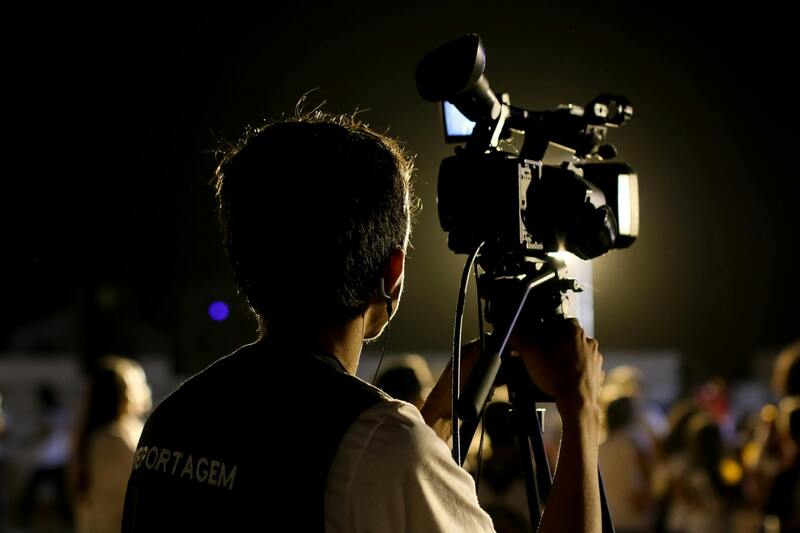
By thoroughly evaluating these factors, clients can better tailor their project scope and resource allocation, ensuring the delivery of impactful content within a realistic budget framework. Strategic planning and transparency are essential in aligning production aspirations with financial realities, fostering a smooth process from conception to final cut.
Understanding the Breakdown of Commercial Video Production Costs
Pre-Production Expenses
Pre-production constitutes a critical phase where the foundation for the entire project is established. This stage involves conceptual development, scripting, storyboarding, casting, location scouting, and securing necessary permits. Each component requires specialized expertise and time investment, influencing the overall budget. Crafting a compelling concept and clear script reduces the need for costly revisions later in production, emphasizing the importance of thorough planning upfront.
During this phase, hiring a production team experienced in Miami's local environment can optimize costs. An efficient team will advise on the best locations and permits, which can prevent unforeseen expenses. Casting also plays a role, with the choice between hiring local talent or bringing in external professionals affecting costs—local talent generally incurs lower fees, especially when considering travel and accommodation expenses.
Production Costs
The production stage involves capturing the video footage as per the storyboard and script. This phase typically accounts for the most substantial part of the budget. Key cost elements include:
- Talent fees, including actors, presenters, or voice-over artists
- Equipment rental, such as cameras, lighting, and sound gear
- Location fees, which vary depending on the site’s popularity and accessibility
- Production crew salaries, encompassing directors, camera operators, and support staff
- Set design and wardrobe, if the project demands customized scenes or costumes
- On-site catering and transportation
Effective management during filming, such as meticulous scheduling and the use of multi-feature shoots, can significantly reduce unnecessary expenses. Additionally, streamlining the crew size and rescheduling to off-peak hours or days can lead to savings while maintaining the quality of footage.
Post-Production Spending
Post-production encompasses editing, sound design, color correction, visual effects, and final delivery. This segment often dictates the quality and impact of the finished commercial. The complexity of editing, the extent of visual effects, and the need for revisions contribute to the overall expenditure.
Using high-quality editing software and employing experienced editors can help streamline the process and avoid costly reworks. When visual effects or CGI are required, partnering with specialists ensures seamless integration but can add to costs. Budgeting for multiple review cycles and approvals is essential, as thorough feedback from stakeholders minimizes costly adjustments later.
Factors Influencing Cost Variations
The final costs are shaped by multiple factors, including:
- Project scope and complexity
- Choice of talent and crew members
- Location-specific fees and permits in Miami
- Duration and scheduling of the shoot
- Level of post-production effort required
- Use of advanced technology or visual effects
Understanding these variables allows for precise budgeting and expectation management, ensuring resource allocation matches the creative vision without overspending. Strategic decisions, such as opting for simpler scenes or utilizing existing assets, can help optimize costs while maintaining impact.
Budget Range Estimates for Miami Commercials
Depending on the scope and quality expected, commercial video production costs in Miami can vary significantly. A basic production with minimal post-production might start from around $5,000 to $10,000 for small-scale projects. Mid-level commercials incorporating professional talent, location shoots, and moderate post-production typically range from $20,000 to $50,000.
High-end campaigns involving extensive filming, high-profile talent, intricate visual effects, and multiple versions can exceed $100,000. Clients should consider these ranges as benchmarks, adjusting for specific needs and objectives. Collaborating with a Miami-based production agency familiar with local costs can further refine budgeting accuracy and identify opportunities for cost efficiencies.
Cost-Saving Tips and Best Practices
To maximize investment while maintaining quality, consider the following strategies:
- Plan meticulously to avoid scope creep and unanticipated expenses.
- Choose locations wisely—favor sites with minimal permit costs or existing access agreements.
- Leverage local talent and crew to reduce travel and accommodation expenses.
- Opt for efficient shoot schedules, consolidating scenes to limit production days.
- Limit post-production complexity by establishing clear expectations from the outset.
- Utilize technology wisely—streamlining workflows with editing tools and visual effects software can save time and money.
- Engage experienced local production partners who understand the Miami market and cost structure.
By applying these practices, clients can achieve high-impact commercials within their financial parameters, ensuring a seamless process from concept to final cut without compromising on quality.