
Understanding Corporate Production Video
A corporate production video is a professionally crafted visual presentation designed to communicate a company's message, showcase products or services, or enhance internal communication. These videos serve as a powerful tool for engaging target audiences, whether they are potential clients, partners, or employees. Unlike amateur content, corporate videos adhere to strict standards of quality, clarity, and branding to effectively deliver their intended message.
In the realm of business marketing, corporate production videos are instrumental in establishing brand identity, demonstrating expertise, and building trust with viewers. They are often used in a variety of scenarios, including product launches, corporate interviews, training modules, and event coverage. Their role in internal communications is equally vital, facilitating smooth information flow and fostering a unified corporate culture.
The importance of a corporate production video lies in its ability to communicate complex ideas succinctly and compellingly. A well-executed video can distill intricate processes or values into engaging narratives that resonate across diverse audiences. This visual storytelling enhances understanding and retention, making corporate videos an essential investment for companies aiming to strengthen their market presence and internal cohesion.
Effective corporate videos usually incorporate high-quality visuals, clear audio, and professional editing to ensure the final product aligns with the company's branding guidelines. They often include scripted content, expert interviews, testimonials, and dynamic visuals that capture viewers’ attention and reinforce the intended message.
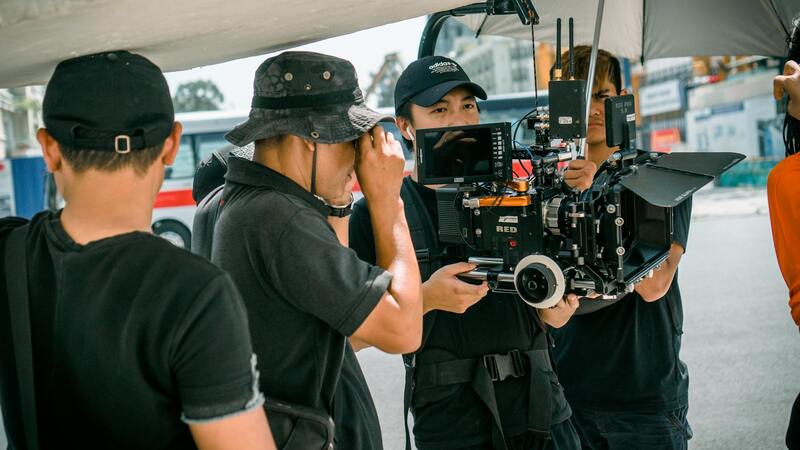
Key Functions of Corporate Production Videos
- Brand Promotion: Showcasing brand identity and values through compelling storytelling.
- Product Demonstration: Highlighting features and benefits to inform and persuade potential customers.
- Employee Training and Onboarding: Delivering consistent internal education efficiently.
- Event Coverage: Sharing corporate milestones, conferences, and seminars with broader audiences.
- Internal Communications: Facilitating clear and engaging company updates and messages.
With their versatility and widespread appeal, corporate production videos continue to be a cornerstone of strategic communication, helping companies elevate their outreach and internal engagement efforts.
Pre-production Planning and Concept Development
Effective pre-production is the foundation of a compelling corporate production video. This phase involves meticulous planning to ensure that the final product aligns with the company's strategic objectives and messaging. It begins with outlining the core message and target audience, which influences the tone, style, and content of the video. Developing a detailed script or storyboard helps visualize the flow of visuals and dialogue, ensuring all stakeholders are aligned before filming commences.
An essential part of pre-production is location scouting and securing necessary permits, especially when shooting on external sites or at significant company facilities. Additionally, selecting appropriate talent—be it employees, industry experts, or professional actors—adds authenticity and credibility to the message. Integrating brand elements such as logos, color schemes, and visual motifs within the concept development process guarantees consistency across the entire video.
Creating a comprehensive production schedule minimizes delays and budget overruns. This schedule should include timelines for script approval, shooting days, and post-production milestones. Budget planning covers equipment rental, crew costs, special effects, and distribution expenses, allowing the project to stay financially on track.
Choosing the Right Production Team and Equipment
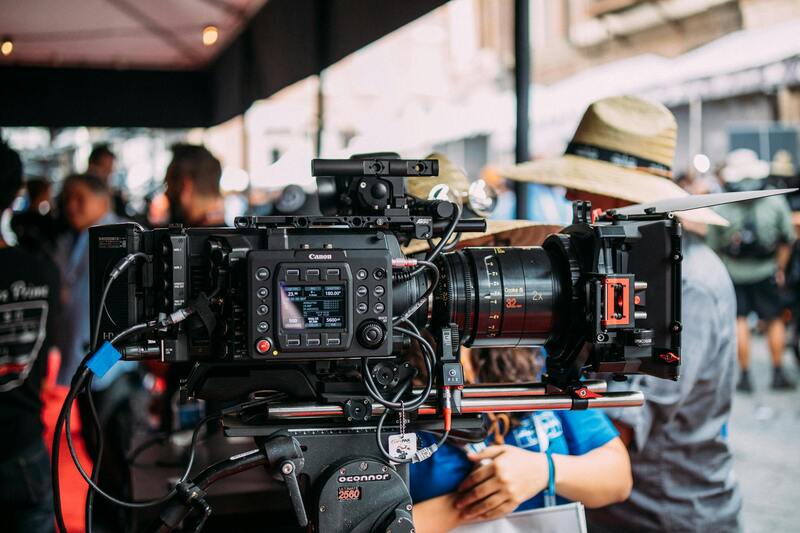
Selecting a capable production team with relevant experience in corporate video creation is vital. A professional team typically includes a director, cinematographers, scriptwriters, and editors, all of whom contribute unique skills to enhance the project's quality. Their expertise ensures that the visual language aligns with the intended branding and messaging goals.
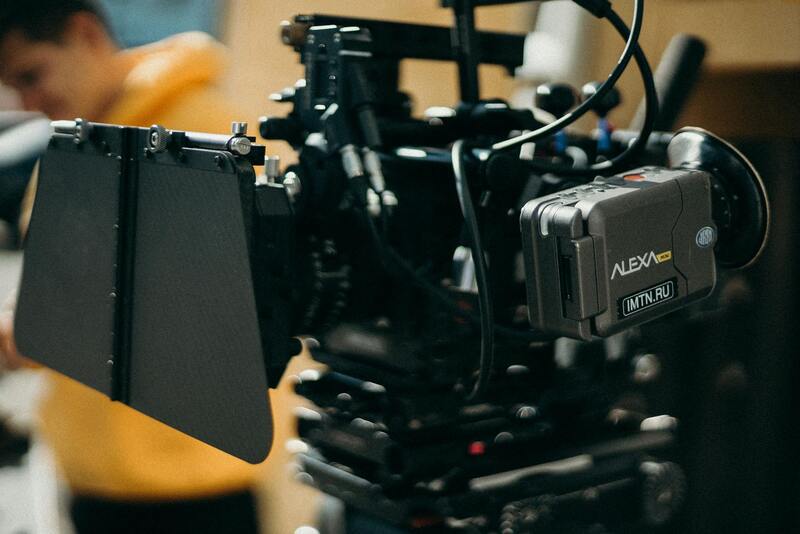
Equally important is the selection of high-quality equipment. This includes professional-grade cameras, lighting, and sound recording devices, which significantly impact the visual and auditory clarity of the final product. For outdoor shoots or locations with challenging lighting conditions, versatile lighting setups and stabilization equipment help maintain video quality and consistency.
Utilizing modern editing software and playback monitors allows precise control over color grading, sound design, and special effects during post-production. Investing in the right equipment and skilled personnel guarantees that the corporate video meets professional standards and captures the audience's attention effectively.
Production Process: Filming and Direction
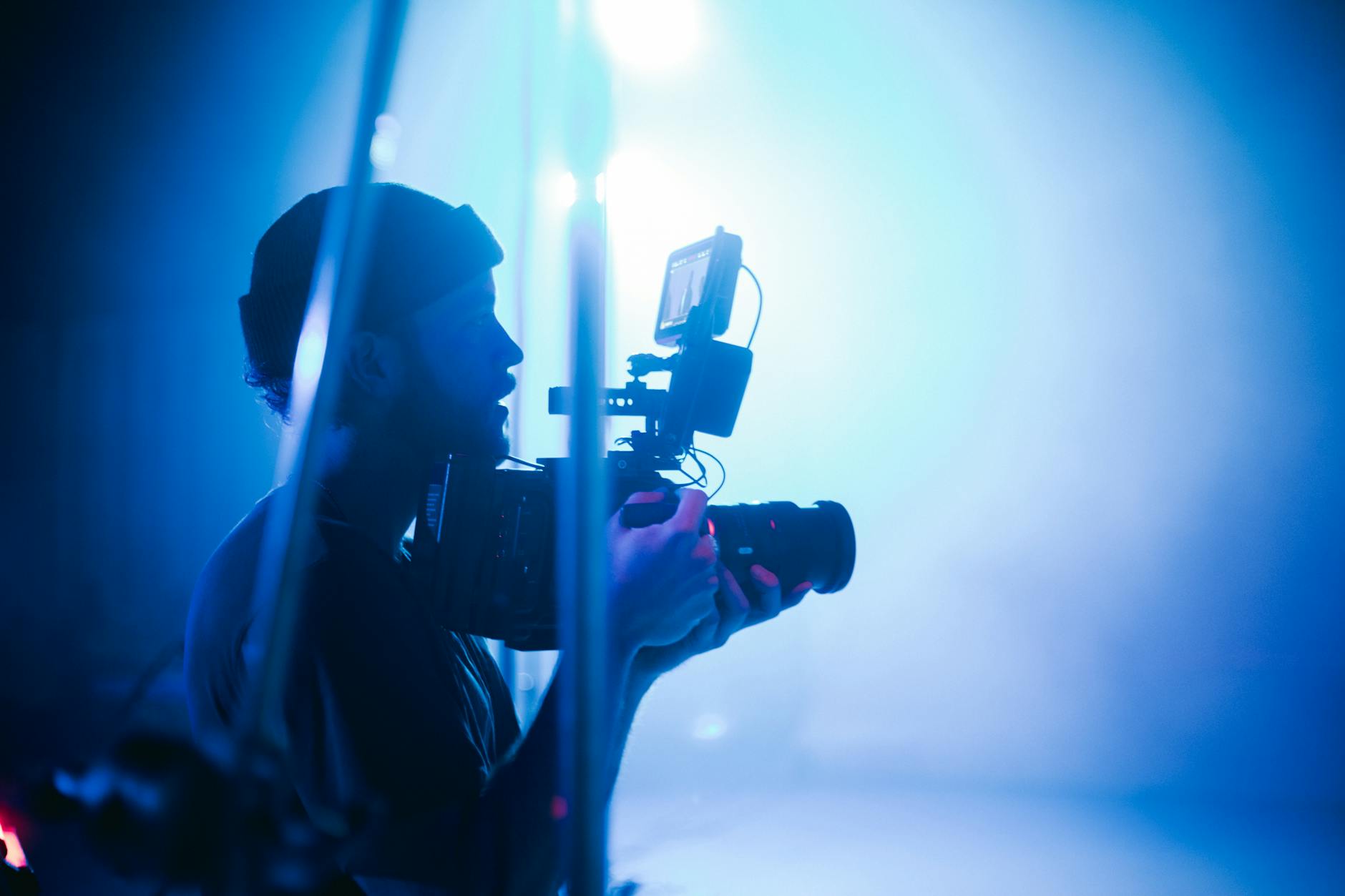
During filming, clear communication of the project’s objectives to the crew ensures everyone is aligned on the desired outcome. Directors guide the talent and crew to capture footage that conveys the intended message, maintains brand consistency, and adheres to artistic and technical standards.
Proper lighting, framing, and sound are critical during this stage. Using multiple camera angles and shots provides visual variety and helps craft a dynamic narrative. The director’s role is to visualize the storyboard, make real-time adjustments, and ensure that each scene supports the overarching story.
Furthermore, managing time efficiently during filming minimizes costs and prevents unnecessary delays. Structured shot lists and contingency plans for unforeseen issues contribute to a smooth shooting schedule. Regular review of footage on set allows immediate corrections, saving time during post-production.
Post-production Editing and Finalization
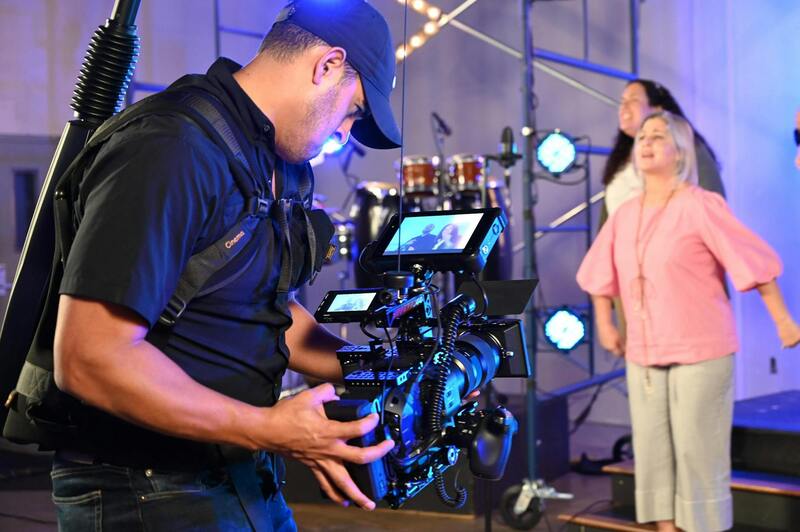
Post-production transforms raw footage into a polished corporate video that aligns with branding guidelines and strategic messaging. This phase involves editing narrative sequences, integrating graphics, animations, and stock footage where appropriate. Color correction and grading enhance visual appeal, while sound editing ensures clarity and consistent audio levels.
Adding subtitles, voiceovers, and background music further enhances engagement and accessibility. Incorporating company branding elements, such as intros, outros, and logos, reinforces brand identity throughout the video.
Collaborating with stakeholders during this phase allows revisions to be incorporated, ensuring the final product meets expectations. A thorough review process, including multiple rounds of feedback, helps identify areas for improvement before final approval.
Distribution and Promotion Strategies
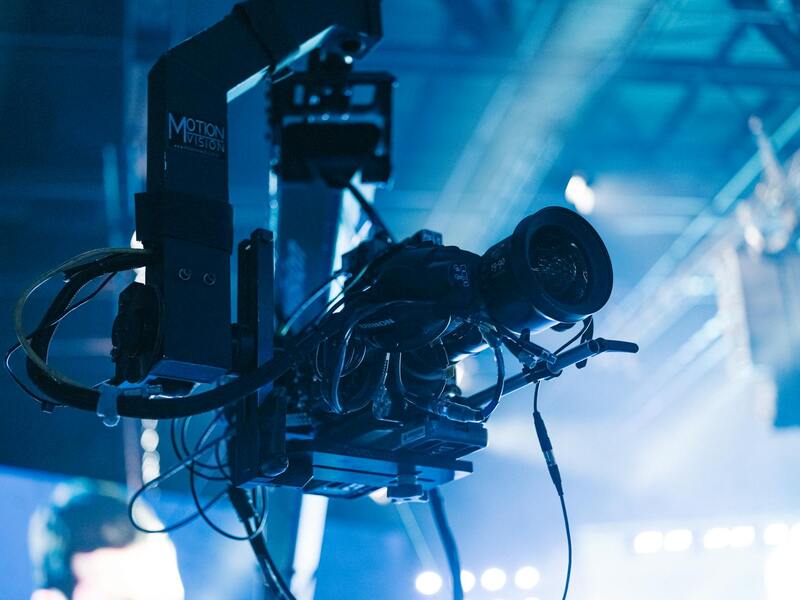
Once finalized, deploying the corporate video across appropriate channels maximizes its impact. Strategies include embedding videos on the company's official website, sharing on professional social media platforms, and distributing through email campaigns. Ensuring videos are optimized for each platform—such as aspect ratio and file size—enhances viewing experience.
Leveraging targeted advertising campaigns on platforms like LinkedIn or YouTube can significantly boost reach within specific industries or demographics. Engaging employees and stakeholders to share the video further amplifies its visibility and reinforces internal buy-in.
Creating a content calendar for regular video updates maintains engagement and positions the company as an industry thought leader. Tracking viewer engagement metrics, such as views, shares, and feedback, provides insights into the effectiveness of distribution efforts and guides future video content planning.
Choosing the Right Production Team and Equipment
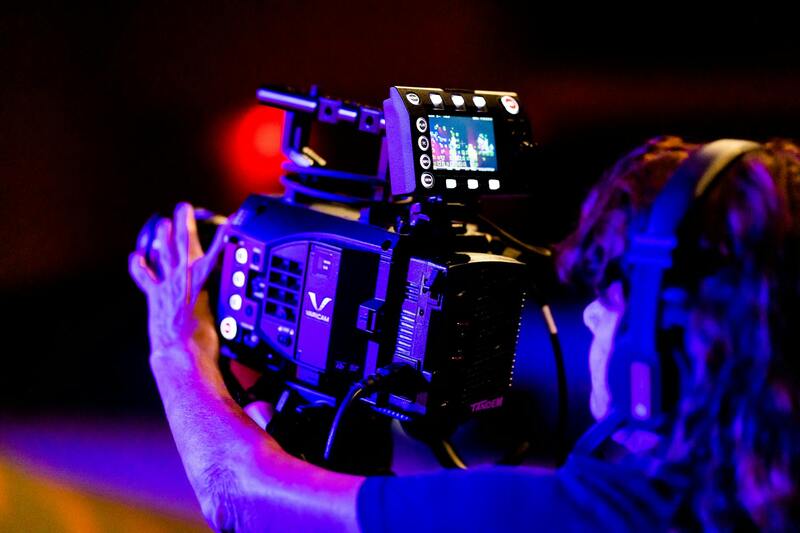
Assembling a skilled production team is fundamental to creating a high-caliber corporate production video. The team should comprise experienced professionals such as directors, cinematographers, sound engineers, and editors, each bringing their expertise to ensure the final product aligns with strategic goals. When selecting team members, it’s important to consider their previous work on corporate projects, industry-specific familiarity, and ability to collaborate effectively with stakeholders.
Equally important is the choice of equipment, which directly influences the quality of the footage and overall production value. High-definition cameras with 4K or higher resolution capabilities are becoming standard for professional corporate videos, offering crisp images that convey professionalism. Additionally, proper lighting equipment ensures scenes are well-illuminated, eliminating shadows that could distract viewers.
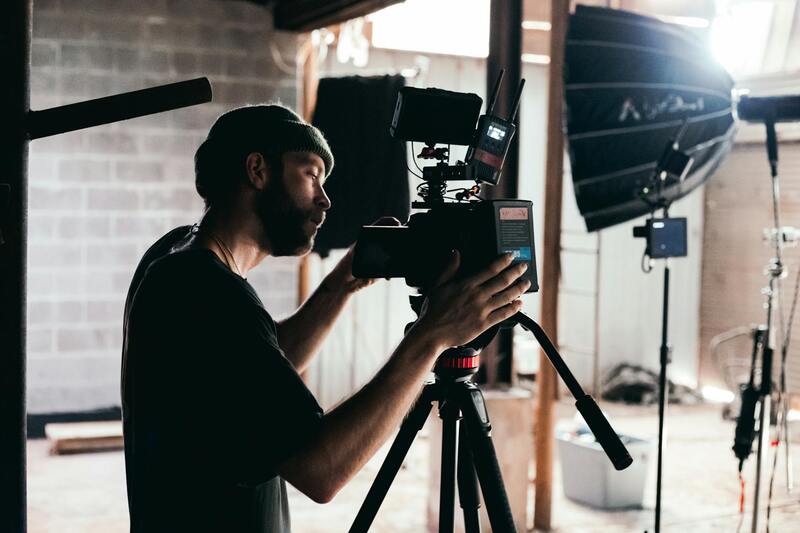
Sound quality is another vital consideration. Using professional microphones and sound recording equipment minimizes background noise and captures clear narration and dialogue. If the video involves interviews or voiceovers, investing in high-quality audio recorders and post-production sound editing can dramatically elevate the final product.
Furthermore, modern stabilization tools like gimbals and dollies provide smooth camera movements, essential for dynamic shots that add visual interest without compromising professionalism. Drone photography, utilizing unmanned aerial vehicles (UAVs), can also be incorporated to offer unique perspectives, especially for large-scale corporate campuses or outdoor events.
Work with your production team to develop a comprehensive equipment checklist that aligns with the project's scope and creative vision. This planning ensures all necessary gear is available and functioning correctly during the shoot, thereby minimizing delays and unforeseen issues.
Future-Proofing Equipment Choices
In addition to current production needs, selecting equipment that can adapt to evolving technologies and shooting requirements is wise. Opt for modular cameras and audio systems that allow upgrades and integration with new devices. This foresight maximizes the return on investment and keeps your corporate video production capabilities competitive.
By meticulously selecting a professional team and premium equipment, organizations can produce corporate videos that reflect their brand's caliber while resonating powerfully with their target audience. The synergy of skilled personnel and advanced tools is the cornerstone of compelling corporate storytelling on screen.
Legal and Contractual Considerations for Corporate Production Video
Developing a comprehensive contractual agreement is a crucial step before commencing a corporate video project. This document should clearly delineate the scope of work, timelines, deliverables, and budget constraints to ensure all stakeholders have aligned expectations. It also serves as a reference point for resolving potential disputes and clarifies rights related to the final content, usage rights, and ownership. Properly drafted contracts protect the interests of both the client and the production team, fostering a professional relationship built on mutual understanding.
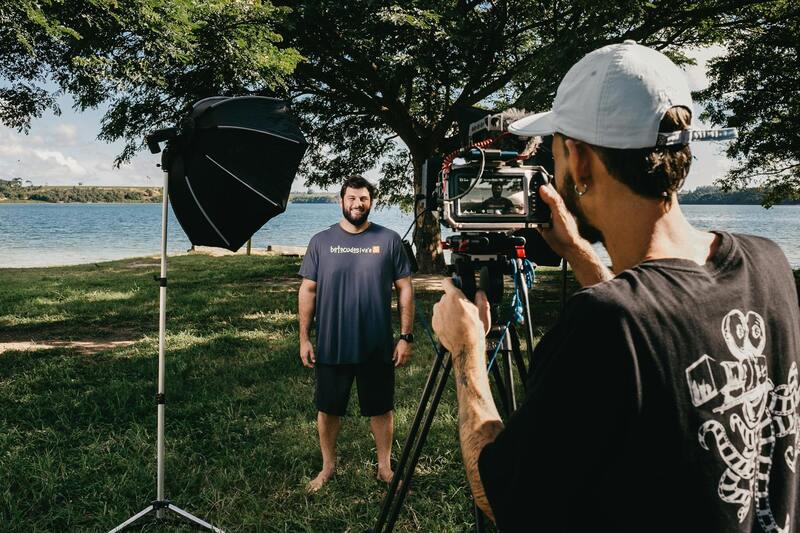
Another essential aspect involves securing clarity on licensing agreements concerning location releases, music rights, and talent permissions. When filming in locations owned by third parties, obtaining written consent ensures compliance with property regulations and mitigates any potential legal complications. Similarly, licensing music or branded assets used in the production should be thoroughly documented, with proper permissions obtained from rights holders to avoid intellectual property disputes.
Involving legal specialists or contractual experts during the planning phase can streamline negotiations and ensure all legal bases are covered. They can draft or review agreements to include confidentiality clauses, non-disclosure agreements (NDAs), and clauses related to liability waivers. These measures protect sensitive corporate information and minimize the risk of misappropriation or misuse of proprietary content.
During post-production, maintaining accurate documentation of original footage, edits, and permissions supports transparency and simplifies the rights management process when delivering the final product. As corporate videos often serve multiple purposes, from marketing to internal communications, understanding and managing the rights related to each use case is vital for future deployment or modifications.
Data Privacy and Compliance in Corporate Video Production
Protecting personal data and ensuring compliance with privacy standards is fundamental in producing corporate videos. When featuring employees, clients, or third-party individuals, explicit consent should be obtained through model releases or consent forms. These documents should specify how the footage may be used, shared, and stored, instilling confidence that personal information is handled responsibly.
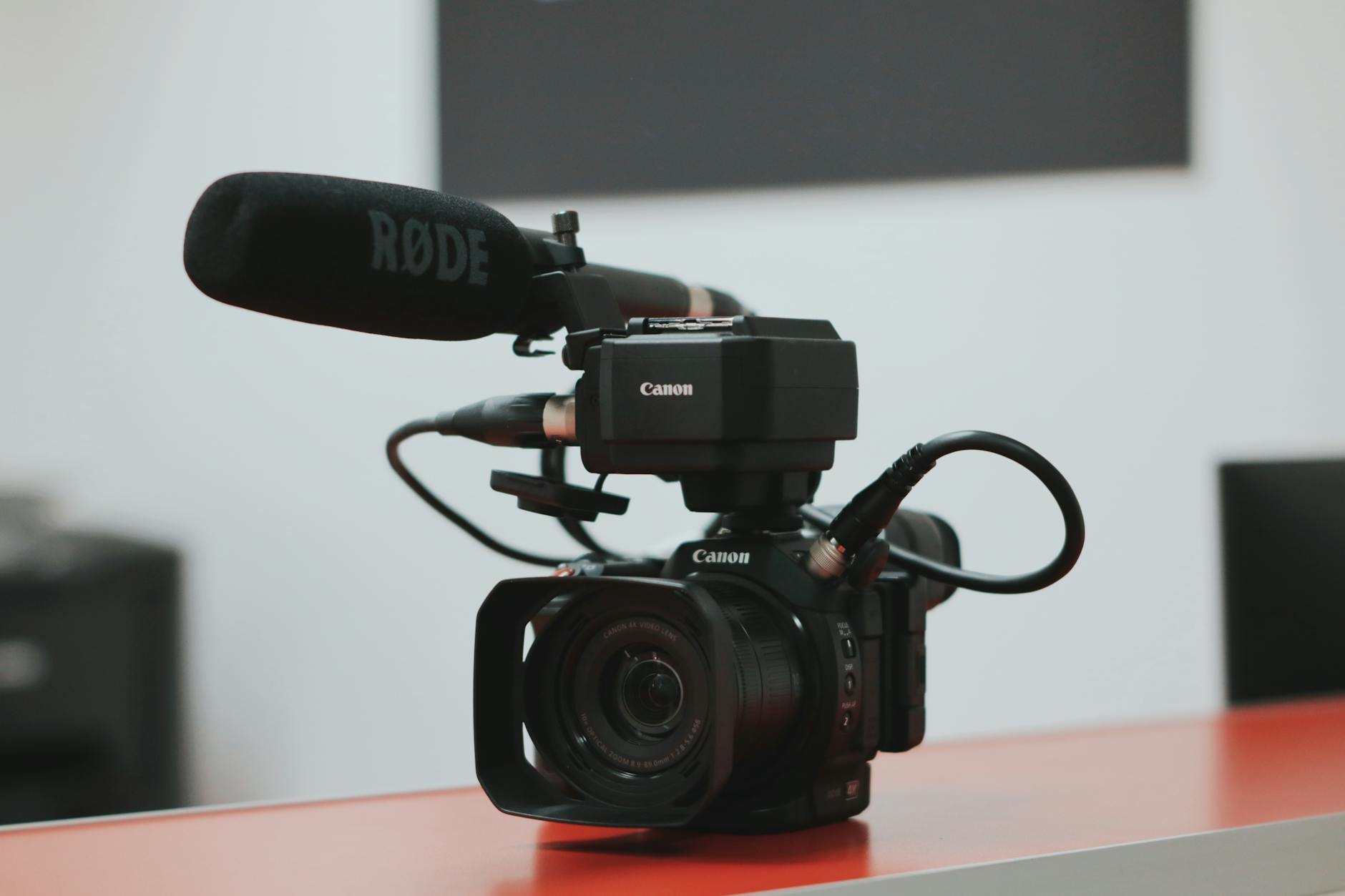
Adhering to data protection regulations involves secure storage of all consent documentation and footage, limiting access to authorized personnel only. When distributing the final video, organizations should verify that embedded data or metadata does not contain unintended personal information that could compromise privacy. Regular audits and updates to privacy procedures help organizations stay aligned with evolving standards.
Furthermore, digital security measures such as watermarking proprietary content and employing secure file transfer protocols can protect intellectual property during distribution. These proactive steps ensure that the corporate video content remains within authorized channels and used for intended purposes, reinforcing the organization’s commitment to ethical standards and brand integrity.
Effective Strategies for Distributing Corporate Production Videos
Once the corporate video has been meticulously produced and finalized, the next crucial phase involves its distribution. Effective dissemination ensures that the message reaches the intended audience and maximizes the video's impact. Leveraging the right channels and strategic placement plays a vital role in achieving this objective.
Optimizing Digital Platforms
In today's digital-centric environment, online platforms are undeniably the primary avenue for corporate video distribution. Embedding videos on the company’s official website enhances professionalism and provides visitors with immediate access to key messages. Additionally, uploading high-quality versions to corporate YouTube channels, Vimeo, and other reputable video hosting services increases discoverability and provides SEO benefits by incorporating relevant keywords and metadata.
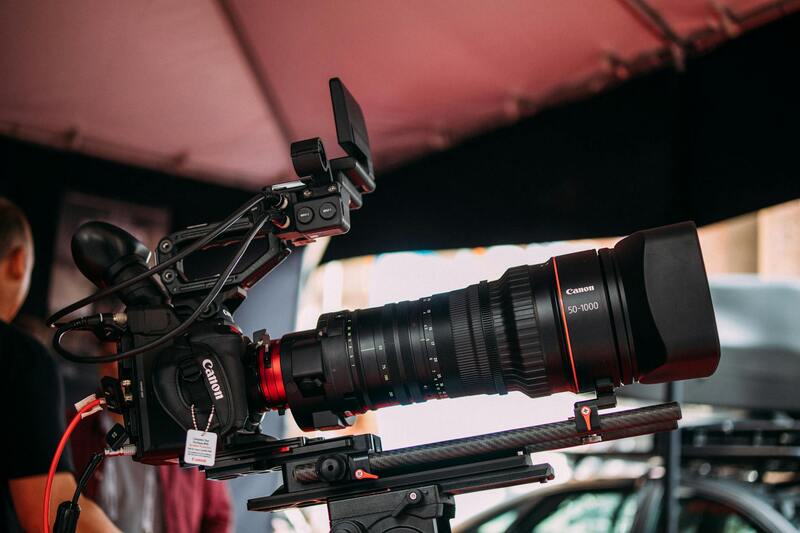
Incorporating videos into landing pages, product pages, and blog posts further enhances contextual relevance and improves user engagement. It is essential to optimize video titles, descriptions, and tags to boost search engine rankings and ensure the videos are easily discoverable by the target audience. Subtitles and closed captions also improve accessibility and viewer retention.
Utilizing Social Media Channels
Social media platforms such as LinkedIn, Facebook, Twitter, and Instagram are effective channels for sharing corporate videos. Tailoring content for each platform—considering format, length, and audience preferences—maximizes engagement. For example, short, compelling teasers work well on Instagram, while detailed case study videos perform effectively on LinkedIn. Creating tailored advertising campaigns around the videos can further increase reach among specific professional and demographic segments.
Implementing Internal and External Communications
Aside from digital channels, internal distribution through emails, intranet portals, and internal presentations will ensure that employees are aligned with corporate messaging. Externally, sharing videos with partners, industry stakeholders, and via trade shows or conferences amplifies exposure. Controlled access via secure links or password-protected pages can restrict viewing to authorized audiences, maintaining confidentiality of sensitive content.
Measuring Distribution Effectiveness
Tracking performance metrics such as view counts, engagement rates, click-throughs, and conversions is vital for assessing the success of distribution strategies. Utilizing tools like analytics dashboards enables organizations to identify which channels perform best and refine their approach accordingly. Monitoring audience feedback and comments also provides qualitative insights into viewer perceptions and areas for improvement.
Continuous Content Improvement
Based on gathered data, organizations should iteratively optimize their distribution tactics. Adjustments may include creating shorter clips for social media, localizing content for regional markets, or employing targeted advertising based on demographic insights. This ongoing process enhances the return on investment (ROI) and ensures the corporate video remains a valuable asset within the company's broader marketing and communication initiatives.
Post-production Editing and Finalization
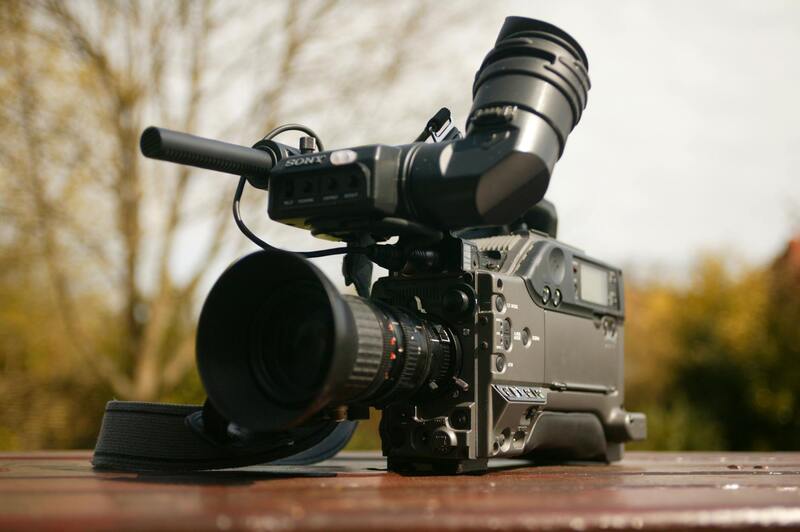
After the filming process concludes, the focus shifts to post-production to craft a cohesive, polished corporate production video. This stage is fundamental in transforming raw footage into a compelling visual narrative aligned with corporate messaging and branding standards. Skilled editors utilize advanced software to seamlessly stitch scenes, ensuring a smooth flow that maintains viewer engagement. Precise editing involves trimming unnecessary footage, emphasizing key messages, and maintaining pacing that resonates with the target audience.
Color correction is a crucial step that enhances the visual aesthetics of the video. Adjusting brightness, contrast, saturation, and color grading helps establish a consistent look and feel that aligns with brand identity. Proper color grading not only elevates the video's visual appeal but also evokes the desired emotional response, reinforcing the message conveyed.
Sound design is equally vital, involving the integration of original audio, voice-overs, and background music to create an immersive experience. High-quality audio mixing ensures clarity and balanced levels, preventing distractions and ensuring that speech is intelligible across various playback environments. Incorporating subtle sound effects can further enhance storytelling, adding depth and professionalism to the final product.
Throughout the editing process, multiple review cycles are essential. Stakeholders or internal teams examine the drafts, providing feedback on elements such as messaging accuracy, visual consistency, and overall impact. This iterative process ensures the final version meets the highest standards of quality and aligns perfectly with corporate objectives.
Once approved, the video undergoes encoding in various formats suitable for different distribution channels, including web streaming, social media, or internal presentations. Proper formatting optimizes playback quality and accessibility across all platforms, ensuring the content remains effective no matter where it is viewed.
In addition to technical quality, ensuring consistent branding throughout the video is crucial. This includes integrating corporate logos, color schemes, and typography standards to reinforce brand recognition. Such attention to detail sustains the professional image of the organization and maximizes the impact of the corporate message.
Effective post-production is comprehensive, combining technical finesse with strategic storytelling to deliver a corporate production video that not only informs but also inspires. The careful execution of editing, color grading, sound design, and review ensures that the finished product stands as a confident representative of the brand's professionalism and vision.
Legal Compliance and Ethical Standards in Corporate Production Videos
Creating a professional corporate production video requires meticulous attention to legal and ethical standards that govern multimedia content. It is essential to utilize materials and resources that a company holds the rights to, ensuring that all visual and audio elements are properly licensed or owned outright. This diligence helps prevent costly disputes and uphold the company's reputation.
Securing proper permissions before filming is a foundational step. This involves obtaining clearances from individuals appearing on camera, especially in sensitive or private settings. Consent forms should be comprehensive, detailing how the footage will be used, stored, and distributed. These forms serve as a safeguard, confirming that all participants are fully aware and agreeable to their involvement.
When incorporating third-party content, such as stock images, music, or fonts, it is critical to verify that these assets are sourced from legitimate suppliers with appropriate licenses. This not only ensures the integrity of the final product but also aligns with industry standards for responsible content creation.
Copyright laws also extend to the creative elements of a corporate video. Original content, including scripts, animations, or visual designs, should be created by authorized personnel or acquired through licensed agreements. Proper attribution or licensing details should be documented to maintain transparent and compliant usage.
Furthermore, companies should regularly update their policies to stay aligned with evolving content regulations and industry best practices. Implementing internal review processes allows for consistent checks on the legal compliance of all video materials before release.
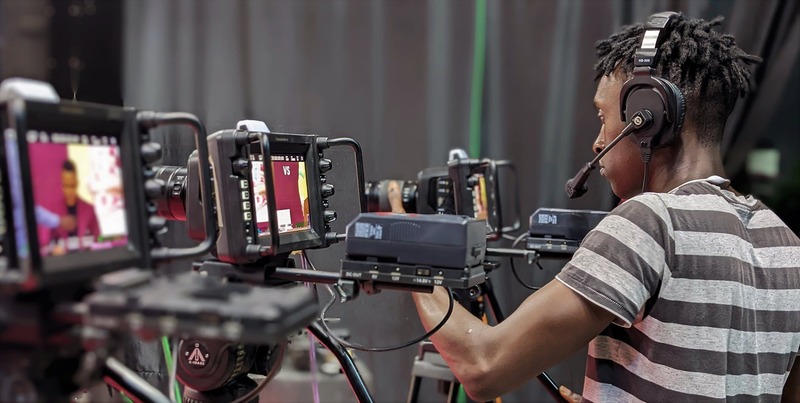
Ethical considerations are equally important in corporate video production. Respecting privacy rights, portraying diverse and inclusive narratives, and maintaining transparency in messaging contribute to responsible content creation. Ethical storytelling not only connects with audiences on a deeper level but also enhances trust and loyalty towards the brand.
To uphold these standards, many organizations establish guidelines and training programs for their production teams. These practices encourage awareness and accountability, ensuring that every project adheres to the highest ethical and legal benchmarks.
Measuring Success and Future Improvements
After the completion and distribution of a corporate production video, evaluating its performance is essential to determine whether it effectively meets the initial objectives. Metrics such as viewer engagement, retention rates, shareability, and overall reach provide valuable insights into the video’s impact.
Utilizing analytical tools allows companies to gather detailed data on how audiences interact with the content. For example, tracking view counts, average watch time, and click-through rates can help identify which parts of the video resonate most with viewers. This information is crucial in assessing whether the message was conveyed clearly and if the content generated the desired response.
In addition to quantitative data, collecting qualitative feedback through surveys or direct audience engagement offers deeper understanding of viewer perceptions. Comments, questions, and shared experiences can reveal the emotional and informational effectiveness of the video, guiding future storytelling approaches.
Based on these insights, companies can implement targeted improvements for subsequent projects. For instance, refining visual elements, adjusting messaging tone, or optimizing distribution channels ensures that future videos are more aligned with audience expectations and business goals. Regularly revisiting the strategic objectives and performance benchmarks creates a continuous feedback loop that encourages growth and enhancement.
Incorporating lessons learned from each project not only boosts the quality of upcoming corporate videos but also strengthens the overall content strategy. By establishing a systematic evaluation process, organizations develop a more nuanced understanding of their audiences and what resonates most, ultimately leading to more impactful and effective corporate communication.