
Understanding the Purpose of a Corporate Video
Creating a corporate video is a strategic move that serves multiple vital functions within a company's communication and branding framework. The primary goal is to convey a company's message in a compelling, clear, and memorable manner that resonates with target audiences. These videos are integral to establishing a strong brand identity, showcasing products or services, and fostering trust with potential clients and stakeholders. As visual content continues to dominate digital spaces, a well-crafted corporate video offers a dynamic platform to differentiate a business from competitors and to establish a professional image.
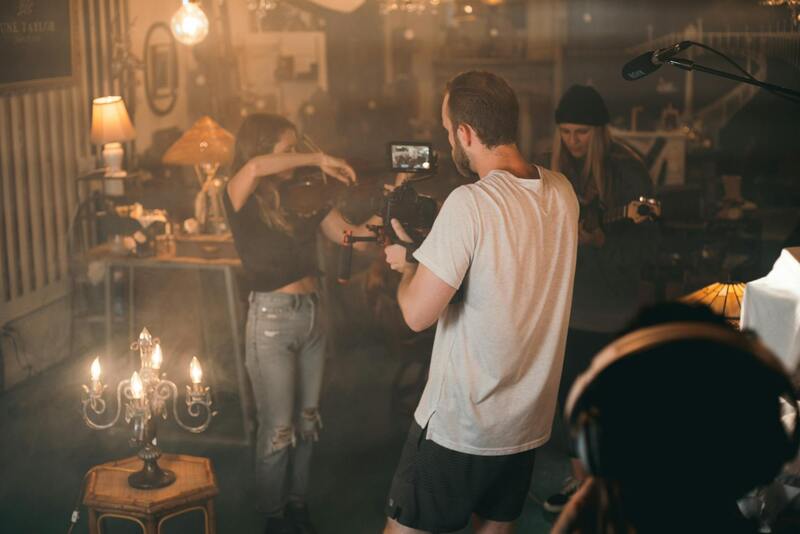
Beyond branding, corporate videos significantly enhance marketing efforts by providing content that can be shared across multiple channels such as social media, websites, and email campaigns. They serve as a powerful tool to generate leads, boost conversions, and accelerate sales cycles through informative and persuasive content. Moreover, these videos support internal communication by aligning company vision, onboarding new employees, and training staff effectively. The ability to visually demonstrate processes or convey company values contributes to a cohesive corporate culture.
Developing a corporate video aligns with broader business strategies, ensuring the message aligns with brand goals and resonates with the intended audience. Whether emphasizing innovation, corporate social responsibility, or customer success stories, these videos have the potential to leave lasting impressions and foster relationships that drive business growth.
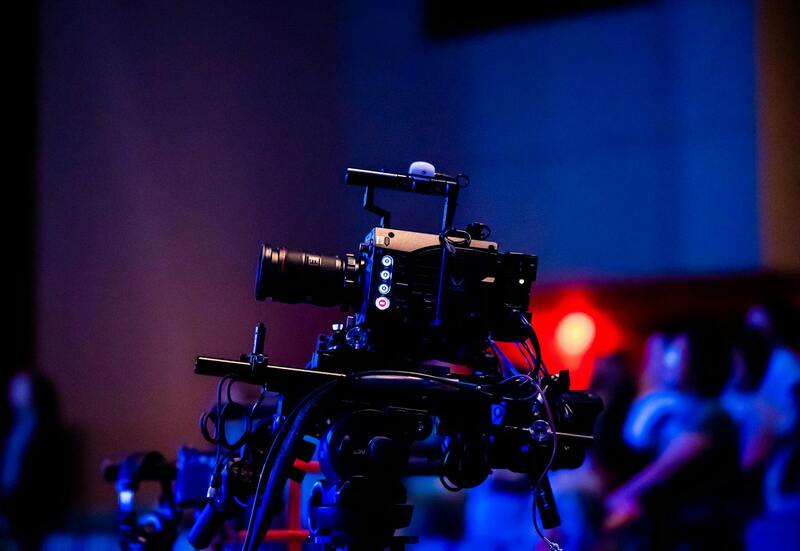
In professional communications, a high-quality corporate video underscores credibility and expertise. It transforms abstract ideas into tangible visuals, making complex information accessible and engaging. This form of content also acts as an enduring resource—an asset that can be revisited or repurposed for various campaigns, making it a cost-effective investment over time. As companies seek to position themselves as leaders in their industries, producing an impactful corporate video becomes an essential component of their marketing and communication arsenal.
In essence, the purpose of producing a corporate video extends beyond mere aesthetics. It is a strategic instrument designed to bridge the gap between a business and its audience, fostering understanding, loyalty, and growth through authentic, visually compelling storytelling.
Planning and Concept Development
Effective planning and concept development are critical steps that set the foundation for a successful corporate video. This phase involves a comprehensive understanding of the target audience, allowing the production team to tailor messaging and visuals that resonate authentically. Identifying the core objectives—whether to inform, persuade, or inspire—helps in crafting a focused concept that aligns with the company's strategic communication goals.
Clear goal-setting during this stage directs the creative process and ensures that every element of the video serves a defined purpose. For example, if the aim is to showcase company innovation, the concept should highlight recent developments, cutting-edge technology, or unique team initiatives. Conversely, a video emphasizing corporate social responsibility might focus on community projects or sustainability efforts, using storytelling techniques that evoke emotional connections.
Developing a compelling creative concept involves brainstorming ideas, scripting, and storyboarding. This creative blueprint ensures coherence across visual and narrative components. Storyboarding, in particular, is an essential step that visualizes scene sequences, camera angles, and transitions, providing a clear guide for the production team and stakeholders. Aligning this concept with brand messaging guarantees that the final product reflects the company's identity and values coherently and consistently.
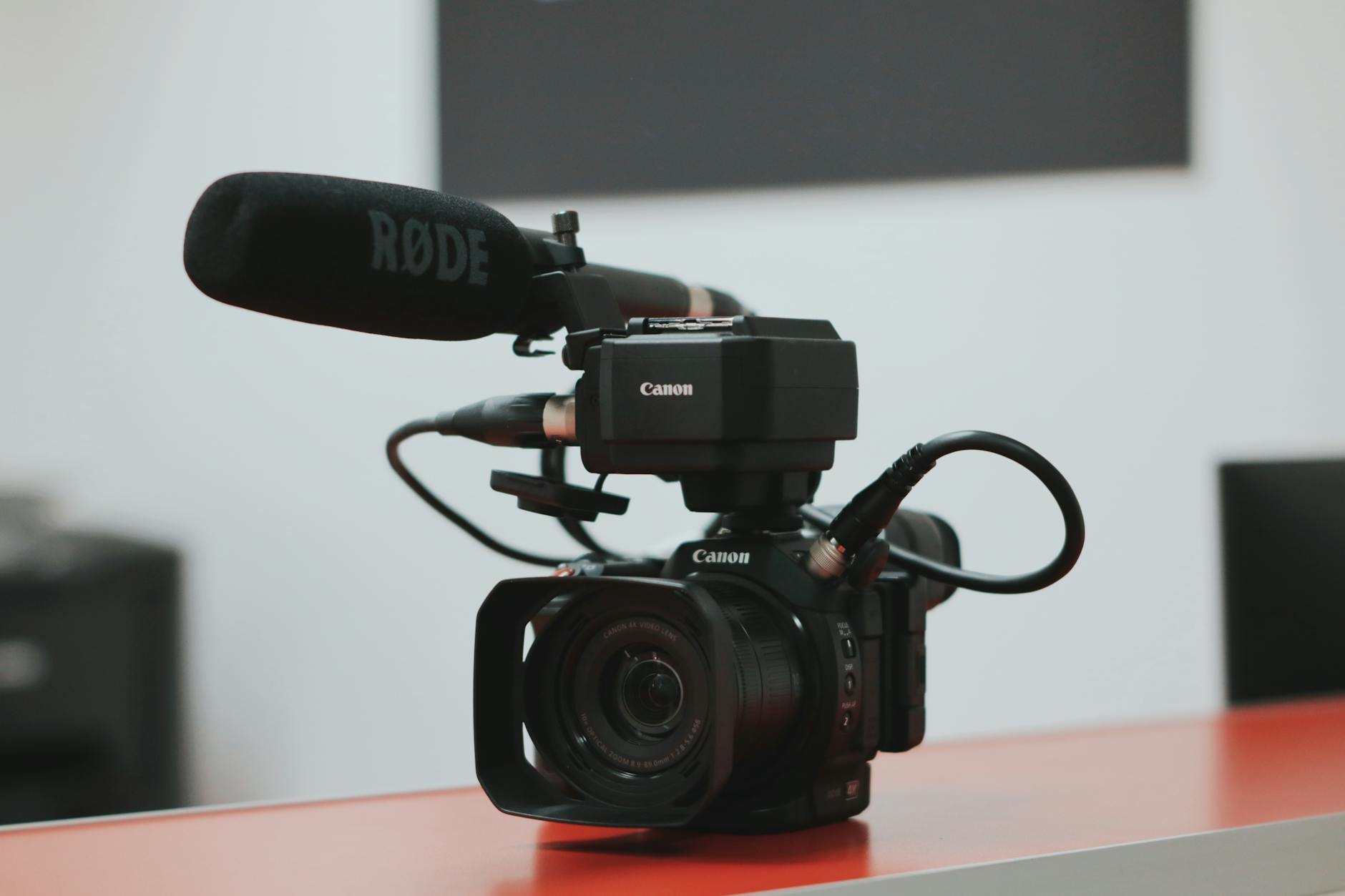
Engaging stakeholders early in the process facilitates valuable feedback and refinements, reducing potential discrepancies and ensuring consensus. Whether through workshops, review sessions, or collaborative discussions, involving key decision-makers enhances the overall quality and strategic alignment of the project.
Additionally, establishing a clear timeline and a detailed production schedule helps manage various phases efficiently, avoiding delays and budget overruns. By meticulously planning each step—from scripting and location scouting to talent selection and scheduling—the production team can maintain a steady workflow, ensuring timely delivery of a polished, impactful corporate video.
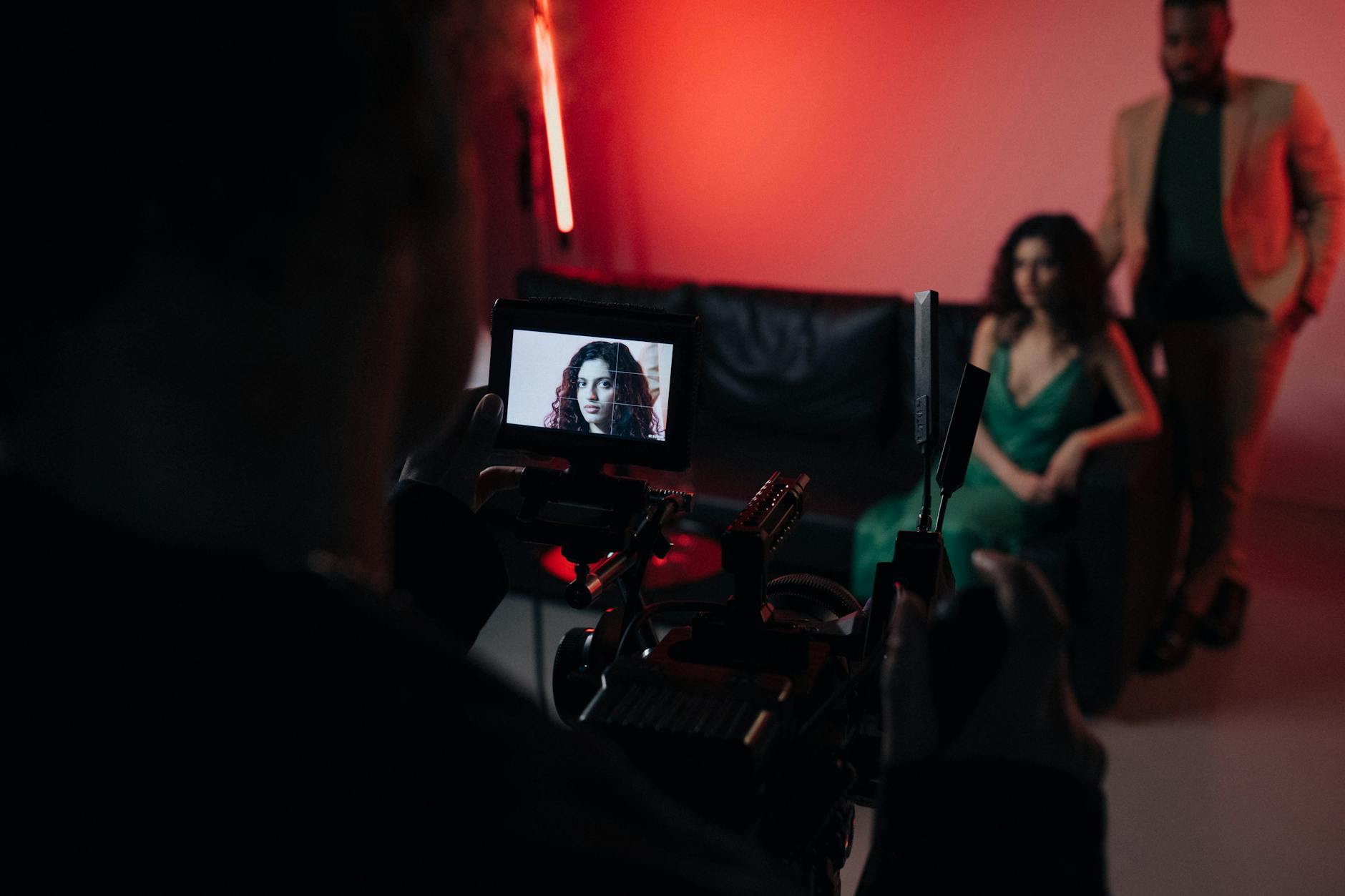
Ensuring Quality and Effectiveness During Production
Executing a corporate video requires meticulous attention to detail and mastery of various production techniques to achieve a polished final product. Selecting appropriate filming methods is crucial, whether it involves traditional camera setups, drone footage, or innovative stabilization tools. High-quality equipment paired with experienced camera operators ensures sharp, clear visuals that align with the production’s objectives.
Lighting setup plays a vital role in establishing the desired mood and clarity. Proper lighting not only highlights key elements but also ensures consistency across scenes, cultivating a professional appearance that reinforces brand credibility. Incorporating natural light during outdoor shoots or utilizing professional lighting rigs can dramatically enhance image quality.
Sound quality is equally critical. Using lavalier microphones, boom lights, and sound mixers captures clear dialogue and minimizes background noise. Effective audio contributes significantly to viewer engagement and comprehension, making post-production editing more straightforward.
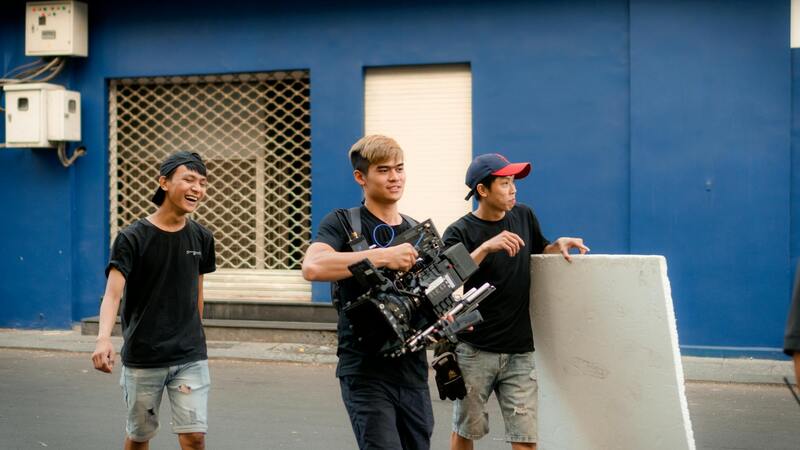
Camera angles and shot compositions should be thoughtfully planned to convey the intended message. Close-ups, medium shots, and wide angles can be combined effectively to highlight facial expressions, emphasize environments, or showcase products. Dynamic camera movements, such as pans and tilts, add visual interest and depth.
During shooting, maintaining a well-organized scene and clear communication among crew members helps prevent oversights. Continuity must be preserved, with attention to details like wardrobe, props, and scene setting, ensuring a seamless narrative flow. It is also wise to record multiple takes to provide options during editing, enhancing the overall quality of the video.
Adopting a structured approach to filming, including detailed shot lists and scheduling, minimizes delays and allows for efficient use of time and resources. A disciplined workflow ensures each scene is captured consistent with the established creative vision, facilitating a smoother transition into post-production.
Incorporating Cutting-Edge Editing and Visual Effects
Post-production is where the footage is transformed into a cohesive narrative. Skilled editors utilize professional software to assemble scenes, add transitions, and incorporate visual effects that elevate the overall presentation. Color grading refines the visual tone, aligning each shot with the brand identity and emotional intent.
Animations or motion graphics can be strategically integrated to reinforce messaging, illustrate concepts, or highlight key data points. These elements not only enhance engagement but also improve viewer understanding of complex information.
A well-structured audio mix complements the visual story. Sound effects, background music, and voiceovers are balanced meticulously to create an immersive experience that keeps viewers engaged throughout the duration of the video.
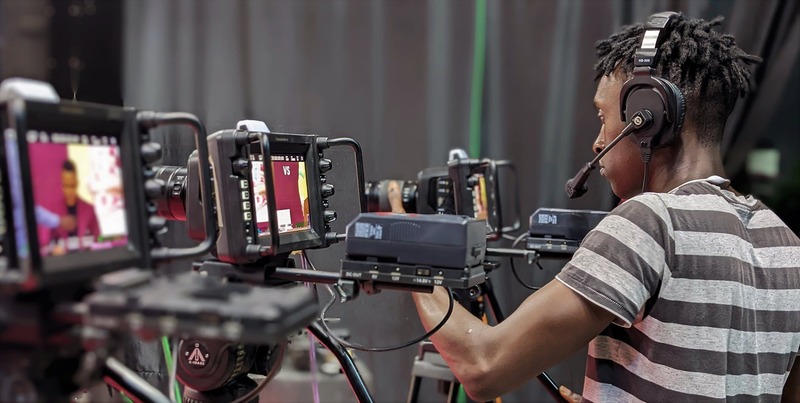
During the editing phase, collaboration with stakeholders ensures that the final cut aligns with strategic goals and expectations. Feedback rounds enable necessary revisions, refining the content to maximize impact. The final version should be delivered in multiple formats, optimized for various platforms, ensuring seamless integration into the company's marketing channels.
Preparation of a Detailed Shot List and Scheduling
Developing a comprehensive shot list is a fundamental step in ensuring a smooth shoot. This list specifies every scene, angle, and shot required for a polished final product. Detailed planning minimizes waste, maximizes efficiency, and guarantees coverage of all essential elements aligned with the storyboard and script.
Alongside the shot list, creating a meticulous production schedule helps coordinate actor availability, location access, and equipment setup. This schedule should include contingency plans for unforeseen delays, such as weather disruptions or technical issues. By establishing realistic timelines, the production team can allocate sufficient time for each segment, ensuring no critical component is rushed or overlooked.
Securing Necessary Permits and Permissions
Compliance with local regulations and obtaining required permits is essential when filming on location. This process involves communicating with municipal authorities, property owners, and other stakeholders to secure approval for specific dates and setups. Proper permits not only prevent legal complications but also demonstrate professionalism and respect for community standards.
In addition to permits, gaining permissions for the use of proprietary content, such as copyrighted music, images, or trademarks, ensures smooth post-production workflows. Clear documentation of permissions helps avoid delays or disputes related to intellectual property rights, maintaining the integrity and legitimacy of the project.
Arranging Equipment and Technology
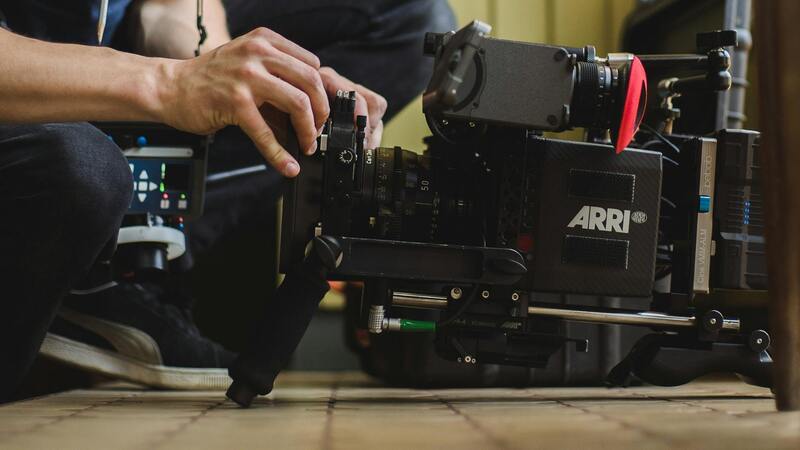
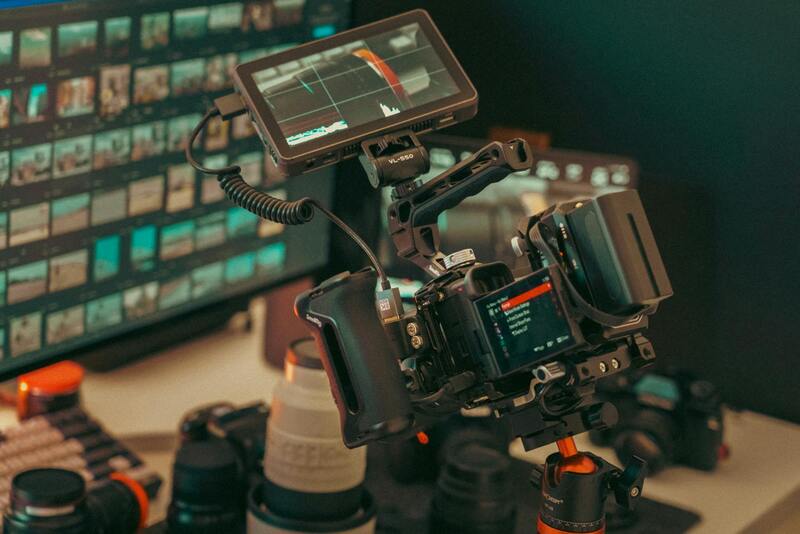
Equipping the shoot with appropriate technology is crucial for capturing high-quality footage that aligns with the project's aesthetic and technical requirements. This includes selecting professional-grade cameras capable of shooting in high resolution, alongside stable tripods, dollies, and gimbals for smooth motion shots. For lighting, LED panels, softboxes, and reflectors are standard tools that help achieve the desired visual tone.
Sound collection is equally important; using lavalier microphones, shotgun mics, and windshields ensures audio clarity amid various environments. Backup equipment, such as extra batteries, memory cards, and portable power sources, safeguards against technical failures that could compromise the shoot.
Location Scouting and Set Design
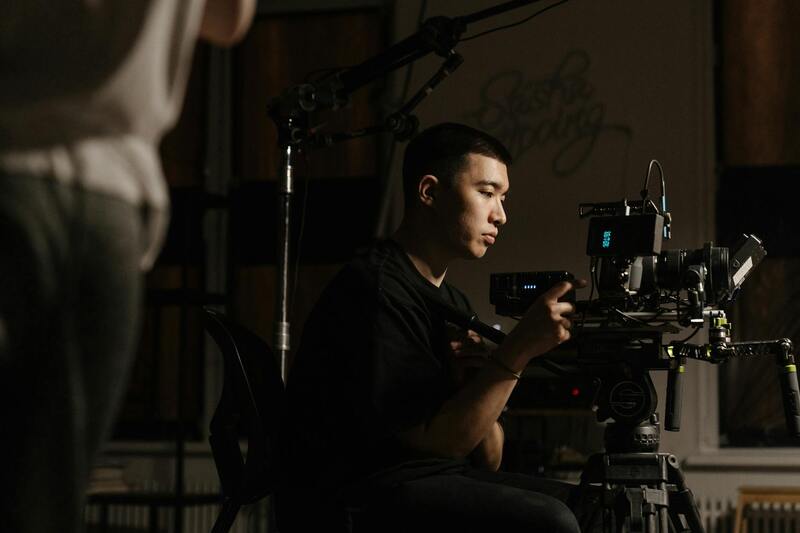
Choosing appropriate locations involves assessing visual backgrounds, lighting conditions, and logistical considerations to fit the narrative and branding requirements. Prior to filming, a site visit allows the production team to evaluate potential challenges such as noise, space constraints, or restrictions on equipment placement.
Once locations are finalized, set design and staging become critical for creating the right ambiance. This might include arranging furniture, branding displays, and props that align with the company's image. Attention to detail in set design enhances the visual storytelling and reinforces brand identity, ensuring every shot effectively communicates the intended message.
Staffing and Talent Management
Assembling a qualified team involves selecting directors, camera operators, lighting technicians, sound engineers, and on-camera talent with relevant experience. Clear communication of roles, responsibilities, and expectations ensures smooth collaboration during filming.
Rehearsals with talent help refine delivery and timing, reducing the need for multiple takes. Providing actors and presenters with scripts and guidelines beforehand fosters consistency and confidence on shoot days, ultimately saving time and maintaining a professional standard across all recorded material.
Production Techniques and Shooting Tips
Executing a professional corporate video demands a thorough understanding of effective filming techniques and the application of industry-standard practices. High-quality production begins with careful camera operation, where stabilizing equipment such as tripods and gimbals play a crucial role in capturing smooth, steady footage that aligns with a polished corporate image. Proper framing, composition, and focus are fundamental to maintaining visual clarity and emphasizing key messages or branding elements.
Lighting is another vital aspect during production. Utilizing diffused, soft lighting minimizes shadows and highlights the subjects effectively, ensuring vibrant colors and clear visuals. In controlled environments, LED panels with adjustable color temperature facilitate precise control over ambiance and tone. In outdoor shoots, scheduling sessions during optimal lighting conditions, such as the golden hour, can significantly enhance visual appeal while reducing the need for post-production corrections.
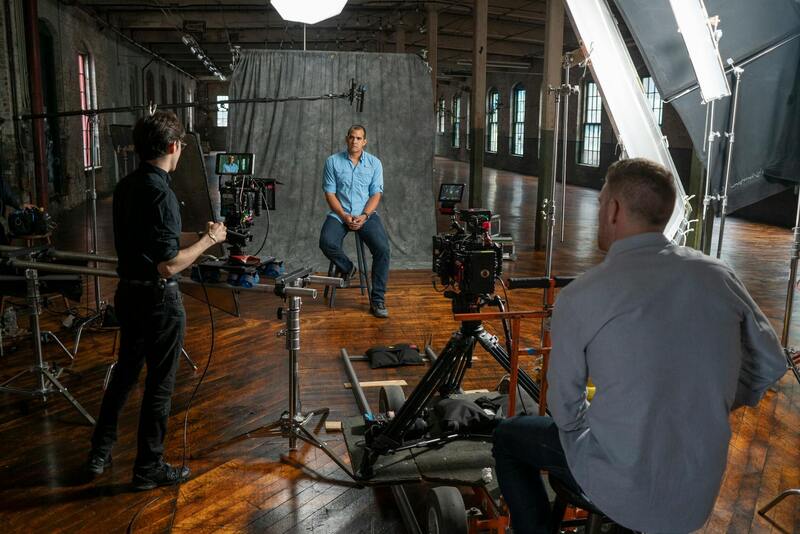
Audio quality is often overlooked but equally critical in producing impactful corporate videos. Employing high-quality microphones, such as shotgun or lavalier mics, ensures clear dialogue capture free of ambient noise. On-site audio monitoring allows for immediate adjustments, preventing issues that could compromise the final product. Additionally, capturing ambient sounds and room tone during filming provides useful audio layers that contribute to the overall richness of the video.
When it comes to shooting techniques, planning dynamic camera movements adds visual interest and helps steer viewer attention. Techniques like slow zooms, pans, and tilt shots can effectively emphasize key messages or product features. However, it’s essential that these movements remain smooth and deliberate, typically achieved through the use of stabilizers or gimbals. Deep focus and selective focus techniques further guide viewers’ eyes, ensuring the most important elements stand out in each shot.
On-location shooting requires attention to soundproofing and managing environmental factors. Soundproofing measures or choosing quieter times of day can drastically reduce unwanted noise. Moreover, establishing shot continuity through meticulous planning of rehearsals and shot lists minimizes the need for retakes, saving valuable production time.
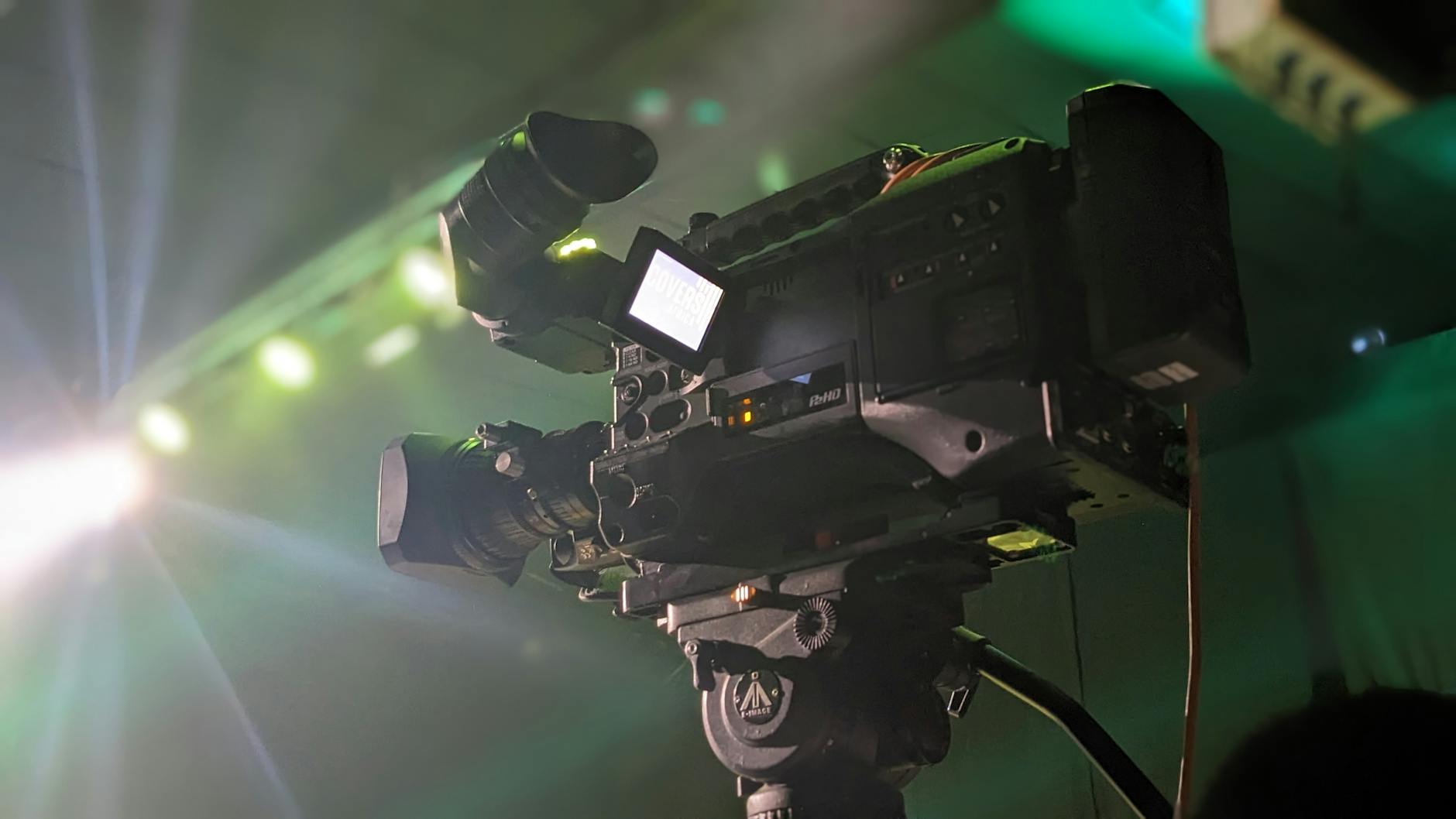
Incorporating multiple camera angles provides versatility in editing, allowing for more engaging and visually intriguing edits. Using different focal lengths and perspectives ensures comprehensive coverage of the narrative, giving editors a range of options during post-production. This approach also simplifies the editing process, enabling smoother cuts and transitions that keep viewers engaged throughout the video.
Lastly, coordination between the director, crew, and talent during filming is essential for capturing consistent, high-quality footage. Clear communication ensures that everyone understands the creative vision, specific shot requirements, and timing. This synergy on set minimizes disruptions and ensures efficient use of time, resulting in a polished final product that effectively embodies the client's branding and messaging goals.
Employing Official Distribution and Promotion Strategies
Maximizing the visibility and impact of a corporate video requires strategic deployment across various channels. Utilizing official and reputable avenues ensures the content reaches the intended audience efficiently and enhances the brand's professional image.
- Corporate Websites: Embedding the video directly on the company's homepage or dedicated landing pages creates immediate engagement for visitors. This placement often encourages longer site visits and improves overall user experience.
- Social Media Platforms: Sharing through official company profiles on LinkedIn, Facebook, Twitter, and Instagram extends reach to both existing clients and prospective customers. Tailoring the message for each platform ensures greater engagement and shareability.
- Email Campaigns: Incorporating the corporate video into email newsletters or targeted outreach initiatives can boost click-through rates and reinforce branding messages among a segmented audience.
- Internal Communications: Distributing the video internally via intranet portals or employee emails fosters a unified corporate culture and ensures employees are aligned with the company's mission and values.
- Industry Events and Conferences: Showcasing the video during professional gatherings presents an opportunity to reinforce the company's image to peers, partners, and potential clients.
To secure lasting impressions, campaigns can be supplemented with paid advertising options, such as sponsored posts on social media or targeted ad placements. Additionally, incorporating the video into press releases or media kits amplifies its exposure to broader audiences, including journalists and industry influencers. Consistent branding and messaging across all distribution points reinforce the company's authority and professionalism in the marketplace.
Regularly analyzing engagement metrics across different channels informs future content adjustments, ensuring your video strategy remains aligned with evolving audience preferences and marketing goals. Using credible metrics like view counts, conversion rates, and audience demographics helps refine outreach efforts and optimize return on investment, leading to sustained brand growth and increased market presence.
Official Methods for Distributing Your Corporate Video
Distributing a corporate video through official channels ensures that the content reaches the intended audience effectively while maintaining the company’s professional image. Utilizing established online platforms such as official company websites, secure client portals, and dedicated social media accounts creates a controlled environment that aligns with your branding standards. Embedding the video on your corporate website not only enhances visitor engagement but also improves your site’s SEO performance through relevant keyword integration. Furthermore, sharing videos via official corporate newsletters or email campaigns generated through reputable email service providers helps target specific demographics with precision.
Internal dissemination within your organization can be achieved by deploying the video via the company’s intranet portal or enterprise communication tools. This approach promotes transparency, boosts employee morale, and aligns team members with the company's core objectives. For external audiences, formal press releases published through well-established distribution services can amplify the video's reach among journalists, industry analysts, and media outlets. Ensuring consistent messaging and branding across all these channels reinforces your company's professionalism and authority in the marketplace.
Utilizing Industry Events and Conferences
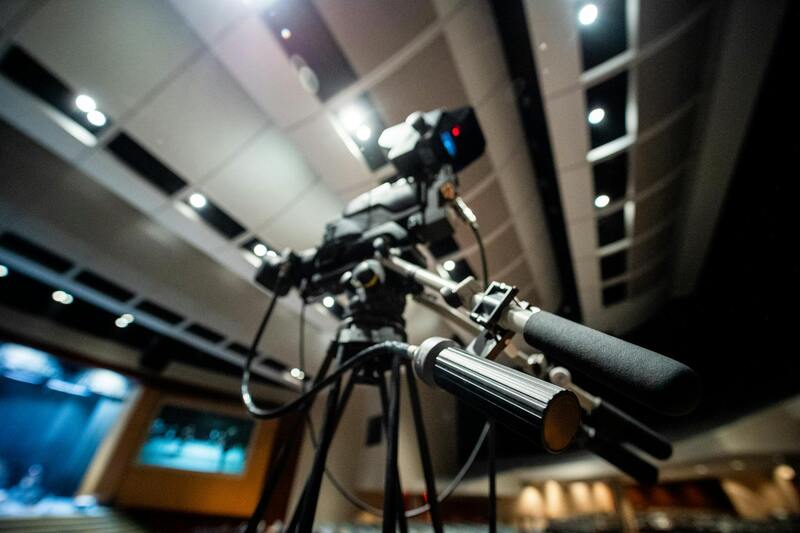
Presenting your corporate video at industry-specific events and conferences is an official method to showcase your company’s expertise and culture directly to a targeted professional audience. Incorporating the video into live presentations, panel discussions, or digital kiosks during these gatherings enables companies to reinforce their message in a focused setting. Additionally, featuring the video on event websites or digital agendas ensures broader visibility among attendees and online viewers following the event. This strategy leverages the credibility and attendance of these professional platforms to amplify your corporate narrative.
Professional organizations often provide opportunities for companies to display high-quality content in a manner that aligns with industry standards. These venues not only increase brand awareness but also foster partnerships and collaborations with potential clients or stakeholders who value well-crafted, genuine corporate messaging.
Incorporating Paid Advertising and Media Outreach
To maximize the impact of your corporate video, paid advertising options such as sponsored social media posts, targeted display ads, or sponsored content on industry-specific platforms can be employed. These paid campaigns allow precise targeting based on location, interests, job titles, and other demographic parameters, ensuring your message reaches the most relevant audiences. Additionally, including your video in press releases and media kits sent to journalists and industry influencers enhances its visibility and credibility.
By maintaining brand consistency and clear messaging across all paid and media outreach channels, companies solidify their positioning as industry leaders. Regular monitoring of performance metrics like view counts, click-through rates, and engagement levels supports data-driven decisions for future campaigns, enhancing ROI and fostering ongoing brand growth.
Implementing Effective Distribution Channels and Measuring Success
Once your corporate video is finalized, deploying it across appropriate channels is crucial for maximizing its reach and impact. Start by leveraging your company's official website and social media profiles, ensuring the content aligns with your brand’s voice and messaging. Embedding the video on your homepage or dedicated landing pages can significantly enhance user engagement and conversion rates. Employing email marketing campaigns that include the video as a key element can nurture existing relationships while attracting new prospects. For broader visibility, consider distributing your corporate video through professional industry platforms and digital PR networks. These channels offer targeted exposure to relevant audiences and can contribute to your company's thought leadership positioning. Additionally, incorporating your video into presentations at industry conferences and client meetings can reinforce your corporate message and build credibility. Measuring the effectiveness of your video involves analyzing metrics such as观看次数、观看时间、观众参与度以及转化率。使用这些数据可以帮助你评估内容的表现,并为未来的内容策略提供洞察。例如,如果发现视频在某些平台上的表现优于其他平台,您可以调整推广策略,将资源集中在表现最佳的渠道。此外,收集观众反馈也是评估视频效果和优化内容的重要方法。通过问卷调查、评论或直接反馈收集,确保您的内容不断改进,满足观众的期望。 持续监测这些指标和反馈,可以优化内容投放时间、频率以及整体内容布局,从而最大化投资回报。此外,结合A/B测试不同版本的内容或促销策略,可以得到更精细的优化方案,确保每一份投入都实现最大的回报,从而帮助企业在激烈的市场竞争中脱颖而出。