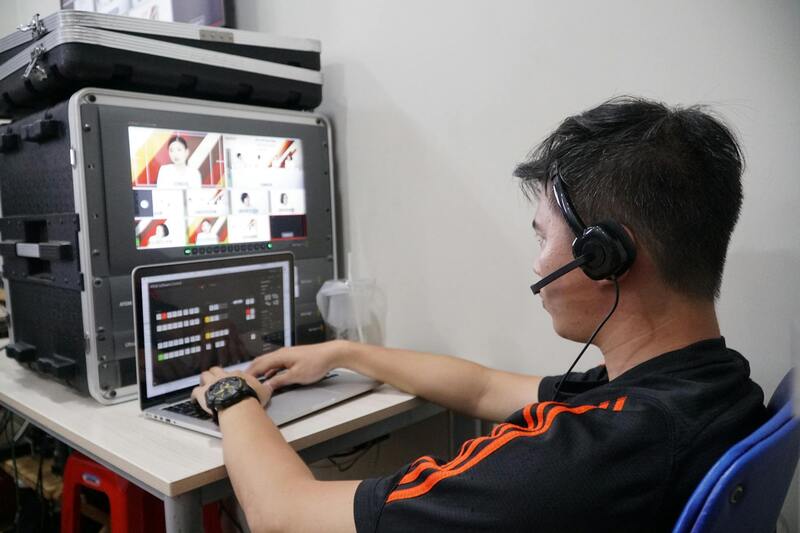
Understanding Corporate Video Production
Corporate video production encompasses the creation of professionally crafted visual content tailored to serve various business objectives. It is an essential tool for Miami-based companies aiming to enhance their branding, communicate core messages, and engage diverse audiences effectively. Corporate videos can convey a company's mission, showcase products or services, demonstrate expertise, and foster internal collaboration. The strategic use of video content amplifies brand presence, makes marketing campaigns more memorable, and builds stronger relationships with customers, partners, and employees alike.
In today’s competitive landscape, high-quality corporate videos help establish a company’s authority and credibility. They serve as versatile assets that accommodate multiple channels, including websites, social media, email campaigns, and internal communications. With Miami’s vibrant business environment, leveraging innovative corporate video production tailored to local nuances can significantly contribute to market visibility and business growth.
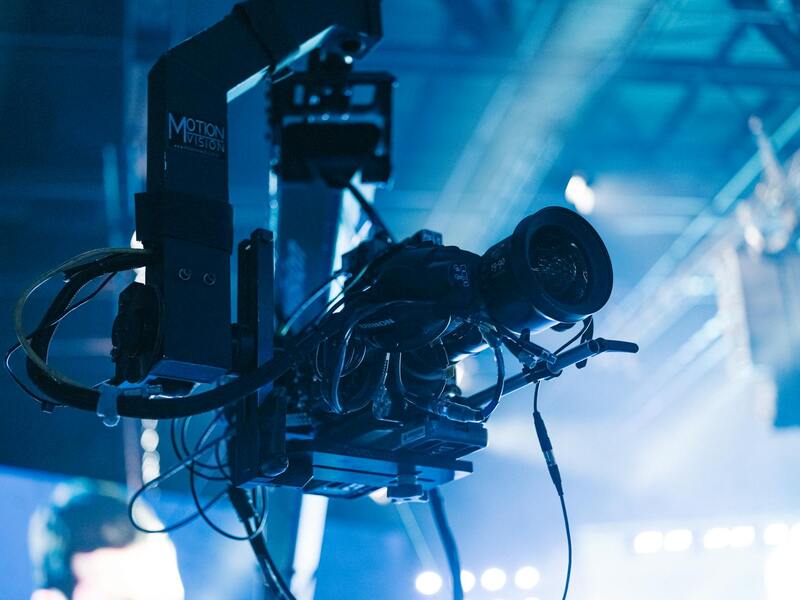
Understanding the intricacies of corporate video production involves recognizing the interplay of strategic planning, creative storytelling, technical execution, and targeted distribution. These elements combine to produce compelling visual content that resonates with audiences and achieves measurable outcomes.
Role in Branding and Marketing
For Miami-based companies, corporate videos serve as powerful branding tools that communicate corporate identity and values visually. They are used in marketing campaigns to generate brand awareness, boost customer engagement, and drive sales. Well-executed videos can showcase a company’s culture, highlight customer testimonials, or demonstrate product features, ultimately fostering trust and recognition in a competitive marketplace.
Internal Communications
Beyond external marketing, corporate videos facilitate internal communication initiatives. Internal training videos, executive messages, and company updates delivered via professional video platforms ensure clarity, consistency, and engagement within teams. They also serve to onboard new employees more efficiently and promote a unified corporate culture across the Miami workforce.

In summary, corporate video production is a comprehensive process that supports multiple business functions—from strategic branding and marketing efforts to seamless internal communication. When executed with professionalism and strategic intent, it becomes an invaluable asset that propels Miami companies toward greater visibility and success in their respective markets.
Planning and Pre-Production Process
Meticulous planning and detailed pre-production stages form the foundation for successful corporate video projects. This phase involves several key elements that ensure the final product aligns perfectly with the client's goals and brand identity. Initial concept development is crucial; it involves brainstorming ideas that effectively communicate the intended message, resonate with the target audience, and support overall marketing or internal communication objectives.
During this stage, a comprehensive script is crafted. It serves as the roadmap for filming, outlining dialogues, narration, scene descriptions, and visual cues. A well-written script ensures clarity, consistency, and focus throughout the production process, reducing the need for costly revisions later.
Storyboarding follows, visually mapping each scene and shot to facilitate clear communication between the client and production team. It helps visualize the narrative flow, camera angles, lighting setups, and other technical aspects, ensuring everyone is aligned from the outset. Budgeting is also a critical component at this point, involving detailed estimation of costs for equipment, personnel, location fees, post-production, and miscellaneous expenses. Proper budgeting keeps the project financially manageable and prevents unexpected overruns.
Location scouting is conducted to identify optimal filming sites that enhance the visual aesthetic and storytelling. This process includes assessing lighting conditions, accessibility, permits, and logistical considerations. Securing necessary permits and legal clearances is a mandatory step when filming in private or public spaces, ensuring a smooth production process without interruptions.
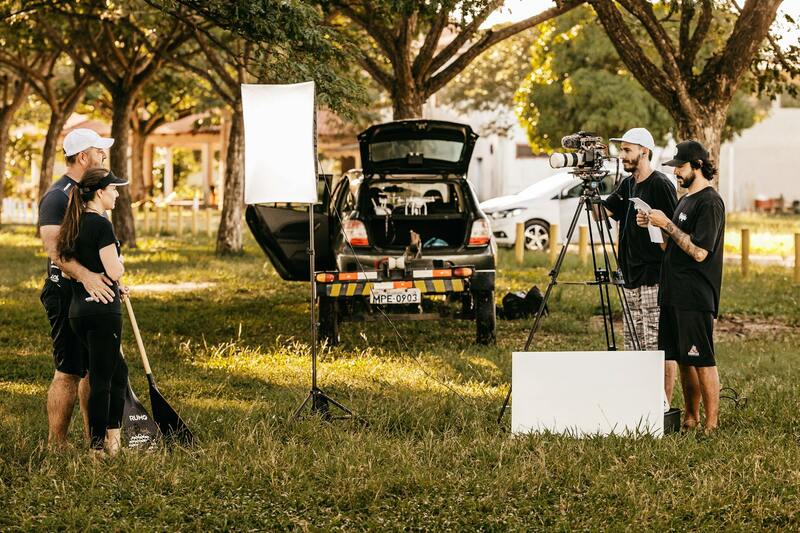
Casting and talent selection are also part of pre-production. Whether it involves hiring professional actors or selecting company employees for on-camera roles, the process aims to find individuals who can authentically embody the brand message and connect with viewers.
Pre-production culminates with scheduling, which meticulously outlines filming dates, sequences, and resource allocation. This timeline helps coordinate all elements involved, from crew availability to equipment setup, ensuring the project adheres to timelines and budget constraints.
Thorough preparation during the pre-production phase diminishes risks, enhances efficiency, and sets clear expectations. It creates a solid framework that supports smooth execution, enabling the production team to focus on capturing high-quality footage that meets the strategic objectives of Miami-based organizations.
Effective Video Production Techniques
During filming, employing professional techniques is paramount to produce polished and impactful corporate videos. First and foremost, lighting plays a vital role in setting the mood and ensuring subjects are clearly visible. Proper lighting not only enhances visual appeal but also guides viewers’ attention to focal points within the scene.
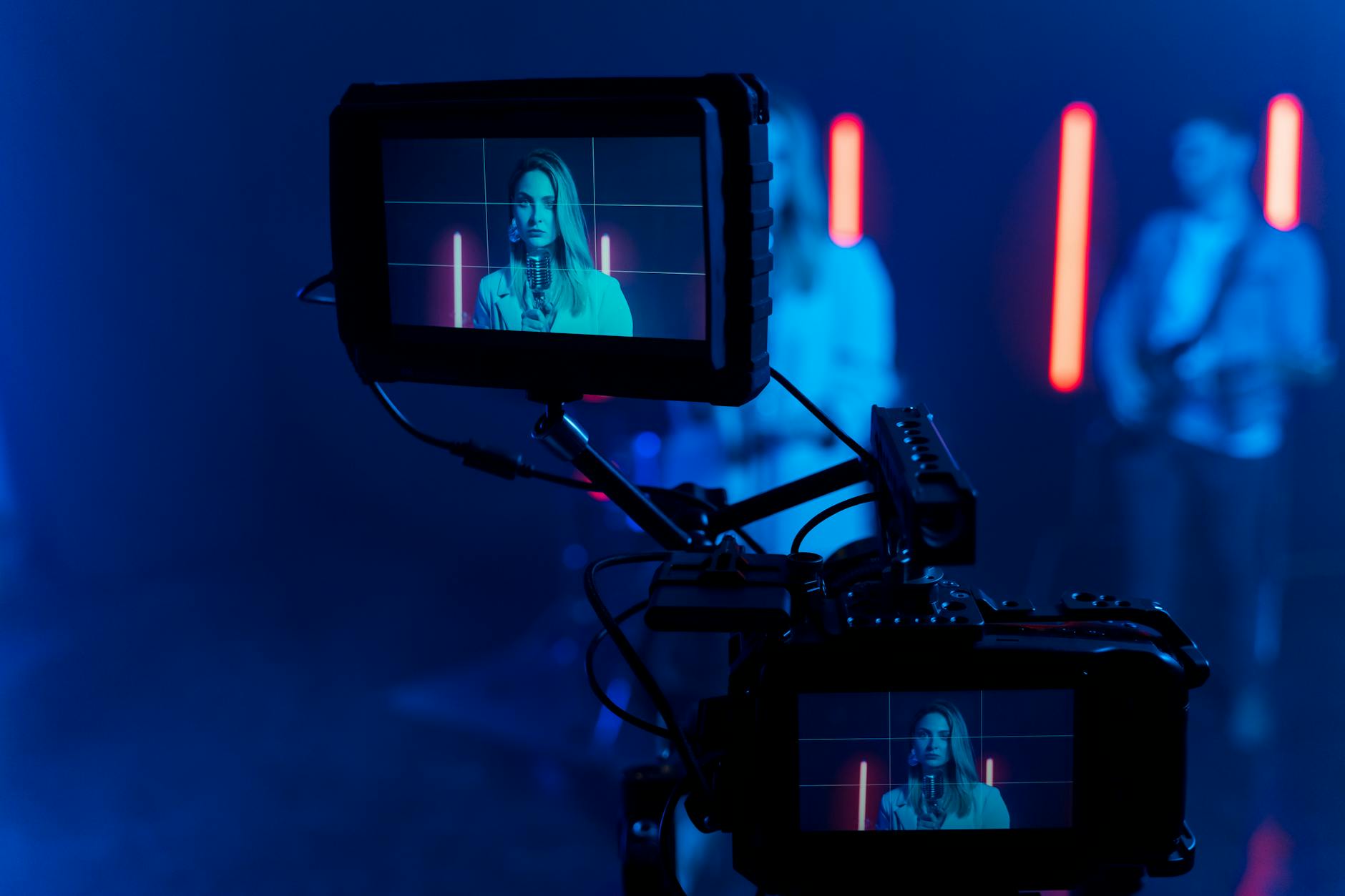
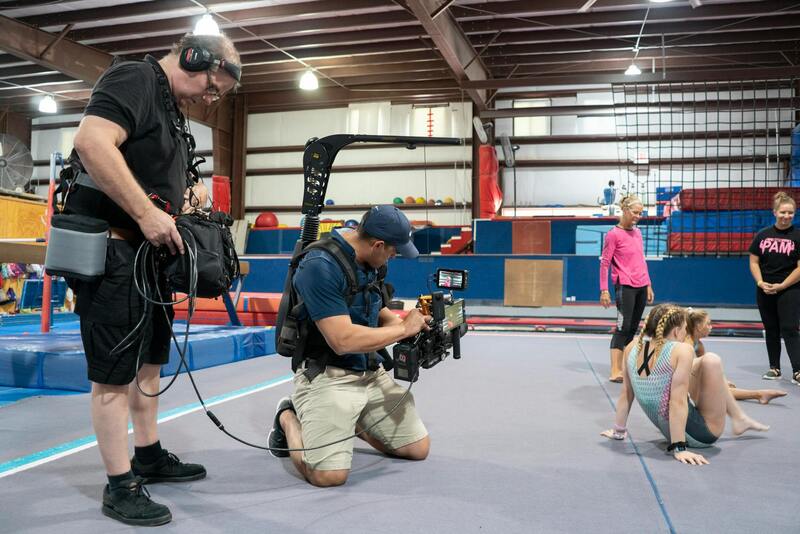
Camera work should prioritize stability and clarity. Utilizing high-quality equipment and stabilization tools results in smooth shots, especially during dynamic scenes or on-location shoots. Framing and composition—guided by principles such as the rule of thirds—help create visually balanced scenes that are engaging and easy to follow.
Audio quality cannot be overlooked. Clear dialogue and minimal background noise are critical, often achieved through professional microphones and sound editing techniques. High-quality audio ensures the message is delivered effectively and maintains a professional tone.
To foster authenticity, directing talent with clear guidance on delivery, posture, and expressions enhances on-camera presence. Bilingual or multilingual content may require specific language considerations to reach diverse audiences in Miami.
Real-time monitoring and adjusting during filming allow for immediate corrections, reducing post-production corrections and ensuring the footage aligns with the project’s objectives. Combining these techniques results in visually stunning, engaging, and persuasive corporate videos tailored for the Miami market.
Post-Production and Editing
The post-production phase transforms raw footage into a cohesive and compelling narrative. Editing begins with reviewing all captured material, selecting the best shots, and assembling them according to the storyboard and script. This process involves trimming unnecessary footage, adjusting pacing, and creating a smooth visual flow that keeps viewers engaged.
Color correction and grading are vital to establish a consistent visual tone that aligns with the brand’s identity. Brightness, contrast, and color palette adjustments enhance aesthetic appeal and reinforce the intended mood of the video.
Sound editing includes syncing audio and video, removing background noise, adding sound effects, and incorporating background music. These elements contribute to a professional, immersive experience that supports the video’s message.
Graphics, animations, and overlays are integrated where necessary to emphasize key points or illustrate complex concepts. Such visual elements help make technical or data-heavy content more accessible and engaging for viewers.
Feedback from stakeholders is an integral part of editing, allowing for iterative refinements to ensure the final product exceeds expectations. The goal is to produce a seamless, high-quality video that communicates the message effectively, reinforces brand identity, and resonates with the target audience.
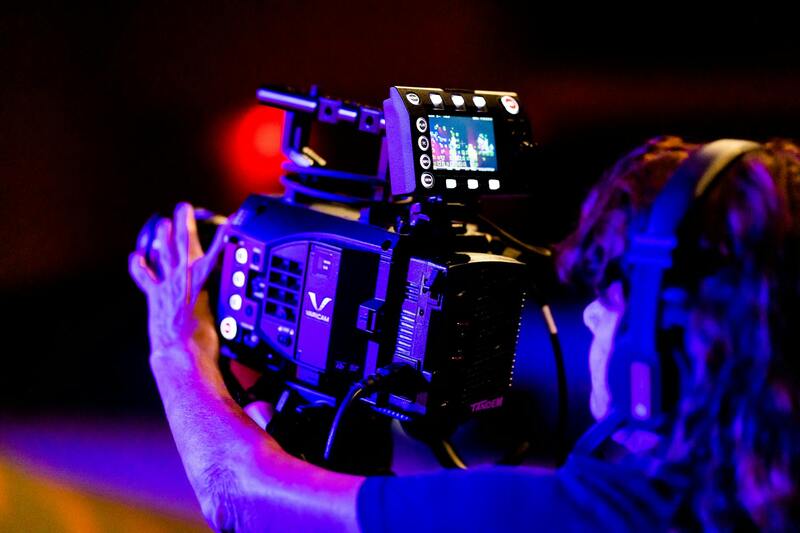
Understanding Corporate Video Production
Effective corporate video production is a meticulous process that involves multiple stages, each crucial to crafting a compelling communication tool for your brand. From initial planning to final distribution, every facet requires careful attention to detail and strategic alignment with your business goals. Selecting the right production methods ensures your message resonates with your target audience while maintaining a professional and engaging aesthetic.
Effective Video Production Techniques
Implementing best-practice techniques during production can significantly elevate the quality of your corporate videos. High-quality filming equipment, such as 4K cameras and professional lighting setups, ensures clear visuals and excellent image clarity. Utilizing stable camera movements, lens choices, and controlled lighting enhances visual storytelling and helps convey your message with precision.

Incorporating compelling storytelling methods is essential. Scripts should be crafted with clarity and purpose, emphasizing the value proposition and core messages. Shot composition and framing should focus on engaging visuals that support the narrative, whether through interviews, b-roll footage, or animated segments.
Sound quality plays an equally vital role. Using lapel or shotgun microphones ensures clear speech, while soundproof environments reduce ambient noise. Adding ambient sound and natural audio cues can help create immersive experiences that draw viewers into the story.
Furthermore, utilizing dynamic camera angles and movement techniques, such as tracking shots or drone footage, can add visual interest and professionalism. These methods not only catch viewer attention but also help in highlighting specific features or aspects of the business or project.
Advanced Post-Production Techniques
Following filming, post-production techniques refine the footage into a polished final product. Color correction and grading establish brand-aligned visual tones, creating consistency across different clips. Precision editing trims excess footage, enhances pacing, and ensures the narrative flows seamlessly.
Sound editing involves syncing audio, removing distractions, and adding background music or sound effects that complement the visuals. Graphics, overlays, and animations can be integrated to illustrate complex data or emphasize key messages, making technical content more accessible and engaging.
Utilizing professional editing software allows for detailed refinements, including transitions, text overlays, and visual effects that reinforce brand identity and message. Regular feedback loops with stakeholders help ensure the final video meets all objectives and standards of quality.
Implementing Adaptable Production Strategies
One effective approach is adopting an adaptable production workflow that allows for iterative improvements and flexibility. This involves detailed pre-production planning, clear communication with the production team, and a structured schedule to stay on budget and on time. Using storyboards and shot lists guides filming efforts, minimizing errors and ensuring all key elements are captured efficiently.
Moreover, leveraging modern technology such as cloud-based collaboration platforms facilitates seamless feedback exchange and version control among team members, resulting in a coherent and streamlined production process. Incorporating this level of planning and precision ultimately leads to a high-quality product tailored to the specific goals of Miami-based companies, ensuring their message stands out in a competitive marketplace.
Optimal Solutions for Filming and Equipment
Choosing the right filming equipment is essential for producing professional-grade corporate videos. High-quality cameras with excellent resolution and color fidelity are fundamental, enabling clear, crisp visuals that reflect your brand's professionalism. Depending on the scope of your project, equipment such as steadicams, drones, or jib arms can be integrated to add dynamic shots, enhancing visual interest and storytelling depth.
Lighting is another critical component. Proper lighting setups, whether natural, studio, or a combination of both, ensure the subjects are presented clearly and attractively. Techniques like three-point lighting can eliminate shadows and highlight key features, fostering a polished and consistent look across scenes. For sound quality, utilizing lavalier microphones, shotgun mics, and soundproof environments minimizes background noise and captures crisp, clear audio—an often-overlooked aspect that significantly impacts viewing experience.
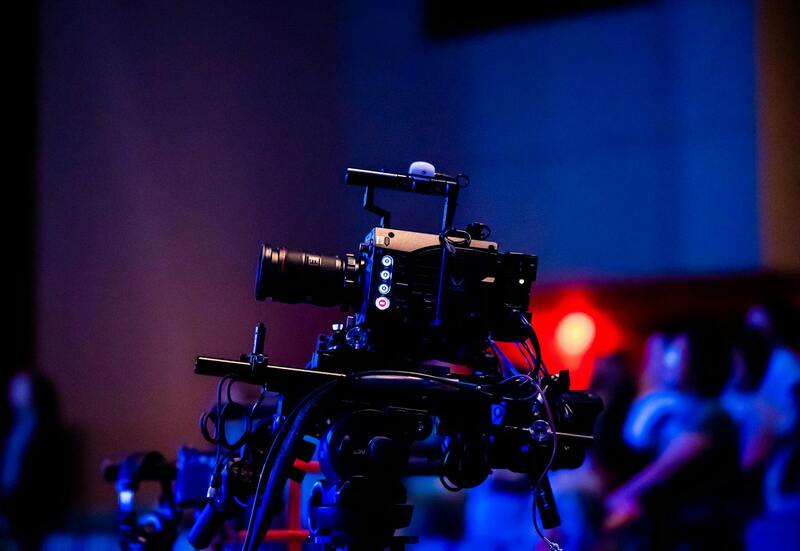
Preparation of appropriate props, backdrops, and set design enhances the authenticity and visual appeal of your content. Certain projects may benefit from green screens to facilitate background customization in post-production. Coordination of all equipment and resources before filming ensures smooth execution, minimizing delays and technical issues.
Effective on-Site Production Management
On-site management involves meticulous coordination of your filming schedule, personnel, and equipment logistics. Assigning a dedicated production manager helps oversee operations, resolve unforeseen challenges, and maintain timelines. Clear communication with the crew about shot requirements, safety protocols, and contingency plans ensures a seamless shooting process.
Leveraging technological tools such as walkie-talkies or mobile apps streamlines communication during the shoot, allowing for quick adjustments and real-time problem-solving. Ensuring backups for all digital assets and equipment further safeguards against data loss or disruptions, safeguarding the production timeline and final quality.
Post-Production Workflow and Quality Control
After filming concludes, the focus shifts to editing, which involves assembling footage to craft a compelling narrative aligned with your brand messaging. Color grading enhances visual consistency and mood, while sound editing ensures clarity and proper synchronization. Incorporating motion graphics or on-screen text can emphasize key points, making your message more impactful.
Team collaboration during editing is crucial. Sharing drafts with stakeholders for feedback enables iterative improvements, ensuring the final product meets expectations. Quality control measures, including viewing on multiple devices and monitors, help identify any inconsistencies or technical issues before delivery.
Securing Your Corporate Video Content through Proper Licensing and Rights Management
Ensuring that all aspects of your corporate video are properly licensed and rights-managed is essential for safeguarding your brand and avoiding potential legal complications. This process involves obtaining clearances for all visual and audio elements incorporated into your video, including music, stock footage, images, and any proprietary branding. Collaborating with your production team to verify copyright ownership and license agreements fosters a smooth post-production process and future use of the content without infringement issues.
Detailed documentation of licenses and rights assignments should be maintained throughout the project lifecycle. This transparency not only safeguards your organization but also streamlines the deployment of the final product across multiple platforms. When using third-party assets, always acquire rights explicitly for the intended use, whether online distribution, broadcast, or internal presentations. This proactive approach ensures compliance and preserves the integrity of your corporate messaging.
To further bolster your content's credibility and protection, consider implementing digital rights management (DRM) solutions if your videos are used in proprietary or paid environments. Additionally, establishing clear usage policies for internal dissemination helps prevent unauthorized sharing or modifications that could compromise your brand image.
Implementing Effective Distribution Strategies
Distribution plays a pivotal role in maximizing the impact of your corporate videos. Selecting the appropriate channels depends on your target audience, message objectives, and resource considerations. For broad reach, hosting videos on your official website alongside a strategic social media campaign enhances visibility and engagement. Optimizing video content for platforms like YouTube, LinkedIn, and Facebook ensures compatibility and maximizes organic reach.
Additionally, consider utilizing email marketing campaigns to deliver personalized video content directly to your clients or prospects. Embedding videos into email newsletters can significantly increase click-through rates and brand recognition. For internal communication, employing company intranets or secure portals ensures sensitive content reaches only authorized personnel.
Maximizing distribution also involves leveraging video SEO best practices. Incorporating relevant keywords into titles, descriptions, and tags improves discoverability in search engine results. Including subtitles and transcripts makes content accessible to a wider audience, including those with hearing impairments and viewers browsing without sound. Metrics tracking and analytics should guide continual refinement of distribution efforts, ensuring your corporate videos achieve desired engagement levels and ROI.
Understanding Corporate Video Production
Corporate video production is a comprehensive process that involves the creation of professional visual content aimed at communicating a company's message, values, or products to its target audience. It encompasses several stages, from conceptualization and scripting to filming, editing, and distribution. Engaging corporate videos serve as powerful tools to enhance brand awareness, clarify complex information, and foster stronger relationships with clients and stakeholders.
A vital aspect of production is ensuring that the video's tone, messaging, and aesthetic align with the company's branding strategy. This often requires close collaboration among marketing teams, executives, and production specialists. Interdisciplinary coordination ensures the final product reflects the company's identity and resonates with its intended viewers. Precision in execution and attention to detail during each phase of production guarantee high-quality content capable of making a tangible impact.
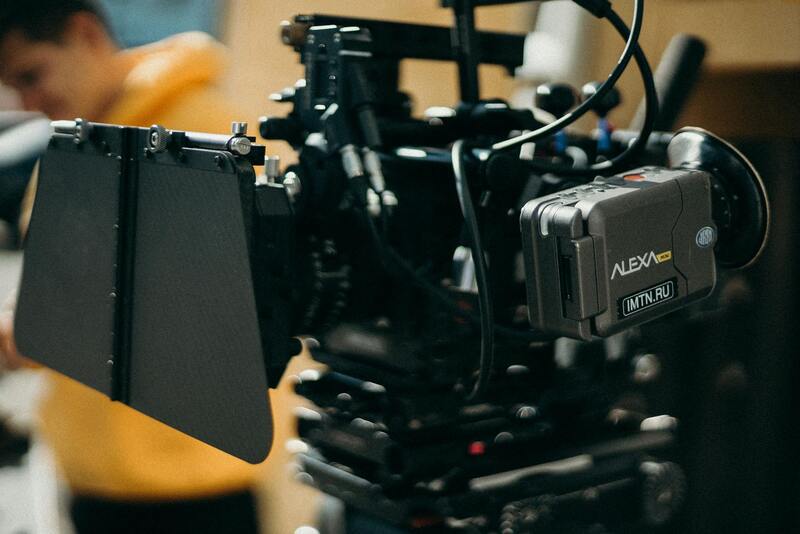
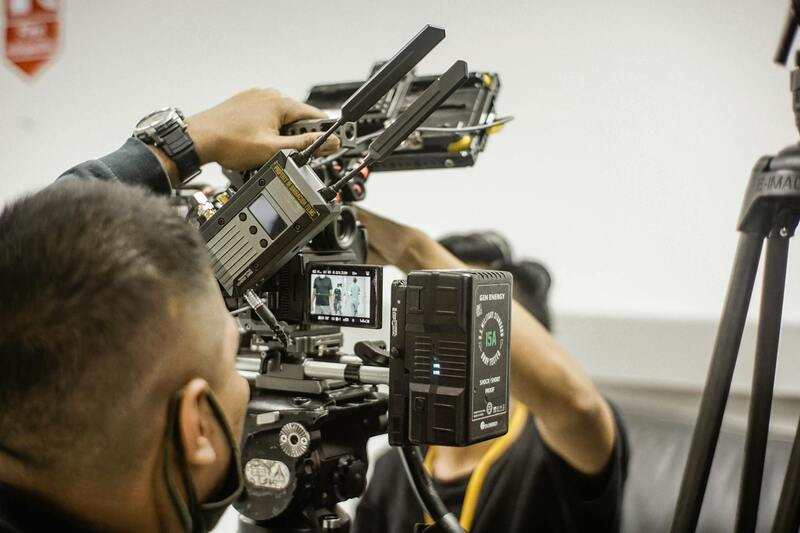
Effective corporate video production also hinges on understanding the technological aspects involved, including camera equipment, lighting, sound, and post-production software. Mastery of these technical elements ensures the footage captured is crisp, clear, and visually appealing while capturing authentic company culture or product features. Moreover, the importance of adhering to well-planned schedules and budgets ensures the project stays on track and resources are optimized.
In today’s digital landscape, the relevance of corporate videos extends beyond traditional media to digital platforms. Many organizations leverage online channels such as their official websites, social media, and email campaigns to reach wider audiences. As such, professional corporate video production has become an integral part of comprehensive marketing strategies, fostering engagement and delivering measurable results.
Key Types of Corporate Videos
Understanding the different formats of corporate videos enables companies to select the most suitable approach for their communication goals. Each type serves specific purposes and caters to different audience segments, making strategic selection crucial for maximum effectiveness.
- Brand Awareness Videos: Designed to introduce or reinforce brand identity, these videos highlight the company's mission, vision, and core values in a compelling visual manner.
- Product Demonstrations: Focused on showcasing product features, benefits, and usage scenarios, these videos aim to educate potential buyers and accelerate purchasing decisions.
- Corporate Testimonials: Featuring client or employee stories, testimonials build credibility and trust by providing authentic endorsements of the company's offerings and culture.
- Training and Educational Videos: Created to inform or train personnel, these videos improve internal processes and ensure consistent knowledge transfer across teams.
- Event Coverage and Recaps: Documenting company events, conferences, or seminars helps extend their impact, engage broader audiences, and generate content for future marketing materials.
- CEO or Executive Messages: Leadership videos communicate strategic messages, fostering transparency and strengthening stakeholder confidence.
Planning and Pre-Production Process
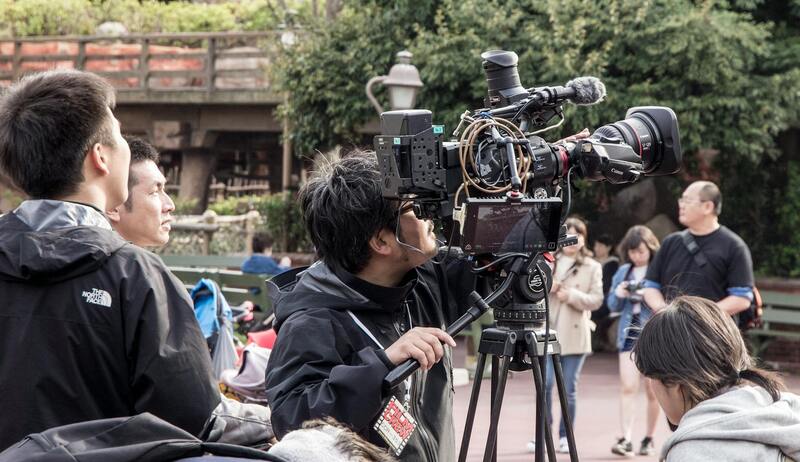
Effective communication hinges on thorough planning and pre-production activities, which lay the foundation for smooth execution and high-quality output. This phase involves several key steps that demand strategic thinking and meticulous organization.
- Defining Objectives: Clarify what the video aims to accomplish—whether raising brand awareness, explaining a product, or internal training. Clear goals guide content creation and success measurement.
- Target Audience Analysis: Understand demographic and psychographic characteristics to tailor messaging appropriately, ensuring the content resonates and engages viewers.
- Concept Development: Brainstorm ideas, themes, and visual styles that align with branding goals. Developing a compelling storyline or script is essential for impactful storytelling.
- Script and Storyboard Writing: Craft detailed scripts highlighting key messages and create storyboards to visualize scenes and sequences, ensuring cohesive storytelling and flow.
- Scheduling and Budgeting: Establish timelines, assign roles, and allocate resources. Effective budget management ensures quality without overspending and sets realistic expectations for project delivery.
- Location and Talent Selection: Identify suitable filming locations and select talent, including professional actors or company representatives, who effectively embody the brand’s persona.
Effective Video Production Techniques
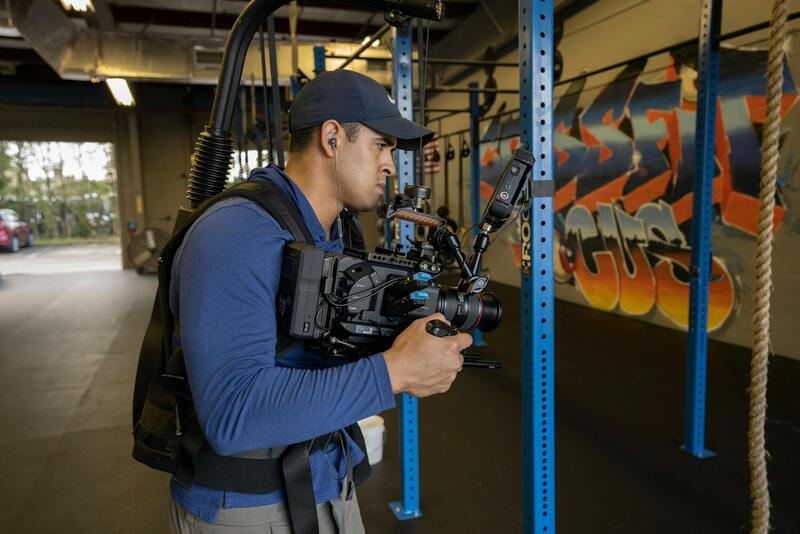
Executing a corporate video requires the deployment of advanced production techniques that uphold quality standards and reinforce message clarity. Strong technical skills coupled with creative execution distinguish professional productions from amateur efforts.
- Lighting: Proper lighting enhances scene clarity, highlights key subjects, and establishes mood. Techniques range from natural light utilization to complex studio setups depending on the desired ambiance.
- Cinematography: Camera angles, movements, and framing direct viewer attention and contribute to storytelling. Employing steady shots and smooth camera motions ensures visual professionalism.
- Sound Quality: Clear audio recording, including ambient sound and voiceovers, is crucial. Utilizing high-quality microphones and sound editing tools ensures that dialogue and narration are easily understood.
- Visual Composition: Maintaining balanced framing, rule of thirds, and depth can create aesthetically appealing visuals that engage viewers and support the narrative.
- On-Site Direction: Skilled directors coordinate talent and crew to maximize performance and capture authentic moments that resonate with viewers.
Choosing the Right Corporate Video Production Partner in Miami
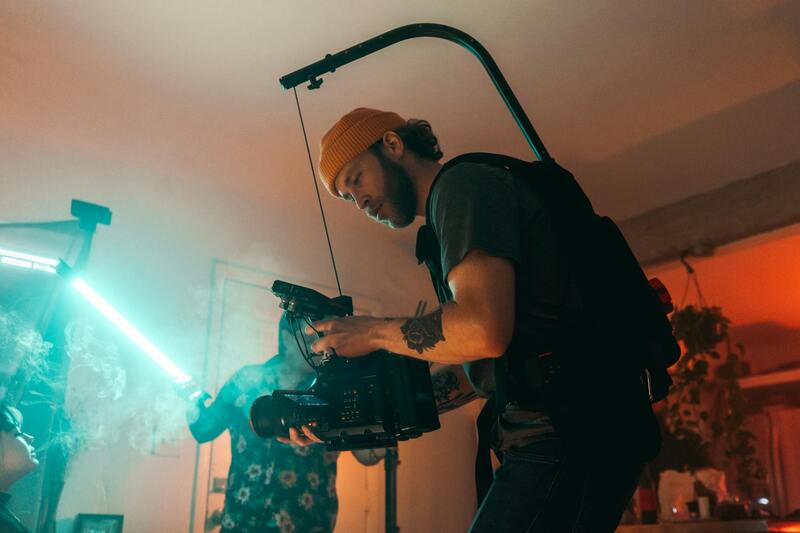
Partnering with a reputable Miami-based corporate video production agency is a crucial step toward ensuring your brand’s story is communicated effectively. When evaluating potential production partners, consider their breadth of experience in creating videos for diverse industries, along with their familiarity with the Miami market dynamics. An agency with a strong portfolio showcasing a variety of successful projects demonstrates versatility and a proven track record of delivering high-quality content that resonates with target audiences.
Assess the agency’s understanding of local business culture, as this insight can influence the tone and style of your corporate video, making it more relevant and impactful. Transparency in their process and clear communication channels are also essential, ensuring your vision is accurately translated into the final product.
Budget considerations play a role as well. While cost-effectiveness is important, it should not compromise quality. A professional Miami corporate video production team will tailor their services to fit your financial parameters without sacrificing creative integrity or technical excellence.

Measuring the Effectiveness of Your Corporate Video
After distributing your corporate video, tracking its performance is essential to gauge its impact and return on investment. Metrics such as viewer engagement rates, watch time, and social sharing statistics provide valuable insights into how your target audience interacts with the content.
For targeted campaigns, analyzing lead generation or conversions attributed to the video can help quantify its contribution to your marketing objectives. Additionally, gathering qualitative feedback through surveys or stakeholder reviews can reveal how well the message was received and whether it aligns with your communication goals.
Regular evaluation of these metrics enables continuous improvement. Adjustments in content strategy, distribution channels, or production style may be required to optimize future videos and maximize marketing ROI.
Ensuring Compliance and Ethical Standards in Corporate Video Production
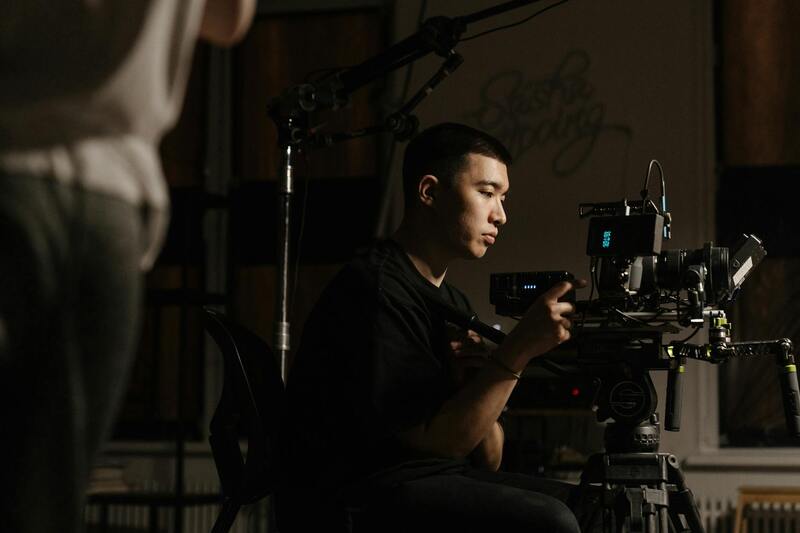
Adhering to established standards and protocols is paramount throughout the corporate video production process. This encompasses comprehensive planning to align each phase with industry best practices, ensuring the final product resonates authentically while respecting all legal and ethical considerations.
One of the foundational steps is securing necessary rights and permissions, particularly when capturing footage that involves third parties, proprietary content, or branded materials. This is achieved through formal agreements such as releases and licenses, which delineate usage rights clearly and prevent disputes later on.
Furthermore, content authenticity must be maintained. This means portraying the subject matter truthfully, avoiding misleading claims, and respecting cultural sensitivities. Incorporating diverse voices and perspectives enhances the credibility of the message, illustrating a commitment to inclusivity and fairness that resonates with a broad audience.
Another critical aspect is data privacy and security. When collecting personal information during campaign promotions or viewer feedback, compliance with relevant privacy policies and data protection protocols is essential. This includes transparent communication about data collection practices and secure handling of sensitive information to foster confidence among viewers and stakeholders.
Quality assurance processes also play an instrumental role. Regular reviews during production phases help identify potential issues early, ensuring consistent adherence to technical standards such as audio clarity, lighting, and editing quality. Maintaining rigorous standards minimizes the risk of inaccuracies or technical defects that could undermine the video's professional impact.
Employing certified professionals and utilizing reputable equipment and software further elevates the production's reliability and integrity. Certifications and industry accreditations act as indicators that the production team follows recognized guidelines, promoting trustworthiness and professionalism.
Balancing creativity with compliance entails vigilant oversight from conceptualization through distribution. This ensures that every element—from scripting to final edits—is aligned with ethical norms and regulatory frameworks, thereby safeguarding the company's reputation and fostering enduring relationships with audiences.