
Understanding the Role of an Interview Videographer
An interview videographer plays a vital role in capturing high-quality visual content that accurately reflects the essence of the interview. Their responsibilities extend beyond simply operating a camera; they are tasked with ensuring that each shot aligns with the intended narrative and maintains visual consistency. Their work involves pre-production planning, technical expertise during filming, and meticulous attention to detail to produce footage suitable for professional use, whether for corporate communications, documentaries, or promotional content.
The core skill set of an interview videographer includes proficiency with various camera systems, an eye for composition, and an understanding of lighting to enhance the visual quality in different environments. They must also possess excellent communication skills to work effectively with interview subjects, hosts, and production teams. Additionally, knowledge of sound recording techniques is essential to deliver clear audio, which is just as important as visual clarity in interview footage.
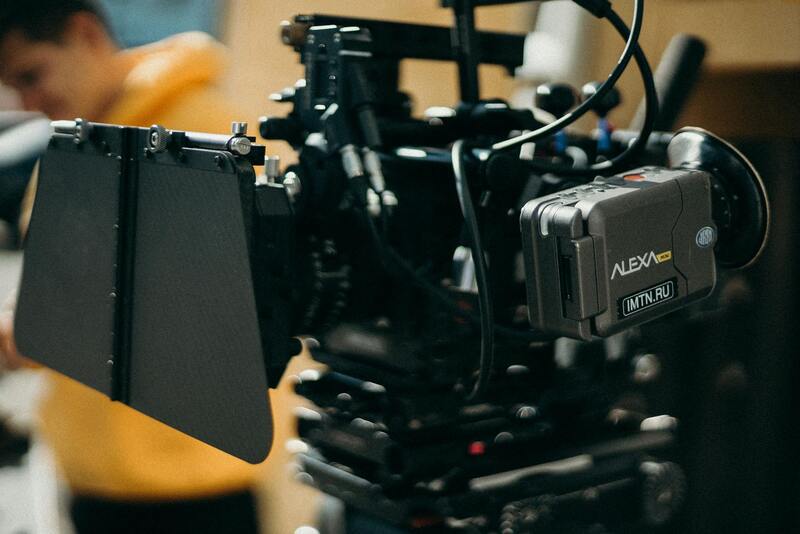
In the rapidly evolving digital landscape, an interview videographer must stay updated on the latest equipment and techniques to ensure the content meets current standards of excellence. Their work directly influences the credibility and professionalism perceived by the viewers, making their expertise indispensable in producing compelling interview content that resonates with audiences.
Essential Equipment for Professional Interview Videography
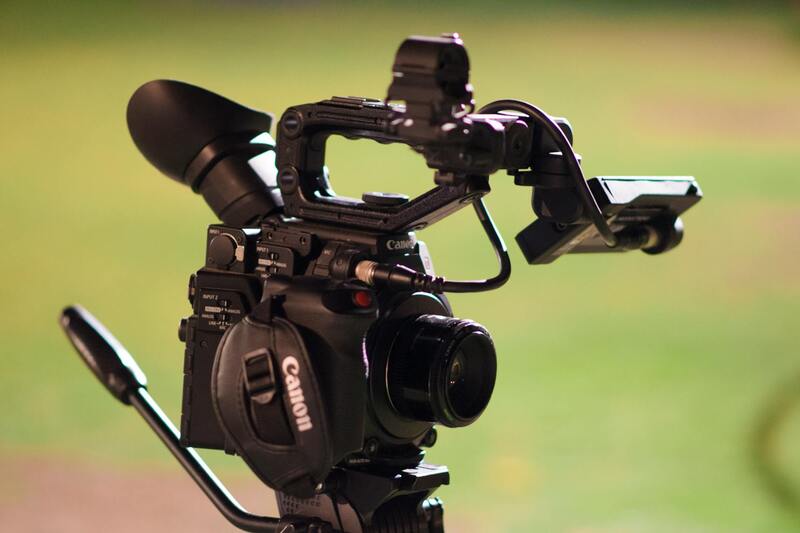
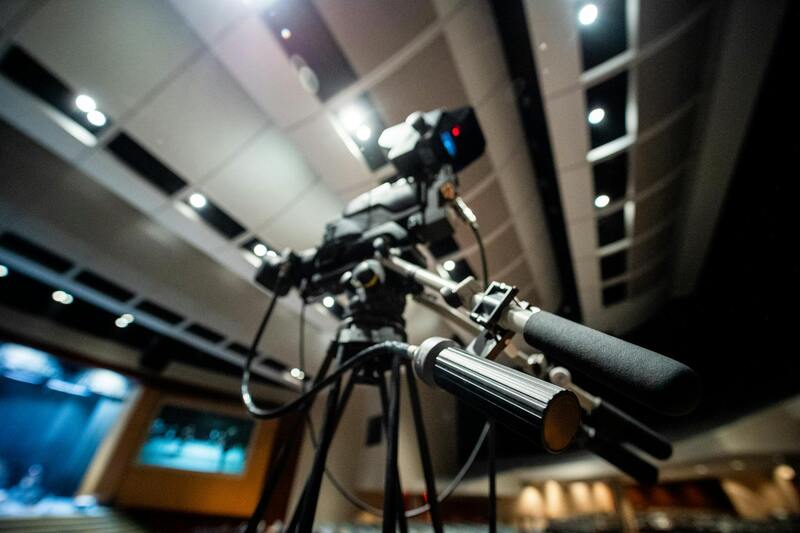
To achieve high-quality footage that effectively captures the essence of an interview, a videographer must have access to a comprehensive set of reliable, versatile equipment. This includes cameras capable of delivering high-definition visuals, such as professional-grade camcorders or cinema cameras equipped with the latest sensors for optimal clarity and color accuracy. tripod systems ensure stability during shoot, which is crucial for maintaining a professional look and minimizing distracting shake.
Audio quality is equally important, as poor sound can significantly diminish the impact of a video. Therefore, high-fidelity microphones—such as shotgun mics, lavalier wireless microphones, and portable audio recorders—are essential tools for capturing clear dialogue and ambient sounds. This equipment must be paired with proper soundproofing methods and sound mixing techniques to eliminate background noise and ensure the interviewee’s voice is crisp and natural.
Lighting gear also plays a pivotal role; portable LED lights, softboxes, and reflectors help create a controlled lighting environment that flatters the subject and enhances visual consistency. In challenging environments where natural light is insufficient or inconsistent, these lighting tools become indispensable for maintaining a professional aesthetic.
Additional accessories such as batteries, memory storage devices, and monitoring screens support efficient filming workflows. For indoor shoots, backdrop setups or green screens may be utilized to add visual context or branding elements during post-production.
Preparing Your Interview Environment and Equipment
Preparation begins well before the camera starts rolling. This involves conducting site surveys to assess lighting conditions, background distractions, and available space. Setting up a controlled environment with appropriate lighting and minimal background noise is fundamental to ensuring the shoot proceeds smoothly.
Technical checks are crucial; these include testing all camera settings, audio levels, and lighting configurations in advance. Ensuring all equipment is fully charged, with backup batteries and memory cards readily available, helps prevent interruptions during filming. Additionally, confirming that all necessary permits and permissions are in place ensures the session adheres to local regulations and standards.
Coordinating with the interview subject and production team to define the shot list, framing, and desired visual style establishes clarity and alignment for the shoot. This detailed planning minimizes disruptions and helps deliver footage that aligns with the intended narrative.
Ensuring Proper Technique and Professionalism During Recording
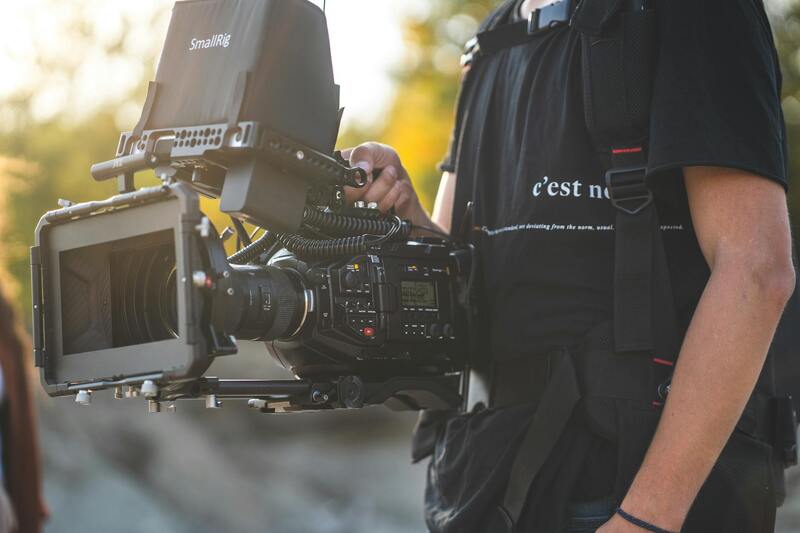
Achieving exceptional interview footage relies heavily on the application of effective recording techniques combined with a professional demeanor. Proper framing ensures that the subject is the focal point of the shot, guiding viewers' attention directly to the interviewee. It's essential to maintain consistent eye-level camera angles unless a creative choice dictates otherwise, as this promotes a natural and engaging visual experience. During filming, the camerawork should remain steady; using tripods or stabilizers minimizes shaking and maintains shot stability, which is crucial for a polished look.
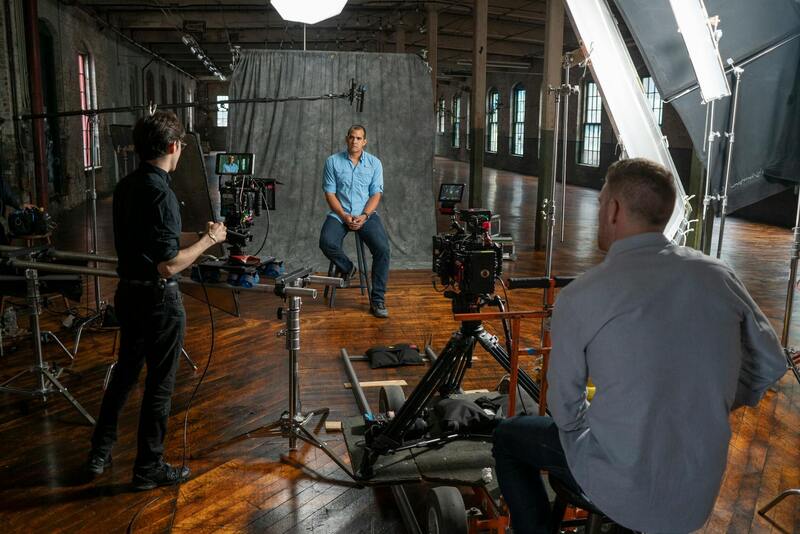
Lighting plays a significant role in setting the tone and ensuring clarity. Employing three-point lighting systems—key light, fill light, and backlight—helps sculpt the subject's features, prevent shadows, and add depth to the shot. Adjusting lighting to complement the background and avoid glare on glasses or reflective surfaces enhances overall quality. Sound fidelity is equally important. Using lapel microphones or shotgun microphones positioned close to the subject reduces background noise and captures clean audio, which is vital for viewer engagement and message clarity.
During the interview, maintaining a relaxed and professional atmosphere encourages natural responses from the interviewee. Clear communication about desired tone and pacing helps them feel at ease, resulting in more authentic and compelling footage. The interviewer should be attentive to framing and audio cues, ensuring that the shot remains visually appealing without distracting movements or disruptions. Regularly checking equipment during the session helps identify and resolve issues promptly, avoiding the need for retakes or extensive editing later.
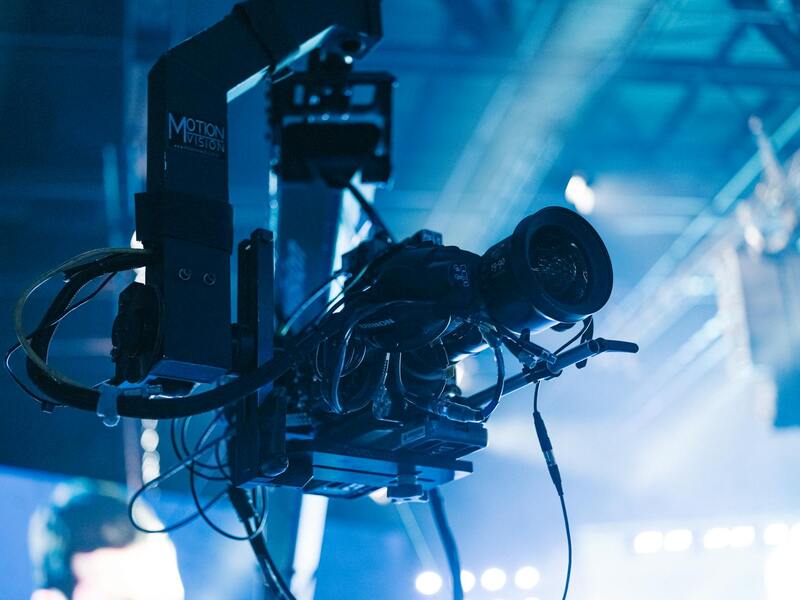
In addition, establishing a consistent filming environment reduces variability across multiple sessions, helping to maintain a cohesive visual narrative. This includes controlling ambient light, minimizing background noise, and ensuring the background remains uncluttered or has relevant branding elements. Properly planned shot composition and adherence to technical protocols during recording are the foundations of professional interview videography, ultimately leading to compelling storytelling that resonates with audiences and supports strategic communication goals.
Choosing the Appropriate Methods for Recording Interview Footage
When it comes to securing professional-quality interview footage, selecting the right recording methods is essential. This involves a strategic approach to ensure the content is captured accurately, clearly, and in a manner that aligns with your overall communication goals. High-quality video production hinges on meticulous planning and execution, utilizing official and proven techniques to produce compelling visual narratives.
One of the most reliable methods for recording interview footage is the use of multiple camera angles. Employing at least two cameras enables capturing different perspectives, such as a close-up of the interviewee and a wider shot including the interviewer. This enhances the visual interest during editing and allows for seamless transitions that maintain viewer engagement. Properly synchronized audio and video tracks from these cameras create a cohesive footage, ensuring consistency and professionalism throughout the final product.
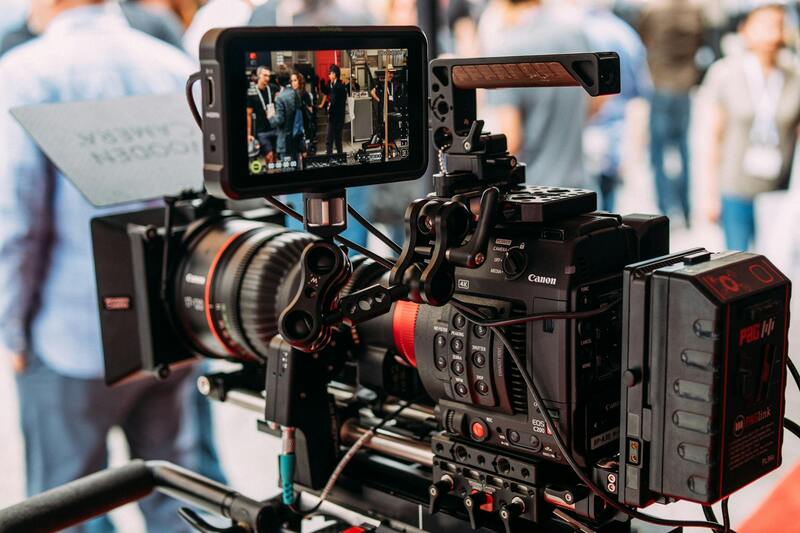
Utilizing high-frame-rate recording hardware is another official method to ensure crisp, smooth footage. This is particularly advantageous when capturing dynamic scenes or if post-production effects requiring slow-motion are anticipated. Properly calibrated equipment minimizes artifacts such as motion blur and ensures that each frame is captured with maximum detail, contributing to a polished, high-quality output.
In addition to camera work, employing industry-standard audio recording techniques is crucial for clear dialogue delivery. The use of directional microphones, such as shotgun or lapel microphones, ensures voices are captured distinctly while reducing environmental noise. Recording audio separately with professional-grade field recorders can also be beneficial, especially in noisy environments. These recordings can be synchronized during post-production to achieve clean audio that supports strong storytelling.
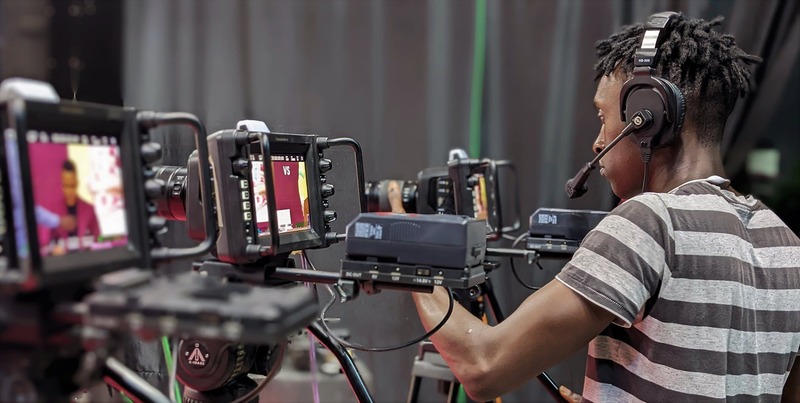
Lighting remains a fundamental component in interview videography. Proper lighting setups using softboxes, LED panels, and reflectors create even, flattering illumination that highlights facial features without harsh shadows. Compliance with safe and standardized lighting protocols ensures the safety of the subjects and the quality of the footage. Controlled lighting environments consistently produce visually appealing interviews that resonate with viewers.
Beyond technical setups, methods such as controlling environmental variables—like minimizing background distractions and framing the subject appropriately—are vital for producing polished outputs. For instance, maintaining a consistent shot composition, employing the rule of thirds, and ensuring the background remains relevant or uncluttered aid in creating professional, visually cohesive interview content.
Documentation and Secure Storage of Recorded Material
Following official protocols, meticulous documentation of recorded content—including metadata, timestamps, and session notes—facilitates efficient editing and archiving. Securing raw footage on reliable storage devices with appropriate backups prevents data loss and allows easy retrieval for editing or future use. Implementing a comprehensive file management system aligns with best practices in professional videography and ensures that all material is organized systematically.
In conclusion, leveraging official, proven methods for interview recording—ranging from multi-camera setups and high-quality audio to controlled lighting and systematic data management—constitutes the backbone of effective videography. These strategies guarantee that the final product not only meets technical standards but also authentically conveys the intended message with clarity and visual appeal.
Ensuring Proper Filming Permits and Documentation Compliance
When engaging in professional interview videography, especially within public or private spaces, obtaining the appropriate filming permits is an essential step. Authorities such as city councils, property owners, or relevant regulatory bodies often require official documentation to authorize recording activities. This process safeguards against potential disruptions or legal complications during the shoot.
Additionally, maintaining comprehensive records of all permits, approvals, and correspondence related to the project is vital. These documents serve as official proof of authorized activity and can streamline the workflow in case questions arise from stakeholders or compliance officers.
Proper documentation about the location, date, and scope of the filming session helps uphold transparency and accountability. This may include signed release forms from interviewees, location permissions, and adherence to local guidelines governing filming activities. Securing these official records beforehand minimizes delays and facilitates a smooth production process.
Choosing the Right Official Equipment for Professional Outcomes
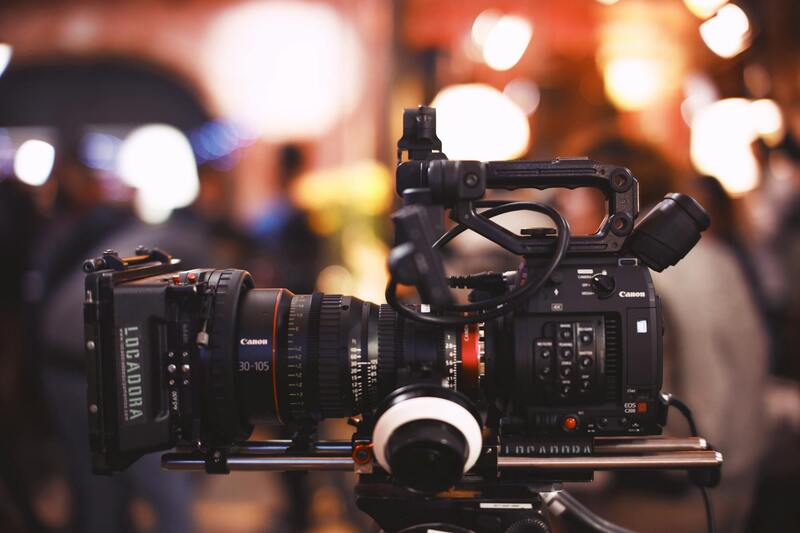
Investing in and utilizing suitable official equipment is crucial for capturing high-quality interview footage. This includes not only cameras, but also audio recording devices, lighting setups, and stabilization tools that meet industry standards.
> Camera Selection: Opt for professional-grade camcorders or DSLR/mirrorless cameras capable of delivering high-resolution footage with excellent clarity. Features such as adjustable frame rates, color profiles, and compatibility with professional lenses are important considerations.
> Audio Equipment: High-quality microphones—such as lavalier microphones, shotgun mics, and portable audio recorders—are integral for capturing crisp, clear sound. Proper placement and shielding from ambient noise contribute significantly to audio fidelity.
> Lighting Setup: Controlled lighting like softboxes, LED panels, or ring lights help achieve consistent, well-lit visuals. Proper lighting reduces shadows, enhances facial features, and ensures the subject remains the focal point.
> Stabilization Tools: Tripods, gimbals, or Steadicams provide stable footage, especially during movement, ensuring the final product appears professional and visually cohesive.
Implementing Standard Security Measures for Recorded Content
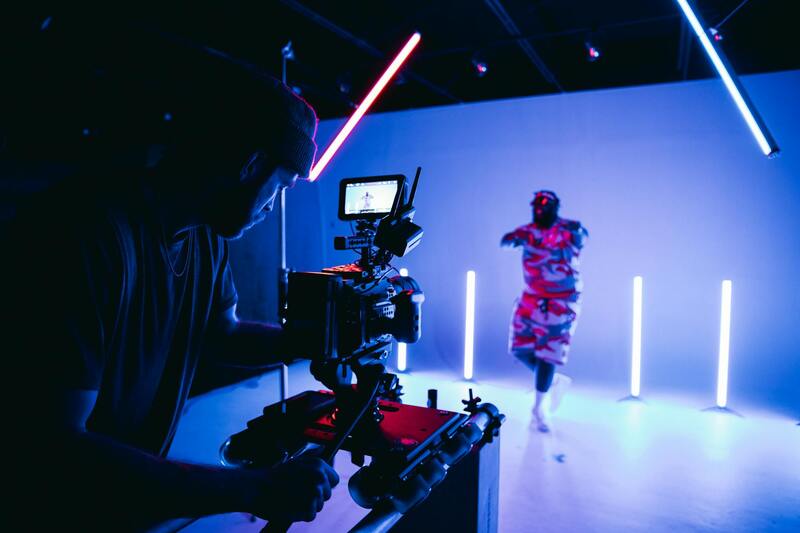
Maintaining the security of recorded interview footage is a core aspect of professional videography. Secure storage solutions such as encrypted external drives, network-attached storage (NAS), or cloud-based services with access controls are recommended to prevent unauthorized access.
Establishing a rigorous file management system facilitates organized storage, easy retrieval, and controlled dissemination of content. Incorporating metadata, labels, and version control ensures efficiency in post-production tasks and archiving.
Additionally, regular backups of raw footage and edited content help mitigate the risk of data loss. Using off-site storage options provides an extra layer of security, ensuring that footage remains protected even in cases of hardware failure or other unforeseen incidents.
For projects involving sensitive or confidential material, employing audit trails and access logs reinforces accountability and oversight, aligning with best practices for content security.
Securing Proper Permissions and Releases for Interview Footage
One of the most fundamental steps in professional interview videography involves acquiring the necessary permissions and releases from all individuals participating in the recording. This process not only ensures clarity over the use of the footage but also protects the production from potential disputes or misunderstandings related to rights and consent.
Before scheduling the shoot, it is essential to prepare comprehensive release forms that clearly specify how the footage will be used, whether for promotional purposes, broadcasting, or online distribution. These forms should include details such as the interviewee’s full name, contact information, and acknowledgment of consent. Ensuring that these documents are signed prior to recording establishes a formal agreement on usage rights and helps streamline the post-production process.
Having a standardized release form tailored to the specific needs of each project provides clarity and minimizes legal ambiguities. Furthermore, securing verbal consent on camera serves as an additional layer of assurance, as it demonstrates explicit agreement in real-time. Keep copies of all signed documents organized and stored securely to facilitate easy access and reference throughout the production cycle.
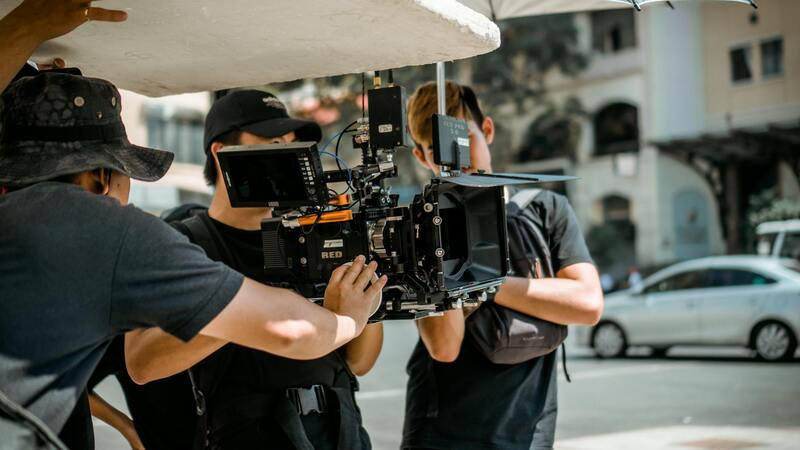
In addition to releases from interview participants, it is crucial to obtain permission from location owners and any third parties whose property or proprietary content may appear in the footage. This advance clearance prevents potential copyright or privacy issues and ensures the project adheres to ethical standards upheld within the industry.
Utilizing Official Documentation and Registration When Applicable
For projects involving proprietary content, trademarks, or sensitive information, maintaining documentation of ownership rights and official registrations adds an extra layer of protection. These records can include copyright certificates, trademark registrations, or licensing agreements that verify the right to use particular materials. When such content is integrated into an interview, having these documents readily available can expedite clearance processes and reinforce the professionalism of the production.
Additionally, if the videography involves any legal or governmental entities, obtaining appropriate licensing or permits prior to filming aligns with best practices and promotes transparency. Keeping thorough records of all permissions, licenses, and correspondence related to the project creates an audit trail that can be useful in resolving any future queries regarding content use.
Adhering to Industry Standards for Ethical Conduct
Upholding high standards of ethical practice is central to credible interview videography. This encompasses straightforward communication about the scope of the project, honest representation of content intentions, and respect for participants’ privacy and comfort. Informing interviewees about the purpose of the recording, how the footage will be used, and their rights during the process fosters trust and cooperation.
Moreover, adhering to industry-established guidelines for fair representation and truthful portrayal enhances the integrity of the final product. It ensures that the interview content is presented in an accurate and respectful manner, aligning with professional standards and reinforcing the reputation of the videographer and production team.
Implementing a Clear Content Management System
Organized management of recorded footage, permissions, and related documentation is essential for efficient project execution. Developing a comprehensive naming convention and filing system allows quick retrieval of raw and edited files. Employing digital asset management tools or software enhances this process, especially for larger projects with multiple versions or revisions.
Security measures, including encryption and access controls, further protect sensitive content from unauthorized viewing or dissemination. Regular audits of stored data, with updates on permissions and content rights, ensure ongoing compliance and facilitate smooth transitions between production stages.
Utilizing Official Channels to Hire an Interview Videographer in Miami
When seeking to engage a professional interview videographer, leveraging official and well-established channels ensures access to qualified and reputable experts. Many industry professionals maintain profiles on recognized platforms that specialize in connecting clients with dedicated videographers for diverse projects. These platforms often feature comprehensive portfolios, client reviews, and verified credentials, simplifying the process of verifying experience and skills.
In addition to online marketplaces, professional associations and industry networks serve as valuable resources. Organizations that focus on media production and videography often maintain directories of vetted members, affording clients the assurance that their selections meet high standards of professionalism. Attending industry trade shows, workshops, or local networking events in Miami facilitates direct interactions with qualified videographers, allowing for personalized assessments of their expertise and compatibility with project needs.
It is essential to prioritize transparency and communication throughout the hiring process. Engaging with candidates via phone or video consultations helps clarify project scope, expectations, and deliverables. During these discussions, inquire about their approach to interview videography, familiarity with relevant equipment, and their methodologies for ensuring high-quality footage. Confirming their availability within project timelines and understanding their fee structures contribute to informed decision-making and budget management.
Establishing clear contractual agreements before project commencement is crucial. These agreements should detail service scope, deadlines, rights to footage, and payment terms. Such documentation affirms mutual understanding and safeguards both parties' interests, leading to a smooth collaboration and high-quality interview recordings.
Ensuring Optimal Audio Quality During Interview Videography
Achieving clear and crisp audio is fundamental in producing professional interview videos. High-quality audio captures the nuances of the interviewee’s responses and ensures the audience remains engaged without the distraction of background noise or distortions. To accomplish this, videographers must utilize advanced audio recording equipment that can withstand various environmental conditions, such as shotgun microphones, lapel (lavaliere) microphones, and portable audio recorders.
Shotgun microphones are highly directional, making them ideal for isolating the interviewee’s voice from surrounding sounds. They are typically mounted on the camera or a boom pole, providing flexibility during shoot setups. Lapel microphones, also known as lavaliers, are discreet and can be pinned directly onto the subject’s clothing, ensuring consistent audio capture regardless of camera movement. Portable audio recorders serve as secondary backup devices, allowing for direct audio input and providing redundancy in case of technical issues.
Placement of microphones is critical; they should be positioned close enough to capture the subject’s voice clearly while avoiding rustling clothing or other extraneous noises. Proper monitoring during recording sessions—using headphones—enables videographers to detect and rectify audio problems in real-time, preventing the need for costly re-shoots or extensive post-production fixes.
Ambient noise control is also vital. Conducting interviews in controlled environments minimizes interruptions and background distractions. If recording outdoors, windshields and noise-reducing barriers can significantly improve audio quality. Additionally, synchronizing audio with the video in post-production ensures seamless editing and enhances overall professionalism.
Implementing Effective Lighting Techniques for Interview Shoots
Lighting plays a critical role in producing visually appealing interview videos. Proper lighting enhances facial features, provides depth, and ensures the subject stands out against the background. A well-lit scene reduces visual noise and improves clarity, making the footage more engaging and easier to edit.
Key lighting tools include key lights, fill lights, and backlights. The key light is the primary source illuminating the subject’s face and should be positioned at a 45-degree angle to create natural shadows. Fill lights soften harsh shadows created by the key light, ensuring the subject appears balanced and well-lit. Backlights add separation from the background, creating a sense of depth and preventing the subject from blending into the environment.
When shooting in indoor environments, diffused lighting—using softboxes or umbrellas—ensures even coverage and reduces glare. For outdoor shoots, leveraging natural light during the golden hour (shortly after sunrise or before sunset) offers warm, flattering illumination. Reflectors can also be used to bounce light onto the subject’s face, filling shadows effectively.
Controlling light intensity and color temperature is essential to maintain visual harmony throughout the footage. Skilled videographers often employ color-balanced LED lighting units that allow for customization, accommodating diverse shooting conditions. The goal is to achieve a balance that highlights the interviewee’s expressions and creates a professional, polished appearance.