Understanding Video Interview Production
Video interview production is a specialized process that combines technical expertise with strategic planning to create compelling visual content. It encompasses every stage, from initial concept development through to the final dissemination of the interview footage. The primary goal is to produce high-quality videos that effectively communicate the interviewee’s message while engaging the target audience in a clear and professional manner.
In a professional context, video interview production involves several core components. These include meticulous pre-production planning, precise equipment selection, environment setup, execution of the interview, and post-production editing that refines raw footage into a polished product. The comprehensive understanding and execution of each component are essential to ensure the final product meets organizational standards and achieves the intended communication objectives.
These productions are used across industries such as corporate communications, educational campaigns, marketing, and media relations, among others. The effectiveness of a video interview hinges on careful planning, professional execution, and thoughtful post-production processes. This integrated approach ensures the final product not only looks professional but also resonates with viewers and enhances brand messaging.
Engaging video interviews require a systematic approach that emphasizes clarity, credibility, and visual appeal. Properly executed, they serve as vital tools for storytelling, thought leadership, and stakeholder engagement. The complexity involved underscores the importance of leveraging experienced production services that understand the nuances of professional video interview creation.
From selecting appropriate filming equipment to designing the interview setting, each step plays a crucial role in maintaining a high standard of visual and audio quality. As we delve into the different phases of video interview production, it becomes clear that attention to detail at every step is imperative for delivering impactful and professional content.
Choosing the Right Equipment and Technology
One of the foundational elements of successful video interview production involves selecting appropriate equipment and technology tailored to the specific needs of each project. Ensuring high-quality audio, clear visuals, and reliable recording are critical to producing a polished final product that effectively communicates your message.
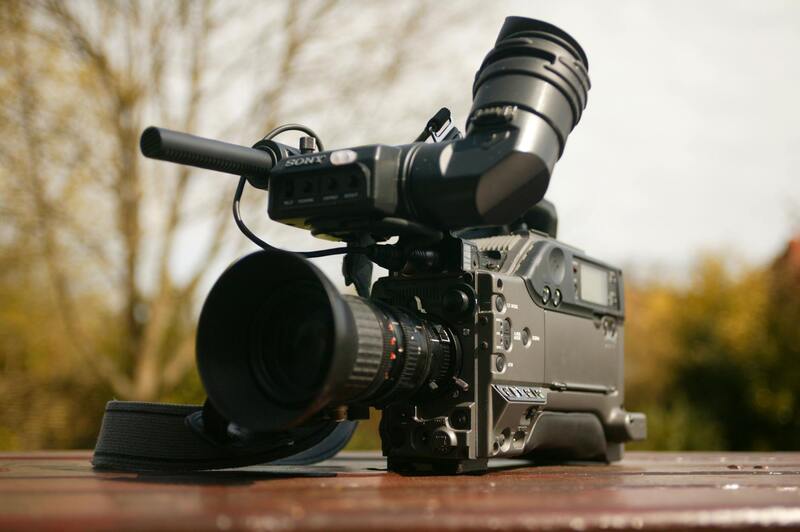
Firstly, selecting the right camera is vital. Professional-grade camcorders or DSLRs with high-definition capabilities offer sharper images and better control over depth of field, which can create a more engaging visual experience. When choosing a camera, evaluate resolution options such as 4K or 1080p, depending on your distribution platform and quality expectations.
Alongside visual equipment, audio quality is equally important. Lavalier microphones, shotgun mics, or wireless microphone systems provide clear sound while minimizing background noise. Invest in high-quality audio gear to ensure your interviewees are heard distinctly, which maintains viewer engagement and credibility.
Lighting setups are essential to create a flattering, well-lit environment. Softbox lights, ring lights, or LED panel lights can eliminate shadows and produce consistent illumination, regardless of indoor settings. Adjusting lighting configurations based on location and time of day ensures that subjects look natural and professional.
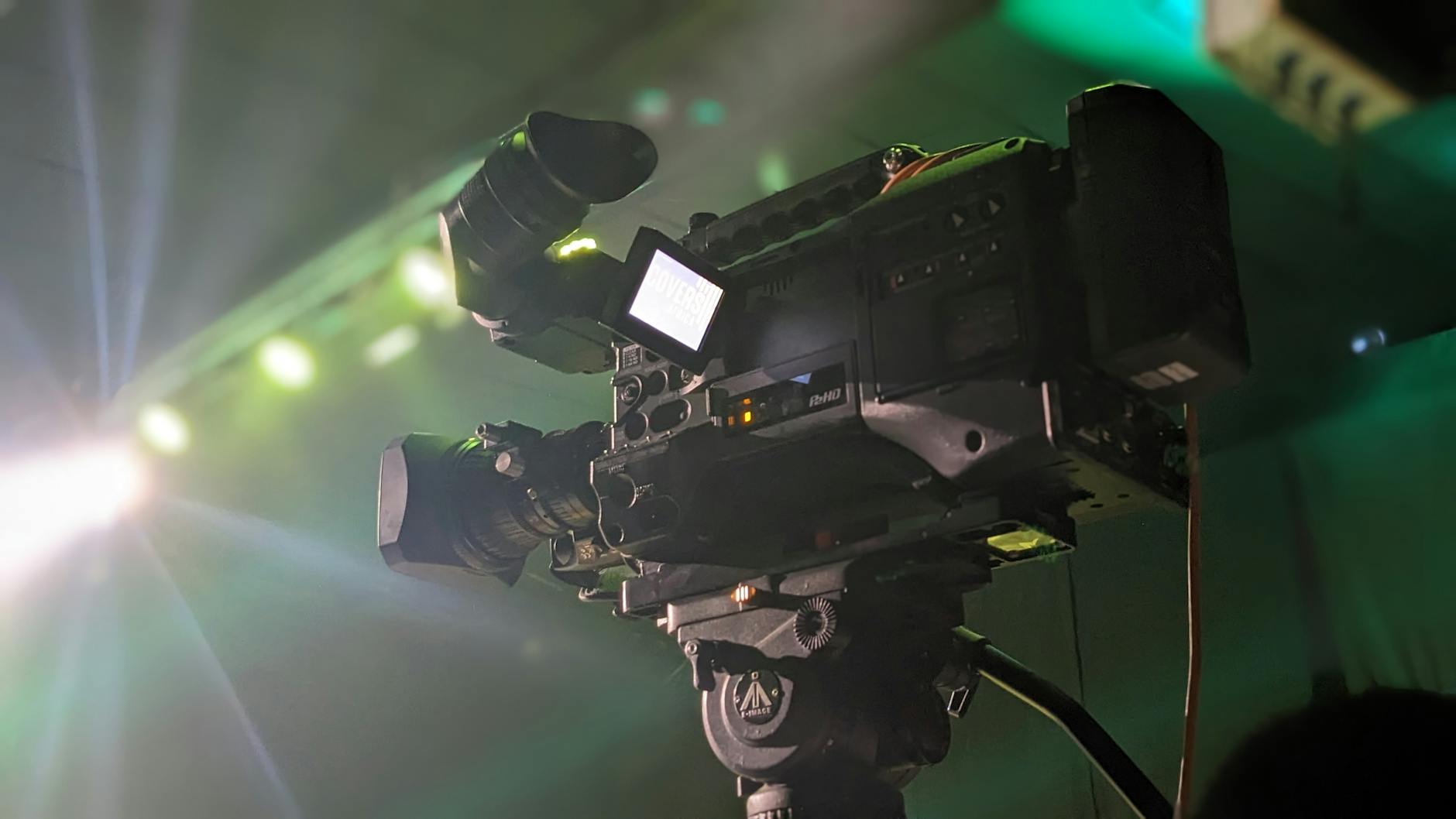
Modern production also leverages technology such as teleprompters, multi-camera setups, and live streaming solutions. These tools enable seamless delivery, dynamic shot composition, and broader audience reach. For remote interviews, high-speed internet connections and robust streaming platforms are imperative to avoid disruptions or quality degradation.
Incorporating the latest technology not only enhances the visual appeal but also streamlines the production process. It allows for smoother editing workflows, better synchronization between audio and video, and facilitates efficient post-production editing. Careful assessment of project requirements and budget considerations guides the selection of equipment to ensure optimal results without overspending.
To maximize the effectiveness of your video interview, collaborate with experienced production specialists who stay updated with current technological advancements. Their expertise in equipment choice and technical setup ensures every facet aligns perfectly, delivering a professional-quality final product that resonates with your target audience.
Choosing the Appropriate Video and Audio Equipment for Your Interview
Securing high-caliber equipment is fundamental to capturing professional-grade interview footage. The core components include high-definition cameras capable of recording in 4K resolution to ensure clarity and detail. Depending on the scope of the project, one or multiple camera setups can be utilized to achieve dynamic shot angles and to facilitate seamless editing transitions. Additionally, external microphones—such as shotgun mics or lavalier systems—are essential for capturing crisp and intelligible audio, which is just as critical as visual quality. Invest in reliable audio recorders and soundproofing accessories to minimize ambient noise, ensuring that speeches are clear and free from distracting background sounds.
Lighting equipment further enhances the visual appeal of interview recordings. Softbox and LED panel lights offer adjustable brightness and color temperature, allowing technicians to create consistent and flattering illumination. Proper lighting setups eliminate shadows on the subject’s face and background, presenting a polished appearance. For remote interviews or on-location shoots, portable lighting kits provide flexibility and reliability in varied settings.
Utilizing Advanced Tools and Accessories for Optimal Production
Technology advancements have introduced a suite of tools that streamline the interview process. Teleprompters aid speakers in delivering polished, natural dialogues without the distraction of note cards. Multi-camera switchers enable real-time shot changes, adding visual interest and professionalism. For capturing behind-the-scenes content or multiple angles, multi-camera rigs are invaluable, reducing the need for extensive post-production adjustments.
Remote interview sessions benefit from high-quality streaming hardware and software solutions which support live broadcast capabilities and ensure minimal latency. Leveraging robust internet connections and cloud-based recording platforms ensures consistent delivery and guarantees that footage remains accessible and secure throughout the production process. Additionally, portable field monitors and audio mixers allow for real-time adjustments, maintaining consistency across various filming locations.
Key Considerations for Equipment Selection
- Compatibility: Ensure all equipment integrates seamlessly with existing systems and workflows.
- Reliability: Opt for professional-grade gear with proven durability, minimizing risks of technical failure.
- Budget Alignment: Balance equipment quality with financial constraints, focusing on versatile tools that serve multiple purposes.
- Portability: In on-location scenarios, lightweight and easy-to-setup gear reduces setup time and logistical complexity.
- Future-proofing: Invest in scalable technology capable of adapting to evolving production demands.
By prioritizing the appropriate selection of cameras, microphones, lighting, and supplementary tools, producers can significantly elevate the final quality of their video interviews. This strategic approach ensures that visual and auditory elements work harmoniously to create engaging, professional content that effectively communicates your message and resonates with your target audience.
Ensuring a Secure and Professional Recording Environment
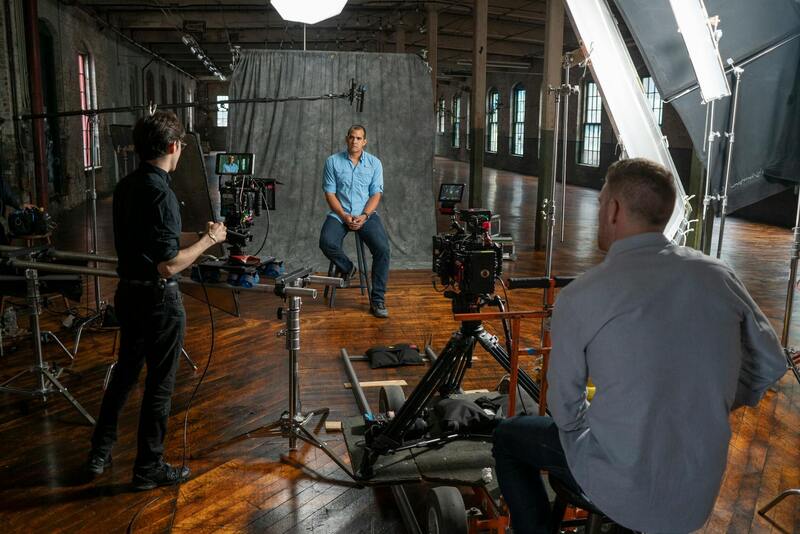
Establishing a controlled and professional environment for video interviews is essential for capturing high-quality footage. This involves selecting a space that minimizes background noise and distractions, creating a focused setting that reflects the interview’s purpose. Using appropriate acoustical treatments or soundproofing measures can greatly improve audio clarity, an element crucial to delivering a compelling message.
Lighting plays a crucial role in setting the tone and ensuring clarity. A well-lit environment utilizes a mix of natural and artificial light sources, with key lights to illuminate the interviewee’s face evenly and fill lights to reduce shadows. Adjustable lighting allows for customization based on the interview's mood and technical requirements, contributing to a polished visual presentation.
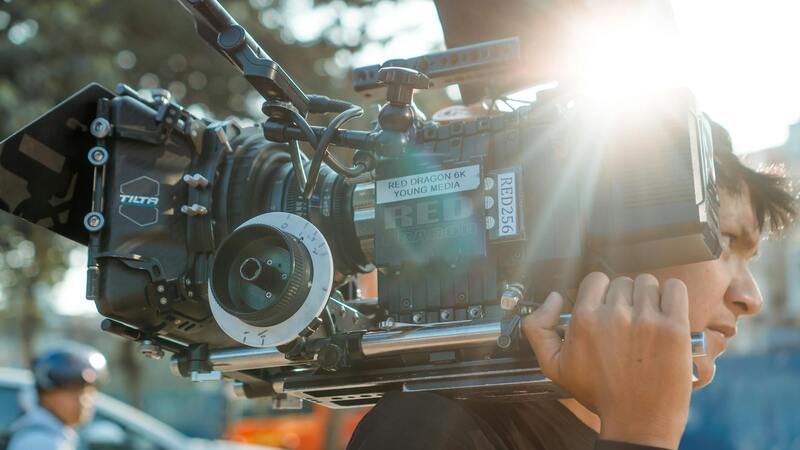
Background selection also impacts the viewer’s perception. A clean, uncluttered backdrop or branded environment consistent with your organization’s identity enhances credibility. Managing visual elements and ensuring good contrast between the subject and background prevent distractions and help maintain audience engagement.
Technical Setup for Seamless Recording
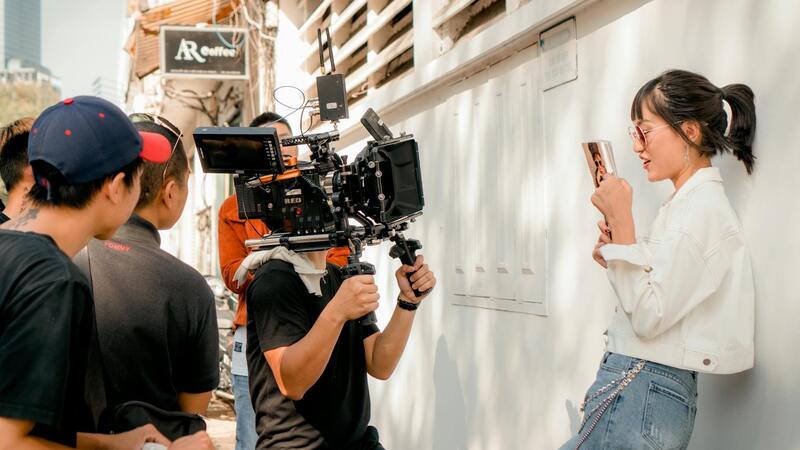
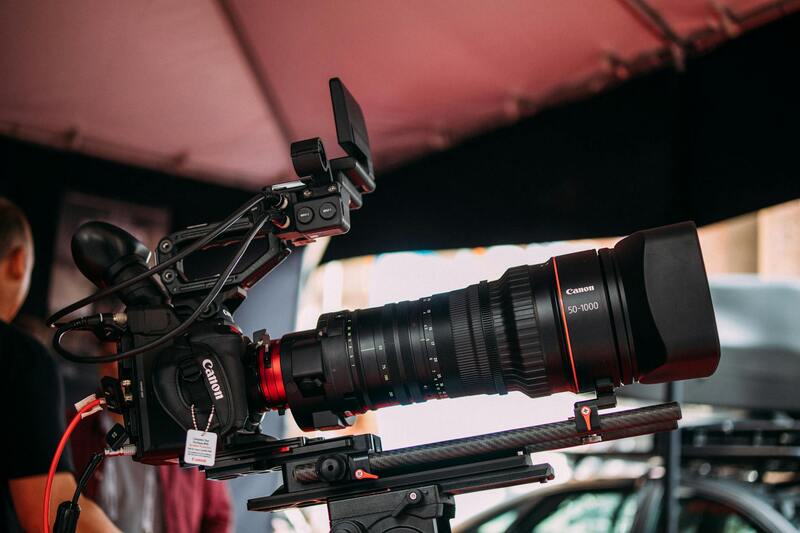
Preparing your equipment setup involves meticulous attention to detail. Positioning cameras at eye level ensures a natural perspective, while multiple angles can add depth and interest to the final product. This requires setting up multiple cameras or using a tripod-mounted device with stabilization features.
Audio configuration is equally critical. Employing professional-grade microphones, such as lavalier or shotgun mics, captures clear and consistent sound. Proper placement—close to the interviewee's mouth—reduces ambient noise and prevents audio dropouts.
Implementing Redundancies and Backup Measures
Technical failures during recording can jeopardize the entire production. To mitigate this, maintaining multiple backups of raw footage, either through local storage or cloud-based solutions, ensures data preservation even if one system encounters an issue. Using separate recording devices—such as an external recorder for audio and multiple camera feeds—provides redundancy.
Conducting test recordings prior to the actual interview allows operators to identify and resolve potential issues. Checking all connections, ensuring synchronization between audio and video, and confirming storage capacity are fundamental steps to guarantee a smooth production process.
Streamlining Workflow and Data Management
Adopting an organized workflow facilitates efficient production from filming to editing. Labeling footage appropriately, documenting versions, and maintaining secure, organized storage are key practices. Post-production success hinges on having well-structured raw data to simplify editing, color correction, and sound mixing.
Moreover, when working with remote teams or multiple locations, establishing clear communication channels and standardized procedures minimizes misunderstandings and delays. Using professional editing software equipped with collaboration features ensures a seamless transition from captured footage to the final product.
Ensuring Officiant and Legitimate Methods for Video Interview Production
Executing video interview production through verified and accepted techniques guarantees a professional result that authentically represents the interview subject and content. This approach minimizes risks associated with inadequate or unauthenticated methods, ensuring a seamless transition through all production stages. From pre-production planning to final distribution, adherence to established standards fosters credibility and produces high-quality outputs that serve various objectives, including marketing, training, or internal communications.
One foundational element is securing permissions and rights for all content involved in the production. This encompasses obtaining explicit consent from interviewees, ensuring compliance with intellectual property regulations, and verifying the proper use of any third-party media, such as images, music, or proprietary footage. Documented consent forms are commonplace and help validate the authenticity of the interview, especially when used in public or commercial contexts.
In terms of technological deployment, using equipment and software that meet industry-recognized specifications is paramount. Professional-grade cameras, lighting setups, and audio capture devices should be employed to guarantee clarity and durability in the final product. Leveraging reputable editing software with robust security features enhances content integrity and facilitates precise revisions. These tools also provide traceability and version control, which are vital for maintaining the production's authenticity and ensuring regulatory compliance.
Another critical aspect involves thorough documentation and record-keeping throughout the process. Maintaining detailed logs of the production schedule, raw footage, interviewee consents, and editing revisions creates a transparent trail that supports the integrity of the final product. This record-keeping is especially important when the interview may be used for legal, corporate, or sensitive purposes.
Implementing Validated Techniques for Final Delivery
When it comes to distributing the interview content, only official channels that adhere to recognized distribution standards should be utilized. This includes secure hosting platforms, protected streaming services, or proprietary content management systems that safeguard the media from unauthorized access or tampering. Utilizing encrypted transfer methods and access controls maintain the content’s authenticity during every phase of distribution.
Optimizing the interview videos for specific purposes—such as social media, corporate websites, or internal portals—must be done through verified procedures that preserve quality and protect the content’s fidelity. Metadata encoding, closed captioning, and accurate transcription further authenticate the piece and improve accessibility. Such practices reinforce the professionalism of the production and ensure the material's effective reach and engagement.
Furthermore, engaging with a seasoned production team or agency ensures that each step aligns with proven standards. Professionals with extensive experience in video interview production can oversee the process, minimize risks, and ensure that all deliverables meet established benchmarks of excellence and authenticity.
Understanding Video Interview Production
Effective video interview production requires meticulous attention to various technical and procedural details to ensure the final product meets high standards of quality and authenticity. It involves a comprehensive process that begins with careful planning, continues through precise technical execution, and concludes with verified distribution methods. These practices serve to uphold the integrity and professionalism of the interview, especially when the content is intended for official use or broad dissemination.
Pre-Production Planning and Preparation
During this stage, defining the interview’s purpose and scope is paramount. This includes establishing clear objectives, identifying the target audience, and determining key themes or questions. Coordinating with interviewees ahead of time allows for logistical planning, ensuring they are comfortable and prepared for the session. Developing a detailed shot list, storyline, and technical blueprint forms the backbone of a smooth production day.
Drafting a shot schedule and securing necessary permits or permissions lend further legitimacy to the process. Creating a detailed plan minimizes disruptions and guarantees that all involved parties are aligned regarding expectations and responsibilities. Ensuring that the content creation aligns with organizational standards and compliance requirements is also essential, particularly when the recordings will serve as official records or for compliance documentation.
Choosing the Right Equipment and Technology
High-quality video production hinges on selecting appropriate equipment tailored to the interview's needs. This includes professional-grade cameras capable of capturing clear, high-resolution footage. Audio quality is equally critical; employing lavalier or shotgun microphones ensures that speech is captured with clarity, free from background noise or distortions.
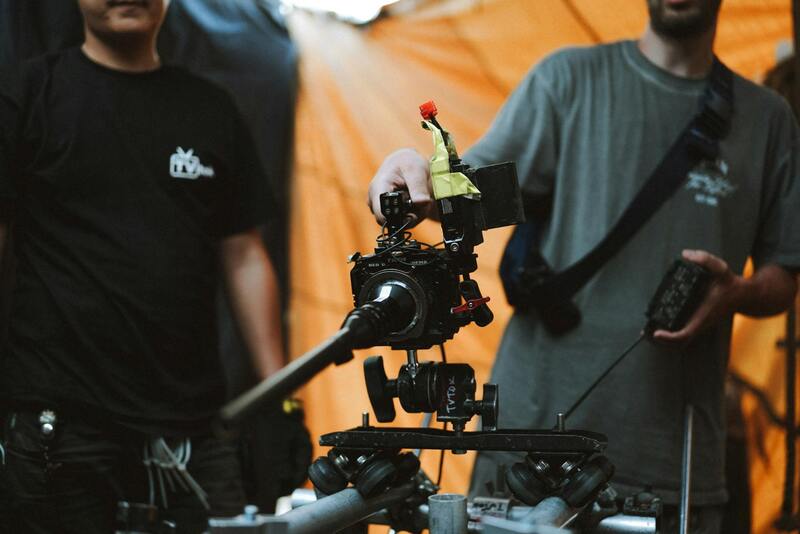
Lighting equipment that provides uniform, natural-looking illumination helps to eliminate shadows and highlights facial features effectively. If filming indoors, softbox lights or ring lights are often preferred to create a flattering and consistent visual output. For remote interviews, reliable internet connections and streaming platforms that support secure, high-definition transmission are vital to prevent disruptions and maintain media integrity.
Setting Up the Interview Environment
The physical space for recording should be chosen for its quietness, neutral background, and appropriate lighting. A controlled environment minimizes external distractions and ensures continuity of the visual quality. Soundproofing measures, such as acoustic panels or upholstered furnishings, help to absorb echo and background noise, resulting in clearer audio.
Backdrop selection is also important—plain, unobtrusive backgrounds or branded settings should be used based on the interview's purpose. Proper framing and camera positioning emphasize the interviewee while maintaining a professional aesthetic. Testing equipment before recording allows for adjustments to focus, exposure, and audio levels, ensuring optimal results during the actual shoot.
Conducting the Video Interview
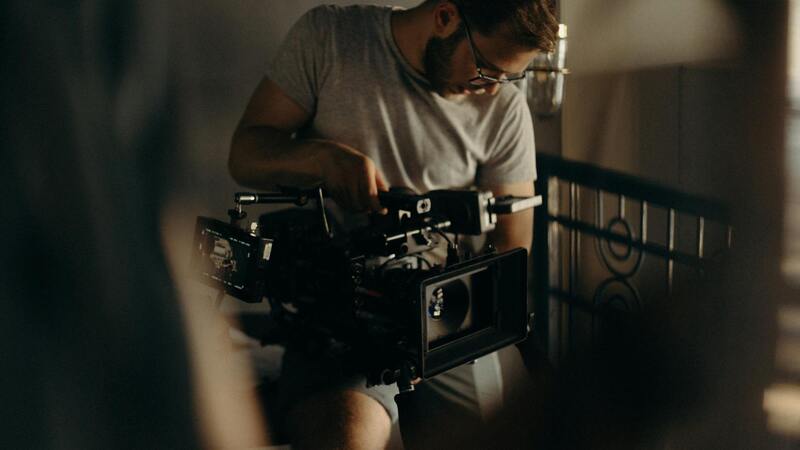
Executing the interview involves a combination of technical control and conversational skill. The interviewer should adhere strictly to the prepared questions while remaining flexible enough to explore emerging topics of interest. Maintaining eye contact with the camera helps to establish a connection with viewers and convey authenticity.
Technical aspects such as monitoring audio levels, lighting, and camera framing should be continuously managed throughout the session. Recording in multiple takes or angles ensures flexibility during post-production and provides options for trimming or enhancing segments later.
All participants should be reminded of the recording procedures and confidentiality requirements. Clear communication helps to foster a comfortable environment, encouraging candidness and natural responses from the interviewee. Using official scripts or prompts ensures consistency and adherence to organizational standards.
Post-interview, verifying the captured footage immediately on set allows for the identification of any issues that may require re-shoots or adjustments. Securely backing up all files is an essential step to preserve the raw footage and protect valuable content from loss or tampering.
Distribution and Optimization of Interview Videos
After successfully completing the production of a high-quality interview video, the next crucial phase involves strategic distribution and optimization. This ensures the content reaches the intended audience effectively, enhances its visibility in search results, and maximizes engagement across various digital channels.
Selecting Appropriate Distribution Channels
National and local platforms play a vital role in amplifying the reach of your interview content. Consider uploading videos to popular video-sharing sites that align with your target audience, such as YouTube and Vimeo. These platforms offer robust tools for categorization, tagging, and description that help improve discoverability.
Moreover, embedding the videos within your official website and relevant social media profiles enhances accessibility and encourages viewers to engage directly with your brand. Utilizing email newsletters and internal communication channels can further bolster exposure among dedicated followers and stakeholders.
Optimizing Video Content for Search Engines
effective search engine optimization (SEO) practices are essential for ensuring your interview videos rank well in search results. Incorporate relevant keywords into the video title, description, and tags—these should reflect both the interview subject matter and common queries from your target audience.
Creating comprehensive transcript captions and closed captioning not only improves accessibility but also allows search engines to index spoken content, enhancing discoverability. High-quality thumbnails and engaging titles can significantly increase click-through rates, drawing more viewers to your content.
Analyzing Engagement Metrics
Tracking user interactions through analytics tools provides insights into how viewers are engaging with your videos. Metrics such as view count, watch time, audience retention, and click-through rate enable you to adjust your content strategy accordingly.
Engagement data can reveal which topics resonate most with your audience and inform future video production priorities. Additionally, understanding viewer behavior can help refine distribution tactics, identify the most effective channels, and tailor messaging for different segments.
Building a Content Calendar
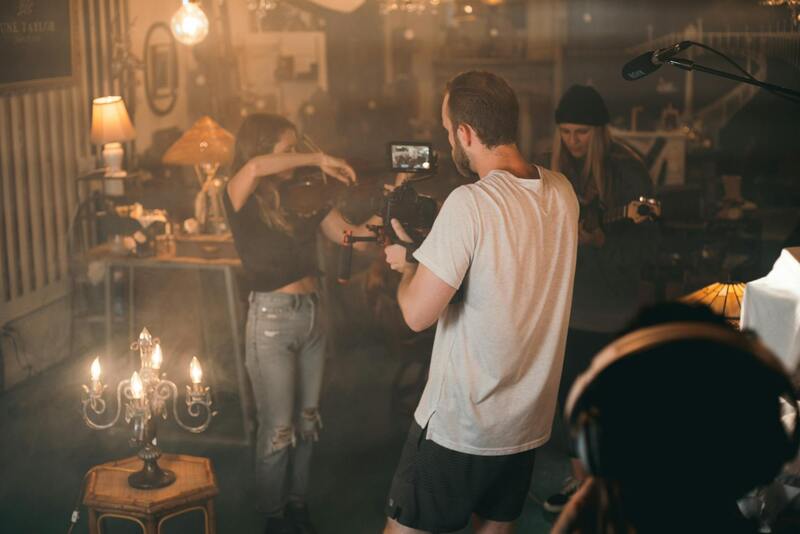
Maintaining a consistent publishing schedule boosts your online presence and fosters ongoing engagement. Developing a content calendar aligned with your organization’s marketing goals ensures regular updates and sustained interest. Scheduling interviews around industry events or trending topics can also increase relevance and viewership.
Encouraging Shareability and Engagement
- Include clear calls-to-action within your videos and accompanying descriptions, prompting viewers to like, share, and comment.
- Leverage social media best practices by creating teaser clips and behind-the-scenes content to generate buzz before the full interview is released.
- Engage with your audience through comments and feedback, fostering a community around your content.
Quality Control and Consistency
Ensuring that every published interview maintains high production standards reflects positively on your brand. Consistent style, branding elements, and messaging enhance recognition and professionalism. Collaborate with a trusted Miami video production agency to refine your distribution strategies and adapt to emerging digital trends.
Final Steps and Best Practices in Video Interview Production
Executing a successful video interview extends beyond capturing footage and editing; it encompasses strategic distribution and ongoing optimization to ensure the content effectively reaches and resonates with the target audience. To maximize impact, organizations must adopt thorough methods for sharing and refining their interview videos, leveraging industry-standard practices to uphold quality and professionalism.
Reliable Distribution Channels
Choosing appropriate platforms is crucial for disseminating your interview content. Reliable channels include:
- Official websites: Embedding videos directly on your company's site or dedicated landing pages helps drive traffic and offers a central hub for your audience.
- YouTube and Vimeo: These platforms provide broad visibility and tools for analytics, SEO tags, and customization options, enabling your content to reach diverse viewer segments.
- Social media networks: Sharing snippets or the full interview on LinkedIn, Facebook, Twitter, and Instagram allows for targeted engagement and increased shareability.
- Email campaigns: Incorporating video links within newsletters or direct outreach enhances subscriber engagement and reinforces your messaging.
Search Engine Optimization for Video Content
Optimizing your interview videos ensures they are discoverable through search engines. Key strategies include:
- Descriptive titles and tags: Use clear, keyword-rich titles that accurately describe the content to improve visibility in search results.
- Effective descriptions: Craft detailed descriptions incorporating relevant keywords and a concise summary of the interview.
- Transcript integration: Adding transcripts boosts accessibility and provides additional text for search engines to index.
- Thumbnail customization: Select compelling thumbnail images that attract clicks and reflect the interview’s subject matter.
Engagement and User Interaction
Encouraging interaction is essential for extending reach and fostering a community around your content. Tactics include:
- Calls-to-action: Prompt viewers to like, comment, share, and subscribe.
- Interactive prompts: Ask questions related to the interview topic to stimulate discussion.
- Follow-up content: Develop related videos or behind-the-scenes footage to maintain viewer interest.
- Community management: Respond promptly to comments and feedback to build rapport and trust.
Performance Analysis and Continuous Improvement
Regularly reviewing analytics helps identify what resonates with your audience. Focus on metrics such as view counts, engagement rate, audience retention, and click-through rates. Use these insights to make data-driven adjustments to your distribution strategies and content presentation, ensuring continual improvement and increased effectiveness of your videos.