
Understanding the Value of Client Testimonials in Video Format
Client testimonial videos have become an integral component in modern marketing strategies, especially for businesses aiming to establish credibility and foster trust with their target audience. When potential customers see real clients sharing genuine experiences, it humanizes the brand and creates an emotional connection that can significantly influence decision-making processes. In the vibrant Miami business landscape, where competition is fierce and consumer trust is paramount, leveraging the power of professionally produced testimonial videos can be a game-changer.
Professional testimonial videos serve as authentic narratives that showcase tangible proof of a company’s competence, quality of service, and customer satisfaction. They provide a platform for satisfied clients to articulate their positive experiences, which can resonate more effectively than traditional advertising methods. Authentic client stories help eliminate skepticism, bridging the gap between business promises and customer expectations. When well-crafted, these videos not only enhance brand reputation but also serve as compelling social proof, driving leads and conversions.

Furthermore, video testimonials are versatile assets in digital marketing campaigns, easily integrated across multiple platforms such as websites, social media channels, and email marketing. They are accessible, trustworthy, and highly engaging, making them particularly effective in capturing the attention of online audiences. As Miami businesses seek to expand their reach and build lasting relationships with customers, professionally produced testimonial videos can serve as a powerful strategic tool to bolster brand authority and foster community engagement.
The significance of client testimonial videos extends beyond just marketing; they also play a crucial role in customer retention and advocacy. By featuring satisfied clients, companies reinforce their commitment to service excellence and create advocates willing to endorse the brand voluntarily. This ongoing cycle of positive reinforcement is central to cultivating a loyal customer base and establishing a strong local presence within Miami’s dynamic market.
In essence, client testimonial videos are a strategic investment for Miami-based businesses striving to differentiate themselves competitively. They provide a credible, relatable narrative that builds trust, enhances brand legitimacy, and influences purchasing decisions. Working with a seasoned video production team ensures that every testimonial is captured authentically and presented compellingly, maximizing its impact and long-term value for the brand.
Selecting the Right Clients for Testimonials
Choosing appropriate clients to feature in testimonial videos is a critical step that significantly influences the video's authenticity and persuasive power. The selection process should focus on clients who have experienced tangible benefits from your products or services, as their stories will resonate more convincingly with prospective customers. Ideal candidates often include long-term clients, those who have faced unique challenges overcome through your offerings, or individuals whose success stories align directly with your target market segments.
It is essential to ensure that the chosen clients are comfortable and willing to share their experiences openly. Their enthusiasm and authenticity can dramatically enhance the credibility of the testimonial. Prior to filming, engaging with clients to gauge their readiness and understanding of the process fosters trust and sets clear expectations. Building a rapport beforehand ensures interviewees feel relaxed, encouraging genuine responses that reflect their true impressions.

Considerations for Effective Client Selection
- Relevance: Clients whose experiences directly relate to the core offerings or target audience.
- Diverse Perspectives: Incorporate varied client backgrounds to highlight different use cases and benefits.
- Willingness and Comfort: Clients who are open to sharing their stories and can speak confidently about their experience.
- Story Completeness: Clients with a complete and impactful journey from problem to solution.
- Impact Potential: Individuals whose stories can inspire or motivate potential customers to take action.
Engaging with clients early in the process allows for the coordination of schedules and the clarification of what the testimonial will cover. This collaborative approach ensures the final content is aligned with your overall branding and marketing objectives, maintaining consistency across all communication channels.

Legal and Ethical Considerations
Before recording, it is necessary to obtain explicit permission from clients to use their testimonials. Clear agreements should outline how the footage will be used, ensuring that clients understand the scope of distribution and the context in which their stories will appear. Respecting client privacy and comfort levels builds trust and encourages candid sharing, while also safeguarding your brand’s reputation.
Additionally, it is prudent to verify the accuracy of the information shared during the testimonial, maintaining transparency and integrity throughout the process. By establishing a respectful and professional environment, you foster positive relationships with clients whose stories can serve as genuine endorsements for your business.
Pre-Production: Preparing for Success
Effective client testimonial videos start with meticulous planning and preparation. This phase involves selecting the most suitable clients whose stories genuinely resonate with your target audience and accurately reflect your brand’s values. It's essential to develop a structured interview process, preparing thoughtful questions that encourage clients to share detailed experiences and specific benefits they gained from your product or service. This preparation ensures the narrative flows naturally and highlights key messages that reinforce your brand’s credibility.
Establishing clear communication with clients well in advance of filming allows for logistical arrangements, such as scheduling, location selection, and technical requirements. Providing clients with a comprehensive overview of the process, including what to expect and how their footage will be used, fosters transparency and builds trust. Additionally, briefing clients on optimal ways to present themselves—such as appropriate attire, speaking clearly, and sharing personal anecdotes—can significantly enhance the authenticity of the final video.
Developing a Narrative Framework
Creating a narrative structure for the testimonial helps guide the discussion and ensures key points are addressed. This framework might include sections such as the initial challenge, the solution provided, and the positive outcomes experienced. A well-organized storyline not only makes the video more engaging but also ensures that viewers can easily follow the client's journey, leading to a stronger emotional connection with the audience.
Legal and Consent Preparations
Prior to filming, securing explicit consent from clients is paramount. Drafting consent forms that detail the scope of video use, distribution channels, and duration helps solidify mutual understanding. This step aligns with professional standards and demonstrates respect for client autonomy. Throughout this process, it is vital to address any privacy concerns and adjust recording plans accordingly to make clients feel comfortable and valued, ultimately resulting in more genuine testimonials.
Production: Capturing Authentic Client Stories
The filming phase focuses on creating a relaxed environment conducive to authentic storytelling. Skilled videographers employ a combination of technical expertise and interpersonal skills to put clients at ease, encouraging natural responses. Natural lighting, clear audio, and visually appealing backgrounds are crucial elements that enhance the overall quality of the testimonial.
Interview techniques during production should emphasize open-ended questions that prompt clients to elaborate on their experiences. Examples include asking about specific challenges they faced, how your product or service addressed those issues, and the tangible benefits they observed. The goal is to elicit honest, heartfelt responses that truly showcase the client’s journey and add emotional weight to the story.
Post-Production: Editing and Enhancing Testimonials
The editing process transforms raw footage into an impactful narrative aligned with your marketing objectives. This stage involves selecting the most compelling clips, refining the audio for clarity, and integrating visual elements such as branding, subtitles, and graphics. The objective is to craft a cohesive story that maintains authenticity while emphasizing key messages.
Incorporating client-approved quotes or overlay text can reinforce important points and improve viewer comprehension. Color correction and audio balancing further enhance the visual and auditory experience, ensuring the final product is professional and engaging. It's also important to review the video with the client, making adjustments based on their feedback to ensure their story is accurately represented and resonates as intended.
Distributing and Promoting Client Testimonial Videos
Once finalized, strategic distribution maximizes reach and impact. Uploading videos to your website, sharing across social media platforms, and incorporating them into email marketing campaigns increases visibility among target audiences. Embedding testimonials within sales funnels or product pages can also improve conversion rates, as potential customers often trust peer endorsements more than traditional advertising.
Timely promotion, such as coordinated launches or highlighting specific client stories during campaigns, amplifies engagement. Moreover, leveraging different formats—short clips for social media and longer versions for websites—ensures your testimonial content is optimized for diverse channels and audience preferences.
Measuring Success and Improving Future Testimonial Videos
Assessing the effectiveness of testimonial videos involves tracking key performance indicators such as engagement metrics, viewer retention, conversion rates, and social sharing. Analyzing these data points helps identify what resonates most with your audience and informs improvements for future projects.
Gathering feedback from viewers and clients provides qualitative insights into the impact of the testimonials. Adapting your approach based on these insights—whether through refining questions, altering the presentation style, or targeting specific audiences—can significantly enhance the ROI of your testimonial marketing efforts.
Distributing and Promoting Client Testimonial Videos
Effective distribution and promotion are essential components to maximize the reach and influence of client testimonial videos. Once the content is finalized, strategic dissemination ensures that the targeted audience is exposed to authentic client success stories, thereby reinforcing brand credibility and attracting prospective customers.
Utilizing Multiple Channels for Broader Reach
To achieve optimal visibility, leverage a diverse array of digital platforms. Embedding testimonial videos on your official website, particularly within landing pages, product descriptions, and dedicated testimonial sections, provides visitors with immediate social proof that influences purchasing decisions. Social media platforms such as Facebook, LinkedIn, Instagram, and Twitter offer targeted sharing opportunities, allowing you to reach specific demographics and foster engagement through comments and shares.
Moreover, email marketing remains a powerful tool for direct outreach. Incorporating testimonial video snippets into newsletters or campaign emails can enhance open rates and user interaction. Consider including testimonials in email signatures or as part of drip campaigns tailored to different customer segments.
Optimizing Video Content for Each Platform
Adapting testimonial videos for various channels increases their effectiveness. Short, engaging clips—typically 30 to 60 seconds—are ideal for social media posts, stories, and paid advertisements, where brief, compelling content captures attention quickly. Longer formats, such as detailed interviews or case studies, are better suited for embedding on your website or hosting on video platforms like YouTube or Vimeo. These serve as comprehensive resources that can guide potential clients through detailed success stories.

Embedding Testimonials Within Sales and Marketing Funnels
Integrating client testimonials at strategic points within your sales funnel can significantly influence decision-making. Incorporate video snippets on landing pages, checkout pages, or during demo requests to provide social proof right at the moment prospects are evaluating their options. Additionally, featuring testimonials in webinars, virtual tours, or product demonstrations can enhance credibility and help overcome objections.
Leveraging Paid Advertising and Retargeting
Investing in paid advertising campaigns—such as social media ads or Google Ads—using testimonial videos can broaden exposure beyond organic reach. Retargeting efforts, which serve testimonial content to visitors who have previously engaged with your site, can reinforce positive perceptions and improve conversion rates. This targeted approach ensures your message resonates with an audience already familiar with your offerings, increasing the likelihood of engagement.
Engaging Influencers and Industry Partners
Partnering with influencers or industry leaders to share your testimonial videos can amplify credibility and reach new audiences. When reputable figures share or endorse your content, it adds an additional layer of trust that can sway potential clients’ opinions. Such collaborations often lead to increased engagement and broader dissemination of your client stories.
Monitoring Performance and Adjusting Strategies
Tracking the performance of your testimonial video campaigns provides insight into their effectiveness. Key metrics include view counts, engagement rates, share frequency, click-through rates, and conversions. Analyzing these indicators helps you identify which channels and formats resonate best with your audience. Based on these insights, refine your distribution strategies—whether by adjusting content length, optimizing posting times, or exploring new channels—to continually enhance your testimonial outreach and impact.
Pre-Production: Ensuring Authentic and Impactful Testimonial Content
Proper pre-production planning lays the groundwork for creating compelling client testimonial videos that resonate with audiences. This stage involves thorough preparation to ensure that interviews are genuine, focused, and effectively showcase client success stories. Establishing clear objectives and understanding the key messages you want to communicate helps shape the interview questions and overall narrative flow. Developing a detailed plan for interview settings, lighting, sound, and equipment ensures technical quality and consistency across different testimonial recordings.
When selecting interview locations, opt for environments that reflect the client’s personality or the context of their success story. Whether it’s the client’s workspace, a relevant industry setting, or a neutral backdrop, each choice should contribute to the authenticity of the story. Proper lighting setups, such as soft diffused lights, help illuminate the subject naturally, reducing distractions and emphasizing facial expressions. Accurate and clear sound recording is equally vital; using high-quality microphones minimizes background noise and captures the client’s spoken words with clarity.
Encouraging clients to share their stories openly and naturally can make the testimonials more believable and relatable. To achieve this, create a comfortable interview environment by laying out questions beforehand but allowing room for spontaneity. This relaxed approach helps clients speak candidly about their experiences, challenges, and the benefits they received from your product or service. Employing open-ended questions that invite storytelling over simple yes/no answers encourages richer content and emotional connection.

Meticulous pre-production planning, combined with the strategic selection of interview materials and settings, results in testimonial videos that truly resonate. This foundational work ensures that during filming, the client’s message is conveyed clearly and passionately, forming a compelling narrative that builds trust and credibility among prospective clients.
Furthermore, reviewing and aligning the testimonial content with your overall branding and marketing strategy ensures consistency in messaging. Incorporating brand elements subtly within the visual setup and interview questions can reinforce brand recognition without overshadowing the client’s genuine story. This attentiveness to detail increases the effectiveness of testimonial videos as persuasive tools in your marketing arsenal.
Ensuring the Legitimacy and Fair Use of Client Testimonial Content
Implementing legitimate methods to showcase client testimonials involves obtaining explicit consent and thoroughly documenting permissions. This process confirms that clients are aware of how their stories and likenesses will be used across various marketing channels, including social media, websites, and presentations. Clear, written authorization not only safeguards the integrity of the testimonial but also fosters transparency and trust between your business and clients.
When planning to use client testimonial videos extensively, it is essential to establish a structured process for securing consent. This typically involves providing clients with detailed information about the scope of the testimonial's usage, duration, and any potential adaptations. Having legal or contractual documentation that outlines these terms helps prevent misunderstandings and ensures all parties are aligned on expectations.
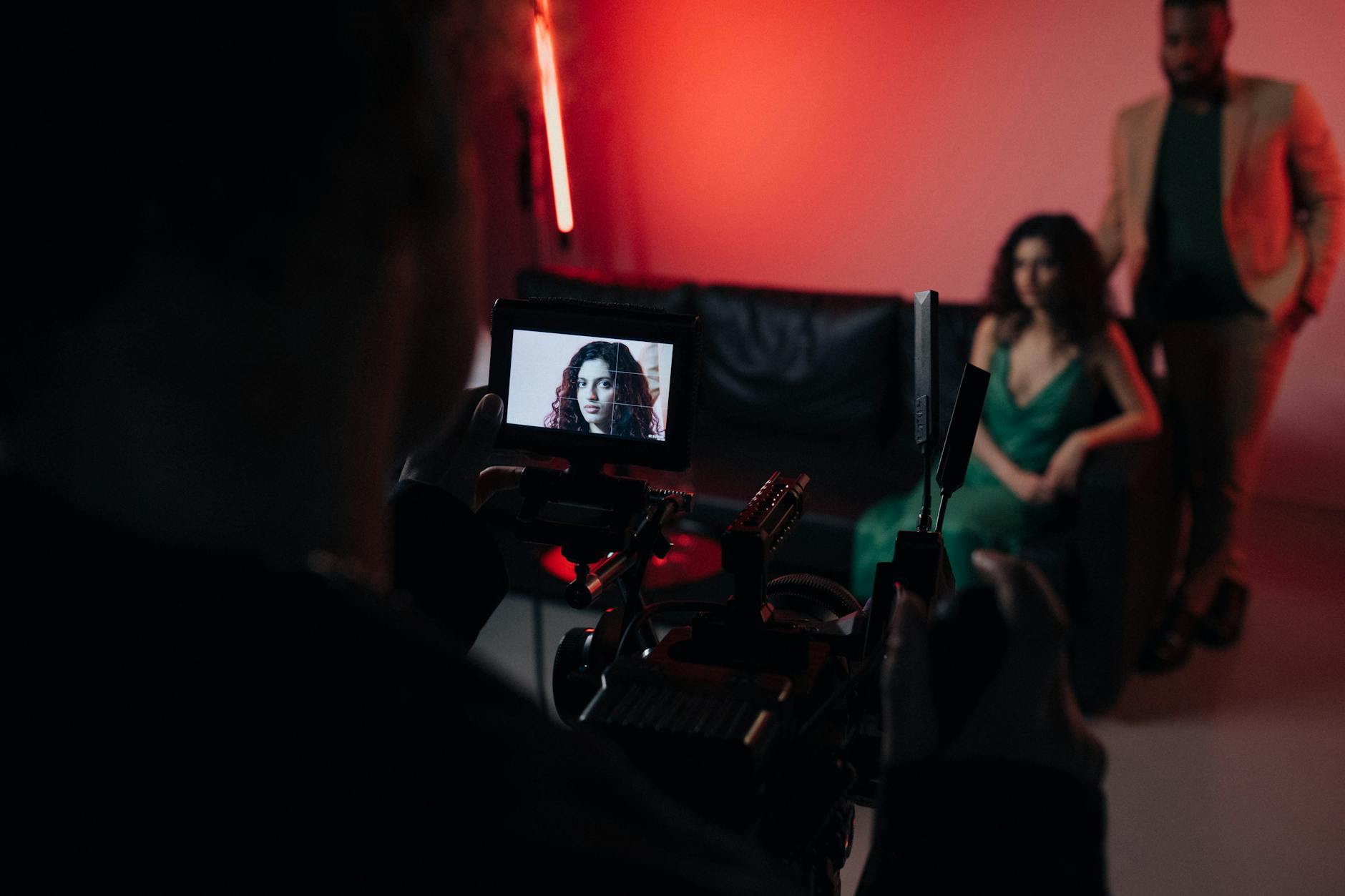
Moreover, respecting client rights extends to maintaining the accuracy and authenticity of the testimonials. Editing should enhance the storytelling without altering the core message or reality of the client's experience. This involves refraining from manipulating content in ways that could misrepresent the client's intentions or feelings, upholding honest communication and integrity.
Employing official methods such as consent forms, release agreements, and clear communication channels ensures that testimonial videos are produced and distributed within a framework of accountability. These practices not only reinforce ethical standards but also solidify your company's reputation for professionalism and respect for client relationships.
Additionally, strategic storage and management of testimonial content are crucial. Keeping organized records of signed permissions, along with metadata related to each testimonial, helps streamline future updates or repurposing efforts. Proper documentation can also be invaluable in addressing any inquiries or disputes that may arise concerning the testimonial's use.
Finally, transparency in how testimonial content is presented—whether on your website, social media, or in promotional materials—builds credibility and trust. Clearly delineating testimonials from other content and avoiding misrepresentation ensures that your marketing practices remain ethical and compliant with best standards. This ultimately fosters long-term trust with both clients and prospective customers, reinforcing your reputation as a responsible and professional service provider.
Ensuring Proper Usage and Ethical Presentation of Client Testimonials
Effectively leveraging client testimonial videos requires adherence to specific practices that uphold ethical standards and authenticity. Once testimonial content has been created and approved, the focus shifts to its presentation and dissemination across various channels. Utilizing legitimate methodologies ensures that the testimonials serve their intended purpose without misrepresentation or ambiguity.
Maintaining Clear Attribution and Transparency
Transparency begins with clear attribution of testimonials to the respective clients. This involves displaying client names, titles, or company affiliations accurately, along with any necessary contextual information. Providing viewers with this context enhances the credibility of the testimonial and helps potential customers relate to genuine client experiences. Proper labeling, such as indicating whether a testimonial is a written quote or a video, avoids confusion and maintains content integrity.
Utilizing Appropriate Content Formats and Channels
- Segregation of Testimonials: Clearly distinguish testimonials from other types of content on your website or marketing material. Use dedicated sections, such as testimonial pages or highlighted segments within case studies, to showcase these narratives reliably.
- Consistent Branding and Messaging: Ensure that testimonial videos align with your branding guidelines and messaging standards. Consistent presentation reinforces professionalism and trust among viewers.
- Optimal Placement for Maximum Impact: Incorporate testimonial videos strategically within your website, landing pages, and digital ads where they can influence purchasing decisions effectively.
Secure and Respectful Content Management
Implementing official procedures such as maintaining records of consent forms and release agreements is essential. These legal documentation tools confirm that clients have authorized the use of their content for specific purposes, thus safeguarding your business from any potential misunderstandings. Storing these agreements systematically facilitates quick access if questions or disputes arise regarding testimonial use.

Ethical Presentation Practices
When sharing testimonials, avoid editing that could alter the original message or inadvertently create a misleading impression. Every video should accurately reflect the client's experience, and any enhancements should be limited to technical improvements such as color correction or audio clarity. These enhancements should not distort the authentic sentiment of the testimonials.
Furthermore, it’s important to provide disclaimers when necessary, such as clarifying that results may vary or emphasizing the voluntary nature of the testimonial. Such transparency fosters trust and demonstrates your commitment to honest communications.
Monitoring and Addressing Public Response
Once testimonials are published, monitor audience engagement continuously. Respond to comments or inquiries with professionalism, emphasizing your company's commitment to transparency and customer satisfaction. Addressing any concerns proactively enhances your reputation and underlines your adherence to ethical standards in marketing.
Ensure Proper Use of Client Testimonial Content
Maintaining ethical standards during the distribution and promotion of client testimonial videos is fundamental for building trust and credibility. It is vital to use these videos strictly for the purposes agreed upon beforehand, which typically include marketing, portfolio showcases, and social media distribution. This deliberate adherence ensures that the content accurately represents the client’s experience and maintains authenticity, avoiding any misinterpretations or misrepresentations that could damage reputation or trust.
Additionally, respecting client privacy is crucial. If a testimonial includes sensitive or proprietary information, explicit consent should be obtained for each specific use case. This might include restrictions on geographic distribution, the context in which the video can be shown, or the platforms where it will be shared. Regularly reviewing these consent agreements helps prevent unintentional misuse of content and affirms your commitment to ethical practices.
When editing testimonial videos, focus on enhancing clarity without altering the core message. Minor adjustments such as color correction, stabilization, or audio enhancement can improve viewing quality but should not distort the interviewee's message. Disclaimers can be included when necessary to clarify the voluntary nature of the testimonial and to indicate that individual results may vary, maintaining transparency with the audience.

Monitoring and Response Strategy Post-Publication
Once client testimonial videos are live, active monitoring becomes an integral part of the content management process. Track audience engagement metrics such as views, likes, comments, and shares to gauge how the testimonial resonates with viewers. Positive engagement is a good indicator of effectiveness, while constructive feedback can highlight areas for future improvement.
Handling audience interactions with professionalism and transparency demonstrates a strong commitment to customer satisfaction. Respond promptly to questions or concerns, clarifying any misunderstandings and reinforcing your company's dedication to honest communication. This proactive approach not only sustains a positive reputation but also builds long-term trust with your client base.
Addressing any critical comments tactfully and respectfully can turn potential issues into opportunities for demonstrating your company's values and customer-centric approach. Moreover, documenting these interactions provides insight into viewer perceptions, enabling continuous refinement of testimonial content and promotional strategies.