
Defining Video Interviews Production
Video interviews production is a specialized process that involves the planning, filming, editing, and distribution of interview-based content designed to communicate messages effectively across various platforms. This process plays a crucial role in enhancing content marketing strategies, brand storytelling, and capturing authentic client testimonials. With the rise of digital platforms, businesses and individual creators increasingly rely on professionally produced video interviews to engage audiences, build trust, and showcase expertise.
The core of video interviews production lies in creating compelling visual narratives that resonate with viewers. This involves selecting relevant interview subjects, preparing insightful questions, and crafting a cohesive storyline that aligns with overarching communication goals. High-quality production not only elevates the professionalism of the final product but also ensures that the content accurately reflects the message intended. Whether used for promotional campaigns, corporate branding, or testimonial validation, these videos serve as powerful tools to connect authentically with target audiences.
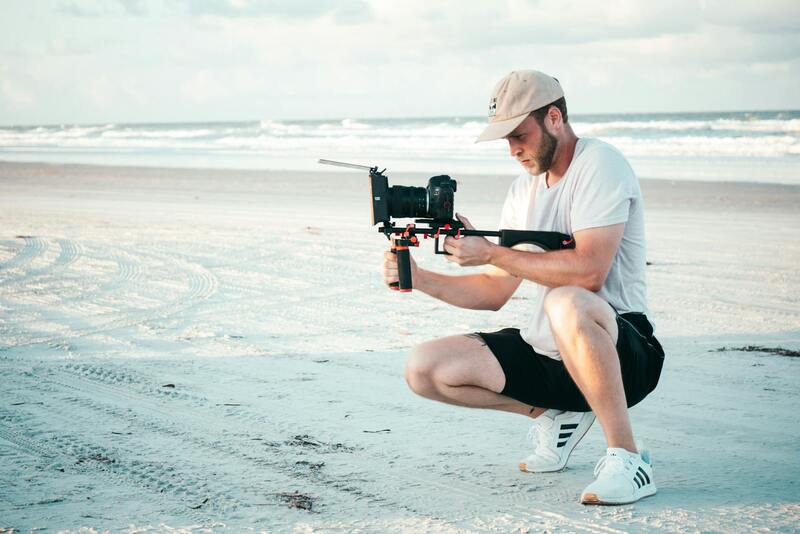
Beyond storytelling, video interviews production also functions as a strategic asset in content marketing frameworks. Well-produced interview videos can increase engagement metrics, improve search engine rankings when optimized correctly, and facilitate social sharing. They contribute to a multifaceted content ecosystem that builds relationships with consumers, industry peers, and stakeholders. As a versatile form of media, they adapt well to various formats including social media snippets, website features, and multimedia presentations.
The importance of a structured approach to video interviews production cannot be overstated. It requires a clear understanding of target demographics, precise planning, and adherence to industry best practices. From conceptualization to final delivery, each step is designed to maximize impact and ensure the authenticity and professionalism of the content produced. As such, utilizing experienced production services guarantees a polished result that aligns with strategic objectives and upholds high standards of quality.
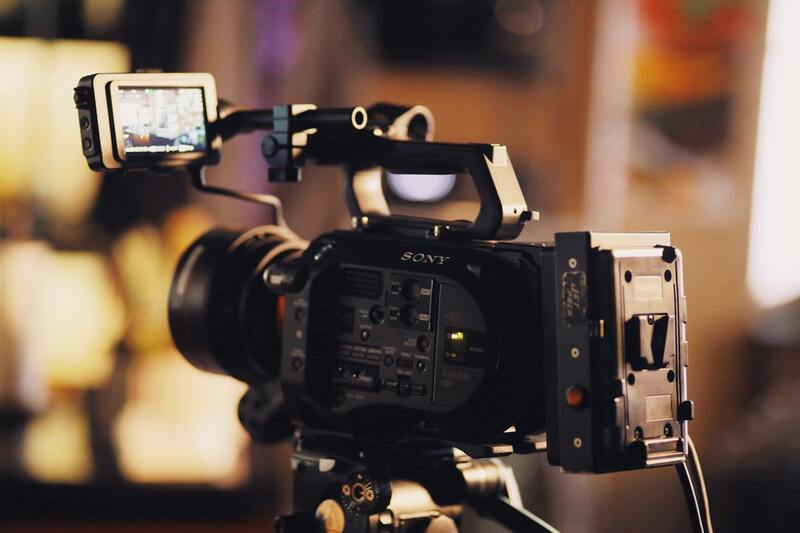
In summary, video interviews production is a comprehensive process that transforms simple conversations into impactful visual stories. It leverages technical expertise and creative storytelling to produce content that not only informs but also inspires action. Ensuring each facet of the production—from planning through to distribution—is executed with precision results in compelling, credible, and shareable content that can elevate a brand’s presence and foster meaningful connections with its audience.
Choosing the Right Equipment and Setting
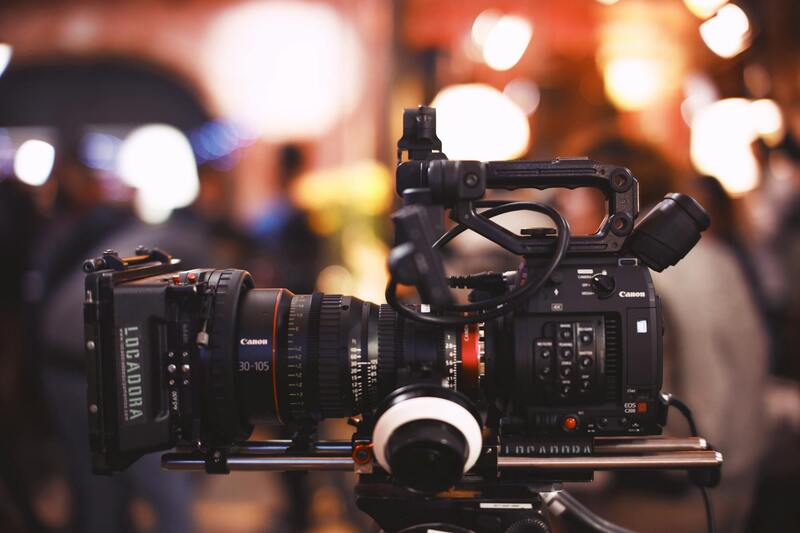
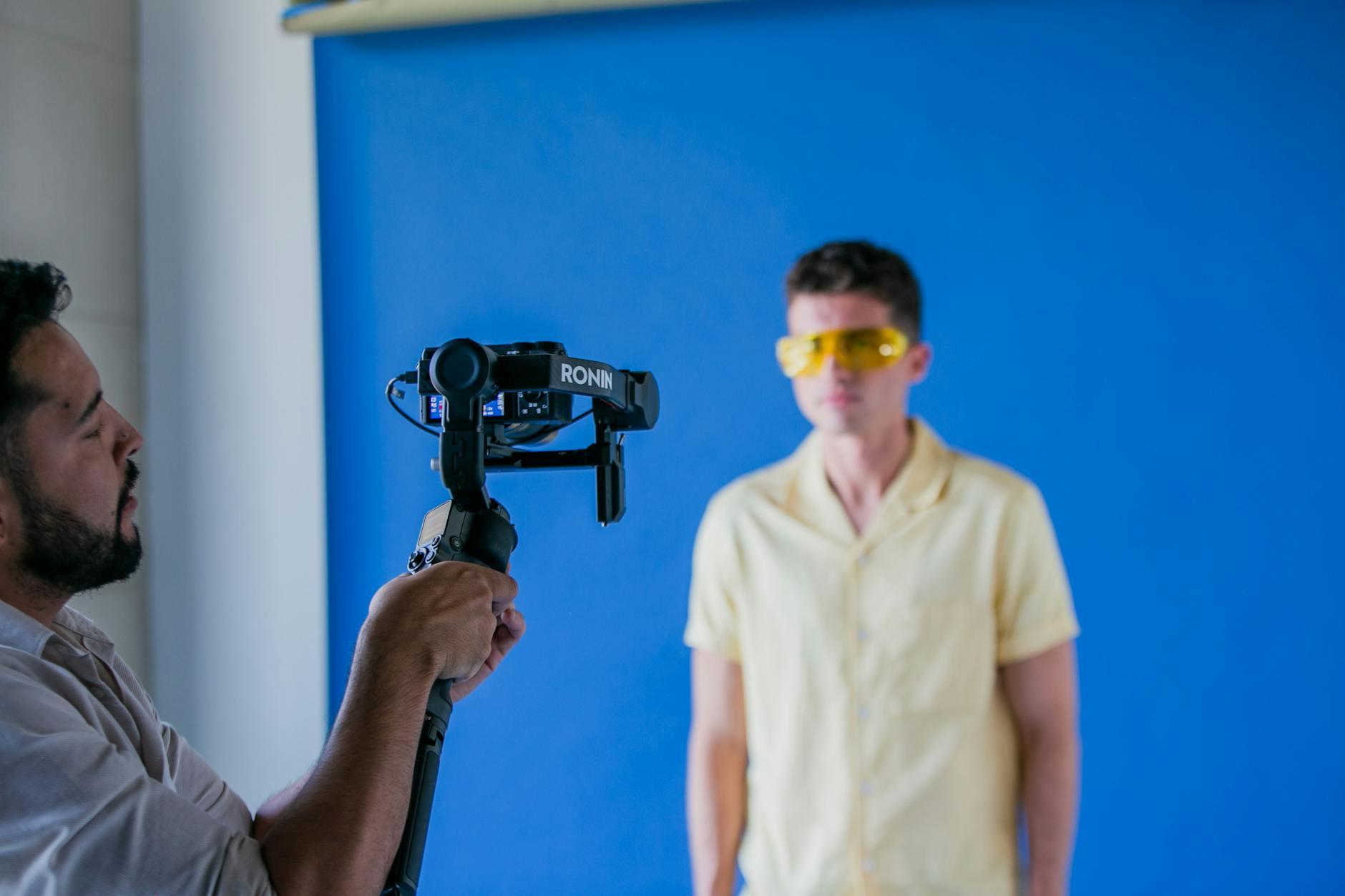
Securing the appropriate equipment is fundamental to producing high-quality video interviews that meet professional standards. This involves selecting reliable cameras capable of capturing crisp, clear visuals with accurate color reproduction under various lighting conditions. High-definition (HD) or 4K cameras are preferred to ensure detailed footage, especially for key visual elements and facial expressions essential to engaging interviews. Tripods or stabilizers are indispensable tools to maintain steady shots and prevent distracting movements, which could compromise the viewer's experience.
Audio quality is equally critical. Utilizing directional microphones such as shotgun mics or lapel microphones ensures clear capturing of voices while minimizing background noise. Investing in soundproof or acoustically-treated environments further enhances audio clarity, preventing echoes and external disturbances.
Lighting setups also play a vital role. Proper lighting solutions, including softboxes, LED panels, and diffusers, help illuminate subjects evenly, avoiding harsh shadows and ensuring a flattering appearance. Adjusting lighting angles and intensities according to the environment and skin tones of interviewees achieves professional visual presentation.
The selection of the filming location should align with the interview’s purpose and branding. Controlled indoor studios or dedicated spaces free from interruptions provide optimal conditions for production. For on-site shoots, thorough logistical planning ensures access to power sources, privacy, and minimal background distractions. Carefully considering these elements creates an environment conducive to high-standard video interviews.
Defining Video Interviews Production
Video interviews production encompasses the entire process of planning, filming, and delivering high-quality interview content tailored for diverse media platforms. The process involves a detailed understanding of technical requirements, storytelling principles, and logistical planning to ensure that each segment effectively communicates the intended message. Professional production teams typically coordinate multiple phases—from pre-production preparations, such as scripting and location scouting, to the actual filming session, and finally to post-production editing and distribution. The goal is to craft compelling visual narratives that resonate with audiences, reinforce brand messaging, and uphold the integrity of the interviewee’s message.
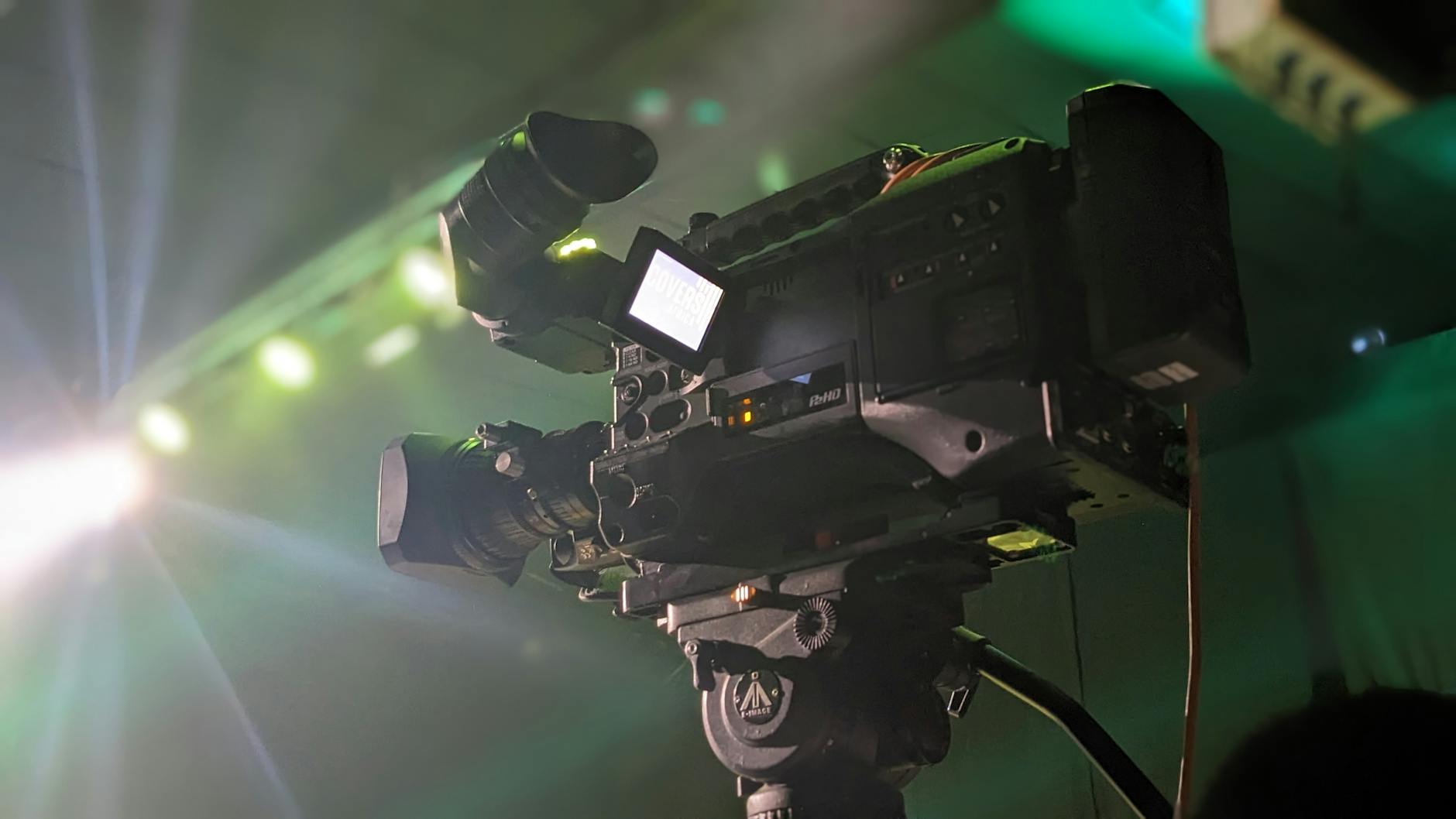
Key Components of Effective Video Interviews Production
- Pre-Production Planning: Defining objectives, preparing interview questions, selecting appropriate locations, and organizing logistics.
- Equipment Setup: Choosing suitable cameras, microphones, lighting, and accessories to ensure clarity and visual appeal.
- Filming Execution: Applying best practices for framing, sound, and lighting, and managing interview flow to maintain engagement.
- Post-Production Processing: Editing footage, adding graphics or overlays, refining audio quality, and finalizing the production for distribution.
- Distribution Strategy: Optimizing content for various platforms and ensuring accessibility across devices for maximum impact.
All these components work synergistically to produce polished, professional-grade videos that enhance communication effectiveness while adhering to industry standards and best practices.
Professional Standards and Industry Benchmarks
Reliable video interviews production depends on adherence to established technical and creative standards. This includes utilizing high-definition cameras to capture crisp visuals, employing professional-grade microphones to ensure clear audio, and implementing precise lighting techniques to create appealing and consistent visual environments. Filmmakers and content creators must also carefully manage aspects such as framing, focus, and background control to eliminate distractions and highlight the interview subjects effectively.
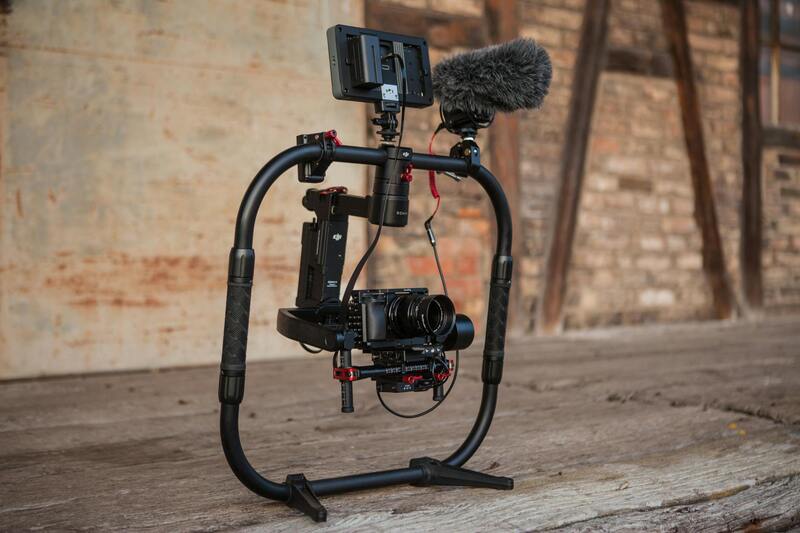
Incorporating these standards not only elevates the overall quality but also ensures the final product meets the expectations of professional clients and viewers. Regular equipment calibration, skilled operation, and adherence to workflow best practices are fundamental in achieving consistent results that enhance credibility and brand reputation.
Collaborative Efforts and Expertise
Building a cohesive production team with specialized roles—such as director, camera operator, sound engineer, and lighting technician—is vital for streamlining the filming process. Their combined expertise guarantees technical precision and creative storytelling, leading to a seamless filming experience and a cohesive final product. Effective communication and planning among team members help anticipate potential challenges, reducing on-set issues and significantly improving post-production efficiency.
Overall, mastering the intricacies of video interviews production is essential for delivering content that captivates audiences, effectively conveys messages, and aligns with strategic communication goals.
Choosing the Right Equipment and Setting
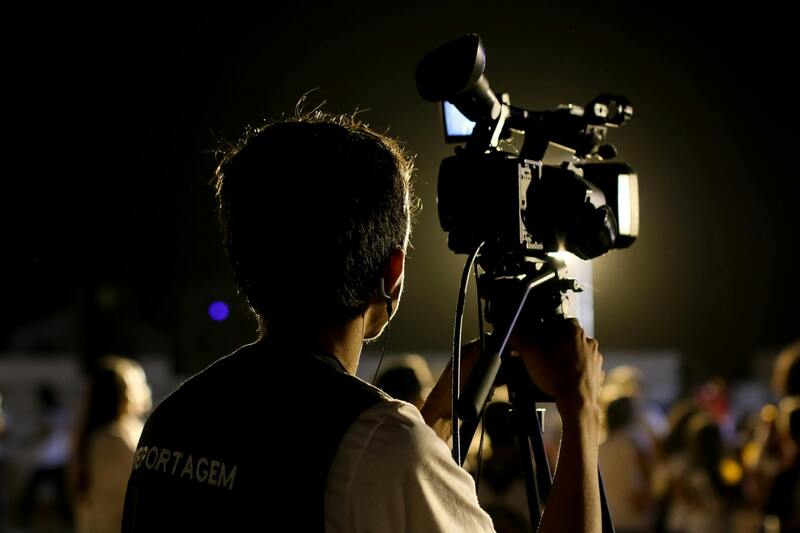
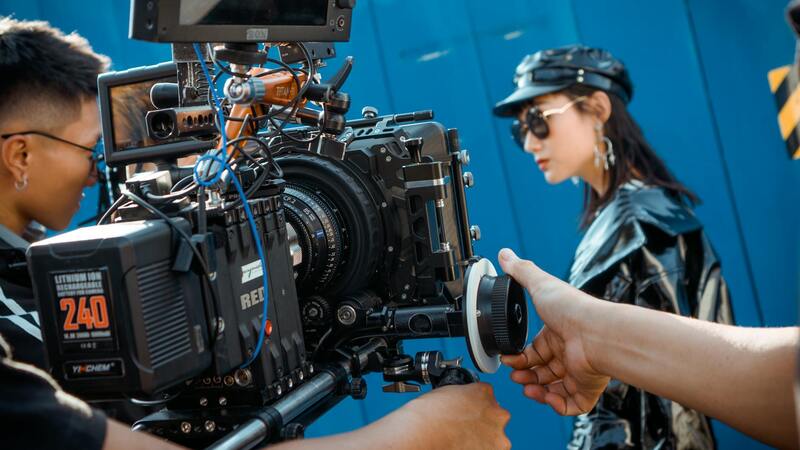
When it comes to producing high-quality video interviews, selecting appropriate equipment and establishing an effective filming environment are fundamental steps. The choice of camera significantly impacts the clarity, detail, and overall cinematic quality of the interview footage. Professional-grade camcorders or digital cinema cameras with high-resolution sensors, good low-light performance, and reliable autofocus features are preferred to ensure crisp visuals and minimal equipment limitations.
In addition to camera selection, audio quality plays a crucial role in the overall production value. High-fidelity microphones—such as shotgun mics, lapel (lavalier) mics, or studio condensers—should be used based on the interview setting and movement. Proper placement and unobtrusive positioning help capture clear, distraction-free sound, minimizing background noise and echo.
Establishing a Suitable Filming Environment
Creating an optimal environment for video interviews involves more than just equipment. The setting should be controlled and tailored to reduce background distractions, echoes, and lighting inconsistencies. A dedicated interview space with soundproofing or acoustic treatments can significantly improve sound quality and visual consistency.
Lighting setup plays a pivotal role in shaping the visual tone of an interview. Utilizing soft, diffuse light sources such as LED panels or softboxes helps reduce harsh shadows, highlights facial features gently, and creates a flattering appearance for interviewees. Positioning key lights at appropriate angles, combined with fill lights or reflectors, ensures even illumination and reduces unflattering shadows.
Background selection should align with the interview’s purpose and branding. A clean, uncluttered background minimizes distractions and directs viewers' focus squarely on the subject. Incorporating branded elements or subtle set designs adds professionalism without overpowering the interview.
Integrating Visual Elements for Consistency
To maintain visual consistency across multiple interviews or segments, standardizing the equipment setup, lighting, and background choices is essential. This creates a cohesive look and feel, reinforcing brand identity and ensuring a professional appearance for the final product. Regular equipment calibration and thorough pre-shoot tests help identify and resolve potential issues beforehand, saving time during production and post-production stages.
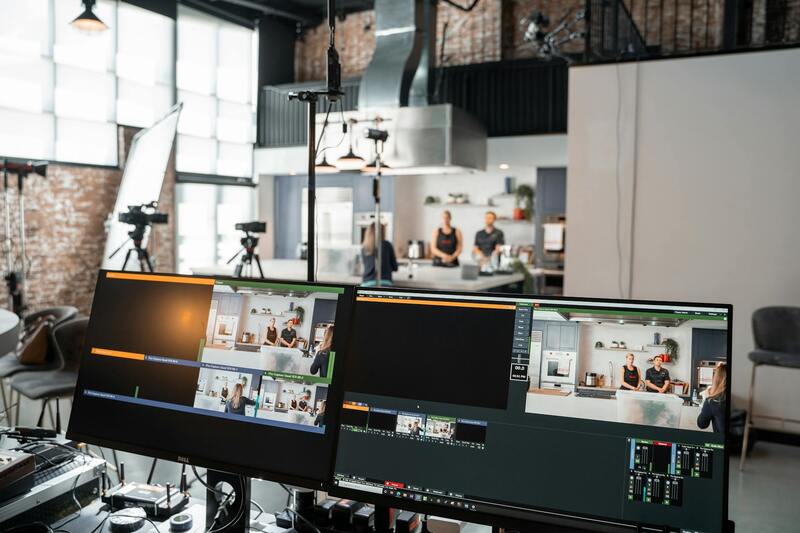
Furthermore, camera placement and framing should be carefully planned. Close-up shots primarily focus on facial expressions, while medium shots can include more of the interviewee’s hand gestures or body language, adding depth to the storytelling. Maintaining consistent framing and shot composition throughout the interview enhances audience engagement and visual flow.
Filming and Production Best Practices
Executing a professional video interview requires meticulous attention to various technical elements that contribute to a polished and engaging final product. The choice of camera angles plays a crucial role in conveying the interview’s tone and emphasizing key messages. Optimal framing involves balancing close-up shots that reveal facial expressions with medium shots that incorporate gestures and body language, fostering a connection with viewers. Utilizing multiple camera angles, such as a primary shot combined with an over-the-shoulder or side view, enriches visual interest and provides flexibility in post-production editing.
Lighting remains central to the quality of video interviews. Proper lighting setup should highlight interviewees' features uniformly while avoiding harsh shadows or hotspots. Soft, diffused light sources are ideal for creating a flattering appearance and reducing visual distractions. When selecting lighting configurations, three-point lighting techniques offer a reliable foundation, encompassing key lights to illuminate the subject, fill lights to soften shadows, and backlights to add depth and separation from the background. Adjustments should be made based on the shooting environment, whether indoors or outdoors, to retain consistent visual quality.
Sound quality often dictates the overall professionalism of the interview. High-quality microphones, such as lapel or shotgun mics, should be positioned close to the subject to capture clear audio while minimizing background noise. Employing windshields or pop filters can further enhance audio clarity, especially in outdoor settings. It is beneficial to monitor sound levels throughout the shoot, adjusting microphone placement and levels as needed to prevent audio distortions or inconsistencies.
Direction during filming also influences the success of the shoot. Clear communication with interviewees about the process helps reduce nervousness and encourages authentic responses. Providing prompts or questions beforehand ensures smooth transitions and allows interviewees to prepare thoughtful answers. During filming, maintaining a relaxed atmosphere can lead to more natural interactions, capturing genuine expressions and reactions that resonate with viewers.
Post-shoot, reviewing footage immediately allows for the identification of any technical issues such as poor framing, lighting inconsistencies, or audio problems. Addressing these promptly ensures that only the best takes move forward into editing, saving time and resources during the post-production phase. Ultimately, adhering to these best practices during filming guarantees a high standard of quality that elevates the overall impact of the final interview content.
Utilizing Remote Interview Technologies
With advancements in digital communication, remote video interview production has become a practical solution for many organizations. Implementing reliable video conferencing platforms ensures seamless connectivity, allowing interviewers and participants to engage from diverse locations without compromising quality. High-speed internet connections are essential to prevent lag, pixelation, or audio disruptions. Additionally, employing professional-grade webcams and external microphones can enhance image clarity and sound fidelity, providing a polished and professional appearance.
To maximize the effectiveness of remote interviews, it's important to establish a stable environment. Encourage interviewees to select quiet, well-lit spaces free from background noise and disruptions. Using a dedicated backdrop or a tidy, uncluttered background helps maintain focus on the interviewee and conveys a professional image. Testing all equipment prior to the interview allows for troubleshooting potential issues, such as audio feedback or video lag, ensuring uninterrupted recording sessions.
Ensuring Proper Audio and Visual Quality
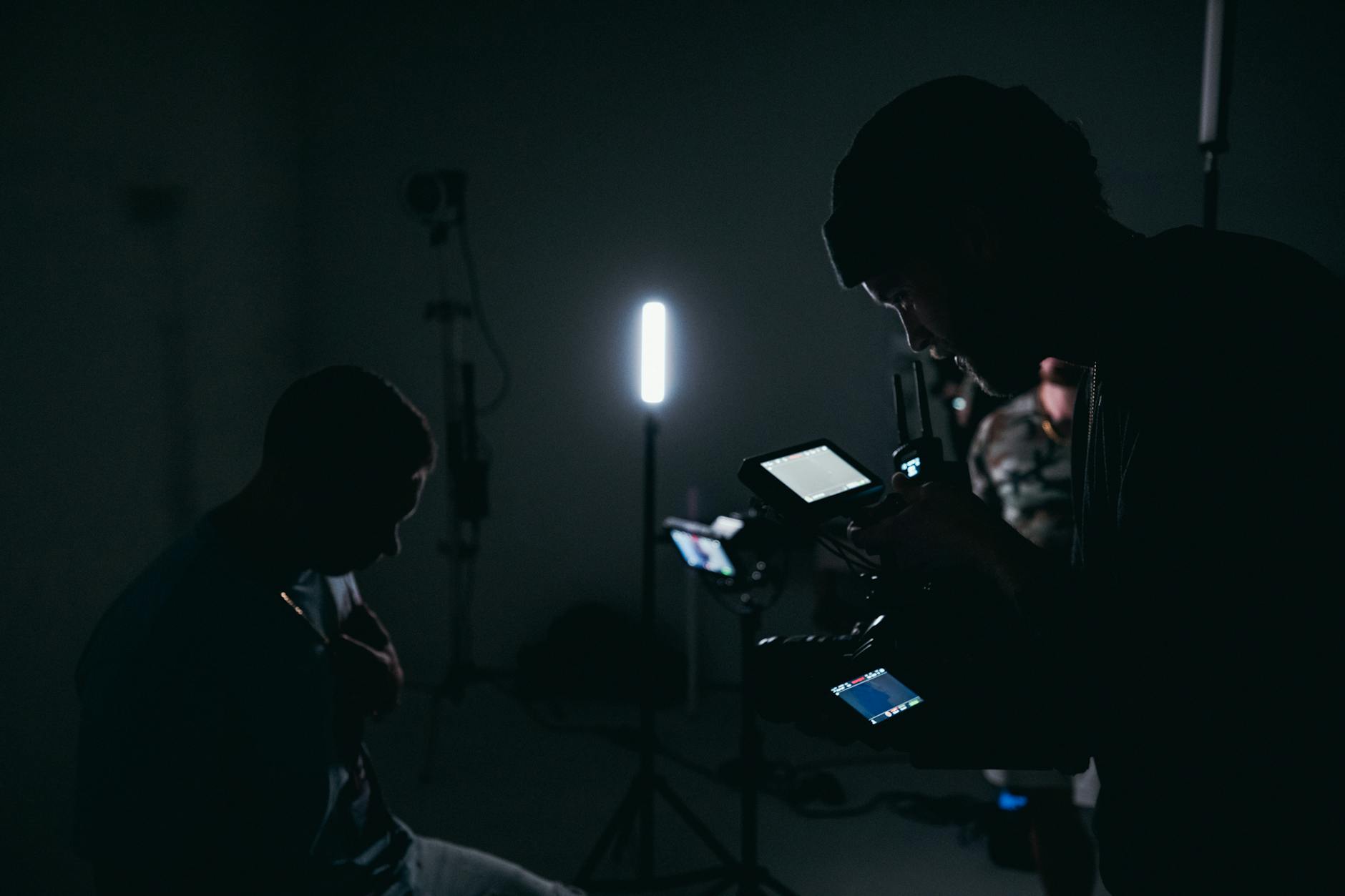
Achieving optimal audio and visual standards requires meticulous attention to detail during the interview process. Proper lighting plays a crucial role; soft, even lighting eliminates harsh shadows and highlights the interviewee’s features naturally. For indoor setups, ring lights or diffused LED panels are effective tools that produce consistent illumination. Outdoors, selecting a shaded area with diffuse natural light provides a flattering and professional appearance.
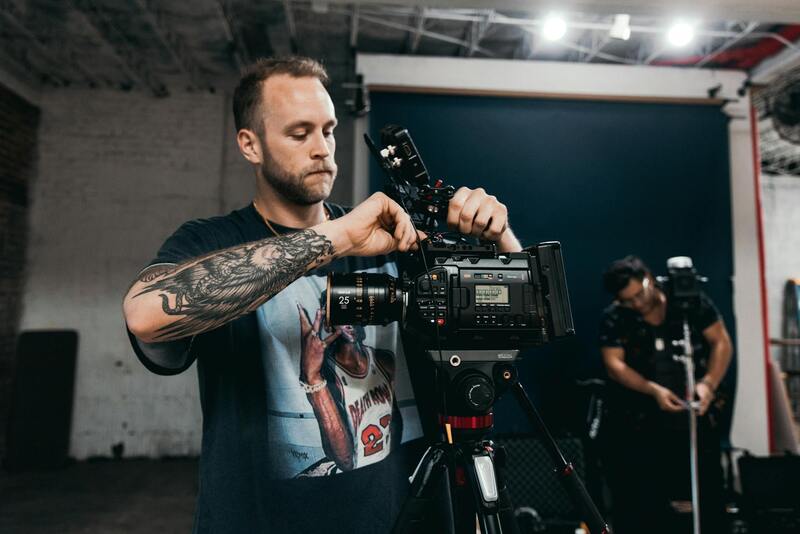
Camera positioning should prioritize eye-level framing, capturing the interviewee’s face and upper body, which fosters connection with viewers. Multiple camera angles can add dynamism, but consistency in shot composition ensures a smooth viewing experience. Additionally, using an external microphone positioned close to the subject significantly enhances audio clarity, making speech more intelligible and engaging. Employing soundproofing techniques or protective measures, such as windshields outdoors, prevents unwanted noise interference.
Conducting the Interview: Techniques for Authentic Content
The success of a video interview heavily relies on the rapport established between the interviewer and interviewee. Employing open-ended questions encourages expansive responses, providing richer content for viewers. Maintaining eye contact with the camera helps simulate direct engagement, fostering trust and authenticity. Being attentive to body language and facial expressions adds depth to the interview, capturing genuine reactions that resonate with audiences.
Active listening is key; it allows interviewers to formulate follow-up questions that delve deeper into topics, creating a natural conversation flow. Using prompts or cues subtly can guide the discussion without appearing scripted. A relaxed atmosphere minimizes nervousness, helping interviewees express themselves comfortably. Final touches, such as summarizing key points and acknowledging responses, can elevate the professional tone of the interview while ensuring clarity and emphasis on critical messages.
Post-Production Editing and Enhancements
Once filming concludes, the editing phase is crucial for transforming raw footage into a polished and engaging video interview. This process involves meticulous review of all captured material to identify the most compelling segments that align with the intended message. High-quality editing ensures that video clips are seamlessly integrated, maintaining a coherent flow that keeps viewers engaged from start to finish.
Color correction and grading play a vital role in enhancing visual aesthetics, establishing a consistent look that reinforces the interview’s tone and professionalism. Proper audio synchronization, noise reduction, and equalization are essential to delivering clear and balanced sound, which is fundamental for viewer comprehension and retention. Incorporating background music or subtle sound effects can add emotional depth, but they must be carefully balanced to avoid overshadowing the subject’s voice.
Visual effects and graphics, such as lower thirds displaying names and titles or overlays highlighting key points, augment the viewer's understanding and retention of information. These elements should be intentionally designed to complement the content without causing distraction. Additionally, inserting branding components, like logos or slogans, helps reinforce brand awareness while maintaining a consistent visual identity across all produced videos.
Advanced editing techniques, including jump cuts, transitions, and effects, can improve pacing and emphasize significant moments. Seasoned editors employ timeline organization and annotations, facilitating efficient workflow and precise modifications. Review and feedback cycles are integral; multiple iterations ensure the final product meets quality standards and client expectations.
Finally, exporting the video in appropriate formats optimized for various distribution channels guarantees compatibility and quality preservation across platforms. Delivering a finished video that is technically sound and visually compelling maximizes its impact and effectiveness in achieving communication goals.
Ensuring Proper Storage and Security of Video Content
Once the video interview is completed, the management and safeguarding of digital assets become crucial. Secure storage solutions prevent unauthorized access, data corruption, or loss, which can compromise the integrity of the content and impact subsequent distribution or archival efforts. Utilizing professional server solutions or encrypted cloud storage services ensures that footage remains protected from cyber threats and accidental deletions.
It is vital to implement layered security protocols, including access controls such as user authentication and role-based permissions. Regular backups—preferably in geographically diverse locations—serve as a safeguard against hardware failures or unforeseen events. These backups should be systematically organized and cataloged to facilitate easy retrieval when needed.
Proper data management extends beyond storage. Maintaining detailed metadata about each interview—such as interviewee information, recording date, technical specifications, and licensing rights—facilitates efficient cataloging and retrieval. This metadata should be systematically documented using standardized formats in digital asset management systems.
For long-term preservation, selecting appropriate file formats and compression methods is essential to balance quality and storage efficiency. High-quality, widely supported formats like MP4 or MOV are preferred for archiving, ensuring compatibility across various platforms and future usability.
Implementing Content Security Measures During Distribution
Distributing video interviews involves multiple channels, including websites, social media platforms, and internal networks. Securing content during transmission is as important as safeguarding storage. Employing encryption protocols such as HTTPS protects data from interception during upload and download processes. Additionally, implementing digital rights management (DRM) systems can restrict unauthorized redistribution or copying of the videos.
Watermarking is a practical technique to establish content ownership and deter unauthorized use. When appropriately integrated, watermarks serve as visible or invisible markers that attribute content to its rightful owner while minimally impacting viewer experience.
Access controls remain fundamental during distribution. Providing tailored access permissions ensures that sensitive interviews are only viewable by authorized personnel or audiences. For online hosting, content delivery networks (CDNs) with built-in security features can prevent unauthorized access and reduce the risk of content theft.
Optimizing Videos for Different Platforms
Effective distribution involves tailoring video content to meet the specifications and audience expectations of various channels. Platform-specific optimization encompasses considerations such as aspect ratios, video length, resolution, and appropriate metadata. For example, social media platforms favor shorter clips with engaging thumbnails, while internal corporate portals might prioritize higher resolution and comprehensive branding elements.
SEO practices also play a vital role in maximizing reach. Incorporating relevant keywords, descriptive titles, and detailed captions enhances discoverability. Employing captions and transcripts not only improves accessibility but also boosts search engine rankings, ensuring that the video reaches broader audiences.
Distribution strategies should include performance tracking and analytics to assess viewer engagement. These insights inform future productions and distribution plans, allowing for continuous improvements in content quality and delivery effectiveness.
Maintaining Ethical Standards in Content Usage
Upholding ethical standards during distribution is essential for establishing trust and credibility. Confirming that all necessary permissions and licenses are secured before sharing interviews prevents disputes and respects intellectual property rights. Transparency with interviewees regarding how their content will be used demonstrates integrity and fosters positive relationships.
Additionally, respecting privacy choices and sensitive information shared during interviews is critical. Implementing access restrictions or blurring identifying details, when appropriate, demonstrates accountability and ethical responsibility.
Being vigilant about avoiding misrepresentation or misquoting content safeguards the reputation of the production team and the subjects involved. Maintaining accurate and honest presentation of the material ensures that the interviews serve their intended purpose ethically and professionally.