
Understanding the Importance of Interview Video Production
Interview video production holds a pivotal role in contemporary marketing and communication strategies. When executed professionally, these videos serve as powerful tools for storytelling, brand reinforcement, and establishing credibility within target audiences. Well-crafted interview videos can encapsulate a brand’s message, highlight expert insights, or share client testimonials, thereby fostering trust and engagement. They are often used across multiple channels—including corporate websites, social media platforms, and presentations—to amplify a company's voice in a visually compelling manner.
High-quality interview videos contribute significantly to a brand's digital presence by offering authentic and relatable content. Authenticity fosters a connection with viewers, making the message more memorable and convincing. Furthermore, industry leaders, executives, clients, or employees sharing their perspectives via interview videos project a transparent and approachable image, which is crucial in the competitive landscape of today’s market. These videos also provide a versatile content format that can be repurposed for various marketing campaigns, internal communications, or media outreach.
The production quality of interview videos influences audience perception profoundly. Clear visuals and crisp audio reduce distractions and enhance message clarity, making the content more accessible and impactful. Engaging interview videos can also increase dwell time on a website or social media post, which positively impacts search engine rankings and overall visibility. Ultimately, professional interview video production transcends mere documentation; it becomes a strategic asset that bolsters brand identity, educates consumers, and drives conversions.
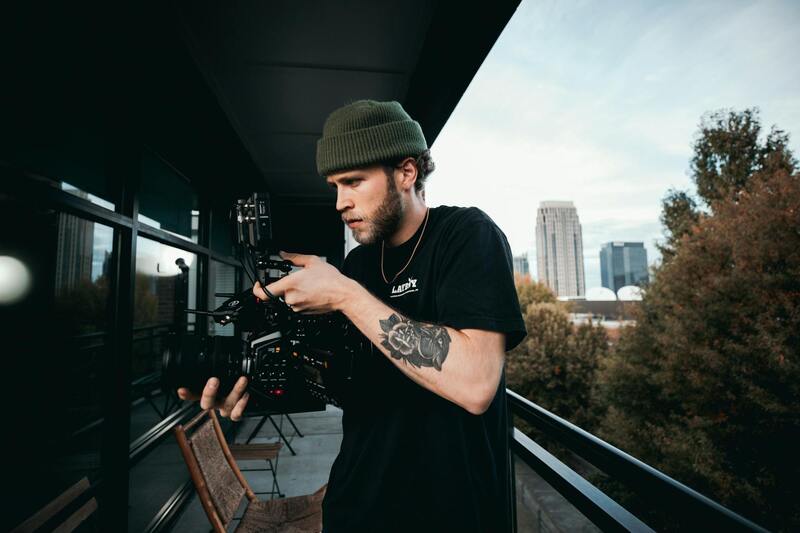
To achieve these outcomes, organizations must recognize the importance of planning, technical excellence, and storytelling finesse. Investing in comprehensive interview video production ensures that the final product aligns with strategic objectives and resonates with the intended audience. The next steps involve thorough pre-production planning and skillful execution to craft videos that are both compelling and professional.
Choosing the Right Equipment and Setup
Effective interview video production begins with selecting suitable equipment and establishing a proper setup to ensure high-quality results. Camera choice is fundamental; professional-grade cameras equipped with high-resolution sensors and suitable lenses are preferred for capturing crisp visuals with excellent depth of field. DSLR or mirrorless cameras with 4K capabilities are commonly used due to their ability to produce clear images while remaining versatile.
Lighting equipment also plays a critical role. Proper lighting setups, such as three-point lighting, help illuminate the subject evenly, reducing shadows and highlighting facial expressions effectively. Softboxes and LED panels are popular choices that ensure consistent, natural-looking light, especially in controlled indoor environments. A well-lit interview not only enhances visual appeal but also conveys professionalism and credibility.
Audio quality is equally vital, as poor sound can diminish viewer engagement regardless of visual quality. Investing in quality microphones, like lavalier mics for individual interviews or shotgun microphones for directional audio, ensures clear, crisp sound capture. Using windshields or pop filters can remove unwanted noise and plosive sounds, further improving audio clarity.
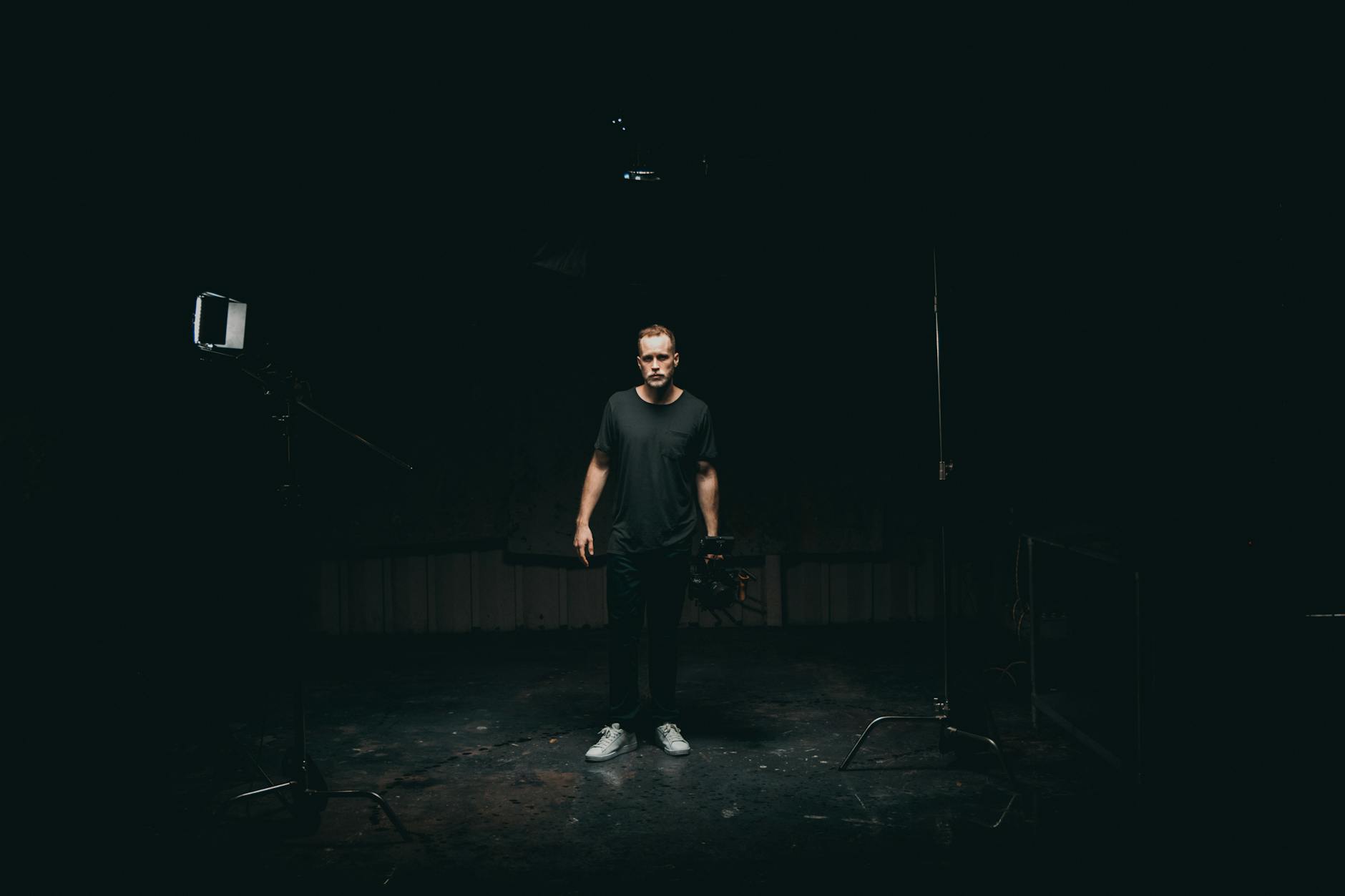
Stability and framing are achieved through the use of tripods and gimbals. A stable camera setup prevents shaky footage, which can distract viewers and diminish the perceived professionalism. Framing the subject using the rule of thirds and maintaining eye-level shots help establish a natural, engaging perspective.
Conducting Effective Interviews
Creating compelling interview content hinges on the interviewer's ability to facilitate a natural and engaging dialogue. Preparation is key; developing a script or list of open-ended questions encourages detailed and insightful responses. These questions should be clear, concise, and aligned with the overarching objective of the interview.
Establishing rapport with the interviewee helps to make them comfortable, resulting in more authentic and spontaneous answers. This can be achieved through casual conversation before filming or by providing a clear overview of the process beforehand. Maintaining eye contact and active listening demonstrates genuine interest, which encourages interviewees to share more meaningful insights.
During the interview, it’s essential to pay attention to body language and verbal cues. Redirecting the conversation when answers become too narrow or off-topic ensures the discussion remains relevant and engaging. Employing prompts or follow-up questions can delve deeper into topics, adding richness to the content.
Technical considerations, such as ensuring proper microphone placement and framing, should be maintained throughout the recording. Regular checks on audio levels and visuals prevent issues that could compromise the final product. The goal is to produce a seamless flow that captures genuine emotion and key messages without unnecessary interruptions or distractions.
Selecting Appropriate Recording Devices for Interview Video Production
Choosing the right recording equipment is fundamental to achieving a professional-quality interview video. High-definition cameras are preferred to capture clear visuals with accurate color reproduction, ensuring that the subject's expressions and gestures are well represented. When selecting cameras, consider models that offer various settings for different lighting conditions and provide options for multiple angles, which can add dynamism to the final product.
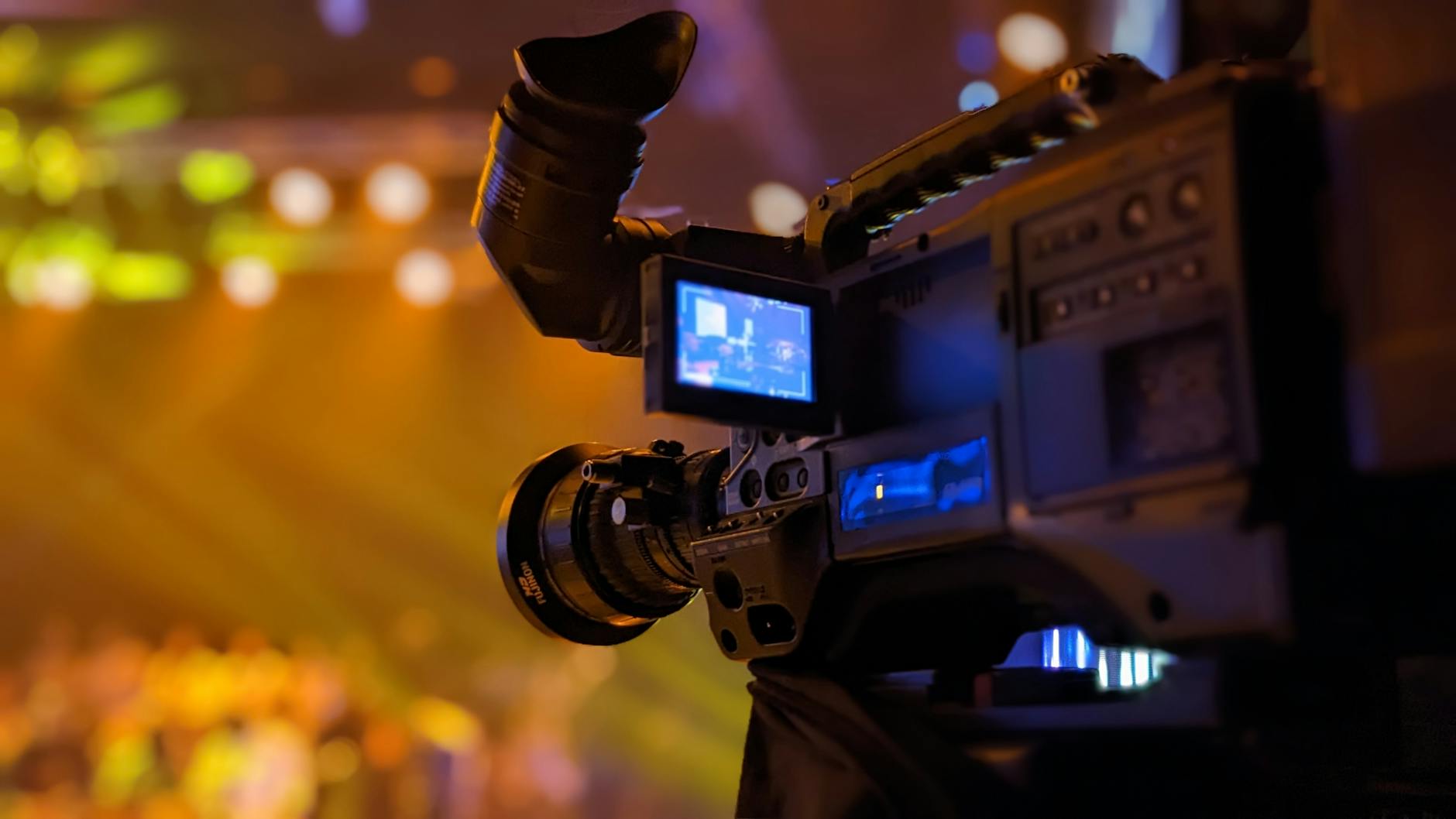
Audio clarity is equally crucial, as poor sound quality can diminish viewer engagement regardless of visual quality. Professional-grade lapel or shotgun microphones should be used to record crisp audio. Wireless lavalier mics provide flexibility and freedom of movement for the interviewee, while boom mics can be positioned strategically for optimal sound pickup in different environments. Regular audio checks must be conducted during filming, adjusting levels to avoid clipping or background noise interference.
Lighting Solutions for a Consistent and Flattering Look
Proper lighting dramatically enhances the visual appeal of interview videos. Soft, diffused lighting minimizes harsh shadows and evenly highlights the subject’s face, making the footage visually pleasing. Key lights, fill lights, and backlights are standard components in an effective lighting setup. LED panels with adjustable brightness and color temperature allow for flexibility, creating a natural look that complements the setting.
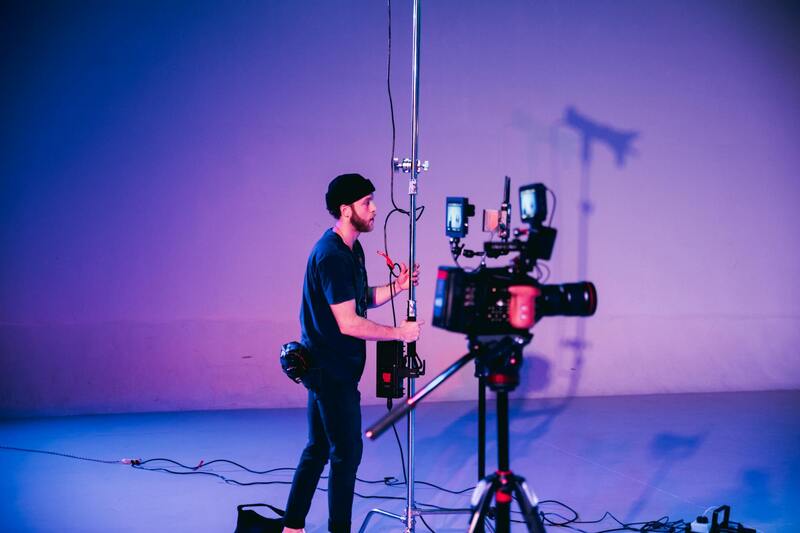
Lighting arrangements should be tested before filming begins, with particular attention paid to avoiding overexposure or underexposure. Positioning lights at appropriate angles can reduce reflections and ensure the interviewee's features are presented accurately. Utilizing reflectors can help bounce light and fill shadows without complicating the setup.
Optimizing the Filming Environment
Creating a controlled environment reduces unwanted background noise and visual distractions. Selecting a quiet space with minimal ambient sounds contributes to clearer audio recordings. Soundproofing techniques, such as adding soft furnishings or acoustic panels, can dampen echoes and outside noise.
Background selection is equally important—it should complement the interview's tone and content. A neutral, uncluttered background ensures the focus remains on the subject. If a branded or thematic backdrop is desired, it should be properly lit and free of visual clutter.
Technical Setup for Seamless Filming
Before filming, thoroughly review camera settings, ensuring correct resolution, frame rate, and focus points. Establishing multiple camera angles can add visual interest and offer editing flexibility. Ensuring consistent white balance and exposure across all cameras helps maintain continuity between shots. Employing dependable tripods or stabilizers guarantees steady footage, which enhances professionalism.
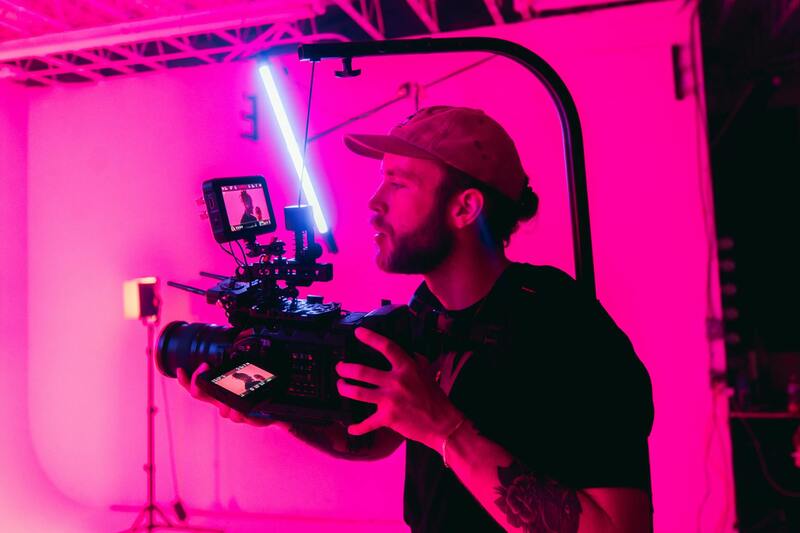
It is essential to conduct pre-shoot tests, reviewing footage to identify and resolve any technical issues beforehand. Maintaining organized gear setups, backups, and clear shot lists ensures the production process flows smoothly and that all necessary components are captured.
Choosing the Right Equipment and Setup
Effective interview video production hinges on the proper selection and utilization of equipment tailored to meet professional standards. High-definition cameras capable of capturing detailed visuals form the backbone of quality footage, ensuring that every facial expression and subtle gesture is visible. It is advisable to use cameras with features such as manual focus controls, adjustable aperture, and high frame rate options for smoother motion capture during dynamic interviews.
Beyond cameras, sound quality significantly impacts viewer engagement and comprehension. Digital microphones, including lapel or shotgun mics, should be positioned close to the interviewee to capture clear, crisp audio while minimizing ambient noise. Audio recorders with robust preamp capabilities and noise reduction features enhance the final sound quality, providing a polished listening experience.
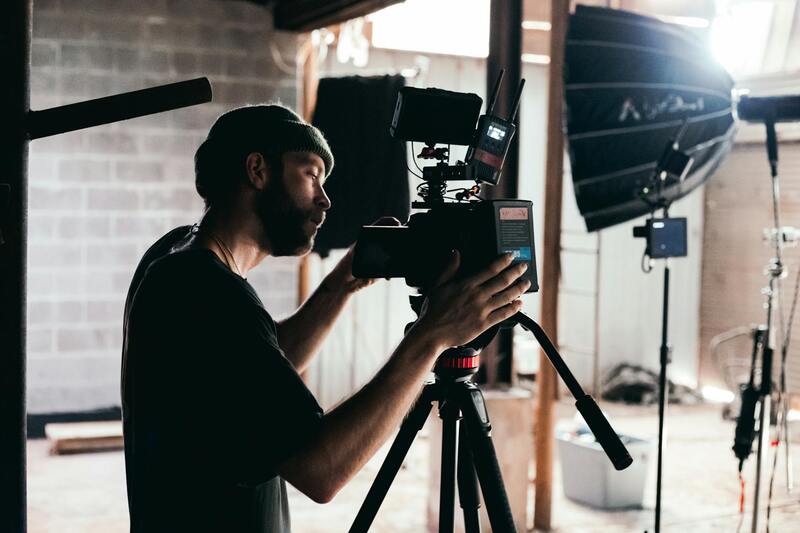
Lighting setup plays a pivotal role in creating a visually appealing interview space. Soft, diffused lighting reduces harsh shadows and evens skin tones, resulting in a flattering and professional look. The use of three-point lighting—key light, fill light, and back light—helps to create depth and dimension, guiding the viewer’s focus toward the subject. When natural light is incorporated, it should be supplemented to maintain consistency and control over the environment.
To achieve optimal framing, consider the composition rules such as the rule of thirds, ensuring the subject is well-positioned within the frame. Multiple camera angles can add visual interest and facilitate seamless editing, especially when capturing reaction shots or B-roll footage. Employing sturdy tripods or stabilizers guarantees stability and avoids shaky visuals, which can distract viewers and undermine the content’s professionalism.
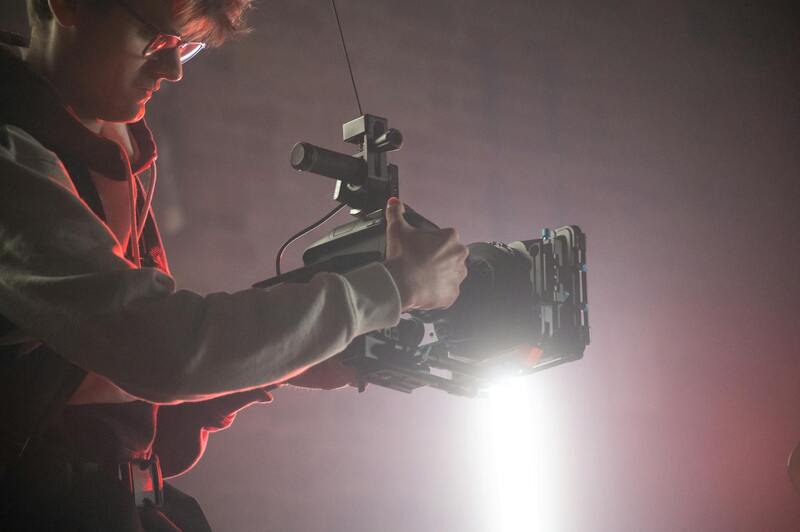
Pre-shoot preparations are vital: conduct test runs to verify camera angles, audio levels, and lighting schemes. Creating a detailed shot list and organizing equipment in advance streamline the production process. This minimizes delays and ensures comprehensive coverage of the interview content, setting a solid foundation for post-production editing.
Investing in reliable equipment and meticulously setting up the interview environment directly correlates to the quality of the final recording. Choosing equipment suited for the interview context—whether studio-based or on-location—allows filmmakers to adapt to diverse scenarios, ensuring consistency and professionalism across different production settings.
Ensuring Sound Quality and Audio Post-Production Techniques
High-quality audio is a cornerstone of compelling interview videos. Clear, crisp sound ensures that viewers can easily understand the interviewee's responses and stay engaged with the content. To achieve this, professional-grade microphones should be the primary choice. Lavalier (lapel) microphones are discreet and provide consistent sound pickup, making them ideal for interview settings where mobility and unobtrusiveness are desired. Shotgun microphones mounted on boom poles or camera rigs can capture focused audio from the subject while minimizing ambient noise.
In addition to microphone selection, setting up multiple audio recording devices can provide redundancy and help in post-production. Recording audio directly into a dedicated audio recorder allows for cleaner sound, separate from the camera's onboard microphone. Employing headphones during filming is essential to monitor audio quality in real-time, enabling immediate adjustments if issues arise.
Post-Production Enhancement of Audio Tracks
Once filming is complete, post-production offers opportunities to refine the audio quality further. Noise reduction tools can eliminate background hums, hiss, or environmental noises that may detract from the viewer's experience. Equalization (EQ) adjustments help in balancing frequencies, ensuring voices sound natural and full-bodied. Compression techniques can also be applied to even out volume levels, making sure responses are consistently audible regardless of the speaker's tone.
Integrating cleaned and balanced audio tracks with the video footage ensures the final product is professional and immersive. Synchronization accuracy between audio and visual feeds is crucial; any misalignment can distract viewers and diminish the video's credibility. Employing specialized editing software allows for precise adjustments and enhancements, preserving the integrity of the original recordings.
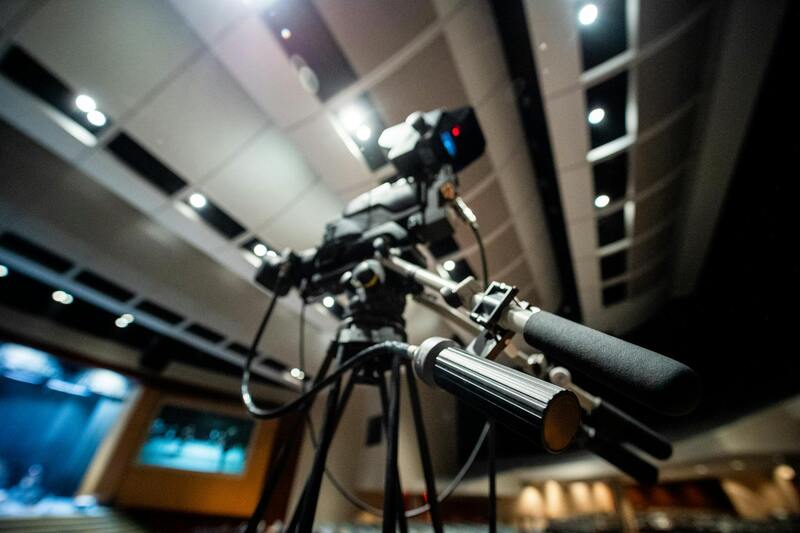
Implementing soundproofing measures in the shooting environment or using portable acoustic shields can also significantly improve audio clarity during recording sessions. These practices help to minimize external noise interference, leading to a cleaner, more professional-sounding interview.
Legal and Ethical Considerations in Interview Video Production
Producing high-quality interview videos requires adherence to established protocols that uphold the integrity of the content and respect individual rights. When conducting interviews, it is essential to obtain proper permissions from interview subjects prior to filming, ensuring they are aware of how the footage will be used and distributed. Clear consent forms should be signed, explicitly outlining the scope of usage, to foster transparency and trust. This practice not only preserves professionalism but also prevents potential disputes related to content rights.
Engaging with subjects professionally is equally important. Providing a comprehensive briefing about the interview process, the topics to be covered, and the intended audience ensures that participants are comfortable and informed. Respecting interviewees' preferences, such as requesting specific edits or clarifications, enhances the authenticity of the final product. Maintaining an ethical approach in all interactions upholds the credibility of the production.
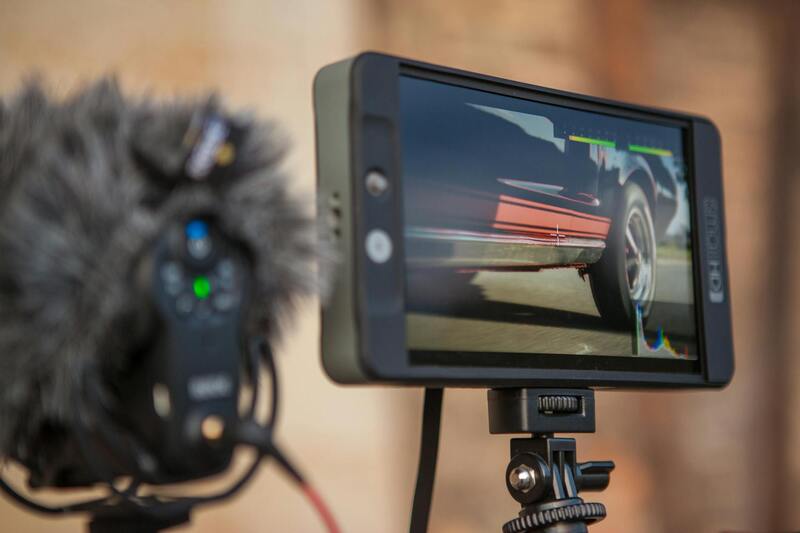
Another critical component involves accurate representation of the interview content. Editing should be conducted with integrity, avoiding manipulated or misleading cuts that could distort the intended message. This ensures authenticity, preserves the interviewee’s voice, and maintains viewer trust. When incorporating additional visual elements, such as graphics or text overlays, ensuring they do not mislead or misrepresent the subject's statements is paramount.
Utilizing Reliable Archiving and Storage Solutions
Effective management of recorded footage is vital for maintaining the integrity of interview videos. Using secure and organized storage platforms allows for easy retrieval and editing while safeguarding raw footage against loss or corruption. Employing cloud-based or dedicated servers with robust backup systems ensures that all valuable content is preserved securely over time.
In addition, maintaining detailed metadata for each recording—including timestamps, subject details, and shooting conditions—enhances manageability. This level of organization supports compliance with data protection standards and simplifies future editing or revisiting of the content. Regular audits and updates to storage protocols further reinforce consistent quality and security.
Staying Updated with Industry Advancements
The landscape of interview video production is continually evolving, driven by advancements in technology and best practices. Regularly attending industry seminars, workshops, and industry-specific training programs enables production teams to stay abreast of new tools and methodologies. Innovations such as advanced stabilization devices, AI-assisted editing software, and immersive audio techniques can significantly improve production quality and efficiency.
Subscribing to professional publications and participating in online forums fosters community engagement and promotes knowledge exchange. These channels serve as valuable resources for learning about emerging standards, legal considerations, and effective storytelling techniques that resonate with audiences in today’s competitive content environment.
Understanding the Importance of Interview Video Production
High-quality interview videos serve as powerful tools for conveying messages, establishing authority, and fostering trust with your audience. They capture authentic conversations that, when produced professionally, resonate more deeply and leave a lasting impression. Effective interview video production hinges on clarity, engagement, and visual storytelling, making it essential to adhere to established practices that enhance overall quality and credibility. Properly produced footage demonstrates professionalism and ensures that your message remains focused and compelling throughout.
Pre-Production Planning for Interview Videos
Preparation is the cornerstone of successful interview videos. It involves meticulous planning of every aspect, from defining objectives to organizing logistical details. Developing a detailed shot list and storyboard helps visualize the flow of the interview, ensuring that key topics are addressed methodically. Scheduling requires coordinating with interviewees, crew members, and venues to minimize disruptions during filming. Additionally, securing all necessary permits and rights beforehand streamlines production and avoids delays.
One critical component of pre-production is conducting comprehensive briefings for all involved parties. This includes discussing the interview’s purpose, desired tone, and specific questions or themes. Clarifying these points ensures that everyone understands the goals and contributes to a cohesive narrative. Furthermore, evaluating potential challenges—such as lighting conditions, ambient noise, or restricted access—allows teams to implement contingency plans, safeguarding the integrity of the final product.
Choosing the Right Equipment and Setup
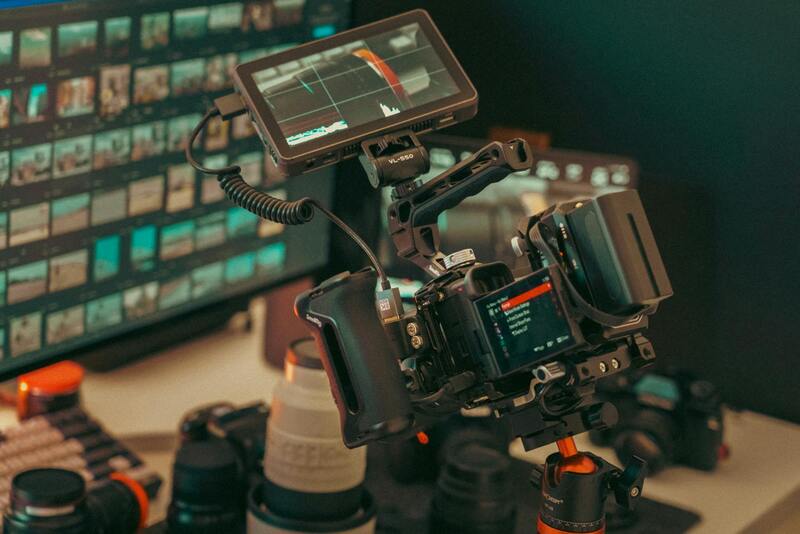
Selecting appropriate gear is essential for capturing high-quality visuals and sound. High-definition cameras with adjustable settings provide clear imagery, while multiple lenses facilitate a variety of shot compositions. Lavalier microphones or shotgun mics are reliable options for capturing crisp audio, especially in environments with background noise. Lighting equipment, such as softboxes and reflectors, significantly improves the visual appeal, reducing harsh shadows and ensuring subjects are well-lit regardless of ambient conditions.
Setting up the filming environment involves arranging backdrops, furniture, and lighting to create a visually appealing scene that aligns with the intended tone. Avoiding cluttered backgrounds and ensuring proper framing enhances focus on the interview subject. Additionally, cable management and power supply arrangements must be considered to prevent interruptions during recording sessions. Carefully testing all equipment prior to filming guarantees functionality and helps identify potential issues that could compromise footage quality.
Filming Techniques for Engaging Interviews
Effective filming techniques greatly influence the engagement level of your interview videos. Employing the rule of thirds enhances visual composition by positioning the subject off-center, creating a balanced and aesthetically pleasing shot. Incorporating multiple camera angles—such as close-ups, medium shots, and wide shots—provides variety, maintains viewer interest, and offers flexibility during editing.
Utilizing stabilization tools like tripods and gimbals ensures steady footage, especially in dynamic environments or when handheld shots are necessary. Proper framing focuses attention on the interviewee while avoiding distractions. During conversations, maintaining natural eye contact with the camera fosters a sense of connection with the audience. Additionally, paying attention to lighting angles and diffusing harsh light sources reduces unflattering shadows and highlights facial expressions more effectively.
Conducting Effective Interviews
The success of your interview video largely depends on the interviewer's ability to facilitate engaging and authentic conversations. Preparing open-ended questions encourages detailed responses and storytelling, making the content more relatable. Active listening during the interview helps the interviewer follow up on interesting points, adding depth and nuance to the discussion.
Creating a comfortable atmosphere for the interviewee prompts natural expressions and spontaneous insights. Establishing rapport beforehand, maintaining eye contact, and displaying genuine interest contribute to an authentic and engaging interview style. Managing the pace of the interview—balancing between structured questions and conversational flow—ensures the dialogue remains dynamic and compelling. Clear communication about the process and expectations also alleviates interviewee nerves, leading to more genuine interactions.
Post-Production Editing and Enhancement
Post-production is where raw footage transforms into a polished, compelling narrative. Editing involves selecting the best shots, syncing audio, and arranging clips to streamline storytelling. Color correction enhances visual consistency, ensuring that lighting and skin tones appear natural. Adding titles, captions, and lower thirds provides context and helps viewers follow the discussion more easily.
Sound editing plays a vital role in improving clarity and reducing background noise. Incorporating background music or subtle sound effects can elevate the viewing experience without overpowering the interview content. For a more professional look, incorporating graphics and branding elements reinforces identity and adds polish. Moreover, encoding videos in suitable formats optimized for various platforms ensures seamless playback and accessibility for your target audience.
Ensuring Proper Distribution and Optimization of Your Interview Video
Efficient distribution of your interview video is crucial for maximizing reach and engagement across various platforms. Once polished, the video should be optimized for each distribution channel to ensure it effectively communicates your message. This involves tailoring the format, resolution, and aspect ratio to suit specific platforms such as YouTube, Vimeo, social media outlets, and company websites. Each platform has unique requirements and audience preferences, so understanding these can significantly enhance viewership and user interaction.
One essential aspect of distribution is utilizing metadata strategically. Incorporate relevant keywords, tags, and descriptive titles that align with your target audience’s search behaviors. This helps improve visibility in search results and recommended content sections. Additionally, creating compelling thumbnail images can increase click-through rates, compelling viewers to choose your interview over other content options.
Embedding your interview videos on your official website or blog also enhances content diversification. Ensure that the videos are embedded responsively to adapt seamlessly to different devices and screen sizes. Accompanying the videos with well-crafted captions, transcripts, or summaries delivers additional value, enhances SEO performance, and caters to viewers with hearing impairments or those browsing without sound.
To further boost visibility, consider syndicating snippets or highlight reels from the full interview on various platforms. These shorter, engaging clips can be used as teasers, encouraging viewers to watch the complete interview. Consistent branding across all video content reinforces your identity and builds trust with your audience.
Regular analysis of performance metrics such as views, engagement rates, and audience demographics provides insight into what resonates most with viewers. Use these insights to refine your distribution strategy, focusing on the channels and content types that yield the best results. Investing in targeted advertising campaigns, particularly on social media, can also amplify your reach and attract a broader audience.
It’s important to maintain a schedule for releasing interview content to keep your audience engaged and anticipate upcoming releases. Developing a comprehensive distribution plan aligned with your overall marketing objectives ensures your interview videos contribute effectively to your brand’s online presence and communication goals.