
Understanding the Importance of Video Testimonials
Video testimonials serve as a powerful tool to demonstrate authenticity and credibility in today’s competitive market landscape. They enable potential clients to see genuine experiences and success stories directly from satisfied customers, which significantly contributes to establishing trust and confidence in a brand or service. Unlike written reviews, video testimonials add a layer of emotional connection, allowing viewers to perceive sincerity through tone, facial expressions, and body language. This realism encourages engagement and enhances the persuasive impact of marketing campaigns.
Furthermore, video testimonials are versatile assets that can be used across multiple channels, including websites, social media platforms, and email campaigns. They help showcase real-world examples of how a product or service has addressed specific needs or solved particular problems. As a result, they not only validate the quality of offerings but also make the message more relatable and memorable for prospective customers.
In addition to reputation building, effective video testimonials can boost lead generation and conversion rates. They provide social proof—an endorsement from a peer that reassures potential clients about their purchasing decisions. This metric is especially critical in markets where buyers seek transparency and clear evidence of value.
Creating compelling video testimonials involves capturing authentic stories that resonate with target audiences. When professionally produced, these videos can elevate brand perception, demonstrate business impact, and foster long-term customer relationships. Consequently, investing in high-quality video testimonial production becomes a strategic move to strengthen marketing efforts, differentiate from competitors, and cultivate a trustworthy brand image.

Planning and Pre-Production for Video Testimonials
Thorough planning and pre-production are essential to creating impactful video testimonials that resonate with target audiences and effectively communicate the client's success story. This phase involves meticulous steps to ensure the final product aligns with overall marketing strategies and delivers authentic, compelling content.
Identifying Key Objectives and Target Audience
Determining the primary purpose of the testimonial guides the entire production process. Whether the goal is to showcase product benefits, highlight customer service excellence, or demonstrate overall satisfaction, clear objectives help tailor the interview questions and messaging. Additionally, understanding the target demographic ensures the testimonial is relevant and appeals to prospective clients. This includes analyzing factors such as age, industry, geographic location, and specific challenges faced by the audience.
Choosing Suitable Clients and Setting Expectations
Selecting clients who have positive, detailed stories to share is vital. Ideal candidates reflect the brand's values and demonstrate tangible results. Once the clients are identified, establishing transparent communication about the process, expectations, and outcomes is crucial. Clarify the scope of the shoot, the estimated time commitment, and the intended usage of the final video. This fosters cooperation and ensures clients feel comfortable sharing their experiences openly.
Developing a Scripting Outline and Questions
While testimonials should appear natural and unscripted, preparing a flexible outline helps guide the interview. Focus on questions that prompt clients to describe their initial challenges, the solution provided, and the measurable benefits they experienced. Questions should encourage storytelling rather than simple yes/no answers, fostering authenticity and emotional connection. Including prompts for specific examples and data points can further validate the story's credibility.
Scouting Locations and Scheduling Shoots
The choice of filming location can influence the authenticity and visual appeal of the testimonial. Options may include the client's place of business, a neutral studio setting, or a location relevant to the story. Planning the shoot schedule well in advance minimizes disruptions and maximizes resource utilization. Coordination with clients and production staff ensures smooth execution and helps in anticipating logistical needs such as lighting, sound, and permits.
Technical Preparation: Equipment and Crew
Ensuring the availability of professional-grade equipment—such as high-definition cameras, lighting kits, and directional microphones—lays the foundation for high-quality video production. An experienced crew familiar with interview techniques and cinematic framing contributes significantly to capturing authentic performances. Additionally, preparing backup equipment and contingency plans helps prevent delays or technical issues during filming.

Legal and Consent Considerations
Securing explicit permissions from clients to use their testimonials across various marketing channels is a critical legal step. This typically involves signing release forms that detail the scope of usage, rights to the footage, and any other relevant terms. Clear communication about consent helps protect all parties involved and ensures the authenticity and transparency of the testimonial content.
Implementing Secure and Ethical Testimonial Collection Methods
Achieving genuine and persuasive video testimonials begins with adopting robust and responsible collection practices. Prioritizing transparency throughout the process fosters trust and encourages clients to share their stories openly. This entails clearly communicating the purpose of the testimonial, how it will be utilized, and obtaining formal authorization before filming. Written consent forms, which specify the scope of use and rights associated with the footage, serve as an essential record, reducing misunderstandings and safeguarding both parties.
Ensuring that testimonials are captured ethically involves providing clients with the opportunity to review their statements if they choose. This review process respects their autonomy and helps maintain the authenticity of the content. During interviews, practitioners should avoid leading questions, instead guiding clients gently to share their experiences naturally. This approach enhances the credibility of the testimonial and resonates more deeply with prospective customers.
Furthermore, the security of the footage should be a primary concern. Implementing secure storage methods for high-value media files, such as encrypted drives or secure cloud services, protects client privacy and maintains content integrity. Access to raw footage and edited videos should be strictly controlled and documented, ensuring that only authorized personnel handle the material. Practical measures like watermarking drafts or using digital signatures can also assist in safeguarding intellectual property during review and distribution stages.
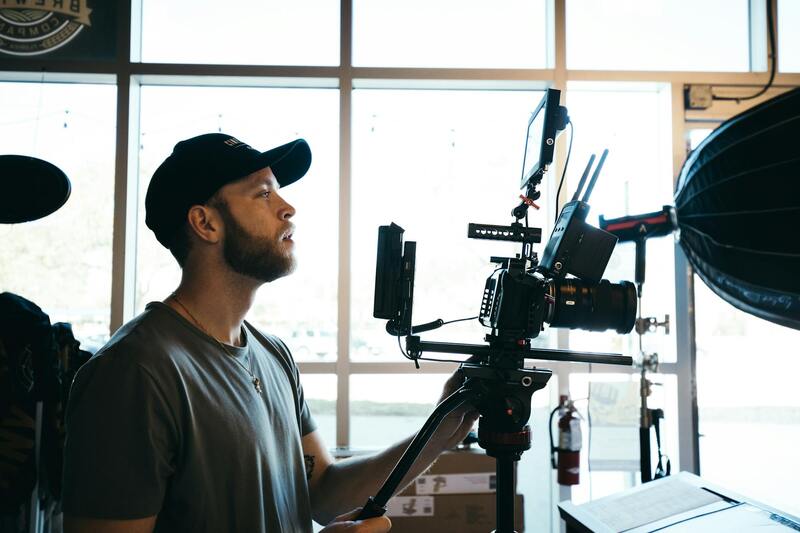
Employing these responsible practices enhances the reliability of your testimonial collection process. When clients feel secure and respected, they are more likely to provide authentic, relatable stories that effectively showcase their experiences. Such authenticity resonates more powerfully with audiences, ultimately supporting your marketing objectives through credible and compelling video testimonials.
The Significance of Authenticity and Transparency
Authenticity forms the cornerstone of convincing video testimonials. Viewers are increasingly adept at detecting insincerity or overly scripted narratives, which can diminish a video's influence. Adopting a transparent approach—encouraging clients to speak candidly about their challenges, successes, and genuine impressions—generates content that feels relatable and trustworthy. To facilitate this, interviewers should foster a comfortable environment, avoiding scripted dialogues in favor of spontaneous, heartfelt responses.
Utilizing off-camera prompts or cues can help clients articulate their stories more naturally, reducing the tendency for staged or rehearsed statements. Encouraging clients to share specific details, including both positive and constructive feedback, enhances the depth and credibility of the testimonial. The goal is to produce content that reflects authentic experiences, inspiring potential customers and building credibility for your brand.
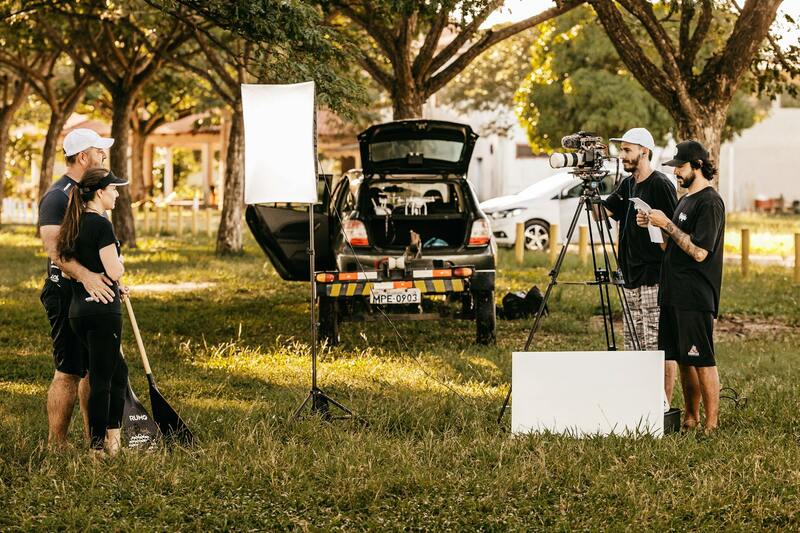
Integrating transparency into your testimonial strategy extends beyond the filming process. Clearly describing the purpose of the videos in your marketing efforts and maintaining open communication throughout the process assures clients of their valued input. This clarity helps in capturing genuine stories that resonate throughout your audience, strengthening your marketing messages with content that feels trustworthy and relatable.
Sustainable Methods for Video Testimonial Collection
Developing sustainable and scalable methods for vídeo testimonial collection bolsters long-term marketing efforts. Creating a structured intake process—such as applicant screening, interview scheduling, and follow-up procedures—ensures consistency and efficiency. Maintaining ongoing relationships with satisfied clients encourages revisiting testimonials periodically as their experiences evolve, keeping your content fresh and relevant.
Additionally, leveraging digital tools for consent management and scheduling can streamline the collection process, reducing administrative overhead. Routine quality checks and feedback loops allow your team to evaluate the effectiveness of testimonial collection practices and refine them over time, ensuring that the process remains both effective and ethically sound.

Ensuring Authenticity and Quality in Video Testimonial Production
High-quality video testimonial production is crucial for creating compelling content that resonates with your target audience. To achieve this, a combination of technical skills, equipment investment, and a thoughtful approach to storytelling are essential. Invest in professional-grade cameras and audio recording devices to ensure clear visuals and crisp sound, as these elements significantly influence viewer engagement. Proper lighting setups help eliminate shadows and highlight the client’s expressions, adding to the authenticity of the story being told.
Beyond technical aspects, the editing process plays a vital role in shaping the final product. Skilled editors can craft a cohesive narrative by selecting the most authentic moments, tightening the flow, and adding subtle visual effects or captions that reinforce key messages. Incorporating branded elements consistently throughout the video, such as logos or color schemes, helps reinforce brand recognition without overpowering the testimonial content.
Sound quality remains a pivotal factor in testimonial effectiveness. Use directional microphones to minimize background noise, and consider employing lapel mics for interviews to capture clear, close-up audio directly from clients. Proper audio post-processing, including noise reduction and equalization, ensures that the testimonial sounds professional and approachable, fostering trust with viewers.
When planning shots, aim for a variety of angles and framing options to keep the viewer engaged. Close-ups of clients' faces during emotional moments can enhance the impact of their stories, while wider shots capture the environment and context. Maintaining visual consistency throughout the video fosters a polished appearance and smooth viewing experience.
In addition to shooting, it is important to adhere to a clear production timeline. Scheduling shoots at convenient times for clients, preparing detailed shot lists, and conducting walkthroughs prevent delays and ensure all required footage is captured efficiently. Employing multiple takes of key segments allows for selecting the most compelling moments during editing, bolstering the authenticity and emotional resonance of the final product.
Effective video testimonial production also involves thoughtful storytelling. Structuring interviews to highlight the client's pain points, solutions, and results enables viewers to understand the real-world benefits of your services. Skilled interviewers guide clients with open-ended questions that encourage candid and detailed responses, resulting in testimonials that feel genuine and relatable.
Ensuring consistency across multiple testimonial videos is important for establishing a recognizable brand voice. This can be achieved by standardizing interview questions, setting clear guidelines for shoot setups, and maintaining uniform editing standards. Such consistency enhances your overall marketing narrative and builds stronger trust with your audience.
Overall, a meticulous approach to technical execution, storytelling, and post-production not only elevates the quality of testimonial videos but also maximizes their impact within your marketing ecosystem. By investing in these key areas, your brand can deliver authentic, persuasive stories that effectively convert viewers into loyal customers.
Post-Production and Editing
Post-production is a crucial phase in the creation of impactful video testimonials. It involves assembling the captured footage into a cohesive narrative that aligns with your marketing objectives and enhances the authenticity of the client's story. During editing, emphasis should be placed on clarity, pacing, and emotional engagement. Selecting the most compelling segments from multiple takes and trimming unnecessary parts ensures the final product is concise and impactful, holding viewers’ attention throughout.
Color correction and grading are essential to achieve a professional look, ensuring visual consistency and enhancing the overall aesthetic. Audio editing, including noise reduction and balancing sound levels, guarantees clarity in dialogue and minimizes distractions, making the testimonial more persuasive.
Incorporating visual elements such as overlays, graphics, and subtitles can reinforce key messages and improve accessibility. For example, adding client names, company logos, or brief summary points can help viewers retain information and reinforce brand recognition.
It's also vital to maintain a consistent branding style. This includes using standardized fonts, color schemes, and transitions that mirror your overall marketing branding. Such consistency solidifies brand identity and increases the credibility of the testimonial.
Before finalizing, conducting internal reviews with stakeholders ensures the video aligns with your messaging and quality standards. Revisions based on feedback refine the emotional tone and factual accuracy, ensuring the testimonial resonates with your target audience.

Post-Production and Editing of Video Testimonials
Following the successful capture of testimonial footage, the post-production phase plays a critical role in refining the narrative and ensuring the final product aligns with strategic marketing goals. This stage involves meticulous editing processes that focus on clarity, engagement, and consistency with brand identity.
One of the foundational steps in editing is organizing raw footage systematically. This facilitates efficient review and selection of the most compelling clips, ensuring that the key messages and authentic client voices are preserved. Editors should prioritize segments that demonstrate genuine enthusiasm and authenticity, as these resonate more compellingly with viewers.
Visual consistency is paramount. Color correction and grading can be employed to achieve a uniform look that matches your brand’s palette or the aesthetic style of other marketing materials. Proper lighting adjustments help maintain visual clarity, especially if footage was shot in varying environments or under inconsistent lighting conditions.
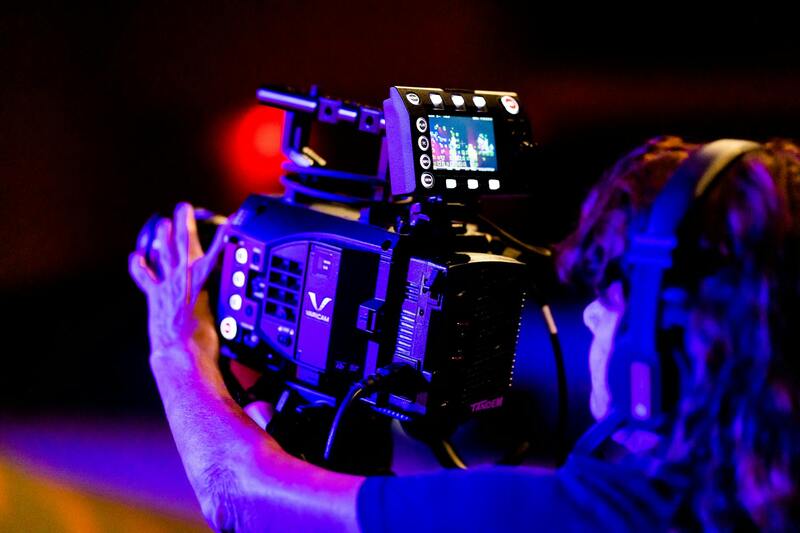
Audio quality is equally vital. Editing should include noise reduction to eliminate background distractions and equalization to balance sound levels. Synchronizing audio and video tracks ensures that dialogue remains clear and natural, fostering viewer trust and understanding.
Subtitles and overlay graphics serve multiple functions—they improve accessibility for viewers with hearing impairments, reinforce key messages, and enhance brand visibility. Including client names, titles, company logos, and succinct summaries can guide viewer retention and reinforce message clarity.
Transitions between clips should be smooth and unobtrusive. Overuse of flashy effects can detract from the authenticity of the testimony, so a balanced approach maintains professionalism without sacrificing engagement. Incorporating visual cues such as callouts or bullet points can emphasize product features or benefits highlighted during the testimonial.
Final review stages involve evaluating the edited footage across different devices and platforms to ensure compatibility and visual integrity. Gathering feedback from stakeholders allows for adjustments that enhance clarity, relevance, and emotional impact. Revisions should be made diligently to refine pacing, tone, and message delivery.
Post-production editing is the linchpin that transforms raw footage into compelling stories. It requires a careful balance between technical precision and creative storytelling to produce testimonial videos that are authentic, persuasive, and aligned with overarching marketing strategies.
Visual Enhancement with Graphic Elements
Incorporating graphic overlays can add professionalism and clarity to testimonial videos. Elements such as lower thirds displaying client names and affiliations, product logos, or brief text summaries reinforce key messages. Subtitles not only improve accessibility but also help when videos are viewed without sound, expanding reach across diverse platforms.
Attention to detail during editing ensures that the final product maintains viewer engagement and sustains message integrity, ultimately elevating the effectiveness of your testimonial campaign.
Ensuring the Legal and Ethical Use of Video Testimonials
When utilizing client-generated content for promotional purposes, it is essential to adhere to established methods that respect both client rights and content integrity. Employing official and reputable channels safeguards the process and maintains trustworthiness. This approach involves obtaining proper authorization, accurately representing the client’s insights, and ensuring clarity about the intended use of the testimonial.
One of the fundamental steps is securing explicit permission from the client or interviewee before publishing their testimonial. This can be done through written consent forms that clearly outline how the video will be used, where it will be displayed, and the duration of its utilization. Such documentation not only complies with best practices but also solidifies the commitment to transparency and respect for client rights.

In addition to obtaining permission, it is vital to verify that the testimonial content is accurate and unaltered in a way that might mislead viewers. Maintaining integrity during editing includes preserving the original message and context provided by the client, with only minimal adjustments necessary for clarity or professionalism. This disciplined approach ensures the testimonial remains a genuine reflection of the client’s experience.
Transparency about the nature of the testimonial is another key component. Clear disclosures should be included when necessary, indicating if any compensation has been provided or if the content is sponsored. Various platforms and marketing channels have guidelines emphasizing honesty and clarity, which should be adhered to consistently.
Implementing Official Practices for Video Testimonial Distribution
Using reputable and official channels for sharing testimonial videos not only enhances credibility but also aligns with best practices in digital marketing. Publishing videos on the company’s own website ensures controlled access and clear branding. Embedding testimonials within landing pages dedicated to specific products or services provides contextual relevance and can improve conversion rates.
- Social media platforms: Sharing testimonials via verified business accounts ensures reach while maintaining authenticity through official profiles.
- Email campaigns: Incorporating testimonial videos into newsletters or targeted email sequences can enhance engagement and foster trust among potential clients.
- Professional video hosting platforms: Using well-known channels such as Vimeo or YouTube offers reliable streaming quality and analytics, facilitating performance measurement.
Each distribution method should follow platform-specific guidelines concerning content usage and disclosure requirements. By adhering strictly to authorized methods, businesses safeguard their reputation and uphold the professionalism integral to effective marketing.
Legal and Ethical Considerations in Video Testimonial Production
Ensuring the integrity and transparency of your video testimonials involves adhering to established official protocols that protect both your business and your clients. While creating and sharing these videos, it’s essential to implement practices that maintain honesty without explicitly referencing legal obligations. This includes obtaining explicit consent from clients before capturing their testimonials, clarifying the purpose of the video, and explaining how it will be used across various platforms.
Documenting agreements that outline the scope of the testimonial can help prevent misunderstandings and ensure all parties are aligned. These agreements should specify how the testimonial will be presented, confirming that the client understands they are sharing their genuine experience. Transparency about any incentives or benefits provided is also important to uphold authenticity, even if not explicitly labeled as sponsorship.
Quality control procedures further enhance credibility. This might involve verifying the accuracy of statements made within the testimonial to ensure they accurately reflect the client’s experience. Content moderation during editing is also crucial; it’s necessary to avoid altering core messages that could mislead viewers about the client’s genuine feedback.
Best Practices for Authentic and Ethical Testimonial Use
- Obtain Clear Consent: Secure written permission from clients before filming or publishing their testimonial. This consent should specify how and where the video will be shared.
- Disclose Any Incentives: Be transparent about any rewards or incentives received by clients to avoid misinterpretation of the testimonial’s motivation.
- Maintain Content Integrity: Ensure the testimonial remains an authentic reflection of the client’s experience by avoiding misleading edits or omissions.
- Respect Client Privacy: Allow clients to control the level of personal information they wish to share, and provide options for anonymity when appropriate.
- Use Official and Secure Channels for Distribution: Publish testimonials on verified platforms such as your official website, secure email campaigns, or reputable video hosting services to preserve authenticity and professionalism.
Adhering to these structured, official standards for testimonial collection and dissemination not only bolsters trust but also aligns with best practices in digital marketing practices that prioritize transparency and integrity. These measures contribute to building long-term credibility with your audience while safeguarding your business’s reputation.